
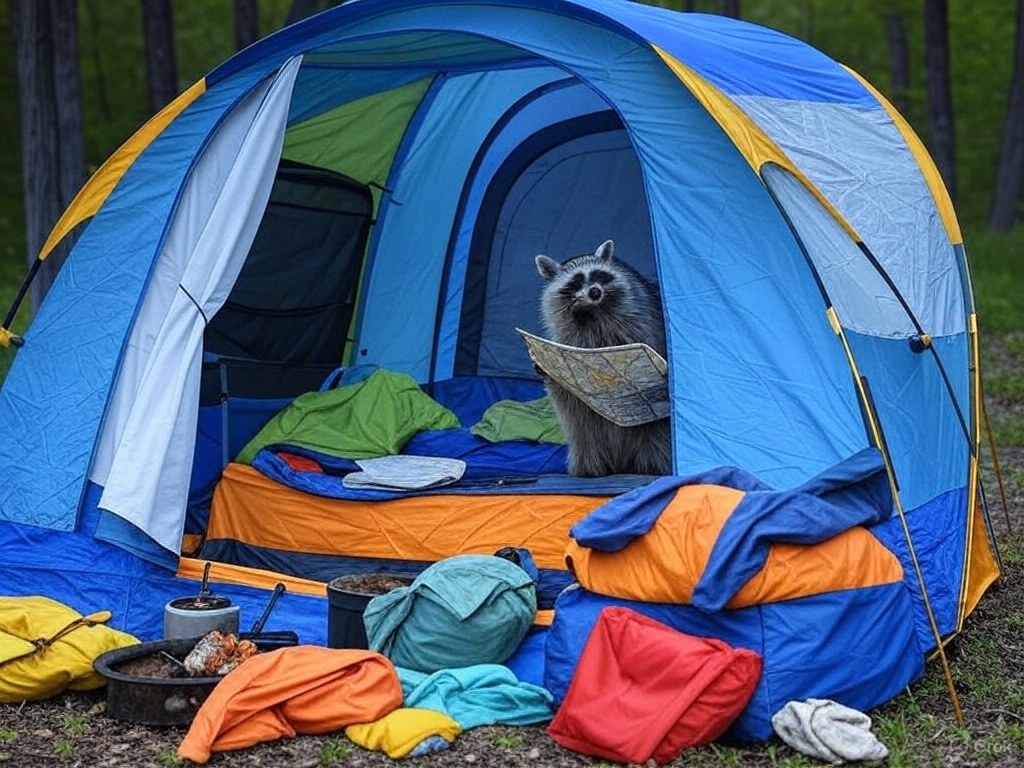
Dispersed camping offers a unique opportunity to connect with nature away from the crowds of traditional campgrounds. However, for those new to this style of camping, there are common pitfalls that can detract from the experience. Here are – not necessarily in order of importance – the top seven mistakes new dispersed campers often make and how to avoid them.
1. Ignoring Leave No Trace Principles
Understanding Leave No Trace
The Leave No Trace (LNT) principles are a set of outdoor ethics designed to promote conservation in the outdoors. They are essential for minimizing human impact on natural environments and ensuring that these areas remain pristine for future generations. The principles are not just guidelines but a mindset that encourages responsible outdoor behavior.
The Seven Principles
- Plan Ahead and Prepare: Proper planning helps campers minimize their impact. This includes understanding the regulations of the area, preparing for extreme weather, and knowing how to handle emergencies.
- Travel and Camp on Durable Surfaces: To prevent soil erosion and vegetation damage, campers should stick to established trails and campsites. In areas without trails, it’s important to walk on durable surfaces like rock or gravel.
- Dispose of Waste Properly: “Pack it in, pack it out” is a fundamental rule. All trash, leftover food, and litter should be carried out. Human waste should be disposed of in a cathole dug 6-8 inches deep, at least 200 feet from water sources.
- Leave What You Find: Preserving the past is crucial. Campers should avoid picking plants, disturbing cultural or historical artifacts, and altering the environment in any way.
- Minimize Campfire Impact: Campfires can cause lasting impacts. It’s best to use a lightweight stove for cooking and a candle lantern for light. If a fire is necessary, use established fire rings, keep fires small, and ensure they are completely extinguished.
- Respect Wildlife: Observing wildlife from a distance is important. Feeding animals can alter their natural behaviors and make them dependent on humans. Campers should store food securely and keep a respectful distance from all wildlife.
- Be Considerate of Other Visitors: Respecting other campers and the natural environment enhances everyone’s experience. This includes keeping noise levels down, yielding to others on trails, and camping away from trails and other visitors.
The Importance of Leave No Trace
Ignoring these principles can lead to significant environmental degradation. Litter can harm wildlife and spoil the natural beauty of an area. Campfires can cause wildfires or leave scars on the landscape. Disturbing wildlife can disrupt ecosystems and lead to dangerous encounters. By adhering to the Leave No Trace principles, campers help preserve the integrity of natural areas, ensuring that they remain wild and beautiful for everyone to enjoy.
Educating New Campers
Education is key to promoting Leave No Trace ethics. New campers should be encouraged to learn and practice these principles before heading out. Many organizations offer resources and training on Leave No Trace practices, which can be invaluable for those new to dispersed camping.
By embracing the Leave No Trace principles, campers not only protect the environment but also enhance their own outdoor experience. Responsible camping ensures that natural areas remain unspoiled and accessible for future generations to explore and enjoy.
2. Poor Site Selection
The Importance of Site Selection
Selecting an appropriate campsite is crucial for both the safety of campers and the preservation of the natural environment. A well-chosen site minimizes environmental impact, ensures compliance with local regulations, and enhances the overall camping experience. Poor site selection can lead to environmental degradation, safety hazards, and legal issues.
Key Considerations for Site Selection
- Distance from Water Sources:
- Environmental Protection: Camping too close to water bodies can lead to soil erosion, water pollution, and habitat disruption. Human activities near water sources can introduce contaminants and disturb aquatic ecosystems.
- Regulatory Compliance: Many areas have regulations requiring campers to set up at least 200 feet / 60m away from lakes, rivers, and streams. This distance helps protect water quality and wildlife habitats.
- Durable Surfaces:
- Minimizing Impact: Campers should choose sites on durable surfaces such as rock, gravel, or dry grass. These surfaces are less susceptible to damage and help prevent soil erosion and vegetation loss.
- Avoiding Fragile Areas: It’s important to avoid camping on fragile ecosystems like wetlands, meadows, or areas with delicate vegetation, as these can be easily damaged by foot traffic and camping activities.
- Safety Considerations:
- Weather and Terrain: Campers should consider the potential for flooding, falling rocks, or avalanches. Avoiding low-lying areas and setting up on higher ground can prevent water-related hazards.
- Wind and Sun Exposure: Selecting a site with natural windbreaks, such as trees or rock formations, can provide shelter from strong winds. Additionally, considering sun exposure can help regulate temperature and comfort.
- Proximity to Trails and Other Campers:
- Privacy and Noise: Choosing a site away from trails and other campers ensures privacy and reduces noise disturbances. This consideration is important for both personal enjoyment and respecting the experience of others.
- Wildlife Corridors: Avoiding established wildlife paths helps prevent encounters with animals and reduces stress on local fauna.
The Consequences of Poor Site Selection
- Environmental Degradation: Camping too close to water sources or on fragile surfaces can lead to long-term damage, such as soil compaction, vegetation loss, and water pollution.
- Safety Hazards: Poor site selection can expose campers to risks like flooding, falling debris, or wildlife encounters.
- Legal Issues: Violating local regulations regarding campsite location can result in fines or other penalties.
Educating New Campers
Education on proper site selection is vital for new campers. Resources such as maps, guidebooks, and ranger stations can provide valuable information on suitable camping areas. Additionally, experienced campers and outdoor organizations can offer guidance on selecting environmentally responsible and safe campsites.
By prioritizing thoughtful site selection, campers can enjoy a safer and more fulfilling outdoor experience while contributing to the preservation of natural environments. Responsible camping practices ensure that these beautiful areas remain accessible and pristine for future generations.
3. Inadequate Preparation
The Importance of Preparation
Preparation is the cornerstone of a successful dispersed camping trip. Unlike developed campgrounds, dispersed camping areas lack amenities such as potable water, restrooms, and established fire pits. This means campers must be entirely self-sufficient, which requires careful planning and preparation. Inadequate preparation can lead to discomfort, safety hazards, and even life-threatening situations.
Essential Preparations for Dispersed Camping
- Research and Planning:
- Understanding the Area: Before heading out, campers should research the area they plan to visit. This includes understanding the terrain, weather patterns, local wildlife, and any specific regulations or permits required.
- Route Planning: Having a clear plan for the route, including entry and exit points, helps ensure a safe and efficient trip. It’s also important to have a backup plan in case of unexpected changes, such as weather or trail closures.
- Navigation Tools:
- Reliable Maps: Carrying a detailed topographic map of the area is crucial. While GPS devices are helpful, they can fail due to battery issues or lack of signal. A physical map and compass provide a reliable backup. Cf. my previous essay for more detail
- Navigation Skills: Basic map-reading and compass skills are essential for navigating in remote areas. Campers should practice these skills before their trip to ensure they can find their way if technology fails.
- Adequate Food and Water:
- Sufficient Supplies: Campers should bring enough food and water for the entire trip, plus extra in case of emergencies. It’s important to consider the caloric needs for the level of activity and the duration of the trip.
- Water Purification: Since natural water sources may not be safe to drink, campers should carry a water filter or purification tablets to ensure they have access to clean water.
- Appropriate Clothing and Gear:
- Weather-Appropriate Clothing: Campers should pack clothing suitable for a range of weather conditions, including rain gear, warm layers, and sun protection. Weather can change rapidly in remote areas, so being prepared for all conditions is essential.
- Essential Gear: Key items include a tent or shelter, sleeping bag, cooking equipment, and a first-aid kit. Campers should also carry tools for fire-making, such as matches or a lighter, and a multi-tool for various tasks.
- Emergency Preparedness:
- First-Aid Kit: A well-stocked first-aid kit is crucial for handling minor injuries and medical emergencies. Campers should also know basic first-aid procedures.
- Communication Plan: Informing someone of the trip itinerary and expected return time is important for safety. In case of emergencies, having a way to communicate, such as a satellite phone or emergency beacon, can be lifesaving.
The Consequences of Inadequate Preparation
- Discomfort and Inconvenience: Lack of preparation can lead to discomfort due to inadequate clothing, insufficient food, or lack of shelter.
- Safety Risks: Being unprepared for weather changes, navigation challenges, or medical emergencies can result in dangerous situations.
- Trip Abandonment: Inadequate preparation may force campers to cut their trip short, missing out on the full experience and potentially putting themselves at risk during an unplanned exit.
Educating New Campers
Education and experience are key to successful preparation. New campers can benefit from resources such as guidebooks, online forums, and advice from experienced campers. Participating in outdoor skills workshops or courses can also provide valuable knowledge and confidence.
By prioritizing thorough preparation, campers can ensure a safe, enjoyable, and memorable dispersed camping experience. Proper planning not only enhances personal safety and comfort but also contributes to the preservation of the natural environment by reducing the likelihood of emergencies and environmental impact.
4. Overlooking Safety Measures
The Importance of Safety in Dispersed Camping
Safety is a critical aspect of dispersed camping, especially given the remote and often isolated nature of these locations. Unlike developed campgrounds, dispersed camping areas lack immediate access to emergency services, making it essential for campers to be self-reliant and prepared for potential risks. Overlooking safety measures can lead to dangerous situations and emergencies that could have been prevented with proper planning and awareness.
Key Safety Measures for Dispersed Camping
- Informing Others of Your Plans:
- Trip Itinerary: Before heading out, campers should inform a trusted friend or family member of their detailed itinerary, including the location, planned route, and expected return time. This information is crucial for search and rescue operations if the camper fails to return as planned.
- Check-In Procedures: Establishing a check-in schedule, where the camper contacts someone at predetermined times, can provide an additional layer of safety and reassurance.
- Understanding Local Wildlife:
- Wildlife Awareness: Campers should research the types of wildlife present in the area and understand their behaviors. This knowledge helps in avoiding encounters and knowing how to react if one occurs.
- Food Storage: Proper food storage is essential to prevent attracting wildlife to the campsite. Using bear-proof containers or hanging food in a tree can deter animals from approaching. All food, trash, and scented items should be stored securely away from sleeping areas.
- Carrying a First-Aid Kit:
- Comprehensive Kit: A well-stocked first-aid kit should include bandages, antiseptics, pain relievers, and any personal medications. It’s important to tailor the kit to the specific needs of the trip and the individuals involved.
- First-Aid Knowledge: Campers should have basic first-aid knowledge, including how to treat cuts, sprains, and other common injuries. Taking a first-aid course can provide valuable skills and confidence in handling medical emergencies.
- Basic Survival Skills:
- Navigation and Orientation: Knowing how to use a map and compass is essential for navigating in remote areas. Campers should practice these skills to ensure they can find their way if they become disoriented.
- Fire-Making Skills: Being able to start a fire safely is important for warmth, cooking, and signaling for help. Campers should carry multiple fire-starting tools, such as matches, lighters, and fire starters, and know how to use them effectively.
- Emergency Communication Devices:
- Satellite Phones, Satellite Communicators, and Beacons: In areas without cell service, carrying a satellite phone or a personal locator beacon (PLB) can be lifesaving. These devices allow campers to communicate with emergency services or send distress signals if needed. Cf. this previous essay for more in-depth information, or this one, comparing inReach to SPoT.
- Whistles and Mirrors: Simple tools like whistles and signal mirrors can be used to attract attention in emergencies, especially if electronic devices fail.
The Consequences of Overlooking Safety Measures
- Increased Risk of Injury: Without proper safety measures, campers are more susceptible to injuries from accidents, wildlife encounters, or environmental hazards.
- Delayed Rescue: Failing to inform others of plans or carry communication devices can delay rescue efforts in the event of an emergency.
- Unnecessary Stress: Lack of preparation can lead to stress and anxiety, detracting from the enjoyment of the camping experience.
Educating New Campers
Education and preparation are key to ensuring safety in dispersed camping. New campers can benefit from resources such as safety workshops, online tutorials, and advice from experienced campers. Practicing safety skills in a controlled environment before heading into the wilderness can build confidence and competence.
By prioritizing safety measures, campers can enjoy a secure and rewarding outdoor experience. Being prepared for potential risks not only protects the individual but also contributes to the overall safety and sustainability of dispersed camping areas.
5. Disregarding Local Regulations
The Importance of Adhering to Local Regulations
Local regulations are established to protect natural resources, ensure public safety, and preserve the integrity of outdoor spaces. Disregarding these rules can lead to environmental degradation, safety hazards, and legal consequences. For new campers, understanding and adhering to these regulations is crucial for a responsible and enjoyable dispersed camping experience.
Key Aspects of Local Regulations
- Camping Permits and Fees:
- Permit Requirements: Many areas require permits for dispersed camping to manage the number of visitors and minimize environmental impact. Permits may be free or involve a fee, and they often come with specific conditions that campers must follow.
- Obtaining Permits: Campers should research the permit requirements for their chosen area well in advance. Permits can often be obtained online, at ranger stations, or through local government offices.
- Fire Restrictions:
- Understanding Fire Regulations: Fire restrictions vary by location and season, often depending on weather conditions and fire risk levels. Some areas may prohibit open fires altogether, while others allow them only in designated fire rings.
- Alternative Cooking Methods: In areas with fire bans, campers should be prepared to use alternative cooking methods, such as portable stoves, which are often allowed even when open fires are not.
- Waste Disposal Regulations:
- Pack It In, Pack It Out: Many areas have strict regulations regarding waste disposal to prevent littering and protect wildlife. Campers are typically required to carry out all trash, including food scraps and hygiene products.
- Human Waste Disposal: Regulations often specify how to dispose of human waste, such as using catholes or packing out waste in designated containers. Following these guidelines helps prevent contamination of water sources and maintains the cleanliness of the area.
- Wildlife Protection Laws:
- Respecting Wildlife: Regulations often include guidelines for interacting with wildlife, such as maintaining a safe distance and not feeding animals. These rules are in place to protect both wildlife and campers.
- Food Storage Requirements: Some areas have specific requirements for storing food to prevent attracting wildlife. This may include using bear-proof containers or hanging food in trees.
- Camping Location and Duration:
- Designated Areas: Some regions have designated areas for dispersed camping to concentrate impact and protect sensitive environments. Campers should ensure they are camping in permitted locations.
- Stay Limits: Regulations may limit the number of consecutive nights campers can stay in one location to prevent overuse and allow natural recovery. Campers should be aware of these limits and plan their trips accordingly.
The Consequences of Disregarding Local Regulations
- Environmental Damage: Ignoring regulations can lead to habitat destruction, pollution, and increased fire risk, harming the ecosystem and diminishing the natural beauty of the area.
- Legal Penalties: Violating local regulations can result in fines, citations, or even bans from certain areas, impacting future camping opportunities.
- Negative Impact on Other Campers: Disregarding rules can create a negative experience for other campers, leading to overcrowding, resource depletion, and conflicts.
Educating New Campers
Education is key to ensuring compliance with local regulations. New campers should take the time to research the rules for their chosen area, using resources such as government websites, ranger stations, and outdoor organizations. Engaging with local communities and experienced campers can also provide valuable insights and guidance.
By respecting and adhering to local regulations, campers contribute to the preservation of natural areas and ensure a safe and enjoyable experience for themselves and others. Responsible camping practices help maintain the delicate balance of ecosystems and support the sustainability of outdoor recreation.
6. Underestimating Weather Conditions
The Importance of Weather Awareness
Weather conditions play a crucial role in the safety and comfort of a dispersed camping trip. In remote areas, weather can change rapidly and unpredictably, posing significant challenges for campers. Underestimating these conditions can lead to discomfort, safety hazards, and even life-threatening situations. Being prepared for various weather scenarios is essential for a successful camping experience.
Key Considerations for Weather Preparedness
- Checking Weather Forecasts:
- Pre-Trip Research: Before setting out, campers should check the weather forecast for their destination. This includes understanding typical weather patterns for the season and any current advisories or warnings.
- Continuous Monitoring: Weather conditions can change quickly, so it’s important to monitor forecasts throughout the trip. Portable weather radios or smartphone apps can provide updates, but campers should also be prepared for areas with no signal.
- Packing Appropriate Gear:
- Rain Gear: Waterproof clothing, such as rain jackets and pants, is essential for staying dry during unexpected showers. A waterproof tent or tarp can also protect against rain and keep gear dry.
- Cold Weather Gear: Even in warmer months, temperatures can drop significantly at night or at higher elevations. Campers should pack warm layers, including thermal clothing, hats, and gloves, to prevent hypothermia.
- Heat Protection: In hot weather, sun protection is crucial. Campers should bring sunscreen, hats, and lightweight, breathable clothing to prevent sunburn and heat exhaustion.
- Adapting Plans to Weather Changes:
- Flexible Itinerary: Campers should be prepared to adjust their plans based on weather conditions. This might include altering routes, changing campsites, or even cutting the trip short if conditions become unsafe.
- Shelter Considerations: Choosing a campsite with natural windbreaks or shade can provide additional protection against harsh weather. Campers should also be aware of potential hazards like flooding or falling branches.
- Understanding Weather-Related Risks:
- Hypothermia and Frostbite: Cold and wet conditions can lead to hypothermia and frostbite. Campers should know the signs and symptoms and how to treat them.
- Heat Exhaustion and Heatstroke: In hot weather, staying hydrated and taking breaks in the shade can prevent heat-related illnesses. Campers should recognize the symptoms and know how to respond.
- Emergency Preparedness:
- Emergency Shelter: In case of severe weather, having an emergency shelter, such as a bivy sack or space blanket, can provide critical protection.
- Communication Devices: Carrying a communication device, like a satellite phone or emergency beacon, can be vital for contacting help if weather conditions become dangerous.
The Consequences of Underestimating Weather Conditions
- Discomfort and Inconvenience: Inadequate preparation for weather changes can lead to discomfort, such as being cold, wet, or overheated, detracting from the enjoyment of the trip.
- Safety Hazards: Severe weather can create dangerous conditions, such as hypothermia, heatstroke, or getting lost in fog or storms.
- Trip Disruption: Unanticipated weather changes can force campers to alter or abandon their plans, potentially leading to logistical challenges and disappointment.
Educating New Campers
Education and experience are key to understanding and preparing for weather conditions. New campers can benefit from resources such as weather preparedness courses, online tutorials, and advice from experienced campers. Practicing setting up camp in various weather conditions can also build confidence and competence.
By prioritizing weather preparedness, campers can ensure a safer and more enjoyable outdoor experience. Being ready for weather changes not only enhances personal safety and comfort but also contributes to the overall success and sustainability of dispersed camping trips.
7. Lack of Navigation Skills
The Importance of Navigation Skills
Effective navigation is a critical skill for dispersed camping, especially in remote and unfamiliar areas. While technology such as GPS devices and smartphone apps can be helpful, they are not infallible. Batteries can die, signals can be lost, and devices can malfunction. Therefore, having a solid foundation in traditional navigation skills is essential for ensuring safety and preventing disorientation in the wilderness.
Key Navigation Skills and Tools
- Map and Compass Skills:
- Reading Topographic Maps: Understanding how to read topographic maps is fundamental. Campers should be able to interpret contour lines, identify landmarks, and understand scale and distance.
- Using a Compass: Knowing how to use a compass in conjunction with a map is crucial for determining direction and plotting routes. Skills such as taking bearings and triangulating position are essential for accurate navigation.
- Carrying Physical Maps:
- Reliable Backup: Physical maps serve as a reliable backup when electronic devices fail. Campers should carry waterproof or laminated maps to protect them from the elements.
- Route Planning: Before the trip, campers should mark their planned route on the map, including key waypoints, potential campsites, and exit points. This preparation aids in navigation and helps in case of emergencies.
- Understanding the Terrain:
- Terrain Awareness: Familiarity with the terrain helps campers anticipate challenges such as steep inclines, water crossings, or dense vegetation. This awareness aids in route planning and decision-making.
- Landmark Identification: Recognizing natural landmarks, such as mountains, rivers, or distinctive rock formations, can assist in maintaining orientation and confirming location.
- Developing a Clear Route Plan:
- Detailed Itinerary: A clear route plan includes the starting point, intended path, and estimated travel times. Campers should also identify alternative routes in case of unexpected obstacles.
- Regular Checkpoints: Establishing regular checkpoints along the route helps campers verify their position and progress, reducing the risk of getting lost.
- Practicing Navigation Skills:
- Skill Development: Practicing navigation skills in a controlled environment, such as a local park or orienteering course, builds confidence and competence.
- Simulated Scenarios: Engaging in simulated scenarios, such as navigating without a GPS or finding a route in low visibility, prepares campers for real-world challenges.
The Consequences of Lacking Navigation Skills
- Getting Lost: Without proper navigation skills, campers are at risk of getting lost, which can lead to panic, exhaustion, and exposure to the elements.
- Increased Risk of Injury: Disorientation can lead to dangerous situations, such as wandering into hazardous terrain or encountering wildlife unexpectedly.
- Delayed Rescue: Inability to communicate location accurately can delay rescue efforts in emergencies, increasing the risk of harm.
Educating New Campers
Education and practice are key to developing effective navigation skills. New campers can benefit from resources such as navigation courses, online tutorials, and guidance from experienced hikers. Participating in orienteering events or workshops can also provide hands-on experience and skill refinement.
By prioritizing navigation skills, campers can ensure a safer and more confident outdoor experience. Mastery of these skills not only enhances personal safety and enjoyment but also contributes to the overall success and sustainability of dispersed camping adventures.
Conclusion
The Value of Mindfulness in Dispersed Camping
Dispersed camping offers a unique opportunity to immerse oneself in nature, away from the conveniences and crowds of developed campgrounds. However, this freedom comes with the responsibility to camp thoughtfully and sustainably. By being mindful of common mistakes, new campers can significantly enhance their outdoor experience while minimizing their impact on the environment.
Enhancing the Camping Experience
- Safety and Preparedness:
- Confidence and Security: By preparing adequately and understanding potential risks, campers can navigate the wilderness with confidence. This preparedness reduces anxiety and allows for a more relaxed and enjoyable experience.
- Skill Development: Embracing the learning process involved in mastering navigation, weather preparedness, and safety measures enriches the camping experience. These skills not only enhance personal growth but also increase self-reliance and resilience.
- Environmental Stewardship:
- Preserving Natural Beauty: Responsible camping practices, such as adhering to Leave No Trace principles and respecting local regulations, help preserve the pristine beauty of natural areas. This stewardship ensures that these spaces remain unspoiled for future visitors.
- Wildlife Protection: By understanding and respecting wildlife, campers contribute to the conservation of ecosystems. This respect fosters a deeper connection with nature and a greater appreciation for the delicate balance of the natural world.
- Community and Connection:
- Shared Responsibility: Engaging with the camping community and sharing knowledge about responsible practices fosters a sense of shared responsibility. This collective effort enhances the overall camping culture and encourages others to adopt sustainable habits.
- Building Relationships: Camping with others or meeting fellow campers on the trail can lead to lasting friendships and a sense of camaraderie. These connections enrich the camping experience and create a supportive network for future adventures.
Preserving Natural Spaces for Future Generations
- Sustainability and Conservation:
- Long-Term Impact: By minimizing their environmental footprint, campers contribute to the long-term sustainability of natural areas. This conservation effort ensures that future generations can enjoy the same opportunities to connect with nature.
- Educational Legacy: Passing on knowledge of responsible camping practices to others, especially younger generations, helps instill a culture of conservation and respect for the environment.
- Advocacy and Awareness:
- Promoting Awareness: Campers who practice and advocate for responsible camping can influence others to do the same. This advocacy raises awareness about the importance of preserving natural spaces and encourages broader community involvement.
- Supporting Conservation Efforts: Engaging with and supporting conservation organizations and initiatives helps protect natural areas on a larger scale. Campers can contribute through volunteer work, donations, or simply spreading the word about conservation efforts.
By embracing responsible camping practices, new dispersed campers can enjoy a safe, fulfilling, and enriching adventure in the great outdoors. This mindful approach not only enhances personal experiences but also plays a crucial role in preserving the natural world for future generations. As stewards of the environment, campers have the opportunity to make a positive impact, ensuring that the beauty and tranquility of these spaces endure for years to come.



 UTAZCO Overland
Leave a Reply