
Terrain as the Primary Variable in Overlanding
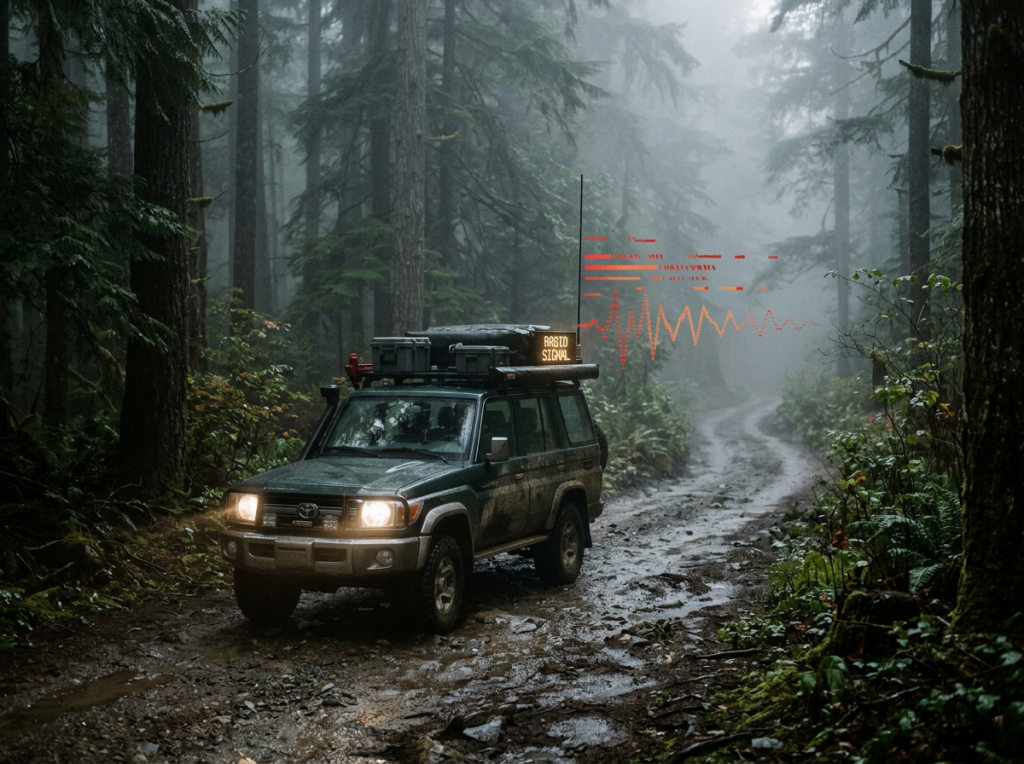
In the world of overlanding, the landscape is not merely a backdrop but the central force that dictates every decision, challenge, and triumph along the route. Unlike conventional road trips, where paved highways and predictable infrastructure minimize surprises, overlanding thrusts travelers into direct engagement with the land itself. Each type of terrain—be it the jagged ascent of a mountain pass, the dense tangle of a forest, the endless expanse of a desert, or the treacherous softness of a swamp—imposes its own set of demands on both people and machines.
The terrain determines the pace of travel, the choice of vehicle modifications, and the strategies for navigation. A rocky mountain trail may require low-range gearing, careful tire placement, and constant vigilance for sudden drops or loose scree. In contrast, a forested path might challenge drivers with muddy ruts, fallen trees, and the ever-present risk of losing the trail beneath a canopy that blocks both sunlight and satellite signals. Deserts, with their deceptive openness, test endurance and resourcefulness, as the lack of landmarks and the monotony of the landscape can quickly disorient even experienced navigators. Swamps and wetlands, meanwhile, demand patience and teamwork, as progress slows to a crawl and every step must be weighed against the risk of becoming mired in mud or water.
These physical challenges are only part of the equation. Terrain also shapes the way overlanders communicate and coordinate. Radio communication, for example, is profoundly affected by the environment. Mountains can block signals, forests can absorb them, and atmospheric conditions in deserts can distort or carry voices farther than expected. The need to adapt communication strategies to the terrain is not a luxury but a necessity; a missed message in the wrong place can mean anything from a minor inconvenience to a serious emergency.
Ultimately, terrain is the primary variable that transforms overlanding from a simple drive into a dynamic, ever-changing adventure. It demands respect, preparation, and adaptability. Those who understand and embrace the influence of terrain—who learn to read the land and adjust their tools and tactics accordingly—are rewarded not just with safe passage, but with a deeper connection to the journey itself. In this context, radio communication becomes more than a convenience; it is a lifeline that bridges the gaps imposed by nature, enabling overlanders to explore further, travel safer, and experience the true spirit of adventure.
Terrain is the defining factor in overlanding, shaping every aspect of the journey from travel speed and vehicle setup to navigation and communication strategies. Unlike ordinary road trips, overlanding requires direct interaction with challenging environments—mountains, forests, deserts, and swamps—each presenting unique obstacles for both people and equipment. These challenges extend beyond the physical, as terrain also affects how overlanders communicate, making adaptable radio use essential for safety and coordination. Ultimately, understanding and respecting the influence of terrain transforms overlanding into a dynamic adventure, where preparation and adaptability are key, and radio communication serves as a vital link for safe and rewarding exploration.
Mountains: Range Limitations, Repeater Use, and Convoy Spacing
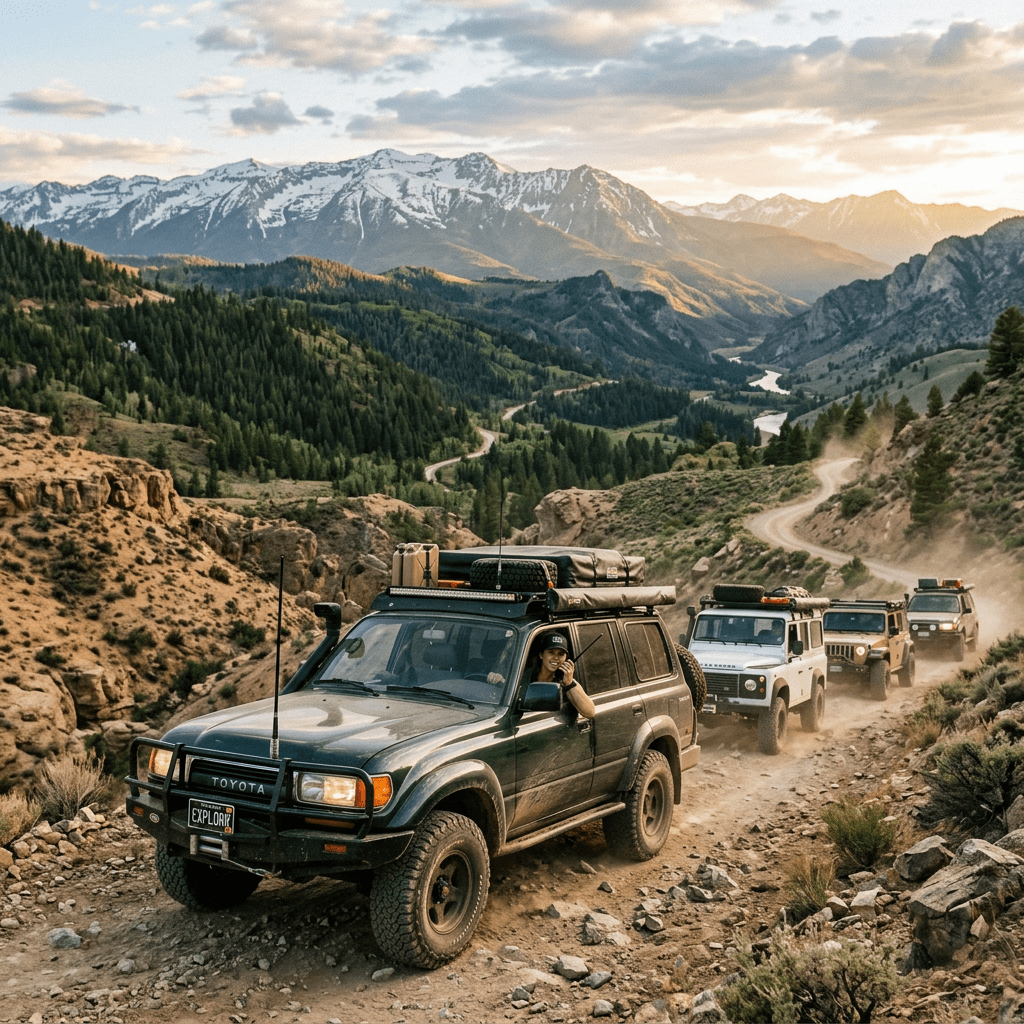
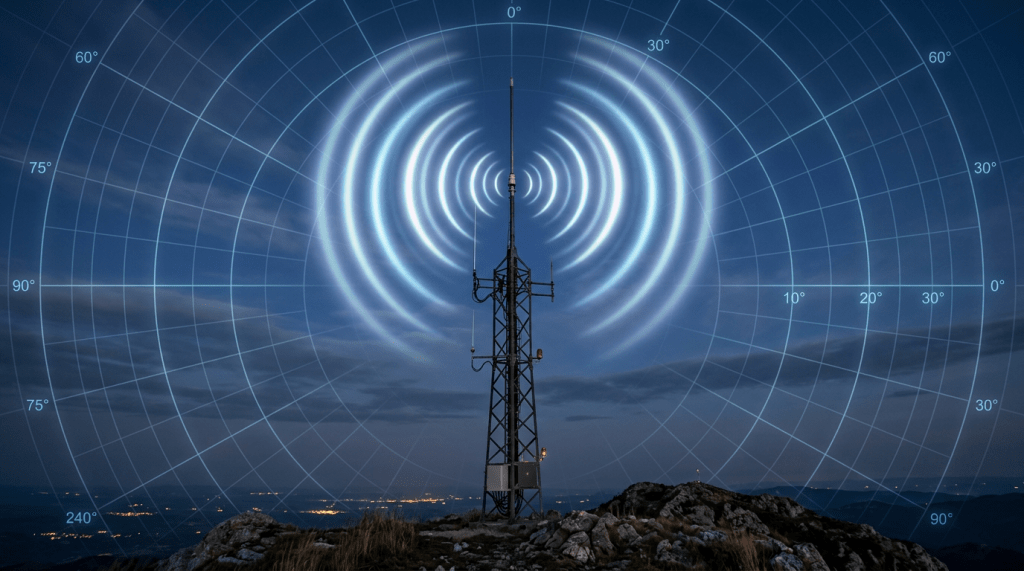
Navigating mountainous terrain is a true test of both driving skill and communication strategy. The very features that make mountains awe-inspiring—their towering peaks, deep valleys, and unpredictable contours—also create significant obstacles for overlanders. Unlike open plains, where radio signals can travel unimpeded for miles, mountains disrupt these signals at every turn. The line-of-sight nature of most overlanding radios means that even a single ridge or outcrop can sever communication between vehicles, leaving parts of a convoy isolated and vulnerable.
To overcome these natural barriers, overlanders often rely on radio repeaters. These devices, positioned on high ground or at strategic points along the route, receive transmissions and rebroadcast them, effectively leaping over obstacles that would otherwise block the signal. The presence of a well-placed repeater can mean the difference between seamless coordination and frustrating silence, especially when the group is spread out over a long, winding trail.
Convoy spacing in the mountains becomes a delicate balancing act. If vehicles are spaced too far apart, the terrain may swallow up radio signals, making it impossible to relay critical information about sudden hazards, route changes, or the need to stop. On the other hand, keeping vehicles too close together can be equally dangerous, particularly on narrow switchbacks or steep inclines where visibility is limited and reaction times are short. Drivers must constantly adjust their spacing, using radio check-ins to maintain contact without sacrificing safety.
In this environment, effective radio communication is not just a convenience—it is a lifeline. It allows the lead vehicle to warn those behind about obstacles such as fallen rocks, washed-out sections, or unexpected wildlife. It enables the group to coordinate stops, regroup after difficult sections, and respond quickly to emergencies. Even when the terrain seems determined to isolate each traveler, radio bridges the gaps, ensuring that the convoy moves as a cohesive unit through some of the most challenging landscapes overlanders will ever face.
Mountainous terrain poses serious challenges for overlanders, as steep slopes and rocky features often block radio signals and limit communication range. To maintain contact, repeaters are used to relay messages over obstacles, while careful convoy spacing is necessary to balance safety and connectivity. In these conditions, effective radio use becomes essential for sharing information about hazards, coordinating movements, and ensuring the group stays together despite the isolating nature of the landscape.
Forests: Signal Absorption, Antenna Height, and Navigation Challenges
Traveling through dense forests introduces a unique set of communication and navigation difficulties for overlanders. The thick canopy and dense undergrowth do more than obscure the sky—they also absorb and scatter radio signals, particularly those at higher frequencies. This natural interference often results in patchy coverage, dropped transmissions, and the frustrating experience of trying to reach another vehicle only to be met with static or silence. The forest acts almost like a sponge, soaking up radio energy and making even short-range communication unreliable in certain pockets.
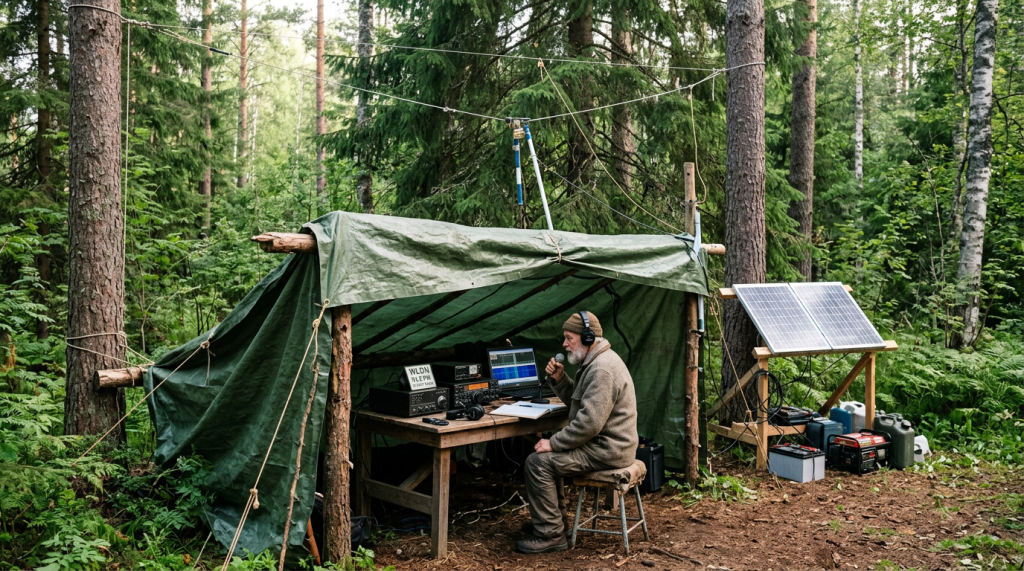
To counteract these effects, overlanders must pay careful attention to their radio setup. Raising the antenna, whether by mounting it higher on the vehicle or deploying a portable mast at camp, can make a significant difference. By elevating the antenna above the densest parts of the canopy, signals have a better chance of traveling further and maintaining clarity. However, this solution is not always practical on the move, and the ever-changing density of the forest means that communication quality can fluctuate rapidly as the convoy progresses.
Navigation in forests is equally challenging. The limited visibility caused by thick vegetation makes it difficult to spot turns, forks, or hazards until the last moment. Landmarks are often subtle or completely hidden, and GPS signals can be unreliable under heavy foliage. In this environment, radio communication becomes a vital tool for teamwork. Drivers and navigators can share real-time updates about the route, warn each other of obstacles like fallen trees or deep mud, and coordinate decisions at confusing intersections. Sharing GPS coordinates or confirming waypoints over the radio helps prevent vehicles from becoming separated or lost, especially when the trail is faint or overgrown.
Ultimately, forests demand a heightened level of communication and situational awareness. The challenges of signal absorption and navigation require overlanders to adapt both their equipment and their habits, relying on clear, frequent radio exchanges to keep the group together and moving safely through the green labyrinth.
Dense forests make radio communication and navigation difficult by absorbing and scattering signals, often causing unreliable connections. Raising antenna height can help, but fluctuating forest density still affects signal quality. Navigating is also challenging due to limited visibility and hidden landmarks, making teamwork and frequent radio updates essential for sharing route information and avoiding getting lost. Overlanders must adapt their equipment and communication habits to maintain group cohesion and safety in these environments.
Deserts: Long-Range Communications, Heat Management, and Dust Interference
The desert environment, with its sweeping horizons and lack of physical barriers, seems at first glance to be perfectly suited for radio communication. Signals can travel for miles without interruption, allowing vehicles to maintain contact even when spread far apart. This long-range capability is especially valuable in deserts, where convoys may need to cover large distances between waypoints or regroup after navigating around obstacles. The ability to communicate over such expanses transforms radio from a convenience into an essential tool for coordination and safety.
Yet, the desert’s advantages come with their own set of formidable challenges. The relentless heat is perhaps the most immediate concern. High temperatures can degrade electronic components, causing radios to overheat or malfunction if not properly protected. Batteries may lose efficiency or fail altogether, and operators themselves must be vigilant about hydration and heat exhaustion, as the physical toll of the environment can quickly become a safety issue. Managing both the equipment and the well-being of the team requires constant attention, with regular checks to ensure that radios are functioning and that everyone remains alert and healthy.
Dust is another ever-present hazard in the desert. Fine particles can infiltrate radio housings, clog connectors, and coat antenna surfaces, all of which can degrade signal quality or cause outright equipment failure. During dust storms, visibility drops and static interference may increase, making clear communication even more difficult. Overlanders must take proactive steps to protect their gear, using covers, filters, and regular maintenance to keep radios operational despite the harsh conditions.
In these vast, often featureless landscapes, the importance of reliable radio communication cannot be overstated. Without clear landmarks, it is easy for vehicles to become separated or disoriented. Radio allows teams to share navigation updates, coordinate movements, and quickly summon help in case of breakdowns or emergencies. The desert’s beauty and isolation are part of its allure, but they also demand a high level of preparedness and adaptability. In this environment, radio is not just a tool for convenience—it is a critical link that ensures safety, cohesion, and the ability to respond to whatever the desert may bring.
Deserts are well-suited for long-range radio communication due to their open spaces, allowing vehicles to stay in contact over great distances. However, extreme heat can damage equipment and threaten operator safety, while dust can infiltrate and degrade radios, especially during storms. These challenges make regular equipment checks and protective measures essential. In the vast, featureless desert, reliable radio communication becomes a vital tool for navigation, coordination, and emergency response, ensuring both safety and group cohesion in an otherwise isolating environment.
Swamps & Wetlands: Moisture Issues and Low Elevation Challenges
Swamps and wetlands present overlanders with a uniquely demanding environment, where the very elements that define these landscapes—water, mud, and dense vegetation—also conspire to undermine reliable communication. The ever-present moisture in the air, combined with frequent encounters with standing water, creates a constant threat to electronic equipment. Radios, which are typically robust in drier climates, become vulnerable to condensation, water ingress, and even corrosion. A single splash or an unexpected downpour can be enough to short-circuit a device, rendering it useless at the very moment it is most needed. This risk is compounded by the high humidity, which can seep into connectors and internal components, causing subtle malfunctions that may not be immediately apparent but can lead to sudden failures.
The challenges of swamps and wetlands are not limited to moisture alone. These areas are often characterized by low elevation, which can hinder the propagation of radio signals. Unlike the open expanses of deserts or the elevated vantage points found in mountains, swamps offer little in the way of natural elevation to help boost signal range. The thick, tangled vegetation further absorbs and scatters radio waves, making it difficult for signals to travel even short distances without significant loss of clarity or strength. As a result, overlanders may find that their usual communication range is drastically reduced, and even nearby vehicles can become isolated by the landscape.
In such conditions, the importance of using waterproofed and ruggedized radio equipment cannot be overstated. Radios designed for harsh environments, with sealed housings and moisture-resistant connectors, become essential tools rather than optional upgrades. Regular maintenance, including drying and inspecting equipment after exposure, helps ensure that communication lines remain open.
The slow, methodical pace required to traverse swamps and wetlands makes effective communication even more critical. Progress is often measured in feet rather than miles, with each step or wheel rotation potentially revealing hidden hazards such as deep mud, submerged logs, or sudden drop-offs. In these moments, timely radio updates allow team members to warn each other of dangers, coordinate recovery efforts, and maintain group cohesion despite the disorienting and often monotonous scenery. The ability to communicate quickly and clearly can mean the difference between a safe passage and a prolonged, potentially hazardous delay.
Ultimately, swamps and wetlands demand a heightened level of vigilance and preparation from overlanders. The combination of moisture, low elevation, and dense vegetation challenges both equipment and teamwork, making reliable radio communication not just a convenience, but a fundamental requirement for safety and success in these unpredictable environments.
Swamps and wetlands create tough conditions for overlanders, as constant moisture and standing water threaten to damage or disable radio equipment through condensation, water ingress, and corrosion. Low elevation and dense vegetation further weaken radio signals, often isolating vehicles even at short distances. Using waterproof and rugged radios is essential, and regular maintenance helps keep communication lines open. Because progress is slow and hazards are often hidden, timely and reliable radio communication is crucial for safety, coordination, and successful navigation in these challenging environments.
Convoy Coordination: Spotting Obstacles and Relaying Hazards
The success and safety of an overlanding convoy depend heavily on the ability of its members to communicate swiftly and clearly, especially when navigating unpredictable terrain. As the convoy moves forward, the lead vehicle naturally becomes the eyes and ears of the group, encountering obstacles and hazards first. Whether it’s a fallen tree blocking a forest trail, a sudden washout on a mountain pass, or a patch of deep mud in a swamp, the lead driver’s observations are only as useful as their ability to share them with those following behind.
Radio communication transforms these observations into actionable information. When the lead vehicle encounters a hazard, a quick message over the radio can alert the rest of the convoy before they reach the danger. This immediate relay of information allows drivers to slow down, adjust their path, or prepare for a technical maneuver well in advance, reducing the risk of accidents or getting stuck. In environments where visibility is limited—such as dense forests, winding mountain roads, or during dust storms in the desert—this real-time communication becomes even more critical, as drivers may have little warning of what lies ahead without updates from the front.
Coordination through radio also helps manage the pace and spacing of the convoy. If a vehicle needs to stop for a recovery operation or to navigate a particularly tricky section, the message can be relayed instantly, preventing confusion or pile-ups. In situations where the group becomes spread out, perhaps due to varying skill levels or vehicle capabilities, radio keeps everyone connected, ensuring that no one is left behind or forced to make decisions in isolation.
Moreover, radios facilitate the sharing of route changes or alternative plans when unexpected obstacles force a deviation from the original path. Instead of relying on hand signals or waiting for everyone to regroup, the lead can communicate new directions on the fly, maintaining momentum and minimizing delays. This seamless flow of information not only enhances safety but also fosters a sense of teamwork and shared purpose, as every member of the convoy remains informed and engaged, regardless of their position in the lineup.
Ultimately, effective convoy coordination through radio communication is what transforms a collection of individual vehicles into a cohesive, responsive unit. It empowers the group to tackle challenges collectively, adapt to changing conditions, and ensure that every member reaches the destination safely, no matter how difficult the journey becomes.
Effective convoy coordination relies on clear, real-time radio communication, allowing the lead vehicle to alert others to hazards and obstacles as they arise. This immediate sharing of information helps prevent accidents, manages convoy spacing, and keeps everyone connected, even in challenging or low-visibility conditions. Radios also enable quick updates about route changes and ensure that all members remain informed and engaged, transforming individual vehicles into a unified, adaptable team that can safely navigate unpredictable terrain together.
Navigation Integration: GPS and Radio Synergy
In contemporary overlanding, the fusion of GPS navigation and radio communication has become a cornerstone of safe and efficient travel. While GPS devices provide precise positioning and route guidance, their effectiveness can be compromised by environmental factors such as dense forests, deep canyons, or heavy cloud cover, which may block or degrade satellite signals. In these moments, the ability to communicate directly with other members of the convoy becomes invaluable.
Radio communication fills the gaps left by technology, allowing overlanders to share critical navigation information in real time. When a lead vehicle identifies a new waypoint, encounters an unexpected detour, or discovers an obstacle that requires a change in route, this information can be broadcast instantly to the rest of the group. This immediate exchange ensures that everyone remains on the same page, reducing the likelihood of vehicles becoming separated or following outdated directions. In situations where GPS devices display conflicting data or lose signal altogether, radio updates provide a reliable backup, allowing the convoy to coordinate movements and make collective decisions based on the most current information available.
The synergy between GPS and radio also enhances situational awareness. Drivers can confirm their positions relative to one another, discuss upcoming turns or hazards, and clarify any uncertainties about the route ahead. This collaborative approach not only minimizes the risk of miscommunication but also fosters a sense of teamwork, as each member contributes to the group’s overall navigation strategy. In emergencies, the ability to relay precise coordinates over the radio can expedite rescue efforts or guide assistance to the exact location, even in areas where digital maps may be incomplete or inaccurate.
Ultimately, the integration of GPS and radio transforms overlanding from a solitary endeavor into a coordinated group experience. By leveraging the strengths of both technologies, overlanders can navigate with greater confidence, adapt quickly to changing conditions, and ensure that every member of the team remains informed, connected, and safe throughout the journey.
Combining GPS navigation with radio communication is essential for modern overlanding, as it ensures all vehicles stay updated on waypoints, route changes, and emergencies—even when GPS signals are unreliable. This integration allows real-time sharing of navigation information, enhances situational awareness, and reduces the risk of miscommunication or getting lost. By working together, GPS and radio transform overlanding into a coordinated, safer, and more adaptable group experience.
Real Scenarios: Recovery Operations and Scouting Ahead
Overlanding is defined by its unpredictability, and real-world scenarios often test the limits of both equipment and teamwork. One of the most common challenges is vehicle recovery. Whether it’s a truck bogged down in mud, a 4×4 stranded on a rocky incline, or a vehicle with a mechanical failure, the need for swift and coordinated action is paramount. In these moments, radio communication becomes the backbone of the group’s response. Instead of relying on runners or shouting across distances—both impractical and potentially dangerous in remote or hazardous terrain—drivers and passengers can instantly alert the entire convoy to the situation. This immediate communication allows the group to halt progress, assess the scene, and organize recovery efforts efficiently. Instructions about winch points, anchor selection, or the need for additional equipment can be relayed in real time, ensuring that everyone involved is aware of their role and the steps being taken. This not only speeds up the recovery process but also minimizes confusion and reduces the risk of further incidents, such as additional vehicles becoming stuck or separated.
Scouting ahead is another scenario where radio communication proves invaluable. When the route ahead is uncertain—perhaps due to a washed-out bridge, a deep water crossing, or an unmarked fork in the trail—sending a scout vehicle forward allows the group to gather critical information without exposing everyone to potential danger. The scout can provide detailed updates on road conditions, obstacles, or alternative paths, transmitting this information back to the main convoy as they progress. This ongoing dialogue enables the group to make informed decisions about whether to proceed, turn back, or seek an alternate route, all without the need for the entire convoy to risk entering a hazardous area. The ability to maintain contact with the scout also provides reassurance, as the main group can respond quickly if the scout encounters trouble or requires assistance.
In both recovery operations and scouting missions, the real power of radio communication lies in its ability to keep the group unified and responsive. It transforms isolated incidents into manageable challenges, allowing overlanders to adapt quickly and maintain momentum even when the unexpected occurs. By ensuring that information flows freely and instantly, radios help turn potential setbacks into opportunities for teamwork and problem-solving, reinforcing the resilience and camaraderie that define successful overlanding adventures.
Radio communication is crucial in real-world overlanding scenarios, such as vehicle recovery and scouting ahead. It enables quick coordination and information sharing, allowing the group to respond efficiently to stuck or disabled vehicles and to make informed decisions based on real-time updates from scouts. This instant communication keeps the convoy unified, minimizes risks, and turns unexpected challenges into opportunities for teamwork and problem-solving, ultimately supporting the safety and success of the adventure.
Conclusion: Terrain Awareness and Communication for Safe Travel
The essence of successful overlanding lies in the ability to read the land and respond to its demands with both preparation and adaptability. Each environment—whether it’s the imposing heights of mountains, the tangled depths of forests, the vast openness of deserts, or the unpredictable hazards of swamps—requires a unique approach, not only in terms of driving technique and equipment but also in how travelers communicate and coordinate. Terrain awareness is more than simply recognizing the physical features of the landscape; it involves anticipating how those features will affect movement, visibility, and the reliability of technology, especially radio communication.
When overlanders combine this deep understanding of terrain with the disciplined use of radios, they create a powerful system for overcoming adversity. Radios become the connective tissue of the group, allowing information to flow freely and instantly, regardless of the obstacles that lie between vehicles. This constant exchange ensures that everyone is aware of changing conditions, emerging hazards, and necessary adjustments to the route or pace. It also fosters a sense of unity and shared purpose, as each member of the convoy contributes to the collective safety and progress of the group.
Moreover, the synergy between terrain awareness and communication transforms daunting challenges into manageable tasks. A washed-out trail, a sudden sandstorm, or a maze of waterlogged tracks becomes less intimidating when the group can coordinate responses, share resources, and support one another in real time. The journey, rather than being a series of isolated struggles, becomes a collaborative adventure where obstacles are met with confidence and creativity.
Ultimately, the combination of terrain awareness and effective radio communication is what elevates overlanding from a test of endurance into a rewarding and memorable experience. It ensures that the journey is not only safe and efficient but also filled with moments of teamwork, discovery, and genuine enjoyment. By respecting the land and staying connected, overlanders can explore further, adapt to whatever comes their way, and return home with stories of both challenge and triumph.


 UTAZCO Overland
Leave a Reply