
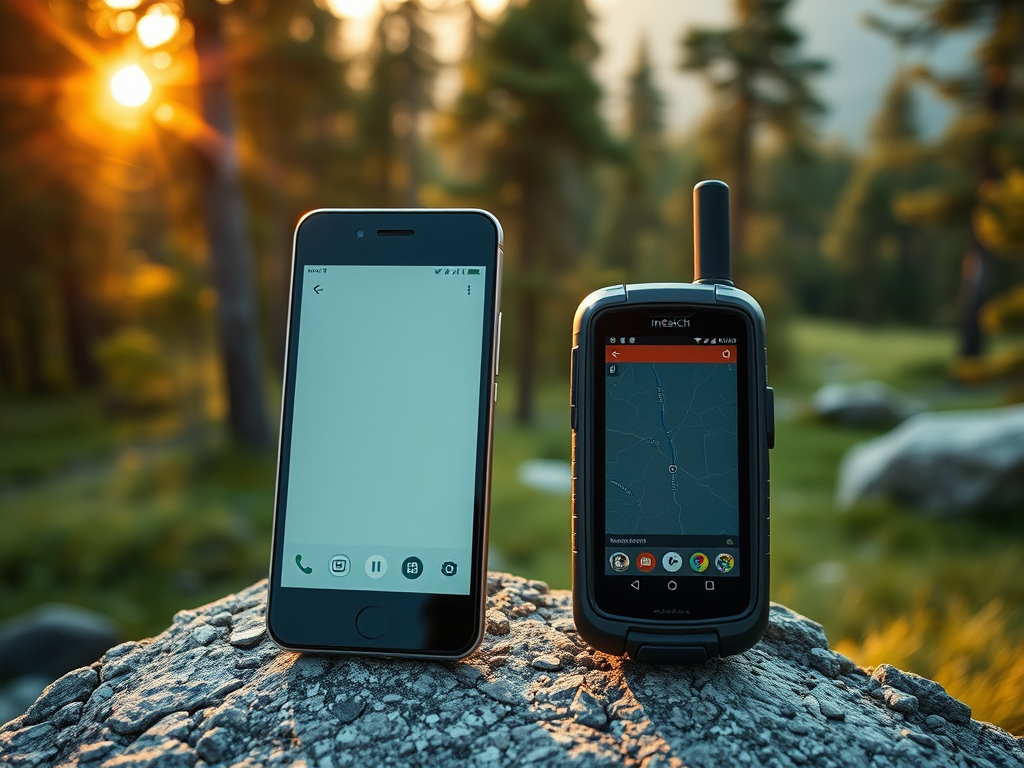
NOTE: This essay has been written in October 2024. As such, the technology referenced below is as of 10/2024 – in the future, as technology evolves, the general recommendation/opinion may change. We are currently living through exciting times, and, while I personally do not recommend depending solely on my smartphone for emergency (satellite) communication, that may change with the healthy competition happening between Apple, Garmin, and Android, especially given the prospect of SpaceX/Starlink entering the market. I will keep this topic in mind and update the recommendation as technology evolves. Stay tuned!
In an era where smartphones have become ubiquitous, serving as our primary communication devices, navigation tools, and even entertainment hubs, it might seem counter-intuitive to advocate for a dedicated satellite messenger. However, for those who venture into remote areas where cellular coverage is sparse or nonexistent, a satellite messenger is not just a luxury but a necessity. Here’s why I prefer a dedicated satellite messenger over my phone, and why you should consider doing the same.
Reliability
Reliability in communication is a fundamental requirement, especially when venturing into remote or potentially hazardous environments. In such situations, the ability to send and receive messages can be the difference between safety and peril. Satellite messengers are engineered to provide this reliability, making them indispensable tools for adventurers, hikers, sailors, and anyone who might find themselves far from the reach of traditional communication networks.
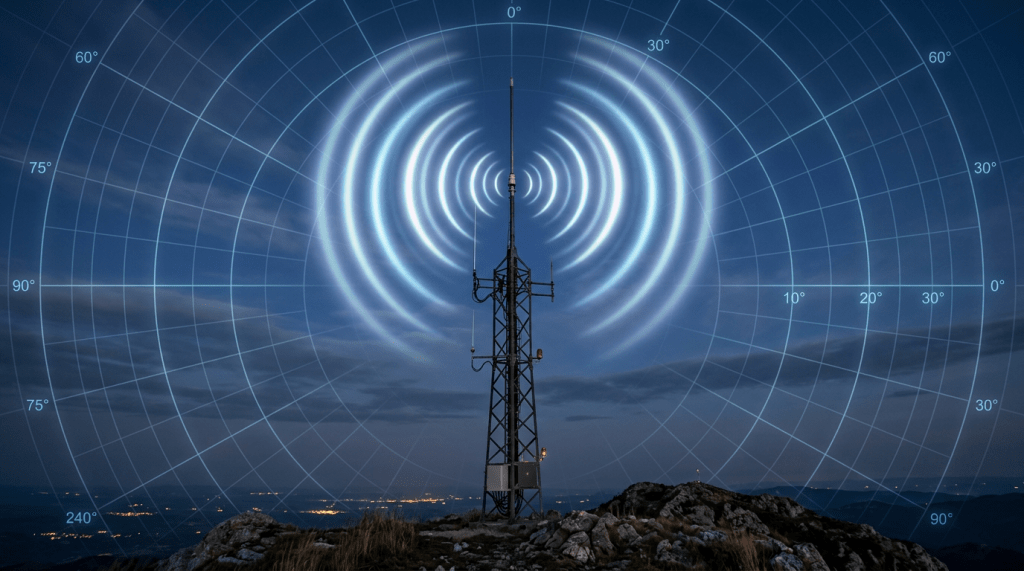
The primary reason satellite messengers excel in reliability is their method of connectivity. Unlike smartphones, which depend on a network of terrestrial cell towers, satellite messengers communicate directly with satellites orbiting the Earth. This satellite network is designed to cover vast areas, including oceans, mountains, deserts, and polar regions, where cell towers are impractical or impossible to install. As a result, satellite messengers can maintain connectivity in places where smartphones would be rendered useless due to the absence of cell service.
This direct line of communication with satellites ensures that as long as the user has a clear view of the sky, they can send and receive messages. This capability is particularly crucial in emergency situations where immediate communication with rescue services or loved ones is necessary. For instance, if a hiker is injured in a remote mountain range, a satellite messenger can be used to send an SOS signal, complete with GPS coordinates, to emergency responders. This can significantly reduce response times and increase the chances of a successful rescue.
Moreover, the reliability of satellite messengers is not just about connectivity; it also encompasses the consistency and dependability of the service. Satellite networks are designed to be robust and resilient, often with multiple satellites covering the same area to ensure continuous service even if one satellite is temporarily unavailable. This redundancy is vital for maintaining communication links in all conditions, including adverse weather, which can sometimes affect satellite signals.
For sailors navigating vast oceans, the reliability of a satellite messenger is a lifeline. In the open sea, far from any land-based communication infrastructure, a satellite messenger provides a crucial link to the outside world. It allows sailors to receive weather updates, communicate with other vessels, and, in emergencies, call for help. This capability is not just a convenience; it is a critical safety feature that can prevent minor issues from escalating into life-threatening situations.
Adventurers exploring remote regions also benefit from the reliability of satellite messengers. Whether trekking through dense jungles, crossing arid deserts, or climbing high-altitude peaks, these devices ensure that users remain connected. This connectivity allows for regular check-ins with family or expedition teams, providing peace of mind and ensuring that someone is always aware of their location and status.
The reliability of satellite messengers stems from their ability to maintain communication in areas where traditional cell service is unavailable. By leveraging a network of orbiting satellites, these devices offer consistent and dependable connectivity, making them essential tools for anyone venturing into remote or challenging environments. Their ability to provide reliable communication in critical situations underscores their importance as a safety measure, ensuring that help is always within reach, no matter how far one might be from civilization.
Durability and Battery Life
When venturing into remote or extreme environments, the durability and battery life of your communication device become critical factors. Satellite messengers are specifically designed to meet these demands, offering a level of resilience and longevity that smartphones simply cannot match. This makes them indispensable for adventurers, explorers, and anyone who might find themselves in situations where the elements are unforgiving and power sources are scarce.
Durability is a hallmark of satellite messengers. These devices are engineered to withstand the rigors of outdoor and extreme environments. Many models are built to be water-resistant, dustproof, and shockproof, ensuring they continue to function even when exposed to harsh conditions. For instance, a hiker caught in a sudden downpour or a sailor navigating rough seas can rely on their satellite messenger to remain operational, thanks to its water-resistant design. Similarly, the dustproof and shockproof features protect the device from damage in sandy deserts or rocky terrains, where drops and impacts are more likely.
In contrast, smartphones, while incredibly versatile, are not typically designed with the same level of ruggedness. They are susceptible to water damage, dust infiltration, and physical impacts, which can render them inoperable at the most inopportune times. While protective cases can offer some degree of protection, they often add bulk and do not provide the same level of assurance as the inherent durability of a satellite messenger.
Battery life is another area where satellite messengers excel. These devices are designed to maximize energy efficiency, often lasting several days or even weeks on a single charge. This extended battery life is crucial in remote areas where recharging options are limited or nonexistent. For example, a multi-day hiking expedition or a long ocean voyage requires a communication device that can remain powered without frequent recharging. Satellite messengers meet this need by prioritizing essential functions and minimizing power consumption.
In emergency situations, the long battery life of a satellite messenger can be a lifesaver. When stranded or lost, the ability to send periodic updates or distress signals over an extended period increases the likelihood of rescue. In contrast, smartphones, with their myriad of power-hungry applications and features, often require daily charging, which is impractical in remote settings without access to electricity.
Furthermore, many satellite messengers offer power-saving modes and the ability to send pre-set messages, further conserving battery life. This ensures that even in prolonged emergencies, the device remains operational, providing a critical communication link until help arrives.
The durability and battery life of satellite messengers make them ideally suited for use in harsh and remote environments. Their robust construction ensures they can withstand the elements, while their efficient power management allows them to remain functional over extended periods without recharging. These features provide users with the confidence that their communication device will perform reliably, regardless of the conditions, making satellite messengers an essential tool for anyone venturing into the great outdoors.
Simplicity
In an age where smartphones are celebrated for their multifunctionality, the simplicity and focus of satellite messengers stand out as a significant advantage, particularly in critical situations. While smartphones offer a plethora of applications and features, this versatility can sometimes become a hindrance rather than a help, especially when clarity and speed are of the essence.
Simplicity and Focus: Satellite messengers are designed with a singular purpose in mind: reliable communication in remote or emergency situations. This focus on core functionality means that users are not overwhelmed by a multitude of apps, notifications, or settings. Instead, they are presented with a straightforward interface that prioritizes essential communication tasks. This simplicity reduces the risk of user error, which can be crucial in high-stress situations where quick and accurate communication is necessary.
In contrast, smartphones, with their endless array of apps and notifications, can be distracting. In an emergency, the last thing you want is to be fumbling through screens or inadvertently opening the wrong app. The cognitive load of managing a smartphone’s complex interface can lead to confusion, delays, or even misuse, potentially exacerbating an already critical situation.
Dedicated Emergency Features: One of the standout features of satellite messengers is the inclusion of dedicated SOS buttons. These buttons are designed for ease of use, often requiring a simple press to activate. When triggered, the device sends a distress signal to emergency services, complete with the user’s exact GPS location. This streamlined process ensures that help is summoned quickly and efficiently, without the need for navigating through multiple screens or applications.
The presence of a dedicated SOS function is a significant advantage over smartphones, where accessing emergency services might require unlocking the device, opening an app, and manually entering information. In situations where every second counts, such as a medical emergency or a sudden change in weather conditions, the ability to send an immediate distress signal can be a lifesaver.
Purpose-Built Design: Satellite messengers are engineered with the understanding that they will be used in high-stakes scenarios. This purpose-built design extends beyond the SOS function to include features like pre-set messages, location tracking, and weather updates, all accessible through a user-friendly interface. These features are designed to work seamlessly, ensuring that users can communicate effectively without unnecessary complexity.
Moreover, the simplicity of satellite messengers encourages users to focus on their surroundings and the task at hand, rather than becoming absorbed in a digital interface. This can lead to a more mindful and engaged experience, whether navigating a challenging trail or managing an emergency situation.
The simplicity and focus of satellite messengers provide a critical advantage over smartphones in remote and emergency situations. By eliminating distractions and prioritizing essential communication functions, these devices ensure that users can act quickly and effectively when it matters most. The dedicated SOS features and purpose-built design of satellite messengers offer peace of mind, knowing that help is just a button press away, making them an invaluable tool for anyone venturing into the unknown.
Privacy and Security
In today’s digital landscape, privacy and security are paramount concerns for anyone using communication devices. While smartphones offer a wide range of functionalities, they are also susceptible to various security threats, making satellite messengers an attractive alternative for those who prioritize secure communications, especially in sensitive or high-stakes situations.
Secure Networks: Satellite messengers operate on dedicated satellite networks that are inherently more secure than the public networks used by smartphones. These networks are designed to handle sensitive communications, often employing advanced encryption protocols to protect data as it is transmitted between the device and the satellite. This reduces the risk of interception or unauthorized access, providing users with a higher level of security.
In contrast, smartphones connect to the internet via cellular networks or Wi-Fi, both of which are vulnerable to a range of security threats. Hackers can exploit weaknesses in these networks to intercept data, install malware, or gain unauthorized access to the device. This is particularly concerning in remote or high-stakes situations where secure communication is critical.
Reduced Attack Surface: Satellite messengers are purpose-built devices with limited functionalities compared to smartphones. This simplicity reduces the attack surface, meaning there are fewer opportunities for malicious actors to exploit vulnerabilities. With fewer apps and features, there are also fewer potential entry points for malware or hacking attempts.
Smartphones, on the other hand, are complex devices with numerous apps and services running simultaneously. Each app or service represents a potential vulnerability that could be exploited by cybercriminals. Users must constantly update their devices and apps to patch security holes, and even then, new threats can emerge.
Privacy Assurance: For individuals who prioritize privacy, satellite messengers offer peace of mind. The secure transmission of messages and the limited data stored on the device mean that personal information is less likely to be compromised. This is particularly important for journalists, researchers, or government officials operating in sensitive environments where the confidentiality of communications is crucial.
Smartphones, with their extensive data collection and storage capabilities, pose a greater risk to privacy. Apps often request access to personal information, location data, and other sensitive details, which can be shared with third parties or exposed in the event of a data breach. Even with privacy settings enabled, users may still be vulnerable to data leaks or unauthorized tracking.
Regulatory Compliance: Satellite communication providers often adhere to strict regulatory standards to ensure the security and privacy of their networks. This compliance provides an additional layer of assurance that communications are protected against unauthorized access or interception.
The privacy and security advantages of satellite messengers make them a compelling choice for those who require secure communications in remote or sensitive situations. By operating on secure networks and offering a reduced attack surface, these devices provide a level of protection that smartphones cannot match. For individuals who value privacy and security, satellite messengers offer the peace of mind that their communications are safe from prying eyes, making them an essential tool in today’s interconnected world.
Cost
When evaluating the cost of communication devices, it’s essential to consider both the initial investment and the ongoing expenses associated with their use. While satellite messengers may have a higher upfront cost compared to smartphones, their long-term financial benefits and flexible service options can make them a more economical choice for specific users, particularly those who frequently venture into remote areas.
Initial Investment: The purchase price of a satellite messenger can indeed be higher than that of a standard smartphone. This cost reflects the specialized technology and rugged design that these devices offer, including features like water resistance, shockproof construction, and long battery life. However, this initial investment is often justified by the enhanced reliability and durability that satellite messengers provide, especially in environments where traditional smartphones may fail.
Flexible Subscription Plans: One of the most significant financial advantages of satellite messengers is the flexibility of their subscription plans. Unlike smartphones, which typically require continuous service contracts, satellite messengers often allow users to choose pay-as-you-go or seasonal plans. This means that users can activate their service only when they need it, such as during a specific expedition or travel period, and avoid paying for unused months. This flexibility can lead to substantial savings over time, particularly for those who do not require constant connectivity.
For instance, an adventurer who embarks on a few expeditions each year can activate their satellite messenger service only during those trips, avoiding the cost of a year-round plan. In contrast, maintaining a smartphone plan with international roaming or satellite capabilities can be costly, as these plans often come with high monthly fees and additional charges for data usage outside of standard coverage areas.
Avoiding Roaming Charges: For travelers and explorers who frequently find themselves in remote or international locations, the cost of smartphone roaming can quickly add up. International roaming charges can be exorbitant, and even with global plans, users may face limitations on data usage or incur unexpected fees. Satellite messengers bypass these issues entirely, as their service is not dependent on terrestrial networks and does not incur roaming charges. This can result in significant cost savings for those who travel extensively or operate in remote regions.
Long-Term Value: While the initial cost of a satellite messenger may be higher, the long-term value it provides can outweigh this expense. The durability and reliability of these devices mean they are less likely to require frequent repairs or replacements, unlike smartphones, which can be prone to damage and obsolescence. Additionally, the peace of mind that comes with having a reliable communication device in remote or emergency situations is invaluable and can justify the initial investment.
While the upfront cost of a satellite messenger may be higher than that of a smartphone, the long-term financial benefits and flexible service options make them a cost-effective choice for many users. By offering pay-as-you-go plans and eliminating roaming charges, satellite messengers provide a tailored and economical solution for those who require reliable communication in remote or international locations. For adventurers, travelers, and professionals operating in challenging environments, the investment in a satellite messenger can offer both financial savings and invaluable peace of mind.
Connection with Nature
In an age dominated by digital connectivity, the constant barrage of notifications, alerts, and updates from smartphones can detract from our ability to fully engage with the world around us. By choosing to use a dedicated satellite messenger, individuals can foster a deeper connection with their environment, free from the distractions that often accompany smartphone use. This shift in focus can lead to a more immersive and fulfilling experience, whether one is exploring the wilderness, navigating the open seas, or simply enjoying the tranquility of nature.
Minimizing Digital Distractions: Smartphones are designed to keep us connected to a vast array of digital content, from social media and news updates to emails and entertainment apps. While this connectivity has its advantages, it can also create a constant stream of distractions that pull our attention away from the present moment. In contrast, satellite messengers are purpose-built for communication and emergency signaling, devoid of the myriad of apps and notifications that characterize smartphones. This simplicity allows users to focus on their surroundings and the experience at hand, rather than being tethered to a digital interface.
Encouraging Mindfulness: By reducing digital distractions, satellite messengers encourage a more mindful approach to exploration. Whether trekking through a national park, sailing across the ocean, or hiking in the mountains, users can engage more fully with their environment. This mindfulness fosters a deeper appreciation for the natural world, enhancing the sensory experience of sights, sounds, and even the challenges that come with outdoor adventures. Without the constant pull of a smartphone, individuals can immerse themselves in the beauty and serenity of their surroundings, leading to a more enriching and rewarding experience.
Enhancing Safety and Awareness: The focused functionality of satellite messengers not only enhances the experience but also promotes safety and situational awareness. Without the distractions of a smartphone, users are more attuned to their environment, better able to notice changes in weather, terrain, or wildlife. This heightened awareness can be crucial in preventing accidents or responding effectively to unexpected situations. Additionally, the streamlined communication capabilities of satellite messengers ensure that users can quickly and efficiently reach out for help if needed, without the clutter of unnecessary apps or features.
Fostering a Connection with Nature: For many, the allure of outdoor adventures lies in the opportunity to disconnect from the digital world and reconnect with nature. Satellite messengers facilitate this connection by providing the essential communication tools needed for safety, while allowing users to leave behind the digital noise of everyday life. This balance of connectivity and disconnection enables individuals to experience the natural world in its purest form, fostering a sense of peace, reflection, and inspiration.
Promoting Intentional Use of Technology: The use of a dedicated satellite messenger encourages a more intentional approach to technology. By choosing a device that serves a specific purpose, users can prioritize their communication needs without succumbing to the temptation of constant connectivity. This intentionality extends beyond the device itself, influencing how individuals engage with technology in other aspects of their lives, promoting a healthier balance between digital and real-world interactions.
Using a dedicated satellite messenger encourages a deeper connection with the environment by minimizing digital distractions and promoting mindfulness. This focused approach enhances the outdoor experience, fostering a greater appreciation for nature and improving safety and awareness. By facilitating a balance between essential communication and the desire to disconnect, satellite messengers offer a pathway to more immersive and fulfilling adventures in the great outdoors.
Conclusion
In our modern world, smartphones have become indispensable tools, seamlessly integrating communication, navigation, and entertainment into our daily lives. However, their limitations become apparent when we step beyond the reach of cellular networks and into the vast, unpredictable expanse of the great outdoors. In these remote or emergency situations, a dedicated satellite messenger emerges as the superior choice, offering a suite of advantages that cater specifically to the needs of adventurers, explorers, and anyone who prioritizes safety and preparedness.
Unparalleled Reliability: The core strength of satellite messengers lies in their ability to maintain communication in areas where smartphones falter. By connecting directly to satellites orbiting the Earth, these devices ensure that users can send and receive messages from virtually anywhere, provided there is a clear view of the sky. This reliability is crucial in remote locations where traditional cell service is unavailable, offering peace of mind that help is always within reach, regardless of geographical constraints.
Durability for Harsh Environments: Satellite messengers are built to withstand the rigors of outdoor adventures. Their rugged design, often featuring water resistance, dustproofing, and shockproofing, ensures they remain operational in challenging conditions that would likely incapacitate a smartphone. This durability is essential for those who venture into extreme environments, where the elements can be as unpredictable as they are unforgiving.
Simplicity and Focus: In critical situations, simplicity can be a lifesaver. Satellite messengers are designed with a clear focus on essential communication functions, eliminating the distractions and complexities associated with smartphones. This streamlined approach allows users to act quickly and effectively, whether sending a routine check-in or activating an SOS signal. The dedicated emergency features of satellite messengers ensure that users can summon help with minimal effort, a crucial advantage when every second counts.
Enhanced Security and Privacy: Operating on secure networks, satellite messengers offer a level of privacy and security that is difficult to achieve with smartphones. The reduced risk of interception or hacking provides users with confidence that their communications are protected, an important consideration for those operating in sensitive or high-stakes environments.
Cost-Effectiveness and Flexibility: While the initial investment in a satellite messenger may be higher, the long-term cost benefits are significant. Flexible subscription plans allow users to pay only for the service they need, avoiding the continuous expenses associated with smartphone plans, especially those with international roaming or satellite capabilities. This financial flexibility makes satellite messengers an economical choice for those who require reliable communication only during specific periods or expeditions.
Preparedness for Any Situation: Ultimately, investing in a satellite messenger is about more than just having a backup communication device; it is about ensuring comprehensive preparedness. Whether trekking through remote wilderness, sailing across open seas, or exploring uncharted territories, a satellite messenger equips users with the tools they need to navigate unexpected challenges and emergencies. This preparedness fosters a sense of security and confidence, empowering individuals to explore the world with peace of mind.
While smartphones are invaluable in many aspects of our lives, they fall short in remote or emergency scenarios where reliability, durability, simplicity, security, and cost-effectiveness are paramount. A dedicated satellite messenger addresses these needs, making it an essential investment for those who value safety and preparedness in the great outdoors. By choosing a satellite messenger, you are not only enhancing your communication capabilities but also ensuring that you are ready for any situation, no matter where your adventures take you.




 UTAZCO Overland
Leave a Reply