
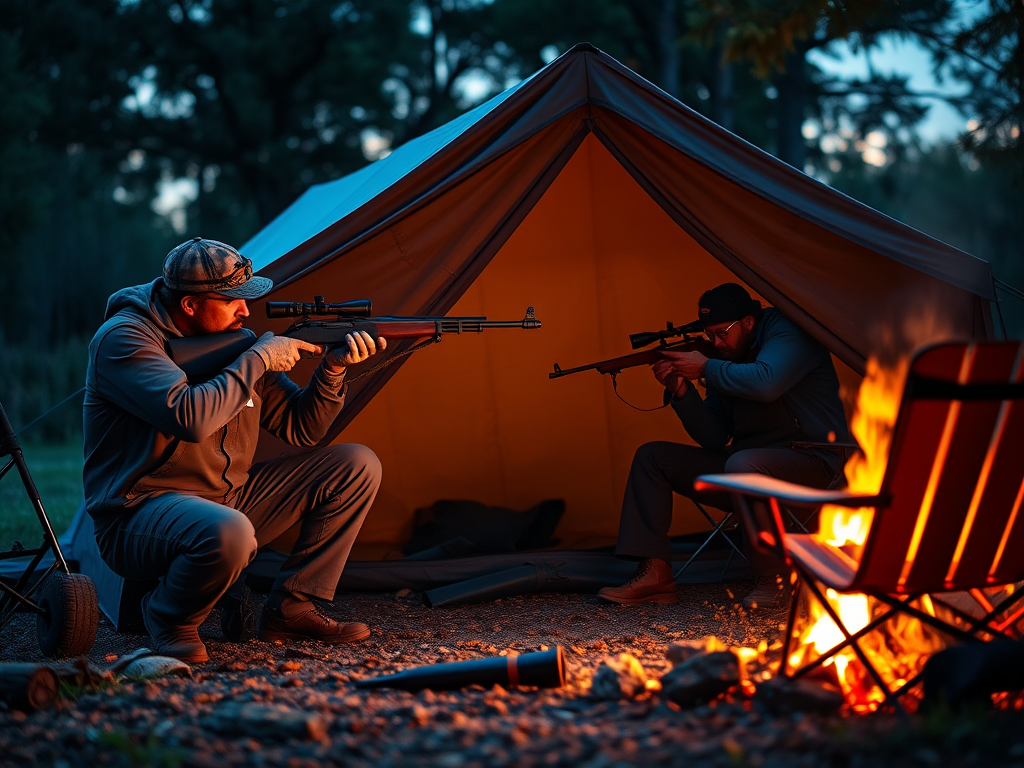
Camping with firearms can be a rewarding experience, offering opportunities for hunting, self-defense, and sport shooting. However, it also requires a high level of responsibility and awareness to ensure safety for everyone involved.
1. Lack of Proper Training
Lack of proper training in firearm handling is a significant oversight that can lead to dangerous situations, especially in a camping environment where the usual safety nets of controlled environments are absent. Understanding the nuances of firearm operation and maintenance is crucial for several reasons:
Understanding Firearm Mechanics
Proper training begins with a comprehensive understanding of how firearms work. This includes knowledge of the different parts of a firearm, how they interact, and the basic mechanics of firing a shot. Campers should be familiar with loading, unloading, and clearing a firearm, as well as understanding the specific features of their weapon, such as safety mechanisms and trigger sensitivity. This foundational knowledge helps prevent accidental discharges and ensures that the firearm is used correctly.
Safety Protocols
Training emphasizes the importance of safety protocols, such as always treating a firearm as if it is loaded, keeping the muzzle pointed in a safe direction, and being aware of the target and what lies beyond it. These protocols are designed to prevent accidents and ensure that firearms are handled with the utmost care. In a camping setting, where distractions and environmental factors can increase risks, adherence to these protocols is even more critical.
Situational Awareness
Proper training also enhances situational awareness. Campers learn to assess their surroundings, identify potential hazards, and make informed decisions about when and where to use a firearm. This awareness is crucial in a dynamic outdoor environment, where factors such as weather, terrain, and wildlife can change rapidly.
Emergency Response
In addition to preventing accidents, training prepares individuals to respond effectively in emergencies. This includes knowing how to provide first aid for firearm-related injuries, understanding how to safely secure a firearm in the event of an accident, and being able to communicate effectively with others in a crisis. These skills are vital for ensuring the safety of all campers.
Maintenance and Care
Training also covers the maintenance and care of firearms. Regular cleaning and inspection are necessary to ensure that firearms function correctly and safely. Campers learn how to disassemble and reassemble their firearms, identify signs of wear or damage, and perform routine maintenance tasks. Proper care extends the life of the firearm and reduces the risk of malfunctions.
Confidence and Competence
Finally, proper training instills confidence and competence in firearm handling. Campers who are well-trained are more likely to handle firearms responsibly and make sound decisions. This confidence reduces anxiety and hesitation, which can lead to mistakes, and promotes a culture of safety and respect for firearms.
Lack of proper training in firearm handling is a critical mistake that can have severe consequences. Comprehensive training equips campers with the knowledge, skills, and mindset necessary to handle firearms safely and responsibly, ensuring a safer and more enjoyable camping experience for everyone involved.
2. Ignoring Local Laws and Regulations
Ignoring local laws and regulations regarding firearms is a significant mistake that can lead to serious legal consequences and jeopardize the safety of campers and others in the area. Understanding and adhering to these laws is crucial for several reasons:
Variability of Laws
Firearm laws can vary significantly from one region to another, even within the same country. These laws dictate where and how firearms can be carried, used, and stored. For example, some areas may allow open carry, while others may require firearms to be concealed. Additionally, certain regions may have restrictions on specific types of firearms or ammunition. Campers must familiarize themselves with the laws of the area they plan to visit to ensure compliance.
Hunting Seasons and Permits
Many campers use firearms for hunting, which is often regulated by specific seasons and requires permits. These regulations are in place to manage wildlife populations and ensure sustainable hunting practices. Ignoring these regulations can result in hefty fines, confiscation of firearms, and even criminal charges. Campers should always check the local hunting regulations, obtain the necessary permits, and adhere to designated hunting seasons.
Designated Shooting Areas
Some regions have designated areas where shooting is permitted, such as shooting ranges or specific zones within public lands. These areas are chosen to minimize the risk to other people and property. Shooting outside of these designated areas can be illegal and dangerous. Campers should always verify where they are allowed to discharge firearms and ensure they are in compliance with local regulations.
Restrictions on Firearm Types
Certain areas may have restrictions on the types of firearms that can be carried or used. For example, some regions may prohibit the use of semi-automatic rifles or high-capacity magazines. These restrictions are often in place to enhance public safety and reduce the risk of accidents. Campers must ensure that their firearms comply with local regulations to avoid legal issues.
Legal Consequences
Failing to adhere to local firearm laws can result in severe legal consequences, including fines, arrest, and confiscation of firearms. These legal issues can disrupt a camping trip and have long-term implications for the individual’s ability to own or use firearms in the future. Understanding and following local laws is essential to avoid these consequences.
Ethical and Safety Considerations
Beyond legal compliance, adhering to local laws and regulations is an ethical responsibility. These laws are designed to protect the safety of all individuals in the area, including other campers, hikers, and wildlife. By following these regulations, campers demonstrate respect for the community and contribute to a safer environment for everyone.
Research and Preparation
To avoid the mistake of ignoring local laws, campers should conduct thorough research before their trip. This includes checking with local authorities, such as wildlife agencies or park services, for the most up-to-date information on firearm regulations. Additionally, campers should carry any necessary permits or documentation with them while camping.
Ignoring local laws and regulations regarding firearms is a critical mistake that can have serious legal and safety implications. By understanding and adhering to these laws, campers can ensure a safe and lawful experience, demonstrating respect for the community and the environment.
3. Poor Storage Practices
Poor storage practices for firearms during camping trips can lead to a range of safety and security issues. Proper storage is essential not only for preventing unauthorized access but also for maintaining the condition of the firearms. Here’s a more detailed exploration of why secure storage is crucial:
Preventing Unauthorized Access
One of the primary reasons for secure firearm storage is to prevent unauthorized access. This is particularly important in a camping environment where children, inexperienced individuals, or even curious fellow campers might be present. Unsecured firearms can lead to accidental discharges or misuse, posing a significant risk to everyone in the vicinity. By storing firearms in a locked case or safe, campers can ensure that only authorized and trained individuals have access to them.
Protecting Against Theft
Camping sites can be vulnerable to theft, especially in more populated or less secure areas. Firearms are valuable items that can be attractive targets for thieves. Proper storage, such as using a lockable case or safe, can deter theft and ensure that firearms are not easily accessible to potential criminals. Additionally, keeping firearms out of sight when not in use can reduce the temptation for theft.
Environmental Protection
Firearms are susceptible to environmental damage, particularly in outdoor settings where they may be exposed to moisture, dirt, and extreme temperatures. Moisture can lead to rust and corrosion, while dirt and debris can affect the firearm’s functionality. Proper storage in a weather-resistant case can protect firearms from these elements, ensuring they remain in good working condition. Campers should also consider using desiccants or moisture-absorbing materials inside the storage case to further protect against humidity.
Legal Compliance
In some regions, laws require firearms to be stored securely, even when camping. Failing to comply with these regulations can result in legal consequences, including fines or confiscation of the firearm. Understanding and adhering to these legal requirements is essential for responsible firearm ownership and use.
Safety During Transport
Proper storage is also crucial during the transport of firearms to and from the camping site. Firearms should be unloaded and stored in a locked case separate from ammunition. This practice not only enhances safety but also complies with many legal requirements for transporting firearms.
Quick Access in Emergencies
While secure storage is essential, campers should also consider how quickly they can access their firearms in an emergency. Choosing a storage solution that balances security with accessibility is important. For instance, a lockable case with a combination lock or quick-access keypad can provide both security and rapid access when needed.
Maintenance and Care
Proper storage practices also contribute to the overall maintenance and care of firearms. By keeping firearms clean and protected from the elements, campers can reduce the need for frequent maintenance and ensure that their firearms remain reliable and functional.
Poor storage practices for firearms during camping can lead to unauthorized access, theft, environmental damage, and legal issues. By prioritizing secure storage, campers can enhance safety, protect their firearms, and ensure compliance with legal requirements, contributing to a safer and more enjoyable camping experience.
4. Neglecting Safety Equipment
Neglecting safety equipment when camping with firearms is a critical oversight that can lead to serious injuries. Safety equipment, such as ear and eye protection, plays a vital role in ensuring the well-being of individuals using firearms. Here’s a detailed exploration of why this equipment is essential:
Hearing Protection
Firearms produce loud noises that can exceed 140 decibels, which is well above the threshold for potential hearing damage. Repeated exposure to such noise levels can lead to permanent hearing loss or tinnitus, a persistent ringing in the ears. Hearing protection, such as earplugs or earmuffs, is crucial to mitigate this risk.
- Earplugs: These are small, portable, and fit directly into the ear canal, providing a convenient option for campers. They are effective at reducing noise levels and are often made of foam or silicone.
- Earmuffs: These cover the entire ear and provide a higher level of noise reduction. They are adjustable and can be worn over a hat or cap, making them suitable for various weather conditions.
Using hearing protection not only prevents long-term damage but also allows shooters to focus better by reducing the immediate discomfort caused by loud gunfire.
Eye Protection
Eye protection is equally important when using firearms. Shooting can generate debris, gunpowder residue, and shell casings that can cause eye injuries. Additionally, ricochets or fragments from targets can pose a significant risk to the eyes.
- Safety Glasses: These are designed to withstand impact and protect the eyes from debris and ricochets. They are typically made from polycarbonate, a durable material that offers high impact resistance.
- Goggles: For those seeking more comprehensive protection, goggles provide a seal around the eyes, offering additional protection from dust and wind, which can be common in outdoor settings.
Eye protection should be worn at all times when handling or being near firearms, as accidents can happen unexpectedly.
Additional Safety Equipment
While ear and eye protection are the most critical, other safety equipment can also enhance safety:
- Gloves: Shooting gloves can provide better grip and protect hands from heat and recoil, especially when firing multiple rounds.
- Protective Clothing: Wearing appropriate clothing, such as long sleeves and pants, can protect against minor cuts and abrasions from the environment or firearm handling.
Importance of Consistent Use
The effectiveness of safety equipment depends on its consistent use. Campers should make it a habit to wear ear and eye protection every time they handle firearms, regardless of the duration or perceived risk. This consistency helps reinforce a culture of safety and ensures that protection is always in place when needed.
Education and Awareness
Educating all campers about the importance of safety equipment is crucial. This includes demonstrating how to properly use and fit ear and eye protection and explaining the potential risks of neglecting these precautions. Awareness can lead to more responsible behavior and a safer environment for everyone involved.
Neglecting safety equipment when camping with firearms can lead to preventable injuries. By prioritizing the use of ear and eye protection, campers can significantly reduce the risk of hearing damage and eye injuries, ensuring a safer and more enjoyable experience.
5. Inadequate Supervision
Inadequate supervision when handling firearms during camping trips poses a significant safety risk, particularly when inexperienced or young individuals are involved. Proper supervision is crucial to ensure that firearms are used safely and responsibly. Here’s a detailed exploration of why supervision is essential and how it can be effectively implemented:
Importance of Supervision
- Ensuring Safety Protocols: Supervision ensures that all safety protocols are strictly followed. This includes verifying that firearms are always pointed in a safe direction, ensuring they are unloaded when not in use, and confirming that the safety is engaged when appropriate. Experienced supervisors can quickly identify and correct unsafe practices, preventing accidents before they occur.
- Providing Guidance and Instruction: Inexperienced or young campers may lack the knowledge and skills required to handle firearms safely. Supervision provides an opportunity for hands-on instruction and guidance. Experienced individuals can teach proper handling techniques, demonstrate how to load and unload firearms safely, and explain the importance of maintaining awareness of the surroundings.
- Building Confidence and Competence: Supervised practice helps build confidence and competence in handling firearms. With guidance, inexperienced individuals can learn at their own pace, ask questions, and receive immediate feedback. This supportive environment encourages learning and helps develop responsible firearm habits.
- Preventing Unauthorized Use: Supervision helps prevent unauthorized or unsupervised use of firearms. By maintaining control over who has access to firearms and when they are used, supervisors can ensure that only those who are adequately trained and prepared handle them.
Effective Supervision Strategies
- Designate a Responsible Supervisor: Assign a responsible and experienced individual to oversee firearm activities. This person should be knowledgeable about firearm safety and capable of providing clear instructions and corrections.
- Establish Clear Rules and Expectations: Before any firearm activity begins, establish clear rules and expectations. Communicate these to all participants, emphasizing the importance of following safety protocols and respecting the supervisor’s authority.
- Limit Group Size: To ensure effective supervision, limit the number of individuals handling firearms at any given time. Smaller groups allow the supervisor to provide more focused attention and address any issues promptly.
- Conduct Safety Briefings: Begin each session with a safety briefing to review key safety protocols and address any questions or concerns. This reinforces the importance of safety and sets the tone for responsible behavior.
- Monitor and Provide Feedback: Actively monitor all firearm activities, providing immediate feedback and corrections as needed. Encourage open communication, allowing participants to ask questions and seek clarification.
- Use a Buddy System: Pair inexperienced individuals with more experienced partners. This buddy system provides additional support and oversight, ensuring that safety protocols are followed even when the supervisor is attending to others.
Special Considerations for Young Campers
- Age-Appropriate Instruction: Tailor instruction to the age and maturity level of young campers. Use simple language and clear demonstrations to convey safety concepts effectively.
- Parental Involvement: Involve parents or guardians in the supervision process, ensuring they are comfortable with the level of instruction and oversight provided.
- Focus on Education: Emphasize education and learning over performance. Encourage young campers to ask questions and explore their curiosity about firearms in a safe and controlled environment.
Inadequate supervision when handling firearms during camping trips can lead to serious safety risks. By implementing effective supervision strategies, campers can ensure that firearms are used safely and responsibly, fostering a culture of safety and respect for firearms.
6. Failure to Communicate
Failure to communicate effectively when firearms are present during camping trips can lead to misunderstandings and potentially dangerous situations. Clear communication is essential to ensure that everyone is aware of what is happening and can respond appropriately. Here’s a detailed exploration of why communication is crucial and how it can be effectively implemented:
Importance of Communication
- Preventing Accidents: Misunderstandings or lack of communication can lead to accidental discharges or unsafe handling of firearms. Clear communication ensures that everyone is aware of when and where firearms are being used, reducing the risk of accidents.
- Coordinating Activities: In group settings, coordinating activities involving firearms requires clear communication. This includes informing others about planned shooting times, locations, and any changes to the schedule. Effective communication helps prevent conflicts and ensures that everyone is on the same page.
- Enhancing Safety Awareness: Communication enhances overall safety awareness by keeping everyone informed about safety protocols and any potential hazards. This awareness helps individuals make informed decisions and act responsibly.
Effective Communication Strategies
- Establish Clear Signals and Protocols: Develop a set of clear signals and protocols for when firearms are in use. This can include verbal commands, hand signals, or visual cues to indicate when it is safe to shoot, when to cease fire, and when firearms are being handled.
- Conduct Pre-Activity Briefings: Before any firearm activity begins, conduct a briefing to review safety protocols, communication signals, and the plan for the activity. This ensures that everyone understands their roles and responsibilities.
- Use Clear and Concise Language: When communicating about firearms, use clear and concise language to avoid misunderstandings. Avoid jargon or ambiguous terms that could be misinterpreted.
- Encourage Open Communication: Foster an environment where open communication is encouraged. Allow participants to ask questions, express concerns, and provide feedback. This openness helps identify potential issues before they become problems.
- Designate a Communication Leader: Assign a communication leader responsible for coordinating and relaying information during firearm activities. This person can serve as the point of contact for any questions or concerns.
- Implement a Buddy System: Pair individuals together in a buddy system to ensure that communication is maintained even in larger groups. Buddies can help relay information and ensure that everyone is aware of what is happening.
Special Considerations for Group Settings
- Account for Group Dynamics: In larger groups, communication can become more challenging. Consider the dynamics of the group and adjust communication strategies accordingly. This may involve breaking the group into smaller teams or using additional communication tools.
- Use Technology Wisely: In some cases, technology such as two-way radios or mobile phones can enhance communication, especially in larger or more dispersed groups. Ensure that everyone knows how to use these tools effectively.
- Plan for Emergencies: Establish clear communication protocols for emergencies. This includes knowing how to quickly alert others to a problem and having a plan in place for responding to emergencies.
Failure to communicate effectively when firearms are present during camping trips can lead to dangerous situations. By implementing clear communication strategies and fostering an environment of openness and awareness, campers can ensure that firearms are used safely and responsibly, reducing the risk of accidents and enhancing the overall safety of the group.
7. Overconfidence
Overconfidence in handling firearms during camping trips can lead to reckless behavior and increase the risk of accidents or injuries. This overestimation of one’s abilities or knowledge can create a false sense of security, leading individuals to take unnecessary risks. Here’s a detailed exploration of why overconfidence is dangerous and how it can be mitigated:
Dangers of Overconfidence
- Ignoring Safety Protocols: Overconfident individuals may believe they are exempt from following standard safety protocols, such as checking if a firearm is loaded or wearing safety equipment. This disregard for basic safety measures can lead to preventable accidents.
- Taking Unnecessary Risks: Overconfidence can lead to risk-taking behavior, such as shooting at inappropriate targets, firing from unstable positions, or attempting complex maneuvers without adequate preparation. These actions increase the likelihood of accidents and injuries.
- Underestimating Environmental Factors: Overconfident campers may overlook environmental factors that can affect shooting accuracy and safety, such as wind, terrain, and visibility. This oversight can result in missed shots or unintended damage.
- Inadequate Preparation: Believing they already possess sufficient skills, overconfident individuals may neglect to prepare adequately for firearm activities. This includes failing to practice regularly, skipping safety briefings, or not maintaining their firearms properly.
Mitigating Overconfidence
- Promote Humility and Continuous Learning: Encourage a culture of humility and continuous learning among campers. Emphasize that even experienced shooters can benefit from ongoing practice and education. This mindset helps individuals recognize their limitations and seek improvement.
- Encourage Regular Practice: Regular practice is essential for maintaining and improving shooting skills. Encourage campers to practice regularly, focusing on both basic and advanced techniques. This practice helps reinforce safety protocols and build competence.
- Provide Constructive Feedback: Offer constructive feedback to individuals who display overconfidence. Highlight areas for improvement and provide guidance on how to enhance their skills safely. This feedback should be delivered in a supportive and non-judgmental manner.
- Set Realistic Goals: Help campers set realistic goals for their shooting activities. Encourage them to focus on gradual improvement rather than attempting to achieve unrealistic targets. This approach fosters a sense of accomplishment and reduces the temptation to take unnecessary risks.
- Emphasize the Importance of Safety: Reinforce the importance of safety at all times. Remind campers that safety protocols are in place to protect everyone and that no one is exempt from following them. This emphasis helps counteract the tendency to overlook safety measures.
- Share Experiences and Lessons Learned: Encourage campers to share their experiences and lessons learned from past mistakes or near-misses. This sharing of knowledge can help others recognize the dangers of overconfidence and learn from others’ experiences.
Role of Group Dynamics
- Foster a Supportive Environment: Create a supportive environment where campers feel comfortable admitting their limitations and seeking help. This support reduces the pressure to appear overly confident and encourages honest self-assessment.
- Encourage Peer Accountability: Encourage campers to hold each other accountable for safe behavior. Peer accountability can help identify and address overconfidence before it leads to unsafe actions.
Overconfidence in handling firearms during camping trips can lead to reckless behavior and increase the risk of accidents. By promoting humility, continuous learning, and a strong emphasis on safety, campers can mitigate the dangers of overconfidence and ensure a safer and more enjoyable experience for everyone involved.
8. Ignoring Environmental Factors
Ignoring environmental factors when using firearms during camping trips can lead to unsafe conditions and increase the risk of accidents. Weather, terrain, and other environmental elements can significantly impact firearm handling and shooting accuracy. Here’s a detailed exploration of why environmental awareness is crucial and how campers can effectively assess and adapt to their surroundings:
Impact of Weather Conditions
- Wet and Slippery Conditions: Rain or dew can make surfaces slippery, affecting a shooter’s stability and grip on the firearm. This can lead to accidental discharges or dropped firearms. Campers should ensure they have a firm footing and consider using gloves with good grip to maintain control.
- Wind: Wind can affect bullet trajectory, especially over longer distances. Shooters need to account for wind speed and direction when aiming. In strong winds, it may be safer to postpone shooting activities until conditions improve.
- Temperature Extremes: Cold temperatures can affect both firearms and shooters. Metal parts may contract, affecting the firearm’s operation, while shooters may experience reduced dexterity due to cold hands. Conversely, extreme heat can cause discomfort and fatigue, impacting concentration and accuracy.
- Visibility: Fog, rain, or low light conditions can reduce visibility, making it difficult to identify targets and assess the surroundings. Campers should ensure they have adequate lighting and only shoot when they can clearly see their target and what lies beyond it.
Terrain Considerations
- Uneven or Rocky Ground: Uneven terrain can affect a shooter’s balance and stability. Campers should choose stable, flat ground for shooting whenever possible and be mindful of their footing.
- Dense Foliage: Dense vegetation can obscure targets and create the risk of hitting unintended objects. Shooters should ensure they have a clear line of sight and be aware of what lies beyond their target to prevent ricochets or hitting unseen obstacles.
- Natural Backstops: Using natural backstops, such as hills or embankments, can help safely contain bullets. Campers should assess the terrain to identify suitable backstops and avoid shooting in areas where bullets could travel beyond the intended target area.
Environmental Awareness Strategies
- Conduct a Pre-Shooting Assessment: Before any shooting activity, conduct a thorough assessment of the environment. Consider weather conditions, terrain features, and any potential hazards. This assessment helps identify risks and determine whether it is safe to proceed.
- Adapt Shooting Techniques: Adjust shooting techniques to account for environmental factors. For example, in windy conditions, shooters may need to aim slightly off-target to compensate for wind drift. In low visibility, using optics or scopes with enhanced visibility features can improve accuracy.
- Use Appropriate Gear: Equip campers with gear suited to the environment, such as waterproof clothing, sturdy footwear, and weather-resistant firearm cases. This gear helps maintain comfort and safety in challenging conditions.
- Plan for Changing Conditions: Be prepared for changing weather and environmental conditions. Have contingency plans in place, such as alternative activities or shelter options, if conditions become unsafe for shooting.
- Educate and Train: Educate campers about the impact of environmental factors on firearm safety and provide training on how to adapt to different conditions. This knowledge empowers individuals to make informed decisions and prioritize safety.
Ignoring environmental factors when using firearms during camping trips can lead to unsafe conditions and increase the risk of accidents. By assessing and adapting to weather, terrain, and other environmental elements, campers can enhance safety and ensure a more enjoyable and responsible shooting experience.
9. Improper Target Selection
Improper target selection when using firearms during camping trips can lead to dangerous situations, including ricochets and unintended damage. Choosing appropriate targets and ensuring a safe shooting environment are crucial for preventing accidents and ensuring the safety of all campers. Here’s a detailed exploration of why proper target selection is essential and how to implement safe practices:
Dangers of Improper Target Selection
- Ricochets: Shooting at hard surfaces, such as rocks or water, can cause bullets to ricochet. Ricochets can travel in unpredictable directions, posing a significant risk to the shooter and others in the vicinity. This risk is heightened in environments with dense vegetation or uneven terrain, where bullets can easily deflect off unseen surfaces.
- Unintended Damage: Inappropriate targets can lead to unintended damage to the environment, wildlife, or property. For example, shooting at trees can harm the ecosystem, while stray bullets can damage nearby structures or equipment.
- Safety Hazards: Shooting at targets without a proper backstop can allow bullets to travel beyond the intended area, creating safety hazards for other campers, hikers, or wildlife. This is particularly concerning in areas with high foot traffic or near campsites.
Safe Target Selection Practices
- Use Designated Targets: Always use designated targets specifically designed for shooting. These targets are typically made from materials that safely absorb bullets, reducing the risk of ricochets. Paper targets, steel targets with appropriate thickness, and clay pigeons are common options.
- Ensure a Proper Backstop: A proper backstop is essential for safely containing bullets. Natural backstops, such as hills or earthen berms, are ideal as they effectively absorb bullets. Ensure that the backstop is large enough to catch any stray shots and is free from rocks or other hard surfaces that could cause ricochets.
- Assess the Surroundings: Before shooting, assess the surroundings to ensure there are no potential hazards or unintended targets in the line of fire. This includes checking for people, animals, or structures that could be at risk.
- Consider the Bullet’s Path: Be aware of the bullet’s potential path and ensure that it will be safely contained by the backstop. Avoid shooting at targets placed on or near hard surfaces, as these can cause bullets to deflect.
- Avoid Shooting at Water: Water surfaces can cause bullets to skip and travel long distances unpredictably. Avoid shooting at or near bodies of water to prevent ricochets and ensure safety.
Additional Safety Measures
- Set Clear Boundaries: Establish clear boundaries for the shooting area to prevent others from inadvertently entering the line of fire. Use markers or signs to delineate the safe shooting zone.
- Communicate with Others: Ensure that all campers are aware of the shooting activities and understand the importance of staying within designated safe areas. Clear communication helps prevent accidental entry into the shooting zone.
- Regularly Inspect Targets and Backstops: Regularly inspect targets and backstops for wear or damage. Replace or repair them as needed to maintain safety and effectiveness.
- Educate Campers: Educate all participants about the importance of proper target selection and the potential risks of shooting at inappropriate targets. This education fosters a culture of safety and responsibility.
Improper target selection when using firearms during camping trips can lead to dangerous situations and unintended damage. By choosing safe, designated targets and ensuring a proper backstop, campers can significantly reduce the risk of accidents and enhance the overall safety of their shooting activities.
10. Neglecting Maintenance
Neglecting maintenance of firearms during camping trips can lead to malfunctions, reduced performance, and increased risk of accidents. Regular maintenance is crucial to ensure that firearms operate safely and effectively. Here’s a detailed exploration of why maintenance is essential and how campers can implement effective maintenance practices:
Importance of Regular Maintenance
- Ensuring Reliability: Firearms are complex mechanical devices that require regular upkeep to function reliably. Dirt, debris, and residue from firing can accumulate in the firearm, affecting its operation. Regular cleaning and maintenance help ensure that the firearm performs as expected when needed.
- Preventing Malfunctions: Lack of maintenance can lead to various malfunctions, such as misfires, jams, or failure to eject spent cartridges. These issues can be dangerous, especially in situations where reliable firearm operation is critical. Regular maintenance helps identify and address potential problems before they lead to malfunctions.
- Enhancing Safety: A well-maintained firearm is safer to operate. Regular inspections can reveal worn or damaged parts that could compromise safety. By addressing these issues promptly, campers can reduce the risk of accidents caused by mechanical failures.
- Extending Firearm Life: Proper maintenance extends the lifespan of a firearm. Regular cleaning and lubrication prevent rust and corrosion, preserving the firearm’s condition and functionality over time.
Key Maintenance Practices
- Regular Cleaning: After each use, firearms should be thoroughly cleaned to remove residue, dirt, and moisture. This involves disassembling the firearm, cleaning the barrel, action, and other components, and applying appropriate lubricants to prevent rust and ensure smooth operation.
- Inspection for Wear and Damage: Regularly inspect the firearm for signs of wear or damage, such as cracks, loose parts, or worn springs. Pay special attention to critical components like the firing pin, extractor, and safety mechanisms. Replace or repair any damaged parts promptly.
- Proper Lubrication: Lubrication is essential to reduce friction and wear on moving parts. Use the appropriate type and amount of lubricant for the specific firearm, as recommended by the manufacturer. Avoid over-lubrication, which can attract dirt and debris.
- Check for Obstructions: Before each use, check the barrel for obstructions, such as dirt or debris, that could cause dangerous pressure build-up when firing. Ensure the barrel is clear and unobstructed.
- Use Quality Cleaning Supplies: Invest in quality cleaning supplies, including brushes, patches, solvents, and lubricants. Using the right tools and products ensures effective cleaning and maintenance.
Maintenance Planning and Education
- Create a Maintenance Schedule: Develop a regular maintenance schedule based on the frequency of use and environmental conditions. This schedule should include routine cleaning after each use and more thorough inspections at regular intervals.
- Educate Campers: Educate all campers on the importance of firearm maintenance and how to perform basic cleaning and inspections. This knowledge empowers individuals to take responsibility for their firearms and ensures that maintenance is not overlooked.
- Keep a Maintenance Log: Maintain a log of all maintenance activities, including cleaning, inspections, and any repairs or replacements. This record helps track the firearm’s condition and ensures that maintenance is performed consistently.
- Seek Professional Assistance: For complex maintenance tasks or repairs, seek assistance from a qualified gunsmith. Professional servicing ensures that the firearm is maintained to the highest standards and addresses any issues beyond basic maintenance.
Neglecting maintenance of firearms during camping trips can lead to malfunctions and increased safety risks. By implementing regular maintenance practices, campers can ensure that their firearms operate safely and effectively, enhancing both performance and safety.
Conclusion
Camping with firearms offers unique opportunities for recreation, hunting, and self-defense, but it also requires a heightened sense of responsibility and awareness to ensure safety for all participants. The conclusion of this exploration emphasizes the importance of avoiding common mistakes and highlights the key components of responsible firearm use in a camping setting.
Emphasizing Responsibility and Awareness
- Understanding the Stakes: Firearms are powerful tools that, if mishandled, can lead to serious injuries or fatalities. Campers must recognize the inherent risks and commit to responsible behavior to mitigate these dangers. This involves a proactive approach to safety, where potential risks are anticipated and addressed before they become issues.
- Creating a Culture of Safety: A culture of safety is fostered through education, communication, and mutual respect among campers. By prioritizing safety, campers can create an environment where everyone feels secure and confident in their ability to handle firearms responsibly.
Key Components of Responsible Firearm Use
- Proper Training: Comprehensive training is the foundation of safe firearm use. Campers should seek out training programs that cover firearm mechanics, safety protocols, and emergency response. Continuous learning and practice help maintain skills and reinforce safe habits.
- Adherence to Laws and Regulations: Understanding and complying with local firearm laws is essential. This includes knowing where and when firearms can be used, obtaining necessary permits, and respecting hunting seasons and designated shooting areas. Legal compliance not only prevents legal issues but also demonstrates respect for the community and environment.
- Secure Storage: Proper storage of firearms prevents unauthorized access and protects against environmental damage. Campers should use lockable cases or safes and ensure firearms are unloaded and stored separately from ammunition when not in use. Secure storage is a critical aspect of preventing accidents and theft.
- Effective Communication: Clear communication among campers is vital to prevent misunderstandings and ensure coordinated activities. Establishing signals, conducting safety briefings, and encouraging open dialogue help maintain awareness and prevent accidents.
- Environmental Awareness: Assessing and adapting to environmental factors, such as weather and terrain, is crucial for safe firearm use. Campers should be prepared to adjust their activities based on changing conditions and ensure that shooting areas are safe and appropriate.
- Regular Maintenance: Consistent maintenance ensures that firearms function safely and effectively. Campers should establish a routine for cleaning, inspecting, and lubricating their firearms, addressing any issues promptly to prevent malfunctions.
Ensuring a Safe and Enjoyable Experience
By integrating these components into their camping practices, campers can significantly reduce the risk of accidents and enhance the overall experience for everyone involved. Responsible firearm use not only protects individuals but also preserves the natural environment and fosters positive relationships with other campers and the broader community.
Camping with firearms demands a high level of responsibility and awareness. By avoiding common mistakes and adhering to key safety principles, campers can ensure a safe, enjoyable, and respectful experience that benefits all participants and upholds the integrity of the outdoor environment.

 UTAZCO Overland
Leave a Reply