
This is part two in the series about map and compass. If you haven’t yet, check last week’s essay and part one out here.
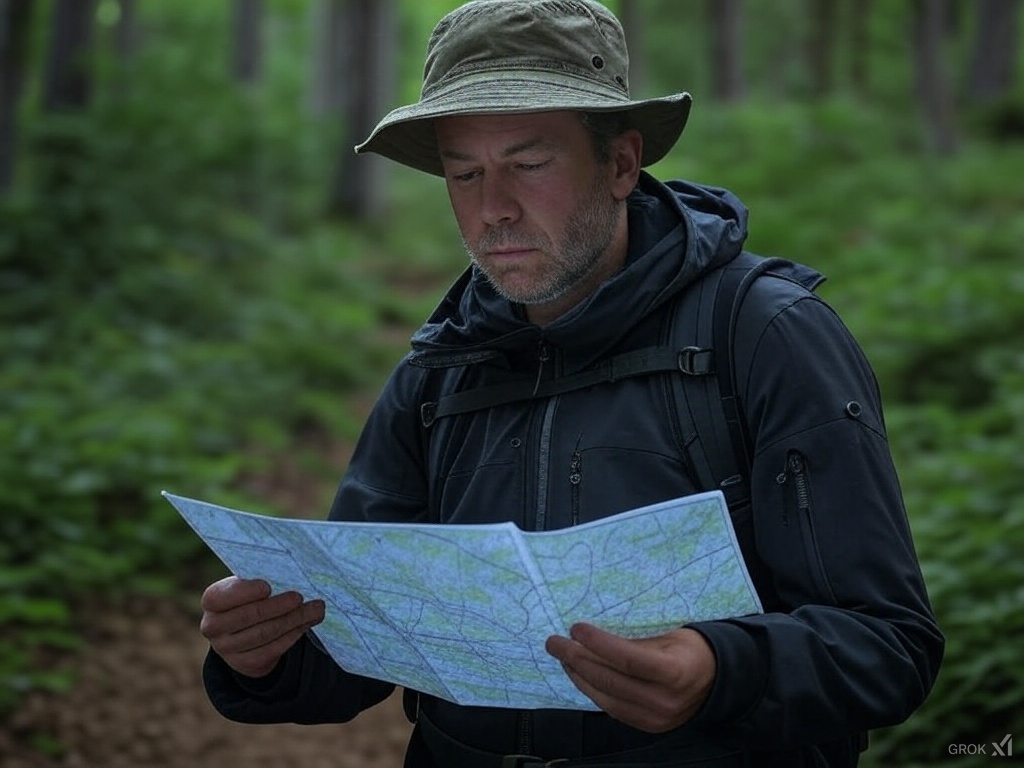
Exploring the wilderness can be a rewarding and enriching experience, but it requires a set of essential skills to ensure safety and success. For those who prefer traditional navigation methods, mastering the use of a map and compass is crucial. Here are the top five skills every outdoorsman should possess to thrive in the wilderness.
1. Mastering Map and Compass Navigation
Understanding Topographic Maps
Topographic maps are invaluable tools for anyone navigating the wilderness. They provide a detailed representation of the terrain, capturing both natural and man-made features. Mastering the interpretation of these maps is crucial for effective navigation and route planning. Here’s a deeper exploration of the key elements involved in understanding topographic maps:
Contour Lines
Contour lines are the backbone of topographic maps. They represent lines of equal elevation above sea level and are crucial for visualizing the three-dimensional shape of the terrain on a two-dimensional map. Here’s how they work:
- Elevation and Spacing: The elevation difference between contour lines is known as the contour interval. Closely spaced lines indicate steep terrain, while widely spaced lines suggest a gentle slope. Understanding this helps outdoorsmen assess the difficulty of the terrain and plan their routes accordingly.
- Reading Terrain Features: Contour lines form patterns that indicate various landforms. For example, concentric circles often represent hills, while V-shaped lines can indicate valleys or streams. Recognizing these patterns allows for better anticipation of the landscape.
Map Symbols
Topographic maps use a variety of symbols to represent different features. Familiarity with these symbols is essential for interpreting the map accurately:
- Natural Features: Symbols for rivers, lakes, forests, and other natural features help identify resources and obstacles. For instance, blue lines typically represent water bodies, while green areas indicate vegetation.
- Man-Made Features: Roads, trails, buildings, and other human-made structures are depicted using specific symbols. Recognizing these can assist in identifying potential routes and landmarks.
Map Scales
The scale of a topographic map indicates the relationship between distances on the map and actual distances on the ground. Understanding map scales is crucial for accurate distance estimation and route planning:
- Scale Representation: Scales are often represented as ratios (e.g., 1:24,000), where one unit on the map equals 24,000 units on the ground. This helps in calculating real-world distances and estimating travel times.
- Choosing the Right Scale: Different activities may require different map scales. A larger scale (e.g., 1:10,000) provides more detail and is useful for hiking, while a smaller scale (e.g., 1:50,000) covers a larger area and is better for broader route planning.
Practical Application
Understanding topographic maps involves more than just recognizing lines and symbols; it requires practical application:
- Route Planning: By analyzing contour lines and symbols, outdoorsmen can plan routes that avoid difficult terrain, identify potential campsites, and locate water sources.
- Navigation: In conjunction with a compass, topographic maps allow for precise navigation. By taking bearings and aligning the map with the terrain, travelers can maintain their course and reach their destinations safely.
Mastering the interpretation of topographic maps is a fundamental skill for any outdoorsman. It enables effective route planning, enhances situational awareness, and ensures safe and successful navigation through the wilderness.
Compass Proficiency
A compass is a vital tool for anyone navigating the wilderness, especially when relying on traditional methods without the aid of GPS technology. Proficiency in using a compass involves understanding its components, mastering various techniques, and applying these skills in real-world scenarios. Here’s a detailed exploration of what compass proficiency entails:
Understanding Compass Components
To effectively use a compass, it’s important to understand its basic components:
- Magnetic Needle: The needle always points towards magnetic north. Understanding the difference between magnetic north and true north is crucial for accurate navigation.
- Rotating Bezel: This is the circular, movable part of the compass marked with degrees from 0° to 360°. It is used to set and follow bearings.
- Baseplate: The flat, transparent base of the compass often includes a ruler for measuring distances on a map.
- Direction of Travel Arrow: This arrow on the baseplate indicates the direction you should move once a bearing is set.
Determining Direction
The primary function of a compass is to determine direction. Here’s how it’s done:
- Orienting the Map: Align the map with the compass so that the map’s north matches the compass needle. This helps in visualizing the terrain and planning routes.
- Setting a Bearing: To travel in a specific direction, rotate the bezel until the desired degree aligns with the direction of travel arrow. Then, turn your body until the magnetic needle aligns with the orienting arrow inside the bezel. This sets your course.
Taking Bearings
Taking a bearing involves determining the direction from your current position to a specific landmark or destination:
- From Map to Field: Place the compass on the map with the edge along the line between your current location and your destination. Rotate the bezel until the orienting lines align with the map’s north-south grid lines. This gives you the bearing to follow.
- From Field to Map: To find your location relative to a landmark, point the direction of travel arrow at the landmark, rotate the bezel until the magnetic needle aligns with the orienting arrow, and then transfer this bearing to the map.
Triangulating Positions
Triangulation is a technique used to pinpoint your exact location by taking bearings from two or more known landmarks:
- Identify Landmarks: Choose two or more visible landmarks that are also marked on your map.
- Take Bearings: Use the compass to take a bearing to each landmark.
- Plot Bearings on Map: Draw lines on the map from each landmark along the respective bearings. Your location is where these lines intersect.
Practical Application
Compass proficiency is not just about understanding theory; it requires practical application:
- Navigating in Poor Visibility: In conditions like fog or dense forest, where landmarks are not visible, a compass is essential for maintaining direction.
- Adjusting for Declination: Magnetic declination, the angle difference between magnetic north and true north, varies by location. Adjusting for declination ensures accurate navigation.
- Regular Practice: Regularly practicing compass skills in various terrains and conditions builds confidence and ensures preparedness for real-world navigation challenges.
Compass proficiency is a critical skill for any outdoorsman. It enables precise navigation, enhances safety, and ensures that travelers can maintain their course even in challenging conditions. By mastering the use of a compass, outdoorsmen can confidently explore and enjoy the wilderness.
2. Wilderness Survival Skills
Building Shelter
Building a shelter is one of the most crucial survival skills in the wilderness. It provides protection from the elements, helps maintain body temperature, and offers a sense of security. Understanding how to construct a temporary shelter using natural materials is essential for anyone venturing into the wild. Here’s a detailed exploration of the key aspects of building a shelter:
Importance of Shelter
- Protection from Weather: Weather conditions in the wilderness can change rapidly, with sudden rain, wind, or temperature drops. A well-constructed shelter shields you from these elements, reducing the risk of hypothermia and exposure.
- Temperature Regulation: A shelter helps retain body heat, especially during cold nights. It also provides shade and cooling during hot days, preventing heat-related illnesses.
- Psychological Comfort: Having a secure place to rest can significantly boost morale and provide a psychological edge in survival situations.
Types of Shelters
There are various types of shelters that can be constructed depending on the available materials and environmental conditions:
- Debris Hut: This is a simple and effective shelter made from natural materials like leaves, branches, and debris. It provides insulation and protection from the wind.
- Lean-To: Constructed by leaning branches against a horizontal support, this shelter is quick to build and can be enhanced with foliage for added insulation.
- A-Frame Shelter: Similar to a lean-to but with branches forming an A-shape, this shelter offers more coverage and stability.
- Snow Cave: In snowy environments, a snow cave can provide excellent insulation. It involves digging into a snowbank and creating a small chamber.
Site Selection
Choosing the right location for your shelter is as important as the construction itself:
- Avoid Hazards: Stay clear of potential hazards like falling branches, flooding areas, or animal trails.
- Proximity to Resources: Select a site near resources like water and firewood, but not too close to water sources to avoid flooding.
- Natural Windbreaks: Utilize natural features like rocks or dense vegetation to shield your shelter from prevailing winds.
Construction Techniques
Building an effective shelter involves several key techniques:
- Framework: Start with a sturdy framework using branches or logs. This provides the structure and stability needed for your shelter.
- Insulation: Use leaves, grass, or moss to insulate your shelter. This material traps air and provides warmth.
- Weatherproofing: Ensure your shelter is weatherproof by layering materials to prevent rain and wind from penetrating.
- Ventilation: While insulation is important, ensure there is adequate ventilation to prevent condensation and maintain air quality.
Practical Application
Building a shelter is not just about theoretical knowledge; it requires practical skills and adaptability:
- Practice: Regularly practice building different types of shelters in various environments to build confidence and proficiency.
- Adaptability: Be prepared to adapt your shelter-building techniques based on available materials and changing weather conditions.
- Resourcefulness: Use whatever materials are available, including clothing or gear, to enhance your shelter’s effectiveness.
Building a shelter is a fundamental survival skill that can make the difference between comfort and hypothermia in the wilderness. By mastering the art of shelter construction, outdoorsmen can ensure their safety and well-being in challenging environments.
Fire Starting Techniques
Fire is one of the most essential elements for survival in the wilderness. It provides warmth, a means to cook food, purify water, and a way to signal for help. Mastering various fire-starting techniques is crucial for anyone venturing into the wild. Here’s a detailed exploration of the key aspects of fire starting:
Importance of Fire
- Warmth and Protection: Fire is vital for maintaining body temperature, especially in cold environments. It provides a psychological sense of security and can deter wild animals.
- Cooking and Water Purification: Fire allows you to cook food, making it safer and more palatable. It also enables you to boil water, which is essential for eliminating pathogens and ensuring safe drinking water.
- Signaling for Help: A fire can be used as a signal for rescuers. The smoke during the day and the flames at night can be seen from a distance, increasing your chances of being found.
Fire-Starting Techniques
There are several methods to start a fire, each with its own advantages and challenges:
- Flint and Steel: This traditional method involves striking a piece of steel against flint to produce sparks. The sparks ignite a tinder bundle, which is then used to start a larger fire. This technique is reliable and works well in various weather conditions.
- Bow Drill: A bow drill is a primitive method that uses friction to generate heat and create an ember. It consists of a bow, spindle, hearth board, and a socket. This technique requires practice and skill but is effective when no modern tools are available.
- Fire Plough: This method involves rubbing a stick back and forth in a groove on a piece of wood to create friction and generate an ember. It is simple but requires dry materials and considerable effort.
- Fire Piston: A fire piston uses rapid compression of air to ignite a piece of tinder. It is a more advanced tool but can be very effective in the right conditions.
- Chemical Fire Starters: These include matches, lighters, and commercial fire-starting aids. While convenient, they can fail in wet conditions or if they run out of fuel.
Building a Fire
Starting a fire is only the first step; building and maintaining it is equally important:
- Gathering Materials: Collect tinder, kindling, and fuel. Tinder should be dry and easily ignitable, such as dry grass, leaves, or bark. Kindling consists of small sticks and twigs, while fuel includes larger logs.
- Fire Lay: Arrange the materials in a structure that promotes airflow and efficient burning. Common fire lays include the teepee, log cabin, and lean-to. Each has its own advantages depending on the conditions.
- Ignition and Maintenance: Once the tinder is ignited, carefully add kindling and then fuel to build the fire. Maintain the fire by adding fuel as needed and ensuring adequate airflow.
Practical Application
Mastering fire-starting techniques requires practice and adaptability:
- Practice: Regularly practice different fire-starting methods in various conditions to build confidence and proficiency. Familiarity with these techniques can make a significant difference in an emergency.
- Adaptability: Be prepared to adapt your fire-starting techniques based on available materials and weather conditions. Flexibility is key to making the most of your surroundings.
- Resourcefulness: Use whatever materials are available, including clothing or gear, to enhance your fire-starting efforts. Creativity and improvisation can improve the chances of success.
Mastering fire-starting techniques is a fundamental survival skill that can make the difference between comfort and hypothermia in the wilderness. By understanding and practicing these techniques, outdoorsmen can ensure their safety and well-being in challenging environments.
3. First Aid and Emergency Preparedness
Basic First Aid Knowledge
In the wilderness, where medical help may not be immediately available, having a solid understanding of basic first aid is crucial. This knowledge can prevent minor injuries from escalating into serious issues and can be life-saving in emergencies. Here’s a detailed exploration of the key aspects of basic first aid knowledge:
Importance of First Aid
- Immediate Response: Quick and effective first aid can stabilize a situation, reduce pain, and prevent further injury. It buys time until professional medical help can be reached.
- Prevention of Complications: Proper first aid can prevent infections, reduce the severity of injuries, and improve recovery outcomes.
- Confidence and Preparedness: Knowing how to administer first aid boosts confidence and preparedness, enabling individuals to handle emergencies calmly and effectively.
Common Wilderness Injuries and Treatments
Understanding how to treat common injuries encountered in the wilderness is essential:
- Cuts and Scrapes: Clean the wound with clean water to remove dirt and debris. Apply an antiseptic to prevent infection and cover with a sterile bandage. Monitor for signs of infection, such as redness, swelling, or pus.
- Sprains and Strains: Use the R.I.C.E. method—Rest, Ice, Compression, and Elevation. Rest the injured area, apply ice to reduce swelling, use a compression bandage, and elevate the limb above heart level if possible.
- Hypothermia: Recognize symptoms such as shivering, confusion, and slurred speech. Move the person to a warm, dry place, remove wet clothing, and wrap them in blankets. Provide warm, non-alcoholic beverages if the person is conscious.
- Heat Exhaustion: Symptoms include heavy sweating, weakness, and dizziness. Move the person to a cooler place, have them lie down, and elevate their legs. Provide cool water and apply cool, wet cloths to the skin.
- Fractures: Immobilize the injured area using a splint or improvised materials like sticks and cloth. Avoid moving the person unless necessary and seek medical help as soon as possible.
First Aid Kit Essentials
Carrying a well-stocked first aid kit is vital for addressing injuries in the wilderness. Essential items include:
- Bandages and Dressings: Various sizes of adhesive bandages, sterile gauze pads, and adhesive tape.
- Antiseptics: Alcohol wipes, antiseptic ointment, and hand sanitizer.
- Pain Relievers: Over-the-counter pain medications like ibuprofen or acetaminophen.
- Tools: Tweezers, scissors, safety pins, and a multi-tool.
- Other Supplies: Elastic bandages, triangular bandages, a CPR face shield, and a first aid manual.
Practical Application
First aid knowledge is not just theoretical; it requires practical skills and regular practice:
- Training: Attend first aid courses to learn and practice techniques under professional guidance. Certification courses often cover CPR, wound care, and emergency response.
- Regular Review: Regularly review first aid procedures and update your knowledge to stay current with best practices.
- Scenario Practice: Practice first aid scenarios in realistic settings to build confidence and proficiency. Simulating emergencies can help prepare for real-life situations.
Basic first aid knowledge is a fundamental skill for anyone venturing into the wilderness. By understanding and practicing first aid techniques, outdoorsmen can ensure their safety and well-being, effectively manage injuries, and provide critical care in emergencies.
Emergency Signaling
In the wilderness, where communication with the outside world can be limited, knowing how to effectively signal for help is a critical survival skill. Proper signaling can significantly increase the chances of a successful rescue by alerting search and rescue teams to your location. Here’s a detailed exploration of the key aspects of emergency signaling:
Importance of Emergency Signaling
- Rapid Response: Effective signaling can expedite rescue operations, reducing the time spent in potentially dangerous situations.
- Visibility and Audibility: Signals need to be visible or audible over long distances to attract attention. Understanding how to maximize these aspects is crucial.
- Versatility: Different situations may require different signaling methods. Being versatile and adaptable in your signaling approach can improve your chances of being noticed.
Signaling Methods
There are several methods to signal for help, each with its own advantages and applications:
- Signal Mirrors: Mirrors can reflect sunlight to create a bright flash visible over long distances. Aim the mirror at the sun and use your fingers to direct the reflected light towards potential rescuers or aircraft. Practice aiming to ensure accuracy.
- Whistles: A whistle can produce a loud, piercing sound that carries farther than a human voice. The international distress signal is three short blasts, repeated at regular intervals. Whistles are lightweight, require no power, and are effective in various weather conditions.
- Fire and Smoke: A fire can serve as both a warmth source and a signal. During the day, adding green vegetation to the fire creates smoke, which is visible from afar. At night, the flames themselves can be seen. Arrange fires in a triangle or line to indicate distress.
- Ground-to-Air Signals: Use natural materials or gear to create large, visible symbols on the ground. Common signals include an “X” or “SOS” to indicate distress. Ensure the symbols contrast with the surrounding terrain for maximum visibility.
- Flashlights and Strobes: At night, flashlights or strobe lights can be used to signal rescuers. Flash the light in groups of three to indicate distress. Strobe lights are particularly effective due to their intense, flashing light.
Preparing for Emergency Signaling
Preparation is key to effective emergency signaling:
- Carry Signaling Devices: Always include signaling devices like a mirror, whistle, and flashlight in your gear. These items are lightweight and can be lifesaving.
- Know Your Environment: Understand the terrain and weather conditions to choose the most effective signaling method. For example, smoke signals may not be visible in dense fog.
- Practice Techniques: Regularly practice using signaling devices to ensure proficiency. Familiarity with the tools and techniques can make a significant difference in an emergency.
Practical Application
Signaling for help is not just about having the right tools; it requires practical skills and adaptability:
- Stay Calm: In an emergency, staying calm and thinking clearly is crucial. Panic can lead to ineffective signaling and wasted resources.
- Be Persistent: Continue signaling at regular intervals until help arrives. Rescuers may not immediately see or hear your signals, so persistence is key.
- Adapt to the Situation: Be prepared to adapt your signaling methods based on available resources and changing conditions. Creativity and resourcefulness can enhance your signaling efforts.
Emergency signaling is a fundamental survival skill that can make the difference between rescue and prolonged exposure in the wilderness. By understanding and practicing various signaling techniques, outdoorsmen can significantly increase their chances of being found and rescued in an emergency.
4. Foraging and Food Procurement
Identifying Edible Plants
In the wilderness, the ability to identify edible plants and berries can be a vital skill for survival. Plants can provide essential nutrients and energy when other food sources are scarce. However, distinguishing between safe and poisonous plants is crucial to avoid potentially life-threatening situations. Here’s a detailed exploration of the key aspects of identifying edible plants:
Importance of Plant Identification
- Nutritional Value: Edible plants can provide carbohydrates, vitamins, and minerals essential for maintaining energy levels and overall health.
- Availability: Plants are often abundant and can be found in various environments, making them a reliable food source when hunting or fishing is not possible.
- Survival and Self-Sufficiency: Knowing how to identify and use edible plants enhances self-sufficiency and increases the chances of survival in the wilderness.
Key Principles of Plant Identification
- Familiarity with Local Flora: Understanding the local ecosystem and the plants that grow there is the first step in identifying edible species. Familiarize yourself with common edible plants in the area you plan to explore.
- Use of Field Guides: Carry a field guide specific to the region, which includes detailed descriptions and images of edible and poisonous plants. This can be an invaluable resource for accurate identification.
- Universal Edibility Test: If unsure about a plant’s edibility, the universal edibility test can be used as a last resort. This involves testing the plant in stages, starting with a small skin contact, then tasting a small amount, and waiting for any adverse reactions. However, this method is time-consuming and not foolproof.
Common Edible Plants and Their Characteristics
- Dandelions: Entirely edible, dandelions are rich in vitamins A, C, and K. They can be eaten raw or cooked, and their roots can be used to make tea.
- Cattails: Found near water, cattails have edible shoots, roots, and pollen. The young shoots can be eaten raw or cooked, while the roots can be boiled or roasted.
- Wild Berries: Berries like blackberries, raspberries, and blueberries are generally safe to eat. However, avoid white or yellow berries, as they are often poisonous.
- Nettles: Rich in iron and vitamins, nettles can be cooked to neutralize their sting and used in soups or teas.
- Pine Nuts: Found in pine cones, pine nuts are a good source of protein and fats. They can be eaten raw or roasted.
Avoiding Poisonous Plants
- Learn Poisonous Look-Alikes: Many edible plants have poisonous look-alikes. For example, wild carrots resemble the toxic hemlock plant. Learning to distinguish these is crucial.
- Avoid Unknown Plants: If you cannot positively identify a plant, it is safer to avoid it. Some plants can cause severe allergic reactions or poisoning.
- Beware of Milky Sap: Plants with milky or discolored sap are often toxic. Exceptions exist, but caution is advised.
Practical Application
Identifying edible plants requires practice and caution:
- Regular Practice: Spend time in nature practicing plant identification. Familiarity with plants in different seasons and stages of growth is important.
- Cultural Knowledge: Indigenous knowledge and local expertise can provide valuable insights into edible plants and their uses.
- Cautious Sampling: When trying new plants, start with small amounts to ensure there are no adverse reactions.
Identifying edible plants is a critical survival skill that can provide sustenance in the wilderness. By understanding and practicing plant identification, outdoorsmen can safely and effectively utilize the natural resources available to them.
Fishing and Trapping
Fishing and trapping are essential skills for procuring food in the wilderness. These methods can provide a reliable source of nutrition, offering proteins and fats necessary for survival. Understanding how to effectively fish and set traps using basic equipment is crucial for anyone venturing into the wild. Here’s a detailed exploration of the key aspects of fishing and trapping:
Importance of Fishing and Trapping
- Nutritional Value: Fish and small game are rich in proteins and fats, which are vital for maintaining energy levels and overall health in survival situations.
- Availability: Water bodies and wildlife are often abundant in wilderness areas, making fishing and trapping practical methods for food procurement.
- Sustainability: These methods can be sustainable if practiced responsibly, ensuring a continuous food supply without depleting resources.
Fishing Techniques
Fishing can be done using various techniques, depending on the available resources and environment:
- Hand Line Fishing: This simple method involves using a line with a hook and bait. It requires minimal equipment and can be effective in both freshwater and saltwater environments.
- Improvised Fishing Gear: In the absence of traditional gear, fishing lines can be made from natural fibers or paracord, and hooks can be fashioned from bones, thorns, or bent wire.
- Spearfishing: Using a sharpened stick or spear, this method requires patience and skill. It is effective in clear, shallow waters where fish are visible.
- Fish Traps and Nets: Constructing fish traps from natural materials like sticks and vines can passively catch fish. Nets can be woven from plant fibers or improvised from clothing.
Trapping Techniques
Trapping involves setting devices to capture small game, providing a steady food source:
- Snare Traps: Snares are simple loops made from wire or cordage that tighten around an animal when triggered. They are effective for catching small mammals like rabbits and squirrels.
- Deadfall Traps: These traps use a heavy object, such as a rock or log, to crush the prey when triggered. They require careful setup and are effective for small to medium-sized animals.
- Pitfall Traps: Dug into the ground and camouflaged, these traps capture animals that fall into them. They are suitable for larger game but require more effort to construct.
- Bird Traps: Simple traps like the figure-four trap can catch birds. These traps use a baited trigger mechanism to capture the bird when it lands.
Setting Up and Using Traps
- Location and Placement: Successful trapping requires knowledge of animal behavior and habitat. Place traps along animal trails, near water sources, or in areas with signs of animal activity.
- Baiting: Use appropriate bait to attract the target species. For example, use nuts or fruits for herbivores and meat scraps for carnivores.
- Checking Traps Regularly: Check traps frequently to ensure humane treatment of captured animals and to reset or relocate traps as needed.
Practical Application
Fishing and trapping require practice and ethical considerations:
- Practice Skills: Regularly practice setting up traps and fishing in various environments to build proficiency and confidence.
- Ethical Considerations: Practice sustainable and humane trapping methods. Avoid over-trapping and ensure that non-target species are released unharmed.
- Adaptability: Be prepared to adapt techniques based on available resources and environmental conditions. Creativity and resourcefulness can enhance success rates.
Fishing and trapping are vital survival skills that can provide a reliable source of nutrition in the wilderness. By mastering these techniques, outdoorsmen can effectively utilize natural resources to sustain themselves in challenging environments.
Subsistence Hunting
Subsistence hunting is a critical survival skill that involves hunting animals for food to sustain oneself in the wilderness. It requires knowledge of animal behavior, tracking skills, and proficiency with hunting tools. Here’s a detailed exploration of the key aspects of subsistence hunting:
Importance of Subsistence Hunting
- Nutritional Benefits: Hunting provides access to a rich source of protein and essential nutrients, which are crucial for maintaining energy and health in survival situations.
- Resource Utilization: Beyond food, animals can provide materials for clothing, tools, and shelter, making hunting a multifaceted survival skill.
- Cultural and Historical Significance: Hunting has been a fundamental human activity for millennia, deeply rooted in cultural traditions and survival practices.
Hunting Techniques
Effective hunting requires a combination of skills and techniques:
- Tracking and Stalking: Understanding animal behavior and habitats is crucial for tracking. Look for signs such as footprints, droppings, and feeding areas. Stalking involves moving quietly and strategically to get within range of the prey.
- Use of Weapons: Proficiency with hunting tools such as bows, slingshots, or improvised spears is essential. Practice accuracy and stealth to increase the chances of a successful hunt.
- Ambush Hunting: This method involves setting up in a location where animals are likely to pass, such as near water sources or feeding areas, and waiting for the prey to come within range.
- Calling and Luring: Using calls or lures to attract animals can be effective. Mimicking animal sounds or using bait can draw prey closer, making it easier to hunt.
Ethical and Legal Considerations
- Sustainable Practices: Practice sustainable hunting by taking only what is needed and ensuring the long-term health of animal populations. Avoid hunting endangered species and adhere to local regulations.
- Humane Methods: Aim for quick, humane kills to minimize suffering. This requires skill and precision with hunting tools.
- Respect for Wildlife: Show respect for the animals and the environment. Use all parts of the animal to honor its life and minimize waste.
Practical Application
Hunting requires preparation, practice, and adaptability:
- Skill Development: Regularly practice hunting skills, including tracking, weapon use, and field dressing. Familiarity with these skills can make a significant difference in a survival situation.
- Adaptability: Be prepared to adapt hunting techniques based on available resources, environmental conditions, and animal behavior. Flexibility is key to successful hunting.
- Safety Precautions: Always prioritize safety when hunting. Be aware of your surroundings, and ensure that weapons are handled responsibly to prevent accidents.
Subsistence hunting is a vital survival skill that can provide a reliable source of nutrition and resources in the wilderness. By mastering hunting techniques and adhering to ethical practices, outdoorsmen can effectively sustain themselves while respecting the natural environment.
5. Physical Fitness and Mental Resilience
Maintaining Physical Fitness
Physical fitness is a cornerstone of successful wilderness navigation and survival. The physical demands of hiking, climbing, and carrying gear require endurance, strength, and agility. Regular exercise and conditioning are essential for preparing the body to handle these challenges. Here’s a detailed exploration of the key aspects of maintaining physical fitness for wilderness activities:
Importance of Physical Fitness
- Endurance and Stamina: Long hikes and extended periods of physical activity require cardiovascular endurance. A well-conditioned body can sustain energy levels over long distances and time periods.
- Strength and Power: Carrying a backpack, climbing over obstacles, and setting up camp require muscular strength. Strong muscles help prevent injuries and improve overall performance.
- Agility and Balance: Navigating uneven terrain, crossing streams, and climbing require agility and balance. These skills help prevent falls and improve efficiency in movement.
- Injury Prevention: A fit body is less prone to injuries. Strong muscles and joints can better withstand the stresses of outdoor activities, reducing the risk of strains and sprains.
Components of a Fitness Regimen
A comprehensive fitness regimen for wilderness activities should include the following components:
- Cardiovascular Training: Activities like running, cycling, and swimming improve cardiovascular endurance. Aim for at least 150 minutes of moderate aerobic activity per week to build stamina.
- Strength Training: Incorporate exercises like squats, lunges, push-ups, and weightlifting to build muscular strength. Focus on core strength, as it is crucial for stability and carrying heavy loads.
- Flexibility and Mobility: Stretching exercises and yoga improve flexibility and joint mobility. This enhances range of motion and reduces the risk of injury.
- Balance and Coordination: Practice exercises that improve balance, such as standing on one leg or using a balance board. These exercises enhance coordination and stability on uneven terrain.
Practical Application
Maintaining physical fitness requires consistency and adaptation to specific wilderness demands:
- Simulate Wilderness Conditions: Train in environments that mimic the conditions you will encounter in the wilderness. This includes hiking on trails, carrying a loaded backpack, and practicing climbing techniques.
- Progressive Overload: Gradually increase the intensity and duration of your workouts to build endurance and strength. This principle helps the body adapt to increasing physical demands.
- Recovery and Rest: Allow time for recovery and rest to prevent overtraining and injuries. Adequate sleep, hydration, and nutrition are essential for recovery and overall health.
- Mental Preparation: Physical fitness also involves mental resilience. Engage in activities that challenge your mental endurance, such as long hikes or endurance events, to build mental toughness.
Maintaining physical fitness is essential for anyone navigating the wilderness. By incorporating a balanced fitness regimen that includes cardiovascular, strength, flexibility, and balance training, outdoorsmen can prepare their bodies to handle the physical demands of wilderness activities. This preparation not only enhances performance but also ensures safety and enjoyment in the great outdoors.
Cultivating Mental Resilience
Mental resilience is a crucial skill for anyone venturing into the wilderness. The unpredictable and challenging nature of outdoor environments demands the ability to stay calm, think clearly, and make rational decisions under pressure. Developing mental resilience helps outdoorsmen overcome obstacles, adapt to changing situations, and ultimately thrive in the wild. Here’s a detailed exploration of the key aspects of cultivating mental resilience:
Importance of Mental Resilience
- Stress Management: The wilderness can present numerous stressors, from adverse weather conditions to unexpected encounters with wildlife. Mental resilience enables individuals to manage stress effectively, preventing panic and maintaining focus.
- Problem-Solving: Resilience fosters a proactive approach to problem-solving. It encourages creative thinking and adaptability, allowing outdoorsmen to find solutions to challenges such as navigation errors or equipment failures.
- Emotional Stability: Maintaining emotional stability is crucial for making sound decisions. Resilient individuals can regulate their emotions, preventing fear or frustration from clouding their judgment.
- Persistence and Perseverance: Mental resilience instills a sense of determination and perseverance, motivating individuals to keep going despite difficulties or setbacks.
Strategies for Building Mental Resilience
Developing mental resilience involves a combination of mindset, skills, and practices:
- Mindfulness and Meditation: Practicing mindfulness and meditation can enhance self-awareness and emotional regulation. These practices help individuals stay present, reduce anxiety, and improve focus.
- Positive Self-Talk: Cultivating a positive inner dialogue can boost confidence and motivation. Encouraging self-talk helps reinforce a resilient mindset, especially in challenging situations.
- Visualization Techniques: Visualizing successful outcomes and rehearsing scenarios mentally can prepare individuals for real-life challenges. This technique builds confidence and reduces anxiety.
- Stress Exposure: Gradually exposing oneself to stressors in controlled environments can build resilience. This might include challenging hikes, endurance activities, or simulated survival scenarios.
- Goal Setting: Setting realistic and achievable goals provides direction and motivation. Breaking tasks into manageable steps can prevent overwhelm and foster a sense of accomplishment.
Practical Application
Building mental resilience requires practice and intentional effort:
- Regular Practice: Incorporate resilience-building practices into daily routines. Consistent practice enhances mental strength and prepares individuals for wilderness challenges.
- Learning from Experience: Reflect on past experiences to identify strengths and areas for improvement. Learning from both successes and failures contributes to personal growth and resilience.
- Support Networks: Building a support network of fellow outdoorsmen, mentors, or friends can provide encouragement and perspective. Sharing experiences and advice can enhance resilience.
- Adaptability: Embrace change and uncertainty as opportunities for growth. Developing a flexible mindset allows individuals to adapt to new situations and challenges with ease.
Cultivating mental resilience is essential for thriving in the wilderness. By developing strategies to manage stress, enhance problem-solving skills, and maintain emotional stability, outdoorsmen can navigate the unpredictable nature of the wild with confidence and composure. This resilience not only enhances survival but also enriches the overall wilderness experience.
Conclusion
Thriving in the wilderness with a map and compass is a multifaceted endeavor that demands a blend of technical skills, survival knowledge, and personal attributes. Each component plays a crucial role in ensuring safety, enhancing the experience, and fostering a deep connection with nature. Here’s a detailed exploration of how these elements come together to empower outdoorsmen:
Technical Skills
- Navigation Proficiency: Mastery of map and compass navigation is foundational. Understanding topographic maps, taking accurate bearings, and triangulating positions enable outdoorsmen to traverse unfamiliar terrain confidently. These skills ensure that travelers can find their way, avoid hazards, and reach their destinations efficiently.
- Shelter Construction: Building a shelter is vital for protection against the elements. Knowledge of various shelter types and construction techniques allows individuals to create safe havens, ensuring comfort and safety in adverse weather conditions.
- Fire Starting: The ability to start a fire is essential for warmth, cooking, and signaling. Mastering different fire-starting techniques ensures that outdoorsmen can maintain body temperature, prepare food, and attract attention in emergencies.
Survival Knowledge
- First Aid: Basic first aid knowledge is crucial for managing injuries and preventing complications. Understanding how to treat cuts, sprains, and hypothermia can make a significant difference in survival situations.
- Foraging and Food Procurement: Identifying edible plants and mastering fishing, trapping, and hunting techniques provide reliable food sources. This knowledge ensures sustenance and energy, allowing outdoorsmen to thrive in the wilderness.
- Emergency Signaling: Knowing how to signal for help increases the chances of a successful rescue. Familiarity with signaling methods, such as using mirrors, whistles, and ground-to-air signals, is essential for attracting attention in emergencies.
Personal Attributes
- Physical Fitness: Maintaining physical fitness is crucial for handling the physical demands of wilderness activities. Endurance, strength, and agility enable outdoorsmen to hike long distances, climb obstacles, and carry gear efficiently.
- Mental Resilience: Cultivating mental resilience is essential for staying calm and making rational decisions under pressure. This attribute helps individuals overcome obstacles, adapt to changing situations, and maintain a positive outlook.
- Adaptability and Resourcefulness: The ability to adapt to new environments and utilize available resources creatively is key to thriving in the wilderness. Resourcefulness allows outdoorsmen to make the most of their surroundings and overcome challenges.
Embracing the Wilderness Experience
By mastering these essential skills and attributes, outdoorsmen can navigate safely, respond effectively to challenges, and fully enjoy the beauty and adventure that the wilderness offers. The wilderness provides a unique opportunity to disconnect from the modern world, connect with nature, and experience personal growth. Embracing this experience with confidence and preparedness enhances the journey, allowing individuals to appreciate the serenity, wonder, and lessons that the natural world imparts.
Thriving in the wilderness is a holistic endeavor that combines technical expertise, survival knowledge, and personal growth. By honing these skills and attributes, outdoorsmen can embark on wilderness adventures with assurance, resilience, and a deep appreciation for the natural world.


 UTAZCO Overland
Leave a Reply