
Introduction
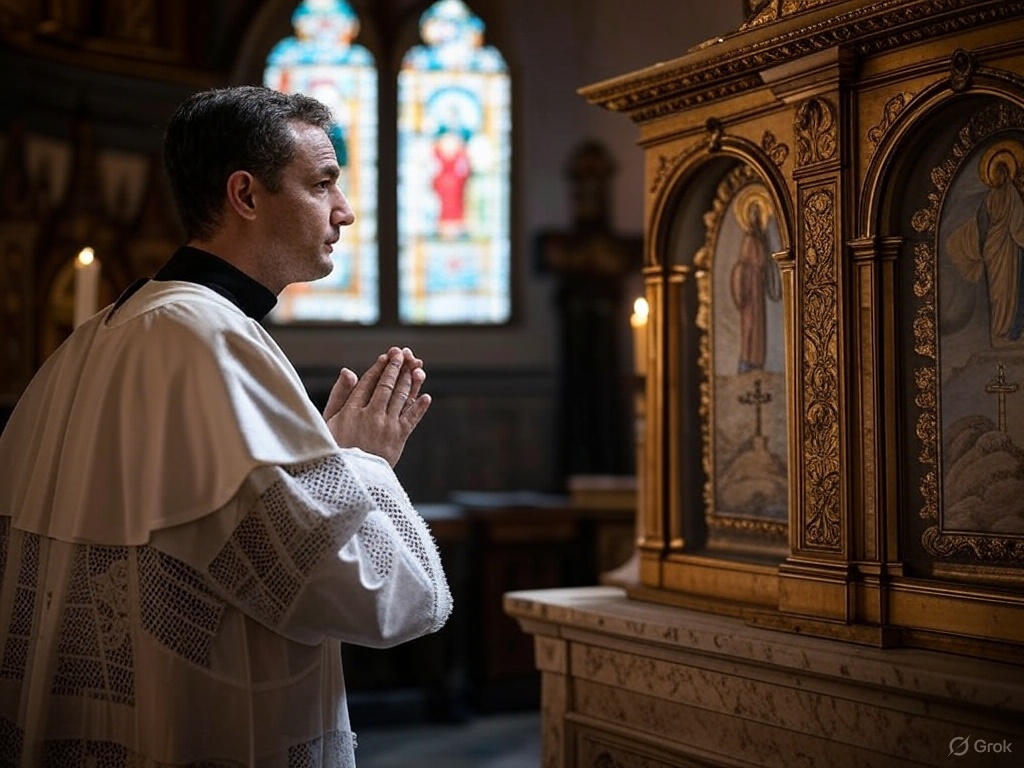
The Catholic Church, with its rich history and tradition, has been a beacon of faith for over two millennia. It has provided spiritual guidance, moral teachings, and a sense of community to billions of believers worldwide. Central to this enduring legacy is the Church’s liturgical tradition, which serves as a conduit for the faithful to encounter the divine. For traditionalist Catholics, the Tridentine Mass, also known as the Traditional Latin Mass, represents the pinnacle of liturgical expression. It is seen as a sacred rite deeply rooted in centuries of theological development and spiritual practice, embodying the Church’s commitment to preserving the sacred mysteries of the faith.
The Tridentine Mass, established in its current form by Pope St. Pius V in the 16th century, is viewed as a culmination of liturgical evolution that dates back to the early Church. Its structure and language reflect a continuity with the past, emphasizing the timeless nature of Catholic worship. The use of Latin, the Church’s universal language, not only unifies Catholics across different cultures and nations but also connects the present with the historical traditions of the Church. The solemnity and reverence of the Tridentine Mass are seen as essential to fostering a deep sense of the sacred and the transcendent.
This essay seeks to justify the preference for the Tridentine Mass, the rejection of the Novus Ordo, and the non-recognition of Pope Francis, whom some traditionalists view as an apostate heretic, through the lens of traditional Catholic theology. By examining these positions, we aim to explore the underlying theological principles that guide traditionalist Catholics in their commitment to preserving the integrity of the faith. This exploration will delve into the perceived theological and liturgical shifts introduced by the Novus Ordo and the papacy of Pope Francis, and how these changes are viewed as departures from the core tenets of traditional Catholicism.
In doing so, we will highlight the importance of continuity, orthodoxy, and reverence in Catholic worship and doctrine, as understood by traditionalists. This perspective underscores a profound dedication to maintaining the sacred traditions that have been the foundation of the Church for centuries, ensuring that the faith remains a beacon of truth and holiness in an ever-changing world.
The Tridentine Mass: A Liturgical Treasure
The Tridentine Mass, formally established by Pope St. Pius V in 1570, is a cornerstone of traditional Catholic worship, representing a liturgical form that has been cherished for its depth, beauty, and theological richness. This Mass was codified in response to the Protestant Reformation and the Council of Trent, which aimed to affirm the Catholic Church’s doctrines and practices amidst widespread religious upheaval. For traditionalists, the Tridentine Mass is not merely a historical artifact but the most authentic expression of Catholic worship, embodying the Church’s commitment to preserving the sacred mysteries of the faith.
Solemnity and Reverence
The Tridentine Mass is characterized by its solemnity and reverence, elements that are integral to its liturgical form. The use of Gregorian chant, incense, and elaborate vestments contributes to an atmosphere of awe and devotion. The priest, facing ad orientem (toward the East), leads the congregation in worship, symbolizing the collective orientation towards God. This posture emphasizes the sacrificial nature of the Mass, where the priest acts in persona Christi, offering the Eucharistic sacrifice on behalf of the faithful.
The Role of Latin
Latin, as the universal language of the Church, plays a crucial role in the Tridentine Mass. Its use underscores the unity and timelessness of the Catholic faith, transcending cultural and linguistic barriers. Latin connects the present-day Church with its historical roots, fostering a sense of continuity with the early Christians and the saints who have worshipped in the same language. For traditionalists, Latin is not merely a linguistic choice but a symbol of the Church’s universality and unchanging truth.
Emphasis on the Eucharistic Sacrifice
Central to the Tridentine Mass is its emphasis on the sacrificial nature of the Eucharist. Traditional Catholic theology teaches that the Mass is a re-presentation of Christ’s sacrifice on the cross, a mystery that is both profound and sacred. The Tridentine Mass, with its detailed rubrics and prayers, highlights this sacrificial aspect, inviting the faithful to enter into the mystery of Christ’s passion and death. This focus on the Eucharistic sacrifice is seen as essential to maintaining the integrity of Catholic worship and doctrine.
Continuity and Tradition
Traditional Catholic theology places great importance on the continuity of liturgical practice. The Tridentine Mass, with its unchanging form, is viewed as a safeguard against the influences of modernism and secularism. In a world that is constantly changing, the stability and permanence of the Tridentine Mass offer a refuge for the faithful, preserving the sacredness and mystery of the liturgy. This continuity is believed to foster a deeper sense of reverence and devotion among the faithful, nurturing their spiritual growth and commitment to the faith.
The Tridentine Mass is regarded by traditionalists as a liturgical treasure, embodying the core principles of Catholic worship. Its solemnity, use of Latin, emphasis on the Eucharistic sacrifice, and adherence to tradition make it a powerful expression of the Church’s timeless truths. For those who cherish the Tridentine Mass, it is not only a connection to the past but a vital part of their spiritual lives, guiding them in their journey of faith.
Rejection of the Novus Ordo
The introduction of the Novus Ordo Missae by Pope Paul VI in 1969 represented a watershed moment in the history of the Catholic Church’s liturgical practices. This new form of the Mass was part of the broader liturgical reforms initiated by the Second Vatican Council, aimed at making the liturgy more accessible and engaging for the modern faithful. However, for traditionalists, these changes marked a significant departure from the time-honored traditions of the Church, leading to a rejection of the Novus Ordo in favor of the Tridentine Mass.
Changes in Language and Rites
One of the most notable changes in the Novus Ordo is the use of vernacular languages instead of Latin. While this was intended to make the liturgy more understandable and participatory, traditionalists argue that it has led to a fragmentation of the Church’s universal identity. Latin, as the sacred language of the Church, is seen as a unifying force that transcends cultural and linguistic differences. The shift to vernacular languages is perceived as a loss of this unity and a move away from the Church’s historical roots.
Additionally, the simplification of rites in the Novus Ordo is viewed by traditionalists as a dilution of the sacredness of the Mass. The detailed rubrics and elaborate ceremonies of the Tridentine Mass are seen as essential to conveying the mystery and reverence of the Eucharistic celebration. The streamlined rites of the Novus Ordo, in contrast, are perceived as lacking the depth and richness that characterize traditional Catholic worship.
Increased Participation of the Laity
The Novus Ordo also introduced greater participation of the laity in the liturgy, with roles such as lectors and extraordinary ministers of Holy Communion. While this was intended to foster a sense of community and active involvement, traditionalists argue that it has blurred the distinction between the ordained priesthood and the laity. The priest, acting in persona Christi, is seen as the central figure in the liturgical celebration, and any shift in focus away from this role is viewed as undermining the sacrificial nature of the Mass.
Theological Concerns
From a theological perspective, traditionalists contend that the Novus Ordo undermines the sacrificial nature of the Mass, shifting the focus from the altar to the congregation. This shift is seen as a reflection of modernist tendencies that prioritize human experience over divine mystery. The Tridentine Mass, with its emphasis on the Eucharistic sacrifice, is viewed as a more faithful representation of Catholic theology, where the Mass is understood as a re-presentation of Christ’s sacrifice on the cross.
Traditionalists believe that the Novus Ordo fails to adequately convey the transcendence and holiness of the Eucharistic celebration. The perceived loss of reverence and solemnity in the Novus Ordo is seen as contributing to a weakening of faith among the faithful. The emphasis on community and participation, while valuable, is viewed as secondary to the primary purpose of the Mass: the worship of God and the re-presentation of Christ’s sacrifice.
The rejection of the Novus Ordo by traditionalists is rooted in a deep commitment to preserving the sacred traditions and theological principles of the Catholic Church. The changes introduced by the Novus Ordo are seen as departures from the core tenets of Catholic worship, leading to a dilution of the sacredness and mystery of the Mass. For traditionalists, the Tridentine Mass remains the most authentic expression of Catholic liturgy, embodying the timeless truths and reverence that have been the foundation of the Church for centuries.
Non-Recognition of Pope Francis
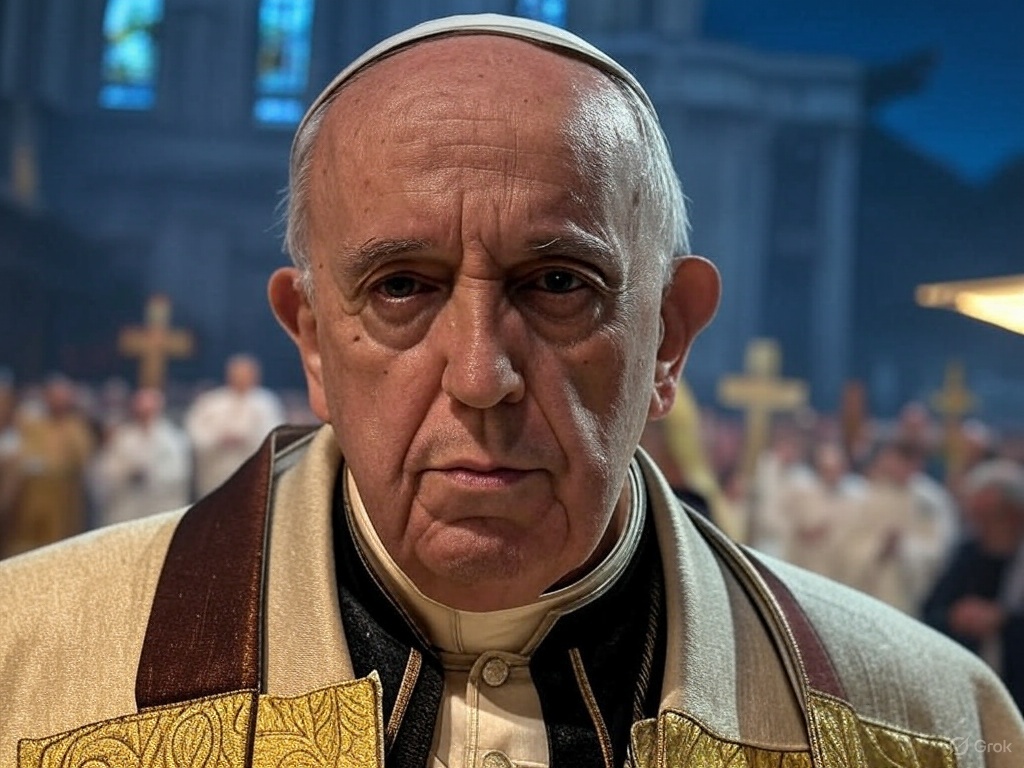
For some traditionalist Catholics, the papacy of Pope Francis, born Jorge Mario Bergoglio, is seen as a significant departure from the teachings and traditions that have long defined the Catholic Church. This perspective is rooted in concerns over his approach to various theological and pastoral issues, which some traditionalists perceive as aligning with a modernist agenda that challenges the core tenets of traditional Catholic doctrine.
Interfaith Dialogue
One area of contention is Pope Francis’s approach to interfaith dialogue. He has been noted for his efforts to build bridges with other religious communities, emphasizing mutual respect and understanding. While this approach is intended to foster peace and cooperation, traditionalists argue that it sometimes blurs the lines of Catholic identity and doctrine. They fear that such dialogue may lead to relativism, where the unique truths of the Catholic faith are perceived as being on equal footing with other belief systems, potentially undermining the Church’s mission to evangelize and uphold its teachings.
Moral Theology
Pope Francis’s stance on moral theology has also been a point of debate. His emphasis on mercy and pastoral care, particularly in documents like “Amoris Laetitia,” has been interpreted by some as a relaxation of traditional moral standards. Critics argue that this approach can lead to ambiguity in Church teachings on issues such as marriage, divorce, and family life. Traditionalists emphasize the importance of clear and consistent moral teachings, fearing that any perceived leniency could lead to moral confusion among the faithful.
Liturgical Practices
In terms of liturgical practices, Pope Francis has shown support for the reforms of the Second Vatican Council, including the Novus Ordo Mass. His motu proprio “Traditionis Custodes,” which places restrictions on the celebration of the Tridentine Mass, has been particularly controversial among traditionalists. They view this as an attempt to marginalize the traditional liturgy, which they see as a vital expression of Catholic worship and identity. This move has been interpreted as a challenge to the continuity and reverence that traditionalists hold dear.
Orthodoxy and the Magisterium
Traditional Catholic theology places a strong emphasis on orthodoxy and adherence to the Magisterium, the Church’s teaching authority. Critics of Pope Francis claim that his teachings and actions have sown confusion and division within the Church, leading them to question his legitimacy as the true successor of St. Peter. They argue that his papacy represents a departure from the clear and consistent teachings of his predecessors, contributing to a sense of uncertainty about the direction of the Church.
Perception of Apostasy
For some traditionalists, these concerns culminate in the perception of Pope Francis’s papacy as a manifestation of apostasy. They believe that he has deviated from the true faith, prioritizing modernist ideals over the timeless truths of Catholic doctrine. This perception is not universally held among all Catholics, but it reflects a deep-seated anxiety about the preservation of the Church’s traditions and teachings in a rapidly changing world.
The non-recognition of Pope Francis by some traditionalist Catholics is rooted in a profound commitment to preserving the teachings and traditions of the Church. Their concerns about his approach to interfaith dialogue, moral theology, and liturgical practices reflect a broader apprehension about the influence of modernism within the Church. For these traditionalists, maintaining orthodoxy and adherence to the Magisterium is essential to safeguarding the integrity of the Catholic faith, and they view any perceived deviation from these principles as a threat to the Church’s mission and identity.
Conclusion
In conclusion, the preference for the Tridentine Mass, the rejection of the Novus Ordo, and the non-recognition of Pope Francis are rooted in a deep commitment to traditional Catholic theology. For traditionalists, these positions are not merely matters of personal preference but are seen as essential to preserving the integrity and sanctity of the Catholic faith. By upholding the Tridentine Mass and resisting modernist changes, traditionalist Catholics strive to maintain the timeless truths and sacred traditions that have been the foundation of the Church for centuries.




 UTAZCO Overland
Leave a Reply