
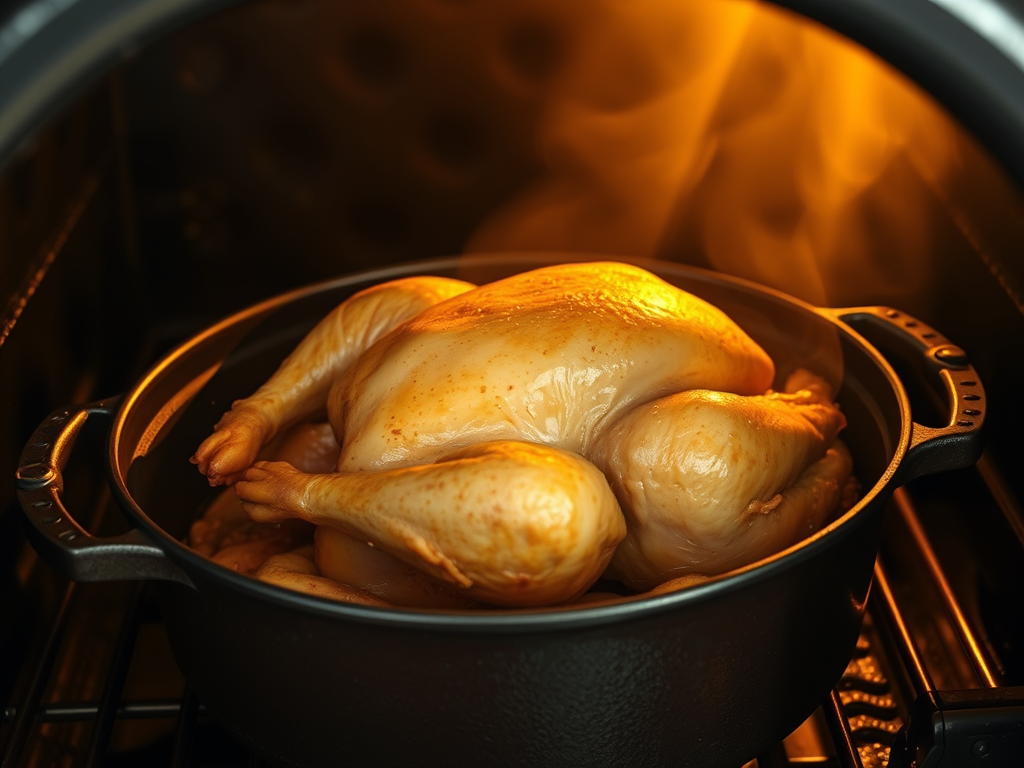
Cooking is both an art and a science, and the tools you use can make a significant difference in your results. Among the most popular materials for cookware are cast iron, carbon steel, and stainless steel. Each has its own unique properties, advantages, and disadvantages. Understanding these can help you choose the right pan for the right dish.
Cast Iron
Advantages
Excellent Heat Retention
Cast iron’s most celebrated property is its ability to absorb, retain, and radiate heat evenly. This means:
- Once hot, a cast iron pan maintains a steady temperature, even when cold food is added.
- This makes it perfect for tasks that require consistent, high heat—like searing steaks, frying chicken, or baking cornbread.
- The even heat distribution helps prevent hot spots, ensuring food cooks uniformly.
- It’s especially useful for recipes that start on the stovetop and finish in the oven, as the pan holds heat throughout the process.
Natural Nonstick Surface
- With proper seasoning (a process of baking oil onto the pan’s surface), cast iron develops a slick, nonstick patina.
- This nonstick layer improves with use, making it easier to cook eggs, pancakes, or delicate fish without sticking.
- Unlike synthetic nonstick coatings, the seasoned surface is natural and can be restored indefinitely.
- The nonstick quality also means you can use less oil for certain recipes, making it a healthier option.
Durability
- Cast iron is virtually indestructible. With basic care, these pans can last for decades or even centuries.
- They are resistant to warping, scratching, and denting—unlike thinner metals.
- Even if a pan rusts or loses its seasoning, it can be easily restored by scrubbing and reseasoning.
- Many families pass cast iron pans down through generations, making them both a practical tool and a sentimental heirloom.
Versatility
- Cast iron pans are true workhorses in the kitchen. They can be used on almost any heat source:
- Gas, electric, or induction stovetops
- Ovens (including broilers)
- Grills and open flames (campfires)
- This versatility means you can sear a steak on the stove, bake a frittata in the oven, or cook over a campfire—all with the same pan.
- Cast iron is also suitable for a wide range of cooking techniques: frying, baking, roasting, sautéing, and even slow-cooking.
- Some specialty cast iron pieces (like Dutch ovens) are ideal for braising, stews, and baking bread.
Summary Table
| Advantage | Details |
|---|---|
| Excellent Heat Retention | Maintains steady, even heat; ideal for searing, frying, baking; prevents hot spots. |
| Natural Nonstick Surface | Develops with seasoning; improves over time; easy release for delicate foods; healthier cooking. |
| Durability | Lasts generations; resists warping and damage; easy to restore if rusted. |
| Versatility | Works on all heat sources; suitable for many cooking techniques; can go from stovetop to oven to campfire. |
Cast iron’s combination of heat retention, natural nonstick properties, durability, and versatility makes it a favorite among both home cooks and professional chefs. With a little care, a cast iron pan becomes better with age and can handle almost any cooking challenge.
Disadvantages
Heavy Weight
- Physical Strain: Cast iron pans are notably heavy, often weighing several pounds even when empty. This can make them difficult to lift, especially when full of food or hot oil.
- Challenging for Some Users: People with limited strength, arthritis, or mobility issues may find cast iron cumbersome or even unsafe to handle.
- Awkward Maneuvering: Tasks like pouring, flipping, or transferring the pan from stovetop to oven require extra care and sometimes two hands.
Slow to Heat
- Longer Preheating: Cast iron takes more time to reach the desired cooking temperature compared to thinner metals like aluminum or stainless steel.
- Patience Required: Recipes that require quick temperature changes or immediate heat may not be well-suited to cast iron.
- Energy Use: The need for extended preheating can use more energy and time, which may be inconvenient for quick meals.
Maintenance
- Seasoning Needed: To maintain its nonstick surface and prevent rust, cast iron must be regularly seasoned—coated with oil and heated to bond the oil to the metal.
- Cleaning Restrictions: Cast iron should not be cleaned with soap or put in the dishwasher, as this can strip the seasoning. Instead, it’s best cleaned with hot water and a brush or salt scrub.
- Drying and Oiling: After washing, the pan must be thoroughly dried and lightly oiled to prevent rust, adding extra steps to cleanup.
- Potential for Rust: If neglected or stored improperly, cast iron can rust quickly, requiring restoration.
Reactive Surface
- Acidic Foods: Cast iron reacts with acidic ingredients like tomatoes, vinegar, and citrus. Prolonged cooking of such foods can strip away the seasoning and impart a metallic taste to the dish.
- Color and Flavor Changes: Acidic foods may also cause discoloration of both the pan and the food.
- Not Ideal for All Recipes: Dishes that require long simmering of acidic sauces are better suited to non-reactive cookware like stainless steel or enameled cast iron.
Summary Table
| Disadvantage | Details |
|---|---|
| Heavy Weight | Difficult to lift and maneuver, especially when full; challenging for some users. |
| Slow to Heat | Requires longer preheating; not ideal for quick-cooking recipes. |
| Maintenance | Needs regular seasoning; careful cleaning and drying; prone to rust if neglected. |
| Reactive Surface | Not suitable for acidic foods; can strip seasoning and affect flavor. |
While cast iron offers many benefits, its weight, slow heating, maintenance demands, and reactivity with acidic foods mean it isn’t always the best choice for every cook or every recipe. Understanding these limitations helps you use cast iron where it shines and choose other materials when needed.
Best Uses
Searing Steaks
- Why Cast Iron Excels: Cast iron’s ability to retain and radiate high heat makes it ideal for searing steaks. When a steak hits a properly preheated cast iron pan, the surface temperature doesn’t drop significantly, allowing for the Maillard reaction—a chemical process that creates a flavorful, caramelized crust.
- How It Works: The pan’s mass stores heat, so even when a cold steak is added, the temperature remains high enough to sear the meat quickly and evenly. This results in a steak with a deeply browned, crisp exterior and a juicy, tender interior.
- Tips: For best results, preheat the pan thoroughly, use minimal oil, and avoid overcrowding. After searing, you can finish the steak in the oven using the same pan.
Baking Cornbread or Frittatas
- Why Cast Iron Excels: The even heat distribution of cast iron ensures that baked goods like cornbread or egg-based dishes like frittatas cook uniformly, with no hot spots or undercooked areas.
- How It Works: Cast iron can go from stovetop to oven seamlessly, making it perfect for recipes that start with sautéing and finish with baking. The pan’s heat retention also helps create a crisp, golden crust on cornbread and a nicely set edge on frittatas.
- Tips: Preheat the pan before adding batter or eggs to achieve a better crust and prevent sticking. For cornbread, pouring the batter into a hot, greased pan gives a signature crunchy bottom.
Frying Chicken
- Why Cast Iron Excels: Deep frying requires maintaining a steady oil temperature. Cast iron’s thermal mass helps keep the oil hot, even as cold chicken pieces are added, preventing the oil from cooling too much and resulting in greasy food.
- How It Works: The pan’s thick walls and base absorb and hold heat, so the oil quickly recovers temperature after each batch. This ensures the chicken cooks through with a crispy, non-greasy crust.
- Tips: Use a thermometer to monitor oil temperature, and don’t overcrowd the pan. The high sides of a cast iron skillet or Dutch oven also help contain splatters.
Summary Table
| Best Use | Why Cast Iron Excels | Tips for Success |
|---|---|---|
| Searing Steaks | Maintains high heat for a perfect crust | Preheat well, don’t overcrowd, finish in oven if needed |
| Baking Cornbread/Frittatas | Even heat for uniform cooking and crisp edges | Preheat pan, pour batter/eggs into hot pan |
| Frying Chicken | Keeps oil temperature steady for crispy, non-greasy results | Use thermometer, avoid overcrowding |
Cast iron’s unique thermal properties make it the go-to choice for high-heat searing, even baking, and deep frying. These classic uses showcase where cast iron truly shines in the kitchen.
Carbon Steel
Advantages
Lightweight
- Ease of Handling: Carbon steel pans are significantly lighter than cast iron, making them much easier to lift, tilt, and maneuver—especially when full of food.
- Better for Tossing: The reduced weight is ideal for techniques that require tossing ingredients, such as stir-frying or sautéing vegetables.
- Accessibility: This makes carbon steel a great choice for cooks who may struggle with the heft of cast iron, including those with limited strength or mobility.
Quick Heating and Cooling
- Responsive to Heat: Carbon steel heats up rapidly, allowing you to start cooking almost immediately after placing the pan on the burner.
- Precise Temperature Control: The pan also cools down quickly when removed from heat, giving you more control over delicate foods and reducing the risk of burning.
- Ideal for Fast Cooking: This responsiveness is perfect for recipes that require quick temperature changes, such as stir-fries, omelettes, or sautéed dishes.
Develops Nonstick Patina
- Seasoning Process: Like cast iron, carbon steel requires seasoning—a process where oil is baked onto the surface to create a natural, nonstick layer.
- Improves with Use: The more you cook with it, the better the patina becomes, making the pan increasingly nonstick over time.
- Healthier Cooking: The natural nonstick surface allows for cooking with less oil, and unlike synthetic coatings, it can be renewed indefinitely.
Versatile
- Multiple Cooking Methods: Carbon steel pans can be used on a variety of heat sources, including gas, electric, and induction stovetops, as well as in the oven and under the broiler.
- High Heat Tolerance: They can withstand very high temperatures, making them suitable for searing, browning, and even baking.
- Wide Range of Dishes: From delicate crepes and eggs to hearty steaks and roasted vegetables, carbon steel adapts to many cooking styles.
- Professional Favorite: Many chefs prefer carbon steel for its balance of performance, versatility, and ease of handling.
Summary Table
| Advantage | Details |
|---|---|
| Lightweight | Easy to lift and maneuver; ideal for tossing and sautéing |
| Quick Heating and Cooling | Heats and cools rapidly; precise temperature control |
| Develops Nonstick Patina | Seasoning creates a natural nonstick surface that improves with use |
| Versatile | Suitable for stovetop, oven, broiler; handles a wide range of techniques |
Carbon steel offers a unique blend of lightness, responsiveness, and versatility. Its ability to develop a natural nonstick surface and adapt to many cooking methods makes it a favorite for both home cooks and professionals—especially for dishes that require agility and precision.
Disadvantages
Requires Seasoning
- Initial Preparation: Like cast iron, carbon steel pans come with a bare metal surface that must be seasoned before use. This involves coating the pan with oil and heating it to create a polymerized, protective layer.
- Ongoing Maintenance: The seasoning layer is not permanent and can wear off with use, especially if the pan is scrubbed aggressively or cleaned with soap. Regular re-seasoning is necessary to maintain the nonstick properties and prevent rust.
- Vulnerability to Rust: If the seasoning is compromised or the pan is left wet, carbon steel will rust quickly. This requires immediate attention—scrubbing off the rust and re-seasoning the pan.
- Learning Curve: For those new to carbon steel, the seasoning process and maintenance can be intimidating or inconvenient compared to low-maintenance cookware like stainless steel.
Reactive Surface
- Not for Acidic Foods: Carbon steel, like cast iron, is reactive with acidic ingredients such as tomatoes, vinegar, wine, and citrus. Cooking these foods can strip away the seasoning and cause discoloration or metallic flavors in the dish.
- Short Cooking Times: While brief contact with acidic foods may not cause significant issues, longer simmering or braising is best avoided in carbon steel pans.
- Alternative Needed: For recipes that require long cooking times with acidic ingredients, non-reactive cookware (like stainless steel or enameled pans) is a better choice.
Can Warp
- Thin Construction: Many carbon steel pans are made thinner than cast iron, which makes them lighter but also more susceptible to warping.
- High Heat Risks: Exposing a cold carbon steel pan to very high heat suddenly (thermal shock), or overheating an empty pan, can cause it to warp or become uneven.
- Proper Handling Required: To avoid warping, it’s best to heat the pan gradually and avoid subjecting it to rapid temperature changes (such as rinsing a hot pan with cold water).
- Quality Matters: Higher-quality, thicker carbon steel pans are less prone to warping, but they may be heavier and more expensive.
Summary Table
| Disadvantage | Details |
|---|---|
| Requires Seasoning | Needs regular seasoning; vulnerable to rust if neglected; learning curve |
| Reactive Surface | Not suitable for acidic foods; can strip seasoning and affect flavor |
| Can Warp | Thin pans may warp under high heat or thermal shock; gradual heating recommended |
While carbon steel offers many advantages, it does require more care and attention than some other materials. Regular seasoning, careful cleaning, and mindful cooking practices are essential to keep a carbon steel pan performing at its best. For cooks willing to invest the effort, the rewards are significant—but for those seeking convenience, these disadvantages are important to consider.
Best Uses
Stir-Fries
- Why Carbon Steel Excels: Carbon steel is the traditional material for woks in Asian cooking. Its quick heating and cooling properties allow cooks to achieve the high, intense heat (wok hei) necessary for authentic stir-fries.
- How It Works: The pan heats up rapidly, so ingredients sear quickly, locking in flavor and texture. When tossing or moving food around the pan, the temperature responds instantly, preventing overcooking or burning.
- Tips: Preheat the pan until it just starts to smoke, add oil, then ingredients. Constant movement and high heat are key. The sloped sides of a carbon steel wok also make it easy to toss and combine ingredients.
Omelettes and Crepes
- Why Carbon Steel Excels: The smooth surface and light weight of carbon steel pans make them ideal for delicate, thin foods like omelettes and crepes.
- How It Works: Once seasoned, the pan develops a slick, nonstick patina, allowing eggs and batters to release easily without tearing. The lightweight design makes it easy to tilt, swirl, or flip foods with precision.
- Tips: Use a well-seasoned pan and moderate heat. For crepes, pour a thin layer of batter and swirl quickly. For omelettes, gentle shaking and tilting help achieve a tender, uniform result.
Sautéing Vegetables
- Why Carbon Steel Excels: The fast response to heat changes gives cooks precise control, which is essential for sautéing vegetables to the perfect doneness—crisp-tender and brightly colored.
- How It Works: The pan’s responsiveness means you can quickly increase or decrease heat as needed, preventing vegetables from becoming soggy or burnt. The ability to toss or stir ingredients easily ensures even cooking.
- Tips: Preheat the pan, add oil, then vegetables. Stir or toss frequently, and adjust heat as needed to avoid overcooking.
Summary Table
| Best Use | Why Carbon Steel Excels | Tips for Success |
|---|---|---|
| Stir-Fries | Rapid heating/cooling for high-heat, quick-cook dishes | Preheat well, use high heat, keep food moving |
| Omelettes and Crepes | Smooth, seasoned surface and light weight for delicacy | Use well-seasoned pan, moderate heat, gentle motion |
| Sautéing Vegetables | Fast heat response for precise doneness | Preheat, toss/stir often, adjust heat as needed |
Carbon steel’s agility and responsiveness make it a favorite for quick-cooking, precision-demanding dishes. Whether you’re chasing wok hei in a stir-fry, rolling out paper-thin crepes, or sautéing vegetables to perfection, carbon steel gives you the control and performance needed for outstanding results.
Stainless Steel
Advantages
Non-Reactive
- Safe for Acidic Foods: Stainless steel does not react with acidic ingredients such as tomatoes, vinegar, citrus, or wine. This means you can simmer tomato sauces, make lemon curd, or deglaze with wine without worrying about metallic flavors or discoloration.
- Flavor Integrity: Because it’s non-reactive, stainless steel preserves the true taste and color of your food, making it ideal for recipes where purity of flavor is important.
- No Seasoning Loss: Unlike carbon steel or cast iron, you don’t have to worry about acidic foods stripping away a seasoning layer.
Low Maintenance
- No Seasoning Required: Stainless steel pans are ready to use out of the box and don’t require the regular seasoning or oiling that cast iron and carbon steel demand.
- Dishwasher Safe: Most stainless steel cookware can be safely cleaned in the dishwasher, making cleanup quick and easy.
- Resistant to Staining: Stainless steel resists staining from foods and is easy to keep looking bright and clean with minimal effort.
Durable
- Rust and Corrosion Resistant: Stainless steel is highly resistant to rust, corrosion, and tarnishing, even with frequent washing and exposure to water.
- Scratch Resistant: The hard surface resists scratching from metal utensils, scrubbing pads, and everyday use.
- Long Lifespan: High-quality stainless steel pans can last a lifetime, maintaining their appearance and performance for years.
Versatile
- Browning and Searing: Stainless steel excels at browning and searing meats, poultry, and fish, thanks to its ability to withstand high temperatures and develop fond (the flavorful browned bits that form on the pan).
- Deglazing and Pan Sauces: After searing, you can deglaze the pan with wine, broth, or vinegar to create rich, complex pan sauces.
- Multi-Tasking: Stainless steel pans can go from stovetop to oven, and are suitable for a wide range of cooking techniques: sautéing, boiling, steaming, simmering, and even baking.
- Layered Construction: Many stainless steel pans have an aluminum or copper core sandwiched between layers of steel, improving heat distribution and reducing hot spots.
Summary Table
| Advantage | Details |
|---|---|
| Non-Reactive | Safe for acidic foods; preserves flavor and color; no seasoning loss |
| Low Maintenance | No seasoning required; dishwasher safe; resists staining |
| Durable | Rust/corrosion/scratch resistant; long lifespan |
| Versatile | Great for browning, deglazing, sauces, boiling, steaming, oven use |
Stainless steel’s non-reactivity, ease of care, durability, and versatility make it a staple in both home and professional kitchens. It’s the go-to choice for recipes involving acidic ingredients, for cooks who want low-maintenance cookware, and for anyone who values a pan that can handle a wide variety of cooking tasks with consistent results.
Disadvantages
Poor Heat Retention
- Loses Heat Quickly: Unlike cast iron, stainless steel does not have significant thermal mass. This means it loses heat rapidly when cold food is added or when removed from the heat source.
- Less Forgiving: If you’re cooking foods that require steady, even heat (like thick cuts of meat or deep frying), stainless steel may not maintain temperature as well, potentially leading to uneven cooking.
- Not Ideal for Certain Techniques: Recipes that benefit from residual heat—such as finishing steaks or keeping oil hot for frying—are better suited to cast iron or other heavy materials.
Sticking Issues
- Requires Proper Technique: Stainless steel does not have a natural nonstick surface. Food will stick if the pan is not properly preheated or if you don’t use enough fat.
- Learning Curve: Many cooks experience frustration when eggs, fish, or pancakes stick to the pan. The key is to let the pan heat up, add oil, and then add food only when the oil shimmers.
- Fond vs. Stuck: While browning and fond (the caramelized bits left after searing) are desirable for flavor, excessive sticking can make cleanup difficult and ruin delicate foods.
Uneven Heating
- Hot Spots in Cheap Pans: Pure stainless steel is a poor conductor of heat. Inexpensive pans made from a single layer of stainless steel often develop hot spots, causing food to burn in some areas while remaining undercooked in others.
- Importance of Core Materials: High-quality stainless steel cookware typically has an aluminum or copper core sandwiched between layers of steel. This improves heat distribution, but such pans are more expensive.
- Impact on Cooking: Uneven heating can make it challenging to cook foods that require precise temperature control, such as sauces or custards.
Summary Table
| Disadvantage | Details |
|---|---|
| Poor Heat Retention | Loses heat quickly; not ideal for steady, high-heat cooking |
| Sticking Issues | Food sticks if not preheated or if insufficient fat is used; learning curve |
| Uneven Heating | Cheap pans have hot spots; high-quality pans with aluminum/copper core are better but cost more |
While stainless steel is durable and versatile, it does have limitations. It’s less suited to tasks that require steady, retained heat, and it demands proper technique to avoid sticking. Investing in high-quality, multi-layered pans can mitigate uneven heating, but for some recipes and cooks, these disadvantages are important to consider.
Best Uses
Searing and Deglazing
- Why Stainless Steel Excels: Stainless steel pans can withstand high temperatures, making them ideal for searing meats, poultry, and fish. The lack of a nonstick coating allows for the development of fond—the browned bits that stick to the pan during searing—which are the foundation of deeply flavored pan sauces.
- How It Works: When you sear meat in a stainless steel pan, the surface encourages browning (the Maillard reaction), creating a flavorful crust. After searing, you can deglaze the pan by adding wine, broth, or vinegar, scraping up the fond to create a rich, complex sauce.
- Tips: Preheat the pan well, add oil, and wait until the oil shimmers before adding food. Let the food release naturally from the pan before flipping to avoid tearing.
Cooking Acidic Foods
- Why Stainless Steel Excels: Unlike cast iron or carbon steel, stainless steel is non-reactive, so it won’t interact with acidic ingredients. This makes it perfect for simmering tomato sauces, making lemon curd, or reducing wine-based sauces.
- How It Works: Acidic foods can strip seasoning from other pans or impart metallic flavors, but stainless steel preserves the true taste and color of your ingredients.
- Tips: Use stainless steel for recipes that involve tomatoes, citrus, vinegar, or wine, especially when simmering for extended periods.
Boiling and Steaming
- Why Stainless Steel Excels: Stainless steel’s durability and resistance to corrosion make it excellent for boiling water and steaming foods. It doesn’t react with salt or minerals in the water, so it’s ideal for cooking pasta, blanching vegetables, or steaming grains.
- How It Works: Many stainless steel pots and pans have an aluminum or copper core to improve heat distribution, ensuring even boiling and steaming.
- Tips: Use a large stainless steel pot for pasta or grains to prevent sticking and ensure even cooking. For steaming, a stainless steel insert or basket works well and is easy to clean.
Summary Table
| Best Use | Why Stainless Steel Excels | Tips for Success |
|---|---|---|
| Searing and Deglazing | High heat tolerance, develops fond for pan sauces | Preheat, use enough oil, let food release naturally |
| Cooking Acidic Foods | Non-reactive, preserves flavor and color | Ideal for tomato, citrus, wine, and vinegar dishes |
| Boiling and Steaming | Durable, corrosion-resistant, even heating with core | Use large pots, stir pasta/grains, use steam inserts |
Stainless steel’s versatility, non-reactivity, and ability to develop fond make it a staple for searing, sauce-making, and any recipe involving acidic ingredients. Its durability and ease of cleaning also make it the go-to for boiling and steaming, ensuring reliable results for a wide range of kitchen tasks.
Conclusion
Cast Iron: The Heat Retention Powerhouse
Cast iron cookware, typically made from molten iron poured into molds, has been a kitchen staple for centuries. Its primary strength lies in exceptional heat retention and even distribution once preheated. This makes it ideal for high-heat tasks where consistent temperature is key.
- Strengths in Detail: Cast iron can reach and hold temperatures up to 500–600°F (260–315°C) without warping, perfect for searing steaks, frying chicken, or achieving a crispy crust on cornbread. It also develops a natural non-stick surface through seasoning—a polymerized layer of oil that builds over time, reducing the need for added fats. Enamel-coated variants (like those from Le Creuset) add color and prevent rust, while raw cast iron is affordable and versatile for oven-to-table use. It’s compatible with all heat sources, including open flames and induction.
- Weaknesses Explored: The material is heavy (a 10-inch skillet can weigh 5–7 pounds), which may be cumbersome for flipping or tossing ingredients. It heats slowly compared to lighter metals, requiring patience during preheating. Uncoated cast iron is reactive, meaning it can impart a metallic taste to acidic foods (e.g., tomatoes or wine) and may leach iron into dishes—beneficial for those with iron deficiencies but not for everyone. It’s also prone to rust if not properly dried.
- Ideal Uses and Examples: Beyond searing and baking, it’s great for slow-cooking braises, deep-frying, or campfire cooking. For instance, in Southern American cuisine, it’s essential for dishes like gumbo or biscuits. Professional chefs often use it for “blackening” techniques in Cajun cooking.
- Maintenance and Care: Seasoning is crucial—apply a thin layer of oil and bake at high heat periodically. Avoid soap for cleaning (use salt and a brush instead), and never soak it. With proper care, cast iron lasts generations, often becoming heirlooms. Initial cost is low (20–50 for basics), but premium enameled pieces can exceed 200.
Cast iron shines in scenarios demanding sustained heat, but it requires commitment to upkeep, making it less ideal for quick, everyday tasks.
Carbon Steel: The Agile Performer
Carbon steel, an alloy of iron and carbon (typically 99% iron and 1% carbon), is essentially a refined version of cast iron—thinner, lighter, and more responsive. It’s popular in professional kitchens, especially in French and Asian cuisines, for its balance of durability and maneuverability.
- Strengths in Detail: Lighter than cast iron (a similar-sized pan weighs 2–4 pounds), it heats up quickly and cools down faster, allowing precise temperature control. Like cast iron, it seasons well to create a slick, non-stick patina that’s excellent for high-heat cooking without sticking. It excels at heat conduction, making it responsive to burner adjustments, and it’s highly durable, resisting dents and scratches better than stainless steel in some cases. Most are induction-compatible and oven-safe up to high temperatures.
- Weaknesses Explored: It requires seasoning to prevent rust and reactivity, similar to cast iron, so acidic ingredients can strip the seasoning if cooked too long. It’s not as heat-retentive, so it’s less suited for low-and-slow cooking. Unseasoned pans start sticky, and the material can warp if overheated unevenly (though quality brands like Matfer Bourgeat minimize this). It’s also more expensive than basic cast iron ($50–150).
- Ideal Uses and Examples: Perfect for quick techniques like stir-frying vegetables in a wok, sautéing proteins, or making crepes where flipping is involved. In Asian cooking, carbon steel woks are prized for “wok hei” (breath of the wok)—the smoky flavor from rapid, high-heat tossing. It’s also great for omelets or searing scallops, where speed and control matter.
- Maintenance and Care: Season regularly with oil and heat, much like cast iron. Clean with hot water and a soft sponge; avoid dishwashers. Over time, the patina improves performance, but neglect can lead to rust. With use, it becomes nearly non-stick, rivaling Teflon without the chemicals.
Carbon steel bridges the gap between cast iron’s robustness and stainless steel’s ease, making it a favorite for dynamic, fast-paced cooking.
Stainless Steel: The Low-Maintenance All-Rounder
Stainless steel cookware, an alloy of iron, chromium (at least 10.5%), and often nickel, is engineered for corrosion resistance and hygiene. It’s the most common in modern kitchens due to its versatility and user-friendliness.
- Strengths in Detail: Non-reactive, it won’t alter flavors in acidic or alkaline dishes, making it ideal for sauces, reductions, or tomato-based recipes. Multi-ply construction (e.g., aluminum or copper cores clad in stainless) ensures even heating and prevents hot spots. It’s lightweight (2–3 pounds for a skillet), dishwasher-safe, and highly durable—resisting scratches, dents, and stains. Premium lines like All-Clad offer lifetime warranties. Most are induction-compatible and oven-safe up to 500°F.
- Weaknesses Explored: It doesn’t retain heat as well as cast iron, cooling quickly off the burner, and lacks natural non-stick properties, often requiring oil or butter to prevent sticking. Fond (browned bits) can build up, which is great for deglazing but frustrating for beginners. It’s pricier upfront ($100–300 for quality pieces) and can discolor with overuse, though this is cosmetic.
- Ideal Uses and Examples: Excels in simmering soups, making vinaigrettes, or cooking delicate fish without imparting off-flavors. In professional settings, it’s used for sauciers or stockpots. For home cooks, it’s perfect for everyday tasks like boiling pasta or reducing wine sauces, where cleanup is a priority.
- Maintenance and Care: Minimal—soap and water suffice, and it’s fine in the dishwasher. Polish with Bar Keepers Friend for shine. No seasoning needed, but proper preheating prevents sticking.
Stainless steel prioritizes convenience and neutrality, making it accessible for novices while reliable for pros.
Choosing the Right Pan and Building a Versatile Set
Selecting among these depends on your habits: If you love grilling or baking, start with cast iron. For wok-based or speedy meals, carbon steel fits. Stainless steel suits acidic-heavy or low-fuss cooking. Consider stove type (all work on gas/electric; check for induction magnets), budget, and storage—cast iron and carbon steel need dry spots to avoid rust.Many chefs advocate for all three because they cover a spectrum: cast iron for depth of flavor in slow cooks, carbon steel for agility in fast dishes, and stainless for precision in sauces. A basic set might include a 10-inch cast iron skillet, a carbon steel wok or frying pan, and a stainless saucepan. This flexibility lets you adapt to recipes like a seared steak (cast iron), stir-fried noodles (carbon steel), or lemon butter sauce (stainless). Over time, experimenting reveals preferences—perhaps seasoning rituals become therapeutic, or stainless’s ease wins out.
In essence, these materials aren’t rivals but allies, enhancing your culinary repertoire and confidence across diverse dishes. If you have a specific cooking style or recipe in mind, I can tailor recommendations further!




 UTAZCO Overland
Leave a Reply