
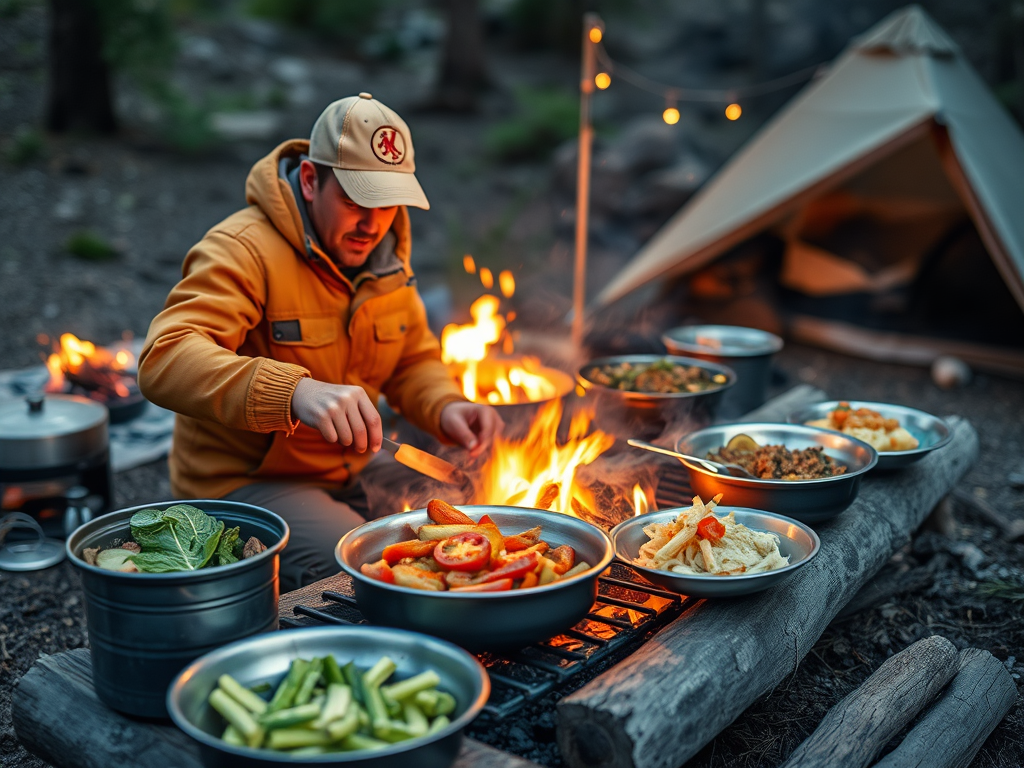
When most people think of eating while overlanding or camping, images of rehydrated freeze-dried meals, MREs, or bland instant noodles often come to mind. While these options are undeniably convenient, they shouldn’t be the default or only choice. In fact, preparing and enjoying restaurant-quality meals in the wild is not only possible, but it can also be one of the most rewarding and memorable aspects of your adventure.
The Limitations of Freeze-Dried and Pre-Packaged Meals
Nutritional and Culinary Shortcomings
High Sodium and Preservatives
- Excessive Sodium Content: Most freeze-dried meals and MREs are formulated for long shelf life and stability, which often means they contain high levels of sodium. While this helps with preservation and flavor, it can lead to dehydration—especially problematic when you’re active outdoors and may already be losing fluids through sweat.
- Preservatives and Additives: To ensure these meals remain edible for years, manufacturers add preservatives and stabilizers. While generally safe, these additives can cause digestive discomfort for some people and contribute to a feeling of heaviness or bloating after eating.
Lack of Freshness and Variety
- Absence of Fresh Ingredients: Freeze-dried and pre-packaged meals are, by definition, devoid of fresh fruits, vegetables, and proteins. This means you miss out on the vibrant flavors, textures, and nutrients that only fresh food can provide.
- Limited Menu Options: The variety of available freeze-dried meals has improved, but it’s still limited compared to what you can prepare yourself. After a few days, the repetition of similar flavors and textures can become tiresome.
Monotonous Texture and Flavor
- Uniform Texture: The freeze-drying process removes moisture, which can leave foods with a spongy or mushy texture once rehydrated. Crunchy, crispy, or juicy textures are almost impossible to achieve with these meals.
- Artificial or Bland Flavors: While some brands have improved their recipes, many freeze-dried meals still taste artificial or overly processed. The subtlety and complexity of freshly cooked food is hard to replicate in a pouch.
Reduced Satisfaction and Nourishment
- Lower Satiety: Many people find that freeze-dried meals don’t leave them feeling as full or satisfied as a freshly cooked meal. This can be due to the lack of fiber, healthy fats, and the psychological satisfaction that comes from preparing and eating real food.
- Potential Nutrient Loss: The processes used to create shelf-stable meals can degrade certain vitamins and phytonutrients, especially those found in fresh produce. Over time, relying solely on these meals can lead to nutritional gaps, particularly if your trip is extended.
Psychological and Emotional Impact
- Meal Fatigue: Eating the same types of meals repeatedly can lead to “meal fatigue,” where you lose interest in eating altogether. This can be dangerous when you need energy for hiking, driving, or other outdoor activities.
- Missed Opportunities for Joy: Food is more than just fuel—it’s a source of pleasure, comfort, and connection. Limiting yourself to pre-packaged meals means missing out on the joy of cooking, sharing, and savoring food in beautiful outdoor settings.
While freeze-dried and pre-packaged meals offer convenience and reliability, they come with significant nutritional and culinary drawbacks. These limitations can affect not only your physical well-being but also your overall enjoyment of the overlanding or camping experience.
Psychological Impact
Monotony and Morale
- Repetitive Meals Lead to Boredom: Eating the same or similar freeze-dried or pre-packaged meals day after day can quickly become monotonous. The lack of variety in taste, texture, and appearance can make mealtimes something to endure rather than anticipate. Over time, this repetition can sap enthusiasm and lower morale, especially on longer trips where food is one of the few daily highlights.
- Reduced Appetite and Meal Fatigue: When meals are uninspiring, people often eat less, even when they need more calories for physical activity. This phenomenon, known as “menu fatigue,” can lead to reduced energy, irritability, and even mild depression. The psychological impact of not looking forward to meals can subtly undermine the overall enjoyment of the adventure.
Food as a Source of Joy and Connection
- Cooking as a Creative Outlet: Preparing food is a creative act. It allows you to experiment, improvise, and express yourself, even with limited ingredients and equipment. The process of chopping, seasoning, and cooking can be meditative and grounding, providing a welcome break from the rigors of travel or outdoor activity.
- Shared Meals Build Camaraderie: Cooking and eating together fosters a sense of community and connection. Gathering around a campfire or picnic table to share a freshly prepared meal creates lasting memories and strengthens bonds between friends, family, or even new acquaintances met on the road.
- Celebrating Place and Culture: Food is deeply tied to place and culture. Sourcing local ingredients, trying regional recipes, or foraging for wild edibles connects you to the landscape and the people who live there. This transforms eating from a mere necessity into a meaningful part of your travel experience.
Ritual and Comfort
- Mealtime as a Ritual: The act of preparing and enjoying a meal can provide structure and comfort, especially in the unpredictable environment of the outdoors. Rituals like brewing coffee at sunrise or grilling fish by a lake become cherished parts of the day, offering stability and pleasure.
- Sensory Satisfaction: The sights, sounds, and smells of cooking outdoors—crackling firewood, sizzling pans, the aroma of fresh herbs—stimulate the senses and enhance the overall experience. These sensory pleasures are largely absent from pre-packaged meals, which are often prepared in silence and eaten straight from a pouch.
Missing Out on the Full Experience
- Loss of Anticipation and Reward: The anticipation of a delicious meal after a long day of hiking or driving is a powerful motivator. When meals are reduced to a utilitarian task, you lose the sense of reward and celebration that comes with good food.
- Diminished Storytelling: Some of the best travel stories revolve around food—what you cooked, who you shared it with, the mishaps and triumphs along the way. Pre-packaged meals rarely inspire such stories or memories.
Limiting yourself to freeze-dried or pre-packaged meals while overlanding or camping not only affects your physical well-being but also diminishes the psychological richness of your journey. Cooking and sharing real food elevates the experience, turning each meal into an opportunity for joy, connection, and adventure.
The Possibility of Restaurant-Quality Meals on the Road
Advances in Portable Cooking Gear
Modern Camp Stoves: Precision and Power
- Versatility and Control: Today’s camp stoves are a far cry from the basic, single-burner models of the past. Many feature multiple burners, adjustable flame controls, and even piezoelectric ignition for easy lighting. This allows for precise temperature management, making it possible to sauté, simmer, boil, or even bake with confidence.
- Fuel Options: Modern stoves run on a variety of fuels—propane, butane, isobutane, or even multi-fuel options—ensuring reliability in different environments. Some stoves are designed to work efficiently at high altitudes or in cold weather, expanding your culinary possibilities.
Portable Grills: Bringing the BBQ Anywhere
- Compact and Efficient: Portable grills, whether charcoal, gas, or electric, are now lightweight and easy to transport. Many models fold flat or pack into carrying cases, making them ideal for overlanding vehicles or even backpacking.
- Grilling Techniques: With a portable grill, you can sear steaks, roast vegetables, or even bake pizzas, replicating the flavors and textures of a backyard barbecue or restaurant grill.
Dutch Ovens: The Ultimate Outdoor Kitchen Tool
- Unmatched Versatility: Cast iron Dutch ovens have been a staple of outdoor cooking for centuries, and for good reason. They can be used over an open fire, on a camp stove, or buried in coals. With a Dutch oven, you can bake bread, braise meats, simmer stews, or even make desserts like cobblers and cakes.
- Heat Retention and Distribution: The thick walls of a Dutch oven provide even heat, allowing for slow, controlled cooking—essential for restaurant-quality results.
Compact Smokers: Gourmet Flavors in the Wild
- Smoked Delicacies Anywhere: Portable smokers, including collapsible or suitcase-style models, allow you to infuse meats, fish, and vegetables with rich, smoky flavors. These devices are surprisingly efficient and can be fueled by wood chips, pellets, or even twigs found on site.
- Elevating Simple Ingredients: Smoking transforms basic ingredients into gourmet dishes, adding depth and complexity that rivals high-end restaurants.
Specialized Cookware and Utensils
- Lightweight and Durable Materials: Advances in materials science have led to cookware made from titanium, anodized aluminum, and stainless steel—lightweight yet robust enough to withstand the rigors of travel.
- Space-Saving Designs: Many pots, pans, and utensils are designed to nest together or fold flat, maximizing space in your vehicle or backpack.
- Multi-Function Tools: Sporks, collapsible bowls, and all-in-one utensils reduce clutter while still allowing for a full range of cooking techniques.
Accessories for Gourmet Cooking
- Portable Coffee Makers and Grinders: Enjoying freshly brewed coffee is no longer a luxury reserved for home. Compact French presses, pour-over kits, and hand grinders make it easy to start your day with a barista-quality cup.
- Thermometers, Spice Kits, and More: Small digital thermometers ensure perfectly cooked meats, while travel-sized spice kits let you season dishes just like you would at home.
The evolution of portable cooking gear has revolutionized what’s possible in outdoor cuisine. With the right equipment, you can prepare restaurant-quality meals that rival anything made in a traditional kitchen. These advances not only make gourmet cooking feasible on the road—they make it fun, creative, and deeply satisfying.
Access to Fresh Ingredients
Sourcing Fresh, Local Ingredients on the Road
- Local Markets and Roadside Stands: Many overlanders and campers intentionally plan their routes to pass through towns, villages, or regions known for their local produce. Farmers’ markets, roadside stands, and small grocery stores offer a bounty of fresh fruits, vegetables, cheeses, breads, and sometimes even specialty items like honey, jams, or cured meats. Shopping at these places not only ensures freshness but also supports local communities and introduces you to regional flavors you might never encounter otherwise.
- Farm Visits and U-Pick Experiences: Some areas offer direct-from-the-farm experiences, where you can pick your own berries, apples, or vegetables. These visits can become memorable parts of your journey, and the produce you gather is as fresh as it gets.
- Wild Foraging: For those with knowledge and experience, wild foraging can supplement your meals with edible mushrooms, wild greens, berries, or herbs. Foraging connects you deeply to the landscape and adds a sense of adventure and discovery to your meals. (Always forage responsibly and be certain of plant identification to avoid health risks.)
Planning and Storage for Freshness
- Coolers and Portable Fridges: Advances in portable refrigeration mean you can keep meats, dairy, and delicate produce fresh for days or even weeks. High-quality coolers with ice packs or dry ice can maintain low temperatures, while 12V portable fridges/freezers powered by your vehicle or solar panels offer even greater convenience and reliability.
- Smart Packing and Rotation: Organizing your cooler or fridge by meal plan and using perishables first helps minimize waste and ensures you always have something fresh on hand. Vacuum-sealing meats and pre-chopped vegetables can extend their shelf life and make meal prep easier.
- Simple Preservation Techniques: If you’re traveling for extended periods, consider bringing preserved foods like cured meats, hard cheeses, pickled vegetables, or dehydrated fruits. These items don’t require refrigeration and can add variety and flavor to your meals. You can also try simple preservation methods on the road, such as quick pickling or making jerky.
- Spices and Condiments: A small, well-chosen spice kit can transform basic ingredients into gourmet dishes. Many overlanders carry compact containers of salt, pepper, dried herbs, chili flakes, and a few favorite sauces or oils. These take up little space but make a huge difference in flavor.
The Benefits of Fresh Ingredients
- Nutritional Value: Fresh ingredients retain more vitamins, minerals, and antioxidants than processed or preserved foods. Eating a variety of fresh produce, lean meats, and whole grains supports your energy and well-being during physically demanding trips.
- Flavor and Texture: Nothing compares to the taste and texture of freshly cooked food. Crisp vegetables, juicy fruits, and tender meats elevate your meals far beyond what’s possible with freeze-dried or canned alternatives.
- Culinary Creativity: Access to fresh ingredients opens up a world of culinary possibilities. You can adapt recipes based on what’s available, try new cooking techniques, and experiment with local flavors, making each meal unique and memorable.
Connection to Place and Culture
- Cultural Exploration: Shopping at local markets or foraging in the wild immerses you in the culture and traditions of the places you visit. You might discover new ingredients, learn regional recipes, or even share meals with locals, deepening your travel experience.
- Sustainability: Sourcing food locally reduces the environmental impact of your trip by minimizing packaging and transportation. It also encourages a more mindful, sustainable approach to travel and eating.
With thoughtful planning and the right storage solutions, overlanders and campers can enjoy a diverse array of fresh, local ingredients. This not only enhances the quality and enjoyment of your meals but also connects you more deeply to the places you explore and the people you meet along the way.
The Fun and Excitement of Cooking Outdoors
Creativity and Experimentation
Improvising with Available Ingredients
- Adapting to What You Have: Unlike a home kitchen stocked with every spice and gadget, outdoor cooking often means working with a limited pantry and whatever fresh ingredients you’ve managed to source. This encourages you to think on your feet—substituting wild herbs for store-bought ones, using local produce in place of familiar vegetables, or inventing new flavor combinations based on what’s at hand.
- Making the Most of Local Finds: Stumbling upon a roadside stand selling fresh corn, or catching a fish from a nearby stream, can inspire spontaneous menu changes. These moments of improvisation often lead to some of the most memorable and delicious meals of your trip.
Adapting Recipes for the Outdoors
- Simplifying Without Sacrificing Flavor: Many classic recipes can be adapted for camp cooking by paring them down to their essentials or using one-pot or foil-packet methods. For example, a traditional risotto can become a hearty campfire rice dish with just a few tweaks, and a pizza can be cooked in a cast iron skillet over coals.
- Experimenting with Techniques: Outdoor cooking invites you to try techniques you might not use at home, such as grilling over an open flame, baking in a Dutch oven, or smoking with found wood. Each method imparts unique flavors and textures, turning even simple ingredients into gourmet fare.
The Challenge and Satisfaction of Limited Tools
- Resourcefulness as a Virtue: With only a few pots, a knife, and a spatula, you learn to maximize every tool’s potential. A single cast iron pan can fry, bake, roast, and sauté. Multi-use utensils and creative problem-solving become part of the fun.
- Pride in Accomplishment: There’s a special satisfaction in pulling off a complex or delicious meal with minimal equipment. Whether it’s perfectly seared steak, fluffy pancakes, or a bubbling stew, the sense of achievement is amplified by the rustic setting and the effort involved.
Embracing the Unpredictable
- Learning from Mistakes: Not every outdoor meal goes as planned—wind, rain, or a stubborn fire can force you to adapt. These challenges foster resilience and a sense of humor, and even “failures” become great stories to share around the campfire.
- Celebrating Successes: When everything comes together—a hot meal, good company, and a beautiful view—the reward is more than just food. It’s the joy of creation, the thrill of experimentation, and the pleasure of eating something truly your own.
Cooking outdoors transforms meal preparation from a routine task into an adventure in itself. The need to improvise, adapt, and experiment not only makes you a better cook but also adds excitement, creativity, and deep satisfaction to your overlanding or camping experience.
Social and Sensory Experience
Fostering Camaraderie and Connection
- Shared Tasks and Teamwork: Cooking outdoors is often a group activity, with everyone pitching in—chopping vegetables, tending the fire, or setting the table. These shared tasks break down barriers and create a sense of teamwork, whether you’re with family, friends, or even new acquaintances met on the road. The process of preparing a meal together naturally sparks conversation, laughter, and storytelling, deepening bonds and building trust.
- Gathering Around the Fire: The campfire or picnic table becomes the social heart of the campsite. As the meal comes together, people gather to watch, chat, and anticipate the food. This communal atmosphere is reminiscent of ancient traditions, where sharing food was central to community life. The act of passing dishes, serving one another, and eating together strengthens relationships and creates lasting memories.
- Inclusivity and Hospitality: Outdoor meals often encourage inclusivity—there’s always room for one more at the fire. Inviting fellow travelers or neighboring campers to join your meal can lead to new friendships and cultural exchanges, enriching your journey in unexpected ways.
Enhancing the Sensory Experience
- Sights: Cooking outdoors is a visual feast. Flames flicker, embers glow, and food sizzles over the fire. The changing light of sunset or the sparkle of stars overhead adds a magical backdrop. Even the simple act of watching bread rise in a Dutch oven or vegetables caramelize on a grill becomes mesmerizing in the open air.
- Sounds: The crackle of burning wood, the hiss of food hitting a hot pan, and the gentle bubbling of a stew all contribute to the ambiance. These sounds, combined with the natural soundtrack of birds, wind, or flowing water, create a calming and immersive environment that’s impossible to replicate indoors.
- Smells: The aroma of wood smoke mingling with roasting meat, fresh herbs, or baking bread is intoxicating. Scents travel farther in the open air, drawing people to the cooking area and building anticipation for the meal. These smells often become deeply associated with the memory of a particular place or trip.
- Taste and Texture: Outdoor cooking methods—grilling, smoking, open-fire roasting—impart unique flavors and textures that are hard to achieve at home. The slight char from a grill, the smokiness from a campfire, or the earthiness of a Dutch oven stew all elevate the meal, making each bite more memorable.
- Touch: Eating with your hands, feeling the warmth of a mug of soup, or breaking bread together adds a tactile dimension to the meal. These physical sensations ground you in the moment and enhance the enjoyment of the food.
Creating Lasting Memories
- Ritual and Celebration: Outdoor meals often become rituals—morning coffee at sunrise, s’mores around the fire, or a celebratory dinner after a long hike. These rituals mark the passage of time and give structure to your days on the road.
- Storytelling and Reflection: Mealtimes are natural opportunities for sharing stories, reflecting on the day’s adventures, and planning tomorrow’s journey. The relaxed, communal setting encourages openness and connection, turning simple meals into cherished experiences.
The social and sensory aspects of outdoor cooking transform eating from a basic necessity into a highlight of your overlanding or camping adventure. The camaraderie, the immersive sights and sounds, and the unforgettable flavors all combine to make each meal a celebration of the journey and the people you share it with.
Connection to Place
Using Local Ingredients and Traditional Recipes
- Immersing Yourself in Local Culture: Sourcing ingredients from local markets, farms, or even foraging in the wild allows you to experience the flavors unique to the region you’re exploring. Each area has its own specialties—perhaps fresh-caught trout in the Rockies, wild mushrooms in the Pacific Northwest, or heirloom tomatoes from a roadside stand in the South. By seeking out and using these ingredients, you’re not just eating—you’re participating in the local food culture.
- Learning and Honoring Traditions: Trying your hand at traditional recipes—like making campfire paella in Spain, bannock in Canada, or cowboy beans in the American West—connects you to the history and customs of the place. Cooking these dishes outdoors, often in the same way locals have for generations, is a form of cultural appreciation and respect. It’s also a way to learn new techniques and expand your culinary repertoire.
Celebrating the Landscape Through Cooking
- Cooking as a Form of Exploration: Preparing meals outdoors encourages you to engage with your surroundings. You might gather wild herbs, cook fish you’ve caught, or use driftwood for your fire. Each meal becomes a reflection of the landscape—its resources, climate, and character. This deepens your appreciation for the environment and makes you more mindful of your impact.
- Enhancing the Sense of Place: The setting in which you cook and eat—whether it’s a mountain vista, a forest clearing, or a desert canyon—becomes part of the meal itself. The flavors of the food mingle with the sights, sounds, and smells of the outdoors, creating a multisensory experience that’s inseparable from the place. Eating a meal of fresh seafood by the ocean or a hearty stew in the shadow of a mountain makes the food taste even better and the memory more vivid.
Turning Meals into Adventures
- Discovery and Surprise: Cooking with unfamiliar ingredients or adapting to what’s available locally turns each meal into a mini-adventure. You might discover a new favorite spice, learn a technique from a local, or invent a dish on the fly. These moments of discovery add excitement and unpredictability to your journey.
- Storytelling and Memory-Making: Meals that are rooted in place become stories you’ll tell for years—about the time you grilled lamb with shepherds in the hills, or made wild berry pancakes at sunrise. These stories become part of your travel lore, connecting you to the places you’ve been and the people you’ve met.
Fostering Environmental Awareness
- Mindful Sourcing and Sustainability: Using local and seasonal ingredients often means a smaller environmental footprint. It encourages you to eat what’s abundant and in season, reducing reliance on packaged or imported foods. Foraging and fishing, when done responsibly, foster a deeper respect for natural resources and the need to preserve them for future travelers.
Cooking outdoors with local ingredients and traditional recipes transforms eating into a powerful way to connect with the places you visit. It’s a celebration of landscape, culture, and adventure—turning every meal into a meaningful part of your journey.
Practical Tips for Gourmet Camping Meals
Plan Meals in Advance and Prep Ingredients at Home
The Importance of Meal Planning
- Efficiency and Enjoyment: Thoughtful meal planning ensures you have all the ingredients and tools you need, reducing stress and last-minute improvisation at camp. It also helps you avoid food waste and ensures balanced, satisfying meals throughout your trip.
- Balanced Nutrition: Planning ahead allows you to include a variety of proteins, vegetables, grains, and healthy fats, ensuring you stay energized and nourished during your adventure.
Prepping Ingredients at Home
- Chopping and Portioning: Dice onions, mince garlic, slice vegetables, and portion meats before you leave home. Store them in labeled, resealable bags or containers. This not only saves time at camp but also minimizes mess and the need for extensive knife work in the wild.
- Marinating and Pre-Seasoning: Marinate meats or tofu in advance and freeze them in zip-top bags. As they thaw in your cooler, they’ll absorb more flavor and be ready to cook with minimal effort.
- Pre-Mixing and Par-Cooking: Pre-mix spice blends, pancake batter (just add water at camp), or salad dressings. Par-cook grains like rice or quinoa, or partially bake potatoes, so they finish quickly over the fire.
- Vacuum Sealing and Freezing: Vacuum-seal proteins and pre-cooked meals for longer freshness and easier packing. Frozen items can double as ice packs in your cooler.
Organizational Tips
- Meal Kits: Pack each meal’s ingredients together in a bag or container, labeled by day or meal. This streamlines cooking and ensures you don’t forget any components.
- Checklists: Use a checklist for ingredients, tools, and utensils to avoid leaving anything behind.
Invest in a Quality Camp Stove or Grill, and Bring Essential Spices and Condiments
Choosing the Right Cooking Equipment
- Camp Stoves: Look for stoves with adjustable burners for precise heat control. Dual-burner models allow you to cook multiple dishes simultaneously. Consider fuel type (propane, butane, multi-fuel) based on your destination and trip length.
- Portable Grills: Compact gas or charcoal grills are perfect for grilling meats, vegetables, and even pizzas. Some models are designed to fold flat or fit in small spaces.
- Dutch Ovens and Skillets: A cast iron Dutch oven or skillet is incredibly versatile—use it for baking, roasting, frying, or simmering. It retains heat well and can be used over a campfire or on a stove.
- Accessories: Don’t forget long-handled tongs, spatulas, a sharp knife, a cutting board, and a meat thermometer for safe and precise cooking.
Essential Spices and Condiments
- Spice Kit: Assemble a compact spice kit with your favorite seasonings—salt, pepper, garlic powder, chili flakes, cumin, paprika, dried herbs, and curry powder are great basics. Small containers or pill organizers work well for storage.
- Condiments: Bring small bottles or packets of olive oil, soy sauce, hot sauce, mustard, and vinegar. These add instant flavor and variety to any meal.
- Fresh Additions: Pack a few fresh items like lemons, limes, garlic, or ginger. They’re lightweight, keep well, and can brighten up any dish.
Try One-Pot or Foil Packet Meals for Easy Cleanup and Minimal Fuss
One-Pot Meals
- Simplicity and Versatility: One-pot meals are ideal for camping—think stews, curries, risottos, or pasta dishes. They require minimal equipment and make cleanup a breeze.
- Layering Flavors: Start by sautéing aromatics (onions, garlic, spices) to build a flavor base, then add proteins, vegetables, and liquids. Simmer until everything is cooked through and flavors meld together.
- Examples:
- Campfire chili with beans, ground meat, and spices
- Chicken and vegetable curry with coconut milk
- Sausage and rice jambalaya
Foil Packet Meals
- Customizable and Convenient: Foil packets (also called “hobo packs”) allow you to cook individual portions or mix-and-match ingredients for different tastes. Simply layer proteins, veggies, herbs, and a splash of oil or sauce in heavy-duty foil, seal tightly, and cook over coals or on a grill.
- Minimal Cleanup: Eat straight from the packet—no plates required!
- Examples:
- Salmon with lemon, dill, and asparagus
- Chicken with potatoes, carrots, and rosemary
- Mixed vegetables with olive oil and garlic
Don’t Be Afraid to Try New Recipes—Many Classics Can Be Adapted for Camp Cooking
Adapting Recipes for the Outdoors
- Simplify Steps: Break down complex recipes into manageable steps. Pre-mix dry ingredients, use fewer pots, and substitute where necessary.
- Flexible Ingredients: Swap in local or available ingredients for those you can’t bring. For example, use wild greens instead of spinach, or local cheese instead of imported varieties.
- Cooking Methods: Many dishes can be cooked over a fire, on a grill, or in a Dutch oven. For example, bake bread in a Dutch oven, grill pizza on a grate, or make paella in a wide skillet over coals.
Embracing Experimentation
- Try International Dishes: Expand your repertoire with global flavors—think Thai curry, Moroccan tagine, or Mexican tacos. Many of these can be made with simple, fresh ingredients and basic equipment.
- Learn from Others: Share recipes and techniques with fellow campers or locals. You might discover new favorites or pick up tips for cooking in the wild.
- Document Your Successes: Keep a camp cooking journal to record what worked, what didn’t, and ideas for future trips. This helps you refine your process and build confidence.
Gourmet camping meals are entirely within reach with a bit of planning, the right gear, and a willingness to experiment. By prepping at home, investing in quality equipment, embracing simple yet flavorful cooking methods, and daring to try new recipes, you can transform every meal into a highlight of your outdoor adventure. Not only will you eat better, but you’ll also enrich your journey with creativity, connection, and unforgettable flavors.
Conclusion
Beyond Convenience: Why Real Cooking Matters
Relying solely on freeze-dried or pre-packaged meals while overlanding or camping may seem like the easiest option, but it comes at a cost. These meals, while convenient, can quickly become monotonous, nutritionally limited, and emotionally unsatisfying. They strip away one of the most powerful ways to connect with your environment, your companions, and yourself: the act of preparing and sharing real food.
The Transformative Power of Outdoor Cooking
- Elevating the Experience: Cooking real meals outdoors transforms eating from a utilitarian task into a highlight of your journey. The process of planning, sourcing, and preparing food becomes an adventure in itself, filled with opportunities for creativity, learning, and discovery.
- Deepening Connections: Sharing freshly prepared meals fosters camaraderie and creates lasting memories. Whether you’re cooking with friends, family, or new acquaintances, the act of gathering around a campfire or picnic table strengthens bonds and invites meaningful conversation.
- Immersing in Place and Culture: Using local ingredients and traditional recipes connects you to the places you visit in a way that packaged meals never can. Each meal becomes a celebration of the landscape, the culture, and the moment, turning food into a sensory and cultural journey.
Practicality Meets Pleasure
- Achievable for Everyone: With a bit of planning and the right gear—modern stoves, portable grills, Dutch ovens, and smart storage solutions—gourmet outdoor cooking is accessible to all. Prepping ingredients at home, packing a compact spice kit, and embracing simple, flexible recipes make it easy to eat well, even in the wild.
- Rewarding Challenges: The challenges of cooking outdoors—limited tools, unpredictable weather, or unfamiliar ingredients—become opportunities for growth and satisfaction. Overcoming these obstacles and creating something delicious with your own hands is deeply rewarding.
Embrace the Adventure
- Rediscover the Joy of Food: Outdoor cooking invites you to slow down, savor the process, and truly appreciate the flavors and textures of your meals. It’s a chance to break free from routine, experiment with new techniques, and celebrate the simple pleasures of good food and good company.
- Create Lasting Memories: The meals you cook and share in the wild will become some of your most cherished memories—stories you’ll tell for years, flavors you’ll crave long after the trip is over.
Limiting yourself to freeze-dried or pre-packaged meals is not only unnecessary, it’s a missed opportunity. With a spirit of adventure, a little preparation, and a willingness to experiment, you can enjoy restaurant-quality meals that enrich your journey in every way. So next time you set out on an overlanding or camping adventure, leave the MREs behind and embrace the joy, excitement, and deep satisfaction of real outdoor cooking. Your taste buds—and your travel companions—will thank you.



 UTAZCO Overland
Leave a Reply