
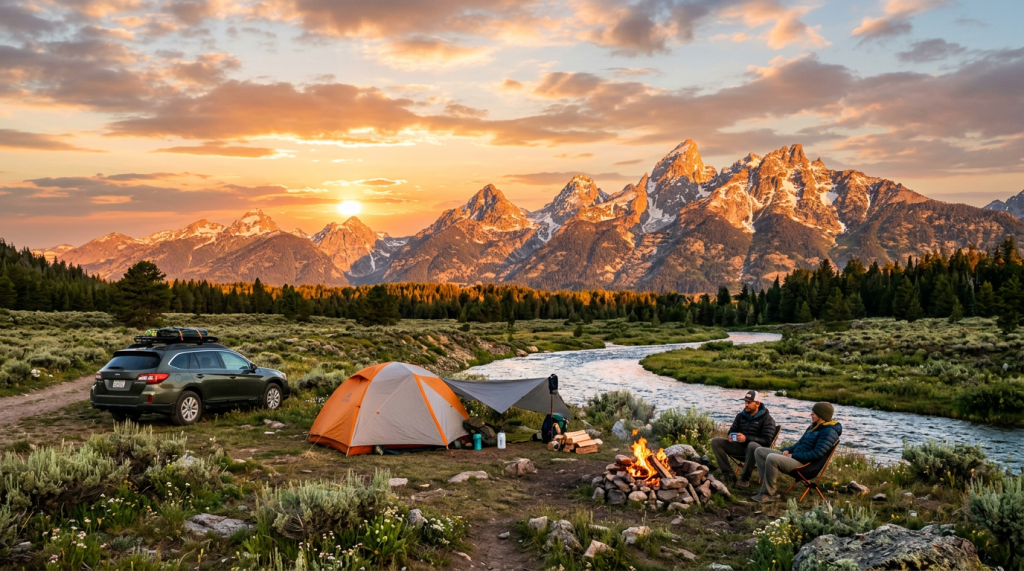
Dispersed camping offers the freedom to explore wild spaces away from crowded campgrounds, but it also demands careful planning. Without amenities like picnic tables, fire rings, or potable water, your gear choices become crucial for both cooking and comfort. Here’s a breakdown of the must-have items and some tips to help you pack smart for your next adventure.
Cooking Essentials
Lightweight Stove vs. Campfire Grill
When preparing for dispersed camping, one of the most important decisions revolves around how you’ll cook your meals. The choice between a lightweight stove and a campfire grill is not just a matter of preference, but also of practicality, safety, and environmental responsibility.
A lightweight stove, such as a compact canister or liquid-fuel backpacking stove, is often the go-to option for many campers. These stoves are designed for efficiency and reliability, capable of boiling water in just a few minutes and performing well in a variety of weather conditions. Their portability and ease of use make them especially valuable when you’re camping in remote areas where carrying extra weight is a concern. Another significant advantage is that lightweight stoves are frequently permitted even during fire bans, which are common in dry seasons or sensitive wilderness areas. This means you can still prepare hot meals and drinks without risking a wildfire or violating local regulations. The controlled flame of a stove also minimizes your impact on the environment, as it doesn’t scar the ground or leave behind fire rings and ash.
On the other hand, cooking over a campfire grill offers a more traditional and immersive outdoor experience. There’s something deeply satisfying about preparing food over open flames, whether you’re grilling fresh-caught fish, roasting vegetables, or simply enjoying the warmth and ambiance of a campfire. Portable campfire grills are designed to be set up over a fire pit, providing a stable surface for pots, pans, or direct grilling. However, this method comes with important caveats. First and foremost, you must always check local fire regulations before planning to cook over an open fire. Many public lands and forests impose strict fire restrictions, especially during periods of drought or high fire danger. Even when fires are allowed, it’s essential to practice Leave No Trace principles: use established fire rings if available, keep fires small, and ensure they are completely extinguished before leaving your site. Gathering firewood can also impact the local ecosystem, so it’s best to bring your own or use only dead and downed wood in moderation.
Ultimately, the choice between a lightweight stove and a campfire grill depends on your priorities and the specific conditions of your trip. If reliability, speed, and minimal impact are your main concerns, a lightweight stove is hard to beat. If you’re seeking a more rustic experience and conditions allow, a campfire grill can add a memorable dimension to your outdoor cooking. Many experienced campers bring both, using the stove as their primary cooking tool and the grill for special meals or when circumstances permit. By understanding the strengths and limitations of each method, you can make informed decisions that enhance both your safety and enjoyment in the backcountry.
When preparing for dispersed camping, choosing between a lightweight stove and a campfire grill is a key decision shaped by practicality, safety, and environmental impact. Lightweight stoves are efficient, reliable, and often allowed during fire bans, making them ideal for remote trips and minimizing environmental disturbance. In contrast, campfire grills offer a classic outdoor cooking experience but require careful attention to fire regulations and Leave No Trace practices to protect the environment. Ultimately, your choice should reflect your priorities and the conditions of your trip, with many campers opting to bring both for flexibility and safety.
Compact Cookware
When it comes to compact cookware for dispersed camping, efficiency and versatility are paramount. The core of any camp kitchen is a pot and pan set that strikes the right balance between weight, durability, and functionality. Many campers gravitate toward titanium or hard-anodized aluminum cookware because these materials are both lightweight and robust, standing up to the rigors of backcountry use without adding unnecessary bulk to your pack. Nesting designs are especially valuable, allowing pots, pans, and even small fuel canisters or stoves to fit together in a single, compact bundle. This not only saves space but also keeps your gear organized and easy to access.
A well-chosen pot should be large enough to boil water for meals and drinks, yet not so big that it becomes cumbersome to carry or clean. A small frying pan adds versatility, enabling you to sauté vegetables, fry eggs, or crisp up tortillas, expanding your meal options beyond simple boiling or rehydrating. Some sets even feature lids that double as plates or strainers, further maximizing utility.
Utensils are another area where thoughtful design pays off. Multi-purpose tools like a spork combine the functions of a spoon and fork, reducing the number of items you need to pack. Folding or telescoping utensils are particularly handy, as they collapse down to fit inside your cookware set. For those who rely on freeze-dried meals, a long-handled spoon is invaluable, allowing you to reach the bottom of meal pouches without getting your hands messy. Some campers also appreciate having a small, lightweight spatula or knife for more elaborate cooking, but for most, a basic set of compact utensils is sufficient.
Ultimately, the goal is to assemble a cookware kit that covers your essential cooking needs while remaining as light and packable as possible. By prioritizing nesting designs, durable materials, and multi-use utensils, you can enjoy satisfying meals in the backcountry without being weighed down by unnecessary gear.
For dispersed camping, compact cookware should be efficient, versatile, and lightweight. Titanium or aluminum nesting pots and pans are ideal, as they’re durable and save space by fitting together with other gear. A pot large enough for boiling and a small pan for frying expand your cooking options, while multi-use utensils like a spork or folding spoon keep things simple and packable. The key is to choose gear that meets your cooking needs without adding unnecessary weight or bulk, ensuring you can prepare satisfying meals in the backcountry with minimal hassle.
Water Filtration and Purification
Access to safe drinking water is one of the most critical considerations when dispersed camping, as you’ll often be relying on natural sources like streams, rivers, or lakes. These water sources, while abundant, can harbor bacteria, protozoa, and even viruses that pose serious health risks if consumed untreated. That’s why bringing a reliable water filtration or purification system is non-negotiable for any backcountry trip.
Modern water filters come in several forms, each with its own advantages. Pump filters allow you to draw water directly from a source and filter it into your bottle or reservoir, making them effective for treating large volumes and for use in shallow or slow-moving water. Squeeze filters, which attach to soft bottles or bags, are lightweight and easy to use, requiring you to simply fill the bag and squeeze clean water into your container. Ultraviolet (UV) purifiers, on the other hand, use light to neutralize microorganisms and are prized for their speed and simplicity, though they require batteries and work best with clear water.
No matter which primary system you choose, it’s wise to carry a backup method in case your main filter becomes clogged, lost, or damaged. Water purification tablets or drops are exceptionally lightweight and take up almost no space in your pack. While they may impart a slight taste and require a waiting period to be effective, they provide peace of mind and a crucial safety net if your primary method fails.
Ultimately, the combination of a dependable filtration or purification system and a backup ensures you’ll have access to safe drinking water throughout your trip, allowing you to stay hydrated and healthy no matter how remote your campsite. This careful preparation not only protects your well-being but also frees you to explore wild places with confidence.
When dispersed camping, ensuring access to safe drinking water is essential since natural sources can contain harmful microorganisms. Using a reliable water filter or purifier—whether pump, squeeze, or UV—protects you from these risks. It’s also important to carry lightweight backup purification tablets or drops in case your main system fails. By preparing with both a primary and backup method, you guarantee safe hydration and peace of mind throughout your trip, no matter how remote your location.
Food Storage
Food storage is a critical aspect of camping, especially when venturing into areas inhabited by wildlife. In regions known as bear country, the use of a hard-sided bear canister isn’t just a suggestion—it’s often a legal requirement. These canisters are specifically designed to withstand the curiosity and strength of bears, preventing them from accessing your food and scented items. By using a bear canister, you not only protect your provisions but also help keep wildlife safe by discouraging animals from associating humans with easy meals. The canister’s rigid construction makes it nearly impossible for bears to open, and its smooth sides prevent them from getting a grip, so your food remains secure even if the canister is batted around or rolled down a hill.
In areas where the risk from large animals is lower, food storage can be a bit more flexible. Odor-proof dry bags offer a lightweight and convenient solution for keeping food safe from smaller critters like raccoons, squirrels, or mice. These bags are designed to seal in smells, making it less likely that animals will be attracted to your campsite. Hanging the dry bag from a sturdy tree branch, well away from your tent and at least a few feet off the ground, adds another layer of protection. This method makes it difficult for animals to reach your food, especially if you use a proper hanging technique that keeps the bag out of reach from both above and below.
Regardless of the method you choose, it’s essential to store all food, trash, and scented items—such as toothpaste, sunscreen, and even cookware—away from your sleeping area. This practice not only reduces the chance of a nighttime visit from curious animals but also helps maintain a safe and peaceful campsite. Proper food storage is about more than just protecting your meals; it’s a fundamental part of responsible camping that preserves the natural behavior of wildlife and ensures that future campers can enjoy the same pristine environment. By taking the time to store your food thoughtfully, you contribute to the safety of both yourself and the animals that call the wilderness home.
Proper food storage is essential when camping, especially in areas with wildlife. In bear country, using a hard-sided bear canister is often required to keep food safe and prevent bears from associating humans with food. In less risky areas, odor-proof dry bags hung from trees can protect food from smaller animals. No matter the method, always store food and scented items away from your sleeping area to reduce animal encounters and help preserve the natural behavior of wildlife, ensuring a safer and more enjoyable camping experience for everyone.
Comfort Essentials
Sleeping System
A comfortable and reliable sleeping system is the foundation of a good night’s rest when dispersed camping, directly impacting your energy, mood, and safety in the backcountry. The first decision is whether to use a tent or a hammock, and this often depends on the terrain, weather, and personal preference. A lightweight tent, ideally with a robust rainfly, offers full protection from wind, rain, and insects, creating a cozy microclimate that shields you from the elements. Modern backpacking tents are designed to be compact and easy to set up, with features like vestibules for gear storage and mesh panels for ventilation. On the other hand, a hammock can be an excellent alternative, especially in wooded areas where trees are plentiful. When paired with a bug net and a waterproof tarp, a hammock provides a breezy, elevated sleeping experience that keeps you off uneven or damp ground. Hammocks are particularly appreciated in hot, humid conditions or where the ground is rocky or sloped, but they do require some skill to set up properly and may not be suitable above the treeline or in open, exposed areas.
Equally important is your choice of sleeping bag. The key factor here is temperature rating: your bag should be rated for the coldest conditions you expect to encounter, with a little margin for unexpected drops in temperature. Down sleeping bags are prized for their warmth-to-weight ratio, packing down small and providing excellent insulation. However, down loses much of its insulating power when wet, so it’s crucial to keep it dry—either by using a waterproof stuff sack or by ensuring your shelter is watertight. Synthetic sleeping bags, while slightly heavier and bulkier, retain warmth even when damp and are often more affordable, making them a solid choice for wet climates or those new to backcountry camping.
The final piece of the sleeping system is the sleeping pad, which serves two essential functions: insulation and comfort. Even in summer, the ground can sap heat from your body overnight, so a good pad is vital for staying warm. Inflatable pads offer excellent cushioning and pack down small, with many models featuring built-in insulation for colder conditions. Foam pads, while bulkier, are virtually indestructible and can double as a seat or emergency splint. The right pad not only keeps you insulated from the cold ground but also smooths out lumps and bumps, ensuring you wake up refreshed and ready for the day’s adventures.
By carefully selecting each component of your sleeping system and matching it to the environment and your personal needs, you can transform even the most remote campsite into a comfortable retreat, ensuring restful sleep and greater enjoyment of your time outdoors.
A well-chosen sleeping system is crucial for comfort, safety, and energy during dispersed camping. Deciding between a tent and a hammock depends on terrain and weather, with tents offering full protection and hammocks excelling in wooded or uneven areas. Selecting a sleeping bag with the right temperature rating is essential, with down bags being lightweight and warm but requiring careful moisture management, while synthetic bags offer reliable insulation even when damp. A quality sleeping pad provides both insulation from the cold ground and added comfort. By tailoring your shelter, sleeping bag, and pad to your environment and needs, you ensure restful sleep and a more enjoyable camping experience.”
Lighting
Lighting plays a vital role in the comfort and safety of dispersed camping, especially when you’re far from the conveniences of established campgrounds. As daylight fades, having reliable illumination becomes essential for everything from preparing meals to navigating your surroundings and simply enjoying your time outdoors after dark.
A headlamp is often considered indispensable for backcountry campers. Its hands-free design allows you to direct light exactly where you need it, whether you’re cooking dinner, pitching your tent, or following a trail at night. Modern headlamps are lightweight, compact, and offer adjustable brightness settings, making them versatile for a range of tasks. Many models also feature red light modes, which help preserve your night vision and are less likely to disturb wildlife or fellow campers. The ability to keep both hands free while working in the dark is a significant advantage, especially when dealing with gear or performing tasks that require dexterity.
While a headlamp excels at focused, task-oriented lighting, a small lantern serves a different but equally important purpose. Lanterns are designed to cast a broad, ambient glow, illuminating your entire campsite or the inside of your tent. This creates a welcoming and comfortable atmosphere, making it easier to relax, socialize, or read after sunset. Rechargeable lanterns are particularly popular, as they eliminate the need for disposable batteries and can often be topped up with a portable power bank or solar charger. Some lanterns even double as charging stations for your other devices, adding to their utility.
Together, a headlamp and a lantern provide a comprehensive lighting solution for dispersed camping. The headlamp ensures you can safely and efficiently handle detailed tasks, while the lantern transforms your campsite into a cozy, inviting space. By choosing reliable, energy-efficient lighting and keeping spare batteries or charging options on hand, you’ll be well-prepared to enjoy the backcountry long after the sun goes down.
Lighting is crucial for both safety and comfort during dispersed camping, making reliable illumination essential after dark. A headlamp offers hands-free, focused light for tasks like cooking and navigating, while a lantern provides ambient light that brightens your campsite and creates a cozy atmosphere. Using both ensures you can handle detailed chores and enjoy relaxing evenings, especially if you choose rechargeable, energy-efficient options and bring backup power.
Multi-tool or Camp Knife
A dependable cutting tool setup is essential for dispersed camping, and the best approach is to match each tool to its ideal use. For general camp needs, a quality multi-tool is highly recommended. With its array of functions—pliers, screwdrivers, scissors, can openers, and more—a multi-tool is invaluable for quick gear repairs, tightening equipment, and handling unexpected emergencies. Its compact, folding design makes it easy to carry and ensures you’re prepared for a wide range of situations, from fixing a broken zipper to opening cans or trimming cordage.
For heavier in-camp tasks, such as processing firewood, making kindling, or handling other rugged chores, a dedicated camp knife is the tool of choice. A sturdy fixed-blade knife excels at splitting small logs, carving tent stakes, or preparing tinder for your campfire. Its strength and reliability make it indispensable for any work that demands more force or precision than a multi-tool can provide.
When it comes to food preparation, elevating your camp kitchen with a Japanese Kiritsuke knife can make a remarkable difference. The Kiritsuke, with its long, razor-sharp blade and versatile design, is perfect for slicing vegetables, filleting fish, and preparing intricate camp meals with ease and precision. Its unique shape and sharpness allow for clean, efficient cuts, turning even simple camp cooking into a more enjoyable and refined experience.
By carrying a multi-tool for general camp tasks, a robust camp knife for heavy-duty work, and a Kiritsuke for food prep, you ensure you have the right tool for every situation. This thoughtful combination not only increases your efficiency and safety in the backcountry but also enhances the quality of your meals and overall camping experience.
For dispersed camping, it’s best to use a multi-tool for general camp needs and repairs, a sturdy camp knife for heavy-duty tasks like processing firewood, and a Japanese Kiritsuke for precise food preparation. This combination ensures you’re equipped for any situation, making camp chores easier, improving safety, and elevating your cooking experience in the backcountry.
First Aid and Basic Repair Kit
When camping, the unpredictability of the outdoors makes a well-thought-out first aid kit not just a precaution, but a necessity. Even on the most leisurely trips, minor injuries are common—scrapes from gathering firewood, blisters from hiking, or small cuts while preparing food. Having a range of bandages ensures you can treat everything from a tiny nick to a larger abrasion, while specialized blister pads or moleskin can make the difference between a miserable hike and a comfortable one. Antiseptic wipes or ointment are crucial for cleaning wounds, especially in environments where dirt and bacteria are everywhere, reducing the risk of infection before you even apply a bandage.
Personal medications are often overlooked, but forgetting them can quickly turn a minor issue into a trip-ending problem. Whether it’s daily prescriptions, an inhaler, or an EpiPen, these should be considered as vital as your tent or sleeping bag. Over-the-counter pain relievers like ibuprofen or acetaminophen can help manage headaches, muscle soreness, or minor injuries, while allergy medication is invaluable if you encounter unexpected plants, insect stings, or food reactions. Tweezers, though small, are incredibly useful for removing splinters from wood or thorns, and can also help with tick removal—a real concern in many camping areas. Gauze pads and medical tape allow you to dress larger wounds or improvise a bandage if needed, and a pair of disposable gloves helps maintain hygiene when treating someone else, especially if blood is involved.
On the repair side, camping gear is often subjected to rough use and the elements, so being able to fix things on the fly is essential. Duct tape is famously versatile; it can patch a hole in your tent or sleeping pad, reinforce a cracked water bottle, or even serve as an emergency bandage in a pinch. Zip ties are lightweight but strong, perfect for quickly reattaching a broken backpack strap or securing loose gear to your pack. A basic sewing kit, though small, can save the day if your clothing tears or a sleeping bag seam splits, and strong thread can double as emergency fishing line or even be used to repair gear. A multi-tool or small knife is another must-have, offering blades, screwdrivers, and other implements that can help with everything from food prep to gear adjustments. Spare cord or a shoelace is easy to overlook, but it can serve as a replacement for broken laces, a makeshift clothesline, or even a tie-down for your shelter in windy conditions.
Storing all these items in a waterproof pouch keeps them dry and organized, ensuring they’re ready when you need them most. It’s wise to check your kit before every trip, replacing anything you’ve used and making sure nothing has expired or been damaged by moisture. With a thoughtfully assembled kit, you’re not just prepared for the expected scrapes and gear failures—you’re also ready to improvise solutions to the unexpected challenges that make camping both exciting and unpredictable.
A well-prepared first aid and repair kit is essential for camping, as minor injuries and gear problems are common in the outdoors. Your kit should include a variety of bandages, blister care, antiseptics, personal medications, pain relievers, allergy medicine, tweezers, gauze, tape, and gloves to handle typical health issues. For repairs, items like duct tape, zip ties, a sewing kit, a multi-tool, and spare cord can help fix broken gear or clothing. Keeping everything in a waterproof pouch and checking your supplies before each trip ensures you’re ready for both expected mishaps and unexpected challenges, making your camping experience safer and more enjoyable.
Optional Luxuries
Optional luxuries can transform a basic camping trip into a truly comfortable and enjoyable experience, especially after a long day outdoors. One such luxury is a camp chair. While not strictly necessary, a lightweight, packable chair offers a level of relaxation that sitting on a log or the ground simply can’t match. After hiking or exploring all day, being able to settle into a supportive seat by the fire makes a significant difference in how you unwind, socialize, or even just enjoy the scenery. Modern camp chairs are designed to be compact and easy to carry, so bringing one along doesn’t have to mean sacrificing space or adding much weight to your pack.
Another small upgrade that can have a big impact is an insulated mug. Unlike a standard cup, an insulated mug keeps your coffee hot on chilly mornings or your cold drink refreshing in the afternoon heat. Its versatility also shines through when you use it as a bowl for soup, oatmeal, or even a quick rehydrated meal, reducing the number of items you need to pack. The comfort of sipping a hot beverage while watching the sunrise or winding down with a warm drink at night adds a touch of home to your campsite.
For those who appreciate good food, a spice kit is a simple way to elevate camp cooking. Packing a few small containers with your favorite spices—perhaps some salt, pepper, chili flakes, or a special blend—can turn bland, basic meals into something memorable. Even a sprinkle of seasoning can make a big difference when you’re eating outdoors, where flavors seem more vivid and satisfying. A thoughtfully assembled spice kit takes up little space but brings a sense of creativity and enjoyment to your meals, making each one feel a bit more special.
While these items aren’t essential for survival, they add comfort, warmth, and pleasure to your time outdoors, helping you relax and enjoy the camping experience to its fullest.
Optional luxuries like a camp chair, insulated mug, and spice kit aren’t necessary for survival, but they can greatly enhance your camping experience. A comfortable chair provides relaxation after a long day, an insulated mug keeps drinks at the right temperature and serves multiple purposes, and a small selection of favorite spices can make camp meals much more enjoyable. These small comforts add warmth, convenience, and a touch of home, helping you unwind and fully appreciate your time outdoors.
Tips for Packing Smart
Packing smart for a camping trip is about more than just fitting everything into your backpack; it’s about making thoughtful choices that maximize utility and minimize unnecessary weight. One of the most effective strategies is to prioritize items that serve multiple functions. For example, instead of bringing separate containers for cooking and eating, you might choose a lightweight pot that can also be used as your bowl or mug. Similarly, a simple bandana can be invaluable—not only does it offer protection from the sun, but it can also be used to wipe away sweat, serve as a makeshift potholder, or even act as a basic first aid sling or bandage in a pinch. By focusing on gear that can adapt to different needs, you reduce clutter and lighten your load, making your pack easier to carry and your setup more efficient.
Another key consideration is tailoring your packing to the specific demands of your trip. The length of your adventure and how far you’ll be from help should directly influence what you bring. For a short overnight close to civilization, you might get by with minimal supplies, knowing you can easily bail out if something goes wrong. However, for longer journeys or those that take you deep into remote wilderness, self-sufficiency becomes critical. This means planning for extra food in case of delays, bringing reliable water treatment options, and ensuring you have emergency supplies like a backup fire starter or a small repair kit. The more isolated your destination, the more important it is to anticipate potential problems and pack accordingly, as help may not be readily available.
Finally, it’s essential to test your gear before you leave home. New equipment can be unpredictable, and the last place you want to discover a missing part or confusing setup is in the middle of the woods. Setting up your tent in the backyard, lighting your stove, or even just making sure your headlamp batteries are fresh can save you from frustration and potential danger later on. Familiarity with your gear not only boosts your confidence but also ensures that you can respond quickly and effectively if something goes wrong. By taking the time to practice and prepare, you set yourself up for a smoother, safer, and more enjoyable camping experience.
Packing smart for camping means choosing versatile gear that serves multiple purposes, which helps reduce weight and clutter. It’s important to adjust what you bring based on how long and remote your trip will be, planning for extra food, water treatment, and emergency supplies if needed. Testing your equipment at home before you leave ensures everything works and prevents surprises in the field, making your trip safer and more enjoyable.
Conclusion
Dispersed camping, with its promise of solitude and immersion in nature, truly favors those who approach packing with intention and care. Unlike established campgrounds, where amenities are close at hand, the backcountry requires you to be self-reliant and resourceful. Every item you carry should earn its place in your pack, ideally serving more than one purpose to maximize both utility and comfort. For example, a pot that doubles as a mug or bowl, or a sleeping pad that can be used as a seat, allows you to meet your needs without burdening yourself with excess gear.
Thoughtful packing isn’t just about reducing weight—it’s about enhancing your experience. When you strip away the non-essentials and focus on what truly matters, you move more freely and set up camp more efficiently, leaving you with more time and energy to appreciate your surroundings. The simplicity of having just what you need, and nothing more, can be liberating. It encourages you to engage more deeply with the landscape, to notice the quiet details of the forest or the subtle changes in the weather, rather than being distracted by unnecessary gadgets or clutter.
Ultimately, the reward for this mindful approach is a more enjoyable and meaningful connection with the wild. You’ll find that comfort doesn’t come from the sheer quantity of gear, but from the confidence that you’re prepared for the essentials—warmth, nourishment, and rest—while remaining light enough to explore and adapt. Dispersed camping, at its best, is about embracing the beauty of simplicity and the satisfaction of self-sufficiency, allowing you to fully savor the peace and wonder of the backcountry.

 UTAZCO Overland
Leave a Reply