
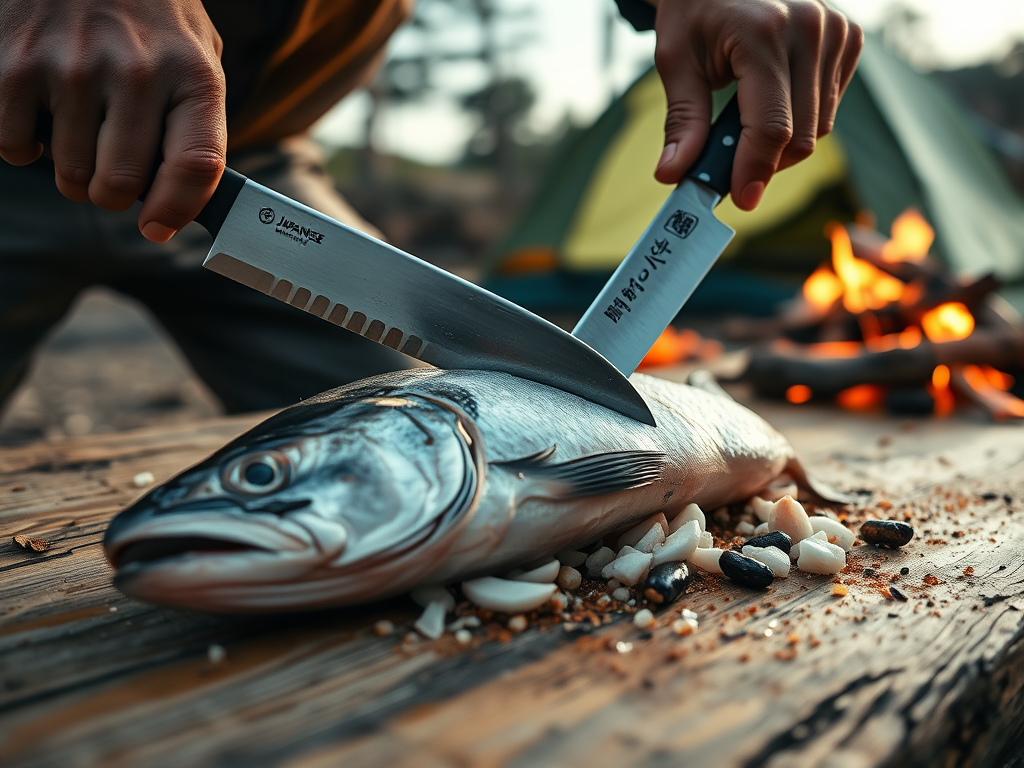
Carbon steel cutlery is prized for its sharpness, ease of sharpening, and classic aesthetic. However, it is also more susceptible to rust and corrosion than stainless steel, especially in outdoor or field conditions. Proper maintenance is essential to ensure longevity and performance. This essay outlines practical steps and considerations for maintaining carbon steel cutlery while in the field.
Understanding Carbon Steel
Properties and Advantages
Hardness and Edge Retention
Carbon steel is an alloy primarily composed of iron and carbon, with the carbon content typically ranging from 0.5% to 1.5%. This higher carbon content gives the steel its notable hardness. As a result:
- Sharper Edge: Carbon steel blades can be honed to a much finer, sharper edge compared to most stainless steels. This makes them exceptionally effective for tasks requiring precision, such as slicing, carving, or detailed food preparation.
- Edge Retention: The increased hardness means that once sharpened, a carbon steel blade tends to hold its edge longer under normal use, reducing the frequency of sharpening required during fieldwork.
Ease of Sharpening
Unlike many stainless steels, which often contain additional alloying elements that can make them tougher but more difficult to sharpen, carbon steel remains relatively simple to maintain:
- Basic Tools Suffice: Even a small, portable sharpening stone or ceramic rod is usually sufficient to restore a keen edge to a carbon steel blade. This is particularly advantageous in the field, where access to specialized sharpening equipment is limited.
- Quick Touch-Ups: The steel’s structure allows for quick touch-ups, meaning you can maintain a razor-sharp edge with minimal effort and time investment.
Responsiveness to Honing
- Stropping: Carbon steel responds well to honing and stropping, which can realign the edge and remove minor burrs. Even improvised tools, such as the back of a leather belt, can be used effectively.
- Consistent Performance: Regular honing keeps the blade performing at its best, ensuring clean cuts and reducing the risk of accidents caused by a dull edge.
Field Suitability
- Adaptability: The combination of hardness, ease of sharpening, and responsiveness to honing makes carbon steel cutlery especially suitable for outdoor and field use, where reliability and ease of maintenance are critical.
- User Control: Users can quickly adapt the blade’s edge to suit different tasks, from fine slicing to heavier chopping, simply by adjusting sharpening and honing techniques.
In summary, the primary advantages of carbon steel cutlery—superior sharpness, excellent edge retention, and ease of sharpening—make it a preferred choice for those who value performance and are willing to invest a little extra care in maintenance, especially in field conditions.
Vulnerabilities of Carbon Steel Cutlery
Susceptibility to Rust and Staining
- Moisture Exposure: Carbon steel is highly reactive to water and humidity. When exposed to moisture, even briefly, the iron in the steel can combine with oxygen to form iron oxide—commonly known as rust. This process can begin within hours if the blade is left wet, especially in damp or rainy environments.
- Acidic Substances: Contact with acidic foods (such as citrus fruits, tomatoes, or vinegar) accelerates corrosion and staining. Acids react with the iron in the steel, leading to discoloration (patina) and, if left unchecked, pitting or deeper corrosion.
- Neglect: Failing to clean and dry the blade after use, or storing it in a damp sheath or environment, allows rust to develop quickly. Even fingerprints, which contain oils and salts, can cause localized staining if not wiped off.
Maintenance Demands
- Frequent Attention Required: Unlike stainless steel, which contains chromium to form a protective oxide layer, carbon steel lacks this self-protecting feature. As a result, it demands more frequent and attentive maintenance. Blades must be wiped dry after every use and oiled regularly to prevent oxidation.
- Cleaning After Each Use: In the field, it’s essential to clean the blade after cutting food, especially acidic or salty items, and after exposure to sap, blood, or other organic materials. Immediate cleaning prevents the onset of rust and staining.
- Regular Oiling: Applying a thin layer of food-safe oil creates a barrier between the steel and the environment, but this coating can wear off quickly with use. Reapplication is necessary, often daily, especially in wet or humid conditions.
- Sharpening and Rust Removal: If rust does develop, it must be removed promptly with fine steel wool or a gentle abrasive to prevent it from spreading or causing pitting. This adds to the regular maintenance routine.
Comparison to Stainless Steel
- Stainless Steel Advantages: Stainless steel cutlery is more forgiving in harsh environments due to its corrosion resistance. It can be neglected for longer periods without immediate consequences.
- Carbon Steel Trade-Off: The superior sharpness and ease of sharpening of carbon steel come at the cost of increased vulnerability to environmental factors. Owners must be proactive and diligent in their care routines.
Field Implications
- Environmental Challenges: Outdoor conditions—rain, humidity, river crossings, or even morning dew—pose constant threats to carbon steel. Field users must develop habits of vigilance, such as drying and oiling blades after each use and storing them properly overnight.
- Long-Term Durability: With proper care, carbon steel cutlery can last a lifetime and develop a unique patina that adds character and some degree of protection. However, neglect can quickly lead to irreversible damage, such as deep pitting or blade weakening.
The vulnerabilities of carbon steel cutlery—its tendency to rust and stain, and its need for frequent maintenance—require users to adopt careful, consistent habits, especially in the unpredictable conditions of the field. This extra effort is the trade-off for the superior performance and edge quality that carbon steel provides.
Preventive Care
Pre-Field Preparation
Applying a Thin Coat of Food-Safe Oil
Before taking carbon steel cutlery into the field, it’s essential to create a protective barrier against moisture and environmental contaminants. Applying a thin coat of food-safe oil—such as mineral oil, camellia oil, or even specialized knife oils—serves several purposes:
- Moisture Barrier: The oil forms a thin, hydrophobic layer on the blade’s surface, preventing water from coming into direct contact with the steel and thus reducing the risk of rust.
- Food Safety: Using food-safe oils ensures that any residue left on the blade will not contaminate food during preparation.
- Ease of Cleaning: Oiled blades are less likely to have food or sap stick to them, making cleaning in the field easier.
To apply, simply put a few drops of oil on a clean cloth and wipe the entire blade, ensuring even coverage. Avoid over-oiling, as excess oil can attract dust and debris.
Ensuring the Blade is Clean and Dry
Proper cleaning before storage or transport is crucial:
- Remove Residues: Any leftover food particles, sap, or fingerprints can accelerate corrosion, especially if acidic or salty.
- Thorough Drying: After cleaning, dry the blade completely with a soft cloth or paper towel. Even small amounts of moisture trapped in nooks or along the edge can initiate rust.
- Inspection: Take a moment to inspect the blade for any signs of existing rust or stains. Address these before heading out, as they can worsen in the field.
Choosing the Right Sheath
The choice of sheath plays a significant role in protecting carbon steel cutlery:
- Leather Sheaths: Leather is a traditional choice that offers some breathability, allowing moisture to evaporate rather than being trapped against the blade. However, leather can absorb moisture itself, so it should be kept dry and occasionally treated with leather conditioner.
- Synthetic Sheaths: Modern synthetic materials (such as Kydex or nylon) can be more water-resistant and easier to clean. Some designs include drainage holes or ventilation to further reduce moisture buildup.
- Airflow Considerations: Avoid airtight or plastic sheaths that can trap condensation, especially after exposure to rain or humidity. A sheath that allows some airflow helps keep the blade dry during storage and transport.
Additional Tips
- Desiccant Packs: For extended trips or humid environments, consider placing a small desiccant pack in your gear to absorb excess moisture.
- Routine Checks: Before setting out, make it a habit to check your cutlery and sheath for any signs of moisture or contamination.
By taking these preventive steps before entering the field, you significantly reduce the risk of rust and corrosion, ensuring your carbon steel cutlery remains sharp, reliable, and ready for use throughout your adventure.
Daily Maintenance in the Field
Wipe the Blade Dry After Each Use
- Immediate Drying: After every use, especially when the blade has come into contact with water, acidic foods (like citrus, tomatoes, or vinegar), or plant sap, it’s crucial to wipe the blade thoroughly with a clean, dry cloth. Even brief exposure to moisture can initiate the rusting process on carbon steel.
- Why It Matters: Water and acids accelerate corrosion. Plant sap and food residues can be surprisingly corrosive, and if left on the blade, they can cause staining, pitting, or even deep rust spots.
- Best Practices: Carry a dedicated cloth or paper towel in your kit. Make it a habit to clean the blade immediately after use, not just at the end of the day.
Reapply a Light Coat of Oil at the End of Each Day
- Restoring the Protective Barrier: The thin layer of oil applied before field use will wear off with handling, cutting, and cleaning. Reapplying oil at the end of each day restores this barrier, protecting the steel from overnight humidity and accidental moisture exposure.
- How to Apply: Use a few drops of food-safe oil on a soft cloth and wipe the blade evenly. Focus on the edge and any areas where the oil may have worn thin.
- Alternative Oils: If you run out of mineral oil, other food-safe oils (like olive or vegetable oil) can be used in a pinch, though they may become sticky over time. In emergencies, animal fat or wax can also provide temporary protection.
Avoid Prolonged Exposure to Damp Environments
- Storage Habits: Never leave your cutlery in wet grass, on damp ground, or inside a wet sheath. Moisture trapped against the blade can cause rust to form overnight.
- Dry Storage: Store your knife in a dry, ventilated area whenever possible. If you must sheath the blade, ensure both the blade and sheath are dry. For extended periods in wet conditions, consider wrapping the blade in an oiled cloth before sheathing.
- Overnight Care: If conditions are especially humid or rainy, remove the blade from its sheath overnight to allow both to air out and dry completely.
Additional Tips for Field Maintenance
- Inspect Regularly: At the end of each day, inspect the blade for any signs of rust, discoloration, or residue. Early detection makes cleaning and rust removal much easier.
- Be Proactive: Don’t wait for visible rust to appear. Consistent, small efforts prevent bigger problems and extend the life of your cutlery.
- Adapt to Conditions: In especially wet or humid environments, increase the frequency of drying and oiling. In dry climates, maintenance can be less frequent, but vigilance is still important.
By integrating these daily habits into your field routine, you ensure that your carbon steel cutlery remains sharp, reliable, and free from corrosion, no matter the conditions you face.
Cleaning Techniques
Basic Cleaning
Maintaining carbon steel cutlery in the field requires special attention, as carbon steel is more prone to rust and staining than stainless steel. Here’s how to effectively clean your knives and tools while outdoors:
1. Immediate Debris and Moisture Removal
- After each use, promptly wipe your cutlery with a soft cloth or paper towel.
- This removes food particles, dirt, and especially moisture, which is the main cause of rust on carbon steel.
- If you’ve just finished cutting acidic foods (like citrus or tomatoes), it’s even more important to clean the blade right away, as acids can accelerate corrosion.
2. Dealing with Stubborn Residues
- If food is stuck to the blade, use a small amount of clean water and, if available, a drop of mild soap.
- Apply the water/soap with a cloth or sponge, gently scrubbing the affected area.
- Avoid soaking the blade or submerging the handle, especially if it’s made of wood, as prolonged moisture can damage both the blade and handle.
3. Rinsing
- If you used soap, wipe the blade with a clean, damp cloth to remove any residue.
- In the field, if water is scarce, use as little as possible and ensure all soap is removed, as soap residue can attract moisture and dirt.
4. Thorough Drying
- Immediately and thoroughly dry the blade and handle with a clean cloth or paper towel.
- Pay special attention to the area where the blade meets the handle, as moisture can collect here and cause hidden rust.
5. Field Tips
- Carry a small microfiber cloth or a few paper towels in your kit for quick cleaning.
- If possible, keep a small bottle of water and a tiny container of mild soap in your field gear.
- Never leave your cutlery wet or dirty for extended periods, even if you plan to use it again soon.
6. Why This Matters
- Carbon steel forms a patina over time, which can help protect against rust, but neglecting cleaning can lead to pitting and deep corrosion.
- Regular, basic cleaning preserves the sharpness, appearance, and longevity of your cutlery.
Summary Table:
| Step | Action | Field Notes |
|---|---|---|
| Remove Debris | Wipe with soft cloth/paper towel | Do this immediately after use |
| Clean Residues | Use small amount of water & mild soap | Avoid soaking; use minimal water |
| Rinse | Wipe with damp cloth | Ensure all soap is removed |
| Dry | Dry thoroughly | Focus on blade/handle junction |
| Field Tips | Carry cloth, water, soap | Clean after each use |
In the field, quick and thorough cleaning of carbon steel cutlery is essential. Always prioritize drying and avoid prolonged exposure to moisture to prevent rust and maintain performance.
Removing Rust
Rust is a common issue with carbon steel cutlery, especially in outdoor or field conditions where moisture and humidity are prevalent. Addressing rust promptly prevents it from worsening and extends the life of your tools.
1. Removing Light Surface Rust
- Tools: Fine abrasive pad (such as a synthetic scouring pad) or fine-grade steel wool (0000 grade is ideal).
- Method:
- Gently rub the affected area in the direction of the blade’s grain.
- Avoid using excessive force, as aggressive scrubbing can scratch or dull the blade.
- Wipe away any loosened rust particles with a clean, dry cloth.
- Field Tip: If you don’t have steel wool, a small piece of rough cloth or even a dry, fibrous plant material can help in a pinch.
2. Removing Deeper Rust
- Tools: Baking soda, water, and a soft-bristled brush or cloth.
- Method:
- Mix baking soda with a small amount of water to form a thick paste.
- Apply the paste to the rusted area, ensuring it covers all affected spots.
- Let it sit for 10–15 minutes to allow the baking soda to break down the rust.
- Scrub gently with a soft brush, cloth, or fine steel wool.
- Wipe away the paste and rust residue with a damp cloth, then dry thoroughly.
- Why Baking Soda? It acts as a mild abrasive and neutralizes acids, making it effective yet gentle on carbon steel.
3. Final Cleaning and Re-Oiling
- After Rust Removal:
- Always clean the blade to remove any abrasive residue.
- Dry the blade thoroughly to prevent new rust from forming.
- Re-Oiling:
- Apply a thin layer of food-safe mineral oil or specialized knife oil to the entire blade.
- Use a clean cloth to spread the oil evenly, paying attention to the edge and any joints or crevices.
- This oil layer acts as a barrier against moisture and oxygen, both of which cause rust.
4. Field Tips
- Carry a small piece of steel wool or an abrasive pad in your kit for emergency rust removal.
- A small packet of baking soda is lightweight and multipurpose for cleaning and rust removal.
- If oil is not available, even a bit of cooking oil can provide temporary protection until proper maintenance is possible.
Summary Table:
| Rust Type | Removal Method | Tools Needed | Aftercare |
|---|---|---|---|
| Light Surface | Gently rub with fine abrasive pad/steel wool | Fine abrasive pad, steel wool | Clean, dry, re-oil blade |
| Deeper Rust | Baking soda paste, gentle scrubbing | Baking soda, water, brush/cloth | Clean, dry, re-oil blade |
Promptly removing rust and re-oiling your carbon steel cutlery is crucial for maintaining its performance and longevity, especially in the field where conditions can accelerate corrosion. Regular inspection and quick action are your best defenses against rust.
Sharpening in the Field
Keeping your carbon steel cutlery sharp is essential for safety, efficiency, and enjoyment during field use. Field sharpening focuses on portability, practicality, and maintaining a keen edge with minimal equipment.
Tools and Methods
1. Essential Sharpening Tools for the Field
- Compact Sharpening Stone:
- Small whetstones (often called “pocket stones”) are lightweight and easy to carry.
- Choose a medium grit (around 600–1000) for general maintenance; some stones have a coarse and fine side for versatility.
- Ceramic Rod:
- Ceramic rods are durable, lightweight, and excellent for quick touch-ups.
- They remove less material than stones, making them ideal for maintaining an edge rather than repairing a dull or damaged blade.
- Field Alternatives:
- In a pinch, the unglazed bottom of a ceramic mug or plate can serve as an emergency sharpening surface.
2. Sharpening Technique
- Angle Consistency:
- Maintain a consistent sharpening angle (typically 15–20° for most knives).
- Consistency is more important than the exact angle—pick one and stick with it.
- Light, Even Strokes:
- Use gentle, controlled strokes along the length of the blade, moving from heel to tip.
- Apply minimal pressure; let the abrasive surface do the work.
- Alternating Sides:
- Sharpen both sides of the blade evenly to maintain a symmetrical edge.
- Alternate sides every few strokes, or after each stroke for best results.
- Lubrication:
- If using a whetstone, a few drops of water (or spit, in a pinch) can help reduce friction and carry away metal filings.
3. Regular Touch-Ups vs. Heavy Sharpening
- Frequent Touch-Ups:
- Regularly honing or lightly sharpening your blade keeps it in optimal condition and prevents it from becoming truly dull.
- Quick touch-ups take only a minute or two and require less effort and material removal.
- Avoiding Heavy Sharpening:
- Infrequent, aggressive sharpening sessions remove more metal, shorten the life of your blade, and are harder to perform well in the field.
- Heavy sharpening is best reserved for when you have access to a full sharpening setup at home.
4. Field Tips
- Clean your blade before sharpening to avoid embedding dirt or grit into the edge.
- After sharpening, wipe the blade to remove any metal filings, then re-oil to protect the edge.
- Practice your sharpening technique at home so you’re confident and efficient in the field.
Summary Table:
| Tool | Use Case | Pros | Field Notes |
|---|---|---|---|
| Pocket Stone | General sharpening | Versatile, effective | Needs water if possible |
| Ceramic Rod | Quick touch-ups | Lightweight, gentle on edge | No lubrication needed |
| Ceramic Mug Base | Emergency sharpening | Readily available, effective | Use only if nothing else |
Field sharpening is about maintenance, not repair. Carry a compact tool, use light and consistent strokes, and touch up your blade regularly to keep your carbon steel cutlery sharp and ready for any task.
Honing
Honing is the process of realigning the microscopic edge of your blade, rather than removing significant amounts of metal as with sharpening. It’s a crucial step for maintaining a razor-sharp edge, especially for carbon steel cutlery, which can develop tiny bends or burrs with use.
1. Purpose of Honing
- Edge Realignment:
- With regular use, the very edge of a knife can roll or develop tiny burrs. Honing straightens these out, restoring sharpness without grinding away metal.
- Edge Maintenance:
- Frequent honing keeps your knife performing at its best and reduces the need for more aggressive sharpening sessions.
2. Tools for Honing in the Field
- Leather Strop:
- A strip of smooth, firm leather, often mounted on wood or used loose.
- Some field kits include compact strops, but even a simple leather patch will work.
- Back of a Leather Belt:
- In the absence of a dedicated strop, the smooth, unfinished side of a leather belt is an excellent substitute.
- Many outdoorspeople use their belt for this purpose, making it a practical, always-available option.
- Optional: Stropping Compound:
- A fine abrasive paste or bar can be rubbed onto the leather to enhance its polishing and burr-removing ability, but plain leather is effective on its own.
3. Honing Technique
- Angle:
- Hold the blade at the same angle you use for sharpening (typically 15–20°).
- Motion:
- Draw the blade away from the edge (spine-first) along the leather, from heel to tip, in a smooth, controlled motion.
- Alternate sides with each stroke to keep the edge centered and even.
- Pressure:
- Use very light pressure—let the leather do the work.
- Number of Strokes:
- 5–10 strokes per side is usually sufficient for regular maintenance.
4. Field Tips
- Clean the blade before honing to avoid embedding dirt into the leather.
- If using your belt, make sure it’s clean and free of grit or debris.
- Honing can be done frequently—even daily—to keep your edge in peak condition.
- If you notice the blade dragging or not slicing cleanly, a quick strop often restores sharpness.
Summary Table:
| Tool | Use Case | Pros | Field Notes |
|---|---|---|---|
| Leather Strop | Dedicated honing | Most effective, portable | Can use with compound |
| Leather Belt (back) | Improvised honing | Always available, practical | Use smooth, clean section |
Honing with a leather strop or belt is a simple, effective way to maintain a razor-sharp edge on your cutlery in the field. Regular honing keeps your knife sharp, safe, and ready for any task, while minimizing the need for frequent sharpening.
Storage and Transport
Sheath Considerations
Proper storage and transport are crucial for maintaining the condition and longevity of carbon steel cutlery, especially in the field where environmental factors can accelerate corrosion. The sheath, while essential for safety and convenience, can also pose risks if not used thoughtfully.
1. Why Sheath Storage Matters
- Moisture Trap:
- Most sheaths—whether leather, nylon, or plastic—can trap moisture against the blade.
- Carbon steel is highly susceptible to rust when exposed to even small amounts of moisture for extended periods.
- Material Impact:
- Leather sheaths, in particular, can absorb and retain moisture, increasing the risk of corrosion.
- Synthetic sheaths may not absorb water but can still create a humid micro-environment.
2. Avoid Storing a Wet Blade in the Sheath
- Immediate Drying:
- Always dry your blade thoroughly before returning it to the sheath, especially after cleaning, use in wet conditions, or exposure to humidity.
- Use a soft cloth or paper towel to remove all visible moisture, paying special attention to the area near the handle and any grooves or etchings.
- Consequences of Neglect:
- Storing a damp blade can lead to rapid rust formation, pitting, and even staining of the sheath interior.
- Over time, this can degrade both the blade and the sheath, reducing their lifespan and effectiveness.
3. Removing the Blade Overnight
- Why Remove the Blade?
- Allowing both the blade and sheath to air out overnight helps dissipate any residual moisture.
- This is especially important after heavy use, cleaning, or exposure to rain, dew, or high humidity.
- How to Do It:
- Place the blade in a safe, dry location where it won’t be accidentally touched or knocked over.
- Prop the sheath open if possible to encourage airflow and drying.
- Field Tip:
- If you’re camping, keep the blade in a secure spot inside your shelter, away from condensation or accidental contact.
4. Additional Field Storage Tips
- Temporary Blade Covers:
- If you need to transport a blade without its sheath while it dries, wrap it in a dry cloth or paper towel and secure it with a rubber band or string.
- Desiccants:
- For longer-term storage, consider placing a small silica gel packet inside the sheath to absorb moisture.
- Routine Inspection:
- Regularly check both the blade and sheath for signs of moisture, rust, or mildew, especially after exposure to wet conditions.
Summary Table:
| Practice | Purpose | Field Notes |
|---|---|---|
| Dry blade before sheathing | Prevents rust and corrosion | Use soft cloth, check handle area |
| Remove blade from sheath overnight | Allows both to dry fully | Store blade safely, air out sheath |
| Use desiccants for long storage | Absorbs residual moisture | Silica gel packets are effective |
| Inspect regularly | Early detection of issues | Look for rust, mildew, dampness |
A sheath is essential for safe transport, but it can also trap moisture and accelerate rust if not managed carefully. Always dry your blade thoroughly before sheathing, and periodically remove it to let both blade and sheath air out—especially after exposure to wet conditions. This simple habit will greatly extend the life and performance of your carbon steel cutlery.
Emergency Measures
Field conditions are often unpredictable, and sometimes you’ll find yourself needing to protect your carbon steel blade from moisture without access to ideal supplies. These emergency measures can help prevent rust and corrosion when you’re caught in the rain, crossing streams, or dealing with persistent humidity.
1. Wrapping the Blade in an Oiled Cloth
- Why It Works:
- Oil creates a barrier between the steel and moisture, preventing oxidation (rust).
- Wrapping the blade in a cloth soaked with oil adds an extra layer of protection, especially if the sheath itself is damp or likely to trap moisture.
- How to Do It:
- Use a clean, lint-free cloth (cotton bandana, handkerchief, or even a piece of clothing in a pinch).
- Apply a thin layer of oil (mineral oil, gun oil, or even cooking oil) to the cloth.
- Wrap the blade completely, ensuring all metal surfaces are covered.
- Place the wrapped blade in the sheath for transport.
- Field Tip:
- If you anticipate wet conditions, pre-oil a small cloth and keep it in your kit for emergencies.
2. Alternative Protective Coatings: Animal Fat or Wax
- When Oil Is Unavailable:
- In survival situations, you may not have access to commercial oils.
- Animal fat (from cooked meat, fish, or wild game) or natural waxes (like beeswax or even candle wax) can serve as temporary substitutes.
- How to Apply:
- Animal Fat:
- Rub a small amount of rendered fat onto the blade, covering all surfaces.
- Wipe off any excess to avoid attracting dirt or insects.
- Note: Animal fat is less stable than oil and can go rancid, so clean and re-oil the blade as soon as possible.
- Wax:
- Warm the blade slightly (body heat or sun) and rub wax onto the surface.
- Buff with a cloth to create a thin, even coating.
- Wax is water-repellent and can provide excellent short-term protection.
- Animal Fat:
- Precautions:
- Both animal fat and wax are temporary solutions. They should be replaced with proper oiling and cleaning at the earliest opportunity.
- Avoid using plant oils (like olive oil) for long-term storage, as they can become sticky or rancid.
3. Why These Measures Matter
- Moisture is the Enemy:
- Even brief exposure to water can start the rusting process on carbon steel.
- Emergency coatings buy you time until you can properly clean and maintain your blade.
- Field Adaptability:
- Knowing how to improvise with available materials is a key survival skill and ensures your tools remain functional.
Summary Table:
| Emergency Measure | How to Apply | Pros | Cons/Notes |
|---|---|---|---|
| Oiled Cloth Wrap | Wrap blade in oil-soaked cloth | Effective, easy to prepare | Needs oil and cloth |
| Animal Fat | Rub rendered fat on blade | Readily available in wild | Can go rancid, attracts dirt |
| Wax (beeswax/candle) | Rub and buff wax onto blade | Water-repellent, stable | Needs heat to apply evenly |
In wet or emergency conditions, wrapping your carbon steel blade in an oiled cloth or applying animal fat or wax can provide crucial, temporary protection against rust. These improvised methods help preserve your blade until you can perform proper cleaning and maintenance. Always revert to standard care as soon as conditions allow.
Conclusion
Maintaining carbon steel cutlery in the field is a blend of knowledge, routine, and adaptability. While carbon steel offers exceptional sharpness and edge retention, it is more vulnerable to rust and corrosion than stainless steel. This means that a little extra attention is required—but with the right habits, this care becomes second nature and pays off in performance and longevity.
The Importance of Diligence
- Consistent Care:
- The key to keeping carbon steel cutlery in top condition is regular, mindful maintenance. This doesn’t mean complex or time-consuming routines; rather, it’s about integrating simple steps—like wiping, drying, and oiling—into your daily field habits.
- Preventive Mindset:
- Addressing potential issues before they become problems (such as cleaning after each use or drying the blade before storage) is far easier than dealing with rust or a dull edge later.
Understanding Carbon Steel’s Needs
- Material Sensitivity:
- Carbon steel’s high performance comes with a trade-off: it reacts quickly to moisture and acids. Recognizing this helps you anticipate when extra care is needed, such as after food prep or exposure to rain.
- Patina Development:
- Over time, carbon steel develops a natural patina—a darkened layer that offers some protection against rust. This is a sign of a well-used and well-loved tool, and regular maintenance helps this patina form evenly.
Simple Routines, Big Rewards
- Cleaning:
- Promptly removing debris and moisture prevents rust and keeps your blade ready for action.
- Sharpening and Honing:
- Regular touch-ups with a stone, rod, or strop maintain a razor-sharp edge, making every task safer and more efficient.
- Storage:
- Thoughtful storage—such as drying before sheathing and airing out overnight—protects both blade and sheath from moisture damage.
- Emergency Measures:
- Knowing how to improvise with oil, fat, or wax ensures you’re prepared for unexpected wet conditions.
Enhancing Your Field Experience
- Reliability:
- A well-maintained blade is a reliable companion, whether you’re preparing food, making camp, or handling emergencies.
- Safety:
- Sharp, clean tools are safer to use, reducing the risk of slips and accidents.
- Satisfaction:
- There’s a unique satisfaction in caring for your gear and seeing it perform flawlessly, trip after trip.
By understanding the unique properties of carbon steel and adopting straightforward preventive and cleaning routines, you ensure your cutlery remains sharp, reliable, and rust-free. This not only preserves your investment but also enhances every aspect of your outdoor adventures—making your time in the field safer, more enjoyable, and more rewarding.
Proper care of carbon steel cutlery is not a burden, but a rewarding habit that pays dividends in performance, safety, and satisfaction. With diligence and the right knowledge, your blade will serve you faithfully wherever your adventures take you.




 UTAZCO Overland
Leave a Reply