
Dispersed camping offers a unique opportunity to connect with nature, far from the amenities and crowds of established campgrounds. For some, this experience is deepened by practicing subsistence hunting—harvesting wild game and foraged foods to sustain oneself. This essay explores the principles, ethics, and practicalities of subsistence hunting and food processing while dispersed camping.
Understanding Subsistence Hunting
Definition and Philosophy
Subsistence hunting is fundamentally different from recreational or trophy hunting. Its primary goal is to obtain food for survival, not for sport, competition, or display. This approach is deeply intertwined with the values of self-reliance, stewardship, and a profound respect for the natural world.
Self-Reliance and Survival
At its core, subsistence hunting is about meeting one’s basic needs directly from the environment. Dispersed campers who practice this form of hunting must possess a range of skills: tracking, stalking, identifying edible species, and processing game. This self-sufficiency fosters a sense of independence and confidence, as individuals are responsible for sourcing, preparing, and preserving their own food. The process requires careful planning, adaptability, and a willingness to learn from the land.
Respect for Wildlife
Subsistence hunters often develop a deep respect for the animals they pursue. Unlike sport hunting, where the focus may be on the challenge or the trophy, subsistence hunting emphasizes gratitude and reverence for the life taken. Ethical hunters strive to minimize suffering, take only what they need, and use as much of the animal as possible. This mindset encourages a holistic relationship with nature, where humans are participants in the ecosystem rather than mere consumers.
Sustainable Use of Natural Resources
Sustainability is a cornerstone of subsistence hunting. Hunters must be acutely aware of local wildlife populations, breeding seasons, and ecological balance. Overharvesting or wasteful practices can quickly deplete resources, threatening both wildlife and future opportunities for subsistence. Responsible hunters follow regulations, harvest selectively, and often contribute to conservation efforts. This approach mirrors the practices of indigenous peoples and early settlers, who relied on intimate knowledge of the land to ensure its continued abundance.
Connection to Tradition and Ancestry
For many, subsistence hunting is a way to connect with ancestral traditions. Indigenous communities and early settlers depended on hunting and foraging for survival, developing sophisticated knowledge systems and ethical codes. Modern dispersed campers who engage in subsistence hunting often seek to honor these traditions, learning from historical practices and adapting them to contemporary contexts.
Mindset and Experience
Practicing subsistence hunting while dispersed camping transforms the outdoor experience. It shifts the focus from convenience and comfort to mindfulness, patience, and resourcefulness. Every meal becomes a product of skill and effort, deepening the camper’s appreciation for the land and its resources. This immersive approach fosters a sense of humility and gratitude, reinforcing the interconnectedness of all living things.
Subsistence hunting is not merely a means of acquiring food; it is a philosophy rooted in respect, sustainability, and self-reliance. For dispersed campers, it offers a profound way to engage with nature, echoing the wisdom and practices of those who have lived off the land for generations.
Legal and Ethical Considerations
Understanding and Complying with Regulations
Before engaging in subsistence hunting while camping, it is essential to thoroughly research and adhere to all relevant local, state, and federal hunting laws. These regulations are designed to protect wildlife populations, ensure public safety, and maintain ecological balance:
- Hunting Seasons: Wildlife agencies establish specific seasons for hunting different species to protect animals during breeding and rearing periods. Hunting outside these windows can disrupt populations and is illegal.
- Licensing and Permits: Most regions require hunters to obtain licenses and, in some cases, special tags or permits for certain species. These systems help regulate the number of animals taken and fund conservation efforts.
- Permitted Species and Limits: Not all animals can be hunted, and there are often strict quotas or bag limits. These rules prevent overharvesting and ensure the long-term sustainability of wildlife populations.
- Weapon and Ammunition Restrictions: Laws may dictate what types of firearms, bows, or ammunition are allowed for hunting specific species, as well as safety requirements for their use.
Failing to comply with these regulations can result in legal penalties, harm to wildlife populations, and damage to the reputation of responsible hunters.
Practicing Ethical Hunting
Ethical hunting goes beyond legal compliance; it is about fostering respect for wildlife and the environment:
- Take Only What You Need: Subsistence hunting is rooted in necessity, not excess. Harvest only the amount of game required for sustenance, leaving enough for the ecosystem and other hunters.
- Quick and Humane Kills: Hunters have a responsibility to minimize animal suffering. This means practicing marksmanship, understanding animal anatomy, and taking only clear, ethical shots to ensure a swift, humane death.
- Avoid Waste: Use as much of the animal as possible—meat, organs, hide, and bones. Proper field dressing and preservation techniques help prevent spoilage and waste.
- Leave No Trace: Dispose of remains responsibly, avoiding contamination of water sources and minimizing impact on the environment.
Ethical hunting practices build trust with the public, support conservation, and honor the life of the animal taken.
Respecting Property and Protected Lands
Dispersed camping often takes place on public lands, but boundaries can be complex and not all areas are open to hunting. It is crucial to:
- Know Land Ownership: Use maps and GPS to confirm you are on land where hunting is permitted. Trespassing on private property without permission is illegal and disrespectful.
- Observe Protected Areas: National parks, wildlife refuges, and certain conservation areas may prohibit hunting entirely or restrict it to specific zones and times. Always check for posted signs and consult with land management agencies.
- Minimize Disturbance: Even in legal hunting areas, be mindful of other campers, hikers, and recreational users. Maintain a safe distance and communicate your presence when necessary.
By respecting property rights and protected lands, hunters help maintain positive relationships with landowners, agencies, and the broader outdoor community.
Legal and ethical considerations are the foundation of responsible subsistence hunting. They ensure the sustainability of wildlife, the safety of people, and the integrity of the hunting tradition for future generations.
Preparing for Subsistence Hunting
Essential Gear
Proper preparation is crucial for successful and responsible subsistence hunting, especially when dispersed camping far from amenities. The right gear not only increases your chances of harvesting and preserving food but also ensures your safety and minimizes your impact on the environment.
Firearms or Bows, with Legal Ammunition or Arrows
- Selection: Choose a firearm or bow suited to the game species you intend to hunt. For small game, a .22 rifle or small-caliber shotgun may suffice; for larger animals, a higher-caliber rifle or compound bow is necessary.
- Ammunition/Arrows: Carry only legal and appropriate ammunition or arrows for your chosen weapon and target species. Non-toxic shot may be required in some areas to protect the environment.
- Maintenance: Bring cleaning supplies and spare parts to keep your weapon in working order, as malfunctions in the field can be dangerous and costly.
- Safety: Always transport and store weapons safely, following all legal requirements for your area.
Field Dressing Kit: Sharp Knives, Gloves, Game Bags
- Knives: A high-quality, sharp hunting knife is essential for field dressing and butchering game. Some hunters also carry a bone saw or specialized skinning knife for larger animals.
- Gloves: Disposable or washable gloves protect you from bloodborne pathogens and help maintain hygiene during processing.
- Game Bags: Lightweight, breathable game bags keep meat clean and protected from insects, dirt, and debris while allowing it to cool and dry. They are especially important in warm weather or when transporting meat over long distances.
- Other Tools: Consider bringing a small sharpening stone, paracord for hanging game, and disinfectant wipes for cleaning tools and hands.
Portable Cooler or Means of Preserving Meat
- Coolers: In hot weather or on longer trips, a portable cooler with ice packs can help prevent spoilage. Choose a cooler that is durable, bear-resistant if necessary, and sized appropriately for your expected harvest.
- Traditional Preservation: If refrigeration is not possible, be prepared to use traditional methods such as smoking, drying, or curing meat. Bring materials like salt, spices, or a portable smoker if you plan to use these techniques.
- Storage Bags/Containers: Heavy-duty freezer bags or vacuum sealers can help store and transport processed meat safely.
First Aid Kit and Emergency Supplies
- First Aid Kit: A comprehensive kit should include bandages, antiseptics, tweezers, pain relievers, and any personal medications. Consider adding trauma supplies for more serious injuries, especially when handling sharp tools or weapons.
- Emergency Supplies: Always carry a map, compass or GPS, fire-starting tools, extra food and water, a headlamp or flashlight, and a whistle or signaling device. In remote areas, a satellite communicator or emergency beacon can be lifesaving.
- Personal Protection: Weather-appropriate clothing, insect repellent, sunscreen, and a sturdy pair of boots are essential for comfort and safety in the field.
Having the right gear is foundational for subsistence hunting while dispersed camping. It enables you to hunt effectively, process and preserve your harvest, and respond to emergencies. Careful preparation not only increases your chances of success but also ensures that your experience is safe, ethical, and sustainable.
Skills and Knowledge
Successful subsistence hunting while dispersed camping requires more than just equipment—it demands a diverse set of skills and a deep understanding of the natural world. These abilities not only increase your chances of harvesting food but also ensure your safety and the ethical treatment of wildlife.
Proficiency in Tracking, Stalking, and Identifying Game Species
- Tracking: The ability to read and interpret animal signs is fundamental. This includes recognizing footprints, scat, bedding areas, feeding sites, and trails. Skilled trackers can estimate the size, age, and even the direction and speed of an animal’s movement, allowing for more effective and targeted hunting.
- Stalking: Moving quietly and remaining undetected is essential for getting close enough to game for a humane shot. This involves understanding wind direction, using natural cover, minimizing noise, and moving slowly and deliberately. Patience and observation are key—often, successful hunters spend more time watching and waiting than actively pursuing.
- Identifying Game Species: Accurate identification is crucial for both legal and ethical reasons. Hunters must be able to distinguish between protected and huntable species, as well as recognize age, sex, and health. Misidentification can lead to legal trouble or the unintentional harvesting of non-target animals.
Understanding Animal Behavior and Habitats
- Behavioral Patterns: Knowing when and where animals are most active increases your chances of success. Many species have predictable routines—feeding at dawn or dusk, bedding down during the heat of the day, or following seasonal migration routes. Understanding these patterns allows hunters to plan their approach and maximize efficiency.
- Habitat Preferences: Different species favor specific environments—deer may prefer forest edges, while waterfowl congregate near lakes and rivers. Recognizing these preferences helps hunters locate game more reliably. Additionally, understanding how weather, season, and human activity affect animal movement can inform your strategy.
- Ecological Awareness: Ethical hunters are attuned to the broader ecosystem. They recognize the importance of maintaining healthy populations and habitats, and they avoid overharvesting or disturbing sensitive areas.
Basic First Aid and Wilderness Survival Skills
- First Aid: Handling sharp tools, firearms, and wild animals carries inherent risks. A solid grasp of first aid—including how to treat cuts, punctures, sprains, and more serious injuries—is essential. Hunters should also know how to recognize and respond to hypothermia, dehydration, and allergic reactions.
- Wilderness Survival: Dispersed camping often means being far from help. Essential survival skills include building a shelter, starting a fire, purifying water, navigating with a map and compass, and signaling for rescue. These abilities can make the difference between a minor mishap and a life-threatening emergency.
- Self-Sufficiency: Beyond emergencies, survival skills foster confidence and independence. Being able to adapt to changing conditions, improvise solutions, and remain calm under pressure is invaluable in the unpredictable environment of the wild.
Mastering these skills and building this knowledge base transforms subsistence hunting from a risky endeavor into a rewarding, sustainable practice. It allows dispersed campers to interact with the land respectfully and responsibly, ensuring both their own well-being and the health of the ecosystems they depend on.
The Hunt: Techniques and Strategies
Scouting and Tracking
Scouting and tracking are foundational skills for any subsistence hunter, especially when dispersed camping in unfamiliar terrain. These techniques maximize your chances of a successful and ethical harvest by allowing you to locate game efficiently and approach without alerting animals to your presence.
Observing Signs of Wildlife
- Tracks: Animal footprints are one of the most reliable indicators of recent activity. Learn to identify the tracks of target species, noting their size, shape, and stride. Fresh tracks with crisp edges suggest recent movement, while older tracks may be weathered or partially obscured.
- Scat: Animal droppings provide clues about the species, diet, and how recently the animal passed through. Fresh scat is moist and dark, while older scat is dry and faded. Examining scat can also help you determine if animals are feeding in the area.
- Bedding Areas: Many animals create specific spots to rest, often in sheltered locations with good visibility. Look for flattened grass, disturbed leaves, or shallow depressions in the ground. Bedding areas indicate that animals feel safe and may return regularly.
- Feeding Grounds: Signs of feeding include nibbled plants, stripped bark, dug-up soil, or leftover food remains. Identifying these areas helps you understand animal routines and the best times to hunt—often early morning or late evening when animals are most active.
Moving Quietly and Remaining Undetected
- Stealth and Silence: Animals are highly attuned to sound and movement. Move slowly, place your feet carefully to avoid snapping twigs, and pause frequently to listen and observe. Wear soft, muted clothing to minimize noise and visual contrast.
- Wind Direction: Animals rely heavily on their sense of smell. Always approach from downwind, so your scent is carried away from the animal. Test wind direction frequently by feeling for breezes or using lightweight materials like grass or powder.
- Using Cover: Take advantage of natural features such as rocks, trees, and bushes to break up your outline and conceal your movements. Avoid open areas where you are easily spotted.
- Patience and Observation: Sometimes the best strategy is to find a promising location and wait quietly. Use binoculars to scan the area and remain alert for subtle movements or sounds.
Reading the Landscape
- Water Sources: Animals need water daily, so scouting near streams, ponds, or springs can be productive. Look for well-worn trails leading to and from water.
- Game Trails: Many animals use the same paths repeatedly, creating visible trails through grass, brush, or forest. Following these trails can lead you to feeding or bedding areas.
- Seasonal Patterns: Be aware of how seasons affect animal behavior. For example, deer may move to higher elevations in summer and descend in winter, while some species migrate or change routines based on food availability.
Effective scouting and tracking require a blend of observation, patience, and knowledge of animal behavior. By reading the signs left by wildlife and moving with stealth and awareness, subsistence hunters can increase their chances of a successful harvest while minimizing disturbance to the ecosystem. These skills are not only practical but also deepen your connection to the land and the rhythms of the natural world.
Ethical Harvesting
Ethical harvesting is a cornerstone of responsible subsistence hunting, ensuring that the act of taking an animal’s life is done with respect, care, and consideration for both the animal and the ecosystem. This approach not only aligns with legal requirements but also upholds the values of stewardship and sustainability.
Take Clear, Ethical Shots to Minimize Animal Suffering
- Marksmanship and Preparation: Ethical hunters invest time in practicing their shooting skills, whether with firearms or bows, to ensure accuracy and confidence in the field. This preparation reduces the risk of wounding an animal and causing unnecessary suffering.
- Vital Zone Targeting: The goal is to deliver a quick, humane kill by aiming for the animal’s vital organs—typically the heart and lungs. This requires knowledge of animal anatomy and the discipline to wait for a clear, unobstructed shot.
- Patience and Restraint: Sometimes, the best decision is not to take the shot. If the animal is moving, partially hidden, or at an awkward angle, ethical hunters wait for a better opportunity rather than risk a poor shot.
- Follow-Up: After taking a shot, hunters should be prepared to track the animal immediately and, if necessary, deliver a second shot to ensure a swift end. Tracking wounded game is a responsibility that should never be neglected.
Prioritize Mature Animals and Avoid Harvesting During Breeding Seasons
- Selective Harvesting: Ethical hunters focus on taking mature animals rather than juveniles or breeding females. Mature animals have typically contributed to the population’s gene pool, and their removal has less impact on the long-term health of the species.
- Population Health: By avoiding the harvest of young or reproductive individuals, hunters help maintain stable and resilient wildlife populations. This practice supports natural regeneration and the sustainability of hunting for future generations.
- Breeding Seasons: Many species have designated breeding or nesting periods during which hunting is restricted or prohibited. Harvesting animals during these times can disrupt reproduction, orphan young, and destabilize populations. Ethical hunters respect these biological cycles and adhere to seasonal regulations.
Additional Considerations
- Use of the Whole Animal: Ethical harvesting includes making full use of the animal—meat, organs, hide, and bones—minimizing waste and honoring the life taken.
- Respect for Non-Target Species: Hunters must be vigilant to avoid accidentally harming non-target or protected species, which requires accurate identification and situational awareness.
- Community and Conservation: Ethical harvesting practices foster positive relationships with other outdoor users, landowners, and conservation agencies, reinforcing the role of hunters as stewards of the land.
Ethical harvesting is about more than just following the law—it is a commitment to humane, sustainable, and respectful hunting. By taking clear, ethical shots and prioritizing the health of wildlife populations, subsistence hunters ensure that their actions contribute to the well-being of both the animals and the broader ecosystem.
Processing Food in the Field
Field Dressing and Butchering
Field dressing and butchering are critical steps in subsistence hunting, directly impacting the quality, safety, and usability of your harvest. Proper techniques ensure that the meat remains fresh, nutritious, and free from contamination, while also honoring the animal by minimizing waste.
Field Dress Game Promptly to Prevent Spoilage
- Immediate Action: As soon as an animal is harvested, it’s essential to begin field dressing—removing the internal organs and cooling the carcass. Delaying this process, especially in warm weather, can lead to rapid bacterial growth and spoilage.
- Cooling the Meat: Opening the body cavity allows heat to escape and air to circulate, which is crucial for preserving meat quality. In hot climates, hang the carcass in the shade or near a breeze, and use game bags to protect it from insects.
- Blood Removal: Draining excess blood from the carcass helps prevent off-flavors and further reduces the risk of spoilage.
Use Clean, Sharp Tools and Follow Hygienic Practices
- Sharp Knives: A sharp, well-maintained knife makes clean cuts, reducing the risk of tearing meat or puncturing internal organs, which can contaminate the meat.
- Gloves and Clean Hands: Wearing gloves or thoroughly washing hands before and during processing helps prevent the transfer of bacteria from your skin to the meat.
- Sanitizing Tools: Regularly clean knives, saws, and other tools with hot water or disinfectant wipes, especially if processing multiple animals or switching between tasks.
- Clean Surfaces: If possible, use a clean tarp or cloth to lay out meat and organs, keeping them off the ground and away from dirt and debris.
Separate Edible Meat from Inedible Parts, and Properly Dispose of Remains
- Butchering: Carefully remove edible cuts—such as the backstraps, tenderloins, shoulders, and hams—while avoiding puncturing the digestive tract or bladder, which can taint the meat.
- Organ Meat: Many organs (heart, liver, kidneys) are highly nutritious and can be consumed if handled properly. Inspect for signs of disease or parasites before eating.
- Inedible Parts: Separate bones, hide, and internal organs that are not intended for consumption.
- Disposal of Remains: Dispose of inedible parts responsibly. Bury remains away from water sources and campsites, or scatter them in a remote area to avoid attracting predators and scavengers to your camp. In some areas, regulations may require packing out remains—always check local guidelines.
- Leave No Trace: Ensure that all waste is managed in a way that minimizes environmental impact and does not disrupt the local ecosystem.
Proper field dressing and butchering are essential for safe, respectful, and efficient use of wild game. By acting promptly, maintaining cleanliness, and disposing of remains responsibly, subsistence hunters ensure that their harvest is both nourishing and sustainable, while also upholding ethical standards in the field.
Predator Control While Processing the Kill
Processing a fresh kill in the wild not only attracts your attention but can also draw the interest of predators and scavengers. Effective predator control is essential for your safety and for the successful preservation of your harvest. Here’s how to manage the risks:
Awareness of Local Predators
- Know the Area: Before heading out, research which predators are common in your camping and hunting region—bears, wolves, coyotes, mountain lions, and even smaller scavengers like foxes or raccoons.
- Recognize Signs: Be alert for tracks, scat, or other signs of predator activity near your processing site.
Choosing a Safe Processing Location
- Visibility: Select an open area with good visibility in all directions, away from dense brush or cover where predators could approach unseen.
- Distance from Camp: Process your kill at least 100 yards (90 meters) downwind from your campsite to reduce the risk of attracting predators to your sleeping area.
- Avoid Water Sources: Don’t process game near streams or lakes, as these are common travel corridors for wildlife.
Staying Alert and Prepared
- Work Quickly and Efficiently: The less time spent processing, the less opportunity for predators to be attracted by the scent of blood and meat.
- Keep a Lookout: Assign someone to stand watch if you’re with a group. If alone, pause frequently to scan your surroundings and listen for unusual sounds.
- Bear Spray or Deterrents: In bear country, always have bear spray or another deterrent within reach. Firearms may also be considered for defense, but non-lethal deterrents are often more effective and safer for all involved.
Managing Remains and Scent
- Immediate Disposal: Bag and hang remains (bones, hide, entrails) away from your processing and camp areas, preferably at least 10 feet (3 meters) off the ground and 4 feet (1.2 meters) from the trunk of a tree.
- Minimize Scent: Use game bags to contain meat and reduce odors. Clean up blood and tissue from the ground as much as possible.
- Pack Out or Bury: Where regulations require, pack out remains in sealed containers. Otherwise, bury offal deeply and far from camp and water sources.
Nighttime Precautions
- Avoid Processing at Night: If possible, process your kill during daylight hours when you can see approaching animals.
- Store Meat Securely: Hang meat in bear-resistant bags or use bear canisters. Never store meat in your tent or sleeping area.
Predator control is a vital aspect of field processing. By staying alert, choosing your location wisely, managing remains, and minimizing scent, you can greatly reduce the risk of dangerous encounters and ensure both your safety and the security of your hard-earned harvest.
Preservation Methods
Preserving meat and other wild foods in the field is a crucial skill for subsistence hunters, especially when dispersed camping far from modern conveniences like refrigeration. Proper preservation ensures that your hard-earned harvest remains safe to eat, nutritious, and flavorful for the duration of your trip and beyond.
Traditional Preservation Techniques
1. Smoking
- How It Works: Smoking involves exposing meat to low heat and smoke from burning wood over an extended period. The smoke imparts flavor, dries the meat, and contains compounds that inhibit bacterial growth.
- Hot Smoking: Cooks and preserves meat at temperatures between 150–200°F (65–93°C). This method is faster but requires a steady heat source and attention to avoid overcooking.
- Cold Smoking: Uses lower temperatures (below 90°F/32°C) and is primarily for flavor and drying. It requires longer times and is often combined with salting or curing.
- Setup: Construct a simple smoker using a pit, tripod, or portable smoker. Use hardwoods like hickory, oak, or fruit woods for the best flavor and minimal toxins.
2. Drying (Dehydration)
- How It Works: Drying removes moisture from meat or fish, inhibiting the growth of spoilage organisms.
- Air Drying: Thinly slice meat or fish and hang it in a breezy, sunny spot protected from insects (use mesh or cheesecloth). This works best in dry, warm climates.
- Jerky: Marinate strips of meat in salt and spices, then dry them over a fire, on racks, or in the sun. Jerky is lightweight, portable, and stores well.
- Fish Drying: Gut and fillet fish, then salt and hang them to dry. Small fish can be dried whole after cleaning.
3. Curing (Salting and Brining)
- How It Works: Salt draws moisture out of meat and creates an environment hostile to bacteria.
- Dry Curing: Rub meat with salt (and optional spices), then hang or lay it out to dry. This method is simple and effective for small cuts.
- Brining: Soak meat in a strong saltwater solution for several hours or days, then dry or smoke it. Brining adds flavor and helps preserve texture.
- Sugar and Spices: Sometimes sugar, pepper, or herbs are added to the cure for flavor and additional preservation.
Immediate Cooking for Fish and Small Game
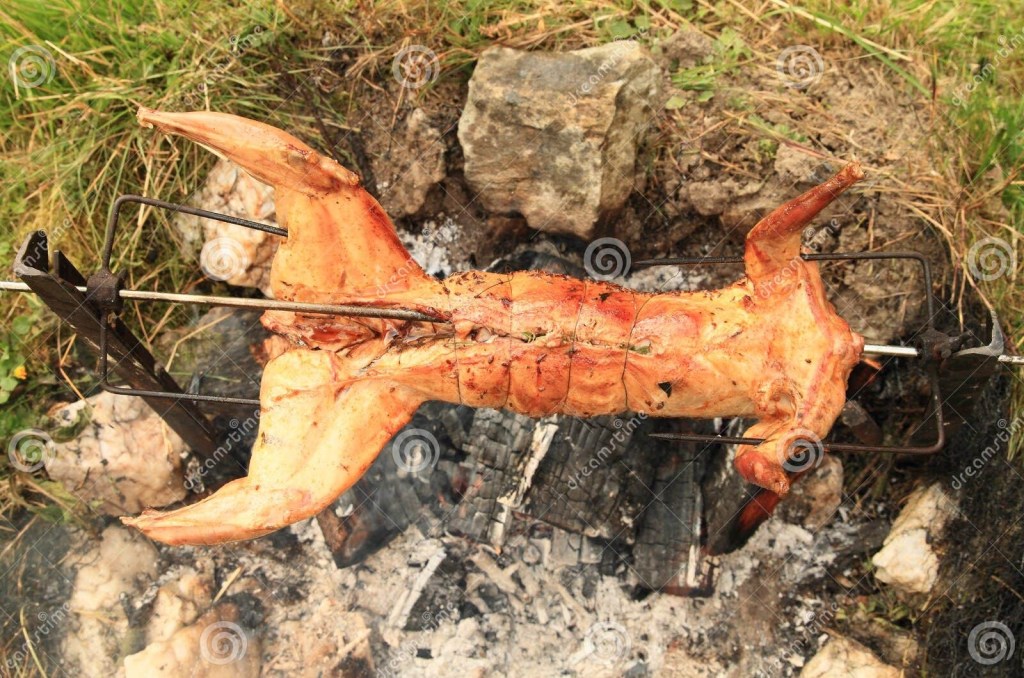
- Roasting: Skewer fish or small game over a campfire, turning frequently for even cooking. Roasting is quick and helps prevent spoilage.
- Boiling: Place cleaned fish or game in a pot of boiling water. This method is efficient, conserves nutrients, and can be combined with foraged greens or roots for a nourishing stew.
- Grilling: Use hot stones or a grill over coals for a smoky flavor and crispy texture.
Additional Tips for Field Preservation
- Keep Meat Cool: Even before preservation, keep meat shaded and cool. Hang it in a breezy spot or near cold water if possible.
- Protect from Insects and Scavengers: Use game bags, mesh, or smoke to keep flies and animals away from drying or curing meat.
- Monitor Weather: Humidity and rain can hinder drying and promote spoilage. Be prepared to adjust your methods or cook meat promptly if conditions change.
- Rotate and Inspect: Regularly check drying or smoking meat for signs of spoilage, mold, or insect infestation. Rotate pieces to ensure even drying.
When refrigeration is unavailable, traditional preservation methods like smoking, drying, and curing are essential for making the most of your harvest. For fish and small game, immediate roasting or boiling is often the safest and simplest option. Mastering these techniques ensures you have safe, nourishing food throughout your dispersed camping adventure.
Foraging for Wild Foods
Identifying Edible Plants and Fungi
Foraging for wild foods is a valuable complement to subsistence hunting, providing essential vitamins, minerals, and variety to your diet while dispersed camping. However, it requires careful knowledge and attention to safety, as many wild plants and fungi can be toxic or even deadly if misidentified.
Learning to Identify Local Edible Species
- Research Beforehand: Study field guides, attend local foraging workshops, or consult with experienced foragers to familiarize yourself with the edible species native to your camping area. Pay special attention to seasonal availability, as some plants and fungi are only present or safe to eat at certain times of the year.
- Key Edible Categories: Common wild edibles include berries (such as blueberries, raspberries, and huckleberries), nuts (acorns, walnuts, hazelnuts), leafy greens (dandelion, lamb’s quarters, wild spinach), roots and tubers (cattail, wild onion), and mushrooms (morels, chanterelles, puffballs).
- Distinctive Features: Learn to recognize the unique characteristics of edible species—leaf shape, flower color, fruit structure, bark texture, and habitat preferences. Take note of lookalike species that may be toxic.
Avoiding Unknown and Toxic Species
- The Golden Rule: If you are not 100% certain of a plant or mushroom’s identity, do not eat it. Many toxic species closely resemble edible ones, and even a small mistake can have serious health consequences.
- Common Dangers: Some notorious toxic plants include poison hemlock, water hemlock, deadly nightshade, and certain wild parsnips. Among mushrooms, species like the death cap, destroying angel, and false morel are highly poisonous and often mistaken for edible varieties.
- Testing Is Not Reliable: Folk methods such as tasting a small amount, rubbing on the skin, or observing animal consumption are not reliable indicators of safety. Some toxins have delayed effects or are not neutralized by cooking.
Sustainable and Ethical Foraging
- Harvest Responsibly: Take only what you need, and never overharvest from a single patch. Leave enough for wildlife and for the plants to regenerate.
- Leave No Trace: Minimize disturbance to the environment. Avoid uprooting entire plants when only leaves or fruit are needed, and tread lightly to protect fragile habitats.
- Legal Considerations: Some areas have restrictions on foraging, especially for certain species or in protected lands. Always check local regulations before collecting wild foods.
Practical Foraging Tips
- Bring Reference Materials: Carry a pocket field guide or use a plant identification app for quick reference in the field.
- Start Simple: Focus on a few easily recognizable and abundant species when you’re beginning. Berries and nuts are often safer for novices than mushrooms or roots.
- Preparation and Cooking: Some wild foods require special preparation to remove toxins or improve digestibility (e.g., leaching tannins from acorns, boiling certain greens). Always wash foraged foods thoroughly before eating.
Foraging for wild foods can greatly enrich your dispersed camping experience, but it demands respect for both nature and your own safety. By learning to accurately identify edible species, avoiding unknown or questionable finds, and harvesting responsibly, you can safely enjoy the bounty of the wild while minimizing risks and preserving resources for the future.
Safe Foraging Practices
Foraging is a rewarding way to supplement your diet while dispersed camping, but it comes with responsibilities to both the environment and your own health. Practicing safe and sustainable foraging ensures that wild food resources remain abundant for future generations and that your meals are free from contaminants or toxins.
Harvest Sustainably
- Take Only What You Need: Gather just enough for your immediate needs or the duration of your trip. Overharvesting can deplete local populations of plants and fungi, reducing food sources for wildlife and other foragers.
- Leave Enough for Wildlife: Many wild foods—berries, nuts, seeds, and roots—are crucial for the survival of birds, mammals, and insects. Always leave a significant portion behind to support the ecosystem.
- Promote Regeneration: When harvesting, use techniques that allow plants to regrow. For example, pick leaves or berries without uprooting the entire plant, and leave some fruit or seeds to ensure natural reproduction.
- Rotate Harvest Areas: Avoid repeatedly foraging from the same patch. Rotating your harvest locations gives plants time to recover and prevents overuse of any single area.
- Respect Protected and Sensitive Areas: Some habitats, such as wetlands or rare plant communities, are especially vulnerable to disturbance. Avoid foraging in these areas unless you are certain it is permitted and sustainable.
Wash and Prepare Wild Foods Thoroughly
- Remove Dirt and Contaminants: Wild foods may be contaminated with soil, insects, animal droppings, or pollutants. Rinse all foraged items thoroughly with clean water before eating or cooking.
- Check for Pests: Inspect leaves, berries, and mushrooms for insects, larvae, or signs of disease. Discard any items that appear infested or rotten.
- Proper Cooking: Some wild foods contain natural toxins or are difficult to digest when raw. Cooking methods such as boiling, roasting, or steaming can neutralize harmful compounds (e.g., oxalates in some greens, toxins in certain mushrooms) and make foods safer and more palatable.
- Avoid Contaminated Areas: Do not forage near roadsides, industrial sites, or areas treated with pesticides or herbicides, as plants may absorb harmful chemicals from the environment.
- Separate and Label: If you collect multiple types of wild foods, keep them separate and label them to avoid confusion, especially with mushrooms or plants that have toxic lookalikes.
Additional Safety Tips
- Test New Foods Cautiously: When trying a new wild food, eat only a small amount at first to check for allergic reactions or digestive upset.
- Educate Yourself: Learn about any poisonous lookalikes for the species you intend to harvest. When in doubt, consult a field guide or local expert.
- Forage Legally: Always check local regulations regarding foraging. Some parks and public lands prohibit or restrict the collection of wild foods.
Safe foraging practices are essential for both personal health and environmental stewardship. By harvesting sustainably, thoroughly cleaning and preparing wild foods, and respecting the needs of wildlife and the land, you can enjoy the benefits of foraging while ensuring that these resources remain available and healthy for years to come.
Cooking and Nutrition in the Wild
Simple Campfire Cooking
Cooking in the wild is both a practical necessity and a deeply satisfying ritual that connects you to the landscape and your food. With limited equipment and ingredients, simple campfire cooking techniques allow you to transform fresh game and foraged foods into nourishing, flavorful meals.
Cooking Methods
- Open Fires: The classic campfire is versatile and effective. Build a fire with dry wood, allowing it to burn down to hot coals for even, controllable heat. You can cook directly over the flames, but coals are better for roasting, grilling, and baking.
- Roasting on Sticks or Spits: Skewer small game, fish, or chunks of meat on green sticks or metal skewers. Rotate regularly for even cooking and to prevent burning.
- Foil Packets: Wrap meat, fish, and vegetables in aluminum foil and place them in the coals. This method steams and roasts food, preserving moisture and flavor.
- Dutch Oven or Pot Cooking: If you have a cast iron pot or Dutch oven, you can make stews, soups, or even bake bread by placing the pot in the coals and piling some coals on the lid.
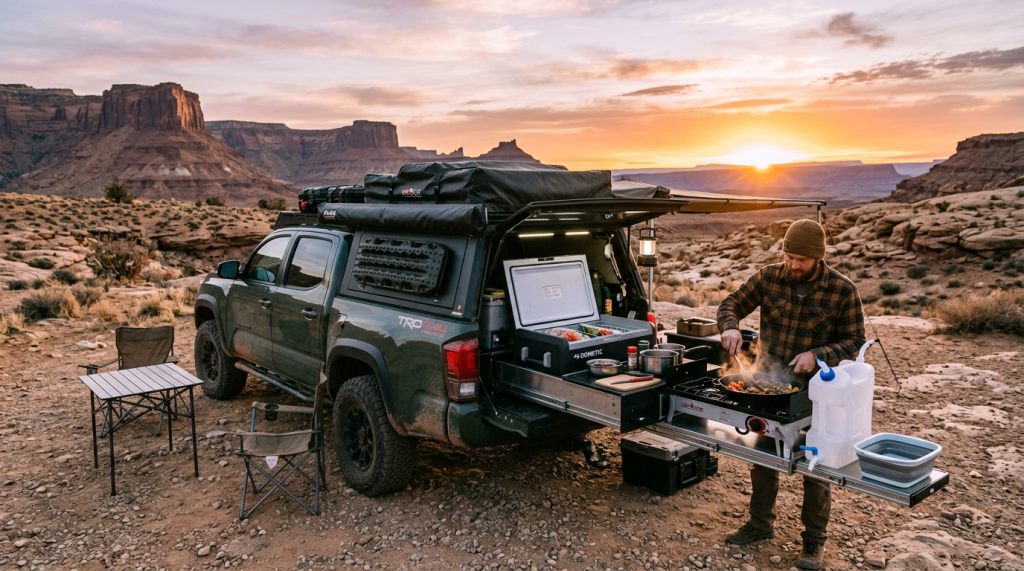
- Portable Stoves: Lightweight backpacking stoves or gas burners provide a reliable heat source, especially in wet or fire-restricted areas. They are ideal for boiling water, frying, or simmering stews and porridges.
- Hot Stones: Heat flat stones in the fire, then use them as a cooking surface. You can grill meat, fish, or flatbreads directly on the stones, or use them to bake root vegetables and tubers.
Wild Cooking Techniques
- Stews and Soups: Combine chunks of game meat, fish, and foraged greens, roots, or mushrooms in a pot with water. Simmer slowly to tenderize tougher cuts and blend flavors. Add wild herbs for seasoning.
- Grilling: Place meat or fish on a grill grate or directly on hot stones. Foraged vegetables or mushrooms can also be grilled for a smoky flavor.
- Boiling: Boil fish, small game, or edible plants to ensure safety and digestibility. This method is quick and conserves nutrients.
- Smoking: If you have time, smoke meat or fish over a low fire for several hours. This not only cooks but also preserves your food.
Enhancing Flavor with Foraged Ingredients
- Wild Herbs: Add flavor with wild herbs such as wild garlic, mint, sage, or yarrow. These can be used fresh or dried.
- Berries and Fruits: Incorporate wild berries into sauces, glazes, or desserts.
- Nuts and Seeds: Toasted nuts can be added to stews or eaten as snacks.
Practical Tips
- Fire Safety: Always build fires in established fire rings or on bare soil, away from flammable materials. Fully extinguish fires before leaving camp.
- Minimal Equipment: A sharp knife, a small pot or pan, and a sturdy spoon or stick are often all you need.
- Cleanliness: Wash hands and utensils before cooking to prevent illness. Use boiled or filtered water for cooking and cleaning.
Simple campfire cooking is about making the most of what you have—freshly harvested game, foraged plants, and basic tools. By mastering a few versatile techniques and using wild ingredients creatively, you can enjoy delicious, nourishing meals that celebrate the bounty of the land and the spirit of self-reliance.
Balancing Nutrition
Maintaining balanced nutrition is essential for health, stamina, and mental clarity while dispersed camping and living off the land. The physical demands of hunting, foraging, and processing food require a steady intake of calories, protein, fats, carbohydrates, vitamins, and minerals. Achieving this balance with wild foods takes knowledge, planning, and adaptability.
Combining Protein from Game with Carbohydrates and Vitamins from Foraged Plants
- Protein from Game: Wild game—such as deer, rabbit, squirrel, or fish—provides high-quality, lean protein that is crucial for muscle repair, immune function, and sustained energy. Organ meats (liver, heart, kidneys) are especially rich in nutrients like iron, vitamin A, and B vitamins.
- Fats: While wild game is often leaner than domestic meat, fat is still an important energy source. Prioritize fatty cuts when available, and don’t overlook sources like fish, nuts, and seeds. Rendered animal fat can be used for cooking or added to stews for extra calories.
- Carbohydrates from Foraged Foods: Foraged roots (cattail, wild onion, wild carrot), tubers, and starchy seeds provide carbohydrates, which are the body’s primary energy source during strenuous activity. Berries and wild fruits offer quick energy and natural sugars.
- Vitamins and Minerals from Greens and Fruits: Foraged leafy greens (dandelion, lamb’s quarters, wild spinach), berries, and nuts supply essential vitamins (A, C, K, folate) and minerals (potassium, magnesium, calcium). These nutrients support immune health, bone strength, and metabolic function.
- Diversity is Key: Eating a variety of wild foods helps ensure you get a broad spectrum of nutrients and reduces the risk of deficiencies.
Practical Strategies for Balanced Nutrition
- Meal Planning: Aim to include a source of protein, some form of carbohydrate, and a serving of greens or fruits in each meal. For example, a stew of rabbit meat, wild onions, and dandelion greens, or grilled fish with roasted cattail roots and a side of berries.
- Preserve and Store: Dry or smoke excess meat and fish, and dry or store nuts and berries for later use, especially when fresh foods are scarce.
- Supplement with Carried Staples: If possible, bring small amounts of staple foods like rice, oats, or flour to supplement wild foods and provide reliable carbohydrates.
Hydration and Energy Management
- Stay Hydrated: Physical exertion, exposure to sun and wind, and a diet high in protein can all increase your need for water. Drink regularly, and purify all water from wild sources to avoid illness.
- Electrolyte Balance: Foraged greens and wild fruits help replenish electrolytes lost through sweat, but in hot weather or during intense activity, consider adding a pinch of salt to your water or meals.
- Monitor Energy Levels: Listen to your body—fatigue, headaches, or irritability can signal dehydration or nutritional gaps. Adjust your intake accordingly, and rest as needed.
Special Considerations
- Avoid Over-Reliance on Any One Food: Some wild foods (e.g., certain nuts or greens) can be toxic in large quantities or if eaten exclusively. Rotate your diet and research any potential risks.
- Cooking for Digestibility: Cooking wild foods—especially roots, tubers, and some greens—improves digestibility and nutrient absorption, and reduces the risk of toxins.
Balancing nutrition in the wild is about combining the strengths of game meats and foraged plants, staying hydrated, and listening to your body’s needs. With thoughtful planning and a diverse diet, you can maintain health, energy, and resilience throughout your dispersed camping adventure.
Leave No Trace and Conservation
Practicing Leave No Trace principles and embracing conservation ethics are essential for anyone engaging in subsistence hunting and dispersed camping. These practices ensure that the natural environment remains healthy, vibrant, and available for future generations of both people and wildlife.
Minimizing Impact: Pack Out Waste and Leave the Environment as You Found It
- Pack Out All Waste: Carry out everything you bring in, including food wrappers, spent cartridges, fishing line, and any non-biodegradable materials. Even organic waste, like food scraps, should be packed out or disposed of properly, as it can attract wildlife and disrupt natural behaviors.
- Proper Disposal of Game Remains: After field dressing and butchering, dispose of inedible parts responsibly. Bury remains away from water sources and campsites, or scatter them in remote areas where allowed. In some regions, regulations require packing out remains—always check local guidelines.
- Campfire Management: Use established fire rings or fire pans to minimize scarring the ground. Burn only dead and downed wood, keep fires small, and ensure they are completely extinguished before leaving. In fire-prone areas, consider using a portable stove instead.
- Minimize Site Disturbance: Set up camp on durable surfaces like gravel, sand, or dry grass. Avoid trampling sensitive vegetation or disturbing animal habitats. Restore the site to its natural state before leaving by dismantling makeshift structures and covering any disturbed soil.
- Leave What You Find: Do not pick wildflowers, remove rocks, or disturb cultural or historical artifacts. Preserve the natural and cultural integrity of the area for others to enjoy.
Respecting Wildlife Populations and Habitats
- Harvest Sustainably: Take only what you need and adhere strictly to hunting and foraging regulations. Avoid overharvesting game or wild plants, and never target threatened or endangered species.
- Observe from a Distance: Avoid approaching or disturbing wildlife, especially during sensitive times such as breeding, nesting, or wintering periods. Use binoculars or a camera to observe animals without causing stress.
- Protect Water Sources: Do not wash dishes, bathe, or dispose of waste in streams, lakes, or springs. Use biodegradable soap at least 200 feet (60 meters) from water sources, and filter or boil water before drinking.
- Prevent the Spread of Invasive Species: Clean boots, gear, and boats before moving between different areas to avoid introducing non-native plants or organisms that can harm local ecosystems.
- Support Conservation Efforts: Purchase hunting and fishing licenses, which often fund wildlife management and habitat restoration. Consider volunteering for or donating to conservation organizations.
Ensuring Sustainability for Future Generations
- Educate Others: Share Leave No Trace principles and conservation ethics with fellow campers, hunters, and foragers. Lead by example and encourage responsible behavior in the outdoors.
- Monitor Your Impact: Regularly assess your activities and their effects on the environment. Adjust your practices to minimize harm and maximize positive contributions to the ecosystem.
- Advocate for Wild Places: Support policies and initiatives that protect public lands, wildlife corridors, and biodiversity. Participate in local stewardship projects or citizen science efforts.
Leave No Trace and conservation are not just guidelines—they are a mindset of respect, responsibility, and stewardship. By minimizing your impact, respecting wildlife and habitats, and fostering a culture of sustainability, you help ensure that the wild places you cherish remain unspoiled and abundant for generations to come.
Conclusion
Subsistence hunting and processing food while dispersed camping is far more than a means of survival—it is a holistic practice that weaves together self-reliance, environmental stewardship, and a profound respect for the natural world. By stepping away from the conveniences of modern life and relying on the land for sustenance, campers cultivate a unique set of skills and a mindset rooted in adaptability, patience, and gratitude.
Fostering Self-Reliance and Confidence
Living off the land requires a deep well of knowledge and resourcefulness. Campers must learn to track and harvest game, identify edible plants, process and preserve food, and respond to the challenges of the wilderness. Each meal becomes a testament to one’s abilities and a reminder of the rewards of self-sufficiency. This journey builds confidence, resilience, and a sense of accomplishment that extends beyond the campsite.
Deepening Respect for Nature
Subsistence hunting and foraging foster a relationship with nature based on reciprocity and humility. Ethical hunters and foragers take only what they need, use resources wisely, and strive to minimize their impact on the environment. This approach nurtures a sense of stewardship, encouraging individuals to protect and preserve the ecosystems that sustain them. The act of sourcing food directly from the wild deepens appreciation for the interconnectedness of all living things and the delicate balance of natural systems.
Honoring Tradition and Building Connection
For many, these practices are a way to honor ancestral traditions and reconnect with the rhythms of the land. They echo the wisdom of indigenous peoples and early settlers who lived in harmony with nature, guided by respect, observation, and sustainable use. Modern campers who embrace subsistence hunting and foraging become part of this lineage, carrying forward time-honored skills and values.
Ensuring Sustainability for the Future
By adhering to ethical, legal, and sustainable practices, campers help ensure that wild resources remain abundant for future generations. This means following regulations, harvesting responsibly, practicing Leave No Trace principles, and supporting conservation efforts. It is a commitment not only to personal well-being but to the health of entire ecosystems and the communities—human and wild—that depend on them.
The Profound Satisfaction of Living Off the Land
Ultimately, subsistence hunting and processing food while dispersed camping offer a deeply rewarding experience. The challenges and triumphs of sourcing, preparing, and sharing wild food create lasting memories and a sense of fulfillment that is hard to match. Campers return from the wild not only nourished in body but enriched in spirit, carrying with them a renewed sense of connection to the land and a commitment to its care.
By embracing the principles of respect, responsibility, and sustainability, those who practice subsistence hunting and foraging while dispersed camping can enjoy the profound satisfaction of living off the land—while ensuring that its bounty endures for gen


 UTAZCO Overland
Leave a Reply