
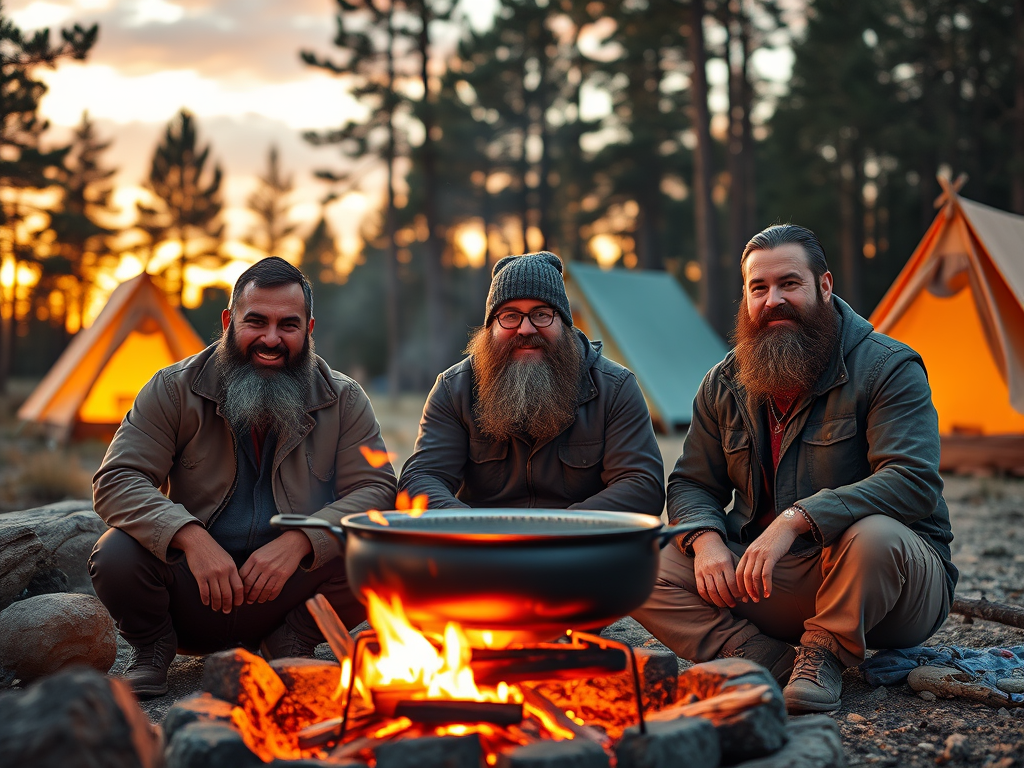
Camp cooking is more than just a means to satisfy hunger in the wild—it’s a celebration of culture, creativity, and community. As travelers and adventurers traverse the globe, they bring with them culinary traditions that transform the humble campfire into a melting pot of flavors. This essay explores how diverse cultures shape camp cooking, highlighting global recipes that have found their way onto the road.
The Universal Language of Food: Campfires as Crossroads
Food has always been more than sustenance—it is a vessel for memory, identity, and connection. Nowhere is this more evident than around a campfire, where the act of cooking and sharing a meal becomes a bridge between cultures, backgrounds, and generations.
Breaking Barriers Without Words
When travelers from different corners of the world gather at a campsite, they may not share a common spoken language, but the process of preparing and enjoying food together creates instant camaraderie. The gestures of offering a taste, demonstrating a cooking technique, or passing around a communal pot communicate hospitality and curiosity. In these moments, food becomes a shared vocabulary, expressing generosity, gratitude, and friendship.
Recipes as Stories
Every dish cooked over a campfire carries a story—of family traditions, regional ingredients, and personal journeys. When someone prepares a childhood favorite or a dish from their homeland, they invite others into their world. These stories are exchanged alongside recipes, with each traveler adapting and adopting new flavors and methods. Over time, camp cooking evolves, blending influences and creating new traditions unique to the road.
Adaptability and Ingenuity
The constraints of camp cooking—limited equipment, unpredictable weather, and scarce ingredients—demand creativity. This necessity fosters a spirit of ingenuity, where travelers borrow techniques from various cultures to make the most of what they have. For example:
- Asian rice balls (onigiri) inspire portable, hand-held meals.
- Middle Eastern flatbreads become templates for quick, fire-baked breads.
- Latin American salsas and relishes add brightness to simple grilled foods.
The adaptability of these recipes makes them ideal for travel, and their simplicity encourages experimentation and sharing.
Ingredients as Cultural Ambassadors
Even the ingredients themselves tell stories. A handful of spices from home, a local vegetable foraged along the trail, or a preserved delicacy carried across borders—each adds a layer of meaning to the meal. Sharing these ingredients introduces fellow travelers to new flavors and traditions, sparking curiosity and appreciation for different cultures.
Building Community
Perhaps most importantly, the act of sharing food at camp fosters a sense of community. Meals become moments of pause and reflection, where stories are swapped, laughter is shared, and friendships are forged. The campfire transforms into a crossroads—a place where the universal language of food unites people, no matter where they come from.
In the world of camp cooking, food is not just fuel—it is a powerful connector. Through shared meals, travelers transcend language and geography, weaving together a tapestry of traditions, flavors, and friendships. The universal language of food ensures that, wherever the road leads, no one is truly a stranger around the fire.
Asian Inspirations: Simplicity and Flavor
Japanese Onigiri: The Quintessential Travel Food
Origins and Cultural Significance
Onigiri, or rice balls, are deeply woven into the fabric of Japanese food culture. Dating back over a thousand years, onigiri were originally created as a convenient way to preserve and transport rice. Samurai carried them into battle, and today, they remain a beloved snack for schoolchildren, office workers, and especially travelers and campers. The enduring popularity of onigiri speaks to their practicality, versatility, and comforting familiarity.
Simplicity in Preparation
At its core, onigiri is a simple dish: steamed Japanese rice, lightly salted, shaped by hand into triangles or ovals, and often filled with a savory or tangy center. Common fillings include:
- Umeboshi (pickled plum): Salty and sour, it acts as a natural preservative.
- Grilled salmon: Flaky, savory, and rich in umami.
- Tuna with mayonnaise: Creamy and satisfying.
- Kombu (simmered seaweed): Earthy and subtly sweet.
The rice ball is then wrapped in a sheet of nori (seaweed), which adds a crisp texture and a briny flavor, while also making the onigiri easy to hold and eat without utensils.
Portability and Practicality
Onigiri’s design is perfectly suited for life on the road. The compact shape fits easily into a backpack or bento box, and the nori wrapper keeps hands clean. The fillings are chosen not just for flavor, but for their ability to keep well without refrigeration—an essential quality for campers and hikers.
For campers, onigiri can be made in advance and eaten cold, or gently warmed over a campfire for a toasty exterior. The rice provides sustained energy, while the fillings offer protein and flavor, making onigiri a balanced and satisfying meal.
Adaptability and Creativity
While traditional fillings are cherished, onigiri is endlessly adaptable. Campers can use whatever ingredients are available—leftover grilled meats, pickled vegetables, or even cheese. The rice can be seasoned with furikake (a Japanese seasoning blend), sesame seeds, or herbs for extra flavor.
This adaptability makes onigiri a canvas for creativity, allowing travelers to blend Japanese tradition with local ingredients found along their journey.
Sharing and Social Connection
Making onigiri is often a communal activity in Japan, with families and friends gathering to shape rice balls together. Around a campfire, this tradition can be shared with fellow travelers, turning meal preparation into a social event. The act of making and sharing onigiri fosters connection, inviting others to experience a taste of Japanese hospitality and simplicity.
Japanese onigiri exemplifies the Asian approach to camp cooking: simple ingredients, thoughtful preparation, and an emphasis on flavor and portability. Whether enjoyed on a mountain trail in Japan or around a campfire halfway across the world, onigiri offers comfort, nourishment, and a delicious reminder that the best travel foods are often the simplest.
Chinese Hot Pot: Warming Community Around the Campfire
Origins and Cultural Significance
Hot pot, known as “huǒguō” (火锅) in Chinese, is a centuries-old communal dining tradition that originated in China and has since spread throughout East Asia. Traditionally enjoyed during colder months, hot pot brings people together around a bubbling pot of broth, into which diners dip thinly sliced meats, vegetables, tofu, and noodles. The spirit of hot pot is inherently social, emphasizing sharing, conversation, and the joy of cooking together at the table—or, in this case, around the campfire.
Adaptation for Camp Cooking
Hot pot is surprisingly well-suited to camp cooking, especially for groups. All that’s needed is a portable stove or a sturdy pot over the fire, a flavorful broth, and a selection of ingredients. The process is interactive and flexible, allowing campers to tailor the meal to their tastes and available supplies.
Basic Camp Hot Pot Steps:
- Prepare a simple broth using bouillon cubes, miso paste, or pre-made soup bases. Add aromatics like ginger, garlic, and green onions for depth.
- Bring the broth to a simmer over the campfire or stove.
- Arrange thinly sliced meats (beef, pork, chicken), tofu, mushrooms, leafy greens, and noodles on plates for easy access.
- Each camper uses chopsticks or tongs to cook their chosen ingredients in the simmering broth, then dips them in sauces such as soy sauce, chili oil, or sesame paste.
Portability and Ingredient Flexibility
Hot pot is highly adaptable to what’s available. While traditional versions might include specialty items like fish balls or lotus root, a camp version can make use of:
- Pre-sliced meats or canned proteins
- Local or foraged vegetables
- Instant noodles or rice vermicelli
- Tofu or tempeh for vegetarians
The broth can be as simple or as complex as desired, and leftover ingredients can be easily packed out or used in the next meal.
Nutrition and Warmth
Hot pot is both nourishing and hydrating, providing a balanced mix of protein, vegetables, and carbohydrates. The hot broth is especially comforting after a long day outdoors or in chilly weather, helping to warm the body and lift spirits.
Social Connection
Much like its role in Chinese culture, hot pot at camp fosters a sense of togetherness. The shared act of cooking and eating from the same pot encourages conversation, laughter, and teamwork. It’s an ideal meal for groups, turning dinner into an event and strengthening bonds among travelers.
Chinese hot pot brings warmth, flavor, and community to the campsite. Its interactive nature and adaptability make it a standout choice for camp cooks seeking both nourishment and connection. With a single pot and a handful of ingredients, campers can recreate the convivial spirit of a Chinese hot pot meal, transforming any campsite into a place of shared stories and culinary adventure.
Thai Curry in a Pot: Aromatic Comfort for the Campfire
The Essence of Thai Curry
Thai curry is a celebration of balance—spicy, sweet, salty, and sour flavors melded together in a single, aromatic dish. Traditionally, Thai curries are made by pounding fresh herbs and spices into a paste, then simmering them with coconut milk, vegetables, and protein. The result is a warming, deeply flavorful meal that is both comforting and invigorating.
Adapting Thai Curry for the Road
While the complexity of traditional Thai curry might seem daunting for camp cooking, it adapts beautifully to the outdoors with a few clever substitutions:
- Dehydrated Curry Pastes: Many Asian markets and outdoor suppliers offer ready-made curry pastes (red, green, yellow, or massaman) in compact, shelf-stable packets. These pastes capture the essential flavors of lemongrass, galangal, chilies, and kaffir lime, making it easy to recreate authentic taste without hauling a mortar and pestle.
- Powdered or Canned Coconut Milk: Powdered coconut milk is lightweight and easy to pack, requiring only water to reconstitute. Canned coconut milk is another option for car campers, offering rich creaminess with minimal effort.
Building the Curry: Flexibility and Freshness
One of the beauties of Thai curry is its adaptability. At camp, you can use whatever fresh or preserved ingredients are available:
- Vegetables: Bell peppers, carrots, potatoes, green beans, mushrooms, or even foraged greens can all find a place in the pot.
- Protein: Sliced chicken, tofu, shrimp, or even canned fish work well. For vegetarians, chickpeas or lentils add heartiness.
- Herbs and Extras: If available, fresh basil, cilantro, or lime wedges add brightness. A splash of fish sauce or soy sauce deepens the umami.
Cooking Method: One Pot Wonder
Thai curry is perfectly suited to one-pot cooking, making it ideal for camp stoves or even a pot over the fire. The process is simple:
- Heat a little oil in the pot and fry the curry paste until fragrant.
- Add protein and sauté briefly.
- Pour in coconut milk (powdered or canned) and bring to a simmer.
- Add vegetables and cook until tender.
- Season to taste with fish sauce, soy sauce, or a squeeze of lime.
Serve the curry over instant rice or noodles for a complete, satisfying meal.
The Comfort of Curry on the Trail
A steaming bowl of Thai curry offers more than just sustenance—it’s a sensory experience. The aroma of simmering spices drifts through the campsite, inviting conversation and anticipation. The warmth of the curry is especially welcome after a long day of hiking or in chilly weather, providing both physical and emotional comfort.
Sharing Thai Flavors
Preparing Thai curry at camp is also an opportunity for cultural exchange. Sharing a pot of curry with fellow travelers introduces them to the vibrant flavors of Thailand and demonstrates how global cuisine can be accessible, even in the wild. It’s a dish that encourages gathering, sharing, and savoring the moment.
Thai curry in a pot exemplifies the adaptability and richness of Asian camp cooking. With a few simple ingredients and a single pot, campers can enjoy a meal that is both exotic and deeply comforting, bringing the spirit of Thai hospitality and flavor to any corner of the world.
European Traditions: Hearty and Communal
French Ratatouille: A Provençal Classic for the Campfire
Origins and Cultural Significance
Ratatouille hails from Provence, a sun-drenched region in southern France known for its vibrant markets and agricultural abundance. Traditionally, ratatouille was a humble dish, born from the need to use up a surplus of summer vegetables. Over time, it has become a symbol of rustic French cooking—unpretentious, nourishing, and deeply tied to the rhythms of the land.
Simplicity and Accessibility
At its heart, ratatouille is a celebration of simplicity. The classic ingredients—eggplant, zucchini, bell peppers, tomatoes, onions, and garlic—are all readily available in European markets and often in the wild or at roadside stands during the growing season. For campers, this means ratatouille can be made with whatever fresh produce is on hand, making it an adaptable and accessible meal for the road.
Preparation: One Pot, Many Flavors
Ratatouille is ideally suited to campfire cooking. All it requires is a single pot or Dutch oven and a bit of patience. The vegetables are chopped and sautéed in olive oil, then simmered together until they meld into a rich, flavorful stew. The process is forgiving—there’s no need for precise measurements or fancy techniques. The key is to let the vegetables cook slowly, allowing their natural sweetness and flavors to develop.
Basic Campfire Ratatouille Steps:
- Heat olive oil in a pot over the fire.
- Add chopped onions and garlic, sauté until fragrant.
- Add diced eggplant, zucchini, and bell peppers; cook until softened.
- Stir in chopped tomatoes, salt, pepper, and herbs (such as thyme, rosemary, or herbes de Provence).
- Simmer gently, stirring occasionally, until everything is tender and the flavors have blended.
Depth of Flavor and Nutrition
Despite its simplicity, ratatouille offers remarkable depth of flavor. The slow cooking process allows the vegetables to caramelize and release their juices, creating a stew that is both hearty and nuanced. The addition of fresh or dried herbs infuses the dish with the essence of Provence—aromatic, earthy, and comforting.
Nutritionally, ratatouille is a powerhouse. It’s packed with vitamins, fiber, and antioxidants, making it an ideal meal for active campers seeking sustenance and energy.
Communal Spirit
Ratatouille is more than just a meal—it’s an experience meant to be shared. In Provence, it’s common to gather friends and family around a communal pot, ladling out generous servings alongside crusty bread or a wedge of cheese. This spirit of sharing translates beautifully to the campsite, where the act of cooking and eating together fosters camaraderie and connection.
Campers can take turns chopping vegetables, tending the fire, and stirring the pot, turning meal preparation into a collaborative ritual. The finished stew, steaming and fragrant, is passed around and enjoyed as a group, reinforcing the communal nature of European camp cooking.
Adaptability and Variations
While the classic version is vegetarian, ratatouille is endlessly adaptable. Campers can add beans for extra protein, toss in wild greens or mushrooms foraged along the trail, or even stir in leftover sausage or bacon for a heartier meal. The dish welcomes improvisation, making it a favorite among travelers who value flexibility and creativity.
French ratatouille embodies the best of European camp cooking: hearty, communal, and rooted in the land. Its rustic charm, nourishing qualities, and adaptability make it a timeless favorite for travelers seeking both comfort and connection around the campfire. With just a pot and a handful of fresh vegetables, campers can savor the flavors of Provence—no matter where their journey takes them.
Italian Campfire Bread (Pane alla Brace): Rustic Baking in the Wild
Origins and Cultural Significance
Pane alla brace, literally “bread on the embers,” is a time-honored Italian tradition that dates back to rural life, when shepherds, farmers, and travelers needed simple, hearty food that could be prepared with minimal equipment. In the Italian countryside, bread is not just a staple—it’s a symbol of hospitality, resourcefulness, and the pleasures of sharing a meal. Baking bread over an open fire connects campers to centuries of rustic Italian cooking, where the land and the flames shape both flavor and experience.
The Simplicity of the Recipe
Pane alla brace is the epitome of simplicity. The dough requires only a handful of ingredients—flour, water, salt, and a bit of yeast or sourdough starter. Some recipes add a splash of olive oil for richness, but the essence of the bread is its unadorned, elemental character.
Basic Campfire Bread Dough:
- 2 cups flour (all-purpose or bread flour)
- 1 teaspoon salt
- 1 teaspoon instant yeast (or a spoonful of sourdough starter)
- 3/4 cup water (adjust as needed)
- 1 tablespoon olive oil (optional)
Mix the ingredients into a soft, pliable dough, knead briefly, and let it rest while the fire burns down to glowing coals.
The Ritual of Baking Over Coals
The process of baking pane alla brace is as much about the ritual as the result. Once the dough has rested, it’s divided into portions and rolled into ropes or flattened into disks. Campers then wrap the dough around clean sticks or skewer it on branches, holding it over the hot coals. The bread slowly puffs and browns, developing a smoky aroma and a crisp, golden crust.
This hands-on method is both practical and communal—everyone can shape and bake their own bread, adjusting the thickness and doneness to their liking. The fire imparts a unique flavor that can’t be replicated in a conventional oven, making each loaf a one-of-a-kind creation.
Pairings and Versatility
Freshly baked pane alla brace is a perfect companion to classic Italian camp fare. Tear off a piece and pair it with:
- Slices of aged cheese (pecorino, parmigiano, or asiago)
- Thinly sliced cured meats (prosciutto, salami, or coppa)
- Olives, roasted peppers, or sun-dried tomatoes
- A drizzle of olive oil or a smear of soft cheese
The bread can also be used to scoop up hearty stews, wrap around grilled sausages, or serve as the base for bruschetta with fresh tomatoes and basil.
Social and Sensory Experience
Baking bread over the fire is a sensory delight—the feel of the dough, the crackle of the coals, the aroma of baking bread mingling with wood smoke. It’s also a social event, inviting conversation and laughter as campers gather around the fire, turning their sticks and sharing stories.
This communal aspect echoes the Italian philosophy of “convivialità”—the joy of eating together and savoring simple pleasures.
Adaptability for the Road
Pane alla brace is highly adaptable for camp cooks. The dough can be mixed ahead of time and transported in a sealed container, or made fresh at camp. It requires no special equipment—just a stick and a fire. For those with dietary restrictions, the recipe can be modified with whole grain flours or gluten-free blends.
Italian campfire bread, or pane alla brace, is more than just food—it’s an experience that brings people together, celebrates simplicity, and honors the timeless connection between bread, fire, and community. Whether enjoyed on a Tuscan hillside or a remote forest campsite, this rustic bread transforms any meal into a celebration of Italian tradition and the enduring pleasures of camp cooking.
Latin American Flavors: Spice and Celebration
Mexican Tacos al Pastor: Bringing Street Food to the Campfire
[1] Nod to Glenn (“FiremanGlenn”)
Origins and Cultural Significance
Tacos al pastor are one of Mexico’s most iconic street foods, with a history that reflects the country’s rich tapestry of cultural influences. The dish originated in central Mexico, inspired by Lebanese immigrants who brought the technique of spit-roasting meat (shawarma) in the early 20th century. Mexican cooks adapted the method, marinating pork in a blend of chilies, spices, and pineapple, then roasting it on a vertical spit called a “trompo.” The result is a dish that is smoky, spicy, sweet, and deeply satisfying—a true celebration of fusion and flavor.
Adapting Tacos al Pastor for the Campfire
While the traditional trompo is impractical for camping, the essence of tacos al pastor can be captured with a few clever adaptations:
- Marinade: The heart of al pastor is its marinade, typically made from dried chilies (such as guajillo and ancho), garlic, vinegar, achiote paste, spices (cumin, oregano, cloves), and pineapple juice. For camp cooking, you can prepare the marinade at home and store it in a jar or zip-top bag, or use a simplified version with chili powder, paprika, garlic powder, and canned pineapple juice.
- Protein: Pork is traditional, but chicken or even tofu can be used for a lighter or vegetarian option. Thinly slice the meat for quick, even cooking over the fire.
- Cooking Method: Instead of a spit, marinated meat can be threaded onto skewers or cooked in a cast-iron skillet or grill grate over open flames. The goal is to achieve a bit of char and caramelization, echoing the flavors of the original.
Assembly and Accompaniments
Once the meat is cooked, the magic of tacos al pastor comes alive in the assembly:
- Tortillas: Warm corn tortillas over the fire or on a hot rock. Their earthy flavor and pliability are essential for authentic tacos.
- Toppings: Classic toppings include diced onions, chopped cilantro, fresh pineapple chunks, and a squeeze of lime. Salsa roja or salsa verde adds heat and brightness.
- Serving: Lay out the ingredients buffet-style, allowing campers to build their own tacos. This interactive approach turns the meal into a festive, communal event.
Spice, Celebration, and Community
Tacos al pastor are more than just a meal—they’re a celebration. The bold flavors, vibrant colors, and interactive assembly embody the spirit of Mexican street food, where eating is a social experience. Around the campfire, preparing and sharing tacos encourages conversation, laughter, and a sense of togetherness.
The dish also invites creativity: campers can experiment with different proteins, salsas, and toppings, adapting the meal to local ingredients or personal preferences. The process of grilling, assembling, and eating with your hands connects everyone to the primal joys of outdoor cooking.
Adaptability and Practicality
Tacos al pastor are well-suited for camping because:
- The marinade can be made ahead and the meat pre-sliced for easy transport.
- Cooking is quick and requires minimal equipment.
- Ingredients are flexible and can be tailored to what’s available.
- Leftovers can be repurposed for breakfast tacos or added to rice and beans.
Mexican tacos al pastor bring the spice, color, and celebratory spirit of Latin American cuisine to the wilderness. By adapting this beloved street food for the campfire, travelers can savor the flavors of Mexico wherever their journey takes them—proving that even in the wild, food can be festive, flavorful, and deeply communal.
Argentine Asado: The Heart and Soul of Campfire Cooking
Origins and Cultural Significance
Asado is far more than just a method of cooking meat in Argentina—it is a cherished ritual, a symbol of national identity, and a cornerstone of social life. Rooted in the traditions of the gauchos (Argentine cowboys) who roamed the Pampas, asado has evolved into a communal event that brings friends and family together. Whether in a backyard, a city park, or a remote campsite, the asado is a celebration of togetherness, hospitality, and the Argentine love for good food and conversation.
The Ritual of Asado
The asado begins long before the first bite is taken. The ritual starts with building a fire, traditionally using hardwoods like quebracho or mesquite, which burn slowly and impart a distinctive smoky flavor to the meat. Patience is key: the fire is allowed to burn down to glowing embers, which provide steady, even heat for grilling.
The asador (grill master) is a respected figure, responsible for tending the fire, arranging the meats, and ensuring everything cooks to perfection. The process is unhurried, often lasting several hours, with plenty of time for conversation, laughter, and sharing stories around the fire.
The Meats and Their Preparation
A true Argentine asado features a variety of meats, each with its own place on the grill:
- Beef ribs (costillas): The star of the show, cooked slowly over low heat until tender and smoky.
- Chorizo sausages: Juicy and flavorful, often served as choripán (sausage sandwiches) as an appetizer.
- Short ribs, flank steak, and morcilla (blood sausage): Each cut brings its own texture and flavor.
- Chicken, pork, or lamb: Sometimes included for variety.
The seasoning is simple—usually just coarse salt—allowing the natural flavors of the meat and the smoke to shine. Marinades are rare, but a drizzle of olive oil or a squeeze of lemon may be added before serving.
Chimichurri: The Essential Accompaniment
No asado is complete without chimichurri, a vibrant sauce made from parsley, garlic, oregano, vinegar, olive oil, and chili flakes. Chimichurri adds a burst of freshness and acidity, perfectly complementing the richness of the grilled meats. It is spooned generously over everything, from steak to bread.
The Social Experience
What truly sets asado apart is its social dimension. The grill becomes the center of activity, with guests gathering around to chat, sip wine or mate, and sample morsels as they come off the fire. The meal is served in stages, with different cuts of meat presented as they are ready, encouraging a leisurely, convivial pace.
The asado fosters a sense of equality and camaraderie—everyone is welcome, and everyone shares from the same grill. It is a time to reconnect, celebrate milestones, or simply enjoy the pleasure of good company in the great outdoors.
Adaptability for Camp Cooking
Asado is perfectly suited for camping:
- Simple equipment: All that’s needed is a grill grate or even just a few stones to support skewers over the fire.
- Flexible ingredients: While beef is traditional, campers can use whatever meats are available, or even grill vegetables and bread.
- Minimal prep: The focus is on quality ingredients and the flavor of wood smoke, not elaborate marinades or sauces.
Argentine asado is the ultimate expression of campfire cooking as a communal, celebratory act. It transforms a simple meal into an event, where the process is as important as the food itself. By embracing the asado tradition, campers can experience the warmth, generosity, and deep-rooted food culture of Argentina—one sizzling, smoky bite at a time.
Middle Eastern Magic: Aromatics and Sharing
Turkish Shish Kebab: Skewers of Flavor and Fellowship
Origins and Cultural Significance
Shish kebab, from the Turkish words “şiş” (skewer) and “kebap” (roasted meat), is a dish with ancient roots stretching across the Middle East and Central Asia. In Turkey, shish kebab is more than just food—it’s a symbol of hospitality, celebration, and the joy of communal eating. Traditionally enjoyed at family gatherings, festivals, and picnics, shish kebabs embody the Middle Eastern spirit of sharing and abundance.
The Art of Marination
The secret to unforgettable shish kebabs lies in the marinade. Turkish marinades are aromatic and balanced, often featuring:
- Olive oil for richness
- Yogurt for tenderness
- Lemon juice or vinegar for brightness
- Garlic and onion for depth
- A blend of spices such as cumin, paprika, sumac, black pepper, and sometimes a hint of cinnamon or allspice
The meat—commonly lamb, beef, or chicken—is cut into bite-sized cubes and left to soak in the marinade for several hours or overnight. This not only infuses the meat with flavor but also ensures it remains juicy and tender when grilled.
Campfire Adaptation: Simplicity and Versatility
Shish kebabs are perfectly suited for camp cooking. All that’s needed are skewers (metal or sturdy sticks), a hot fire, and a grill grate or a few rocks to support the skewers over the coals. The marinated meat is threaded onto the skewers, often alternating with chunks of vegetables such as bell peppers, onions, tomatoes, or zucchini.
Cooking over an open flame imparts a smoky char that enhances the spices and aromatics. The kebabs cook quickly, making them ideal for hungry campers eager for a satisfying meal after a day of adventure.
Sharing and Social Connection
In Turkish culture, meals are meant to be shared, and shish kebabs are no exception. The act of grilling together, turning skewers, and passing around platters of sizzling meat and vegetables fosters a sense of camaraderie. Campers can each assemble their own skewers, choosing their favorite combinations of meat and vegetables, turning dinner into an interactive, communal experience.
Accompaniments and Serving
Shish kebabs are traditionally served with:
- Flatbreads such as lavash or pita, perfect for wrapping around the meat
- Fresh salads of tomatoes, cucumbers, and herbs
- Yogurt-based sauces like cacık (similar to tzatziki)
- Pickled vegetables or olives
These sides add freshness and contrast, rounding out the meal and inviting everyone to build their own perfect bite.
Adaptability and Practicality
Shish kebabs are highly adaptable for the road:
- The marinade can be prepared ahead of time and the meat transported in a sealed bag or container.
- Vegetarians can substitute halloumi cheese, mushrooms, or firm tofu for the meat.
- Leftover kebabs can be chopped up and added to salads, wraps, or rice dishes the next day.
Turkish shish kebabs bring the magic of Middle Eastern flavors and the warmth of Turkish hospitality to the campsite. Their aromatic marinades, smoky char, and emphasis on sharing make them a standout choice for camp cooks seeking both flavor and fellowship. Around the fire, shish kebabs transform a simple meal into a celebration—one skewer at a time.
Moroccan Tagine (Campfire Version): North African Aromatics in the Wild
Origins and Cultural Significance
The tagine is a cornerstone of Moroccan cuisine, named after the distinctive conical clay pot in which it’s traditionally cooked. This vessel allows steam to circulate, slowly braising meats and vegetables in their own juices and a tapestry of spices. Tagines are more than just meals—they are a symbol of Moroccan hospitality, often prepared for gatherings, celebrations, and communal feasts. The slow-cooked, aromatic stews reflect the region’s rich history of spice trade and culinary fusion.
Adapting Tagine for Camp Cooking
While the classic clay tagine is impractical for most campers, its essence can be captured using a Dutch oven or heavy pot over campfire coals. The key is gentle, even heat and a willingness to let time and spices work their magic.
Campfire Tagine Essentials:
- Protein: Chicken, lamb, or chickpeas for a vegetarian version
- Vegetables: Carrots, potatoes, zucchini, bell peppers, tomatoes, and sometimes dried fruits like apricots or raisins
- Aromatics: Onion, garlic, and ginger form the flavor base
- Spices: A blend of cumin, coriander, cinnamon, paprika, turmeric, black pepper, and saffron (if available) creates the signature North African profile
- Liquid: Water, broth, or a splash of tomato sauce to help braise the ingredients
- Finishing touches: Fresh cilantro, parsley, and a squeeze of lemon for brightness
The Cooking Process: Slow and Satisfying
- Sauté Aromatics: Begin by heating oil in the Dutch oven over the coals. Sauté onions, garlic, and ginger until fragrant.
- Brown the Protein: Add chicken, lamb, or chickpeas, browning lightly to develop flavor.
- Layer Vegetables and Spices: Add chopped vegetables, sprinkle generously with spices, and toss to coat.
- Add Liquid and Simmer: Pour in enough water or broth to just cover the ingredients. Cover the pot with a tight-fitting lid.
- Slow Cook: Nestle the Dutch oven among the coals, maintaining a gentle simmer. Let the tagine cook slowly for 1–2 hours, checking occasionally and adding liquid if needed.
The result is a stew where every ingredient is infused with spice, and the sauce is thick, rich, and fragrant.
Fragrance and Flavor: The Magic of Moroccan Spices
What sets tagine apart is its complex layering of spices. The combination of sweet (cinnamon, dried fruit), earthy (cumin, coriander), and warm (ginger, turmeric) notes creates a dish that is both comforting and exotic. The slow cooking melds these flavors, while the addition of preserved lemon or olives (if available) adds a tangy, briny counterpoint.
Sharing and Tradition
Tagine is traditionally served family-style, with everyone gathering around the pot to scoop up the stew with pieces of crusty bread or over a bed of fluffy couscous. This communal approach fits perfectly with the spirit of camp cooking, turning a meal into a shared experience.
Adaptability and Practicality
- Flexible Ingredients: Tagine is forgiving—use whatever vegetables or protein are available.
- Make-Ahead: Spice blends can be mixed at home and stored in a small jar or bag.
- Minimal Equipment: A Dutch oven or heavy pot is all that’s needed, making it ideal for campfire cooking.
A Moroccan tagine, even in its campfire version, is a feast for the senses. Its heady aroma, vibrant colors, and deep flavors transport diners to the bustling markets and sun-baked landscapes of North Africa. By slow-cooking a medley of spiced ingredients over the coals, campers can savor the warmth and hospitality of Moroccan cuisine—no matter how far they are from home.
African Ingenuity: Resourcefulness and Flavor
South African Potjiekos: The Art of Layered Campfire Stews
Origins and Cultural Significance
Potjiekos (pronounced “poi-key-kos”), meaning “small pot food” in Afrikaans, is a beloved South African tradition that dates back to the days of the early Dutch settlers and Voortrekkers. These pioneers traveled across the rugged landscapes of southern Africa, carrying with them cast-iron pots (potjies) that could withstand the rigors of open-fire cooking. Over time, potjiekos evolved into a symbol of South African ingenuity, adaptability, and the communal joy of sharing a meal outdoors.
The Potjie Pot: A Tool for the Wild
The potjie is a round-bellied, three-legged cast-iron pot designed to sit directly over coals or hang above a fire. Its shape allows for even heat distribution and slow, gentle simmering—ideal for transforming humble ingredients into a rich, flavorful stew. The potjie’s durability and versatility make it a staple for campers, overlanders, and anyone cooking in the wild.
The Method: Layering and Patience
Unlike most stews, potjiekos is built in layers and rarely stirred during cooking. This technique preserves the integrity of each ingredient and allows flavors to meld gradually.
Basic Steps for Camp Potjiekos:
- Brown the Meat: Start by searing chunks of beef, lamb, chicken, or game in a bit of oil at the bottom of the potjie. This step adds depth and savoriness.
- Add Aromatics: Layer in onions, garlic, and sometimes ginger or chili for a flavor base.
- Vegetable Layers: Next, add hearty vegetables such as potatoes, carrots, pumpkin, green beans, and cabbage. Each layer is seasoned with salt, pepper, and a blend of spices—often including bay leaves, coriander, and curry powder.
- Liquid: Pour in a small amount of broth, wine, or beer. The goal is to create steam, not submerge the ingredients.
- Simmer Slowly: Cover the pot and let it cook gently over low coals for several hours. The slow heat allows the flavors to develop and the meat to become meltingly tender.
Resourcefulness and Adaptability
Potjiekos is a dish born of necessity and resourcefulness. Campers use whatever ingredients are available—leftover meats, wild greens, root vegetables, or even dried beans. The potjie’s forgiving nature means that substitutions are welcome, and each cook can put their own stamp on the recipe.
This adaptability is especially valuable for travelers, who may need to rely on local markets, foraged foods, or pantry staples. The communal aspect of potjiekos also encourages everyone to contribute what they have, turning the meal into a collaborative effort.
The Communal Spirit
Potjiekos is as much about the experience as the food itself. The slow pace of cooking invites conversation, storytelling, and relaxation around the fire. Friends and family gather to tend the pot, check the coals, and anticipate the feast to come. When the lid is finally lifted, the aroma is irresistible, and the stew is ladled out to all, often accompanied by rice, bread, or pap (a maize porridge).
This spirit of sharing and togetherness is at the heart of African camp cooking, where meals are meant to nourish both body and soul.
Flavor and Tradition
The flavors of potjiekos are deep and layered, with each ingredient contributing its essence to the whole. The combination of spices, slow cooking, and wood smoke creates a stew that is both comforting and complex. Whether enjoyed in the bushveld, on a windswept beach, or at a family gathering, potjiekos connects diners to the land and to each other.
South African potjiekos exemplifies the ingenuity, adaptability, and communal joy of African camp cooking. With its simple method, flexible ingredients, and rich flavors, it transforms the act of making a meal into a celebration of resourcefulness and togetherness—qualities that are essential for any adventure on the road.
Conclusion: Recipes as Roadmaps
Camp cooking, at its heart, is far more than a means of sustenance—it is a living, breathing journey through culture, history, and human connection. Each recipe prepared over a campfire is a story in itself, a thread woven from the traditions, landscapes, and memories of distant lands. These meals are not just about filling bellies; they are about feeding curiosity, building community, and creating lasting memories on the road.
Recipes as Stories and Memories
Every dish cooked outdoors carries echoes of its origin. Japanese onigiri, for example, is more than a portable rice ball—it is a taste of Japanese simplicity, ingenuity, and comfort, passed down through generations of travelers and families. French ratatouille is not just a vegetable stew, but a celebration of Provence’s sun-drenched fields and the European tradition of gathering around a communal pot. Argentine asado is a ritual of fire and friendship, a living testament to the gaucho spirit and the Argentine love of sharing food and stories.
When campers prepare these dishes, they are not just following instructions—they are participating in a global dialogue, honoring the people and places that gave birth to these flavors. Each meal becomes a living link to another culture, another way of life.
The Campfire as a Stage for Cultural Exchange
The campfire, with its flickering light and primal warmth, is a universal gathering place. Around its glow, travelers from different backgrounds come together, sharing not only food but also laughter, stories, and traditions. The act of cooking and eating together breaks down barriers, fosters understanding, and turns strangers into friends.
By embracing global recipes, campers transform their outdoor kitchens into stages for cultural exchange. A pot of Thai curry, a loaf of Italian campfire bread, or a Moroccan tagine simmering over coals invites conversation about ingredients, techniques, and the memories tied to each dish. These shared meals become the highlights of the journey, remembered long after the tents are packed away.
Nourishment for Body and Spirit
Global camp cooking nourishes more than just the body. It brings comfort after a long day’s hike, warmth on a chilly night, and a sense of celebration to even the simplest campsite. The flavors and aromas evoke distant places, sparking wanderlust and gratitude for the diversity of the world.
At the same time, these meals teach resourcefulness and adaptability. Campers learn to improvise, to use what is available, and to appreciate the beauty of simple, honest food. In doing so, they connect not only with other cultures but also with the timeless rhythms of nature and the shared human experience of gathering around a fire.
The Journey Continues
In the end, every camp meal is a waypoint on a larger journey—a journey through landscapes, cultures, and histories. Recipes become roadmaps, guiding travelers not just across miles, but across traditions and generations. By cooking and sharing global dishes, campers enrich their adventures, deepen their connections, and carry a piece of the world with them, one delicious meal at a time.
The campfire, then, is not just a place to cook—it is a place to explore, to connect, and to celebrate the endless adventure of being human.




 UTAZCO Overland
Leave a Reply