
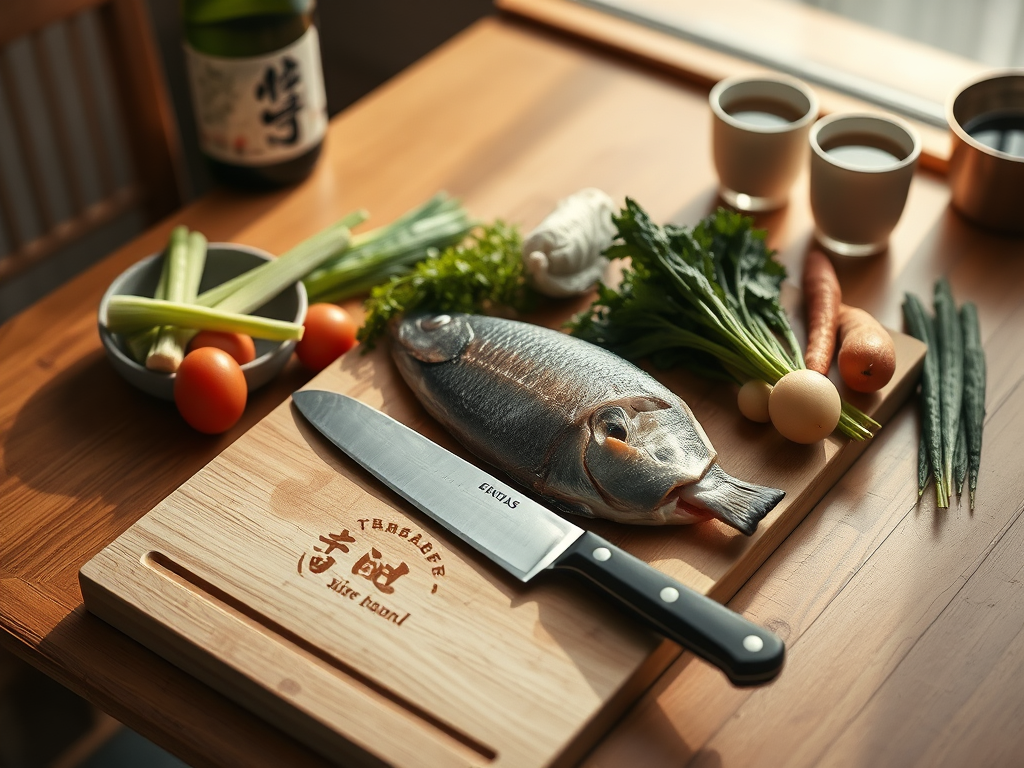
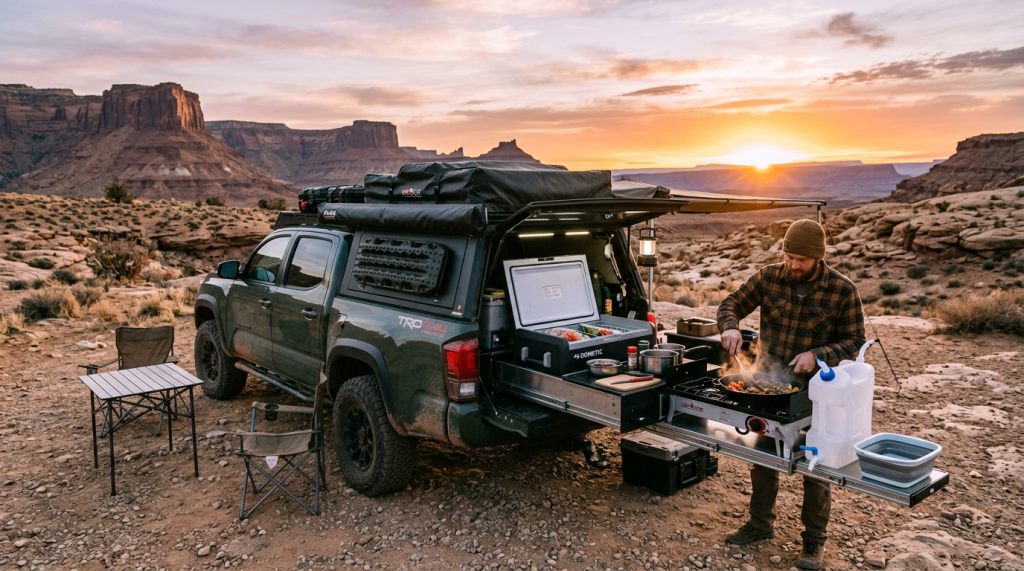
Cooking in the wild, whether during dispersed camping or overlanding, is both a challenge and a joy. The right gear can make the difference between a memorable meal and a frustrating experience. This essay explores the key considerations and essential equipment for preparing delicious, safe, and efficient meals in remote locations.
Understanding the Unique Demands of Dispersed Camping and Overlanding
What Makes Dispersed Camping and Overlanding Different?
Dispersed camping and overlanding are both forms of outdoor adventure that prioritize self-sufficiency, solitude, and immersion in nature. However, they differ significantly from traditional camping in established campgrounds, and these differences have a profound impact on planning, gear selection, and mindset.
1. Absence of Infrastructure
- No Amenities: Unlike campgrounds, dispersed sites rarely offer amenities such as picnic tables, fire rings, restrooms, or potable water. This means campers must bring their own seating, cooking surfaces, and sanitation solutions.
- Leave No Trace: With no trash collection or facilities, all waste—including human waste—must be packed out or managed responsibly. This requires specialized gear like portable toilets, wag bags, or trowels for digging catholes.
2. Self-Sufficiency and Resource Management
- Water: There are no water spigots. Campers and overlanders must carry all the water they need for drinking, cooking, and cleaning, or have reliable filtration/purification systems for natural sources.
- Food: Resupply opportunities are limited or nonexistent. Overlanders, in particular, may be away from towns for days or weeks, necessitating careful meal planning and food storage solutions that can withstand rough travel and variable temperatures.
- Power: Without electrical hookups, all power needs (lighting, charging devices, running fridges, etc.) must be met with batteries, solar panels, or generators.
3. Mobility and Accessibility
- Remote Locations: Dispersed camping and overlanding often take place in remote, hard-to-reach areas. Access may require high-clearance or four-wheel-drive vehicles, and navigation skills are essential.
- Route Planning: Overlanders must plan routes that account for fuel availability, road conditions, and legal camping areas. Unexpected obstacles (downed trees, washed-out roads) are common.
4. Safety and Preparedness
- Medical Emergencies: With no rangers or nearby help, campers must be prepared to handle medical issues independently. This means carrying comprehensive first aid kits and knowing how to use them.
- Weather and Wildlife: Exposure to the elements is greater, and wildlife encounters are more likely. Proper shelter, clothing, and food storage are critical.
5. Environmental Impact
- Minimal Impact: The lack of established sites means a greater responsibility to minimize environmental impact. Campers must follow Leave No Trace principles rigorously, choosing durable surfaces for tents, avoiding sensitive habitats, and ensuring fires (if allowed) are safe and fully extinguished.
How These Demands Shape Gear Decisions
Every piece of gear must be chosen with these unique challenges in mind:
- Durability and Reliability: Gear must withstand rough use and variable conditions, as replacements are not readily available.
- Multi-functionality: Items that serve multiple purposes (e.g., a shovel for digging catholes and recovering stuck vehicles) are highly valued.
- Compactness and Weight: Especially for dispersed campers who may hike in, gear must be lightweight and packable.
- Redundancy: Critical systems (water, navigation, communication) often require backups in case of failure.
Dispersed camping and overlanding demand a higher level of preparation, self-reliance, and environmental stewardship than traditional camping. The absence of infrastructure, the need for self-sufficiency, and the challenges of remote travel shape every aspect of the experience—from route planning to gear selection and daily routines.
Prioritizing Portability and Durability
When venturing into remote areas—whether by vehicle or on foot—every item you bring must justify its place in your kit. The unique demands of dispersed camping and overlanding make portability and durability essential considerations for every piece of gear.
1. Space and Weight Constraints
- Limited Storage: Overlanders often travel in vehicles with finite cargo space. Every cubic inch counts, especially when factoring in essentials like water, food, recovery gear, and sleeping systems. Campers hiking to remote sites face even stricter limits, as everything must be carried on their backs.
- Efficiency in Packing: Gear that nests, folds, or compresses (such as collapsible cookware, nesting pots, or inflatable sleeping pads) maximizes available space and makes organization easier.
- Weight Reduction: Lighter gear reduces vehicle strain and improves fuel efficiency for overlanders. For hikers, it directly impacts endurance, comfort, and safety on the trail.
2. Durability in Demanding Conditions
- Rough Handling: Gear is frequently loaded, unloaded, and exposed to bumps, scrapes, and vibrations—especially in off-road environments. Fragile items are likely to break or fail.
- Weather Resistance: Equipment must withstand rain, wind, dust, and temperature extremes. Waterproof, dustproof, and UV-resistant materials are highly valued.
- Long-Term Reliability: In remote settings, there’s no easy way to replace broken gear. Items must function reliably over extended periods without maintenance.
3. Material Choices and Construction
- High-Quality Materials: Look for ripstop fabrics, reinforced seams, and corrosion-resistant metals. For example, titanium cookware is both lightweight and nearly indestructible, while hard-anodized aluminum offers a balance of weight and durability.
- Rugged Design: Zippers, buckles, and hinges should be robust. Electronics should be shockproof and weather-sealed. Multi-tools and knives should be made from high-grade steel.
4. Multi-Functionality and Modularity
- Versatile Gear: Items that serve multiple purposes (e.g., a tarp that functions as shelter, groundsheet, or rain catchment) reduce the number of items needed, saving space and weight.
- Modular Systems: Gear that can be expanded or reconfigured (such as modular storage boxes or stackable containers) adapts to changing needs and makes packing more efficient.
5. Examples of Portable and Durable Gear
- Backpacking Stoves: Compact, fuel-efficient, and made from stainless steel or titanium.
- Water Filtration Systems: Lightweight, robust, and capable of treating water from various sources.
- Shelters: Freestanding tents with aluminum poles and ripstop rainflies, or ultralight tarps.
- Lighting: Rechargeable, waterproof headlamps and lanterns with impact-resistant housings.
- Storage: Heavy-duty dry bags or hard cases to protect gear from moisture and impacts.
Prioritizing portability and durability is not just about convenience—it’s about safety, efficiency, and the ability to adapt to unpredictable conditions. Every item must be compact enough to fit within strict space and weight limits, yet tough enough to survive the rigors of remote travel. By carefully selecting gear that balances these qualities, dispersed campers and overlanders can travel lighter, farther, and with greater confidence.
Essential Cooking Gear Categories
Stoves and Heat Sources
Cooking in remote locations requires careful consideration of how you’ll generate heat for preparing meals. The right choice depends on your travel style, destination, and personal preferences. Here’s a breakdown of the main options:
1. Portable Stoves
Portable stoves are the backbone of most dispersed camping and overlanding kitchens. They offer controlled, reliable heat and are designed for easy transport and setup. The main types include:
- Canister Stoves
- How They Work: Use pre-pressurized canisters filled with isobutane, propane, or blends.
- Pros: Lightweight, compact, easy to use, quick to set up and ignite. Excellent for solo campers or small groups.
- Cons: Fuel canisters can be hard to find in remote areas or internationally. Performance drops in very cold temperatures or at high altitudes.
- Best For: Backpackers, minimalist overlanders, short trips.
- Liquid Fuel Stoves
- How They Work: Burn white gas, unleaded gasoline, kerosene, or diesel from refillable bottles.
- Pros: Fuel is widely available worldwide. Perform well in cold and high-altitude conditions. Economical for extended trips.
- Cons: Heavier and bulkier than canister stoves. Require priming and more maintenance. Can be messier to use.
- Best For: International travel, winter camping, long expeditions.
- Multi-Fuel Stoves
- How They Work: Designed to burn multiple types of fuel (liquid and sometimes canister).
- Pros: Maximum flexibility—can adapt to whatever fuel is available. Good for unpredictable conditions.
- Cons: More complex, heavier, and often pricier.
- Best For: Overlanders crossing borders, expeditions in remote or varied environments.
2. Campfires
- The Appeal: Cooking over an open fire is a classic camping experience, offering warmth, ambiance, and the ability to grill or roast food directly.
- Limitations:
- Regulations: Many public lands restrict or ban campfires, especially during dry seasons, due to wildfire risk.
- Environmental Impact: Gathering wood can damage fragile ecosystems. Fires can scar the landscape if not managed responsibly.
- Practicality: Building and maintaining a fire takes time and skill. Not ideal in wet or windy conditions.
- Best Practice: Always check local fire regulations before your trip. Use established fire rings if available, and follow Leave No Trace principles.
3. Alternative Options
- Portable Grills
- Types: Small propane grills, charcoal grills, or foldable wood-burning grills.
- Pros: Great for group meals, grilling meats and vegetables, or baking. Some models are compact and easy to clean.
- Cons: Bulky compared to stoves. Charcoal and wood may be restricted in fire-prone areas.
- Best For: Vehicle-based overlanders with space to spare, group camping.
- Solar Ovens
- How They Work: Use reflective panels to concentrate sunlight and cook food slowly.
- Pros: No fuel required, zero emissions, safe in fire-restricted areas.
- Cons: Dependent on sunny weather, slow cooking times, limited temperature control.
- Best For: Eco-conscious campers, supplementing other cooking methods in sunny climates.
- Other Innovations
- Biomass Stoves: Burn twigs, pinecones, or pellets. Some models generate electricity for charging devices.
- Alcohol Stoves: Lightweight and simple, popular with ultralight backpackers, but less powerful and harder to control.
Summary Table: Stove and Heat Source Options
| Type | Weight/Portability | Fuel Availability | Cold/Altitude Performance | Regulations/Restrictions | Best For |
|---|---|---|---|---|---|
| Canister Stove | Very High | Moderate | Poor to Fair | Few | Backpackers, Short Trips |
| Liquid Fuel Stove | Moderate | High | Excellent | Few | Long Trips, Cold Weather |
| Multi-Fuel Stove | Moderate | Very High | Excellent | Few | International, Expeditions |
| Campfire | N/A | N/A | N/A | Often Restricted | When Allowed, Ambiance |
| Portable Grill | Low to Moderate | Moderate | Good | Sometimes Restricted | Groups, Overlanders |
| Solar Oven | Low | Unlimited (Sun) | Weather Dependent | None | Sunny, Eco-Friendly |
| Biomass Stove | High | High (Natural) | Fair | Sometimes Restricted | Ultralight, Backup |
Choosing the right stove or heat source is a balance between portability, fuel availability, performance, and local regulations. For dispersed camping and overlanding, it’s wise to have a primary cooking method (like a canister or liquid fuel stove) and a backup plan, especially in areas with fire restrictions or unpredictable weather.
Cookware
Selecting the right cookware is crucial for efficient, enjoyable, and safe meal preparation in remote settings. The unique demands of dispersed camping and overlanding—limited space, weight constraints, and rugged conditions—make material choice, design, and functionality especially important.
1. Material Matters
The material of your cookware affects weight, durability, heat distribution, and cost. Here’s a breakdown of the most common options:
- Aluminum
- Pros: Extremely lightweight, affordable, and heats quickly and evenly. Great for backpackers or anyone counting ounces.
- Cons: Softer metal—prone to dents and scratches. Bare aluminum can react with acidic foods, affecting taste and potentially health. Anodized aluminum is harder and more resistant to corrosion.
- Best For: Ultralight campers, short trips, those on a budget.
- Stainless Steel
- Pros: Very durable—resists dents, scratches, and corrosion. Non-reactive with all foods. Handles high heat well.
- Cons: Heavier than aluminum or titanium. Can develop hot spots, making it easier to burn food if not careful.
- Best For: Overlanders with vehicle storage, those who prioritize longevity, group cooking.
- Titanium
- Pros: The ultimate balance—lighter than steel, nearly as strong, and highly corrosion-resistant. Heats up fast and cools quickly.
- Cons: Expensive. Thin titanium can create hot spots, so food may burn if not stirred or watched closely.
- Best For: Weight-conscious campers who want durability and are willing to invest.
2. Nesting Sets
- Space-Saving Design: Nesting cookware sets are designed so pots, pans, and sometimes mugs or utensils fit inside one another, minimizing the space they occupy in your pack or vehicle.
- Multi-Function Lids: Many sets feature lids that double as frying pans, plates, or strainers, further reducing the number of items you need to bring.
- Integrated Kits: Some sets include everything needed for cooking and eating—pots, pans, cups, bowls, and utensils—making packing and organization easier.
- Considerations: Check that the set meets your group size and cooking style. Too small, and you’ll struggle to cook enough food; too large, and you’ll carry unnecessary weight.
3. Nonstick vs. Bare Metal
- Nonstick Coatings
- Pros: Make cooking and cleanup much easier, especially for sticky foods like eggs or pancakes. Require less oil, which is helpful when supplies are limited.
- Cons: Coatings can be scratched or damaged by metal utensils or abrasive cleaning. High heat can degrade the coating, releasing fumes or causing it to flake. Not as durable for long-term, rugged use.
- Best For: Short trips, careful cooks, those who value easy cleanup.
- Bare Metal (Uncoated)
- Pros: More durable—no coating to wear off. Can handle higher heat and metal utensils. Stainless steel and titanium are non-reactive; aluminum should be anodized.
- Cons: Food is more likely to stick, especially if not using enough oil or cooking at the wrong temperature. Cleanup can be more labor-intensive.
- Best For: Long-term use, rough handling, those who don’t mind a little extra scrubbing.
4. Other Considerations
- Handles: Look for foldable or removable handles to save space. Insulated or silicone-coated handles prevent burns.
- Lids: Tight-fitting lids speed up cooking and save fuel. Strainer lids are handy for pasta or rice.
- Volume Markings: Internal or external measurement lines help with portioning and water use.
- Versatility: Consider if your cookware can be used over a campfire as well as a stove.
Choosing cookware for dispersed camping and overlanding is a balance between weight, durability, and convenience. Aluminum is great for ultralight trips, stainless steel for rugged durability, and titanium for those who want the best of both worlds at a premium. Nesting sets and multi-use lids maximize space, while the choice between nonstick and bare metal depends on your priorities for ease of use versus longevity. Always match your cookware to your cooking style, group size, and the demands of your adventure.
Utensils and Accessories
Efficient meal prep and cleanup in remote settings depend on having the right utensils and accessories. Because space and weight are limited, each item should be chosen for its utility, durability, and packability.
1. Multi-Use Tools
- Sporks:
- Description: A hybrid utensil combining a spoon and fork, sometimes with a serrated edge for cutting.
- Benefits: Reduces the need to carry separate spoons, forks, and knives. Lightweight and often made from durable materials like titanium or BPA-free plastic.
- Best For: Solo campers, ultralight backpackers, anyone looking to minimize clutter.
- Folding Knives:
- Description: Compact knives that fold into their handles for safe storage.
- Benefits: Useful for food prep, gear repair, and general camp tasks. A good folding knife can replace a full-sized chef’s knife in many situations.
- Best For: All campers—essential for safety and versatility.
- Compact Spatulas and Tongs:
- Description: Small, often foldable or nesting cooking tools.
- Benefits: Make it easier to cook a variety of foods (e.g., flipping pancakes, stirring pasta) without taking up much space.
- Best For: Campers who cook more than just freeze-dried meals.
- Other Multi-Tools:
- Examples: Swiss Army knives, multitools with can openers, bottle openers, scissors, and more.
- Benefits: One tool can serve many purposes, reducing the number of items you need to pack.
2. Cutting Boards and Knives
- Small, Sturdy Cutting Board:
- Description: Compact boards made from plastic, bamboo, or silicone.
- Benefits: Provides a clean, safe surface for food prep. Protects knives and prevents cross-contamination.
- Features to Look For: Non-slip surfaces, easy to clean, and lightweight. Some are flexible and can double as funnels or plates.
- Sharp, Packable Knife:
- Description: A dedicated camp kitchen knife or a high-quality folding knife.
- Benefits: Makes food prep safer and more efficient. A sharp blade is essential for slicing, dicing, and even filleting.
- Features to Look For: Blade cover or sheath for safety, corrosion-resistant materials, comfortable grip.
3. Cleaning Supplies
- Collapsible Sinks/Basins:
- Description: Foldable or pop-up containers for washing dishes and hands.
- Benefits: Lightweight, pack down small, and make it easy to carry water for cleaning away from natural sources (important for Leave No Trace).
- Best For: Groups, extended trips, or anyone who cooks real meals.
- Biodegradable Soap:
- Description: Soaps that break down naturally and don’t harm the environment.
- Benefits: Safe for use in the outdoors—always use at least 200 feet from water sources.
- Best For: All campers—essential for responsible outdoor ethics.
- Quick-Dry Towels:
- Description: Microfiber or synthetic towels that dry rapidly and pack small.
- Benefits: Useful for drying dishes, hands, or even yourself. Resist mildew and are easy to clean.
- Best For: Anyone who wants to keep gear dry and reduce odors.
- Scrubbers and Brushes:
- Description: Small, lightweight scrub pads or brushes.
- Benefits: Make cleaning pots and pans easier, especially if you’re using bare metal cookware.
4. Other Handy Accessories
- Measuring Cups/Spoons: Nesting or collapsible versions save space and help with precise cooking.
- Food Storage Containers: Lightweight, leak-proof containers keep leftovers fresh and critters out.
- Heat-Resistant Gloves: Useful for handling hot pots or campfire cookware.
- Reusable Bags: For trash, food scraps, or organizing utensils.
Choosing the right utensils and accessories for dispersed camping and overlanding is about maximizing utility while minimizing bulk. Multi-use tools like sporks and folding knives reduce clutter, while a sturdy cutting board and sharp knife make meal prep efficient and safe. Collapsible sinks, biodegradable soap, and quick-dry towels streamline cleanup and help you follow Leave No Trace principles. Thoughtful selection of these small but essential items can make camp cooking and cleaning far more enjoyable and sustainable.
Food Storage and Safety
Proper food storage is critical for both safety and convenience when camping or overlanding in remote areas. It protects your food from spoilage, wildlife, and the elements, and helps you stay organized for efficient meal prep.
1. Bear-Resistant Containers
- Why They Matter: In bear country, improper food storage can attract bears and other wildlife, putting both animals and humans at risk. Bears that become accustomed to human food often have to be relocated or euthanized, so responsible storage is essential for conservation as well as personal safety.
- Types of Bear-Resistant Containers:
- Bear Canisters: Hard-sided, lockable containers designed to be impossible for bears to open. Required in many national parks and wilderness areas.
- Bear Bags: Heavy-duty, scent-proof bags (like Ursacks) that can be tied to a tree or suspended from a branch. Lighter than canisters but may not be allowed everywhere.
- Bear Lockers: Provided at some trailheads or campsites, but not available for dispersed camping—so you must bring your own solution.
- Best Practices:
- Store all food, trash, and scented items (toothpaste, sunscreen, etc.) in bear-resistant containers.
- Place containers at least 100 feet from your sleeping area, ideally downwind.
- Never store food in your tent or vehicle in bear country.
2. Coolers and Refrigeration
- High-Quality Coolers:
- Rotomolded Coolers: Brands like Yeti, RTIC, and Pelican offer thick insulation and tight seals, keeping ice for days. Ideal for overlanders with vehicle space.
- Soft-Sided Coolers: Lighter and more compact, but less effective for long-term cooling. Good for short trips or as a secondary cooler.
- Portable Fridges/Freezers:
- 12V Compressor Fridges: Powered by your vehicle’s battery or a portable power station. Maintain precise temperatures for days or weeks, making them ideal for extended overlanding.
- Pros: No need for ice, no soggy food, can freeze or refrigerate.
- Cons: Expensive, require power management, and take up space.
- Tips for Maximizing Cooler Efficiency:
- Pre-chill your cooler and food before packing.
- Use block ice or ice packs for longer-lasting cold.
- Minimize opening the cooler to retain cold air.
- Store perishables at the bottom and keep dry goods on top.
3. Dry Bags and Organization
- Dry Bags:
- Purpose: Waterproof bags keep food dry in rain, river crossings, or humid environments. Essential for backpackers and paddlers, but also useful for overlanders in wet climates.
- Features: Roll-top closures, durable materials, and various sizes for different food categories.
- Organization Systems:
- Food Bins/Boxes: Stackable, labeled bins or crates help keep your camp kitchen organized and make it easy to find ingredients.
- Meal Kits: Pre-packaged meal bags or containers for each day or meal simplify planning and reduce the risk of forgotten items.
- Hanging Systems: In non-bear areas, hanging food from a tree or using a food line can keep it away from rodents and smaller critters.
- Benefits:
- Prevents spoilage by keeping food dry and protected from pests.
- Saves time by making it easy to locate ingredients and supplies.
- Reduces waste by keeping food organized and minimizing forgotten or lost items.
Food storage and safety are foundational to a successful dispersed camping or overlanding trip. Bear-resistant containers are a must in bear country, protecting both wildlife and your supplies. High-quality coolers or portable fridges extend the life of perishables, while dry bags and organized storage systems keep food safe from the elements and easy to access. Thoughtful food storage not only safeguards your health and safety but also enhances your overall outdoor experience.
Special Considerations
Water Management
Water is one of the most critical resources for any outdoor adventure, especially when you’re far from established sources. Efficient water management is essential for cooking, cleaning, drinking, and even personal hygiene. In remote areas, water may be scarce, heavy to transport, or require treatment before use. Here’s how to plan and manage water effectively:
1. Estimating Water Needs
- Daily Consumption:
- Drinking: The average adult needs at least 2-4 liters per day, more in hot or dry climates or during strenuous activity.
- Cooking: Plan for 1-2 liters per person per day, depending on your meals.
- Cleaning: Washing dishes and hands can use up to 2 liters per person per day if not careful.
- Total: For a group of two on a three-day trip, you might need 18-24 liters (4-6 gallons) just for basic needs.
2. Water Storage Solutions
- Collapsible Water Containers:
- Benefits: Lightweight, pack down small when empty, and come in various sizes (2-10+ liters).
- Features: Durable materials, easy-pour spouts, and handles for carrying. Some have built-in taps for dispensing.
- Best For: Base camps, overlanders, and backpackers who want to minimize bulk.
- Rigid Water Jugs:
- Benefits: More durable and less prone to punctures. Often have spigots for easy pouring.
- Best For: Vehicle-based camping and longer stays.
- Personal Bottles and Hydration Bladders:
- Benefits: Convenient for on-the-go hydration and short hikes from camp.
3. Water Filtration and Purification
- Why It’s Needed: Natural water sources (streams, lakes, springs) may contain bacteria, protozoa, or viruses that can cause illness.
- Filtration Systems:
- Pump Filters: Remove bacteria and protozoa; some models also remove viruses.
- Gravity Filters: Ideal for groups—fill a bag, hang it, and let gravity do the work.
- Squeeze Filters: Lightweight and compact, good for solo campers.
- Straw Filters: For emergency or personal use, drink directly from the source.
- Purification Methods:
- Chemical Treatments: Tablets or drops (chlorine dioxide, iodine) kill pathogens but may leave a taste.
- UV Purifiers: Use ultraviolet light to neutralize microorganisms; require batteries.
- Boiling: Reliable but uses fuel and time.
- Best Practice: Always have a backup method in case your primary system fails.
4. Water-Saving Cooking Methods
- One-Pot Meals:
- Benefits: Use minimal water for cooking and cleaning. Examples include pasta dishes, stews, and rice-based meals.
- Tips: Choose recipes that require little or no draining, or use the cooking water for soup or sauce.
- Rehydrating Meals:
- Dehydrated or freeze-dried foods require only enough water to rehydrate, reducing both cooking and cleaning water needs.
- Minimalist Dishwashing:
- Scrape plates and pots well before washing.
- Use a small amount of biodegradable soap and a quick-dry towel.
- Reuse rinse water for initial cleaning of the next batch of dishes.
5. Other Water Management Tips
- Plan Ahead:
- Research water sources along your route and at your campsites.
- Carry extra water in arid regions or during droughts.
- Leave No Trace:
- Wash dishes and yourself at least 200 feet from any water source.
- Scatter strained dishwater to minimize impact.
- Emergency Preparedness:
- Always carry more water than you think you’ll need, especially in hot or remote areas.
- Know how to find and treat water in the wild.
Water management is a cornerstone of safe and enjoyable dispersed camping and overlanding. Collapsible containers and filtration systems make it possible to store and treat water efficiently, while water-saving cooking and cleaning methods help stretch your supply. Careful planning and responsible practices ensure you stay hydrated, well-fed, and leave the environment as you found it.
Fuel Efficiency
Fuel is a precious resource when camping or overlanding in remote areas. Efficient use of fuel not only lightens your load and extends your range, but also reduces your environmental footprint. Thoughtful gear choices and smart cooking practices can make a significant difference.
1. Why Fuel Efficiency Matters
- Weight and Space: Carrying extra fuel adds weight and takes up valuable space, whether you’re backpacking or traveling by vehicle.
- Resupply Challenges: In remote areas, fuel resupply may be impossible or infrequent, so making what you have last is crucial.
- Environmental Impact: Burning less fuel means fewer emissions and less waste (such as empty canisters or bottles).
2. Gear Choices for Fuel Efficiency
- Stove Windshields:
- Function: Shields your stove’s flame from wind, which can dramatically increase fuel consumption by cooling pots and blowing heat away.
- Types: Freestanding aluminum windshields, integrated wind screens on some stoves, or DIY solutions using foil or rocks.
- Benefits: Can reduce boil times and fuel use by up to 50% in windy conditions.
- Insulated Pot Cozies:
- Function: Wraps made from reflective or insulating material that fit around your pot to retain heat after cooking.
- Use: Bring food to a boil, then place the pot in the cozy to finish cooking (great for rice, pasta, or rehydrating meals).
- Benefits: Saves fuel by reducing simmer time and keeps food hot longer.
- Efficient Stove Designs:
- Integrated Canister Stoves: Systems like Jetboil or MSR WindBurner have heat exchangers and built-in wind protection, maximizing heat transfer and minimizing fuel use.
- Alcohol and Solid Fuel Stoves: Some ultralight stoves are designed for maximum efficiency with minimal fuel, though they may be slower or less powerful.
- Heat Exchanger Pots:
- Description: Pots with fins or rings on the bottom that increase surface area and improve heat transfer from the flame to the pot.
- Benefit: Faster boil times and less wasted heat.
3. Cooking Practices for Fuel Efficiency
- Lid Use:
- Always cook with a lid on your pot to trap heat and reduce cooking time.
- Meal Planning:
- Choose meals that require less cooking time or can be rehydrated with hot water.
- Pre-soak foods like beans or grains to reduce simmering time.
- Batch Cooking:
- Cook larger quantities at once and reheat leftovers, rather than cooking multiple small meals.
- Simmer Control:
- Use the lowest flame necessary to maintain a simmer—high flames waste fuel.
- Prep Ingredients:
- Cut food into smaller pieces to cook faster and more evenly.
4. Other Tips
- Pre-Heat Water:
- Use solar energy to pre-warm water in clear bottles during the day.
- Fuel Storage:
- Store fuel canisters or bottles in a warm place (not in freezing temps) to maintain pressure and efficiency.
- Monitor Usage:
- Track how much fuel you use per meal or day to better estimate needs for future trips.
Maximizing fuel efficiency is about combining the right gear—like windshields, insulated cozies, and efficient stoves—with smart cooking habits. These strategies reduce the amount of fuel you need to carry, save money, and help protect the environment by minimizing emissions and waste. For dispersed campers and overlanders, fuel efficiency is not just a convenience—it’s a key to self-sufficiency and responsible outdoor living.
Environmental Responsibility
When venturing into wild places, every decision you make—especially regarding gear and waste—has an impact on the environment. Practicing environmental responsibility ensures that these natural spaces remain pristine and accessible for future generations. This involves not only following Leave No Trace (LNT) principles, but also making conscious choices about the gear you bring and how you manage waste.
1. Reusable Gear Over Single-Use Items
- Why It Matters: Single-use plastics and disposables (like plastic cutlery, plates, water bottles, and food packaging) generate significant waste, much of which can linger in the environment for decades if not properly disposed of.
- Better Choices:
- Reusable Water Bottles and Hydration Systems: Stainless steel, aluminum, or BPA-free plastic bottles eliminate the need for disposable bottles.
- Durable Tableware: Bring metal or hard plastic plates, bowls, cups, and utensils that can be washed and reused.
- Food Storage: Use silicone or hard-sided containers, beeswax wraps, or reusable zip bags instead of single-use plastic bags or cling film.
- Cloth Towels and Napkins: Replace paper towels with quick-dry microfiber or cotton cloths.
2. Minimizing Waste
- Meal Planning:
- Plan meals to minimize packaging and leftovers. Buy in bulk and repackage food at home into reusable containers.
- Choose foods with minimal or compostable packaging.
- Pack Out All Trash:
- Bring dedicated trash bags or dry sacks for all waste, including micro-trash (twist ties, food wrappers, bottle caps).
- Never burn or bury trash, as it can harm wildlife and pollute soil and water.
- Composting:
- In some cases, pack out food scraps, especially in fragile or high-use areas where decomposition is slow.
3. Leave No Trace Principles
- Core LNT Practices:
- Plan Ahead and Prepare: Know the regulations and special concerns for the area you’ll visit.
- Dispose of Waste Properly: Pack out all trash, leftover food, and litter.
- Leave What You Find: Don’t pick plants, disturb rocks, or take souvenirs.
- Minimize Campfire Impact: Use stoves for cooking; if fires are allowed, keep them small and use established fire rings.
- Respect Wildlife: Store food securely and observe animals from a distance.
- Be Considerate of Others: Keep noise down and leave sites better than you found them.
4. Eco-Friendly Gear Choices
- Biodegradable Soaps and Cleaners:
- Use only biodegradable soap, and always wash dishes and yourself at least 200 feet from water sources.
- Solar-Powered Devices:
- Opt for solar lanterns, chargers, and other electronics to reduce battery waste.
- Repairable and Long-Lasting Gear:
- Invest in high-quality gear that can be repaired rather than replaced, reducing landfill waste.
- Sustainable Materials:
- Choose gear made from recycled or responsibly sourced materials when possible.
5. Human Waste Management
- Pack-Out Systems:
- In sensitive areas, use wag bags or portable toilets to pack out human waste.
- Catholes:
- Where allowed, dig catholes at least 6-8 inches deep and 200 feet from water, trails, and campsites.
Environmental responsibility in dispersed camping and overlanding is about more than just picking up after yourself—it’s a holistic approach that starts with gear selection and extends to every aspect of your trip. By choosing reusable, durable gear, minimizing waste, and rigorously following Leave No Trace principles, you help preserve wild places for everyone. Every small action—like refusing single-use plastics or packing out micro-trash—adds up to a big difference in protecting the outdoors.
Conclusion
Selecting the best cooking gear for dispersed camping and overlanding is a nuanced process that goes far beyond simply picking lightweight pots and a portable stove. It’s about striking a thoughtful balance between convenience, durability, and environmental stewardship—three pillars that ensure both your comfort and the protection of the wild places you visit.
Balancing Convenience
Convenience means more than just ease of use; it’s about efficiency, organization, and adaptability. The right gear should make meal preparation and cleanup straightforward, even in challenging conditions. Nesting cookware, multi-use utensils, and compact stoves save space and reduce clutter, while thoughtful food storage solutions keep ingredients accessible and safe from wildlife. By planning meals and gear with convenience in mind, you free up more time and energy to enjoy your surroundings.
Prioritizing Durability
Remote travel exposes your gear to rough handling, unpredictable weather, and the absence of easy replacements. Durable materials—like stainless steel, titanium, and reinforced plastics—ensure your equipment can withstand repeated use and the rigors of the outdoors. Investing in quality gear pays off in reliability and peace of mind, allowing you to focus on your adventure rather than worrying about broken tools or failed systems.
Embracing Environmental Stewardship
Every decision you make in the backcountry has an impact. Opting for reusable, repairable gear and minimizing single-use items reduces waste and helps preserve the natural beauty of your campsite. Following Leave No Trace principles—packing out all trash, using biodegradable soaps, and storing food responsibly—protects wildlife and ensures that these wild spaces remain unspoiled for future visitors. Environmental stewardship isn’t just a responsibility; it’s a core part of the outdoor experience.
Meeting the Unique Challenges of Remote Travel
Dispersed camping and overlanding present unique challenges: limited water, scarce resupply points, exposure to wildlife, and the need for total self-sufficiency. By carefully considering these factors when selecting your cooking gear, you set yourself up for safe, satisfying, and memorable meals—no matter how far you roam. Efficient water management, fuel-saving practices, and robust food storage systems all contribute to a smoother, more enjoyable journey.
The best cooking gear for dispersed camping and overlanding is gear that works with you and for you—streamlining your routines, standing up to the elements, and leaving the smallest possible footprint. With careful planning and a commitment to responsible practices, you can savor delicious meals and the freedom of the wild, confident that you’re prepared for whatever the road or trail may bring.


 UTAZCO Overland
Leave a Reply