
In an era marked by increasing civil unrest and the unpredictability of natural disasters, the idea of constructing an underground living space—commonly referred to as a bunker—has gained renewed interest. This essay explores the advantages and disadvantages of building such a shelter, highlights the most essential features, and evaluates the return on investment (ROI) for individuals or families considering this significant undertaking.
Pros of Building an Underground Living Space
1. Enhanced Safety and Security
Protection from External Threats
- Civil Disturbances and Social Unrest In times of civil unrest, riots, or widespread disorder, above-ground homes can be vulnerable to break-ins, vandalism, or even targeted attacks. An underground bunker, by contrast, is naturally concealed and often reinforced with thick concrete or steel. Its entrance can be hidden or fortified, making it extremely difficult for intruders to locate or breach. This provides a significant psychological and physical barrier against unwanted entry, offering peace of mind during periods of instability.
- Home Invasions and Armed Conflict The earth itself acts as a formidable shield. Unlike conventional homes, which can be easily accessed through doors or windows, a bunker’s only entry point is often a heavy, blast-resistant door. In scenarios involving armed conflict or targeted violence, this makes forced entry far more challenging. The subterranean location also reduces the risk of stray bullets or shrapnel penetrating the living space, further enhancing occupant safety.
- Concealment and Discretion Bunkers are typically built to be discreet, blending into the landscape or hidden beneath outbuildings. This low profile reduces the likelihood of being noticed or targeted in the first place. In situations where privacy and secrecy are paramount, such as during periods of persecution or targeted threats, this concealment can be life-saving.
Natural Disaster Resilience
- Tornadoes and Hurricanes Above-ground structures are highly susceptible to damage from high winds, flying debris, and structural collapse during tornadoes and hurricanes. Underground bunkers, however, are protected by the surrounding earth, which absorbs and deflects the immense forces generated by these storms. The risk of injury from collapsing walls or roofs is drastically reduced, and the bunker remains habitable even if the surface structure is destroyed.
- Earthquakes While earthquakes can devastate traditional buildings, a well-designed underground bunker can be engineered to flex and absorb seismic energy. The earth’s pressure is evenly distributed around the structure, reducing the risk of catastrophic failure. Properly constructed bunkers can withstand significant ground movement, providing a safe refuge during and after seismic events.
- Wildfires Wildfires can sweep rapidly across landscapes, consuming everything in their path. Underground bunkers are naturally insulated from fire by the soil above and around them. Even if surface vegetation and structures are destroyed, the bunker remains protected from heat and flames, and air filtration systems can be designed to keep smoke and toxic gases out.
- Flooding and Storm Surges With proper waterproofing and drainage, bunkers can also be made resilient to flooding. Sump pumps, sealed entrances, and elevated air intakes help prevent water ingress, making them a viable shelter during floods or storm surges that would otherwise render above-ground homes uninhabitable.
Additional Security Features
- Controlled Access Entrances can be equipped with biometric locks, surveillance cameras, and alarm systems, further enhancing security. Multiple escape routes can be built in, allowing occupants to exit safely if the main entrance is compromised.
- Radiation and Chemical Protection In the event of nuclear accidents or chemical spills, the earth provides substantial shielding from radiation and airborne toxins. Air filtration systems with HEPA and carbon filters can be installed to ensure a safe, breathable environment inside the bunker.
The enhanced safety and security offered by underground living spaces stem from their inherent concealment, robust construction, and the natural protective qualities of the earth. Whether facing human threats or the forces of nature, a well-designed bunker provides a level of protection that is difficult to match with above-ground structures. This makes them an attractive option for those seeking maximum security and peace of mind in an unpredictable world.
2. Environmental Stability
Temperature Regulation
- Natural Insulation of the Earth One of the most significant environmental advantages of underground living spaces is the earth’s natural insulating properties. Soil and rock act as thermal buffers, absorbing heat during the day and releasing it slowly at night. This means that, several feet below the surface, temperatures remain relatively constant throughout the year—often between 50°F and 60°F (10°C to 16°C), depending on the region.
- Reduced Energy Consumption Because the temperature underground fluctuates much less than above ground, less energy is required to heat or cool the space to a comfortable level. In winter, the earth helps keep the bunker warm; in summer, it keeps it cool. This can lead to substantial savings on energy bills and reduce reliance on external power sources—an especially important consideration in emergency scenarios or off-grid living.
- Comfort and Habitability The stable environment provided by underground construction means fewer temperature swings, drafts, or cold spots. This creates a more comfortable and predictable living environment, which is especially valuable during extended stays underground.
- Protection from Extreme Weather Underground spaces are shielded from the effects of heatwaves, cold snaps, and sudden weather changes. While above-ground homes may become uninhabitable during extreme weather events, a bunker remains largely unaffected, providing a safe and comfortable refuge.
Radiation and Blast Protection
- Radiation Shielding In the event of a nuclear accident, dirty bomb, or radiological incident, the earth provides substantial protection against harmful radiation. Even a few feet of packed soil can dramatically reduce gamma radiation exposure. A properly constructed bunker, with reinforced concrete and additional earth cover, can lower radiation levels inside to a fraction of those outside, making it possible to shelter safely until it is safe to emerge.
- Blast Wave Mitigation Underground structures are inherently more resistant to the shockwaves produced by explosions—whether from industrial accidents, terrorist attacks, or warfare. The surrounding earth absorbs and dissipates the energy from blasts, reducing the risk of structural collapse or injury from flying debris. Reinforced walls and ceilings further enhance this protection, making bunkers one of the safest places to be during such events.
- Protection from Chemical and Biological Threats While not strictly environmental, the stable, sealed nature of a bunker allows for the installation of advanced air filtration systems. These can filter out radioactive particles, chemical agents, and biological contaminants, ensuring a safe breathing environment even when the outside air is hazardous.
Environmental stability is a core advantage of underground living spaces. The earth’s natural insulation ensures a comfortable, energy-efficient environment, while also providing robust protection against radiation, blasts, and extreme weather. These qualities make underground bunkers not only safer but also more sustainable and resilient in the face of both everyday and extraordinary threats.
3. Privacy and Self-Sufficiency
Discreet Living
- Inherent Concealment Underground bunkers are, by their very nature, hidden from plain sight. Unlike above-ground homes, which are visible to neighbors, passersby, and potential intruders, a well-designed bunker can be completely camouflaged—its entrance disguised as a shed, a rock, or even hidden beneath landscaping. This makes it extremely difficult for outsiders to detect its presence, offering a level of privacy that is nearly impossible to achieve with traditional structures.
- Soundproofing and Isolation The layers of earth and reinforced concrete that surround a bunker act as natural sound barriers. Everyday noises from the outside world—traffic, storms, or even nearby disturbances—are muffled or eliminated entirely. Conversely, sounds from within the bunker are unlikely to escape, ensuring conversations and activities remain private. This is especially appealing for those who value solitude, wish to avoid unwanted attention, or need a secure space for sensitive activities.
- Appeal for Solitude and Security For individuals seeking a retreat from society, a place to focus, or simply a sanctuary from the chaos of the outside world, the privacy of an underground living space is unmatched. It can serve as a personal hideaway, a secure location for valuables, or a safe room in times of crisis.
Potential for Off-Grid Living
- Water Independence Bunkers can be equipped with independent water sources such as deep wells, rainwater collection systems, and advanced filtration units. This allows occupants to remain self-sufficient even if municipal water supplies are disrupted or contaminated.
- Power Autonomy With the integration of solar panels (often installed above ground and connected via concealed wiring), wind turbines, or backup generators, a bunker can generate its own electricity. Battery banks and energy storage systems ensure a continuous power supply, even during extended outages.
- Waste Management Modern bunkers can include composting toilets, septic systems, or incinerating toilets, allowing for sanitary waste disposal without reliance on public sewer systems. Greywater recycling and advanced filtration can further reduce environmental impact and increase sustainability.
- Food Storage and Production Ample space for long-term food storage—freeze-dried goods, canned supplies, and bulk staples—is a hallmark of bunker design. Some advanced bunkers even incorporate hydroponic or aquaponic systems, enabling occupants to grow fresh produce indoors, independent of external food supply chains.
- Communication and Connectivity Satellite phones, ham radios, and internet connections (via satellite or other means) can be installed to maintain contact with the outside world as needed, while still remaining physically isolated.
- Extended Autonomy With these systems in place, a well-equipped bunker can support its inhabitants for weeks, months, or even longer without the need to surface or rely on external infrastructure. This level of self-sufficiency is invaluable during prolonged emergencies, natural disasters, or periods of civil unrest.
Privacy and self-sufficiency are powerful incentives for building an underground living space. The combination of physical concealment, soundproofing, and the ability to operate independently from public utilities creates a secure, private, and resilient environment. For those seeking solitude, security, or true autonomy, a bunker offers a unique and compelling solution.
1. High Initial Cost
Construction Expenses
- Excavation and Site Preparation Building underground requires extensive excavation, which is far more complex and costly than preparing a site for a standard above-ground home. Heavy machinery is needed to dig deep and wide enough for the bunker, and the process must account for soil stability, drainage, and potential obstacles like rocks or groundwater. These factors can dramatically increase labor and equipment costs.
- Reinforced Concrete and Structural Materials Unlike typical residential construction, bunkers must withstand significant external pressures from the surrounding earth. This necessitates the use of thick, reinforced concrete walls and ceilings, steel supports, and specialized waterproofing membranes. The quality and quantity of these materials are critical for safety and longevity, but they are also expensive.
- Waterproofing and Drainage Systems Preventing water ingress is a major challenge for any underground structure. High-quality waterproofing membranes, drainage pipes, sump pumps, and moisture barriers are essential to keep the interior dry and habitable. These systems must be meticulously installed and maintained, adding to both upfront and ongoing costs.
- Ventilation and Air Filtration Unlike above-ground homes, bunkers cannot rely on natural airflow. Specialized ventilation systems, including HEPA and carbon filters, are required to ensure a continuous supply of clean, breathable air. These systems must be robust enough to handle emergencies such as chemical, biological, or radiological threats, further increasing complexity and cost.
- Specialized Systems and Redundancies To ensure self-sufficiency and safety, bunkers often require backup power generators, battery banks, water purification systems, and secure communication lines. Each of these systems adds to the initial investment, especially when redundancy is built in to guard against failure.
- Interior Finishing and Comfort Creating a livable, comfortable environment underground is more challenging than above ground. Lighting, insulation, humidity control, and interior finishes must all be carefully planned and executed, often with custom solutions that drive up costs.
Permitting and Legal Hurdles
- Zoning and Building Codes Many municipalities have strict zoning laws and building codes that may not accommodate underground construction. Securing the necessary permits can be a lengthy and expensive process, requiring detailed engineering plans, environmental impact assessments, and sometimes public hearings.
- Inspections and Compliance Underground structures are subject to rigorous inspections to ensure they meet safety and environmental standards. This can involve additional fees, engineering consultations, and modifications to the original design, all of which add to the cost and timeline.
- Insurance and Liability Insuring an underground bunker can be more complicated and expensive than insuring a conventional home. Some insurers may not cover underground structures at all, or may require specialized policies with higher premiums.
- Unexpected Delays and Costs Legal and regulatory challenges can lead to unexpected delays, redesigns, or even abandonment of the project if requirements cannot be met. These uncertainties make budgeting difficult and can result in significant financial losses if not properly managed.
The high initial cost of building an underground living space is a major barrier for most individuals. From the complexity of excavation and construction to the need for specialized systems and the challenges of navigating legal requirements, the expenses can quickly surpass those of a traditional home. Careful planning, expert consultation, and a substantial financial commitment are essential for anyone considering such a project.
2. Maintenance and Upkeep
Moisture and Mold Risks
- Persistent Threat of Dampness Underground environments are naturally prone to moisture intrusion due to their contact with soil, which retains water from rainfall, groundwater, and humidity. Even with careful construction, water can seep through cracks, joints, or imperfect seals, leading to persistent dampness.
- Mold and Mildew Growth Damp conditions create an ideal environment for mold and mildew, which can quickly take hold on walls, ceilings, and stored items. Mold not only damages property but also poses significant health risks, including respiratory problems, allergies, and long-term illness.
- Air Quality Concerns High humidity and poor ventilation can lead to stale, musty air and the buildup of harmful spores or gases (such as radon). Maintaining good air quality requires constant vigilance and effective ventilation systems.
- Preventive Measures and Ongoing Tasks
- Waterproofing: High-quality membranes, sealants, and drainage systems must be installed and regularly inspected for leaks or degradation.
- Dehumidification: Dehumidifiers may be necessary to keep humidity at safe levels, especially in climates with high groundwater.
- Routine Inspections: Regular checks for signs of water ingress, condensation, or mold are essential. Early detection can prevent minor issues from becoming major, costly problems.
System Failures
- Dependence on Mechanical Systems Unlike above-ground homes, underground bunkers rely heavily on mechanical systems for basic habitability:
- Air Filtration: Ensures a supply of fresh, breathable air and removes contaminants, especially in sealed environments.
- Pumps: Sump pumps are often required to remove water that seeps in, especially during heavy rains or floods.
- Generators and Power Systems: Provide electricity for lighting, ventilation, water pumps, and other critical systems.
- Consequences of Failure If any of these systems fail—due to power outages, mechanical breakdowns, or lack of maintenance—the consequences can be immediate and severe:
- Air Quality Deterioration: Without ventilation or filtration, air can quickly become stale, oxygen-depleted, or contaminated.
- Flooding: Pump failure can lead to rapid water accumulation, damaging property and making the space uninhabitable.
- Loss of Power: Without backup systems, loss of electricity can disable all other critical systems, from lighting to communication.
- Maintenance Demands
- Regular Testing: All systems must be tested frequently to ensure they are operational, especially backup and emergency systems.
- Parts Replacement: Filters, batteries, and mechanical components have finite lifespans and must be replaced on schedule.
- Professional Servicing: Some systems require specialized knowledge for repair and maintenance, potentially increasing costs and complexity.
Maintenance and upkeep are ongoing, non-negotiable aspects of underground living. The risks of moisture, mold, and system failures are ever-present and require constant attention, investment, and preparedness. Neglecting these responsibilities can quickly render a bunker uncomfortable, unhealthy, or even dangerous, undermining the very security and resilience it was built to provide.
3. Psychological and Social Challenges
Isolation
- Claustrophobia and Confinement Underground bunkers, by their very nature, are enclosed and separated from the outside world. The absence of windows, natural light, and views of the outdoors can create a sense of confinement. For many, this can trigger or exacerbate claustrophobia—a fear of being in closed or small spaces. Even those not typically prone to claustrophobia may find the environment oppressive over time.
- Anxiety and Depression Extended periods underground, especially during stressful events like civil unrest or natural disasters, can take a toll on mental health. The lack of sunlight disrupts circadian rhythms, which are crucial for regulating mood and sleep. This can lead to sleep disturbances, irritability, and, over time, symptoms of anxiety and depression. The monotony of the environment, combined with uncertainty about the outside world, can intensify these feelings.
- Social Isolation Bunkers are designed for safety and privacy, but this very isolation can become a psychological burden. Being cut off from friends, extended family, and community support networks can lead to loneliness and a sense of disconnection. In group settings, close quarters and lack of privacy can also strain relationships, leading to tension and conflict.
- Coping Strategies To mitigate these effects, it’s important to design bunkers with psychological well-being in mind:
- Incorporate artificial lighting that mimics natural daylight.
- Create communal spaces for social interaction, as well as private nooks for solitude.
- Provide entertainment, hobbies, and communication tools to maintain a sense of normalcy and connection with the outside world.
Limited Space and Amenities
- Reduced Living Area Underground bunkers are often constrained by the cost and complexity of excavation and construction. As a result, living spaces tend to be smaller and more utilitarian than typical above-ground homes. This can lead to a cramped, crowded feeling, especially if multiple people are sharing the space for an extended period.
- Fewer Amenities and Comforts Space limitations often mean fewer amenities—smaller kitchens, limited bathrooms, and reduced storage. Recreational areas, outdoor spaces, and luxuries like bathtubs or large appliances may be sacrificed for practicality. The absence of windows and natural ventilation can make the environment feel stuffy and monotonous.
- Impact on Quality of Life The combination of limited space and amenities can affect daily routines, comfort, and overall quality of life. Simple activities like exercising, cooking, or relaxing may require adaptation or compromise. Over time, these constraints can contribute to frustration, restlessness, and a diminished sense of well-being.
- Design Considerations To improve livability:
- Maximize the use of available space with multi-functional furniture and efficient layouts.
- Prioritize ventilation, air quality, and lighting.
- Include features that promote comfort and well-being, such as entertainment systems, exercise equipment, and spaces for hobbies.
While underground bunkers offer significant safety and security advantages, the psychological and social challenges of isolation, confinement, and limited amenities are real and significant. Addressing these issues through thoughtful design and preparation is essential to ensure that a bunker remains not just a place of refuge, but a space where occupants can maintain their mental health and quality of life during extended stays.
Essential Features of an Effective Bunker
Structural Integrity
- Reinforced Concrete Walls and Ceilings The most fundamental requirement for any underground bunker is robust structural integrity. Reinforced concrete—often several feet thick and embedded with steel rebar—forms the backbone of the bunker, enabling it to withstand the immense pressures exerted by the surrounding earth. This construction also provides resistance to seismic activity, blast waves, and even direct impacts. Proper engineering ensures that the structure won’t collapse under its own weight or during external events such as earthquakes or explosions.
- Waterproofing and Drainage In addition to strength, the structure must be meticulously waterproofed. Multiple layers of waterproof membranes, drainage pipes, and sump pumps are essential to prevent water ingress, which can compromise both safety and habitability.
Air Filtration
- HEPA and Carbon Filters In a sealed underground environment, maintaining breathable air is critical. High-Efficiency Particulate Air (HEPA) filters remove dust, pollen, and biological contaminants, while activated carbon filters absorb chemical vapors, smoke, and toxic gases. This dual-filtration system is especially vital in scenarios involving chemical, biological, or radiological threats.
- Positive Pressure Systems Advanced bunkers may use positive pressure ventilation, which ensures that air flows out of the bunker rather than in, preventing contaminants from seeping inside through small cracks or openings.
- Manual Backup In case of power failure, manual air pumps or hand-cranked ventilators should be available to maintain airflow.
Water Supply
- Redundant Water Sources A reliable water supply is non-negotiable. The best bunkers have multiple sources:
- Deep Wells: Drilled into aquifers, providing a continuous supply of fresh water.
- Stored Water: Large tanks or cisterns filled with potable water, enough to last for weeks or months.
- Rainwater Collection: Systems that capture and filter rainwater from the surface.
- Filtration and Purification All water sources should be filtered and, ideally, treated with UV or chemical purification to ensure safety from pathogens or contaminants.
Power Generation
- Backup Generators Diesel, propane, or natural gas generators provide immediate backup power in case of grid failure. Fuel storage must be sufficient for extended use.
- Renewable Energy Solar panels (mounted above ground and connected via secure wiring) and wind turbines can provide ongoing power, reducing reliance on stored fuel.
- Battery Banks Large-capacity batteries store excess energy, ensuring a continuous supply during periods without sunlight or wind.
- Redundancy Multiple, independent power sources and backup systems are essential to prevent a single point of failure.
Sanitation
- Composting Toilets or Septic Systems Waste management is crucial for health and comfort. Composting toilets break down waste without water, while septic systems handle larger volumes but require more space and maintenance.
- Greywater Recycling Systems that recycle water from sinks and showers for use in toilets or irrigation can extend water supplies and reduce environmental impact.
- Ventilation and Odor Control Proper venting and filtration prevent the buildup of unpleasant or hazardous gases.
Food Storage
- Long-Term Food Supplies Dedicated storage rooms with shelving for canned goods, freeze-dried meals, grains, and other non-perishables are essential. The space should be cool, dry, and rodent-proof.
- Hydroponic or Aquaponic Systems Advanced bunkers may include systems for growing fresh vegetables or even raising fish, providing a renewable source of nutrition and improving morale during long stays.
- Rotation and Inventory Systems for tracking expiration dates and rotating stock ensure food remains safe and edible.
Communication
- Radios and Satellite Phones Maintaining contact with the outside world is vital for information, coordination, and morale. Shortwave or ham radios can receive emergency broadcasts, while satellite phones provide two-way communication even if local infrastructure is down.
- Faraday Cages Sensitive electronics can be protected from electromagnetic pulses (EMPs) by storing them in Faraday cages.
- Internet Access In some cases, satellite internet can be installed for broader connectivity.
Emergency Exits
- Multiple Escape Routes A single entrance can become a deadly trap if blocked by debris, fire, or intruders. Effective bunkers have at least one secondary exit, often disguised or hidden, that allows occupants to escape safely.
- Concealment and Security Emergency exits should be as secure and discreet as the main entrance, with locks and camouflage to prevent discovery or unauthorized access.
- Accessibility Exits must be easily accessible from within, even in darkness or under stress, and should not require special tools or keys that could be lost or damaged.
An effective underground bunker is more than just a hole in the ground—it is a carefully engineered, self-sufficient refuge designed to sustain life and security for extended periods. Each essential feature—structural integrity, air and water systems, power, sanitation, food storage, communication, and emergency egress—must be thoughtfully integrated, redundant, and maintained to ensure the bunker fulfills its purpose when it is needed most.
ROI: Is It Worth the Investment?
Financial Considerations
Low Likelihood, High Impact
- Difficult to Quantify ROI Unlike traditional investments, the return on a bunker is not measured in financial profit or appreciation, but in the value of security, peace of mind, and survival. The likelihood of facing a scenario where a bunker is truly needed—such as nuclear fallout, prolonged civil unrest, or catastrophic natural disaster—is statistically low for most people. However, if such an event does occur, the impact is so severe that the value of having a secure, self-sufficient refuge becomes immeasurable. In this sense, a bunker functions more like an insurance policy: you hope never to use it, but its worth becomes incalculable in a crisis.
- Life-Saving Potential In the rare event that a bunker is needed, its ability to protect lives, provide shelter, and ensure access to essentials (water, food, air) can be the difference between survival and catastrophe. For some, this potential alone justifies the high upfront and ongoing costs, regardless of whether the bunker is ever used.
- Peace of Mind as Value The intangible benefit of peace of mind—knowing you have a plan and a secure place to go in the worst-case scenario—can be significant. For individuals or families with a high risk tolerance or a strong desire for preparedness, this psychological comfort may be worth the investment, even if the bunker is never used.
Resale Value
- Limited Appeal in the General Market Underground bunkers are highly specialized structures. In the general real estate market, they may not add significant value to a property. In fact, some buyers may view a bunker as a curiosity, a liability, or even a negative due to concerns about maintenance, aesthetics, or perceived paranoia.
- Niche Market Potential There is, however, a niche market of buyers—such as survivalists, preppers, or those with specific security concerns—who may see a bunker as a valuable asset. In these circles, a well-designed, well-maintained bunker can be a selling point and may even command a premium.
- Depreciation and Maintenance Costs Bunkers require ongoing maintenance to remain functional and safe. If neglected, they can deteriorate, leading to costly repairs or even becoming a liability that detracts from property value. Prospective buyers may also be wary of hidden issues such as water intrusion, mold, or outdated systems.
- Customization and Obsolescence Bunkers are often highly customized to the original owner’s needs and preferences. This can make them less attractive to future buyers who may have different requirements or who are unwilling to invest in upgrades or modifications.
Summary
- ROI is Highly Personal The financial return on a bunker is not straightforward and depends heavily on individual priorities, risk tolerance, and the likelihood of resale to a like-minded buyer. For most, the investment is justified not by profit, but by the potential to save lives and provide peace of mind in extreme circumstances.
- Best Viewed as Insurance Ultimately, a bunker is best viewed as a form of insurance: a costly, rarely used asset that is invaluable if ever needed. For those who value preparedness above all, the investment may be entirely worthwhile. For others, the high costs and uncertain resale value may tip the balance toward less drastic forms of emergency planning.
The ROI of an underground bunker is difficult to measure in traditional financial terms. Its greatest value lies in its ability to provide security and survival in rare but catastrophic events. While resale value is uncertain and often limited to niche markets, the peace of mind and potential life-saving benefits may justify the investment for those who prioritize preparedness.
Peace of Mind
Intangible Benefits
- Psychological Security One of the most compelling reasons people invest in an underground bunker is the sense of psychological security it provides. Knowing that you have a safe, well-equipped refuge in the event of civil unrest, natural disaster, or other emergencies can significantly reduce anxiety about the future. This peace of mind is not easily quantifiable in monetary terms, but for many, it is invaluable. It allows individuals and families to go about their daily lives with less worry about worst-case scenarios, confident that they have taken meaningful steps to protect themselves and their loved ones.
- Empowerment and Control In a world where many threats—whether natural or man-made—are beyond individual control, having a bunker can restore a sense of agency. The act of preparing, planning, and building a secure space is itself empowering. It transforms fear into action and uncertainty into preparedness, which can be deeply reassuring.
- Family and Community Reassurance The benefits of peace of mind extend beyond the bunker owner. Family members, close friends, or even a small community may also feel more secure knowing there is a plan and a place to go in a crisis. This shared sense of preparedness can strengthen bonds and reduce collective anxiety.
Insurance Against the Unknown
- A Non-Financial Investment Like health, life, or home insurance, a bunker is a form of protection against events you hope never occur. The value is not in daily use or financial return, but in the assurance that, should the unthinkable happen, you have a plan in place. The cost may be high, but the potential benefit—survival and safety in a crisis—is immeasurable.
- Preparedness as a Lifestyle For some, preparedness is not just about the bunker itself, but a broader mindset. The bunker becomes a symbol of self-reliance, foresight, and responsibility. It reflects a commitment to being ready for the unexpected, which can be a source of pride and confidence.
- Rarely Used, Invaluable When Needed Most insurance policies are never “used” in the sense of paying out a claim, yet few would argue they are unnecessary. Similarly, a bunker may never be occupied in an emergency, but its mere existence provides ongoing reassurance. If the need ever arises, its value becomes instantly and overwhelmingly clear.
The peace of mind offered by an underground bunker is an intangible but powerful benefit. It is rooted in the knowledge that you have done everything possible to prepare for the unknown, providing psychological comfort and a sense of control in an unpredictable world. For many, this assurance alone is worth the investment, even if the bunker is never used in a crisis. In this way, a bunker is best understood not as a financial asset, but as a form of personal and family insurance—an investment in security, resilience, and peace of mind.
Bunker vs. Bug Out Plan: Cost and Safety Benefits
Bunker: Shelter-in-Place Security
Advantages:
- Immediate Access: A bunker allows you to shelter in place, eliminating the risks associated with travel during a crisis. You are protected from the outset, with no need to navigate dangerous roads or unpredictable conditions.
- Maximum Protection: Properly constructed bunkers offer unparalleled security against a wide range of threats—civil unrest, natural disasters, nuclear fallout, and more. The structure itself is designed to withstand extreme events.
- Self-Sufficiency: With robust systems for water, power, food, and sanitation, a bunker can support long-term isolation without reliance on external infrastructure.
- Privacy and Concealment: Bunkers are inherently discreet, reducing the risk of being targeted or discovered during chaotic times.
Disadvantages:
- High Upfront and Maintenance Costs: Excavation, construction, and ongoing upkeep are expensive. Specialized systems (air filtration, pumps, generators) require regular maintenance and can be costly to repair.
- Psychological and Social Challenges: Extended confinement, lack of natural light, and limited space can take a toll on mental health.
- Immobility: If the location becomes compromised (e.g., discovered, breached, or affected by an unforeseen hazard), escape options may be limited.
Bug Out Plan: Remote Relocation Strategy
Advantages:
- Flexibility: A well-established bug out plan allows you to adapt to changing circumstances. If your home area becomes unsafe, you can relocate to a pre-selected, secure destination.
- Lower Upfront Cost: While acquiring and preparing a remote property requires investment, it is often less expensive than constructing a full-scale bunker. Maintenance costs can also be lower, especially if the property is used seasonally or as a secondary residence.
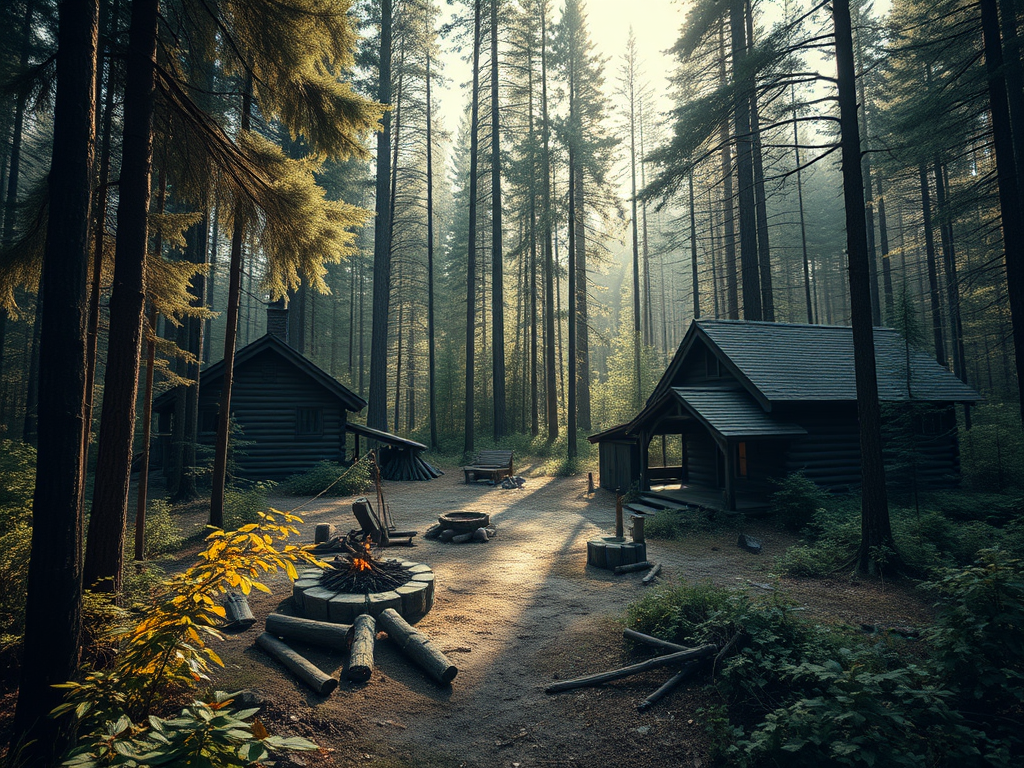
- Quality of Life: A remote bug out location can be designed for comfort, with access to natural light, outdoor space, and amenities that support long-term well-being.
- Redundancy: Having a secondary location provides a backup if your primary residence is compromised.
Disadvantages:
- Travel Risks: Reaching your bug out location during a crisis can be dangerous or impossible due to roadblocks, civil unrest, or natural obstacles.
- Security Concerns: Remote properties may be vulnerable to trespassers or looters, especially if left unattended for long periods.
- Dependence on Timing: The effectiveness of a bug out plan depends on early action. Delays or indecision can leave you stranded or exposed.
Cost/Safety Recommendation
- Cost:
- Bunker: High initial and ongoing costs, but offers maximum protection and self-sufficiency.
- Bug Out Plan: Moderate to high initial cost (depending on property and preparations), but potentially lower ongoing expenses and greater lifestyle flexibility.
- Safety:
- Bunker: Superior for immediate, high-impact threats where travel is unsafe or impossible. Best for those prioritizing maximum security and shelter-in-place resilience.
- Bug Out Plan: Superior for scenarios where evacuation is feasible and the threat is localized or slow-moving. Offers better quality of life and flexibility, but carries travel risks.
For those with the resources and a high need for security, a bunker provides unmatched protection and peace of mind, especially for sudden, catastrophic events. However, a well-prepared bug out plan to a remote, secure location offers greater flexibility, comfort, and redundancy at a lower cost, provided you can evacuate safely and early. Ideally, a layered approach—having both a secure home base (with some bunker-like features) and a viable bug out destination—offers the best balance of safety, cost, and adaptability for most individuals and families.
Conclusion
Building an underground living space offers unparalleled protection and self-sufficiency in the face of civil disturbance or natural disaster. The inherent advantages—maximum security, environmental stability, privacy, and the ability to shelter in place—make a well-designed bunker the gold standard for those seeking to withstand the most severe and unpredictable threats. In a crisis where immediate action is required and travel is unsafe or impossible, a bunker provides instant, robust refuge and the peace of mind that comes from knowing you are as prepared as possible.
However, these benefits come at a significant cost. The initial investment for excavation, reinforced construction, specialized systems, and legal compliance is substantial—often far exceeding that of a conventional home or remote property. Maintenance is ongoing and non-negotiable, with risks of moisture, mold, and system failures requiring constant vigilance. The psychological and social challenges of extended underground living—confinement, isolation, and limited amenities—can also impact quality of life, especially during prolonged emergencies.
When weighing these factors, it is essential to consider alternatives, particularly a well-thought-out bug-out plan to a remote and secure location. A bug-out plan offers flexibility, lower upfront costs, and the potential for a higher quality of life, with access to natural light, outdoor space, and more comfortable living arrangements. It allows you to adapt to evolving threats and provides redundancy if your primary residence is compromised. However, it also carries its own risks: the need to travel during a crisis, the possibility of blocked routes or hostile conditions, and the challenge of securing a remote property against intrusion or theft.
Cost and Safety Recommendation:
- For those with ample resources and a high need for immediate, shelter-in-place security, a bunker is a justifiable investment—best viewed as a form of insurance against rare but catastrophic events.
- For others, a robust bug-out plan may offer a better balance of cost, comfort, and adaptability, provided you can evacuate safely and early.
- Ideally, a layered approach—combining a secure home base with some bunker-like features and a viable bug-out destination—provides the greatest resilience and flexibility.
Ultimately, the decision hinges on your individual risk tolerance, budget, and personal priorities. Some will find peace of mind and empowerment in the formidable protection of a bunker; others will value the freedom, comfort, and redundancy of a well-prepared escape plan. Both approaches require careful planning, ongoing commitment, and a realistic assessment of your needs and circumstances. By thoughtfully weighing these options, you can choose the preparedness strategy that best safeguards your future—whatever it may hold.


 UTAZCO Overland
Leave a Reply