
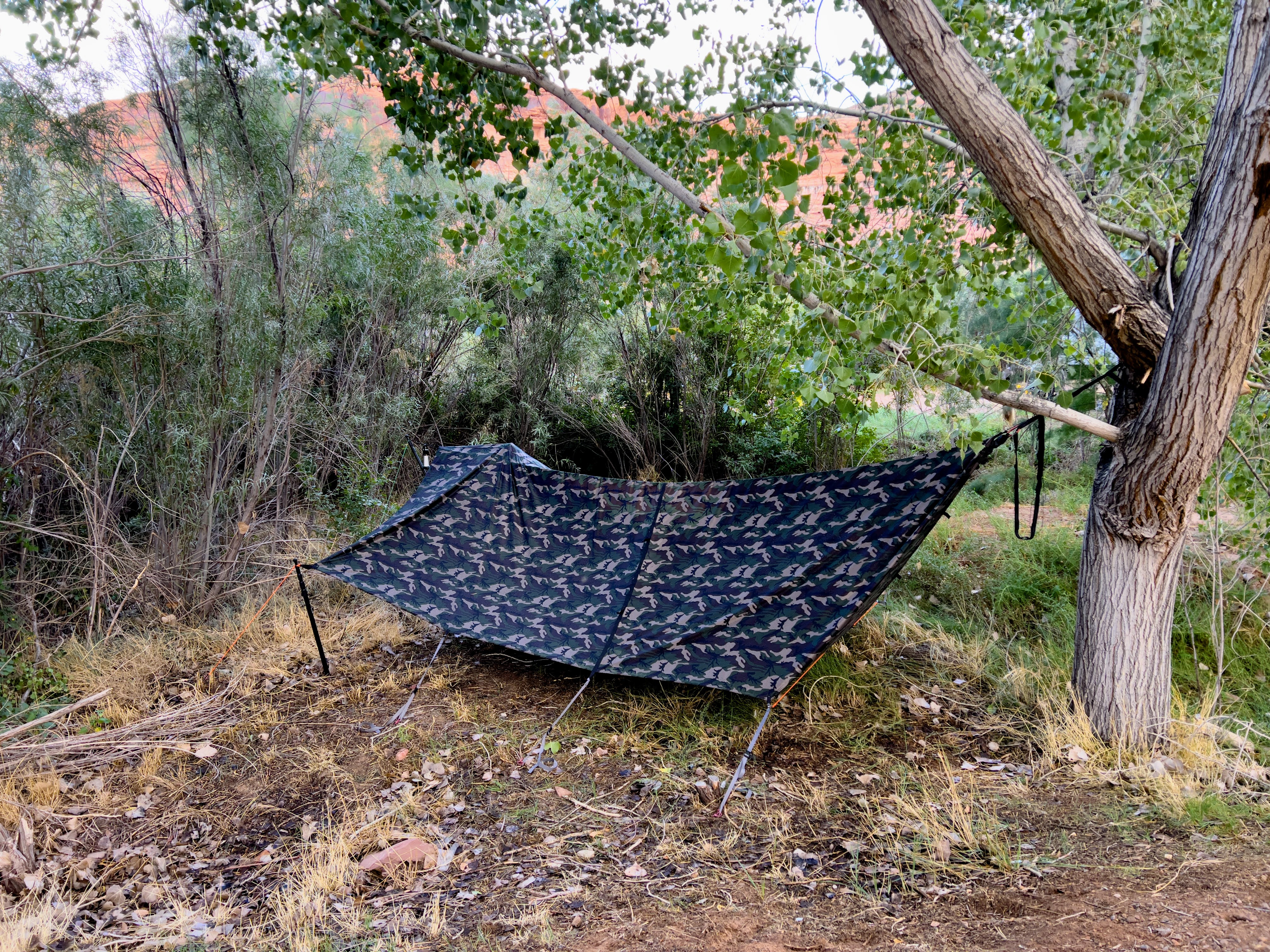
Tactical camping is a specialized approach to outdoor living that emphasizes stealth, security, and adaptability. Unlike standard camping, which focuses on recreation and comfort, tactical camping is rooted in survival, preparedness, and strategic thinking. This essay explores what tactical camping is, why it is a valuable skill, and the scenarios where it is preferable to traditional camping.
What is Tactical Camping?
Definition
Tactical camping is a specialized approach to outdoor shelter and living that prioritizes stealth, security, and adaptability over comfort and visibility. Unlike recreational camping, where the goal is often relaxation and enjoyment of nature, tactical camping is about blending into the environment, minimizing one’s footprint, and being prepared to move or adapt quickly. This approach is rooted in the principles of military fieldcraft, bushcraft, and survivalism, drawing on techniques designed for both short-term and extended stays in potentially hostile or unpredictable environments.
Core Principles of Tactical Camping
1. Concealment
- Site Selection: Tactical campers choose locations that are naturally hidden from trails, roads, and common travel routes. Dense foliage, natural depressions, or rocky outcrops are preferred to break up the outline of the camp.
- Camouflage: Both shelters and gear are chosen or modified to blend with the surroundings. Neutral or earth-tone colors, natural materials, and even improvised camouflage (like branches or leaves) are used.
- Light and Noise Discipline: Campers avoid using bright lights or making loud noises that could reveal their position, especially at night.
2. Minimizing Environmental Impact
- Leave No Trace: Tactical campers are meticulous about leaving no evidence of their presence. This includes careful disposal of waste, minimizing fire scars, and restoring the site before departure.
- Low-Profile Shelters: Shelters are compact and often use natural materials or low-visibility tarps. Hammocks, bivy sacks, or debris shelters are common choices.
- Minimal Gear: Carrying only essential, multipurpose items reduces the risk of leaving behind or losing equipment.
3. Enhancing Personal Safety
- Security: Campsites are chosen with escape routes in mind, and campers remain alert to potential threats from wildlife or other humans.
- Quick Mobility: Camps are designed for rapid setup and takedown, allowing the camper to move quickly if needed.
- Situational Awareness: Tactical campers constantly monitor their environment for changes in weather, animal activity, or human presence.
Influences from Military Fieldcraft, Bushcraft, and Survivalism
Military Fieldcraft
- Emphasizes stealth, camouflage, and security.
- Techniques include silent movement, observation post construction, and perimeter security.
Bushcraft
- Focuses on using natural resources for shelter, fire, and water.
- Skills include foraging, tracking, and primitive shelter-building.
Survivalism
- Prepares for emergencies and self-reliance.
- Involves risk assessment, resource management, and improvisation.
Tactical Camping in Practice
A tactical camper might arrive at a location late in the day, scout for a concealed spot away from trails, and set up a low-profile tarp shelter using natural cover. They would cook with a small, smokeless stove, keep noise to a minimum, and pack up at first light, leaving no trace of their stay. All actions are deliberate, with an emphasis on blending in, staying safe, and being ready to move at a moment’s notice.
Tactical camping is not just about surviving in the wild; it’s about doing so in a way that avoids detection, preserves the environment, and maximizes personal safety. It is a mindset and a skill set, blending elements from military, bushcraft, and survival traditions to create a disciplined, adaptable approach to outdoor living.
Key Characteristics
Stealth
Stealth is the cornerstone of tactical camping. The goal is to remain unnoticed by both humans and animals, which requires careful planning and execution.
- Campsite Selection: Tactical campers avoid obvious or popular locations such as established campsites, open clearings, or areas near trails and water sources. Instead, they look for natural cover—dense foliage, depressions in the ground, or behind natural barriers like rocks and fallen trees. The chosen site should break up the camper’s silhouette and provide concealment from multiple angles.
- Shelter and Gear Camouflage: Shelters are constructed using materials that blend with the environment. Tarps and tents are chosen in earth tones (olive, brown, gray) or are covered with natural debris. Gear is similarly subdued in color, and shiny or reflective surfaces are avoided or covered.
- Light and Sound Discipline: At night, tactical campers use red or dimmed lights, shielded from view, and avoid campfires unless absolutely necessary. Conversations and activities are kept quiet, and electronic devices are used sparingly to prevent light or sound leaks.
- Scent Control: In areas with wildlife, minimizing food odors and personal scents is important. Food is stored in odor-proof bags, and hygiene products are unscented.
Minimalism
Minimalism in tactical camping means carrying only what is necessary, with each item serving multiple purposes.
- Lightweight Gear: Every piece of equipment is chosen for its weight and utility. For example, a poncho might double as a rain cover, groundsheet, or emergency shelter. Multi-tools replace single-purpose items.
- Efficient Packing: Gear is organized for quick access and rapid packing. This allows the camper to break camp and move out in minutes if needed.
- Essential Supplies Only: Non-essential comforts are left behind. The focus is on survival essentials: shelter, water, fire, food, and first aid.
- Improvisation: Tactical campers are skilled at using natural resources—sticks, leaves, rocks—to supplement or replace gear, further reducing what they need to carry.
Adaptability
Adaptability is the ability to respond quickly and effectively to changing circumstances.
- Rapid Setup and Breakdown: Campsites are designed for quick assembly and disassembly. Shelters are simple and require minimal staking or tying.
- Contingency Planning: Campers always have an exit strategy. They identify multiple escape routes and are prepared to relocate if the site is compromised by weather, wildlife, or human activity.
- Environmental Awareness: Tactical campers monitor their surroundings for signs of danger or opportunity—changes in weather, animal tracks, or distant voices. They adjust their plans accordingly.
- Flexible Routines: There is no fixed schedule. Activities like cooking, sleeping, and moving are timed to avoid detection and take advantage of environmental conditions (e.g., moving at dawn or dusk).
Low Impact
Low impact is about leaving the environment as undisturbed as possible, both for ethical reasons and to avoid detection.
- Leave No Trace Principles: All waste, including food scraps and packaging, is packed out. Fires are avoided or kept small and contained, with all traces erased before departure.
- Minimal Site Disturbance: Shelters are built without cutting live vegetation or digging. Natural materials are used sparingly and replaced after use.
- Restoration: Before leaving, the site is carefully restored—flattened grass is fluffed, moved rocks or branches are returned, and any signs of human presence are erased.
- Wildlife Consideration: Food is stored securely to avoid attracting animals, and campers avoid disturbing nests, dens, or feeding areas.
Summary Table
| Characteristic | Tactical Camping Approach |
|---|---|
| Stealth | Concealed sites, camouflaged gear, light/sound/scent discipline |
| Minimalism | Lightweight, multipurpose gear; efficient packing; improvisation |
| Adaptability | Rapid setup/breakdown, contingency planning, environmental awareness |
| Low Impact | Leave no trace, minimal disturbance, site restoration, wildlife respect |
By mastering these key characteristics, tactical campers achieve a balance of safety, efficiency, and environmental stewardship, making them well-prepared for both routine and unexpected challenges in the wild.
Why is Tactical Camping a Good Skill to Develop?
Enhanced Survival Skills
Tactical camping is not just about spending a night outdoors—it is a comprehensive discipline that cultivates a wide array of survival skills. These skills are not only useful for planned adventures but can also be lifesaving in emergencies or unexpected situations. Here’s a deeper look at the core survival skills honed through tactical camping:
1. Navigation
- Map and Compass Proficiency: Tactical campers often avoid marked trails, so they must be adept at using topographic maps and compasses to find their way. This skill is crucial if GPS devices fail or batteries die.
- Natural Navigation: Campers learn to read the landscape, use the sun, stars, and natural features (like water flow or moss growth) to orient themselves.
- Route Planning: The ability to plan concealed, efficient routes—avoiding hazards and maximizing cover—is a key tactical skill.
2. Shelter-Building
- Improvised Shelters: Tactical camping emphasizes building shelters from available materials—branches, leaves, tarps, or ponchos. This skill is vital if you lose your tent or need to set up quickly in adverse conditions.
- Site Selection: Choosing a safe, concealed, and dry location for shelter is as important as the shelter itself. Tactical campers learn to assess terrain for drainage, wind protection, and concealment.
- Weather Adaptation: Campers develop the ability to modify shelters to suit changing weather, such as adding insulation or windbreaks.
3. Firecraft
- Fire Starting: Tactical campers practice starting fires with minimal resources—ferro rods, flint and steel, or even friction methods—since lighters and matches may not always be available.
- Fire Discipline: In tactical situations, fires must be small, smokeless, and quickly extinguishable to avoid detection. Campers learn to build efficient, low-profile fires (e.g., Dakota fire holes).
- Fire Safety: Understanding how to safely manage and extinguish fires is essential to prevent wildfires and leave no trace.
4. Water Procurement
- Finding Water Sources: Tactical campers learn to locate water in the wild—streams, springs, dew, or by digging seep holes.
- Water Purification: Skills in boiling, filtering, or chemically treating water are critical to avoid illness.
- Water Conservation: Campers practice rationing and efficient use of water, especially in arid environments or when resupply is uncertain.
5. Food Procurement and Preparation
- Foraging and Trapping: While not always practiced, tactical campers often study edible plants, insects, and basic trapping or fishing techniques for emergencies.
- Minimal Cooking: Meals are prepared with minimal equipment and fuel, often using compact stoves or cold-soaking methods to avoid smoke and odors.
6. First Aid and Self-Care
- Basic First Aid: Tactical campers carry compact first aid kits and know how to treat common injuries—cuts, burns, sprains, and insect bites.
- Preventive Care: Skills in hygiene, blister prevention, and managing exposure (heat, cold, wetness) are emphasized to maintain health in the field.
7. Situational Awareness and Risk Management
- Constant Vigilance: Campers develop the habit of scanning their environment for threats—wildlife, weather changes, or human activity.
- Decision-Making Under Pressure: Tactical camping fosters calm, rational thinking in stressful situations, which is vital for survival.
Summary Table
| Survival Skill | Tactical Camping Application |
|---|---|
| Navigation | Off-trail travel, route planning, natural navigation |
| Shelter-Building | Improvised shelters, site selection, weather adaptation |
| Firecraft | Efficient, concealed fire making and management |
| Water Procurement | Finding, purifying, and conserving water |
| Food Procurement | Foraging, trapping, minimal cooking |
| First Aid | Treating injuries, preventive care |
| Situational Awareness | Threat detection, risk management |
By practicing tactical camping, individuals gain hands-on experience in these essential survival skills. This not only prepares them for outdoor adventures but also equips them to handle emergencies—whether lost in the wilderness, facing natural disasters, or navigating unexpected challenges. The confidence and competence developed through tactical camping can make the difference between vulnerability and resilience in the face of adversity.
Increased Self-Reliance
Tactical camping is fundamentally about cultivating self-reliance—the ability to depend on one’s own skills, judgment, and resourcefulness rather than external comforts or support. This self-reliance is developed through a combination of minimalism, improvisation, and adaptability, all of which are central to the tactical camping mindset.
1. Minimal Gear, Maximum Utility
- Essentials Only: Tactical campers carry only what is necessary for survival and efficiency. This means prioritizing items that serve multiple purposes (e.g., a poncho as rain gear, shelter, and groundsheet) and leaving behind non-essential luxuries.
- Lightweight Load: A lighter pack allows for greater mobility and less fatigue, enabling the camper to travel farther and faster if needed. This also means the camper must be confident in their ability to make do with less.
- Maintenance and Repair: With fewer items, each piece of gear becomes more valuable. Campers learn to maintain, repair, and even improvise replacements for damaged or lost equipment using available materials.
2. Improvisation Skills
- Adapting to the Environment: Tactical campers are skilled at using natural resources to supplement or replace gear. For example, they might use branches and leaves to construct a shelter, fashion cordage from plant fibers, or create cooking implements from rocks and sticks.
- Problem Solving: Unexpected challenges—such as sudden weather changes, lost gear, or injuries—require creative solutions. Tactical campers practice thinking on their feet and devising workarounds with what they have on hand.
- Resourcefulness: The ability to repurpose items (e.g., using a bandana as a water filter, sling, or sun protection) is a hallmark of self-reliance.
3. Adaptability to Changing Conditions
- Flexible Planning: Tactical campers rarely stick to rigid plans. Instead, they assess conditions continuously and adjust their strategies as needed—whether that means relocating camp, altering travel routes, or changing shelter designs.
- Rapid Response: The minimalist approach allows for quick packing and movement, which is crucial if the environment becomes unsafe or if a better opportunity presents itself.
- Mental Resilience: Facing and overcoming challenges with limited resources builds confidence and mental toughness. Campers learn to trust their judgment and remain calm under pressure.
4. Independence from External Support
- Reduced Reliance on Technology: While tactical campers may use GPS or communication devices, they are trained to operate without them, relying on traditional navigation and signaling methods.
- Self-Sufficiency in Emergencies: In situations where help is unavailable or delayed, tactical campers are equipped to handle their own needs—finding food and water, treating injuries, and ensuring their own safety.
Summary Table
| Aspect of Self-Reliance | Tactical Camping Approach |
|---|---|
| Minimal Gear | Carrying essentials, multipurpose items, lightweight load |
| Improvisation | Using natural resources, creative problem-solving, repurposing gear |
| Adaptability | Flexible planning, rapid response, mental resilience |
| Independence | Reduced reliance on technology, self-sufficiency in emergencies |
Tactical camping’s emphasis on minimalism and improvisation directly fosters self-reliance. Campers become adept at making the most of limited resources, adapting to unpredictable situations, and solving problems independently. These skills not only enhance outdoor experiences but also translate into greater confidence and capability in everyday life and emergencies.
Improved Situational Awareness
Situational awareness is the ability to perceive, understand, and anticipate what is happening in your environment. In tactical camping, this skill is not just beneficial—it is essential. The need to remain undetected, safe, and prepared for rapid changes means that tactical campers must develop a keen sense of observation and quick, informed decision-making. Here’s a deeper exploration of how tactical camping fosters improved situational awareness:
1. Environmental Observation
- Reading the Landscape: Tactical campers learn to interpret subtle cues in the environment—animal tracks, disturbed vegetation, changes in soil, or the presence of water. This helps them find safe campsites, avoid hazards, and locate resources.
- Monitoring Weather: Campers pay close attention to cloud formations, wind direction, humidity, and temperature changes. Early recognition of weather shifts allows for timely shelter adjustments or relocation, reducing exposure to storms or extreme conditions.
- Noticing Patterns: By observing daily and seasonal patterns (such as animal movement or sun position), campers can better predict potential risks and opportunities.
2. Threat Detection
- Human Activity: Tactical campers are alert to signs of other people—footprints, litter, distant voices, or unnatural smells. This helps them avoid unwanted encounters, whether for privacy, safety, or security.
- Wildlife Awareness: Recognizing animal sounds, scat, or tracks allows campers to avoid dangerous wildlife or minimize the risk of attracting animals to camp.
- Security Measures: Campers may set up simple alarms (like tripwires with cans or sticks) or position themselves with clear escape routes, always considering the possibility of intrusion.
3. Sound and Scent Discipline
- Minimizing Detection: Tactical campers are conscious of the sounds and smells they produce. They cook with minimal odor, speak quietly, and avoid unnecessary noise, all while listening for unusual sounds that could indicate threats.
- Listening Skills: Enhanced listening helps detect distant movement, changes in wind, or approaching animals and people.
4. Decision-Making Under Pressure
- Continuous Assessment: Situational awareness is not static; it requires ongoing evaluation. Campers constantly reassess their surroundings, plans, and actions based on new information.
- Risk Evaluation: Tactical campers weigh the risks and benefits of every decision—whether to stay or move, when to make a fire, or how to respond to a potential threat.
- Rapid Response: The ability to quickly interpret environmental cues and act decisively is critical, especially in emergencies or when stealth is compromised.
5. Mental Conditioning
- Mindfulness: Tactical camping encourages a mindful approach to the outdoors. Campers are present in the moment, attentive to details, and less likely to overlook important signs.
- Reduced Complacency: The need for vigilance reduces the risk of accidents or surprises, as campers are less likely to become complacent or distracted.
Summary Table
| Aspect of Situational Awareness | Tactical Camping Application |
|---|---|
| Environmental Observation | Reading terrain, weather, patterns |
| Threat Detection | Human and wildlife awareness, security measures |
| Sound/Scent Discipline | Minimizing detection, enhanced listening |
| Decision-Making | Continuous assessment, risk evaluation, rapid response |
| Mental Conditioning | Mindfulness, reduced complacency |
Tactical camping transforms situational awareness from a passive background skill into an active, vital practice. By constantly assessing their environment, anticipating changes, and making informed decisions, tactical campers not only enhance their safety and stealth but also develop a deeper connection with the natural world. This heightened awareness is a valuable asset, both in the wilderness and in everyday life, fostering sharper observation, better judgment, and greater confidence in uncertain situations.
Security and Privacy
Tactical camping is uniquely suited for individuals who prioritize personal safety and privacy in the outdoors. Unlike standard camping, which often takes place in designated, visible, and sometimes crowded areas, tactical camping employs strategies specifically designed to minimize the risk of unwanted encounters—whether with other people or wildlife—and to maintain a high level of personal security. Here’s a detailed exploration of how tactical camping enhances both security and privacy:
1. Avoiding Unwanted Human Encounters
- Concealed Campsites: Tactical campers select locations that are naturally hidden from trails, roads, and common travel routes. This reduces the likelihood of being stumbled upon by hikers, hunters, or other campers.
- Stealthy Arrival and Departure: Entering and leaving the campsite at dawn, dusk, or under the cover of darkness helps avoid detection. Campers may also use indirect routes to further reduce the chance of being followed or observed.
- No Visible Traces: By practicing strict leave-no-trace principles, tactical campers ensure that their presence is not revealed by litter, fire scars, or disturbed vegetation, making it difficult for others to track or find them.
2. Protection from Wildlife
- Scent and Food Management: Proper storage of food and scented items in odor-proof bags or bear canisters minimizes the risk of attracting animals. Cooking and eating away from the sleeping area further reduces danger.
- Noise Discipline: Keeping noise to a minimum avoids drawing the attention of curious or territorial wildlife.
- Awareness of Animal Habits: Tactical campers research local wildlife and avoid setting up camp near animal trails, water sources, or known feeding areas.
3. Defensive Site Selection and Setup
- Natural Barriers: Choosing sites with natural barriers—such as dense brush, rock outcrops, or steep terrain—adds an extra layer of protection against both human and animal intruders.
- Escape Routes: Campers always identify multiple escape routes from their site, ensuring they can leave quickly and safely if threatened.
- Perimeter Awareness: Some tactical campers set up simple perimeter alarms (e.g., tripwires with cans or sticks) to alert them to approaching threats.
4. Personal Security Practices
- Low-Profile Behavior: Campers avoid using bright lights, loud voices, or visible fires that could give away their location.
- Self-Defense Readiness: While the goal is to avoid confrontation, tactical campers may carry self-defense tools (such as pepper spray or a whistle) and are trained in their use.
- Communication Plans: In remote areas, campers may carry emergency communication devices (like satellite messengers) but use them discreetly to avoid broadcasting their location.
5. Privacy for Sensitive Activities
- Solo or Discreet Group Camping: Tactical camping is ideal for solo adventurers or small groups who value solitude and wish to avoid the crowds and noise of popular campsites.
- Sensitive Research or Observation: Wildlife researchers, photographers, or those conducting sensitive fieldwork often use tactical camping techniques to observe without disturbing their subjects or revealing their presence.
Summary Table
| Security/Privacy Aspect | Tactical Camping Approach |
|---|---|
| Avoiding People | Concealed sites, stealthy movement, no trace |
| Wildlife Protection | Scent control, noise discipline, animal awareness |
| Defensive Setup | Natural barriers, escape routes, perimeter alarms |
| Personal Security | Low-profile behavior, self-defense readiness, discreet communication |
| Privacy Needs | Solo/discreet group camping, undisturbed observation |
Tactical camping offers a robust set of strategies for those who value security and privacy in the wilderness. By blending into the environment, minimizing detectable activity, and preparing for potential threats, tactical campers can enjoy the outdoors with greater peace of mind. These practices not only reduce the risk of unwanted encounters but also foster a sense of independence and control, making tactical camping an appealing choice for anyone seeking solitude, safety, or discretion in nature.
Situations Suited to Tactical Camping
Emergency or Survival Scenarios (In-Depth Exploration)
Tactical camping skills are especially valuable in emergency or survival situations, where the environment is unpredictable, resources are limited, and personal safety is at risk. In these scenarios, the ability to remain undetected, mobile, and self-sufficient can make the difference between life and death. Here’s a detailed exploration of how tactical camping applies to various emergency and survival contexts:
1. Getting Lost in the Wilderness
- Stealth and Shelter: When lost, it’s important to set up a shelter that protects you from the elements while minimizing your impact on the environment. Tactical camping skills help you build low-profile shelters that blend into the landscape, reducing the risk of attracting unwanted attention from animals or, in rare cases, hostile humans.
- Resourcefulness: With limited gear, tactical campers know how to improvise using natural materials for shelter, insulation, and signaling for rescue.
- Navigation and Mobility: Tactical campers are trained to navigate without trails, using natural landmarks, the sun, or stars. This skill is crucial for finding your way back to safety or to a location where you can be rescued.
2. Natural Disasters
- Rapid Relocation: In the aftermath of events like wildfires, floods, earthquakes, or hurricanes, traditional infrastructure may be destroyed or unsafe. Tactical camping skills enable you to quickly set up and break down camp, allowing you to move as conditions change.
- Concealment for Safety: In chaotic situations, there may be risks from desperate or aggressive individuals. The ability to camp discreetly and avoid detection can help you avoid dangerous encounters.
- Water and Food Procurement: Access to clean water and food may be disrupted. Tactical campers are skilled in finding, purifying, and rationing water, as well as foraging or trapping for food if necessary.
3. Civil Unrest or Conflict Zones
- Avoiding Human Threats: In areas experiencing civil unrest, riots, or armed conflict, being visible can be dangerous. Tactical camping techniques—such as concealed campsites, noise and light discipline, and rapid mobility—help you avoid detection by potentially hostile individuals or groups.
- Security and Escape Planning: Tactical campers always have an escape route and are prepared to move quickly if their location is compromised. This is vital in unstable environments where threats can emerge suddenly.
- Self-Sufficiency: In conflict zones, access to supplies and assistance may be limited or non-existent. Tactical campers are prepared to survive independently for extended periods.
4. Search and Rescue Operations
- Supporting SAR Teams: Tactical camping skills are valuable for search and rescue (SAR) personnel who need to operate in remote or hazardous areas. The ability to set up concealed, efficient camps allows teams to rest and regroup without drawing attention or disturbing the environment.
- Survivor Mindset: For individuals awaiting rescue, tactical camping skills help conserve energy, stay safe, and avoid unnecessary risks while signaling for help in a controlled manner.
5. Evading Pursuit
- Evasion and Escape: In rare but serious situations—such as escaping from kidnappers, hostile wildlife, or dangerous individuals—tactical camping skills are essential for remaining undetected, moving silently, and avoiding leaving tracks or other signs of your presence.
Summary Table
| Emergency Scenario | Tactical Camping Application |
|---|---|
| Lost in Wilderness | Concealed shelter, navigation, resourcefulness |
| Natural Disasters | Rapid relocation, concealment, water/food procurement |
| Civil Unrest/Conflict | Avoiding detection, security, self-sufficiency |
| Search and Rescue | Efficient, discreet camps, survivor mindset |
| Evasion/Escape | Stealth movement, track avoidance, rapid mobility |
Tactical camping is not just a recreational skill—it is a critical survival toolkit for emergencies. Whether you are lost in the wild, facing a natural disaster, navigating civil unrest, or evading threats, the principles of tactical camping—stealth, mobility, resourcefulness, and self-sufficiency—can dramatically increase your chances of survival and safety. These skills empower individuals to remain calm, make smart decisions, and adapt to rapidly changing and potentially dangerous environments.
Remote or Hostile Environments
Tactical camping is especially valuable in remote or hostile environments, where the risks posed by wildlife, other humans, and severe weather are heightened. In such settings, the margin for error is slim, and the ability to minimize exposure to threats can be critical for safety and success. Here’s a detailed exploration of how tactical camping techniques address the unique challenges of these environments:
1. Wildlife Threats
- Site Selection for Safety: Tactical campers avoid areas with signs of recent animal activity, such as tracks, scat, or feeding remains. They steer clear of animal trails, water sources at dawn/dusk, and known denning or nesting sites.
- Food and Scent Management: All food and scented items are stored in bear canisters, odor-proof bags, or hung from trees well away from the sleeping area. Cooking is done at a distance from camp, and all waste is packed out or buried deep.
- Noise and Light Discipline: By minimizing noise and using low-level or red lights, campers avoid attracting curious or predatory animals.
- Defensive Barriers: In some cases, natural barriers (dense brush, rock outcrops) or improvised alarms (tripwires with cans) are used to deter or alert to approaching wildlife.
2. Human Threats
- Concealment and Camouflage: In areas where encounters with other people could be dangerous—such as regions with a history of crime, poaching, or political instability—tactical campers select hidden campsites, use earth-toned gear, and avoid making fires or using bright lights.
- Stealthy Movement: Campers travel off-trail, move quietly, and avoid leaving obvious tracks or signs of their presence. Arrival and departure are timed to avoid detection.
- Perimeter Security: Simple alarms or natural obstacles are used to provide early warning of intruders. Campers sleep with their gear packed and ready for rapid evacuation.
- Situational Awareness: Constant vigilance is maintained for signs of other people—voices, lights, smoke, or tracks. Campers are prepared to relocate at the first sign of potential danger.
3. Harsh Weather Conditions
- Shelter Adaptability: Tactical campers are skilled at constructing shelters that provide maximum protection with minimal resources. They use natural features (overhangs, windbreaks) and adjust shelter orientation to shield against prevailing winds or storms.
- Efficient Setup and Breakdown: Camps are designed for rapid assembly and disassembly, allowing campers to move quickly if weather conditions deteriorate or if a safer location is needed.
- Resource Conservation: Water, food, and fuel are rationed carefully, and campers are adept at finding and purifying water in challenging environments.
- Clothing and Layering: Campers use versatile, quick-drying, and insulating clothing systems to adapt to temperature swings and wet conditions.
4. Navigational Challenges
- Off-Trail Navigation: In remote areas without established paths, tactical campers rely on map, compass, and natural navigation skills to avoid getting lost and to select the safest, most concealed routes.
- Route Planning: Routes are chosen to avoid exposed ridgelines, avalanche paths, or areas prone to flooding, while also minimizing the risk of detection or confrontation.
5. Psychological Resilience
- Stress Management: Hostile environments can be mentally taxing. Tactical camping fosters a calm, methodical approach to problem-solving, helping campers remain focused and composed under pressure.
- Preparedness for Isolation: In remote areas, help may be far away. Tactical campers are prepared to be self-sufficient for extended periods, both physically and mentally.
Summary Table
| Threat/Challenge | Tactical Camping Response |
|---|---|
| Wildlife | Site selection, scent control, defensive barriers |
| Human Threats | Concealment, stealth, perimeter security, rapid mobility |
| Harsh Weather | Adaptive shelters, efficient setup, resource conservation |
| Navigation | Off-trail skills, careful route planning |
| Psychological Stress | Calm mindset, self-sufficiency, preparedness |
Remote or hostile environments demand a higher level of preparedness and caution than typical camping settings. Tactical camping techniques—stealth, adaptability, resourcefulness, and vigilance—are specifically designed to minimize risks from wildlife, humans, and the elements. By mastering these skills, campers can confidently and safely navigate some of the world’s most challenging and unpredictable landscapes.
Military or Law Enforcement Operations
Tactical camping is deeply rooted in the traditions and practices of military fieldcraft and law enforcement operations. In these contexts, the principles of tactical camping are not just about comfort or survival—they are mission-critical skills that can determine the success or failure of an operation, and even the safety and lives of personnel. Here’s an in-depth exploration of how tactical camping is applied in military and law enforcement settings:
1. Reconnaissance Operations
- Stealth and Concealment: During reconnaissance missions, soldiers or officers must observe targets or areas without being detected. Tactical camping techniques—such as selecting concealed observation posts, using camouflage netting, and minimizing movement—are essential for remaining unseen.
- Silent Operations: All activities, from setting up a hide to eating or communicating, are conducted with strict noise and light discipline. Even the smallest sound or glint of light can compromise a position.
- Minimal Footprint: Campsites are chosen and constructed to leave no trace, ensuring that once the team moves on, there is no evidence of their presence for enemy forces or criminal elements to discover.
2. Evasion and Escape
- Rapid Mobility: In situations where personnel are evading capture—such as after a compromised mission or in escape and evasion (E&E) scenarios—tactical camping skills allow for quick, discreet shelter setup and breakdown. This enables teams to stay on the move and avoid predictable patterns.
- Route Planning and Navigation: Military and law enforcement personnel are trained to navigate off-trail, using terrain features for cover and concealment, and to avoid areas where they might be easily tracked or ambushed.
- Survival Under Pressure: Evasion often means operating with limited supplies. Tactical camping skills—such as improvising shelters, finding water, and foraging—are vital for survival until extraction or rescue.
3. Covert Operations
- Observation Posts (OPs) and Hides: Covert operations frequently require the establishment of hidden positions for surveillance or ambush. Tactical camping techniques are used to build OPs that blend seamlessly into the environment, often using natural materials and advanced camouflage.
- Long-Term Concealment: Personnel may need to remain hidden for extended periods, sometimes days or weeks. This requires careful planning for waste disposal, food and water management, and maintaining physical and mental health without compromising the position.
- Communication Security: All electronic communications are conducted with encryption and minimal transmission to avoid detection by signal intelligence. Physical signals (like prearranged markers) may be used instead of radios or phones.
4. Security and Defensive Measures
- Perimeter Security: Military and law enforcement campsites are often set up with early warning systems—such as tripwires, noise makers, or electronic sensors—to alert personnel to approaching threats.
- Defensive Positioning: Camps are located with fields of observation and fire in mind, using terrain to provide cover and concealment while allowing for a rapid defensive response if discovered.
- Escape Routes: Multiple escape routes are always planned, and personnel are trained to abandon camp quickly, taking only essential gear and destroying sensitive equipment if necessary.
5. Team Coordination and Discipline
- Standard Operating Procedures (SOPs): Military and law enforcement units operate with strict SOPs for setting up, maintaining, and breaking down camps. This ensures that everyone knows their role and that security is never compromised by carelessness or confusion.
- Silent Communication: Hand signals, light signals, or other non-verbal methods are used to coordinate movements and actions without making noise.
Summary Table
| Operational Need | Tactical Camping Application |
|---|---|
| Reconnaissance | Concealed observation posts, noise/light discipline |
| Evasion/Escape | Rapid mobility, off-trail navigation, survival skills |
| Covert Operations | Camouflaged hides, long-term concealment, secure communication |
| Security | Perimeter alarms, defensive positioning, escape planning |
| Team Coordination | SOPs, silent communication, role discipline |
In military and law enforcement operations, tactical camping is far more than a set of outdoor skills—it is a foundation for mission success and personal safety. Whether conducting reconnaissance, evading pursuit, or executing covert surveillance, the ability to remain undetected, adapt to changing conditions, and operate with discipline and security is paramount. Tactical camping techniques, honed through rigorous training and real-world experience, are indispensable tools for professionals operating in high-risk, high-stakes environments.
Solo Expeditions
Solo expeditions—whether for adventure, exploration, or personal challenge—present unique risks and rewards. Without the support and security of a group, solo campers must rely entirely on their own skills, judgment, and preparedness. Tactical camping is especially well-suited to solo travel, offering strategies that enhance safety, privacy, and self-reliance. Here’s a detailed exploration of why and how solo adventurers benefit from tactical camping:
1. Enhanced Security
- Reduced Visibility: Solo campers are more vulnerable to threats from both wildlife and humans. Tactical camping emphasizes concealed campsites, earth-toned gear, and minimal noise/light, making it less likely that a solo camper will be discovered by opportunistic individuals or curious animals.
- Escape and Evasion: With no one to watch your back, the ability to quickly break camp and move is crucial. Tactical camping teaches efficient packing, rapid shelter breakdown, and always having an escape route planned.
- Self-Defense Readiness: Solo campers often carry self-defense tools (pepper spray, whistle, or even a personal alarm) and keep them accessible at all times. Tactical camping encourages keeping gear organized and within reach, especially at night.
2. Privacy and Solitude
- Avoiding Crowds: Many solo adventurers seek solitude and a deeper connection with nature. Tactical camping allows them to avoid established campsites and popular areas, reducing the chance of unwanted social encounters.
- Undisturbed Experience: By camping off the beaten path and practicing stealth, solo campers can enjoy the peace and quiet of the wilderness without interruption from other hikers or campers.
3. Self-Reliance and Confidence
- Skill Mastery: Solo tactical campers must be proficient in navigation, shelter-building, firecraft, water procurement, and first aid. This fosters a sense of competence and confidence that is empowering both in the wild and in everyday life.
- Problem Solving: Alone, every challenge—bad weather, injury, lost gear—must be solved independently. Tactical camping’s emphasis on improvisation and adaptability prepares solo adventurers to handle the unexpected.
4. Risk Mitigation
- Minimizing Attractants: Solo campers are careful to minimize food odors, avoid leaving gear unattended, and keep a low profile to reduce the risk of attracting wildlife or theft.
- Situational Awareness: With no one else to share the responsibility, solo tactical campers are constantly monitoring their surroundings for changes in weather, animal activity, or signs of other people.
5. Emergency Preparedness
- Communication Plans: Solo tactical campers often carry emergency beacons or satellite messengers, but they use them discreetly and only when necessary to avoid broadcasting their location.
- Medical Readiness: First aid skills are critical, as there is no one else to provide help in case of injury or illness. Tactical campers keep their first aid kits accessible and know how to use every item.
Summary Table
| Solo Expedition Challenge | Tactical Camping Solution |
|---|---|
| Security | Concealed campsites, rapid mobility, self-defense readiness |
| Privacy | Off-trail camping, stealth, solitude |
| Self-Reliance | Mastery of survival skills, improvisation, confidence |
| Risk Mitigation | Low-profile behavior, attractant minimization, vigilance |
| Emergency Preparedness | Discreet communication, accessible first aid, contingency planning |
For solo adventurers, tactical camping is more than a set of techniques—it is a philosophy that prioritizes safety, independence, and a deep connection with the environment. By minimizing visibility, maximizing preparedness, and fostering self-reliance, tactical camping empowers solo travelers to explore remote and wild places with greater confidence and peace of mind.
Minimalist or Leave-No-Trace Camping
Minimalist and Leave-No-Trace (LNT) camping are philosophies that align closely with the core principles of tactical camping. Both approaches emphasize reducing one’s footprint—physically, environmentally, and visually—while maximizing efficiency and harmony with nature. Here’s an in-depth exploration of how tactical camping techniques support and enhance minimalist and LNT camping:
1. Minimalist Camping: Doing More with Less
- Essential Gear Only: Minimalist campers carry only what is absolutely necessary for survival and comfort. Every item is carefully chosen for its utility, weight, and versatility. For example, a tarp might serve as a shelter, groundsheet, and rain poncho.
- Multi-Use Items: Tactical camping encourages the use of gear that serves multiple purposes—such as a bandana for water filtration, sun protection, or first aid.
- Lightweight and Compact: By reducing gear bulk and weight, campers can travel farther, move faster, and set up or break down camp quickly. This also means less energy is spent carrying heavy loads, allowing for a more enjoyable and sustainable experience.
- Improvisation: Minimalists often rely on natural materials for shelter, insulation, or cooking, reducing the need to carry extra equipment.
2. Leave-No-Trace Principles: Protecting the Environment
- Site Selection: Tactical campers choose durable surfaces (rock, sand, dry grass) for camping, avoiding fragile ecosystems like wetlands or alpine meadows. This minimizes damage to plant life and soil.
- No Trace of Presence: Campsites are set up and dismantled with meticulous care. All waste, including food scraps and micro-trash, is packed out. Fire scars are avoided by using stoves or established fire rings, or by not making fires at all.
- Natural Camouflage: Shelters and gear are chosen to blend with the environment, reducing visual pollution and helping preserve the wild, untouched feel of natural spaces.
- Restoration: Before leaving, campers restore the site to its original state—replacing moved rocks or branches, fluffing flattened grass, and erasing any signs of their stay.
3. Low Impact Living
- Minimal Resource Use: Tactical campers use as little water, fuel, and other resources as possible. Cooking is done with efficient stoves or not at all, and water is sourced and purified responsibly.
- Wildlife Respect: Food is stored securely to avoid attracting animals, and campers avoid disturbing nests, dens, or feeding areas.
- Quiet and Inconspicuous: Noise and light are kept to a minimum, reducing disturbance to wildlife and other visitors.
4. Philosophical Alignment
- Harmony with Nature: Both minimalist and LNT campers seek to immerse themselves in nature without altering it. Tactical camping’s focus on blending in and moving lightly supports this goal.
- Self-Discipline and Mindfulness: The careful planning and awareness required for tactical camping foster a mindful approach to the outdoors, encouraging campers to be present and respectful stewards of the land.
Summary Table
| Minimalist/LNT Goal | Tactical Camping Practice |
|---|---|
| Reduce gear and weight | Multi-use, lightweight items; improvisation |
| Minimize environmental impact | Careful site selection, no-trace practices, restoration |
| Preserve natural beauty | Camouflaged gear, quiet/no-light discipline |
| Respect wildlife | Secure food storage, avoid sensitive areas |
| Foster mindfulness | Planning, awareness, self-discipline |
Minimalist and Leave-No-Trace camping are natural extensions of tactical camping principles. By focusing on efficiency, environmental stewardship, and a deep respect for nature, tactical campers not only protect the wild places they visit but also enrich their own outdoor experiences. This approach ensures that the beauty and integrity of the wilderness remain intact for future generations, while also cultivating a sense of self-reliance and harmony with the natural world.
Tactical Camping vs. Standard Camping: A Detailed Comparison
Tactical camping and standard camping represent two distinct philosophies and approaches to spending time outdoors. While both involve living temporarily in nature, their goals, methods, and impacts differ significantly. Below is a detailed exploration of each aspect highlighted in the comparison table:
1. Purpose
Tactical Camping:
- The primary focus is on survival, security, and stealth.
- Campers aim to remain undetected, safe from threats (human or animal), and prepared for rapid movement or emergency situations.
- Often practiced in scenarios where privacy, safety, or adaptability are paramount—such as solo expeditions, survival training, or military/law enforcement operations.
Standard Camping:
- The main goal is recreation, comfort, and leisure.
- Campers seek to enjoy nature, relax, and often socialize with friends or family.
- Activities may include hiking, fishing, cooking over a campfire, and other forms of outdoor enjoyment.
2. Gear
Tactical Camping:
- Gear is minimal, lightweight, and multifunctional.
- Every item is chosen for its utility and ability to serve multiple purposes (e.g., a tarp as shelter, rain cover, and groundsheet).
- Emphasis is on mobility and improvisation, with a focus on survival essentials.
Standard Camping:
- Gear is comprehensive and comfort-oriented.
- Campers may bring large tents, air mattresses, coolers, camp chairs, lanterns, and even portable grills or electronics.
- The focus is on convenience and enjoyment rather than efficiency or stealth.
3. Campsite
Tactical Camping:
- Campsites are concealed and low-impact, often hidden from trails, roads, and other people.
- Locations are chosen for natural cover, minimal disturbance to the environment, and strategic advantages (such as escape routes or natural barriers).
- The goal is to blend in and leave no trace.
Standard Camping:
- Campsites are open, accessible, and often in designated areas such as campgrounds or established backcountry sites.
- Sites are chosen for convenience, views, or proximity to amenities like water, toilets, or fire pits.
- Visibility and accessibility are not concerns; in fact, being seen by others is often desirable for social reasons.
4. Setup/Breakdown
Tactical Camping:
- Setup and breakdown are rapid and discreet.
- Shelters are simple and quick to assemble or dismantle, allowing for fast relocation if needed.
- Campers avoid leaving evidence of their stay, restoring the site to its original condition.
Standard Camping:
- Setup and breakdown are relaxed and visible, often taking time to arrange gear for comfort and convenience.
- Campers may spend hours setting up elaborate campsites and are less concerned with speed or stealth.
- Evidence of camping (fire rings, tent pads, etc.) is often left behind, especially in established sites.
5. Environmental Impact
Tactical Camping:
- Environmental impact is minimized through strict leave-no-trace practices.
- Campers avoid damaging vegetation, disturbing wildlife, or leaving waste.
- The goal is to be invisible both during and after the stay, preserving the natural environment.
Standard Camping:
- Environmental impact varies widely.
- In some cases, campers follow LNT principles, but in others, significant impact can occur—such as trampling vegetation, leaving trash, or creating new fire rings.
- Established campgrounds may concentrate impact, but dispersed camping can lead to cumulative damage if not managed responsibly.
Summary Table
| Aspect | Tactical Camping | Standard Camping |
|---|---|---|
| Purpose | Survival, security, stealth | Recreation, comfort, leisure |
| Gear | Minimal, multifunctional | Comprehensive, comfort-oriented |
| Campsite | Concealed, low-impact | Open, accessible, often designated |
| Setup/Breakdown | Rapid, discreet | Relaxed, visible |
| Environmental Impact | Minimal, leave-no-trace | Varies, sometimes significant |
Tactical camping and standard camping serve different needs and attract different types of outdoor enthusiasts. Tactical camping is ideal for those who value self-reliance, adaptability, and environmental stewardship, or who require stealth and security. Standard camping, on the other hand, prioritizes comfort, recreation, and social experiences. Understanding the differences allows individuals to choose the approach that best fits their goals, environment, and desired level of challenge or relaxation.
Conclusion
Tactical camping stands apart from traditional camping by offering a comprehensive skill set that is as much about mindset as it is about technique. While standard camping focuses on recreation and comfort, tactical camping is rooted in the principles of stealth, adaptability, and survival. This approach is not just for military or law enforcement professionals—it is highly relevant for solo adventurers, survivalists, minimalists, and anyone who values preparedness and self-reliance in the outdoors.
Stealth: The Art of Remaining Unseen
Tactical camping teaches individuals how to blend seamlessly into their environment. By mastering concealment, noise and light discipline, and low-impact practices, campers can avoid unwanted attention from both humans and wildlife. This is especially valuable in situations where privacy or security is a concern, such as solo expeditions, travel through remote or potentially hostile areas, or during emergencies when remaining undetected could be lifesaving.
Adaptability: Thriving Amidst Change
The wilderness is unpredictable. Weather can shift rapidly, resources may be scarce, and unexpected challenges can arise at any moment. Tactical camping fosters adaptability by encouraging minimalism, improvisation, and rapid decision-making. Campers learn to use what they have, adjust their plans on the fly, and move quickly when circumstances demand it. This flexibility is crucial not only for survival but also for building confidence and resilience in the face of adversity.
Survival: Essential Skills for Any Situation
At its core, tactical camping is about survival. It encompasses a broad range of skills—navigation, shelter-building, firecraft, water procurement, first aid, and risk assessment—that are invaluable in emergencies. Whether lost in the wilderness, caught in a natural disaster, or navigating civil unrest, those trained in tactical camping are better equipped to protect themselves and others, secure vital resources, and make sound decisions under pressure.
Preparedness for a Wide Range of Scenarios
Tactical camping is not limited to extreme situations. Its principles can be applied to everyday outdoor activities, enhancing safety and enjoyment. By understanding when and how to employ tactical techniques—such as during remote travel, in unfamiliar territory, or when practicing minimalist or leave-no-trace camping—individuals can tailor their approach to suit the environment and their personal goals.
Empowerment Through Knowledge and Practice
Ultimately, tactical camping empowers individuals. It transforms the wilderness from a place of uncertainty into a landscape of opportunity and challenge. By developing these skills, campers gain not only practical abilities but also a deeper sense of self-reliance, situational awareness, and respect for the natural world.
Final Thoughts
Tactical camping is more than a set of outdoor tricks—it is a philosophy of preparedness, respect, and adaptability. By integrating its principles into their outdoor repertoire, individuals can confidently face a wide range of situations, ensuring their own safety, minimizing their impact on the environment, and deepening their connection to the wild. Whether for adventure, necessity, or personal growth, tactical camping is a valuable and enduring skill set for anyone who ventures beyond the beaten path.

 UTAZCO Overland
Leave a Reply