
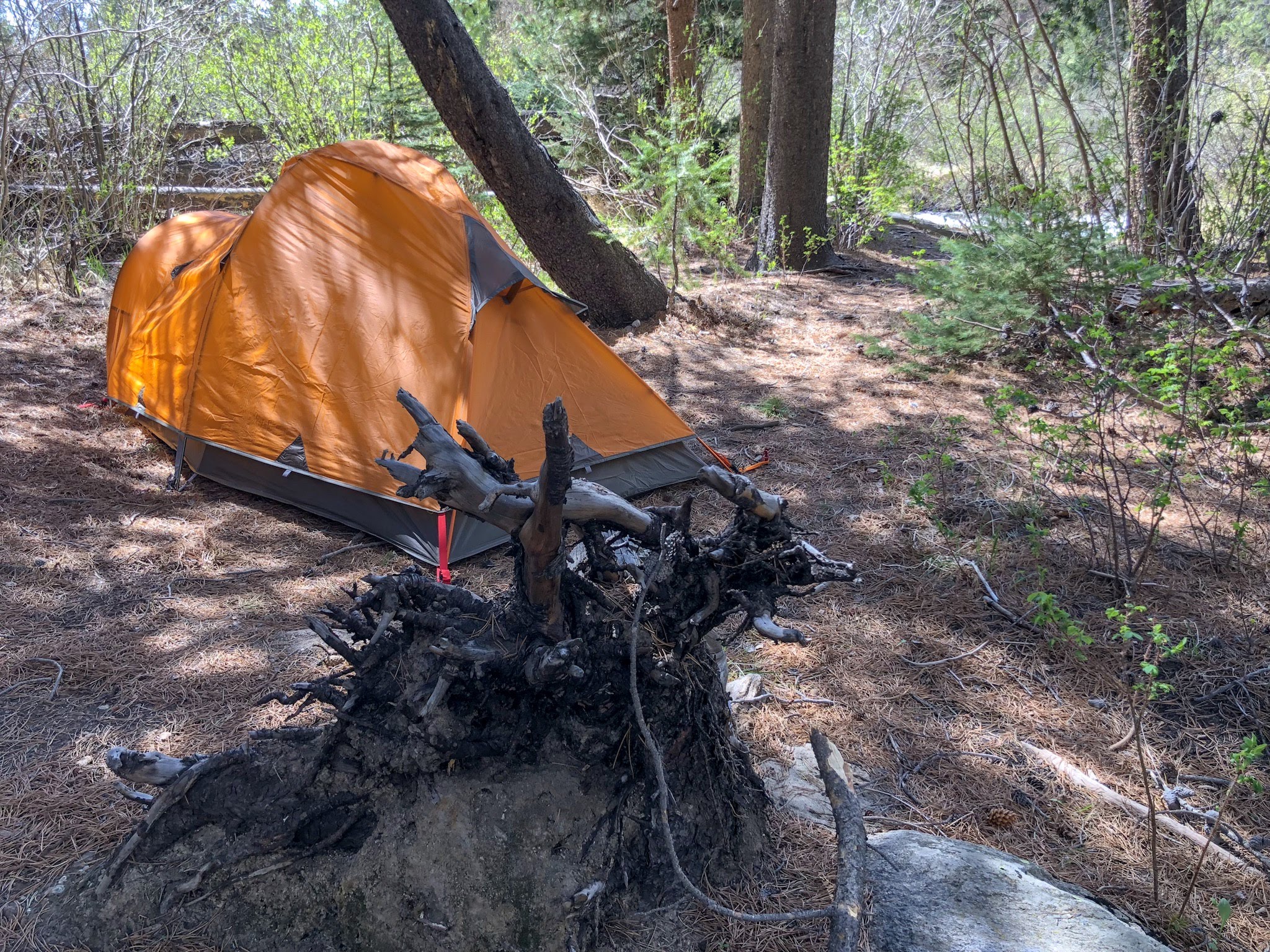
Dispersed camping by a stream in winter offers solitude, beautiful scenery, and a unique connection to nature. However, it also presents specific challenges and responsibilities. Understanding the dos and don’ts is essential for safety, environmental stewardship, and an enjoyable experience.
Do: Choose Your Campsite Wisely
Do: Camp at Least 200 Feet from the Stream
Why 200 Feet Matters
Camping at least 200 feet (about 70 adult steps) from the stream is a widely recommended guideline rooted in both environmental science and personal safety. This distance is not arbitrary—it is designed to protect sensitive ecosystems and to keep campers out of harm’s way.
Protecting Fragile Riparian Zones
Riparian zones—the lush, green areas bordering streams and rivers—are among the most ecologically important habitats. They support a wide variety of plants and animals, filter pollutants from runoff, and stabilize stream banks against erosion. In winter, these areas are especially vulnerable:
- Vegetation is Dormant: Plants are less able to recover from trampling or compaction.
- Soil is Saturated or Frozen: Foot traffic can damage roots and compact soil, leading to increased erosion when the ground thaws.
- Wildlife is Stressed: Animals rely on riparian zones for food and shelter, especially in harsh winter conditions.
By camping farther away, you help preserve these critical habitats for future generations.
Reducing Flood Risk
Winter brings unpredictable weather. Snowmelt, rain, or sudden thaws can cause streams to rise rapidly—even overnight. Camping too close to the water’s edge puts you at risk of:
- Flooding: Rising water can inundate your campsite, soaking gear and creating dangerous conditions.
- Ice Hazards: In winter, ice shelves can collapse or break away, especially near the edges of streams.
- Cold Air Drainage: Cold air tends to settle in low-lying areas near water, making nights colder and increasing the risk of hypothermia.
By setting up camp at least 200 feet away and on higher ground, you reduce these risks and ensure a safer, more comfortable experience.
Preserving Water Quality
Distance also helps prevent contamination of the stream. Even small amounts of soap, food waste, or human waste can pollute water sources, especially in winter when natural decomposition is slow. By camping farther away, you:
- Reduce the chance of runoff carrying pollutants into the stream.
- Help maintain clean water for wildlife and other campers.
Practical Tips for Measuring Distance
- Pace it Out: One adult step is roughly 2.5 to 3 feet. Seventy steps will get you close to the recommended distance.
- Use a Map or GPS: Some maps mark riparian buffer zones. GPS devices can help you estimate distance if you’re unsure.
- Look for Natural Markers: Large rocks, tree lines, or changes in vegetation can help you judge distance from the stream.
Camping at least 200 feet from a stream is a simple but powerful way to minimize your impact, protect sensitive habitats, and keep yourself safe from winter hazards. It’s a small step that makes a big difference for both the environment and your own camping experience.
Do: Look for Durable Surfaces
Understanding Durable Surfaces
A “durable surface” is any ground cover that can withstand repeated use without being damaged or degraded. In the context of winter camping next to a stream, this means choosing places where your presence will have the least lasting impact on the environment.
Why Durable Surfaces Matter
- Preserving Plant Life: Vegetation, especially in riparian zones, is often fragile and slow-growing. In winter, plants are dormant and less able to recover from being crushed or uprooted by tents, boots, or gear.
- Preventing Soil Erosion: Exposed or compacted soil is more susceptible to erosion, especially during freeze-thaw cycles or spring runoff. Erosion can muddy streams, harm aquatic life, and destabilize stream banks.
- Minimizing Visual Impact: Camping on durable surfaces helps keep the area looking wild and undisturbed for future visitors.
Best Choices for Durable Surfaces
- Snow: In winter, snow is often the most durable surface available. It acts as a protective blanket over vegetation and soil. When you camp on snow:
- You avoid direct contact with plants and soil.
- Your impact disappears with the next snowfall or spring melt.
- You can shape the snow to create a level, comfortable sleeping area.
- Gravel or Rock: Gravel bars, rocky outcrops, or areas with exposed stone are naturally resistant to impact. These surfaces don’t support much plant life and are less prone to erosion.
- Established Clearings: If you find a spot that’s already been used for camping (e.g., a bare patch or obvious tent site), use it instead of creating a new one. Concentrating use in one area prevents widespread damage.
Surfaces to Avoid
- Vegetation: Avoid pitching your tent on grass, moss, shrubs, or other living plants, especially near the stream. Even if the ground looks tough, repeated use can kill plants and expose soil.
- Muddy or Wet Areas: These are easily damaged and can become even more eroded or compacted after use.
- Animal Trails: Avoid camping on wildlife paths, which can disrupt animal movement and behavior.
Practical Tips for Finding Durable Surfaces
- Test the Ground: If you’re unsure, gently press your boot into the surface. If it leaves a deep mark or crushes plants, look elsewhere.
- Prepare the Snow: If camping on snow, stomp out a platform with your boots or snowshoes before setting up your tent. This creates a firm, level base and prevents melting from your body heat.
- Check for Drainage: Make sure your chosen spot won’t collect water if the snow melts or it rains.
Choosing a durable surface for your winter campsite is a key principle of Leave No Trace ethics. By pitching your tent on snow, gravel, or established clearings, you help preserve the delicate balance of riparian ecosystems, prevent erosion, and ensure that the beauty of the area endures for others to enjoy.
Don’t: Disturb the Natural Environment
Don’t: Trample Sensitive Areas
The Impact of Foot Traffic
Every step you take in a wild area leaves a mark, but the effects are magnified in sensitive environments like stream banks, wetlands, and riparian zones—especially during winter. These areas are often home to delicate plants, fragile soils, and wildlife that depend on undisturbed habitat for survival.
Why Trampling is Harmful
- Vegetation Damage: Many plants in riparian zones are slow-growing and have shallow root systems. In winter, they are dormant and cannot repair damage. Repeated trampling can crush stems, break branches, and kill plants outright.
- Soil Compaction: Walking over the same patch of ground compresses the soil, reducing its ability to absorb water and air. Compacted soil is less hospitable to plant roots and more prone to erosion.
- Erosion and Sedimentation: Bare or compacted soil is easily washed away by rain, snowmelt, or rising stream levels. This sediment can cloud the water, harm aquatic life, and destabilize stream banks.
- Wildlife Disturbance: Animals rely on undisturbed areas for shelter and food, especially in winter when resources are scarce. Trampling can destroy nests, burrows, or feeding grounds.
Winter-Specific Concerns
- Frozen or Saturated Ground: In winter, the ground may be frozen on top but soft underneath, making it especially vulnerable to compaction and rutting.
- Hidden Vegetation: Snow can hide plants and fragile ground, making it easy to damage them without realizing it.
- Slow Recovery: Cold temperatures and short growing seasons mean that any damage done in winter may not heal until well into the next year—or longer.
How to Minimize Your Impact
- Stick to Durable Surfaces: Walk on snow, rocks, or established trails whenever possible. These surfaces can withstand repeated use without lasting harm.
- Disperse Your Steps: If you must travel off-trail, spread out rather than following in each other’s footsteps. This prevents the creation of new, visible paths and reduces concentrated damage.
- Avoid Muddy or Wet Areas: These are especially prone to compaction and erosion. If you encounter a muddy patch, go around it on durable ground rather than through it.
- Limit Trips to the Stream: Plan your activities so you make as few trips to the water as possible. Carry water in larger containers to reduce back-and-forth movement.
Practical Tips
- Scout Your Route: Before setting up camp or collecting water, look for the most durable path and stick to it.
- Educate Your Group: Make sure everyone understands the importance of minimizing their impact and knows how to recognize sensitive areas.
- Leave No Trace: If you notice signs of damage (trampled plants, muddy ruts), avoid those areas and report them to land managers if appropriate.
Trampling sensitive areas near streams, especially in winter, can have long-lasting negative effects on the environment. By being mindful of where you walk and choosing durable surfaces, you help protect fragile ecosystems, preserve water quality, and ensure that these beautiful places remain healthy and vibrant for future visitors and wildlife alike.
Don’t: Alter the Streambank
The Importance of an Undisturbed Streambank
Streambanks are dynamic, living systems that play a crucial role in maintaining the health of both aquatic and terrestrial environments. They stabilize the edges of streams, filter runoff, provide habitat for wildlife, and support a diverse array of plants. Even small changes to a streambank can have outsized and long-lasting impacts.
Why You Should Never Dig, Build, or Move Rocks
- Habitat Disruption: Streambanks and the areas immediately around them are home to countless organisms. Fish, amphibians, insects, and small mammals rely on the natural arrangement of rocks, logs, and soil for shelter, breeding, and feeding. Moving rocks or digging can destroy nests, expose eggs, and eliminate hiding places.
- Erosion and Sedimentation: The roots of streamside plants and the natural layering of soil and rocks help hold the bank together. Digging trenches or removing rocks destabilizes the bank, making it more susceptible to erosion. When soil washes into the stream, it clouds the water, smothers fish eggs, and disrupts the feeding and breathing of aquatic life.
- Water Quality Degradation: Altering the streambank can increase the amount of sediment, nutrients, and pollutants entering the water. This can lead to algal blooms, reduced oxygen levels, and harm to both aquatic and terrestrial species.
- Hydrological Changes: Building dams or altering the flow of water, even temporarily, can change the stream’s natural course. This can flood areas upstream, dry out habitats downstream, and disrupt the delicate balance that supports the ecosystem.
Common Mistakes and Their Consequences
- Digging Trenches Around Tents: Some campers dig trenches to divert water away from their tents. In winter, this is unnecessary if you choose your site wisely and can cause lasting scars on the landscape that persist long after the snow melts.
- Building Rock Dams or Pools: Creating pools for bathing or fishing may seem harmless, but it can block fish migration, alter water temperature, and destroy spawning grounds.
- Stacking or Moving Rocks for Fire Rings or Furniture: Removing rocks from the stream or bank for camp use disturbs habitats and can accelerate erosion.
Best Practices
- Leave Everything as You Found It: Enjoy the natural beauty of the streambank without rearranging it. Take photos, not souvenirs.
- Camp on Durable Surfaces Away from the Bank: This reduces the temptation to alter the bank for comfort or convenience.
- Educate Others: Share your knowledge about the importance of undisturbed streambanks with fellow campers.
Altering the streambank—even in small ways—can have significant negative effects on the environment. By resisting the urge to dig, build, or move rocks, you help preserve the integrity of the stream ecosystem, protect wildlife habitats, and ensure that these special places remain healthy and beautiful for everyone to enjoy.
Do: Practice Responsible Waste Management
Do: Pack Out All Trash
Why Packing Out Trash Is Essential
When camping next to a stream in winter, responsible waste management is not just a courtesy—it’s a necessity. The principle of “pack it in, pack it out” is especially important in cold environments, where natural decomposition is drastically slowed or halted altogether. Even seemingly harmless items can persist for months, harming wildlife and spoiling the wilderness experience for others.
The Impact of Trash in Winter Environments
- Slow Decomposition: In winter, low temperatures and frozen ground mean that organic and inorganic waste breaks down extremely slowly. An orange peel or a bit of bread crust that might decompose in weeks during summer can remain visible and intact until the following thaw.
- Wildlife Hazards: Animals are often desperate for food in winter. Trash, especially food scraps, can attract wildlife to campsites, leading to unhealthy dietary changes, increased human-wildlife conflicts, and even animal deaths.
- Water Pollution: Trash left near streams can easily be washed into the water during snowmelt or rain, polluting the water and harming aquatic life.
- Aesthetic and Ethical Concerns: Litter detracts from the natural beauty of the area and diminishes the wilderness experience for everyone who visits after you.
What to Pack Out
- All Food Scraps: This includes fruit peels, nut shells, coffee grounds, and even crumbs. Animals can smell these from far away, and they do not belong in the wild.
- Packaging and Wrappers: Plastic, foil, paper, and other packaging materials are not biodegradable in cold conditions and can persist for years.
- Personal Hygiene Items: Toilet paper, wipes, feminine hygiene products, and dental floss should all be packed out in a sealed bag.
- Microtrash: Small items like twist ties, bottle caps, bits of foil, and even tea bag tags are easily overlooked but can have outsized impacts.
Practical Tips for Packing Out Trash
- Bring Extra Bags: Carry sturdy, sealable bags specifically for trash. Double-bag if necessary to prevent leaks or odors.
- Separate Waste: Keep food waste and hygiene items separate from recyclables if you plan to sort them later.
- Inspect Your Campsite: Before leaving, do a thorough sweep of your campsite and surrounding area. Look for microtrash and anything that might have been dropped or blown away.
- Minimize Waste Before You Go: Repackage food at home to reduce the amount of packaging you bring into the wilderness.
Special Considerations for Winter
- Frozen Trash: Trash can freeze solid, making it harder to pack out. Keep waste inside your pack or in a bag inside your tent to prevent this.
- Odor Control: In winter, animals may be more attracted to the smell of food. Use odor-proof bags or containers to store trash until you can dispose of it properly.
Packing out all trash is a fundamental responsibility for winter campers, especially near sensitive stream environments. By carrying out everything you bring in—including the smallest scraps—you help protect wildlife, preserve water quality, and ensure that the wilderness remains pristine for everyone who follows.
Do: Use a Portable Toilet or Follow Leave No Trace Guidelines
The Importance of Responsible Human Waste Disposal
Proper disposal of human waste is critical when camping near streams, especially in winter. Inadequate practices can contaminate water sources, spread disease, and degrade the natural environment. Winter conditions add unique challenges, making it even more important to plan ahead and follow best practices.
Why It Matters
- Water Quality: Streams are highly susceptible to contamination from human waste. Pathogens and nutrients from feces can enter the water, posing health risks to people and wildlife downstream.
- Slow Decomposition: Cold temperatures and frozen ground slow or halt the breakdown of waste, meaning it can persist for months or even until the next thaw.
- Wildlife and Aesthetics: Improperly buried or exposed waste can attract animals and detract from the wilderness experience for others.
Portable Toilets: The Gold Standard
- What They Are: Portable toilets range from simple “wag bags” (double-sealed bags with absorbent material) to more elaborate bucket or canister systems.
- Advantages:
- Completely removes waste from the environment.
- Easy to use and required in some protected areas.
- Minimizes risk of contamination, especially when the ground is frozen and digging is difficult.
- Best Practices:
- Use the toilet for all solid waste.
- Seal and store used bags in a sturdy, odor-proof container until you can dispose of them in a proper facility.
Catholes: The Leave No Trace Alternative
If a portable toilet is not available, the Leave No Trace method is to dig a cathole:
- Distance: Always dig your cathole at least 200 feet (about 70 adult steps) from any stream, lake, or wetland. This distance helps prevent contamination of water sources.
- Depth and Size: Dig a hole 6-8 inches deep and 4-6 inches wide. In winter, you may need a sturdy trowel or ice axe to break through frozen ground.
- Covering Waste: After use, cover the waste thoroughly with the original soil and then with snow. This helps insulate the waste and reduces the chance of animals digging it up.
- Toilet Paper: Pack out all used toilet paper and wipes in a sealed, odor-proof bag. Even “biodegradable” paper decomposes very slowly in winter and can be scattered by wind or animals.
- Hygiene: Use hand sanitizer after handling waste and before preparing food.
Special Considerations for Winter
- Frozen Ground: Digging a cathole can be challenging or impossible if the ground is frozen solid. In these cases, a portable toilet is the only responsible option.
- Snow Cover: If you must go on snow, dig down to the ground if possible. If not, use a portable toilet or pack out all waste in a double-bagged system.
- Marking the Spot: If you bury waste in snow, mark the spot discreetly to avoid accidental disturbance by others.
Proper human waste disposal is a non-negotiable aspect of winter camping near streams. Use a portable toilet whenever possible, or follow Leave No Trace cathole guidelines at a safe distance from water. Always pack out used toilet paper. These practices protect water quality, wildlife, and the wilderness experience for everyone.
Don’t: Contaminate the Water Source
Don’t: Wash Dishes or Yourself in the Stream
Why Direct Washing in the Stream Is Harmful
Streams are vital sources of clean water for wildlife, plants, and other campers. Even small amounts of soap, food residue, or body oils can introduce pollutants, disrupt aquatic ecosystems, and degrade water quality. In winter, these effects are magnified because cold water slows the breakdown of contaminants, and lower stream flows mean pollutants are less diluted.
The Risks of Washing Directly in the Stream
- Soap and Chemical Pollution: Even biodegradable soaps can harm aquatic life if introduced directly into streams. They can disrupt the natural balance of bacteria and microorganisms, which are especially sensitive in cold, slow-moving winter water.
- Food Residue: Washing dishes in the stream can introduce food particles, which attract wildlife, promote algae growth, and can carry pathogens.
- Body Oils and Sunscreen: Bathing in the stream releases oils, lotions, and sunscreen, all of which can be toxic to aquatic organisms.
Best Practices for Washing Dishes and Yourself
- Collect Water in a Container: Use a pot, collapsible bucket, or water bottle to gather water from the stream. Carry it at least 200 feet (about 70 adult steps) away from the water’s edge before washing.
- Wash on Durable Surfaces: Choose a spot on snow, gravel, or bare ground to minimize impact on vegetation and soil.
- Use Biodegradable Soap Sparingly: If you use soap, make sure it’s biodegradable and use only a small amount. Even biodegradable soap needs soil to break down properly—it does not break down in water.
- Strain and Scatter Wastewater: After washing, strain out any food particles (pack them out with your trash), then scatter the wastewater broadly over a wide area, well away from the stream. This allows soil and microorganisms to filter and break down contaminants before they reach the water.
- Dry Dishes and Yourself Away from the Stream: Let dishes and your body air dry at your washing site, not at the water’s edge, to avoid drips entering the stream.
Winter-Specific Considerations
- Frozen Water Sources: If the stream is frozen, melt snow for washing, following the same guidelines for distance and dispersal.
- Cold Weather Hygiene: In winter, you may not need to wash as often, but when you do, keep it quick and efficient to avoid hypothermia.
- Ice Safety: Avoid standing on ice near the stream’s edge, as it may be thin or unstable.
Never wash dishes or yourself directly in a stream, even in winter. Always collect water and move at least 200 feet away before washing, use soap sparingly, and scatter wastewater broadly. These simple steps protect water quality, aquatic life, and the wilderness experience for everyone who visits after you.
Don’t: Dispose of Food Waste in the Water
Why Food Waste and Cooking Water Don’t Belong in Streams
Streams are delicate ecosystems that rely on a careful balance of nutrients, oxygen, and living organisms. Introducing food waste or cooking water disrupts this balance, with consequences that can ripple through the entire aquatic environment and beyond.
The Environmental Impact
- Harm to Aquatic Life: Food scraps and cooking water often contain oils, fats, and organic matter that are not naturally present in streams. When these substances enter the water:
- Oxygen Depletion: Decomposing food waste consumes oxygen, reducing the amount available for fish, insects, and other aquatic organisms. In winter, when water holds less oxygen and aquatic life is already stressed, this can be especially harmful.
- Algae Blooms: Nutrients from food waste can fuel the growth of algae. Excessive algae growth (even in cold water) can further deplete oxygen and block sunlight, harming plants and animals.
- Toxicity: Some foods, spices, and oils can be directly toxic to aquatic life, even in small amounts.
- Attracting Wildlife: Food waste in or near streams attracts animals such as raccoons, bears, and birds. This can:
- Alter Natural Behavior: Animals may become dependent on human food, lose their fear of people, and change their foraging habits.
- Increase Human-Wildlife Conflicts: Animals drawn to campsites can become a nuisance or even dangerous.
- Spread Disease: Congregating animals can spread disease among themselves and to humans.
- Aesthetic and Social Impacts: Floating food scraps or cloudy water from dumped cooking water detract from the natural beauty of the stream and diminish the wilderness experience for others.
Best Practices for Food Waste and Cooking Water
- Strain and Pack Out: After cooking or washing dishes, strain all food particles from your cooking water using a fine mesh strainer or a bandana. Pack out the food scraps with your trash.
- Scatter Wastewater Away from the Stream: Carry your strained cooking water at least 200 feet from the stream and scatter it broadly over a wide area. This allows soil and microorganisms to filter and break down any remaining nutrients before they reach the water.
- Minimize Waste: Plan meals carefully to reduce leftovers and avoid excess cooking water. Rehydrate foods with only as much water as you need.
- Use Biodegradable Soap Sparingly: If you use soap, make sure it’s biodegradable and follow the same guidelines for dispersal as with cooking water.
Winter-Specific Considerations
- Frozen Ground: In winter, the ground may be frozen, making it harder for soil to filter wastewater. Scatter water over a wide area on snow, which will help dilute and disperse it as it melts.
- Wildlife Scarcity: Animals are especially vulnerable in winter and may be more likely to seek out food scraps, increasing the risk of negative encounters.
Never dispose of food waste or cooking water in streams. Strain out all solids, pack them out, and scatter any remaining water well away from the stream. These actions protect aquatic life, prevent wildlife problems, and help keep wilderness areas pristine for everyone.
Do: Prepare for Winter Hazards
Do: Monitor Weather and Water Levels
The Unpredictability of Winter Weather
Winter camping next to a stream brings unique risks due to rapidly changing weather conditions. Unlike summer, winter weather can shift from calm to hazardous in a matter of hours, with snowstorms, sudden thaws, freezing rain, or high winds. These changes can directly affect stream conditions and your safety.
Why Monitoring Weather and Water Levels Is Critical
- Sudden Snowmelt: A warm spell or rain-on-snow event can cause rapid melting of snowpack, dramatically increasing the volume of water flowing into streams. This can lead to:
- Flash Flooding: Water levels can rise quickly, inundating low-lying campsites and washing away gear.
- Undercutting of Ice: Melting from below can weaken ice shelves, making them dangerous to walk on or camp near.
- Rain and Freezing Rain: Rain falling on snow or frozen ground cannot soak in, so it runs off directly into streams, causing water levels to spike. Freezing rain can also create treacherous conditions for travel and increase the risk of falling branches or trees.
- Ice Jams: In winter, chunks of ice can accumulate and block the flow of a stream. When an ice jam breaks, it can release a sudden surge of water downstream, causing unexpected flooding.
- Temperature Swings: Rapid temperature changes can affect not only water levels but also the stability of snow and ice around your campsite.
How to Monitor and Respond
- Check Weather Forecasts Frequently: Before your trip and each day while camping, check updated weather forecasts using a weather radio, smartphone, or satellite device. Pay attention to warnings about warming trends, rain, or storms.
- Observe the Stream:
- Look for Rising Water: Mark the water level with a stick or rock when you arrive and check it periodically.
- Listen for Unusual Sounds: Cracking ice, rushing water, or shifting debris can signal changing conditions.
- Watch for Ice Movement: Be wary of ice shelves or bridges that may become unstable as temperatures fluctuate.
- Choose Your Campsite Carefully:
- Camp on High Ground: Avoid low-lying areas or floodplains near the stream, even if they seem dry or protected.
- Stay Back from the Edge: Set up your tent at least 200 feet from the stream and well above the high-water mark.
- Have an Evacuation Plan: Know your escape routes in case you need to move quickly due to rising water or changing weather.
Winter-Specific Tips
- Snowpack Awareness: Learn to assess snowpack stability and depth. Deep snow can insulate the ground but may also hide hazards like thin ice or unstable banks.
- Ice Safety: Never assume ice is safe to walk on, especially near moving water. Ice thickness can vary greatly and change rapidly with weather.
- Gear Readiness: Keep your gear organized and ready to move in case you need to relocate your camp quickly.
Monitoring weather and water levels is a vital part of winter camping safety near streams. By staying alert to changing conditions, choosing your campsite wisely, and having a plan for emergencies, you can avoid hazards like flooding, unstable ice, and sudden storms—ensuring a safer and more enjoyable winter camping experience.
Do: Insulate and Stay Dry
The Importance of Insulation and Staying Dry in Winter Camping
When camping next to a stream in winter, staying warm and dry is not just about comfort—it’s about survival. Exposure to cold and moisture can quickly lead to hypothermia or frostbite, especially when temperatures drop overnight or if your gear becomes wet. Proper insulation and moisture management are essential for a safe and enjoyable experience.
Choosing the Right Shelter: Four-Season Tent
- Four-Season Tent Advantages: Four-season tents are designed to withstand heavy snow, strong winds, and low temperatures. They feature:
- Stronger poles and fabrics to resist snow loading and wind.
- Lower profiles and fewer mesh panels to retain heat and block drafts.
- Vestibules for storing wet gear outside the sleeping area.
- Why Not Three-Season Tents? Three-season tents may not provide adequate protection from snow accumulation or wind-driven rain, and their ventilation can let in too much cold air.
Insulated Sleeping Pad: The Barrier Between You and the Cold
- Ground Insulation Is Critical: The ground can sap heat from your body much faster than cold air. An insulated sleeping pad (with a high R-value, ideally 4 or above) creates a barrier that keeps your body heat from escaping into the snow or frozen ground.
- Double Up If Needed: In extreme cold, use two pads—a closed-cell foam pad on the bottom and an inflatable insulated pad on top—for extra warmth.
Waterproof and Breathable Gear
- Layering System:
- Base Layer: Wicks moisture away from your skin.
- Insulating Layer: Traps body heat (down, synthetic, or wool).
- Shell Layer: Waterproof and windproof jacket and pants to keep out snow and rain.
- Waterproof Boots and Gaiters: Keep your feet dry when walking through snow or near the stream. Wet feet can quickly become dangerously cold.
- Dry Bags and Pack Covers: Store sleeping bags, clothing, and electronics in waterproof bags to protect them from snow, rain, or accidental drops into the stream.
Site Selection: High Ground for Warmth and Safety
- Avoid Low Spots: Cold air is denser than warm air and naturally flows downhill, pooling in valleys and depressions—especially at night. Camping on high ground helps you avoid the coldest temperatures.
- Flood Risk: Setting up camp on high ground also protects you from sudden rises in stream levels due to snowmelt, rain, or ice jams.
- Wind Protection: While high ground is warmer, try to find a spot that is also sheltered from prevailing winds by trees or natural features.
Staying Dry: Practical Tips
- Ventilate Your Tent: Even in winter, condensation from your breath and body can build up inside your tent. Use vents or crack the door slightly to allow moisture to escape.
- Change Out of Wet Clothes: Always change into dry clothing before getting into your sleeping bag, even if you only feel slightly damp.
- Keep Sleeping Gear Dry: Never let your sleeping bag or pad touch wet ground or snow. Use a groundsheet or tent footprint for extra protection.
Insulating yourself from the cold and staying dry are fundamental to winter camping safety and comfort. Use a four-season tent, an insulated sleeping pad, and waterproof gear, and always set up camp on high ground to avoid cold air pooling and flooding. These precautions will help you sleep warmly, stay healthy, and enjoy the beauty of winter camping next to a stream.
Don’t: Underestimate the Cold
Don’t: Camp Too Close to the Water
The Microclimate of Streamside Campsites
Water bodies, especially streams and rivers, create unique microclimates that can significantly affect your comfort and safety during winter camping. While the gentle sound of running water may seem inviting, camping too close to a stream exposes you to colder, damper, and potentially more hazardous conditions.
Why Cold Air Settles Near Water
- Cold Air Drainage: At night, cold air is denser than warm air and naturally flows downhill, collecting in low-lying areas such as valleys, depressions, and streambeds. This phenomenon is known as cold air drainage.
- Water as a Heat Sink: Water absorbs and releases heat more slowly than land. In winter, streams are often colder than the surrounding air, especially at night, further chilling the immediate area.
- Humidity and Condensation: Proximity to water increases humidity. When temperatures drop, this moisture condenses on your gear and inside your tent, making you feel colder and increasing the risk of frost or ice buildup.
The Risks of Camping Too Close to the Stream
- Colder Temperatures: The temperature near the stream can be several degrees lower than just a short distance uphill. This can make the difference between a comfortable night and a dangerously cold one.
- Increased Condensation: High humidity leads to more condensation inside your tent and on your sleeping bag, which can dampen insulation and reduce its effectiveness.
- Flooding and Ice Hazards: Sudden rises in water level due to snowmelt, rain, or ice jams can flood low-lying campsites. Ice shelves near the stream can also be unstable and hazardous.
- Wildlife Traffic: Animals often use stream corridors as travel routes, increasing the likelihood of nighttime encounters if you camp too close.
Best Practices for Warmer, Safer Sleeping Conditions
- Set Up Slightly Uphill: Choose a campsite on a gentle rise or bench above the stream. Even a small elevation gain can result in noticeably warmer and drier conditions.
- Look for Natural Windbreaks: While moving uphill, also seek out areas sheltered from prevailing winds by trees, rocks, or terrain features.
- Check for Flood Indicators: Avoid areas with flattened vegetation, debris lines, or ice formations that indicate previous high water.
- Maintain the 200-Foot Rule: Setting up camp at least 200 feet from the stream not only protects the environment but also places you outside the coldest, dampest air.
Additional Tips for Staying Warm
- Insulate from the Ground: Use an insulated sleeping pad to prevent heat loss to the cold ground, which is even more pronounced near water.
- Ventilate Your Tent: Proper ventilation reduces condensation, keeping your sleeping bag and clothing dry and warm.
- Change into Dry Clothes: Always change into dry, warm layers before bed, especially if you’ve been active or exposed to moisture.
Camping too close to a stream in winter exposes you to colder temperatures, increased condensation, and potential flooding. By setting up camp slightly uphill and away from the water, you’ll enjoy warmer, safer, and more comfortable sleeping conditions—making your winter camping experience both enjoyable and secure.
Don’t: Leave Food Unsecured
The Reality of Wildlife Activity in Winter
It’s a common misconception that wildlife is dormant or absent during the winter months. While some animals hibernate, many species remain active and are often more desperate for food due to the scarcity of natural resources. Mice, squirrels, raccoons, foxes, birds, and even bears (in some regions) may be attracted to the scent of food at your campsite.
Why Securing Food Is Essential
- Preventing Wildlife Encounters: Unsecured food can attract animals to your campsite, increasing the risk of unwanted encounters. Even small animals can cause significant damage to your gear and supplies, while larger animals like bears or coyotes can pose serious safety threats.
- Protecting Wildlife Health: Human food is not suitable for wild animals. Consuming it can make them sick, alter their natural foraging behaviors, and lead to dependency on human sources.
- Reducing Human-Wildlife Conflicts: Animals that become accustomed to finding food at campsites may lose their natural fear of humans, leading to more aggressive behavior and, in the case of bears, sometimes requiring wildlife managers to relocate or euthanize the animal.
- Preserving the Wilderness Experience: Food scraps and animal activity can degrade the natural environment and diminish the experience for future campers.
Best Practices for Securing Food
- Bear-Proof Containers: Use certified bear canisters or bear-resistant food storage containers. These are designed to prevent even the most determined animals from accessing your food.
- Place the container at least 100 feet (30 meters) from your sleeping area and cooking site.
- Store all food, trash, toiletries, and scented items inside the container.
- Hanging Food: If bear canisters are not available or required, use the traditional “bear hang” method:
- Find a sturdy tree at least 200 feet from your tent.
- Hang food at least 10-15 feet above the ground and 4-6 feet away from the trunk or any branches animals could climb.
- Use a rope and stuff sack or dry bag for your food.
- Odor-Proof Bags: Double-bag food and trash in odor-resistant bags to minimize scent trails that attract animals.
- Cleanliness: Keep your campsite clean. Never leave food, trash, or cooking utensils unattended, even for a short time. Clean up spills and crumbs immediately.
Winter-Specific Considerations
- Frozen Ground and Trees: Snow and ice can make it harder to hang food or find suitable trees. In these cases, bear canisters are especially useful.
- Rodent Activity: Small mammals are often the most persistent winter visitors. They can chew through packs, tents, and even plastic containers. Hard-sided canisters or metal mesh bags can help deter them.
- Scented Items: Remember to store not just food, but also toothpaste, lip balm, sunscreen, and any other scented items.
Never leave food unsecured when winter camping near a stream. Wildlife remains active and resourceful, and the consequences of attracting animals can be serious for both you and the ecosystem. Use bear-proof containers or hang your food well away from your sleeping area, and always maintain a clean campsite. These practices protect wildlife, your safety, and the wilderness experience for everyone.
Conclusion
Dispersed camping next to a stream in winter offers a unique blend of solitude, beauty, and challenge. The quiet of snow-covered landscapes, the sparkle of ice along the water’s edge, and the sense of self-reliance that comes from thriving in cold conditions can make for an unforgettable adventure. However, this experience comes with significant responsibilities—to yourself, to the environment, and to future visitors.
Preserving Natural Beauty
By following the dos and don’ts outlined throughout this guide, you play a direct role in protecting the pristine character of wild places. Setting up camp away from the stream, choosing durable surfaces, and minimizing your impact on vegetation and soil all help ensure that the landscape remains unspoiled. Responsible waste management and careful handling of food and water sources prevent pollution and keep the area clean and inviting for everyone.
Protecting Wildlife
Winter is a time of scarcity for many animals. By securing your food, packing out all trash, and never disposing of waste in or near the stream, you help prevent wildlife from becoming dependent on human food or suffering from exposure to harmful substances. Avoiding disturbance to habitats and respecting animal travel corridors ensures that wildlife can continue to thrive, even in the harshest months.
Ensuring Your Safety and Comfort
Winter camping near a stream requires vigilance and preparation. Monitoring weather and water levels, insulating yourself from the cold, and choosing your campsite wisely are all critical for avoiding hazards like hypothermia, flooding, or dangerous wildlife encounters. By understanding the unique risks of winter and acting proactively, you can enjoy the adventure with confidence and peace of mind.
Leaving a Positive Legacy
Every action you take in the backcountry leaves a mark—visible or invisible. By practicing Leave No Trace principles and modeling responsible behavior, you set an example for others and contribute to a culture of stewardship. The cumulative effect of many small, thoughtful decisions is a wilderness that remains wild, healthy, and accessible for generations to come.
Final Thoughts
Dispersed camping next to a stream in winter is both a privilege and a responsibility. With careful planning, respect for the environment, and a commitment to best practices, you can enjoy the rewards of winter camping while safeguarding the land and its inhabitants. In doing so, you ensure that the magic of winter wilderness remains intact—for yourself, for wildlife, and for all who follow in your footsteps.



 UTAZCO Overland
Leave a Reply