
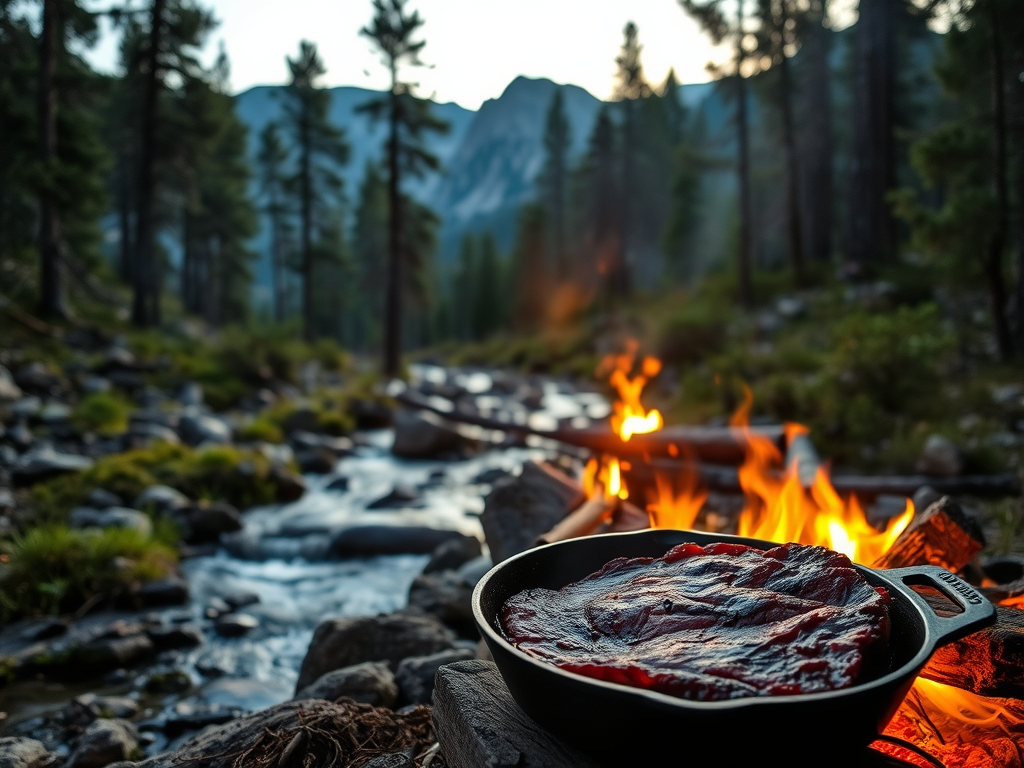
Camping next to a river or creek can be a serene and rewarding experience, offering the soothing sounds of flowing water and the opportunity for various recreational activities. However, it also requires careful planning and awareness to ensure safety and environmental responsibility. Below are some essential dos and don’ts to consider when camping near a water body.
Dos
Choosing a Safe Campsite
Selecting a safe campsite is one of the most crucial steps when camping near a river or creek. This decision not only affects your safety but also the preservation of the natural environment. Here’s a more detailed exploration of why and how to choose a safe campsite:
Flood Risk Mitigation
Camping at least 200 feet away from the water’s edge is essential to minimize the risk of flooding. Rivers and creeks can rise rapidly due to upstream rainfall, snowmelt, or dam releases, even if the weather at your location seems calm. By maintaining a safe distance, you reduce the likelihood of your campsite being inundated by unexpected water level changes.
Environmental Protection
Camping too close to a water source can lead to soil erosion and vegetation damage. The constant foot traffic and tent placement can compact the soil, making it difficult for plants to grow and increasing the risk of erosion. By setting up camp further away, you help preserve the natural habitat and maintain the integrity of the riverbank.
Wildlife Considerations
Rivers and creeks are vital habitats for many species. By camping at a distance, you reduce disturbances to wildlife that rely on these water sources for drinking, feeding, and breeding. This respectful distance helps maintain the natural behaviors and health of local fauna.
Reducing Human Impact
Human activities can significantly impact the local ecosystem. By choosing a campsite away from the water, you minimize the risk of contaminating the water with soap, food particles, or waste. This practice is crucial for maintaining clean water sources and protecting aquatic life.
Practical Considerations
- Terrain Assessment: Look for flat, stable ground that is free from rocks and roots. This ensures a comfortable sleeping area and reduces the risk of injury.
- Natural Barriers: Utilize natural features like trees or hills to shield your campsite from wind and provide some privacy.
- Sun Exposure: Consider the sun’s path to ensure your campsite receives adequate sunlight during the day, which can help with warmth and drying out gear.
Safety Precautions
- Emergency Exits: Ensure there are clear paths to higher ground in case of sudden flooding.
- Weather Awareness: Continuously monitor weather conditions and be prepared to move if necessary.
- Communication: Inform someone of your camping location and expected return time for added safety.
By carefully selecting a campsite with these considerations in mind, you can enjoy a safer and more environmentally responsible camping experience near a river or creek.
Checking Weather Conditions
Understanding and monitoring weather conditions is a critical aspect of planning a camping trip near a river or creek. Weather can change rapidly, and being unprepared can lead to dangerous situations, particularly in areas prone to flash floods. Here’s a detailed exploration of why checking weather conditions is essential and how to do it effectively:
Importance of Weather Awareness
- Flash Flood Risks: Rivers and creeks can swell quickly due to heavy rainfall, especially in narrow valleys or canyons where water runoff is concentrated. Flash floods can occur with little warning, posing significant risks to campers.
- Temperature Fluctuations: Knowing the expected temperatures helps you pack appropriate clothing and gear, ensuring comfort and safety. Extreme temperatures can lead to hypothermia or heat exhaustion if not properly prepared for.
- Wind Conditions: Strong winds can affect tent stability and increase the risk of falling branches or debris. Understanding wind patterns helps in choosing a sheltered campsite.
How to Check Weather Conditions
- Use Reliable Sources: Access weather forecasts from reputable sources such as the National Weather Service, local meteorological services, or reliable weather apps. These sources provide up-to-date and accurate information.
- Monitor Regularly: Check the weather forecast multiple times leading up to your trip and continue to monitor it during your stay. Weather can change rapidly, and staying informed allows you to make timely decisions.
- Understand Weather Alerts: Familiarize yourself with weather alert systems and what different warnings mean. Alerts for severe weather, such as thunderstorms or flash floods, should be taken seriously.
Planning Based on Weather
- Flexible Itinerary: Be prepared to adjust your plans based on weather conditions. This might mean delaying your trip, choosing a different campsite, or altering your activities.
- Emergency Preparedness: Have an emergency plan in place, including knowing the quickest routes to higher ground and having a communication plan with someone outside the camping area.
- Gear Considerations: Pack gear suitable for the expected weather, such as waterproof clothing, extra layers for warmth, and sun protection. Ensure your tent and other equipment are rated for the conditions you might encounter.
Safety Precautions
- Avoid Camping in Low-Lying Areas: Even if the weather seems clear, avoid setting up camp in low-lying areas that could flood quickly.
- Stay Informed: Use a portable weather radio or a smartphone app with weather alerts to stay informed about any changes in conditions.
- Communicate Plans: Inform someone of your itinerary and check-in times, so they can alert authorities if you do not return as planned.
By diligently checking and responding to weather conditions, you can significantly enhance the safety and enjoyment of your camping experience near a river or creek.
Practicing Leave No Trace Principles
The Leave No Trace (LNT) principles are a set of guidelines designed to help outdoor enthusiasts minimize their impact on the environment. When camping near a river or creek, adhering to these principles is crucial for preserving the natural beauty and ecological integrity of the area. Here’s a detailed exploration of how to effectively practice Leave No Trace principles:
Core Principles of Leave No Trace
- Plan Ahead and Prepare
- Research the area you plan to visit, including regulations and potential environmental concerns.
- Pack necessary gear to minimize waste, such as reusable containers and biodegradable products.
- Travel and Camp on Durable Surfaces
- Stick to established trails and campsites to prevent soil erosion and vegetation damage.
- Avoid trampling on fragile ecosystems, such as riverbanks and wetlands.
- Dispose of Waste Properly
- Pack out all trash, leftover food, and litter. Use designated waste disposal areas if available.
- Follow the “pack it in, pack it out” rule to ensure no waste is left behind.
- Leave What You Find
- Preserve the natural environment by leaving rocks, plants, and other natural objects as you found them.
- Avoid carving into trees or rocks, which can cause long-term damage.
- Minimize Campfire Impact
- Use a camp stove for cooking instead of building a fire, or use existing fire rings if fires are permitted.
- Keep fires small and ensure they are completely extinguished before leaving.
- Respect Wildlife
- Observe wildlife from a distance and do not feed animals, as this can alter their natural behaviors.
- Store food securely to prevent attracting wildlife to your campsite.
- Be Considerate of Other Visitors
- Maintain a low noise level to preserve the tranquility of the natural setting.
- Yield to other hikers on trails and respect their experience by keeping a respectful distance.
Benefits of Practicing Leave No Trace
- Environmental Preservation: By minimizing human impact, you help protect ecosystems and biodiversity, ensuring that natural habitats remain intact for future generations.
- Enhanced Experience: A clean and undisturbed environment enhances the outdoor experience for everyone, providing a more authentic connection with nature.
- Sustainability: Practicing Leave No Trace supports sustainable outdoor recreation, allowing more people to enjoy natural spaces without degrading them.
Practical Tips for Implementation
- Use Reusable Gear: Opt for reusable water bottles, utensils, and containers to reduce waste.
- Educate Others: Share the principles of Leave No Trace with fellow campers and encourage them to adopt these practices.
- Participate in Clean-Up Efforts: Join or organize clean-up activities in natural areas to help maintain their beauty and health.
By diligently practicing Leave No Trace principles, you contribute to the conservation of natural environments, ensuring that rivers, creeks, and surrounding landscapes remain pristine and accessible for future campers.
Securing Food Properly
Proper food storage is a critical aspect of camping, especially near rivers or creeks where wildlife is abundant. Securing food not only ensures your safety but also protects wildlife from becoming habituated to human food, which can lead to dangerous encounters and ecological imbalances. Here’s a detailed exploration of how to secure food properly while camping:
Why Secure Food?
- Prevent Wildlife Encounters: Animals, particularly bears, raccoons, and rodents, are attracted to the smell of food. Improperly stored food can lead to wildlife entering campsites, posing risks to both campers and animals.
- Protect Wildlife Health: Human food can be harmful to wildlife, leading to nutritional deficiencies and behavioral changes. Animals that become accustomed to human food may lose their natural foraging instincts.
- Avoid Property Damage: Wildlife searching for food can damage tents, backpacks, and other gear, leading to costly repairs or replacements.
Methods of Securing Food
- Bear-Proof Containers
- Use bear-proof canisters or lockers, which are designed to be resistant to animal tampering. These containers are often required in areas with high bear activity.
- Place the container at least 100 feet away from your sleeping area to minimize the risk of attracting animals to your tent.
- Hanging Food
- If bear-proof containers are not available, hang food from a tree branch at least 10-15 feet off the ground and 4 feet away from the trunk. This method is effective for deterring bears and other large animals.
- Use a sturdy rope and ensure the food bag is securely tied to prevent it from falling.
- Odor-Proof Bags
- Store food in odor-proof bags to reduce the scent that attracts animals. These bags can be used in conjunction with bear-proof containers or hanging methods for added protection.
- Camp Kitchen Management
- Cook and eat food at least 100 feet away from your sleeping area. This reduces the likelihood of food odors lingering near your tent.
- Clean up immediately after meals, disposing of food scraps and washing dishes away from the campsite.
Additional Tips for Food Security
- Avoid Scented Products: Store toiletries and other scented items with your food, as they can also attract wildlife.
- Check Local Regulations: Some areas have specific requirements for food storage due to local wildlife activity. Always adhere to these regulations.
- Educate Fellow Campers: Ensure that everyone in your group understands the importance of proper food storage and follows the same practices.
Benefits of Proper Food Storage
- Enhanced Safety: Reducing the risk of wildlife encounters enhances the safety of your camping experience.
- Wildlife Conservation: Protecting animals from human food helps maintain their natural behaviors and health.
- Preservation of Natural Habitats: By preventing wildlife from becoming dependent on human food, you contribute to the preservation of natural ecosystems.
By securing food properly, you play a vital role in ensuring a safe and responsible camping experience that respects both the natural environment and its inhabitants.
Using Biodegradable Products
When camping near a river or creek, using biodegradable products is essential for minimizing environmental impact and protecting aquatic ecosystems. These products break down more quickly and naturally than conventional ones, reducing the risk of pollution. Here’s a detailed exploration of how and why to use biodegradable products responsibly:
Importance of Biodegradable Products
- Environmental Protection: Conventional soaps and detergents contain chemicals that can harm aquatic life and disrupt ecosystems. Biodegradable products are formulated to decompose naturally, minimizing their impact on the environment.
- Water Quality Preservation: Using biodegradable products helps maintain the quality of water sources, ensuring they remain safe for wildlife and future campers.
- Sustainability: Choosing biodegradable options supports sustainable camping practices, promoting the health of natural habitats.
Guidelines for Using Biodegradable Products
- Select the Right Products
- Choose soaps, shampoos, and detergents labeled as biodegradable. These products are designed to break down more quickly in the environment.
- Look for certifications or eco-labels that verify the product’s biodegradability and environmental friendliness.
- Maintain Distance from Water Sources
- Use biodegradable products at least 200 feet away from rivers, creeks, and other water bodies. This distance allows the soil to filter and break down the substances before they reach the water.
- Set up a designated washing area away from the campsite and water source to contain any runoff.
- Minimize Usage
- Use only the amount necessary to reduce the volume of substances entering the environment. A little goes a long way with biodegradable products.
- Consider alternatives like using a washcloth or sponge to minimize water and soap usage.
- Dispose of Waste Properly
- Collect wastewater in a container and disperse it over a wide area away from water sources. This helps the soil absorb and filter the water more effectively.
- Avoid pouring wastewater directly onto vegetation, as it can still cause harm despite being biodegradable.
Benefits of Using Biodegradable Products
- Aquatic Life Protection: By preventing harmful chemicals from entering water bodies, you help protect fish, amphibians, and other aquatic organisms.
- Ecosystem Balance: Maintaining clean water sources supports the overall health and balance of the ecosystem, benefiting both wildlife and plant life.
- Responsible Recreation: Using biodegradable products demonstrates a commitment to responsible outdoor recreation, setting a positive example for others.
Additional Tips for Eco-Friendly Camping
- Educate Fellow Campers: Share the importance of using biodegradable products with your camping group to ensure everyone follows eco-friendly practices.
- Plan Ahead: Research and purchase biodegradable products before your trip to ensure you have the necessary supplies.
- Support Eco-Friendly Brands: Choose brands that prioritize sustainability and environmental responsibility in their product lines.
By using biodegradable products and following these guidelines, you contribute to the preservation of natural environments, ensuring that rivers, creeks, and surrounding ecosystems remain healthy and vibrant for future generations.
Setting Up a Safe Fire Pit
Campfires are a traditional and enjoyable part of camping, providing warmth, light, and a place to cook food. However, they also pose significant risks if not managed properly, especially near rivers or creeks where environmental sensitivity is crucial. Here’s a detailed exploration of how to set up and maintain a safe fire pit:
Importance of a Safe Fire Pit
- Preventing Wildfires: Uncontrolled fires can quickly spread, especially in dry conditions, leading to devastating wildfires that threaten ecosystems and human safety.
- Environmental Protection: Proper fire management minimizes damage to the surrounding environment, preserving soil quality and preventing habitat destruction.
- Safety for Campers: A well-managed fire reduces the risk of accidents and injuries, ensuring a safe camping experience for everyone.
Guidelines for Setting Up a Safe Fire Pit
- Check Regulations and Conditions
- Before starting a fire, verify that fires are permitted in the area and check for any fire bans or restrictions due to dry conditions.
- Consider alternatives like portable stoves if conditions are not suitable for open fires.
- Use Existing Fire Rings
- If available, use established fire rings to minimize impact on the environment. These rings are often located in designated camping areas and are designed to contain fires safely.
- Avoid creating new fire pits unless absolutely necessary, as this can cause unnecessary environmental disturbance.
- Building a New Fire Pit
- Choose a location at least 15 feet away from tents, trees, and other flammable materials.
- Clear the area of leaves, twigs, and other debris to create a safe perimeter around the fire pit.
- Arrange rocks in a circle to contain the fire, ensuring the pit is deep enough to prevent embers from escaping.
- Managing the Fire
- Keep the fire small and manageable, using only the amount of wood necessary for your needs.
- Never leave the fire unattended, and always have water or a shovel nearby to extinguish it quickly if needed.
- Avoid burning trash or non-natural materials, as they can release harmful chemicals and create excessive smoke.
- Extinguishing the Fire
- Allow the fire to burn down to ash, then pour water over the embers, stirring with a stick or shovel to ensure all embers are extinguished.
- Continue adding water and stirring until the fire pit is cool to the touch, ensuring no heat remains.
- Scatter the cold ashes over a wide area away from the campsite to minimize impact.
Benefits of a Safe Fire Pit
- Reduced Risk of Wildfires: Proper fire management significantly reduces the risk of accidental wildfires, protecting natural habitats and human communities.
- Preservation of Natural Beauty: By minimizing environmental impact, you help preserve the natural beauty of the area for future campers.
- Enhanced Safety: A well-managed fire ensures a safe and enjoyable camping experience, reducing the risk of accidents and injuries.
Additional Tips for Responsible Fire Use
- Educate Fellow Campers: Ensure everyone in your group understands fire safety practices and the importance of responsible fire management.
- Plan for Alternatives: Be prepared to use alternative cooking methods, such as portable stoves, if conditions are not suitable for open fires.
- Respect Local Guidelines: Always adhere to local regulations and guidelines regarding fire use, as these are designed to protect both the environment and campers.
By setting up and maintaining a safe fire pit, you contribute to the safety and sustainability of camping areas, ensuring that natural environments remain protected and accessible for future generations.
Respecting Quiet Hours
Respecting quiet hours is an essential aspect of camping etiquette, particularly in shared or public camping areas. Many campers venture into nature to escape the noise and bustle of daily life, seeking tranquility and a deeper connection with the natural world. Observing quiet hours helps maintain a peaceful environment for everyone. Here’s a detailed exploration of why and how to respect quiet hours while camping:
Importance of Quiet Hours
- Enhancing the Nature Experience: Quiet hours allow campers to fully appreciate the sounds of nature, such as the rustling of leaves, the flow of a nearby creek, or the calls of nocturnal wildlife. This enhances the overall camping experience.
- Promoting Rest and Relaxation: Many campers use this time to rest and recharge. A quiet environment ensures that everyone can enjoy a good night’s sleep, which is crucial for safety and enjoyment during outdoor activities.
- Respecting Wildlife: Noise pollution can disturb wildlife, affecting their natural behaviors and habitats. Quiet hours help minimize human impact on local ecosystems.
Guidelines for Respecting Quiet Hours
- Understand Local Regulations
- Familiarize yourself with the specific quiet hours set by the campground or park, as these can vary by location. They are typically from dusk to dawn but may have specific time frames.
- Adhere to any additional noise restrictions that may be in place, such as limits on generator use or amplified music.
- Manage Noise Levels
- Keep conversations at a low volume, especially during quiet hours. Encourage group members to be mindful of their noise levels.
- Avoid playing loud music or using noisy equipment. Opt for headphones if you wish to listen to music or other audio.
- Plan Activities Accordingly
- Schedule louder activities, such as group games or music, during the day when noise is less likely to disturb others.
- Use the quiet hours for more peaceful activities, such as stargazing, reading, or enjoying the natural surroundings.
- Be Considerate of Others
- If arriving late or leaving early, do so quietly to avoid disturbing other campers. Use headlights sparingly and avoid slamming car doors.
- Respect the space and privacy of neighboring campsites, maintaining a respectful distance and minimizing noise.
Benefits of Respecting Quiet Hours
- Community Harmony: Observing quiet hours fosters a sense of community and mutual respect among campers, enhancing the overall camping experience for everyone.
- Improved Well-being: A peaceful environment contributes to better sleep and relaxation, improving physical and mental well-being.
- Wildlife Conservation: Reducing noise pollution helps protect wildlife, allowing them to thrive in their natural habitats without human interference.
Additional Tips for Maintaining Quiet
- Educate Your Group: Ensure that everyone in your camping group understands the importance of quiet hours and agrees to respect them.
- Use Quiet Equipment: Opt for quieter camping gear, such as battery-powered lanterns instead of gas-powered ones, to minimize noise.
- Lead by Example: Demonstrate respectful behavior by observing quiet hours yourself, setting a positive example for others.
By respecting quiet hours, you contribute to a serene and harmonious camping environment, allowing everyone to enjoy the tranquility and beauty of nature.
Don’ts
Camp Too Close to the Water
Camping near a river or creek offers scenic beauty and the soothing sounds of flowing water, but setting up your tent too close to the water’s edge can pose significant risks. Understanding these risks and taking precautions is crucial for a safe and enjoyable camping experience. Here’s a detailed exploration of why you should avoid camping too close to the water and how to choose a safer campsite:
Risks of Camping Too Close to Water
- Flooding Hazards: Rivers and creeks can rise rapidly due to heavy rain, snowmelt, or upstream dam releases. Flash floods can occur with little warning, especially in narrow valleys or canyons, posing a direct threat to campers.
- Erosion and Instability: Riverbanks can be unstable due to erosion, increasing the risk of collapse. Camping too close to the edge can lead to dangerous situations if the ground gives way.
- Wildlife Encounters: Water sources attract wildlife, increasing the likelihood of encounters with animals seeking food or water. This can pose safety risks, especially with larger or more aggressive species.
Guidelines for Safe Campsite Selection
- Maintain a Safe Distance
- Set up your campsite at least 200 feet away from the water’s edge. This distance reduces the risk of flooding and minimizes your impact on the natural habitat.
- Choose higher ground to ensure safety from rising water levels and to provide a better vantage point for observing the surrounding area.
- Assess the Terrain
- Look for flat, stable ground that is free from rocks, roots, and other obstacles. This ensures a comfortable sleeping area and reduces the risk of injury.
- Avoid low-lying areas or depressions where water can accumulate during rain.
- Consider Environmental Impact
- Camping further from the water helps protect the riverbank ecosystem, reducing soil compaction and vegetation damage.
- This practice also minimizes the risk of contaminating the water with soap, food particles, or waste.
- Monitor Weather Conditions
- Stay informed about weather forecasts and be prepared to move to higher ground if heavy rain or storms are expected.
- Familiarize yourself with the signs of rising water levels, such as increased debris in the water or changes in water color.
Benefits of Camping at a Safe Distance
- Enhanced Safety: Reducing the risk of flooding and unstable ground ensures a safer camping experience for you and your group.
- Environmental Preservation: By minimizing your impact on the riverbank, you help preserve the natural beauty and ecological integrity of the area.
- Wildlife Protection: Maintaining a respectful distance from water sources reduces disturbances to wildlife, allowing them to thrive in their natural habitats.
Additional Tips for Responsible Camping
- Educate Fellow Campers: Ensure that everyone in your group understands the importance of camping at a safe distance from water sources.
- Plan for Emergencies: Have an emergency plan in place, including knowing the quickest routes to higher ground and having a communication plan with someone outside the camping area.
- Respect Local Guidelines: Adhere to any specific regulations or guidelines regarding campsite selection, as these are designed to protect both campers and the environment.
By avoiding camping too close to the water, you contribute to a safer and more environmentally responsible camping experience, ensuring that natural areas remain accessible and enjoyable for future generations.
Pollute the Water
Protecting water quality is a fundamental responsibility when camping near rivers or creeks. Polluting water sources can have severe consequences for aquatic ecosystems, wildlife, and human health. Here’s a detailed exploration of why it’s crucial to avoid polluting water and how to practice responsible waste management:
Consequences of Water Pollution
- Harm to Aquatic Life: Pollutants such as food scraps, soap, and chemicals can be toxic to fish, amphibians, and other aquatic organisms. These substances can disrupt reproductive cycles, reduce oxygen levels, and lead to the death of sensitive species.
- Ecosystem Imbalance: Introducing foreign substances into water bodies can alter the natural balance of ecosystems. For example, excess nutrients from food waste can lead to algal blooms, which deplete oxygen and harm aquatic life.
- Contamination of Drinking Water: Many communities rely on rivers and creeks as sources of drinking water. Polluting these sources can lead to health risks for humans, including waterborne diseases and exposure to harmful chemicals.
Guidelines for Preventing Water Pollution
- Proper Waste Disposal
- Pack out all trash, including food scraps and packaging. Use designated waste disposal areas if available, or carry waste back to a proper disposal site.
- Avoid burying waste, as it can still leach into water sources and attract wildlife.
- Use Biodegradable Products
- Choose biodegradable soaps and detergents for washing dishes or yourself. Even then, wash at least 200 feet away from water sources to allow the soil to filter and break down substances.
- Minimize the use of personal care products that can introduce chemicals into the environment.
- Manage Human Waste Responsibly
- Use established restroom facilities if available. If not, dig a cathole at least 200 feet away from water sources and trails, and cover it with soil after use.
- Consider using portable toilets or waste bags designed for outdoor use to minimize impact.
- Avoid Chemical Contamination
- Do not wash clothes or gear directly in the water. Instead, use a basin or container to wash items away from the water source.
- Be cautious with fuels, oils, and other chemicals, ensuring they are stored securely and disposed of properly.
Benefits of Preventing Water Pollution
- Preservation of Biodiversity: Protecting water quality helps maintain diverse and healthy aquatic ecosystems, supporting a wide range of species.
- Sustainable Recreation: Clean water sources enhance the recreational experience for all campers, providing safe opportunities for swimming, fishing, and other activities.
- Community Health: By preventing contamination, you contribute to the health and well-being of communities that rely on these water sources for drinking and agriculture.
Additional Tips for Responsible Water Use
- Educate Fellow Campers: Share the importance of protecting water quality with your camping group to ensure everyone follows responsible practices.
- Plan Ahead: Bring sufficient supplies and equipment to manage waste effectively, reducing the temptation to dispose of it improperly.
- Support Conservation Efforts: Participate in or support local conservation initiatives aimed at protecting water quality and natural habitats.
By avoiding water pollution and practicing responsible waste management, you play a vital role in preserving the health and beauty of natural water bodies, ensuring they remain vibrant and accessible for future generations.
Ignore Local Regulations
Adhering to local camping regulations and guidelines is crucial for ensuring both personal safety and the protection of natural environments. These rules are established by authorities to manage human impact on ecosystems, preserve natural resources, and ensure a safe and enjoyable experience for all visitors. Here’s a detailed exploration of why it’s important to follow local regulations and how to do so effectively:
Importance of Local Regulations
- Environmental Protection: Regulations are designed to minimize human impact on sensitive ecosystems. They help protect wildlife habitats, prevent pollution, and preserve natural landscapes.
- Safety Assurance: Rules regarding campfire management, wildlife interactions, and campsite locations are in place to protect campers from potential hazards, such as wildfires, animal encounters, and flooding.
- Resource Management: Guidelines on waste disposal, water use, and trail access help manage natural resources sustainably, ensuring they remain available for future generations.
Common Types of Local Regulations
- Campsite Selection
- Regulations may specify designated camping areas to concentrate human activity and reduce environmental impact. Always camp in designated sites if required.
- Some areas may have restrictions on camping distances from water sources, trails, or other sensitive areas.
- Fire Management
- Fire regulations often dictate where and when campfires are allowed, as well as the types of fire pits or stoves that can be used. These rules are crucial for preventing wildfires.
- During dry conditions, fire bans may be in place to eliminate the risk of accidental fires.
- Wildlife Protection
- Guidelines may include rules on food storage to prevent attracting wildlife, as well as restrictions on feeding or approaching animals.
- Some areas may have specific regulations to protect endangered species or critical habitats.
- Waste Disposal
- Regulations often require campers to pack out all trash and may provide designated waste disposal facilities. Proper waste management is essential for maintaining clean and healthy environments.
- Human waste disposal guidelines, such as using established restrooms or digging catholes, help prevent contamination of water sources.
How to Adhere to Local Regulations
- Research Before You Go: Familiarize yourself with the specific regulations and guidelines for the area you plan to visit. This information is often available on park websites, visitor centers, or through local authorities.
- Follow Posted Signs and Notices: Pay attention to signs and notices at trailheads, campsites, and visitor centers, as they provide important information about current conditions and regulations.
- Respect Seasonal Restrictions: Some areas may have seasonal restrictions to protect wildlife during breeding seasons or to prevent damage during wet conditions. Adhere to these restrictions to support conservation efforts.
Benefits of Following Local Regulations
- Enhanced Safety: By following rules designed to protect campers, you reduce the risk of accidents and ensure a safer outdoor experience.
- Conservation of Natural Resources: Adhering to guidelines helps preserve the natural beauty and ecological integrity of the area, ensuring it remains accessible and enjoyable for future visitors.
- Positive Community Impact: Respecting local regulations demonstrates a commitment to responsible outdoor recreation, fostering goodwill with local communities and authorities.
Additional Tips for Compliance
- Educate Your Group: Ensure that everyone in your camping group understands and agrees to follow local regulations.
- Be a Responsible Role Model: Set a positive example for other campers by adhering to rules and encouraging others to do the same.
- Report Violations: If you observe others disregarding regulations, report the behavior to park authorities to help maintain the integrity of the area.
By respecting and adhering to local regulations, you contribute to the protection and sustainability of natural environments, ensuring that they remain pristine and accessible for all to enjoy.
Leave Fires Unattended
Leaving a campfire unattended is one of the most significant risks when camping, as it can lead to uncontrolled wildfires that endanger both natural environments and human lives. Proper fire management is essential to prevent such disasters. Here’s a detailed exploration of why you should never leave a campfire unattended and how to manage campfires responsibly:
Risks of Unattended Fires
- Wildfire Hazards: A sudden gust of wind can carry embers from an unattended fire, igniting dry vegetation and quickly spreading flames over large areas. Wildfires can cause extensive damage to ecosystems, property, and can even result in loss of life.
- Environmental Damage: Wildfires destroy habitats, displace wildlife, and can lead to long-term ecological imbalances. They also contribute to air pollution and soil erosion.
- Legal and Financial Consequences: Campers responsible for starting wildfires may face legal action, fines, and liability for damages. Many regions have strict laws regarding fire management to prevent such incidents.
Guidelines for Responsible Fire Management
- Always Attend the Fire
- Never leave a campfire unattended, even for a short period. Ensure someone is always present to monitor the fire and respond to any changes in conditions.
- Designate a responsible person to manage the fire if others need to leave the area temporarily.
- Prepare the Fire Area
- Clear the area around the fire pit of flammable materials, such as leaves, twigs, and dry grass, to create a safe perimeter.
- Use existing fire rings if available, or build a fire pit with rocks to contain the fire and prevent embers from escaping.
- Keep Fires Small and Manageable
- Build small fires that are easier to control and require less fuel. This reduces the risk of the fire spreading and makes it easier to extinguish.
- Avoid using accelerants or burning large logs that can create excessive flames and embers.
- Have Extinguishing Tools Ready
- Keep a bucket of water, a shovel, and a fire extinguisher nearby to quickly extinguish the fire if needed.
- Regularly douse the fire with water and stir the ashes to ensure all embers are extinguished before leaving the area.
- Extinguish the Fire Completely
- Allow the fire to burn down to ash, then pour water over the embers, stirring with a stick or shovel to ensure all embers are extinguished.
- Continue adding water and stirring until the fire pit is cool to the touch, ensuring no heat remains.
Benefits of Proper Fire Management
- Prevention of Wildfires: Responsible fire management significantly reduces the risk of accidental wildfires, protecting natural habitats and human communities.
- Environmental Preservation: By preventing fires from spreading, you help preserve the natural beauty and ecological integrity of the area.
- Enhanced Safety: Proper fire management ensures a safe and enjoyable camping experience, reducing the risk of accidents and injuries.
Additional Tips for Fire Safety
- Educate Fellow Campers: Ensure everyone in your group understands the importance of never leaving a fire unattended and follows fire safety practices.
- Respect Fire Bans: Adhere to any fire bans or restrictions in place due to dry conditions or high fire risk. Use alternative cooking methods, such as portable stoves, if necessary.
- Report Unattended Fires: If you encounter an unattended fire, take action to extinguish it if safe to do so, or report it to park authorities immediately.
By never leaving fires unattended and practicing responsible fire management, you contribute to the safety and sustainability of camping areas, ensuring that natural environments remain protected and accessible for future generations.
Disturb Wildlife
Respecting wildlife is a fundamental principle of responsible camping and outdoor recreation. Human interactions with wildlife can have detrimental effects on animals and pose risks to both humans and ecosystems. Here’s a detailed exploration of why it’s important to avoid disturbing wildlife and how to interact responsibly with nature:
Consequences of Disturbing Wildlife
- Disruption of Natural Behaviors: Human interaction can alter the natural behaviors of wildlife, affecting their feeding, mating, and migration patterns. This disruption can lead to decreased survival rates and impact entire ecosystems.
- Dependency on Human Food: Feeding wildlife can cause animals to become reliant on human food, leading to nutritional deficiencies and increased aggression. Animals accustomed to human food may lose their natural foraging skills.
- Increased Risk of Dangerous Encounters: Approaching or feeding wildlife can lead to dangerous encounters, as animals may become defensive or aggressive. This poses safety risks to both humans and animals.
- Spread of Disease: Close contact between humans and wildlife can facilitate the spread of diseases, which can be harmful to both parties.
Guidelines for Responsible Wildlife Interaction
- Maintain a Safe Distance
- Observe wildlife from a distance using binoculars or a camera with a zoom lens. This allows you to enjoy watching animals without disturbing them.
- Follow guidelines for safe viewing distances, which vary depending on the species. For example, maintain at least 100 yards from bears and 25 yards from other large animals.
- Do Not Feed Wildlife
- Avoid feeding animals, intentionally or unintentionally. Secure food and trash to prevent wildlife from accessing human food.
- Educate fellow campers about the dangers of feeding wildlife and encourage them to follow responsible practices.
- Respect Wildlife Habitats
- Stay on designated trails and avoid entering sensitive habitats, such as nesting areas or dens. This minimizes disturbance to wildlife and their environments.
- Be mindful of seasonal restrictions that protect wildlife during critical periods, such as breeding or migration.
- Minimize Noise and Light Pollution
- Keep noise levels low to avoid startling or stressing wildlife. Use quiet voices and avoid loud music or equipment.
- Limit the use of bright lights at night, as they can disrupt nocturnal animals and alter their natural behaviors.
Benefits of Respecting Wildlife
- Conservation of Biodiversity: By minimizing human impact, you help preserve the natural behaviors and habitats of wildlife, supporting biodiversity and ecosystem health.
- Enhanced Safety: Reducing interactions with wildlife decreases the risk of dangerous encounters, ensuring a safer experience for both humans and animals.
- Sustainable Recreation: Responsible wildlife interaction supports sustainable outdoor recreation, allowing future generations to enjoy and appreciate natural environments.
Additional Tips for Wildlife Respect
- Educate Yourself and Others: Learn about the wildlife in the area you are visiting and share this knowledge with your group to promote responsible behavior.
- Report Unusual Behavior: If you observe wildlife exhibiting unusual or aggressive behavior, report it to park authorities. This helps manage potential risks and protect both animals and visitors.
- Support Conservation Efforts: Participate in or support local conservation initiatives aimed at protecting wildlife and their habitats.
By avoiding disturbing wildlife and practicing responsible interaction, you contribute to the preservation of natural ecosystems and ensure that wildlife can thrive in their natural environments. This respect for nature enhances the outdoor experience for everyone and helps maintain the delicate balance of our planet’s ecosystems.
Overlook Safety Precautions
When camping near a river or creek, overlooking safety precautions can lead to serious consequences. Being prepared for emergencies is crucial for ensuring the safety and well-being of yourself and your group. Here’s a detailed exploration of why safety precautions are essential and how to implement them effectively:
Importance of Safety Precautions
- Emergency Preparedness: Natural environments can be unpredictable, with risks such as sudden weather changes, flooding, or wildlife encounters. Being prepared helps you respond effectively to emergencies.
- Injury Prevention and Management: Outdoor activities can lead to injuries, from minor cuts to more serious accidents. Having the right supplies and knowledge ensures you can manage these situations promptly.
- Peace of Mind: Knowing you are prepared for potential emergencies provides peace of mind, allowing you to enjoy your camping experience more fully.
Essential Safety Precautions
- Pack a Comprehensive First Aid Kit
- Include essentials such as bandages, antiseptic wipes, pain relievers, tweezers, and any personal medications. Customize the kit based on the specific needs of your group and the activities planned.
- Familiarize yourself with basic first aid procedures, such as treating cuts, sprains, and insect bites.
- Bring Emergency Supplies
- Carry emergency supplies such as a flashlight, extra batteries, a multi-tool, a whistle, and a fire starter. These items are crucial for signaling for help and managing unexpected situations.
- Include a map and compass or a GPS device to navigate the area, especially if you are unfamiliar with the terrain.
- Familiarize Yourself with the Area
- Research the area before your trip, including potential hazards such as flood zones, wildlife activity, and weather patterns. Understanding these factors helps you plan accordingly.
- Identify the nearest emergency services, such as ranger stations or hospitals, and know how to contact them if needed.
- Develop an Emergency Plan
- Create a plan for different emergency scenarios, such as flooding, injuries, or getting lost. Ensure everyone in your group understands the plan and knows their role.
- Establish a communication plan with someone outside the camping area, including check-in times and emergency contacts.
- Monitor Weather Conditions
- Continuously monitor weather forecasts and be prepared to adjust your plans if conditions change. This is especially important near water sources, where flooding can occur rapidly.
Benefits of Safety Precautions
- Enhanced Safety: Being prepared for emergencies reduces the risk of accidents and ensures a quicker response to any incidents that occur.
- Increased Confidence: Knowing you have the necessary supplies and knowledge to handle emergencies boosts confidence and allows you to focus on enjoying your trip.
- Protection of Natural Resources: By managing emergencies effectively, you minimize the impact on the environment and contribute to the preservation of natural areas.
Additional Tips for Safety
- Educate Your Group: Ensure everyone in your group is aware of the safety precautions and knows how to use the emergency supplies.
- Practice Situational Awareness: Stay alert to your surroundings and be proactive in identifying potential hazards before they become emergencies.
- Review and Update Plans: Regularly review and update your emergency plans and supplies to ensure they remain relevant and effective.
By not overlooking safety precautions and being well-prepared, you contribute to a safer and more enjoyable camping experience, ensuring that both you and the natural environment are protected.
Don’t Forget to Secure Belongings
Securing your belongings while camping near a river or creek is essential to prevent loss, environmental impact, and potential hazards. Lightweight items can easily be swept away by wind or water, leading to littering and the loss of personal gear. Here’s a detailed exploration of why securing belongings is important and how to do it effectively:
Importance of Securing Belongings
- Preventing Littering: Unsecured items can become litter, polluting natural environments and harming wildlife. Littering not only detracts from the beauty of the area but can also introduce harmful substances into ecosystems.
- Avoiding Loss of Gear: Camping gear and personal items can be costly to replace. Securing belongings ensures they remain safe and accessible throughout your trip.
- Reducing Environmental Impact: Lost items can disrupt natural habitats and contribute to environmental degradation. Responsible management of belongings helps preserve the integrity of natural areas.
Guidelines for Securing Belongings
- Use Secure Storage Solutions
- Store items in waterproof bags or containers to protect them from rain and water exposure. This is especially important for electronics, clothing, and food.
- Utilize tent vestibules or gear lofts to keep items organized and protected from the elements.
- Anchor Lightweight Items
- Use stakes, rocks, or heavy objects to anchor lightweight items such as tarps, tents, and camping chairs. This prevents them from being blown away by wind.
- Secure loose items like hats, towels, and paper products by storing them in bags or containers when not in use.
- Organize and Consolidate Gear
- Keep your campsite tidy by organizing gear into designated areas. This makes it easier to keep track of items and reduces the risk of losing them.
- Consolidate smaller items into larger bags or containers to minimize the number of loose objects.
- Be Mindful of Weather Conditions
- Monitor weather forecasts and be prepared for changes in conditions. High winds or rain can quickly displace unsecured items.
- Adjust your campsite setup as needed to protect belongings from adverse weather.
- Practice Leave No Trace Principles
- Ensure that all items are accounted for before leaving the campsite. Conduct a thorough sweep of the area to collect any forgotten or misplaced items.
- Pack out all trash and gear, leaving the campsite as you found it to minimize environmental impact.
Benefits of Securing Belongings
- Environmental Preservation: By preventing littering and loss of gear, you help maintain the natural beauty and ecological health of the area.
- Cost Savings: Securing belongings reduces the risk of losing valuable gear, saving you the expense of replacements.
- Enhanced Camping Experience: A well-organized and secure campsite allows you to focus on enjoying your outdoor adventure without the worry of lost or damaged items.
Additional Tips for Securing Belongings
- Educate Your Group: Ensure everyone in your group understands the importance of securing belongings and follows the same practices.
- Use Labels: Label your gear with your name or contact information to increase the chances of recovery if items are lost.
- Regularly Check Your Setup: Periodically inspect your campsite to ensure all items remain secure and adjust as needed.
By securing your belongings and practicing responsible campsite management, you contribute to a cleaner, safer, and more enjoyable camping experience, ensuring that natural environments remain pristine and accessible for future generations.
Conclusion
Camping next to a river or creek offers a unique opportunity to connect with nature, enjoy serene landscapes, and engage in various outdoor activities. However, it also comes with responsibilities to ensure safety and environmental stewardship. By adhering to the outlined dos and don’ts, you can create a camping experience that is not only enjoyable but also respectful of the natural world.
Ensuring Safety
- Risk Mitigation: By choosing a safe campsite, checking weather conditions, and securing belongings, you minimize the risks associated with camping near water. These precautions help protect you from natural hazards such as flooding, wildlife encounters, and adverse weather.
- Preparedness: Having a first aid kit, emergency supplies, and a well-thought-out emergency plan ensures you are ready to handle unexpected situations. This preparedness enhances your confidence and ability to respond effectively to any challenges that arise.
Enhancing Enjoyment
- Tranquility and Relaxation: Respecting quiet hours and minimizing disturbances to wildlife allow you to fully immerse yourself in the peacefulness of nature. This enhances your overall camping experience, providing a sense of relaxation and rejuvenation.
- Community and Connection: Following local regulations and practicing responsible camping fosters a sense of community among campers. It encourages mutual respect and cooperation, creating a positive atmosphere for everyone.
Promoting Environmental Responsibility
- Conservation Efforts: Practicing Leave No Trace principles, using biodegradable products, and avoiding pollution contribute to the preservation of natural habitats. These actions help maintain the ecological balance and beauty of the area, ensuring it remains pristine for future generations.
- Wildlife Protection: By not disturbing wildlife and securing food properly, you protect animals from harmful interactions and support their natural behaviors. This respect for wildlife is crucial for maintaining biodiversity and healthy ecosystems.
Long-Term Benefits
- Sustainable Recreation: Responsible camping practices ensure that natural areas remain accessible and enjoyable for future campers. By minimizing your impact, you contribute to the sustainability of outdoor recreation and the protection of valuable natural resources.
- Personal Growth: Engaging in environmentally responsible camping fosters a deeper appreciation for nature and a greater understanding of your role in preserving it. This personal growth enriches your outdoor experiences and inspires continued stewardship.
By following these dos and don’ts, you not only enhance your own camping experience but also contribute to the broader goals of conservation and sustainability. Your actions help protect the natural world, ensuring that rivers, creeks, and surrounding landscapes remain vibrant and accessible for all to enjoy.


 UTAZCO Overland
Leave a Reply