
As most everybody who knows me will attest, I am a HUGE fan of Szechuan cuisine. I love the Ma-La (cf. below) in most Szechuan dishes, and given the choice, I will go for Chinese/Szechuan over Italian, Mexican, German, French, etc. any day of the week – and twice on Sunday :).
But what is “Szechuan cuisine,” and how does it compare to the other large and popular Chinese cooking style, “Cantonese cuisine?”
Chinese cuisine is renowned for its diversity and rich flavors, with each region offering unique culinary traditions. Among the most famous are Szechuan and Cantonese cuisines, each with distinct characteristics that reflect their geographical, cultural, and historical influences.
Szechuan Cuisine
Origin and Geography of Szechuan Cuisine
Geographical Context
Szechuan cuisine, also spelled Sichuan, originates from the Sichuan Province, a region located in southwestern China. This area is characterized by its diverse topography, which includes mountains, plateaus, and fertile plains. The province is bordered by the Tibetan Plateau to the west and the Yangtze River to the east, providing a variety of microclimates and ecosystems that contribute to its agricultural richness.
Climate and Agriculture
The climate in Sichuan is predominantly humid and subtropical, with hot, humid summers and mild, damp winters. This climate is ideal for growing a wide range of crops, including rice, wheat, and various vegetables. The region is also known for its production of spices such as chili peppers and Szechuan peppercorns, which are integral to the local cuisine.
The fertile Chengdu Plain, often referred to as the “Land of Abundance,” is particularly significant for agriculture. This area benefits from the Dujiangyan Irrigation System, an ancient engineering marvel that has supported farming for over two millennia. The abundance of agricultural produce has allowed Szechuan cuisine to develop a rich and varied palette of flavors and ingredients.
Cultural Influences
Sichuan Province has a long history of cultural exchange due to its position along ancient trade routes, including the Southern Silk Road. This history of interaction with other cultures has introduced a variety of culinary influences and ingredients to the region. For example, the introduction of chili peppers from the Americas in the 16th century had a profound impact on the development of Szechuan cuisine, leading to its signature spicy flavor profile.
Culinary Traditions
The combination of geographical and climatic factors has led to a culinary tradition that emphasizes bold flavors and diverse ingredients. The use of locally grown spices, such as the unique Szechuan peppercorn, creates the characteristic “mala” flavor, a numbing and spicy sensation that defines many Szechuan dishes. Additionally, the region’s agricultural abundance allows for a wide variety of vegetables and meats to be incorporated into its cuisine, resulting in a rich tapestry of flavors and textures.
The origin and geography of Szechuan cuisine are deeply intertwined with the region’s climate, agricultural practices, and historical cultural exchanges. These elements have collectively shaped a culinary tradition that is both distinctive and celebrated worldwide for its bold and complex flavors.
Flavor Profile of Szechuan Cuisine
The Essence of Bold Flavors
Szechuan cuisine is renowned for its bold and assertive flavors, which are achieved through the skillful use of spices and seasonings. The cuisine’s flavor profile is a complex interplay of spicy, sour, sweet, and savory elements, creating a sensory experience that is both intense and memorable.
Key Ingredients
- Chili Peppers: Introduced to China in the 16th century, chili peppers have become a staple in Szechuan cooking. They are used in various forms, including fresh, dried, and as chili oil, to impart heat and color to dishes.
- Szechuan Peppercorns: Unlike black pepper, Szechuan peppercorns are not hot in the traditional sense. Instead, they produce a unique tingling and numbing sensation on the palate, known as “ma.” This sensation is a defining characteristic of Szechuan cuisine and is often paired with the heat of chili peppers to create the “mala” flavor.
- Garlic and Ginger: These aromatics are used extensively to add depth and warmth to dishes. They complement the heat of the chili peppers and the numbing effect of the peppercorns, balancing the overall flavor profile.
- Fermented Ingredients: Fermented bean pastes, such as doubanjiang (broad bean paste), are commonly used to add umami and complexity to dishes. These pastes contribute a savory depth that enhances the other flavors.
The “Mala” Sensation
The term “mala” combines two Chinese characters: “ma” (numbing) and “la” (spicy). This sensation is achieved by the combination of Szechuan peppercorns and chili peppers. The numbing effect of the peppercorns tempers the heat of the chilies, allowing diners to enjoy the spiciness without being overwhelmed. This balance is a hallmark of Szechuan cuisine and is carefully crafted to enhance the dining experience.
Layered Flavors
Szechuan cuisine is not just about heat; it is about creating layers of flavor that unfold with each bite. The use of sweeteners, such as sugar or honey, adds a subtle sweetness that contrasts with the spiciness. Vinegar and pickled ingredients introduce acidity, which brightens the flavors and adds complexity. Soy sauce and other fermented condiments provide umami, rounding out the taste profile.
The flavor profile of Szechuan cuisine is a masterful blend of heat, numbing sensations, and layered tastes. This complexity is achieved through the use of distinctive ingredients and techniques, resulting in a culinary tradition that is both bold and nuanced.
Signature Dishes of Szechuan Cuisine
Szechuan cuisine is celebrated for its vibrant and flavorful dishes, each showcasing the region’s distinctive use of spices and cooking techniques. Here, we delve deeper into some of the most iconic Szechuan dishes that have gained popularity both in China and around the world.
Kung Pao Chicken
Origins and Ingredients: Kung Pao Chicken, known as “Gong Bao Ji Ding” in Chinese, is a classic Szechuan dish with a history rooted in Qing Dynasty China. It is named after Ding Baozhen, a governor of Sichuan Province, who was fond of this dish. The main ingredients include diced chicken, peanuts, and vegetables such as bell peppers and scallions. Dried chili peppers and Szechuan peppercorns are used to impart the characteristic spicy and numbing flavors.
Preparation and Flavor: The dish is typically prepared by marinating the chicken in soy sauce, rice wine, and cornstarch, which helps tenderize the meat and create a glossy sauce. The chicken is then stir-fried with peanuts and vegetables, and seasoned with a sauce made from soy sauce, vinegar, sugar, and chili paste. The result is a harmonious blend of spicy, sweet, and savory flavors, with a satisfying crunch from the peanuts.
Mapo Tofu
Origins and Ingredients: Mapo Tofu, or “Mapo Doufu,” is a quintessential Szechuan dish that dates back to the late 19th century. The name “Mapo” refers to the pockmarked face of the woman who is said to have created the dish. It features soft tofu cubes cooked in a spicy, aromatic sauce made from doubanjiang (fermented broad bean paste), chili oil, and Szechuan peppercorns. Minced pork or beef is often added for additional flavor.
Preparation and Flavor: The dish begins with stir-frying the minced meat until browned, followed by the addition of doubanjiang and other seasonings. Tofu cubes are gently simmered in the sauce, allowing them to absorb the rich flavors. The final touch is a sprinkle of ground Szechuan peppercorns, which adds the signature numbing sensation. Mapo Tofu is known for its bold, spicy, and umami-rich taste, with a silky texture from the tofu.
Szechuan Hot Pot
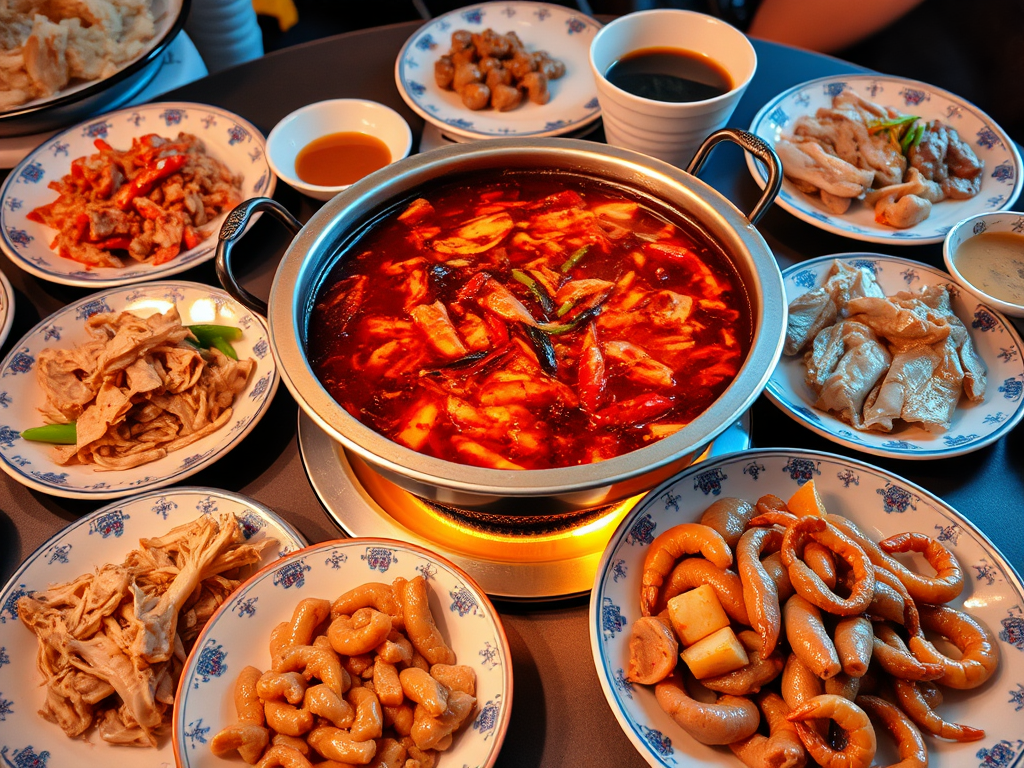
Origins and Ingredients: Szechuan Hot Pot, or “Huo Guo,” is a communal dining experience that originated in Chongqing, a city in Sichuan Province. It involves a simmering pot of broth, typically flavored with a variety of spices, including chili peppers, Szechuan peppercorns, garlic, and ginger. Diners cook a selection of raw ingredients, such as thinly sliced meats, seafood, vegetables, and tofu, in the broth at the table.
Preparation and Flavor: The broth is the heart of the hot pot, with its depth of flavor achieved through a combination of spices and aromatics. The pot is divided into sections, often with a spicy side and a milder side to cater to different taste preferences. As ingredients are cooked in the broth, they absorb its flavors, creating a rich and satisfying meal. Dipping sauces, made from sesame paste, soy sauce, and garlic, are provided for additional flavor customization.
These signature dishes exemplify the bold and diverse flavors of Szechuan cuisine. Each dish highlights the region’s mastery of spice and seasoning, offering a unique culinary experience that is both exciting and deeply satisfying. Whether enjoyed in a bustling restaurant or prepared at home, these dishes continue to captivate food lovers around the world.
Cantonese Cuisine
Origin and Geography of Cantonese Cuisine
Geographical Context
Cantonese cuisine originates from Guangdong Province, located in southern China. This region is known for its diverse landscapes, including coastal areas, fertile plains, and mountainous regions. The province’s capital, Guangzhou (formerly known as Canton), is a major cultural and economic hub that has played a significant role in the development of Cantonese cuisine.
Climate and Agriculture
Guangdong Province enjoys a subtropical climate, characterized by warm temperatures and abundant rainfall throughout the year. This climate is ideal for agriculture, allowing for the cultivation of a wide variety of fruits, vegetables, and grains. The region is particularly famous for its rice production, which is a staple in Cantonese cuisine.
The fertile Pearl River Delta, one of the most densely populated areas in China, is a key agricultural zone. Its rich soil and favorable climate support the growth of diverse crops, including lychees, longans, and sugarcane. This agricultural abundance has contributed to the emphasis on fresh, high-quality ingredients in Cantonese cooking.
Proximity to the Sea
Guangdong’s extensive coastline along the South China Sea has greatly influenced its culinary practices. The proximity to the sea provides access to a wide variety of seafood, which is a cornerstone of Cantonese cuisine. Fresh fish, shrimp, crab, and shellfish are commonly featured in dishes, often prepared in ways that highlight their natural flavors.
The region’s maritime connections have also facilitated trade and cultural exchange, introducing new ingredients and culinary techniques to Cantonese cuisine. This openness to external influences has contributed to the cuisine’s diversity and adaptability.
Cultural Influences
Guangdong Province has a long history of interaction with other cultures, particularly through trade. The city of Guangzhou was a key port on the Maritime Silk Road, connecting China with Southeast Asia, the Middle East, and beyond. This history of trade and cultural exchange has enriched Cantonese cuisine, incorporating elements from other culinary traditions while maintaining its distinct identity.
Culinary Traditions
Cantonese cuisine is renowned for its emphasis on freshness and subtlety. The culinary philosophy prioritizes the natural flavors of ingredients, with minimal use of heavy sauces or overpowering spices. Techniques such as steaming, stir-frying, and roasting are favored for their ability to preserve the integrity of the ingredients.
The region’s culinary traditions also include a strong focus on presentation and balance. Dishes are often artfully arranged, with attention to color, texture, and harmony. This aesthetic sensibility reflects the broader cultural values of elegance and refinement.
The origin and geography of Cantonese cuisine are deeply intertwined with Guangdong Province’s climate, agricultural practices, and historical maritime connections. These factors have shaped a culinary tradition that celebrates freshness, diversity, and subtlety, making Cantonese cuisine one of the most beloved and influential in the world.
Flavor Profile of Cantonese Cuisine
Emphasis on Subtlety and Delicacy
Cantonese cuisine is renowned for its subtle and delicate flavors, which stand in contrast to the bold and spicy profiles of other regional Chinese cuisines, such as Szechuan. The Cantonese culinary philosophy prioritizes the natural taste of ingredients, aiming to enhance rather than overpower them. This approach results in dishes that are light, fresh, and balanced, allowing diners to appreciate the intrinsic qualities of each component.
Key Ingredients
- Fresh Seafood: Given Guangdong’s coastal location, seafood plays a central role in Cantonese cuisine. Freshness is paramount, and dishes often feature fish, shrimp, crab, and shellfish, prepared in ways that highlight their natural flavors.
- Seasonal Vegetables: A wide variety of vegetables are used, often sourced locally and seasonally. These include bok choy, Chinese broccoli, and snow peas, which are typically cooked quickly to retain their crispness and color.
- Mild Seasonings: Cantonese dishes use seasonings sparingly, focusing on soy sauce, ginger, garlic, and scallions to add depth without overwhelming the primary ingredients. Oyster sauce and hoisin sauce are also popular for their umami-rich profiles.
Cooking Techniques
- Steaming: Steaming is a favored technique in Cantonese cooking, as it preserves the natural flavors and nutrients of ingredients. This method is commonly used for seafood, poultry, and dim sum, resulting in dishes that are tender and aromatic.
- Stir-Frying: Stir-frying is another hallmark of Cantonese cuisine, allowing for quick cooking at high heat. This technique ensures that vegetables remain crisp and meats are juicy, with minimal use of oil and seasonings.
- Roasting: Roasting is used to create dishes with a rich, caramelized exterior and succulent interior. Cantonese-style roasted meats, such as Char Siu (barbecued pork) and roast duck, are marinated with a blend of soy sauce, honey, and spices, achieving a perfect balance of sweet and savory flavors.
Balance and Harmony
Cantonese cuisine places a strong emphasis on balance and harmony, both in flavor and presentation. Dishes are crafted to achieve a pleasing combination of tastes, textures, and colors. The use of contrasting elements, such as sweet and savory or soft and crunchy, adds complexity and interest to the dining experience.
The flavor profile of Cantonese cuisine is defined by its commitment to subtlety, freshness, and balance. Through careful selection of ingredients and mastery of cooking techniques, Cantonese chefs create dishes that celebrate the natural essence of their components, offering a refined and harmonious culinary experience.
Signature Dishes of Cantonese Cuisine
Cantonese cuisine is celebrated for its emphasis on fresh ingredients and subtle flavors, and its signature dishes reflect these principles. Here, we explore some of the most iconic Cantonese dishes that have become beloved both in China and internationally.
Dim Sum
Origins and Concept: Dim sum, which translates to “touch the heart,” originated in the teahouses of southern China, where travelers and traders would stop for a refreshing break. Over time, it evolved into a culinary tradition that involves serving a variety of small, bite-sized dishes, often enjoyed with tea in a social setting known as “yum cha.”
Variety and Presentation: Dim sum encompasses a wide range of dishes, including dumplings, buns, rolls, and pastries. These are typically served in bamboo steamer baskets or on small plates, allowing diners to sample a variety of flavors and textures. Popular dim sum items include:
- Har Gow: Delicate shrimp dumplings with a translucent wrapper.
- Siu Mai: Open-topped dumplings filled with pork and shrimp.
- Char Siu Bao: Steamed buns filled with sweet and savory barbecued pork.
- Cheung Fun: Rice noodle rolls filled with shrimp, beef, or vegetables, drizzled with soy sauce.
Cultural Significance: Dim sum is more than just a meal; it is a social experience that brings people together. The leisurely pace of dining allows for conversation and connection, making it a cherished tradition in Cantonese culture.
Char Siu
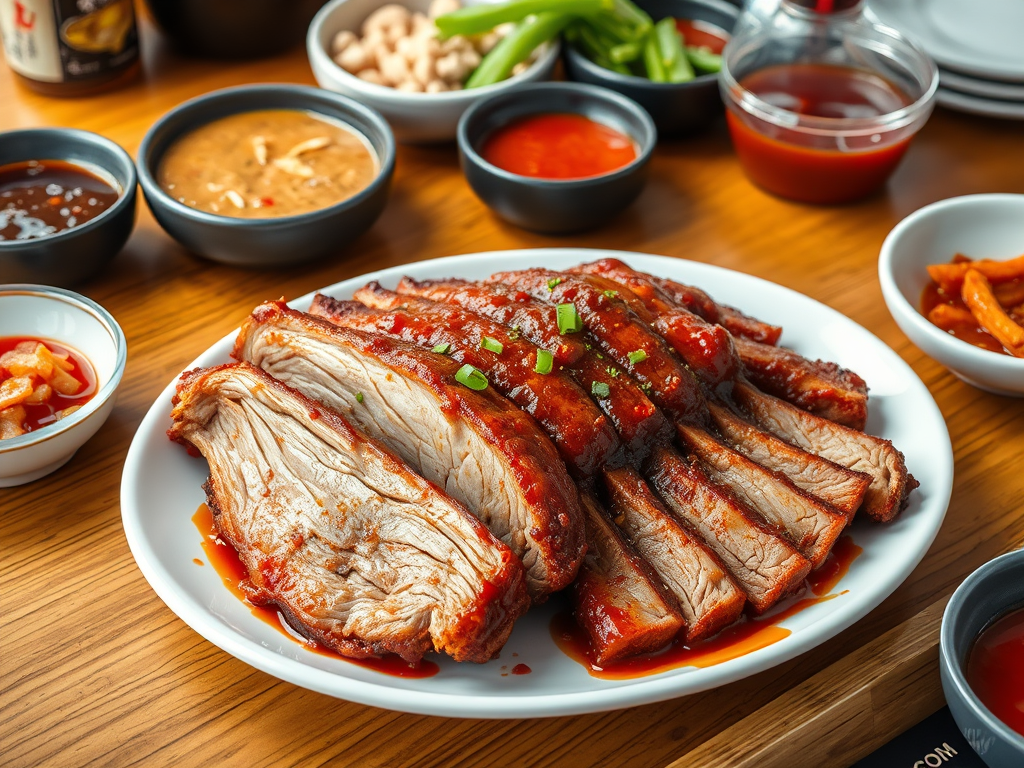
Origins and Ingredients: Char Siu, or Cantonese-style barbecued pork, is a staple of Cantonese cuisine. The name “Char Siu” means “fork roasted,” referring to the traditional method of cooking the marinated pork on skewers over an open fire. The dish is known for its distinctive red glaze, achieved through a marinade of soy sauce, hoisin sauce, honey, and Chinese five-spice powder.
Preparation and Flavor: The pork is marinated for several hours to absorb the flavors, then roasted until it develops a caramelized exterior. The result is a tender, juicy meat with a sweet and savory taste, complemented by a hint of smokiness. Char Siu is often served as a main dish, in noodle soups, or as a filling for buns and pastries.
Culinary Versatility: Char Siu’s versatility makes it a popular choice in various Cantonese dishes. It can be enjoyed on its own, sliced and served with rice, or incorporated into stir-fries and fried rice, adding depth and richness to the meal.
Steamed Fish
Origins and Ingredients: Steamed fish is a quintessential Cantonese dish that highlights the region’s emphasis on fresh, high-quality ingredients. The dish typically features whole fish, such as sea bass or grouper, chosen for its delicate flavor and firm texture.
Preparation and Flavor: The fish is cleaned and seasoned with ginger and scallions, then steamed to perfection. A light soy sauce is poured over the fish just before serving, enhancing its natural sweetness without overpowering it. The steaming process preserves the fish’s moisture and tenderness, resulting in a dish that is both healthy and flavorful.
Cultural Importance: Steamed fish is often served at celebratory occasions and family gatherings, symbolizing prosperity and abundance. Its simplicity and elegance make it a favorite among Cantonese diners, who appreciate the purity of its flavors.
These signature dishes exemplify the core principles of Cantonese cuisine: freshness, subtlety, and balance. Whether enjoyed in a bustling dim sum restaurant or prepared at home, these dishes offer a taste of the rich culinary heritage of Guangdong Province, showcasing the artistry and refinement that define Cantonese cooking.
Cooking Techniques
Szechuan Techniques
Szechuan cuisine is renowned for its bold flavors and complex aromas, achieved through a variety of cooking techniques that enhance the natural qualities of the ingredients. These techniques, combined with the use of distinctive seasonings, create the vibrant and dynamic dishes that define Szechuan culinary tradition.
Stir-Frying
Technique and Purpose: Stir-frying is a fundamental technique in Szechuan cooking, characterized by cooking ingredients quickly over high heat in a wok. This method preserves the texture and color of vegetables while ensuring that meats remain tender and juicy. Stir-frying allows for the rapid infusion of flavors, as ingredients are tossed with spices, sauces, and aromatics.
Flavor Development: The high heat of stir-frying caramelizes sugars and enhances the natural flavors of the ingredients. In Szechuan cuisine, this technique is often used to create dishes with a balance of spicy, savory, and aromatic notes. The addition of chili peppers and Szechuan peppercorns during stir-frying contributes to the signature “mala” flavor.
Braising
Technique and Purpose: Braising involves cooking ingredients slowly in a flavorful liquid, allowing them to absorb the essence of the broth. This technique is particularly effective for tougher cuts of meat, as the slow cooking process tenderizes the proteins and infuses them with rich flavors.
Flavor Development: In Szechuan cuisine, braising is often done with a combination of soy sauce, rice wine, and fermented ingredients like doubanjiang. The use of doubanjiang, a spicy and savory broad bean paste, adds depth and complexity to the dish. Braised dishes are typically rich and hearty, with a balance of umami and spice.
Deep-Frying
Technique and Purpose: Deep-frying is used in Szechuan cuisine to create dishes with a crispy texture and intense flavor. Ingredients are often coated in a light batter or dusted with flour before being fried, resulting in a golden, crunchy exterior.
Flavor Development: Deep-frying enhances the natural sweetness of ingredients and provides a satisfying contrast to the bold flavors of Szechuan spices. This technique is commonly used for dishes like Chongqing spicy chicken, where bite-sized pieces of chicken are fried until crispy and then tossed with dried chilies and Szechuan peppercorns.
Use of Fermented Ingredients
Doubanjiang and Beyond: Fermented ingredients play a crucial role in Szechuan cuisine, adding depth and umami to dishes. Doubanjiang, a fermented broad bean paste, is a staple seasoning that imparts a rich, savory flavor with a hint of spice. It is often used in combination with garlic, ginger, and chili peppers to create complex sauces and marinades.
Flavor Development: The fermentation process enhances the natural flavors of the ingredients, creating a robust and layered taste profile. In addition to doubanjiang, other fermented ingredients like black bean paste and pickled vegetables are used to add tanginess and depth to Szechuan dishes.
The techniques employed in Szechuan cuisine are integral to its distinctive flavor profile. Through methods like stir-frying, braising, and deep-frying, Szechuan chefs create dishes that are both bold and nuanced. The use of fermented ingredients further enriches the flavors, resulting in a culinary tradition that is celebrated for its complexity and vibrancy.
Cantonese Techniques
Cantonese cuisine is renowned for its emphasis on freshness and subtlety, achieved through a variety of cooking techniques that highlight the natural flavors of ingredients. These techniques are designed to preserve the integrity and quality of the food, resulting in dishes that are both delicate and flavorful.
Steaming
Technique and Purpose: Steaming is a cornerstone of Cantonese cooking, valued for its ability to cook food gently and evenly. This method involves placing ingredients in a steamer basket over boiling water, allowing the steam to cook the food without direct contact with the water. Steaming is particularly popular for seafood, poultry, and dim sum, as it preserves the moisture and texture of the ingredients.
Flavor Development: Steaming allows the natural flavors of the ingredients to shine through, with minimal interference from seasonings. This technique is often used for dishes like steamed fish, where the freshness of the seafood is the star. Simple seasonings such as ginger, scallions, and soy sauce are added to enhance, rather than mask, the natural taste.
Stir-Frying
Technique and Purpose: Stir-frying is a quick and efficient cooking method that involves cooking ingredients over high heat in a wok. This technique is ideal for preserving the color, texture, and nutritional value of vegetables and meats. Stir-frying is a versatile method used for a wide range of Cantonese dishes, from vegetable stir-fries to noodle dishes.
Flavor Development: The high heat of stir-frying caramelizes the natural sugars in the ingredients, enhancing their flavors. In Cantonese cuisine, stir-frying is often done with light seasonings such as soy sauce, oyster sauce, and garlic, allowing the freshness of the ingredients to take center stage.
Roasting
Technique and Purpose: Roasting is used in Cantonese cuisine to create dishes with a rich, caramelized exterior and tender interior. This technique is commonly applied to meats, such as Char Siu (barbecued pork) and roast duck, which are marinated and then roasted to perfection.
Flavor Development: The roasting process develops deep, savory flavors and a satisfying texture. Marinades typically include a combination of soy sauce, honey, and spices, which create a sweet and savory glaze. The result is a dish that is both visually appealing and flavorful, with a balance of crispiness and juiciness.
Poaching
Technique and Purpose: Poaching involves gently cooking ingredients in simmering liquid, often water or broth. This technique is used to preserve the delicate flavors and textures of ingredients such as chicken and seafood.
Flavor Development: Poaching allows the ingredients to absorb the subtle flavors of the broth, resulting in a dish that is light and refreshing. In Cantonese cuisine, poached dishes are often served with a dipping sauce, such as ginger and scallion oil, to complement the natural taste.
Cantonese cooking techniques are designed to enhance the natural qualities of ingredients, resulting in dishes that are fresh, balanced, and harmonious. Through methods like steaming, stir-frying, roasting, and poaching, Cantonese chefs create a culinary experience that celebrates the purity and elegance of their cuisine. These techniques reflect the broader cultural values of refinement and simplicity, making Cantonese cuisine a beloved and influential part of Chinese culinary heritage.
Conclusion
Chinese cuisine is a tapestry of regional flavors and culinary traditions, with Szechuan and Cantonese cuisines standing out as two of the most prominent and influential styles. Each offers a unique dining experience, reflecting the diverse geography, climate, and cultural history of their respective regions.
Szechuan Cuisine: Bold and Spicy
Szechuan cuisine, originating from the Sichuan Province in southwestern China, is celebrated for its bold and spicy flavors. The hallmark of Szechuan cooking is the “mala” sensation, a combination of numbing and spicy flavors achieved through the use of Szechuan peppercorns and chili peppers. This cuisine is characterized by its complex aromas and vibrant dishes, which often incorporate fermented ingredients like doubanjiang to add depth and umami.
The techniques employed in Szechuan cooking, such as stir-frying, braising, and deep-frying, are designed to enhance the intensity of flavors and create a dynamic culinary experience. Signature dishes like Kung Pao Chicken, Mapo Tofu, and Szechuan Hot Pot exemplify the region’s mastery of spice and seasoning, offering a sensory adventure that captivates the palate.
Cantonese Cuisine: Freshness and Subtlety
In contrast, Cantonese cuisine, hailing from Guangdong Province in southern China, emphasizes freshness and subtlety. The culinary philosophy prioritizes the natural taste of ingredients, with minimal use of heavy sauces or overpowering spices. Techniques such as steaming, stir-frying, and roasting are favored for their ability to preserve the integrity and quality of the food.
Cantonese dishes are known for their delicate flavors and elegant presentation. Signature dishes like Dim Sum, Char Siu, and Steamed Fish highlight the region’s focus on simplicity and purity, allowing diners to appreciate the intrinsic qualities of each component. The emphasis on balance and harmony in Cantonese cooking reflects broader cultural values of refinement and sophistication.
A Celebration of Diversity
Together, Szechuan and Cantonese cuisines showcase the rich diversity and cultural depth of Chinese culinary heritage. They represent two distinct approaches to cooking, each with its own set of techniques, ingredients, and flavor profiles. While Szechuan cuisine offers a bold and adventurous experience, Cantonese cuisine provides a refined and harmonious journey through subtle flavors.
The coexistence of these two culinary traditions within Chinese cuisine highlights the adaptability and creativity of Chinese chefs, who have mastered the art of balancing tradition with innovation. This diversity is a testament to the vast and varied landscape of China, where regional differences are celebrated and preserved through food.
Szechuan and Cantonese cuisines are integral parts of the Chinese culinary landscape, each offering a unique perspective on the art of cooking. Their distinct flavors and techniques enrich the global appreciation of Chinese cuisine, inviting diners to explore the myriad tastes and textures that define this ancient and evolving culinary tradition.



 UTAZCO Overland
Leave a Reply