
Cooking is an essential part of daily life, and the choice of cookware can significantly impact both the quality of food and health. While chemically-coated skillets and pans have gained popularity for their non-stick properties, traditional materials like cast iron, carbon steel, and stainless steel offer numerous advantages. This essay explores why these materials are better and healthier options for cooking.
Durability and Longevity
Cast Iron
Cast iron cookware is celebrated for its exceptional durability and longevity, making it a staple in kitchens around the world. Its robust nature is attributed to several key factors that contribute to its enduring appeal.
Material Strength
Cast iron is made from a combination of iron and carbon, which is poured into molds to create cookware. This process results in a dense, heavy material that is incredibly strong and resistant to warping or breaking. Unlike chemically-coated pans, which can suffer from scratches and peeling, cast iron maintains its integrity over time, even with frequent use.
Seasoning Process
One of the unique features of cast iron is its ability to develop a natural non-stick surface through a process known as seasoning. Seasoning involves applying a thin layer of oil to the cookware and heating it, which polymerizes the oil and creates a protective layer. This layer not only enhances the non-stick properties of the pan but also protects it from rust and corrosion.
Over time, with regular use and proper maintenance, the seasoning layer becomes more robust, improving the cookware’s performance. This means that cast iron actually improves with age, unlike chemically-coated pans that degrade over time.
Maintenance and Care
Proper care is essential to maximizing the lifespan of cast iron cookware. While it requires more attention than non-stick alternatives, the maintenance process is straightforward. After each use, cast iron should be cleaned with hot water and a stiff brush, avoiding soap that can strip the seasoning. It should then be thoroughly dried and lightly oiled to maintain the seasoning layer.
Generational Longevity
The durability of cast iron is such that it can be passed down through generations. Many families treasure heirloom cast iron pieces that have been used for decades, if not centuries. This longevity not only makes cast iron a cost-effective choice but also a sustainable one, as it reduces the need for frequent replacements and minimizes waste.
Environmental Impact
The long lifespan of cast iron contributes to its environmental benefits. Unlike chemically-coated pans that may need to be replaced every few years, cast iron’s durability means fewer resources are consumed in manufacturing new cookware. Additionally, cast iron is fully recyclable, further reducing its environmental footprint.
The durability and longevity of cast iron cookware make it an excellent choice for those seeking a sustainable, reliable, and high-performing option in the kitchen. Its ability to improve with age through seasoning, coupled with its robust construction, ensures that it remains a valuable tool for generations of cooks.
Carbon Steel
Carbon steel cookware shares many of the advantageous properties of cast iron, yet it offers distinct features that make it a preferred choice for many chefs and home cooks. Its combination of durability, weight, and cooking performance makes it a versatile and practical option in the kitchen.
Material Composition and Strength
Carbon steel is composed primarily of iron and a small percentage of carbon, typically less than 2%. This composition gives it a unique balance of strength and flexibility. The material is robust enough to withstand high temperatures and rigorous use, yet it is more malleable than cast iron, allowing for thinner and lighter cookware.
Weight and Handling
One of the most significant advantages of carbon steel over cast iron is its lighter weight. This makes carbon steel pans easier to handle, especially when tossing ingredients or transferring the pan from the stovetop to the oven. The reduced weight does not compromise its durability, making it an excellent choice for those who find cast iron too cumbersome.
Heat Retention and Distribution
Carbon steel excels in heat retention and distribution, similar to cast iron. It heats up quickly and evenly, providing consistent cooking results. This property is particularly beneficial for tasks that require precise temperature control, such as searing meats or stir-frying vegetables.
Development of a Natural Non-Stick Patina
Like cast iron, carbon steel develops a natural non-stick surface over time through seasoning. The process involves applying oil and heating the pan, which creates a polymerized layer that enhances its non-stick properties. With regular use, this patina becomes more pronounced, reducing the need for chemical coatings and making the pan easier to clean.
Versatility in Cooking
Carbon steel’s versatility is one of its standout features. It is suitable for a wide range of cooking techniques, including sautéing, frying, and baking. Its ability to withstand high temperatures makes it ideal for use on the stovetop, in the oven, and even on outdoor grills.
Maintenance and Care
Caring for carbon steel is similar to caring for cast iron. It requires regular seasoning to maintain its non-stick properties and prevent rust. After each use, the pan should be cleaned with hot water and a brush, avoiding soap that can strip the seasoning. It should then be dried thoroughly and lightly oiled.
Environmental Considerations
The durability and longevity of carbon steel contribute to its environmental benefits. Its long lifespan reduces the need for frequent replacements, minimizing waste. Additionally, carbon steel is recyclable, making it an environmentally friendly choice.
Carbon steel cookware offers a compelling combination of durability, ease of handling, and excellent cooking performance. Its ability to develop a natural non-stick patina, coupled with its versatility and environmental benefits, makes it a valuable addition to any kitchen. Whether for professional chefs or home cooks, carbon steel provides a reliable and sustainable option for a wide range of culinary tasks.
Stainless Steel
Stainless steel cookware is a popular choice in both professional and home kitchens due to its durability, versatility, and safety. Its unique properties make it an excellent option for a wide range of cooking tasks, offering several advantages over chemically-coated alternatives.
Composition and Corrosion Resistance
Stainless steel is an alloy composed primarily of iron, chromium, and nickel. The addition of chromium is crucial as it forms a passive layer of chromium oxide on the surface, which prevents rust and corrosion. This protective layer is self-repairing, meaning that if the surface is scratched, it will reform in the presence of oxygen, maintaining the cookware’s resistance to corrosion and staining.
Durability and Longevity
Stainless steel is renowned for its strength and durability. It does not chip, crack, or warp, even with frequent use and exposure to high temperatures. This makes it a long-lasting choice that can withstand the rigors of daily cooking without degrading over time. Unlike non-stick coatings that can peel or wear off, stainless steel maintains its integrity throughout its lifespan.
High-Temperature Tolerance
One of the standout features of stainless steel is its ability to withstand high temperatures. It can be used on the stovetop, in the oven, and under the broiler without the risk of releasing harmful fumes, a concern with some chemically-coated pans. This high-temperature tolerance makes stainless steel ideal for searing, browning, and deglazing, where intense heat is often required.
Versatility in Cooking
Stainless steel’s versatility is unmatched. It is suitable for a wide range of cooking techniques, including boiling, sautéing, frying, and baking. Its non-reactive nature means it won’t alter the taste or color of acidic or alkaline foods, making it perfect for cooking dishes with tomatoes, vinegar, or citrus.
Maintenance and Care
Stainless steel is relatively low-maintenance compared to other cookware materials. It is dishwasher safe, although hand washing is recommended to maintain its shine and prevent water spots. For stubborn stains or burnt-on food, a mixture of baking soda and water or a specialized stainless steel cleaner can be used to restore its appearance.
Environmental Impact
The longevity of stainless steel cookware contributes to its environmental benefits. Its durability means fewer replacements are needed, reducing waste. Additionally, stainless steel is fully recyclable, making it an environmentally friendly choice. The production process for stainless steel has also become more sustainable, with many manufacturers using recycled materials.
Aesthetic Appeal
Beyond its functional benefits, stainless steel is also prized for its aesthetic appeal. Its sleek, shiny surface adds a professional look to any kitchen. Many stainless steel cookware pieces are designed with an aluminum or copper core, enhancing their heat distribution while maintaining the classic stainless steel exterior.
Stainless steel cookware offers a combination of durability, safety, and versatility that makes it an excellent choice for any kitchen. Its resistance to rust, corrosion, and high temperatures, along with its non-reactive nature, ensures a long lifespan and reliable performance. Whether for everyday cooking or gourmet meals, stainless steel provides a dependable and sustainable option for cooks of all levels.
Health Benefits
Avoiding Harmful Chemicals
The choice of cookware can have significant implications for health, particularly concerning the materials used in its construction. Chemically-coated pans, while popular for their non-stick properties, often contain substances that can pose health risks. In contrast, cookware made from cast iron, carbon steel, and stainless steel offers a safer alternative, free from these potentially harmful chemicals.
Understanding PTFE and PFOA
Polytetrafluoroethylene (PTFE) is a synthetic polymer used in many non-stick coatings, commonly known by the brand name Teflon. While PTFE is stable at low to moderate temperatures, it can begin to break down at temperatures above 500°F (260°C), releasing toxic fumes. These fumes can cause flu-like symptoms in humans, known as “polymer fume fever,” and can be fatal to birds.
Perfluorooctanoic acid (PFOA) is another chemical associated with non-stick coatings, used in the manufacturing process of PTFE. Although many manufacturers have phased out PFOA due to health concerns, older non-stick cookware may still contain this substance. PFOA has been linked to various health issues, including cancer, liver damage, and developmental problems.
Benefits of Cast Iron, Carbon Steel, and Stainless Steel
Cookware made from cast iron, carbon steel, and stainless steel does not contain PTFE, PFOA, or similar chemicals, making them inherently safer options for cooking. These materials provide peace of mind, knowing that they will not release harmful fumes, even when used at high temperatures.
- Cast Iron: Cast iron cookware is made entirely from natural materials, primarily iron and carbon. It does not require chemical coatings to achieve non-stick properties, as it develops a natural patina through seasoning. This makes it a safe choice for cooking at high temperatures.
- Carbon Steel: Similar to cast iron, carbon steel is composed of iron and carbon, without the need for chemical additives. It also develops a natural non-stick surface over time, eliminating the need for synthetic coatings.
- Stainless Steel: Stainless steel is a non-reactive material that does not leach chemicals into food. It is free from PTFE and PFOA, providing a safe cooking surface for a variety of dishes. Its ability to withstand high temperatures without degrading further enhances its safety profile.
Long-Term Health Considerations
Choosing cookware free from harmful chemicals can have long-term health benefits. By avoiding exposure to toxic fumes and potential chemical leaching, individuals can reduce their risk of developing health issues associated with these substances. This is particularly important for families with young children, pregnant women, and individuals with respiratory conditions.
Environmental and Health Synergy
The health benefits of using cast iron, carbon steel, and stainless steel cookware extend beyond personal well-being. These materials are more environmentally friendly, as they do not contribute to the production and disposal of chemical-laden non-stick coatings. By choosing these safer alternatives, individuals can support both their health and the health of the planet.
The health benefits of using cast iron, carbon steel, and stainless steel cookware are significant. By avoiding harmful chemicals like PTFE and PFOA, these materials provide a safer cooking environment, free from the risks associated with chemically-coated pans. Their natural composition and durability make them a wise choice for health-conscious cooks seeking reliable and sustainable cookware options.
Iron Supplementation
Cooking with cast iron cookware offers a unique health benefit that sets it apart from other types of cookware: the ability to naturally increase the iron content in food. This feature can be particularly advantageous for individuals with iron deficiencies, providing a simple and effective way to boost dietary iron intake.
Understanding Iron Deficiency
Iron is an essential mineral that plays a critical role in the body, including the production of hemoglobin, which carries oxygen in the blood. Iron deficiency is a common nutritional issue that can lead to anemia, characterized by fatigue, weakness, and impaired cognitive function. It is especially prevalent among women of childbearing age, children, and individuals with certain dietary restrictions.
How Cast Iron Cookware Supplements Iron
When cooking with cast iron, small amounts of iron leach into the food, increasing its iron content. This process is influenced by several factors:
- Acidity: Foods with higher acidity, such as tomatoes and citrus, tend to absorb more iron from the cookware. The acidic environment helps dissolve a small amount of the iron, which is then incorporated into the food.
- Cooking Time: Longer cooking times can result in more iron being transferred to the food. Slow-cooked dishes, such as stews and sauces, are particularly effective at absorbing iron.
- Moisture Content: Foods with higher moisture content, like soups and stews, facilitate greater iron absorption compared to dry foods.
- Condition of the Cookware: Well-seasoned cast iron pans may transfer slightly less iron compared to newer or less seasoned pans, as the seasoning layer can act as a barrier.
Health Benefits of Iron Supplementation
The additional iron provided by cooking with cast iron can help address iron deficiencies and support overall health. Benefits include:
- Improved Energy Levels: Adequate iron intake supports the production of hemoglobin, enhancing oxygen transport and reducing fatigue.
- Enhanced Cognitive Function: Iron is crucial for brain health, and sufficient levels can improve concentration and cognitive performance.
- Support for Immune Function: Iron plays a role in maintaining a healthy immune system, helping the body fight off infections.
A Natural and Safe Alternative
Unlike chemically-coated pans, which offer no nutritional benefits, cast iron provides a natural way to supplement iron intake without the need for dietary supplements. This method is safe and effective, with the added advantage of enhancing the flavor and texture of food through the unique cooking properties of cast iron.
Considerations and Balance
While the iron supplementation from cast iron cookware is beneficial, it’s important to maintain a balanced approach. Excessive iron intake can lead to health issues, particularly for individuals with conditions like hemochromatosis, where the body absorbs too much iron. It’s advisable for those with specific health concerns to consult with a healthcare professional regarding their iron intake.
Cooking with cast iron offers a valuable health benefit by naturally increasing the iron content in food. This form of supplementation is a healthy, safe, and effective alternative to chemical coatings, providing nutritional advantages while enhancing the culinary experience. For individuals with iron deficiencies, incorporating cast iron cookware into their kitchen can be a simple yet impactful way to support their dietary needs.
Cooking Performance
Heat Retention and Distribution
The cooking performance of cookware is largely determined by its ability to retain and distribute heat effectively. Both cast iron and carbon steel excel in these areas, making them highly valued by chefs and home cooks alike for their ability to deliver consistent and superior cooking results.
Heat Retention
One of the standout features of cast iron and carbon steel cookware is their exceptional heat retention. Once heated, these materials maintain their temperature for extended periods, which is particularly beneficial for cooking methods that require steady, even heat. This property is ideal for slow-cooking dishes, such as stews and braises, where maintaining a consistent temperature is crucial for tenderizing ingredients and developing deep flavors.
The heat retention of cast iron and carbon steel also means that they remain hot even after being removed from the heat source. This allows for continued cooking and keeps food warm, making them perfect for serving dishes directly from the pan.
Heat Distribution
In addition to retaining heat, cast iron and carbon steel are known for their ability to distribute heat evenly across the cooking surface. This uniform heat distribution minimizes hot spots, ensuring that food cooks evenly and reducing the risk of burning or undercooking certain areas. This is particularly important for tasks like frying, sautéing, and baking, where precise temperature control is essential.
Browning and Searing
The excellent heat retention and distribution properties of cast iron and carbon steel make them ideal for browning and searing. These cooking techniques require high, consistent heat to create a flavorful crust on the surface of meats and vegetables. The ability of these materials to maintain high temperatures allows for effective Maillard reactions, which enhance the flavor and texture of food.
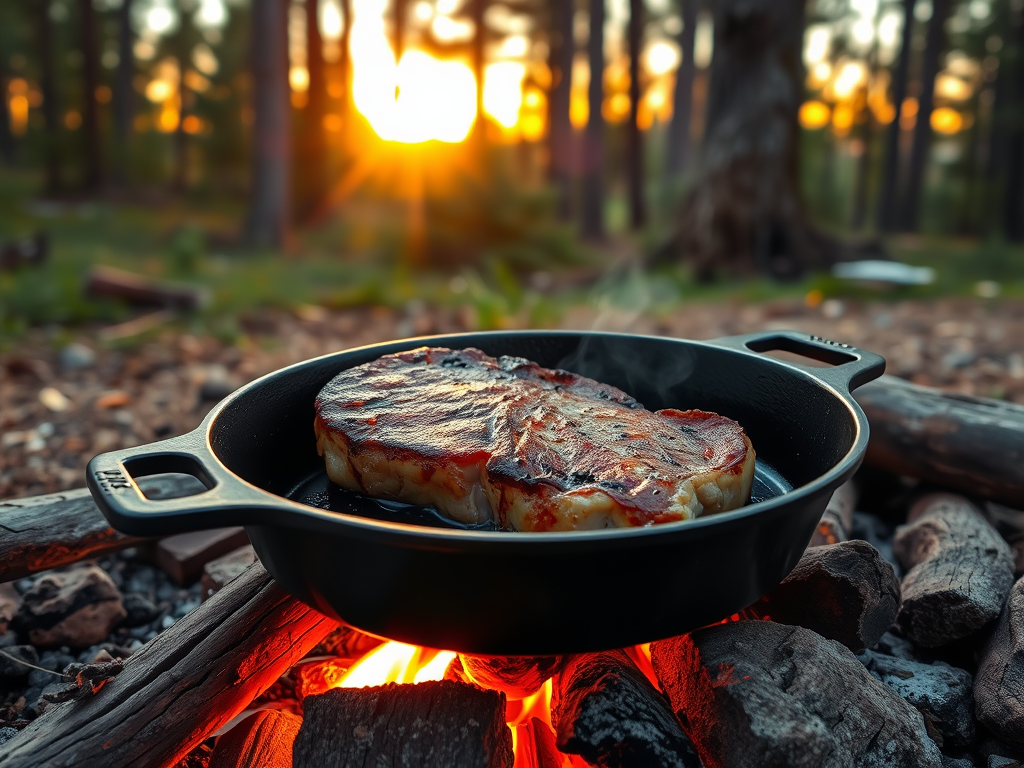
For example, when searing a steak in a cast iron or carbon steel pan, the even heat distribution ensures that the entire surface of the meat is exposed to the same level of heat, resulting in a perfectly browned crust while keeping the interior juicy and tender.
Versatility in Cooking Techniques
The superior heat retention and distribution of cast iron and carbon steel also contribute to their versatility in the kitchen. They can be used for a wide range of cooking techniques, from high-heat searing and frying to gentle simmering and baking. Their ability to transition seamlessly from stovetop to oven further expands their culinary applications, making them indispensable tools for both simple and complex recipes.
The heat retention and distribution capabilities of cast iron and carbon steel cookware are key factors in their outstanding cooking performance. These properties enable consistent cooking results, enhance flavor and texture through effective browning and searing, and provide versatility for a variety of cooking techniques. Whether for everyday meals or gourmet dishes, cast iron and carbon steel deliver reliable and exceptional results in the kitchen.
Versatility
Stainless steel cookware is renowned for its versatility, making it a staple in both professional and home kitchens. Its adaptability to various cooking techniques and compatibility with different heat sources make it an invaluable tool for a wide range of culinary tasks.
Wide Range of Cooking Techniques
Stainless steel cookware is suitable for numerous cooking methods, thanks to its durable and non-reactive nature. Here are some of the key techniques where stainless steel excels:
- Sautéing: The even heat distribution of stainless steel pans makes them ideal for sautéing vegetables, meats, and seafood. The ability to quickly adjust temperatures allows for precise control, ensuring that ingredients are cooked to perfection without burning.
- Boiling: Stainless steel pots are perfect for boiling water, pasta, and soups. Their ability to withstand high temperatures without warping or degrading ensures consistent performance, even with prolonged use.
- Baking: Many stainless steel pans are oven-safe, allowing them to be used for baking tasks such as roasting meats, baking casseroles, and even making bread. Their ability to transition from stovetop to oven seamlessly adds to their versatility.
- Deglazing: After searing meats, stainless steel pans are excellent for deglazing, a technique that involves adding liquid to dissolve the flavorful browned bits stuck to the pan. This process creates rich sauces and gravies, enhancing the overall dish.
Compatibility with Various Heat Sources
One of the standout features of stainless steel cookware is its compatibility with a wide range of heat sources. This includes:
- Gas and Electric Stovetops: Stainless steel performs well on both gas and electric stovetops, providing consistent heat distribution and retention.
- Induction Cooktops: Many stainless steel cookware pieces are designed with a magnetic base, making them compatible with induction cooktops. This feature expands their usability, as induction cooking is becoming increasingly popular for its energy efficiency and precise temperature control.
- Oven and Broiler: Stainless steel’s ability to withstand high temperatures makes it suitable for use in the oven and under the broiler, further enhancing its versatility.
Durability and Maintenance
The durability of stainless steel contributes to its versatility. It does not chip, crack, or react with acidic or alkaline foods, ensuring that it can handle a wide variety of ingredients without altering their taste or nutritional content. Additionally, stainless steel is easy to clean and maintain, often being dishwasher safe, which adds to its convenience.
Aesthetic and Functional Appeal
Beyond its functional benefits, stainless steel cookware also offers aesthetic appeal. Its sleek, polished appearance adds a professional look to any kitchen, and its durability ensures that it maintains its appearance over time. This combination of form and function makes stainless steel a preferred choice for both everyday cooking and special occasions.
The versatility of stainless steel cookware is one of its most significant advantages. Its suitability for a wide range of cooking techniques, compatibility with various heat sources, and durable construction make it an essential tool for any kitchen. Whether for simple meals or complex culinary creations, stainless steel provides the flexibility and reliability needed to achieve excellent cooking results.
Environmental Impact
Sustainability
The environmental impact of cookware is an important consideration for those seeking to reduce their ecological footprint. Cast iron, carbon steel, and stainless steel are standout materials in this regard, offering significant sustainability benefits due to their durability, recyclability, and reduced need for frequent replacements.
Longevity and Durability
One of the primary sustainability advantages of cast iron, carbon steel, and stainless steel cookware is their exceptional longevity. These materials are designed to withstand the rigors of daily cooking without degrading over time. Unlike chemically-coated pans that may need to be replaced every few years due to wear and tear, these traditional materials can last for decades, if not generations, with proper care.
- Cast Iron: Known for its robustness, cast iron can endure high temperatures and heavy use without warping or cracking. Its ability to improve with age through seasoning further extends its lifespan, making it a sustainable choice.
- Carbon Steel: Similar to cast iron, carbon steel is highly durable and can withstand frequent use. Its lighter weight does not compromise its strength, ensuring long-term reliability.
- Stainless Steel: Resistant to rust, corrosion, and staining, stainless steel maintains its integrity over time. Its non-reactive nature ensures that it remains safe and effective for cooking, even after years of use.
Reduced Waste
The durability of these materials translates to less frequent replacements, which in turn reduces waste. By investing in high-quality cookware that lasts, consumers can minimize the amount of cookware that ends up in landfills. This reduction in waste is a crucial aspect of sustainable living, as it conserves resources and reduces the environmental impact associated with manufacturing and disposing of cookware.
Recyclability
Another significant environmental benefit of cast iron, carbon steel, and stainless steel is their recyclability. These materials can be recycled at the end of their life cycle, contributing to a circular economy where resources are reused rather than discarded. Recycling these metals reduces the need for new raw materials, conserving energy and reducing greenhouse gas emissions associated with mining and production.
- Cast Iron and Carbon Steel: Both materials can be melted down and repurposed into new products, ensuring that they do not contribute to environmental pollution.
- Stainless Steel: Stainless steel is one of the most recycled materials globally, with a high recovery rate. Its recyclability ensures that it remains a sustainable choice throughout its life cycle.
Energy Efficiency
The excellent heat retention properties of cast iron and carbon steel also contribute to their environmental benefits. By maintaining heat efficiently, these materials require less energy to achieve and sustain cooking temperatures, leading to more energy-efficient cooking practices.
The sustainability of cast iron, carbon steel, and stainless steel cookware is a significant advantage for environmentally conscious consumers. Their longevity, recyclability, and energy efficiency make them ideal choices for reducing waste and conserving resources. By choosing these materials, individuals can support a more sustainable kitchen environment and contribute to broader environmental conservation efforts.
Energy Efficiency
The energy efficiency of cookware is an important factor for both environmental and economic reasons. Cast iron and carbon steel are particularly noted for their superior heat retention, which contributes to more efficient energy use in the kitchen. This efficiency not only reduces energy consumption but also enhances the overall cooking experience.
Heat Retention and Energy Conservation
Both cast iron and carbon steel are known for their excellent heat retention properties. Once these materials are heated, they maintain their temperature for extended periods. This characteristic is beneficial in several ways:
- Reduced Energy Input: Because cast iron and carbon steel retain heat so well, they require less energy to maintain cooking temperatures. Once the desired temperature is reached, the heat source can often be reduced, conserving energy while still achieving consistent cooking results.
- Even Cooking: The ability to retain heat evenly across the cooking surface ensures that food is cooked uniformly. This reduces the need for constant adjustments to the heat source, further conserving energy.
- Residual Heat Cooking: The heat retention properties of these materials allow for residual heat cooking, where the cookware continues to cook food even after the heat source is turned off. This technique can be used to finish cooking dishes gently, saving energy and preventing overcooking.
Economic and Environmental Benefits
The energy efficiency of cast iron and carbon steel cookware translates into both economic and environmental benefits:
- Cost Savings: By reducing the amount of energy needed for cooking, these materials can lead to lower utility bills over time. This cost-saving aspect makes them an economically attractive option for households looking to manage expenses.
- Reduced Carbon Footprint: Lower energy consumption directly contributes to a reduced carbon footprint. By using cookware that requires less energy, individuals can decrease their overall environmental impact, supporting broader efforts to combat climate change.
Practical Applications
The energy efficiency of cast iron and carbon steel is particularly advantageous for certain cooking methods:
- Slow Cooking: For dishes that require long cooking times, such as stews and braises, the heat retention of these materials ensures that energy is used efficiently throughout the cooking process.
- Baking and Roasting: When used in the oven, cast iron and carbon steel can maintain consistent temperatures, reducing the need for frequent oven cycling and conserving energy.
- Outdoor Cooking: The ability to retain heat makes these materials ideal for outdoor cooking, where maintaining consistent heat can be challenging. They perform well on grills and open flames, providing reliable results with minimal energy input.
The energy efficiency of cast iron and carbon steel cookware is a significant advantage for both home cooks and the environment. Their superior heat retention reduces energy consumption, leading to cost savings and a smaller carbon footprint. By choosing these materials, individuals can enjoy efficient cooking while contributing to sustainable living practices.
Conclusion
In the modern kitchen, the choice of cookware can significantly influence not only the quality of the food prepared but also the health of the cook and the environment. While chemically-coated skillets and pans offer the convenience of non-stick surfaces, they often come with drawbacks that can impact health and sustainability. In contrast, traditional materials like cast iron, carbon steel, and stainless steel present a compelling case for their use, offering a range of benefits that extend beyond mere convenience.
Durability and Longevity
One of the most significant advantages of cast iron, carbon steel, and stainless steel cookware is their durability. These materials are built to last, often enduring for decades with proper care. This longevity reduces the need for frequent replacements, making them a cost-effective choice over time. Their robust construction ensures that they can withstand the rigors of daily cooking without degrading, unlike chemically-coated alternatives that may chip, peel, or warp.
Health Benefits
The health benefits of using these traditional materials are substantial. Free from harmful chemicals like PTFE and PFOA, cast iron, carbon steel, and stainless steel provide a safer cooking environment. Cast iron, in particular, offers the added benefit of natural iron supplementation, which can be beneficial for individuals with iron deficiencies. The absence of synthetic coatings means that these materials do not release toxic fumes, even at high temperatures, ensuring that the food prepared is as healthy as possible.
Superior Cooking Performance
In terms of cooking performance, cast iron, carbon steel, and stainless steel excel in heat retention and distribution. These properties are crucial for achieving consistent and flavorful cooking results. Whether it’s the perfect sear on a steak, the even browning of vegetables, or the gentle simmering of a sauce, these materials provide the control and reliability needed for a wide range of culinary techniques. Their versatility allows them to be used across various heat sources, including induction, gas, and electric, further enhancing their utility in the kitchen.
Environmental Impact
From an environmental perspective, the use of cast iron, carbon steel, and stainless steel is a more sustainable choice. Their long lifespan reduces waste, and their recyclability supports a circular economy. The energy efficiency of these materials, particularly in terms of heat retention, contributes to lower energy consumption, reducing the overall carbon footprint of cooking activities.
A Holistic Approach to Cooking
By choosing cast iron, carbon steel, and stainless steel cookware, cooks can enjoy a more holistic approach to cooking that prioritizes health, sustainability, and culinary excellence. These materials offer a timeless appeal, combining traditional craftsmanship with modern performance. They encourage a return to mindful cooking practices, where the quality of the tools used is as important as the ingredients themselves.
While chemically-coated cookware may offer short-term convenience, the long-term benefits of cast iron, carbon steel, and stainless steel are substantial. These materials provide a healthier, more sustainable, and flavorful cooking experience, making them an invaluable addition to any kitchen. By investing in these traditional options, cooks can enjoy the satisfaction of preparing meals that are not only delicious but also aligned with their values of health and sustainability.




Leave a Reply