
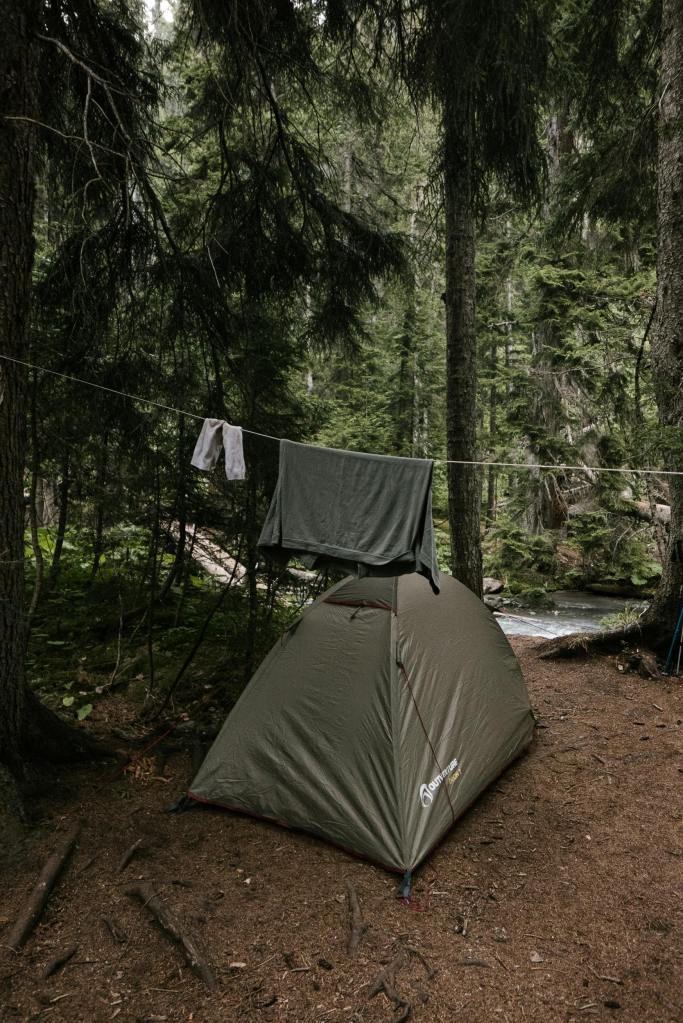
In recent years, the rise of “Bushcraft” YouTube channels and blogs has popularized the concept of living off the land and mastering wilderness survival skills. However, many of these platforms often mischaracterize their activities, presenting what is essentially camping as bushcrafting. While they may showcase elements of bushcraft, such as fire-making or shelter-building, the focus often remains on leisure and comfort rather than true self-reliance and survival. This misrepresentation can lead to misconceptions about the skills and challenges involved in genuine bushcrafting, as the content frequently highlights the use of modern conveniences and structured environments typical of camping rather than the minimalist and resourceful approach that defines authentic bushcrafting.
Definition and Purpose
Camping
Camping is a beloved recreational activity that allows individuals to escape the hustle and bustle of everyday life and immerse themselves in the tranquility of nature. It involves staying overnight in a temporary shelter, such as a tent, camper, or even a hammock, in a natural setting like a forest, mountain, or lakeside. The essence of camping lies in its simplicity and the opportunity it provides to reconnect with the natural world.
Types of Camping
- Tent Camping: This is the most traditional form of camping, where individuals set up tents in designated campgrounds or in the backcountry. It offers a close connection to nature and is suitable for both beginners and experienced campers.
- RV and Camper Camping: For those who prefer more comfort, recreational vehicles (RVs) and campers provide a home-like experience with amenities such as beds, kitchens, and bathrooms. This type of camping is ideal for families and those who enjoy road trips.
- Backpacking: This involves hiking to a remote location with all necessary gear carried in a backpack. It is a more adventurous form of camping that requires physical fitness and planning.
- Glamping: A portmanteau of “glamorous” and “camping,” glamping offers luxurious accommodations in nature, such as yurts, cabins, or safari tents, often with amenities like electricity and running water.
Activities Associated with Camping
Camping is not just about setting up a shelter; it encompasses a variety of outdoor activities that enhance the experience:
- Hiking: Exploring trails and enjoying scenic views is a common activity for campers. It provides exercise and an opportunity to observe wildlife and natural landscapes.
- Fishing: Many campers enjoy fishing in nearby lakes or rivers, which can also provide a source of fresh food.
- Campfire Cooking: Preparing meals over an open flame is a quintessential camping experience. It ranges from simple roasted marshmallows to more elaborate dishes cooked in cast-iron skillets or Dutch ovens.
- Stargazing: Away from city lights, campers can enjoy clear views of the night sky, making stargazing a popular nighttime activity.
- Wildlife Watching: Observing animals in their natural habitat is a rewarding experience for many campers, offering insights into local ecosystems.
Social and Relaxation Aspects
Camping is often a social activity, providing quality time with family and friends. It encourages teamwork, whether it’s setting up a tent, cooking meals, or planning hikes. The relaxed pace of camping allows for meaningful conversations and bonding experiences.
Moreover, camping offers a break from technology and daily routines, promoting relaxation and mental well-being. The natural setting provides a peaceful environment for reflection, meditation, and simply enjoying the beauty of the outdoors.
Environmental Considerations
Responsible camping practices are essential to preserve natural environments. Campers are encouraged to follow Leave No Trace principles, which include packing out all trash, minimizing campfire impact, and respecting wildlife. By doing so, campers help ensure that natural areas remain pristine for future generations to enjoy.
Camping is a versatile and enriching activity that caters to a wide range of preferences and skill levels. Whether seeking adventure, relaxation, or social interaction, camping offers a unique opportunity to connect with nature and create lasting memories.
Bushcrafting
Bushcrafting is an immersive outdoor activity that focuses on the art of wilderness survival and self-sufficiency. It involves using natural resources to create tools, shelters, and other necessities for living in the wild. Unlike camping, which often relies on modern conveniences, bushcrafting emphasizes traditional skills and techniques that have been used by indigenous peoples and early explorers for centuries.
Core Principles of Bushcrafting
- Self-Reliance: At the heart of bushcrafting is the ability to rely on oneself for survival. Practitioners learn to use their skills and knowledge to meet their basic needs without the aid of modern technology.
- Resourcefulness: Bushcrafting requires the ability to make the most of available natural resources. This includes identifying edible plants, sourcing water, and using materials like wood, stone, and bone to create tools and shelters.
- Adaptability: Bushcrafters must be adaptable to changing conditions and environments. This involves understanding weather patterns, animal behavior, and the seasonal availability of resources.
Essential Bushcrafting Skills
- Fire-Making: Creating fire without matches or lighters is a fundamental skill. Techniques include using a bow drill, flint and steel, or a fire plough. Fire provides warmth, a means to cook food, and a way to signal for help.
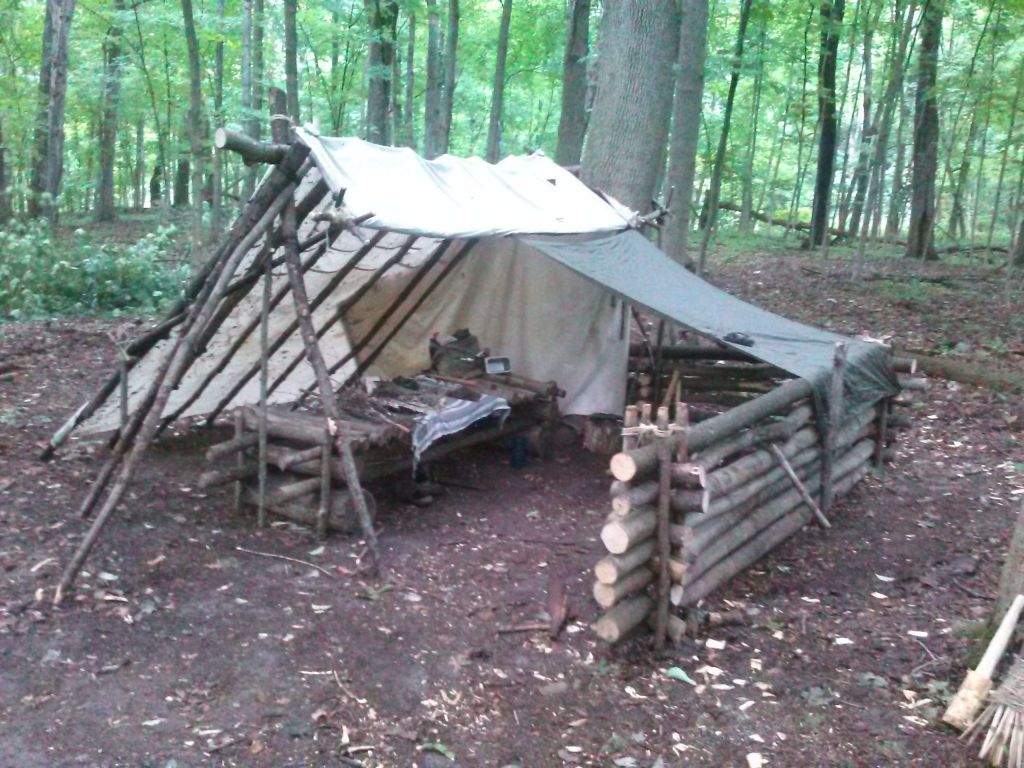
- Shelter Building: Constructing a shelter from natural materials is crucial for protection against the elements. Common types include lean-tos, debris huts, and A-frame shelters.
- Foraging and Hunting: Identifying edible plants, berries, and fungi is essential for sustenance. Bushcrafters may also learn basic hunting and trapping techniques to procure meat.
- Tool Crafting: Making tools from natural materials is a key aspect of bushcrafting. This includes crafting knives, spears, and fishing hooks from wood, bone, or stone.
- Navigation: Understanding how to navigate using natural landmarks, the sun, and stars is important for moving through the wilderness safely.
The Bushcrafting Experience
Bushcrafting is often practiced in remote wilderness areas, away from the comforts of modern life. It is a deeply immersive experience that requires patience, observation, and a willingness to learn from the environment. Practitioners often spend extended periods in the wild, honing their skills and gaining a deeper understanding of the natural world.
Connection to Nature
Bushcrafting fosters a profound connection to nature. By living in harmony with the environment, bushcrafters develop a respect for the land and its resources. This connection encourages sustainable practices and a commitment to preserving natural habitats.
Community and Learning
While bushcrafting is often a solitary pursuit, there is a strong community of enthusiasts who share knowledge and skills. Workshops, courses, and online forums provide opportunities for learning and exchanging ideas. This community aspect enriches the bushcrafting experience and helps preserve traditional skills for future generations.
Bushcrafting is a challenging and rewarding activity that goes beyond mere survival. It is a journey of self-discovery and a means to cultivate a deep appreciation for the natural world. By mastering the skills of bushcrafting, individuals gain confidence, resilience, and a sense of fulfillment that comes from living in harmony with nature.
Skills and Techniques
Camping
Camping is an accessible outdoor activity that requires a set of basic skills to ensure a safe and enjoyable experience. While it often involves the use of modern conveniences and equipment, mastering fundamental camping skills enhances the overall experience and allows campers to adapt to various situations in the outdoors.
Essential Camping Skills
- Tent Setup
- Site Selection: Choosing a suitable campsite is crucial. Campers should look for flat, dry ground away from potential hazards like falling branches or flooding areas.
- Tent Assembly: Understanding how to properly pitch a tent is essential. This includes knowing how to stake it securely, use guy lines for stability, and ensure proper ventilation to prevent condensation.
- Campfire Building
- Fire Safety: Campers must be aware of fire regulations and ensure they build fires in designated areas. It’s important to clear the area of flammable materials and have water or a fire extinguisher nearby.
- Fire Construction: Building a campfire involves gathering tinder, kindling, and fuel wood. Common methods include the teepee, log cabin, and lean-to structures, each with its own advantages for different conditions.
- Cooking Over an Open Flame
- Cooking Techniques: Campers can use various methods such as grilling, boiling, or using a Dutch oven. Understanding how to control the heat and cook food evenly is important for meal preparation.
- Food Safety: Proper food storage and handling are crucial to prevent spoilage and contamination. Campers should use coolers to keep perishable items fresh and practice safe food handling techniques.
Use of Modern Conveniences
- Portable Stoves
- Types of Stoves: Campers often use propane or butane stoves for convenience and efficiency. These stoves are easy to use and provide a reliable heat source for cooking.
- Fuel Management: Understanding how to safely store and use fuel is important to prevent accidents and ensure the stove operates effectively.
- Sleeping Bags and Pads
- Choosing the Right Gear: Selecting a sleeping bag with the appropriate temperature rating and a comfortable sleeping pad is essential for a good night’s sleep. Campers should consider the climate and season when choosing their gear.
- Coolers and Food Storage
- Efficient Packing: Organizing a cooler to maximize space and maintain temperature is a valuable skill. Campers should use ice packs and keep the cooler in a shaded area to prolong its effectiveness.
- Wildlife Precautions: Proper food storage is important to prevent attracting wildlife. Campers should use bear-proof containers or hang food from trees when necessary.
Additional Skills
- Navigation and Orientation
- Map and Compass Use: Basic navigation skills, including reading maps and using a compass, help campers explore trails and avoid getting lost.
- GPS Devices: Many campers use GPS devices or smartphone apps for navigation, but it’s important to have traditional skills as a backup.
- First Aid and Safety
- Basic First Aid: Knowing how to treat minor injuries and illnesses is important for safety. Campers should carry a well-stocked first aid kit and be familiar with its contents.
- Emergency Preparedness: Understanding how to respond to emergencies, such as severe weather or injuries, is crucial for ensuring safety in the outdoors.
Camping skills are fundamental to creating a safe and enjoyable outdoor experience. While modern conveniences and equipment enhance comfort, mastering basic skills like tent setup, fire building, and cooking over an open flame enriches the camping experience and fosters a deeper connection with nature. By developing these skills, campers can confidently explore the outdoors and create lasting memories.
Bushcrafting
Bushcrafting is an art that requires a comprehensive set of skills aimed at living sustainably and comfortably in the wilderness. These skills are rooted in traditional techniques used by indigenous peoples and early explorers, emphasizing self-reliance and a deep understanding of the natural environment. Here, we explore the essential skills that define bushcrafting.
Essential Bushcrafting Skills
- Fire-Making Without Matches
- Primitive Techniques: Bushcrafters learn to create fire using methods such as the bow drill, hand drill, and fire plough. These techniques require patience and practice to master.
- Fire Materials: Identifying and gathering suitable tinder, kindling, and fuel wood is crucial. Natural materials like dry grass, bark, and resin-rich wood are often used.
- Foraging for Food
- Edible Plants and Fungi: Knowledge of local flora is essential for foraging. Bushcrafters must be able to identify edible plants, berries, and fungi while avoiding toxic species.
- Seasonal Awareness: Understanding the seasonal availability of different food sources helps bushcrafters plan their foraging activities effectively.
- Crafting Tools from Natural Materials
- Stone and Bone Tools: Creating tools such as knives, scrapers, and arrowheads from stone or bone is a fundamental skill. Techniques like flint knapping are used to shape these materials.
- Woodworking: Crafting items like spoons, bowls, and shelters from wood requires knowledge of carving and shaping techniques.
- Building Shelters from Available Resources
- Natural Shelters: Bushcrafters learn to construct shelters using materials found in the environment, such as branches, leaves, and bark. Common types include lean-tos, debris huts, and wickiups.
- Insulation and Weatherproofing: Ensuring that shelters provide adequate protection from the elements involves using natural insulation and designing structures to withstand wind and rain.
Additional Bushcrafting Skills
- Water Sourcing and Purification
- Finding Water: Identifying natural water sources, such as streams, rivers, and rainwater, is crucial for survival.
- Purification Methods: Techniques like boiling, filtering through sand and charcoal, and using solar stills are employed to make water safe for consumption.
- Navigation and Orientation
- Natural Navigation: Bushcrafters use natural indicators, such as the position of the sun, stars, and landmarks, to navigate through the wilderness.
- Map and Compass Skills: While bushcrafting emphasizes traditional methods, understanding how to use a map and compass is also valuable.
- Hunting and Trapping
- Primitive Hunting Techniques: Skills such as tracking, stalking, and using primitive weapons like bows and spears are part of bushcrafting.
- Trapping: Setting traps and snares to catch small game requires knowledge of animal behavior and habitat.
- Cordage and Knot Tying
- Making Cordage: Creating rope and string from natural fibers, such as plant stems and animal sinew, is essential for various tasks, including shelter building and tool making.
- Knot Tying: Mastering different knots is important for securing shelters, setting traps, and crafting tools.
The Philosophy of Bushcrafting
Bushcrafting is not just about survival; it is a philosophy that emphasizes living in harmony with nature. Practitioners develop a deep respect for the environment and strive to minimize their impact on natural ecosystems. This mindset encourages sustainable practices and a commitment to preserving traditional skills for future generations.
Bushcrafting skills are diverse and require dedication to master. They offer a unique opportunity to connect with nature and develop a profound understanding of the natural world. By honing these skills, bushcrafters gain confidence, resilience, and a sense of fulfillment that comes from living sustainably and independently in the wilderness.
Equipment and Gear
Camping
Camping gear plays a crucial role in enhancing the outdoor experience by providing comfort, convenience, and safety. The right equipment allows campers to enjoy nature while minimizing discomfort and potential hazards. Here, we explore the essential components of camping gear and their significance in creating a comfortable camping experience.
Essential Camping Gear
- Tents
- Types of Tents: Tents come in various shapes and sizes, including dome, cabin, and tunnel tents. The choice depends on factors such as the number of campers, weather conditions, and personal preferences.
- Features: Key features to consider include waterproofing, ventilation, ease of setup, and durability. Many tents also offer additional features like vestibules for gear storage and built-in lighting.
- Sleeping Bags and Pads
- Sleeping Bags: Selecting a sleeping bag with the appropriate temperature rating is essential for comfort. Options include mummy bags for colder climates and rectangular bags for warmer conditions.
- Sleeping Pads: Pads provide insulation and cushioning from the ground. They come in various forms, such as foam pads, inflatable pads, and self-inflating pads, each offering different levels of comfort and portability.
- Portable Stoves
- Types of Stoves: Campers often use propane, butane, or multi-fuel stoves for cooking. These stoves are compact, easy to use, and provide a reliable heat source.
- Cooking Accessories: Essential accessories include pots, pans, utensils, and windshields to enhance cooking efficiency and convenience.
- Coolers and Food Storage
- Coolers: Coolers are vital for keeping perishable food items fresh. They come in various sizes and insulation levels, with options like hard-sided coolers for durability and soft-sided coolers for portability.
- Food Storage Solutions: Proper food storage is important to prevent spoilage and protect against wildlife. Options include bear-proof containers and dry bags.
Additional Camping Gear
- Lighting
- Lanterns and Headlamps: Reliable lighting is essential for nighttime activities and safety. Lanterns provide ambient light for campsites, while headlamps offer hands-free illumination for tasks like cooking or hiking in the dark.
- Chairs and Tables
- Camping Furniture: Portable chairs and tables enhance comfort and convenience, providing a place to sit, eat, and socialize. They are lightweight and foldable for easy transport.
- Backpacks and Daypacks
- Backpacks: For campers who plan to hike or explore, a well-fitted backpack is essential for carrying gear. Features to consider include capacity, weight distribution, and accessibility.
- Daypacks: Smaller daypacks are ideal for short excursions, allowing campers to carry essentials like water, snacks, and first aid supplies.
- First Aid Kits
- Safety Supplies: A comprehensive first aid kit is crucial for addressing minor injuries and emergencies. It should include items like bandages, antiseptics, pain relievers, and any personal medications.
Considerations for Choosing Camping Gear
- Weather Conditions
- Campers should select gear that is suitable for the expected weather conditions, such as waterproof tents for rainy climates or insulated sleeping bags for cold temperatures.
- Duration and Location
- The length of the camping trip and the location influence gear choices. Longer trips may require more durable and versatile equipment, while remote locations may necessitate lightweight and compact gear.
- Personal Preferences
- Comfort and convenience are subjective, so campers should choose gear that aligns with their personal preferences and camping style, whether it’s minimalist or luxurious.
Camping gear is integral to creating a comfortable and enjoyable outdoor experience. By selecting the right equipment, campers can enhance their connection with nature while ensuring safety and convenience. Whether embarking on a weekend getaway or an extended adventure, having the appropriate gear allows campers to focus on the joys of the great outdoors.
Bushcrafting
Bushcrafting is characterized by its minimalist approach to gear, emphasizing self-reliance and the use of natural resources. Unlike traditional camping, which often involves a wide array of equipment, bushcrafting focuses on a few essential tools that enable practitioners to live sustainably in the wilderness. Here, we explore the key components of bushcrafting gear and their significance in the practice.
Essential Bushcrafting Gear
- Knife
- Versatility: A knife is perhaps the most crucial tool for a bushcrafter. It is used for a variety of tasks, including carving, cutting, food preparation, and crafting tools.
- Types of Knives: Common choices include fixed-blade knives, which offer durability and strength, and folding knives for compactness. The blade should be made of high-quality steel to maintain sharpness and withstand heavy use.
- Fire Starter
- Ferrocerium Rods: These rods produce sparks when scraped with a metal striker, making them a reliable fire-starting tool in various weather conditions.
- Flint and Steel: A traditional method that involves striking flint against steel to create sparks. It requires skill and practice but is valued for its historical significance.
- Axe or Hatchet
- Wood Processing: An axe or hatchet is essential for chopping wood, splitting logs, and crafting larger structures. It is a versatile tool for shelter building and firewood preparation.
- Size and Weight: The choice between an axe and a hatchet depends on the tasks at hand and the bushcrafter’s preference for portability versus power.
- Saw
- Efficient Cutting: A folding saw or bow saw is useful for cutting branches and logs with precision. It is lighter and safer than an axe for certain tasks.
- Compact Design: Folding saws are easy to carry and store, making them a practical addition to a bushcrafter’s toolkit.
Additional Bushcrafting Gear
- Cordage
- Natural and Synthetic Options: Cordage is used for building shelters, setting traps, and crafting tools. While bushcrafters often make cordage from natural fibers, carrying a small amount of synthetic cordage like paracord can be beneficial for its strength and versatility.
- Tarp or Poncho
- Shelter and Protection: A lightweight tarp or poncho can be used to create a quick shelter or provide protection from rain. It is a versatile piece of gear that complements natural shelter-building techniques.
- Container for Water
- Water Collection and Storage: A metal container, such as a canteen or billy can, is essential for collecting, storing, and boiling water. Metal containers are preferred for their durability and ability to withstand heat.
- Navigation Tools
- Compass and Map: While bushcrafting emphasizes natural navigation, carrying a compass and map provides an additional layer of safety and aids in precise navigation.
The Philosophy of Minimalism
Bushcrafting gear reflects a philosophy of minimalism and adaptability. By carrying only essential tools, bushcrafters are encouraged to rely on their skills and resourcefulness to meet their needs. This approach fosters a deeper connection with the environment and a greater appreciation for the natural world.
Improvisation and Resourcefulness
Bushcrafters are skilled at improvising with what is available in their surroundings. This includes crafting tools from wood, stone, and bone, as well as using natural materials for shelter and insulation. The ability to adapt and innovate is a hallmark of bushcrafting, allowing practitioners to thrive in diverse environments.
Bushcrafting gear is intentionally minimal, focusing on essential tools that enable self-reliance and sustainable living in the wilderness. By emphasizing skill over equipment, bushcrafters cultivate a profound understanding of the natural world and develop the ability to live harmoniously within it. This minimalist approach not only enhances the bushcrafting experience but also fosters a deep respect for nature and its resources.
Experience and Environment
Camping
Camping offers a structured and predictable outdoor experience that is accessible to people of all ages and skill levels. It typically takes place in designated campgrounds, which provide a range of amenities and facilities designed to enhance comfort and convenience. This structured environment allows campers to enjoy the beauty of nature while minimizing potential challenges and uncertainties.
Characteristics of the Camping Experience
- Designated Campgrounds
- Amenities: Campgrounds often feature amenities such as restrooms, showers, picnic tables, and fire pits. These facilities provide comfort and convenience, making camping accessible to families, beginners, and those who prefer a more relaxed outdoor experience.
- Safety and Security: Designated campgrounds are generally well-maintained and monitored, offering a safe environment for campers. This includes clear signage, marked trails, and sometimes even on-site staff or park rangers.
- Structured Environment
- Predictability: The structured nature of campgrounds means that campers can plan their trips with a degree of predictability. This includes knowing the availability of facilities, the layout of the campground, and the rules and regulations in place.
- Reservations and Regulations: Many campgrounds require reservations, allowing campers to secure their spots in advance. Regulations, such as quiet hours and fire restrictions, help maintain a peaceful and orderly environment.
- Accessibility for All Ages and Skill Levels
- Family-Friendly: Campgrounds are often designed to accommodate families, with features like playgrounds, educational programs, and easy access to trails and natural attractions.
- Beginner-Friendly: For those new to camping, the amenities and support available at campgrounds provide a gentle introduction to outdoor living. Campers can gradually build their skills and confidence in a controlled setting.
Activities and Social Aspects
- Recreational Activities
- Hiking and Nature Walks: Many campgrounds are located near trails and natural attractions, offering opportunities for hiking, birdwatching, and exploring the local flora and fauna.
- Water-Based Activities: Campgrounds near lakes, rivers, or the ocean may offer activities such as swimming, fishing, kayaking, and canoeing.
- Social Interaction
- Community Atmosphere: Camping often fosters a sense of community, with opportunities to meet and interact with fellow campers. Group activities, campfire gatherings, and shared facilities encourage socialization.
- Group Camping: Many campgrounds offer group sites for larger gatherings, such as family reunions, scout trips, or community events, enhancing the social aspect of camping.
Relaxation and Connection with Nature
- Relaxation and Unplugging
- Digital Detox: Camping provides an opportunity to disconnect from technology and daily routines, allowing campers to relax and recharge in a natural setting.
- Mindfulness and Reflection: The peaceful environment of a campground encourages mindfulness and reflection, offering a break from the stresses of everyday life.
- Connection with Nature
- Appreciation for the Outdoors: Camping allows individuals to immerse themselves in nature, fostering an appreciation for the environment and its beauty.
- Environmental Awareness: Campers often develop a greater awareness of environmental issues and the importance of conservation through their experiences in nature.
The camping experience is characterized by its structured and accessible nature, making it an ideal outdoor activity for people of all ages and skill levels. With the support of designated campgrounds and their amenities, campers can enjoy a comfortable and enjoyable experience while connecting with nature and each other. Whether seeking relaxation, adventure, or social interaction, camping offers a versatile and enriching way to experience the great outdoors.
Bushcrafting
Bushcrafting offers a deeply immersive and challenging outdoor experience that emphasizes self-reliance, adaptability, and a profound connection with nature. Unlike traditional camping, bushcrafting often takes place in remote wilderness areas, where practitioners rely on their skills and knowledge to thrive. This experience is particularly suited for experienced outdoor enthusiasts who seek to push their limits and deepen their understanding of the natural world.
Characteristics of the Bushcrafting Experience
- Immersive Wilderness Setting
- Remote Locations: Bushcrafting typically occurs in secluded and untouched natural environments, far from the conveniences of modern life. These settings provide an authentic wilderness experience, allowing practitioners to engage fully with the landscape.
- Natural Challenges: The remote nature of bushcrafting locations presents unique challenges, such as unpredictable weather, diverse terrains, and limited access to resources. These challenges require bushcrafters to be resourceful and adaptable.
- Skill and Knowledge Requirements
- Advanced Skills: Bushcrafting demands a comprehensive skill set, including fire-making, shelter building, foraging, and tool crafting. Practitioners must be proficient in these skills to ensure their safety and comfort in the wild.
- Ecological Knowledge: A deep understanding of local ecosystems, flora, and fauna is essential for successful bushcrafting. This knowledge enables bushcrafters to identify edible plants, track animals, and utilize natural resources effectively.
- Self-Reliance and Adaptability
- Minimal Gear: Bushcrafters carry minimal gear, relying on their ability to improvise and use natural materials. This minimalist approach fosters self-reliance and encourages practitioners to develop creative solutions to challenges.
- Adaptability: The ability to adapt to changing conditions and environments is crucial in bushcrafting. Practitioners must be prepared to modify their plans and techniques based on the resources available and the challenges they encounter.
The Bushcrafting Experience
- Connection with Nature
- Deep Immersion: Bushcrafting offers an unparalleled opportunity to immerse oneself in nature. Practitioners develop a heightened awareness of their surroundings and a deeper appreciation for the natural world.
- Sustainable Living: By living in harmony with nature, bushcrafters cultivate a sustainable lifestyle that emphasizes conservation and respect for the environment.
- Personal Growth and Fulfillment
- Challenge and Achievement: The challenges of bushcrafting provide opportunities for personal growth and self-discovery. Overcoming obstacles and mastering new skills lead to a sense of accomplishment and confidence.
- Mindfulness and Reflection: The solitude and simplicity of bushcrafting encourage mindfulness and reflection, allowing practitioners to gain insights into themselves and their relationship with the natural world.
- Community and Learning
- Shared Knowledge: While bushcrafting is often a solitary pursuit, there is a strong community of enthusiasts who share knowledge and skills. Workshops, courses, and online forums provide opportunities for learning and exchanging ideas.
- Preservation of Traditional Skills: Bushcrafting plays a vital role in preserving traditional skills and techniques that have been passed down through generations. Practitioners contribute to the continuation of these valuable cultural practices.
The bushcrafting experience is a unique and rewarding journey that challenges individuals to live sustainably and independently in the wilderness. It requires a high level of skill and knowledge, making it ideal for experienced outdoor enthusiasts seeking a deeper connection with nature. Through bushcrafting, practitioners develop resilience, adaptability, and a profound appreciation for the natural world, enriching their lives and contributing to the preservation of traditional skills.
Commonalities
While camping and bushcrafting are distinct activities with different focuses and skill requirements, they share several commonalities that make them both appealing and beneficial for individuals seeking to connect with nature. These shared aspects highlight the intrinsic value of spending time outdoors and the positive impact it can have on individuals and the environment.
Connection with Nature
- Immersion in the Natural World
- Sensory Experience: Both camping and bushcrafting immerse participants in the natural environment, engaging all senses. The sights, sounds, and smells of the outdoors create a rich sensory experience that fosters a deep connection with nature.
- Escape from Urban Life: Both activities offer an escape from the noise and stress of urban life, providing a peaceful and rejuvenating experience in natural settings.
- Observation and Appreciation
- Wildlife and Ecosystems: Participants in both activities have the opportunity to observe wildlife and explore diverse ecosystems. This exposure enhances their understanding and appreciation of the natural world.
- Seasonal Changes: Experiencing the outdoors across different seasons allows individuals to witness the dynamic changes in nature, fostering a greater appreciation for its cycles and rhythms.
Opportunities for Outdoor Recreation
- Physical Activity
- Exercise and Health: Both camping and bushcrafting involve physical activities such as hiking, building shelters, and gathering resources. These activities promote physical fitness and contribute to overall health and well-being.
- Skill Development: Engaging in outdoor activities helps individuals develop practical skills, from navigation and fire-making to cooking and tool crafting.
- Adventure and Exploration
- Discovery and Exploration: Both activities encourage exploration and discovery, whether it’s navigating a new trail while camping or identifying edible plants while bushcrafting. This sense of adventure adds excitement and fulfillment to the experience.
- Challenge and Growth: Overcoming challenges in the outdoors, such as navigating difficult terrain or building a shelter, fosters personal growth and resilience.
Environmental Respect and Appreciation
- Sustainability and Conservation
- Leave No Trace Principles: Both camping and bushcrafting emphasize the importance of minimizing environmental impact. Participants are encouraged to follow Leave No Trace principles, which promote responsible outdoor practices and conservation.
- Resource Awareness: Engaging with nature in these activities heightens awareness of natural resources and the need to use them sustainably.
- Environmental Education
- Learning and Awareness: Both activities provide opportunities for environmental education, teaching participants about ecosystems, wildlife, and the importance of preserving natural habitats.
- Advocacy and Stewardship: By fostering a connection with nature, camping and bushcrafting inspire individuals to become advocates for environmental protection and stewards of the land.
Camping and bushcrafting, despite their differences, share commonalities that enrich the outdoor experience. Both activities foster a deep connection with nature, provide opportunities for recreation and adventure, and encourage respect and appreciation for the environment. By engaging in these activities, individuals not only enhance their personal well-being but also contribute to the preservation and appreciation of the natural world.
Conclusion
Camping and bushcrafting are two distinct outdoor activities that, while sharing a common setting in nature, diverge significantly in their purpose, required skills, and overall experience. Each offers unique benefits and appeals to different types of outdoor enthusiasts, yet both foster a meaningful connection with the natural world and promote environmental appreciation.
Distinct Purposes
- Camping: Leisure and Comfort
- Recreational Focus: Camping is primarily a recreational activity designed for relaxation and enjoyment. It provides an opportunity for individuals and families to unwind, socialize, and engage in leisurely outdoor activities such as hiking, fishing, and stargazing.
- Comfort and Convenience: The emphasis on comfort is evident in the use of modern conveniences and amenities, such as tents, sleeping bags, and portable stoves, which make the experience accessible and enjoyable for people of all ages and skill levels.
- Bushcrafting: Survival Skills and Self-Reliance
- Skill Development: Bushcrafting is centered around developing and honing survival skills. It challenges practitioners to rely on their knowledge and resourcefulness to live sustainably in the wilderness, using minimal gear and natural resources.
- Self-Reliance: The focus on self-reliance and adaptability makes bushcrafting a more demanding and immersive experience, appealing to those who seek to test their limits and deepen their understanding of the natural environment.
Skills Required
- Camping Skills
- Basic Outdoor Skills: Camping requires fundamental skills such as setting up a tent, building a campfire, and cooking over an open flame. These skills are relatively easy to learn and are supported by the availability of modern equipment and amenities.
- Beginner-Friendly: The skills required for camping are accessible to beginners, making it an ideal activity for families and those new to outdoor adventures.
- Bushcrafting Skills
- Advanced Wilderness Skills: Bushcrafting demands a more extensive skill set, including fire-making without matches, foraging for food, crafting tools from natural materials, and building shelters from available resources.
- Experience and Knowledge: These skills require practice, experience, and a deep understanding of local ecosystems, making bushcrafting more suitable for experienced outdoor enthusiasts.
Overall Experience
- Camping Experience
- Structured and Predictable: Camping often takes place in designated campgrounds with amenities, providing a structured and predictable experience. This environment allows campers to plan their trips with confidence and enjoy a comfortable stay in nature.
- Social and Relaxing: The social aspect of camping, combined with the opportunity to relax and disconnect from daily routines, makes it a popular choice for group outings and family vacations.
- Bushcrafting Experience
- Immersive and Challenging: Bushcrafting is a more immersive and challenging experience, often taking place in remote wilderness areas. It requires adaptability and resilience, offering a sense of adventure and personal growth.
- Connection with Nature: The minimalist approach and reliance on natural resources foster a profound connection with nature, encouraging practitioners to live in harmony with the environment.
Shared Opportunities
Despite their differences, both camping and bushcrafting offer valuable opportunities to connect with the natural world. They encourage individuals to step outside their comfort zones, engage with the environment, and develop a deeper appreciation for the beauty and complexity of nature. By participating in these activities, individuals not only enhance their personal well-being but also contribute to a broader understanding and respect for the environment.
Whether one seeks the leisure and comfort of camping or the challenge and self-reliance of bushcrafting, both activities provide enriching experiences that foster a lifelong connection with the natural world.



 UTAZCO Overland
Leave a Reply