

Navigating through unfamiliar terrains, whether on land or sea, requires the right tools to ensure safety and efficiency. Navigation kits vary in complexity and content, ranging from minimal kits for basic needs to comprehensive full kits for advanced navigation. This essay explores the components and uses of both minimal and full navigation kits.
Minimal Navigation Kits
Essential Components of Minimal Navigation Kits
Minimal navigation kits are crafted to provide the essential tools needed for basic navigation without the added weight and complexity of a full kit. These kits are perfect for short trips or situations where simplicity and portability are key. Let’s delve deeper into the essential components of these kits:
Compass
The compass is arguably the most critical component of any navigation kit. It serves as a reliable tool for determining direction, which is fundamental when navigating unfamiliar terrain. Here are some key aspects of a compass in a minimal navigation kit:
- Magnetic Compass: A simple magnetic compass is often sufficient for basic navigation. It uses the Earth’s magnetic field to point towards the magnetic north, allowing users to orient themselves and maintain a consistent direction.
- Ease of Use: Compasses are straightforward to use, requiring minimal training. They are not dependent on batteries or external power sources, making them reliable in various conditions.
- Durability: Compasses in minimal kits are typically robust and designed to withstand the elements, ensuring they remain functional in diverse environments.
Map
A physical map is another indispensable component of a minimal navigation kit. It provides a comprehensive overview of the area and aids in route planning. Here are some important considerations:
- Topographic Maps: These maps are particularly useful as they depict the terrain’s contours, elevations, and natural features, helping navigators understand the landscape.
- Scale and Detail: The map should be of an appropriate scale to provide sufficient detail for the area being explored. It should include landmarks, trails, and other navigational aids.
- Waterproof and Tear-resistant: Maps in minimal kits are often made from durable materials to withstand weather conditions and rough handling.
Whistle
While not a navigation tool in the traditional sense, a whistle is an essential safety component of a minimal navigation kit. Its primary function is to signal for help in emergencies. Here’s why it’s important:
- Audible Range: A whistle can be heard over long distances, making it an effective tool for attracting attention if a navigator becomes lost or injured.
- Energy-efficient: Unlike shouting, which can quickly tire a person, blowing a whistle requires minimal effort and can be sustained for longer periods.
- Compact and Lightweight: Whistles are small and easy to carry, making them a practical addition to any navigation kit.
The essential components of a minimal navigation kit—compass, map, and whistle—provide the basic tools needed for safe and effective navigation. These items are chosen for their reliability, ease of use, and ability to function independently of modern technology, ensuring that even in the most basic form, a navigator is equipped to handle unexpected challenges.
Use Cases for Minimal Navigation Kits
Minimal navigation kits are designed to cater to scenarios where simplicity, portability, and ease of use are paramount. They are particularly suited for situations where the risk of getting lost is relatively low, and the need for extensive navigation tools is minimal. Let’s explore some specific use cases where minimal navigation kits are ideal:
Short Hikes
For those embarking on short hikes, especially in well-marked trails or familiar areas, a minimal navigation kit provides just the right amount of support:
- Trail Navigation: On short hikes, trails are often clearly marked, reducing the need for complex navigation tools. A compass and map can help confirm directions and ensure hikers stay on the intended path.
- Emergency Preparedness: Even on short hikes, unexpected situations can arise. A whistle in the kit can be crucial for signaling for help if a hiker is injured or encounters an emergency.
Day Trips
Day trips, whether in natural settings or urban environments, benefit from the lightweight and straightforward nature of minimal navigation kits:
- Urban Exploration: In cities, a map can help navigate streets and locate points of interest. A compass can assist in maintaining orientation, especially in unfamiliar neighborhoods.
- Nature Outings: For day trips to parks or nature reserves, a minimal kit ensures that adventurers can explore without the burden of heavy equipment. The map and compass provide reassurance and guidance.
Casual Adventurers
Minimal navigation kits are perfect for casual adventurers who enjoy spontaneous outings without extensive planning:
- Spontaneity: The lightweight nature of these kits means they can be easily packed and carried, allowing for impromptu adventures without the need for extensive preparation.
- Versatility: These kits are versatile enough to be used in a variety of settings, from countryside walks to exploring new towns, making them a go-to choice for casual explorers.
Educational Purposes
Minimal kits are also excellent tools for educational purposes, particularly for teaching basic navigation skills:
- Skill Development: They provide a hands-on way to learn and practice fundamental navigation skills, such as using a compass and reading a map.
- Youth Programs: In programs like scouting or outdoor education, minimal kits are used to introduce young people to navigation, fostering confidence and self-reliance.
Minimal navigation kits are ideal for scenarios where the journey is relatively straightforward, and the risk of getting lost is low. Their lightweight and easy-to-carry nature make them suitable for short hikes, day trips, urban exploration, and educational purposes. These kits provide the essential tools needed for navigation while allowing adventurers to focus on enjoying their experience without the encumbrance of unnecessary equipment.
Recommended Full Navigation Kits
Advanced Components of Full Navigation Kits
Full navigation kits are designed to tackle complex navigation challenges and are equipped with advanced tools that provide comprehensive support in diverse and demanding environments. These components are essential for ensuring accuracy, safety, and preparedness in situations where basic tools may fall short. Let’s explore these advanced components in more detail:
GPS Device
A GPS device is a cornerstone of modern navigation, offering precise location data that is crucial in various scenarios:
- Precision and Reliability: GPS devices use satellite signals to provide accurate location information, which is invaluable in remote areas where traditional maps may be outdated or unavailable.
- Route Planning and Tracking: Many GPS devices offer features for planning routes, tracking progress, and marking waypoints, which are essential for long-distance travel or complex terrains.
- Emergency Features: Some GPS devices include emergency communication capabilities, allowing users to send distress signals or share their location with rescue services.
Altimeter
An altimeter is a vital tool for determining elevation, particularly in mountainous or hilly regions:
- Elevation Awareness: Knowing the elevation is crucial for understanding the terrain and making informed decisions about routes, especially in areas where altitude can affect weather conditions and physical exertion.
- Barometric Altimeters: These devices measure atmospheric pressure to determine altitude, providing more accurate readings than GPS-based altimeters in certain conditions.
- Integration with Other Tools: Altimeters are often integrated into multi-function devices, such as watches or GPS units, providing a comprehensive navigation solution.
Binoculars
Binoculars are an essential component for visual navigation and terrain assessment:
- Identifying Landmarks: They allow navigators to identify distant landmarks, which can be critical for confirming location and direction.
- Terrain Assessment: Binoculars help in assessing the terrain ahead, identifying potential obstacles, and planning routes accordingly.
- Wildlife Observation: In addition to navigation, binoculars are useful for observing wildlife, making them a versatile tool for outdoor enthusiasts.
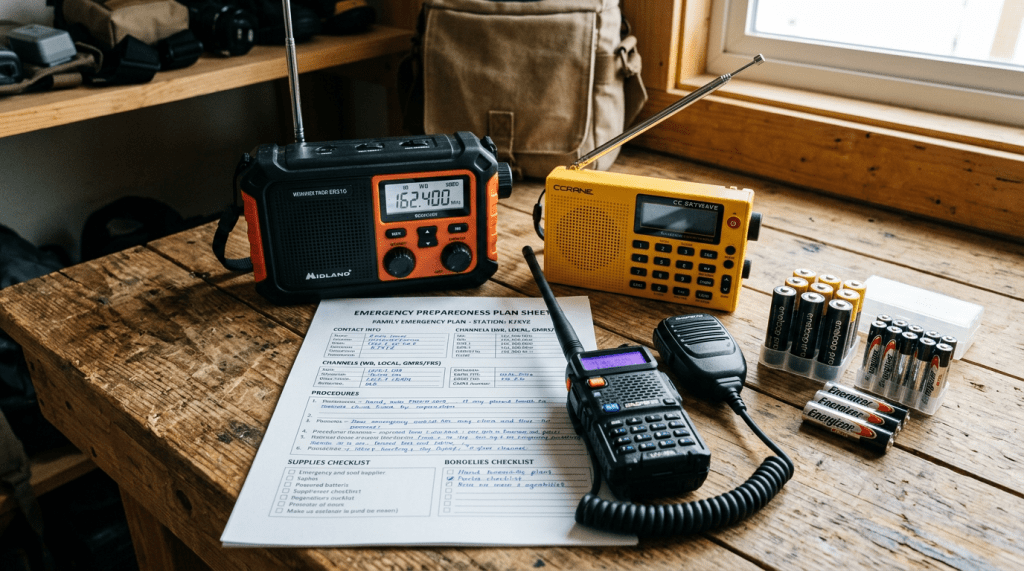
Weather Radio
A weather radio is a crucial tool for staying informed about weather conditions that could impact travel plans:
- Real-time Updates: Weather radios provide real-time updates on weather conditions, including severe weather alerts, which are essential for making timely and informed decisions.
- Coverage in Remote Areas: They are particularly valuable in remote areas where other forms of communication may be limited or unavailable.
- Multi-band Functionality: Many weather radios can receive multiple bands, including NOAA weather channels, ensuring comprehensive coverage and information.
The advanced components of full navigation kits—GPS devices, altimeters, binoculars, and weather radios—provide a robust set of tools for handling complex navigation challenges. These components enhance the navigator’s ability to accurately determine location, assess terrain, and stay informed about environmental conditions, ensuring safety and efficiency in demanding situations. Whether navigating remote wilderness areas or tackling challenging terrains, these advanced tools are indispensable for serious adventurers and professionals alike.
Additional Safety Gear in Full Navigation Kits
In addition to advanced navigation tools, full navigation kits often include essential safety gear designed to enhance the safety and preparedness of travelers. This safety gear is crucial for addressing emergencies and ensuring that navigators are equipped to handle unexpected situations. Let’s explore these components in more detail:
First Aid Kit
A first aid kit is a fundamental component of any comprehensive navigation kit, providing the means to address minor injuries and medical emergencies:
- Basic Medical Supplies: A typical first aid kit includes bandages, antiseptic wipes, adhesive tape, gauze pads, and pain relievers. These supplies are essential for treating cuts, scrapes, and other minor injuries that may occur during travel.
- Specialized Items: Depending on the environment and duration of the trip, a first aid kit may also include items like blister treatment, insect bite relief, and burn ointment.
- Compact and Portable: First aid kits are designed to be compact and portable, ensuring they can be easily carried and accessed when needed.
Signal Mirror
A signal mirror is a simple yet effective tool for emergency signaling, particularly in remote areas:
- Long-distance Signaling: Signal mirrors can reflect sunlight over long distances, making them an effective way to attract the attention of aircraft or distant rescuers.
- Daytime Use: Unlike other signaling devices, signal mirrors are most effective during the day when sunlight is available.
- Durability and Ease of Use: Signal mirrors are typically made from durable materials and are easy to use, requiring only a clear line of sight to the target.
Flashlight
A flashlight is an indispensable tool for providing illumination and signaling in low-light conditions:
- Illumination: Flashlights provide essential lighting for navigating in the dark, whether on a trail or in a campsite. They help prevent accidents and ensure safe movement.
- Signaling: In addition to illumination, flashlights can be used for signaling by flashing light in a pattern to attract attention or communicate with others.
- Variety of Options: Modern flashlights come in various forms, including LED models that offer long battery life and adjustable brightness settings. Some flashlights are also waterproof and impact-resistant, enhancing their reliability in harsh conditions.
Emergency Satellite Communicators
Emergency satellite communicators are increasingly becoming a vital component of full navigation kits, especially for those venturing into remote or high-risk areas where traditional communication methods may be unavailable. These devices provide a critical lifeline by enabling communication with emergency services and loved ones, even in the most isolated locations. Satellite communicators use global satellite networks to send and receive messages, ensuring that users can call for help or update their status regardless of cellular coverage. Many models also offer GPS tracking, allowing real-time location sharing, which is invaluable during search and rescue operations. Additionally, some devices come equipped with features like weather updates and navigation aids, further enhancing their utility. The inclusion of an emergency satellite communicator in a navigation kit significantly boosts safety and peace of mind, ensuring that adventurers are never truly out of reach, no matter how far they roam.
The additional safety gear included in full navigation kits—first aid kits, signal mirrors, and flashlights—plays a crucial role in ensuring the safety and preparedness of travelers. These items provide the means to address medical emergencies, signal for help, and navigate safely in low-light conditions. By incorporating this safety gear, full navigation kits offer a comprehensive solution for adventurers and professionals who need to be ready for any situation they may encounter in the field.
Use Cases for Full Navigation Kits
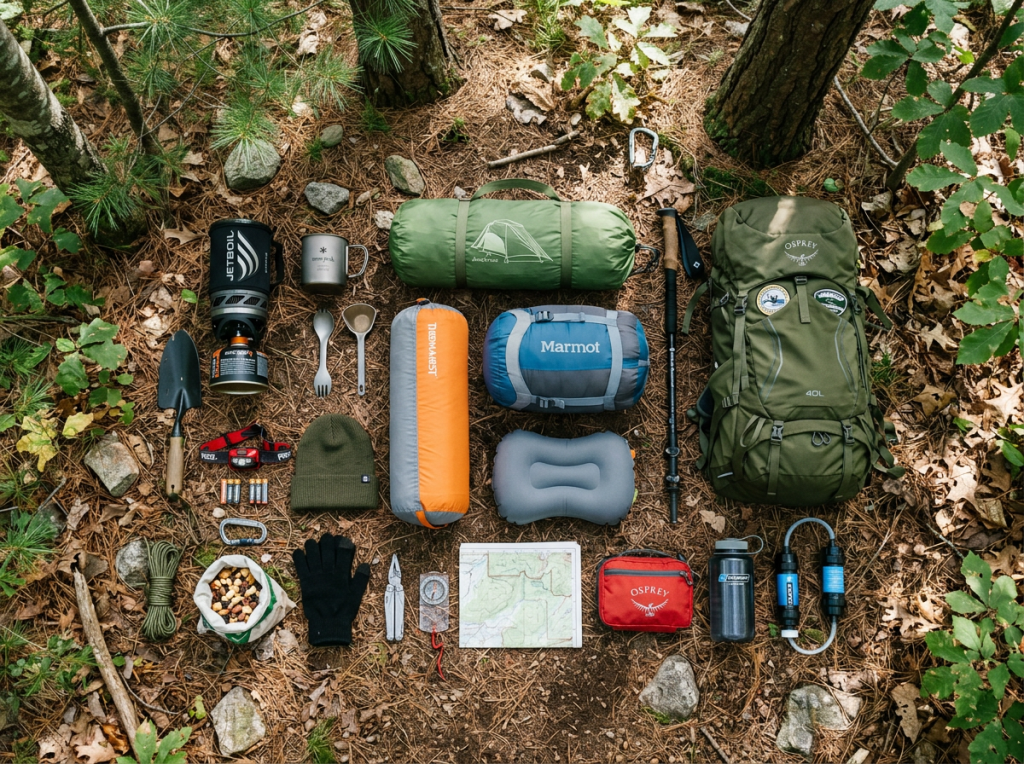
Full navigation kits are designed to meet the demands of challenging environments and complex navigation scenarios. They are equipped with a comprehensive array of tools that ensure travelers are prepared for a wide range of situations. Here are some specific use cases where full navigation kits are recommended:
Extended Trips
For journeys that span several days or weeks, full navigation kits provide the necessary tools to manage navigation and safety over long durations:
- Multi-day Hiking or Backpacking: In extended hiking or backpacking trips, especially in wilderness areas, a full navigation kit ensures that travelers can accurately navigate changing terrains and weather conditions.
- Cross-country Expeditions: When traversing large distances, such as cross-country road trips or cycling tours, full kits offer the tools needed to plan routes, track progress, and adjust plans as needed.
Remote Expeditions
In remote areas where resources and assistance are scarce, full navigation kits are essential for ensuring safety and successful navigation:
- Wilderness Exploration: In uncharted or sparsely populated regions, such as dense forests, deserts, or polar areas, full kits provide the advanced tools needed to navigate without relying on external infrastructure.
- Scientific or Research Expeditions: For teams conducting research in remote locations, full navigation kits support precise navigation and data collection, ensuring that objectives are met safely and efficiently.
High-risk Environments
In environments where the risk of getting lost or encountering hazards is significant, full navigation kits offer the necessary support:
- Mountainous Terrain: In mountainous regions, where elevation changes and weather conditions can be unpredictable, full kits provide tools like altimeters and weather radios to aid in safe navigation.
- Marine Navigation: For those navigating open waters, full kits with GPS devices and weather radios are crucial for maintaining course and staying informed about weather changes.
Emergency Preparedness
Full navigation kits are also valuable for emergency preparedness, ensuring that individuals and groups are equipped to handle unexpected situations:
- Disaster Response: In disaster response scenarios, such as search and rescue operations, full kits provide the tools needed to navigate challenging environments and coordinate efforts effectively.
- Survival Situations: In survival situations, where individuals may be stranded or lost, full kits offer the comprehensive tools needed to signal for help, find safe routes, and manage resources.
Full navigation kits are recommended for extended trips, remote expeditions, high-risk environments, and emergency preparedness. They provide a robust set of tools that ensure travelers are well-equipped to handle complex navigation challenges and unexpected situations. By offering comprehensive navigation and safety solutions, full kits enable adventurers and professionals to explore with confidence, knowing they are prepared for any eventuality.
Conclusion
Selecting the appropriate navigation kit is a critical decision that hinges on the specific requirements of the journey and the level of preparedness needed. The choice between a minimal and a full navigation kit can significantly impact the safety, efficiency, and overall experience of the adventure. Here’s a deeper exploration of the factors to consider and the importance of understanding each tool:
Assessing the Nature of the Journey
The first step in choosing a navigation kit is to assess the nature of the journey:
- Duration and Distance: Short, local trips may only require minimal kits, while longer, more complex journeys necessitate full kits with advanced tools.
- Environment: The terrain and environment play a crucial role. Urban or well-marked trails might only need basic tools, whereas remote or rugged terrains demand comprehensive navigation solutions.
- Risk Level: Consider the potential risks involved. Low-risk environments might be navigable with minimal kits, but high-risk areas, such as wilderness or mountainous regions, require full kits to mitigate potential dangers.
Minimal Kits: Simplicity and Ease of Use
Minimal navigation kits are ideal for:
- Short, Low-risk Trips: These kits are perfect for day hikes, urban exploration, or any situation where the likelihood of getting lost is minimal.
- Casual Adventurers: For those who prefer spontaneous outings without extensive preparation, minimal kits offer the essential tools needed without the burden of extra weight.
- Educational Purposes: They are excellent for teaching basic navigation skills, providing a hands-on approach to learning.
Full Kits: Robust Tools for Challenging Adventures
Full navigation kits are essential for:
- Extended and Remote Expeditions: These kits provide the comprehensive tools needed for navigating complex terrains and managing long-duration trips.
- High-risk Environments: In areas where the risk of getting lost or encountering hazards is significant, full kits offer the necessary support to ensure safety.
- Professional and Scientific Expeditions: For professionals conducting research or exploration, full kits provide the precision and reliability required for successful outcomes.
The Importance of Tool Proficiency
Regardless of the kit chosen, the key to successful navigation lies in understanding how to use each tool effectively:
- Training and Practice: Familiarity with the tools in the kit is crucial. Regular practice and training ensure that users can confidently operate each component, especially in high-pressure situations.
- Adaptability: Navigators should be prepared to adapt their use of tools based on changing conditions and unexpected challenges.
- Continuous Learning: Staying informed about new technologies and techniques in navigation can enhance proficiency and preparedness.
The choice between a minimal and a full navigation kit should be guided by the specific needs of the journey and the level of preparedness required. By carefully assessing the nature of the trip and ensuring proficiency with the chosen tools, travelers can navigate safely and effectively, regardless of the challenges they may encounter.

 UTAZCO Overland
Leave a Reply