
With just five days remaining until one of the most pivotal elections in recent United States history, the importance of preparing for potential civil unrest cannot be overstated. Elections often serve as flashpoints for heightened emotions and tensions, particularly in a polarized political climate. The stakes of this election, perceived by many as having profound implications for the nation’s future, can exacerbate divisions and lead to unrest, regardless of the outcome. Preparing for such possibilities involves ensuring personal safety, securing homes and businesses, and fostering community communication and support networks. By being proactive, individuals and communities can mitigate risks, protect themselves and their property, and contribute to a more stable environment during a period of potential volatility. This preparation not only safeguards physical well-being but also reinforces the democratic process by allowing citizens to focus on participating in the election without fear of disruption or harm.
There are some challenges and some advantages in developing strategies for dealing with potential civil disturbances, be it in urban settings or rural settings. Civil disturbances can encompass protests, riots or even anarchy, and preparedness will go a long way in enhancing individual and societal security. This essay tries to zoom in on the differences in strategies used for preparation in urban and in rural contexts drawing the attention to important factors which are pertinent to each context.
Urban Environments
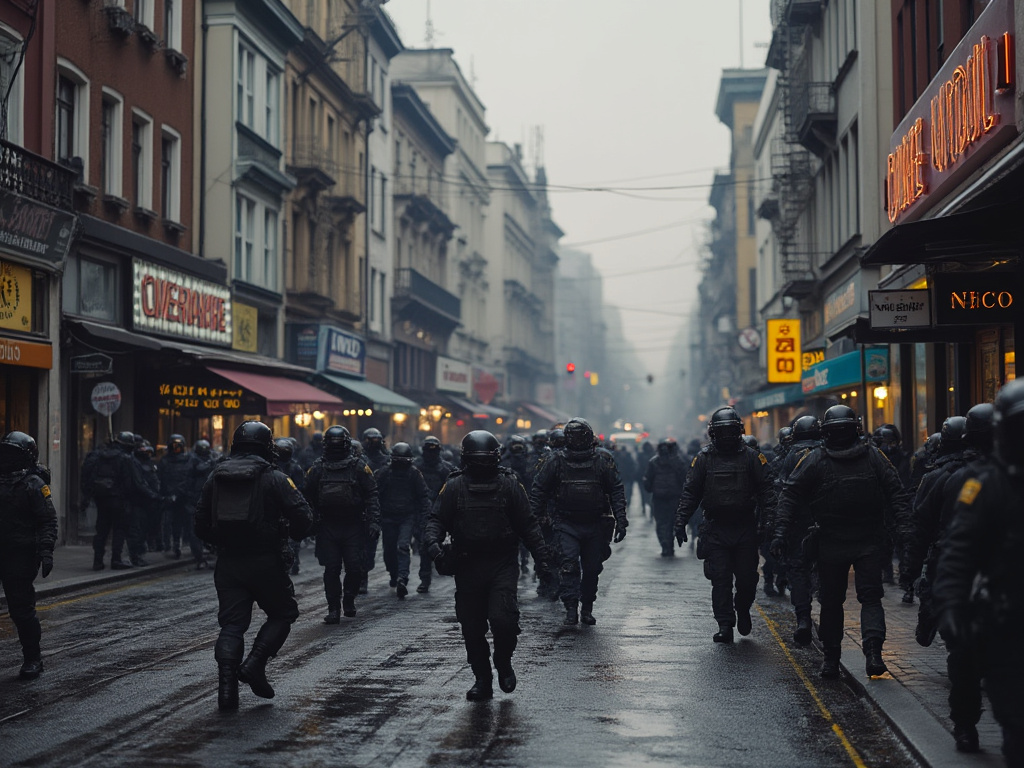
In times of civil disturbance, there are special concerns in urban areas owing to their high population density and complexity of infrastructure. When many people and resources are in one area, the escalation of any disorder is usually very quick, hence the need for planning ahead.
Situational Awareness
In the fast-paced environment of a city, staying informed is crucial for safety. Residents should leverage multiple information sources to maintain situational awareness:
- Local News and Radio: Traditional media outlets often provide verified information and updates on the situation. Tuning into local news channels or radio stations can offer insights into areas to avoid and the status of public transportation.
- Social Media: Platforms like Twitter and Facebook can provide real-time updates from individuals on the ground. However, it is important to verify the credibility of sources to avoid misinformation.
- Community Alerts: Many cities have alert systems that send notifications about emergencies, including civil unrest. Signing up for these alerts can ensure timely information.
- Mobile Apps: Apps designed for safety and emergency alerts can be invaluable. Some apps provide maps showing areas of unrest, allowing residents to plan safer routes.
Emergency Planning
Having a comprehensive emergency plan is essential:
- Safe Routes: Identify multiple routes to exit the city or reach a safe location. Public transportation may be disrupted, so knowing alternative paths is crucial.
- Emergency Services: Familiarize yourself with the locations of hospitals, police stations, and fire departments. In an emergency, knowing where to go can save valuable time.
- Communication Plan: Establish a communication plan with family and friends. Designate a meeting point and ensure everyone knows how to reach each other if phone lines are down.
- Go-Bag Essentials: Prepare a “go-bag” with necessities such as bottled water, non-perishable food, a first-aid kit, flashlight, batteries, cash, and copies of important documents. This bag should be easily accessible and ready to grab at a moment’s notice.
Community Networks
Strong community networks can provide support and enhance safety during unrest:
- Neighborhood Associations: Engage with local neighborhood associations or community groups. These organizations can facilitate information sharing and collective decision-making.
- Local Groups: Participate in local groups or forums, both online and offline, to stay connected with neighbors. These groups can organize community patrols or resource sharing during crises.
- Mutual Aid: Establish mutual aid agreements with neighbors, where resources and skills are shared. This can include sharing food, providing shelter, or assisting with transportation.
- Community Solidarity: A united community can deter potential threats. Visible signs of solidarity, such as neighborhood watches or community meetings, can discourage unrest from spreading into residential areas.
Security Measures
Enhancing home and personal security is vital:
- Reinforced Doors and Windows: Install reinforced doors and windows to prevent forced entry. Consider using shatterproof glass or security film for added protection.
- Security Cameras and Alarms: Invest in security cameras and alarm systems to monitor your property. Visible security measures can deter potential intruders.
- Protective Barriers: In high-risk areas, businesses and homes consider boarding up windows or installing metal grilles. These barriers can protect against vandalism or looting.
- Personal Safety: Urban residents should also consider personal safety measures, such as self-defense training or carrying personal alarms. Being prepared to protect oneself can provide peace of mind.
Urban environments require a complex approach to preparing for civil unrest. By maintaining situational awareness, developing a robust emergency plan, fostering community networks, and enhancing security measures, urban residents can better navigate the complexities of civil unrest and ensure their safety and well-being.
Rural Environments
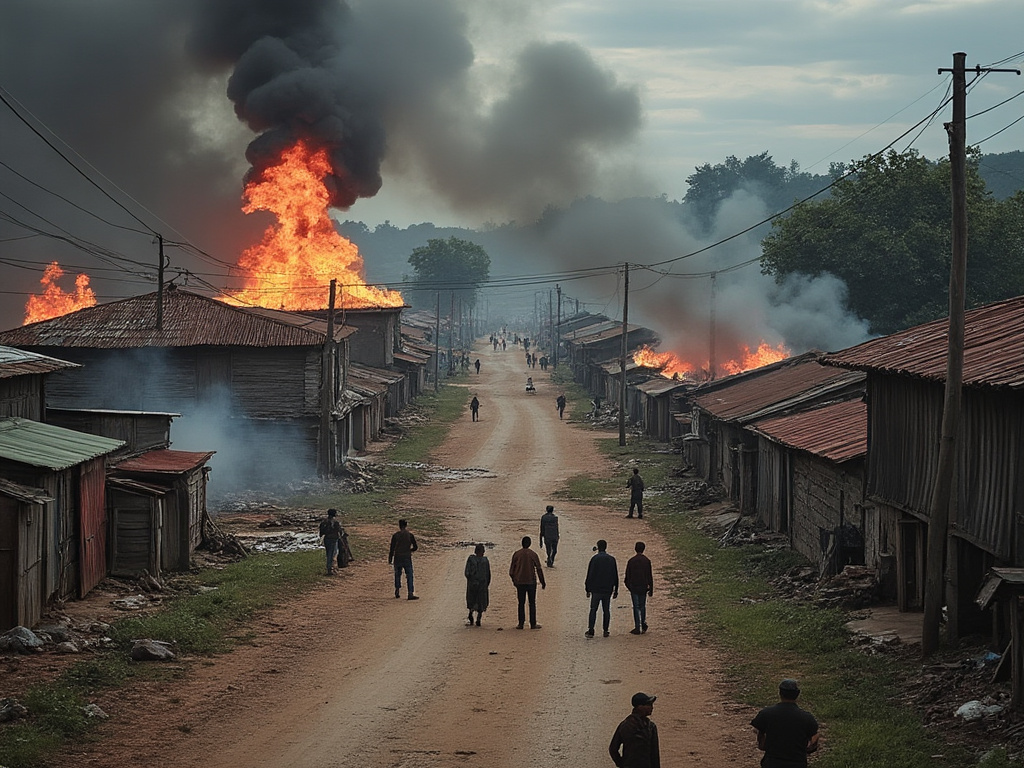
As a result of low population density and considerable land area, people residing in rural settings naturally face certain challenges or have certain opportunities that are not typical of the urban society. Yes, they are not subjected to the ‘shock’ of unrest instantaneously like the urban areas; however, isolation can pose logistical complications which will need careful planning along with community collaboration. In such cases, how do residents of rural communities prepare for potential unrest? This section seeks to answer that question.
Self-Sufficiency
Rural residents often have the advantage of space, which can be leveraged to enhance self-sufficiency:
- Stockpiling Supplies: Given the potential for limited access to stores and services during unrest, rural residents should stockpile essential supplies. This includes non-perishable food, clean water, and medical supplies. A well-stocked pantry can sustain a household for extended periods if supply chains are disrupted.
- Gardening and Livestock: Many rural residents have the opportunity to grow their own food or raise livestock. This not only provides a sustainable food source but also reduces dependency on external supplies.
- Alternative Energy Sources: Investing in alternative energy sources, such as solar panels or generators, can ensure a continuous power supply during disruptions. This is particularly important for maintaining communication and preserving food supplies.
- Water Sources: Access to a reliable water source, such as a well or rainwater collection system, is crucial. Rural residents should ensure their water sources are secure and have purification methods available.
Communication
Effective communication is vital where infrastructure is limited:
- Reliable Tools: Investing in reliable communication tools is essential. Satellite phones and ham radios can provide connectivity when traditional phone lines or cell towers are down.
- Local Networks: Establishing local communication networks with neighbors can facilitate information sharing. This can include handheld radios for short-range communication.
- Emergency Alerts: Signing up for emergency alert systems that provide updates via radio or satellite can keep residents informed about the broader situation.
- Information Sharing: Rural residents should establish a system for sharing information with nearby communities, ensuring that everyone is aware of potential threats or changes in the situation.
Transportation and Access
Transportation is a critical consideration:
- Vehicle Maintenance: Ensuring that vehicles are well-maintained and fueled is crucial for potential evacuation or travel to access supplies. Regular checks on tires, brakes, and engines can prevent breakdowns during critical times.
- Multiple Routes: Familiarity with multiple routes is important, as main roads are blocked or unsafe. Having physical maps on hand is advisable, as GPS services could be unreliable or unavailable.
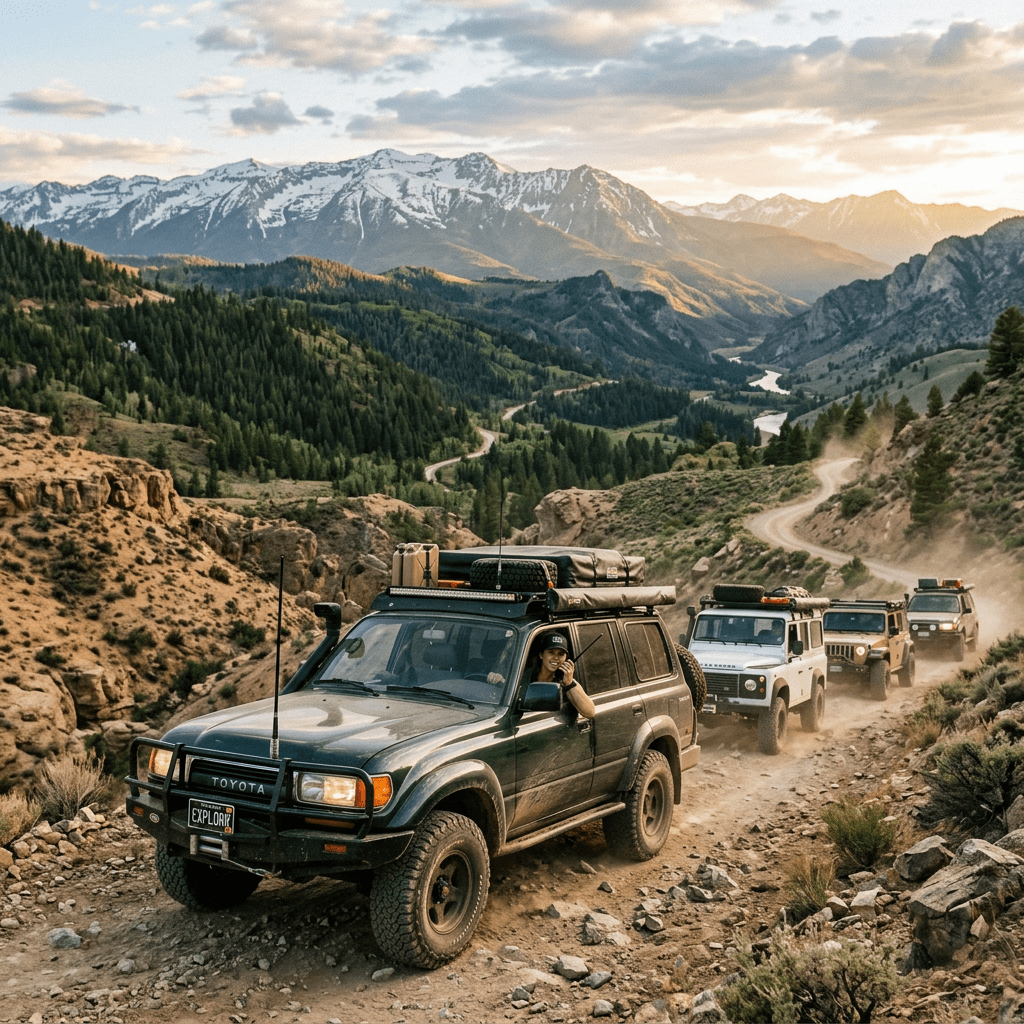
- Off-Road Capabilities: In some rural areas, having a vehicle with off-road capabilities can be beneficial for navigating difficult terrain or bypassing blocked roads.
- Evacuation Plans: Rural residents should have a clear evacuation plan, including designated meeting points and communication strategies with family members.
Community Cohesion
Strong community ties are a hallmark of rural areas and can be a significant asset during unrest:
- Watch Groups: Neighbors can form watch groups to monitor for potential threats and ensure the safety of the community. These groups can also coordinate resource sharing and mutual aid.
- Resource Sharing: Community members can pool resources, such as food, tools, and skills, to support each other. This collective approach can enhance resilience and reduce individual burdens.
- Community Meetings: Regular community meetings can help coordinate efforts, share information, and ensure everyone is prepared. These meetings can also serve as a platform for discussing concerns and developing strategies.
- Social Support: The social support inherent in rural communities can provide emotional and practical assistance during challenging times. Neighbors can offer help with childcare, elder care, or other needs.
While rural areas face different challenges during civil unrest compared to urban environments, their inherent strengths can be leveraged to enhance preparedness. By focusing on self-sufficiency, ensuring reliable communication, maintaining transportation readiness, and fostering community cohesion, rural residents can effectively navigate the complexities of civil unrest and ensure their safety and well-being.
Comparative Analysis
As a result of their distinguishing features, the methods of planning for civil disturbances in the urban and rural contexts are dissimilar. Urban territories place emphasis on the ability to react fast, ensure safety, and operate within developed systems whereas rural areas focus on independence, outreach, and community building.
- Immediate vs. Sustained Response: Urban residents must be prepared for immediate threats and disruptions, while rural residents focus on sustaining themselves over longer periods due to potential delays in assistance.
- Resource Access vs. Self-Reliance: Urban dwellers benefit from proximity to resources but face challenges in accessing them during unrest. In contrast, rural residents rely on self-sufficiency and local resources to mitigate isolation challenges.
- Security vs. Communication: Urban environments necessitate enhanced security measures to protect against direct threats, whereas rural areas prioritize effective communication to overcome infrastructure limitations.
Preparing for civil unrest requires a nuanced understanding of the specific dynamics of urban and rural environments. By recognizing these differences and implementing tailored strategies, individuals and communities can enhance their resilience and safety during times of unrest. Whether in a bustling city or a quiet rural area, proactive preparation is essential to navigating the uncertainties of civil unrest. Understanding the unique challenges and opportunities of each environment allows for more effective planning and response, ultimately contributing to greater community resilience and individual safety.



 UTAZCO Overland
Leave a Reply