
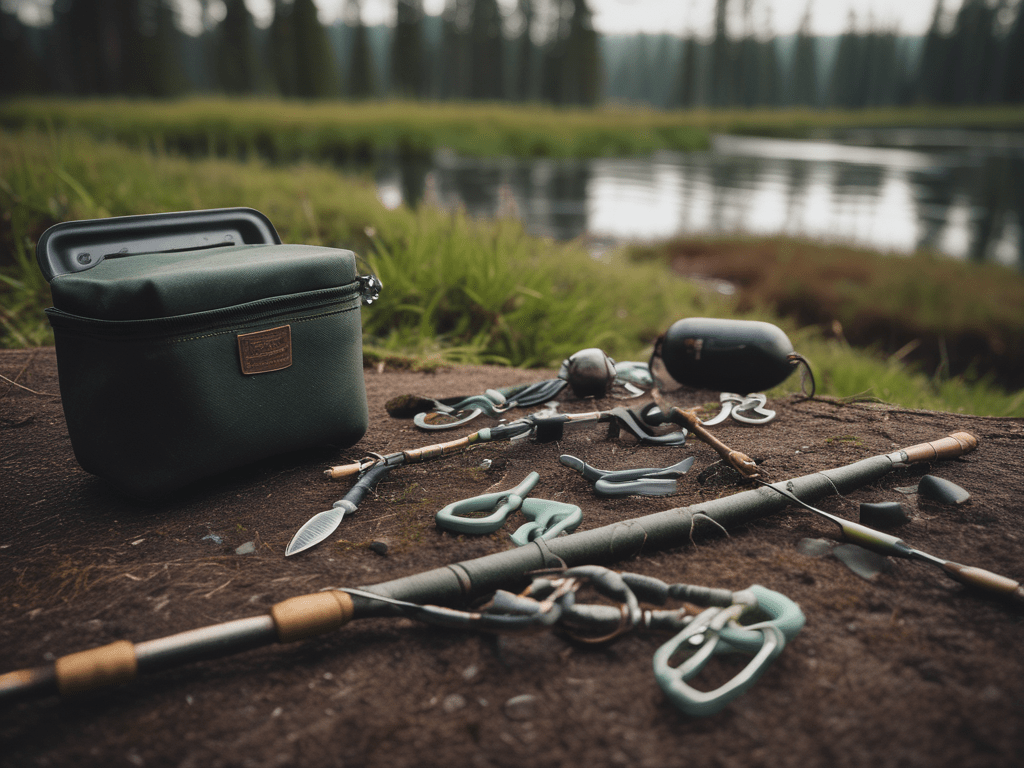
Dispersed camping, also known as wild camping, is a thrilling adventure that allows you to connect with nature on a deeper level. It involves camping outside designated campgrounds, typically in remote locations. One of the main challenges of dispersed camping is securing food, particularly protein sources. This essay will explore the best tools to take with you to ensure you have access to nutritious food during your camping trip.
Summary: This essay discusses the best tools for securing food while dispersed camping, a type of camping that takes place outside designated campgrounds, typically in remote locations. The essay covers various ways of securing food, including fishing, hunting, trapping, and foraging. For fishing, a compact and lightweight fishing kit, a telescopic fishing rod, and knowledge of local fishing regulations are recommended. Hunting tools include slingshots, bows, and firearms, but the use of firearms requires careful consideration of legal, safety, and ethical factors. A basic trapping kit and knowledge of setting up traps are also useful. Foraging requires a sturdy knife, a field guide to edible plants, and knowledge of sustainable foraging principles. The essay also highlights the importance of cooking equipment and water purification. It concludes by emphasizing the importance of respecting nature and local laws and regulations.
Fishing Gear
Fish is a high-quality source of protein, containing all the essential amino acids needed for human health. It’s also rich in vitamins and minerals, including Vitamin D, iodine, and omega-3 fatty acids, which are crucial for brain function and heart health. When dispersed camping, especially in areas near bodies of water such as rivers, lakes, or the sea, fishing can provide a sustainable and nutritious food source.
Compact and Lightweight Fishing Kit
A compact and lightweight fishing kit is an essential tool for securing this valuable food source. The basic components of a fishing kit include a fishing line, hooks, and baits.
- Fishing Line: A monofilament fishing line is typically recommended for its versatility and strength. It’s also transparent, making it less visible to fish in the water.
- Hooks: A variety of hook sizes is beneficial to catch different types of fish. Smaller hooks are suitable for small fish species, while larger hooks are designed for bigger fish.
- Baits: The type of bait you choose can depend on the specific fish species in your camping area. Common options include worms, minnows, or artificial baits.
Telescopic Fishing Rod
A telescopic fishing rod is a great addition to your fishing kit. These rods are designed to collapse down to a short length and extend out to their full length when fishing. This feature makes them highly portable and easy to carry in a backpack. They come in various sizes and strengths to suit different fishing conditions and species.
Local Fishing Regulations
Before you set out on your trip, it’s crucial to check the local fishing regulations. These regulations can include licensing requirements, fishing seasons, catch limits, and rules about the type of gear and bait you can use. These rules are designed to protect fish populations and their habitats, ensuring that fishing can be enjoyed by future generations.
Fishing can be a reliable and nutritious source of food when dispersed camping. With a compact fishing kit and knowledge of local fishing regulations, you can enjoy the benefits of fresh fish even in the most remote locations. My system of choice for fishing is the PLUSINNO Fishing Rod and Reel Combo
Hunting Tools
Hunting can be an effective way to secure a protein source while dispersed camping. The meat from hunted game not only provides protein but also a range of other nutrients, including iron, zinc, and Vitamin B. However, hunting requires a certain level of skill and knowledge about animal behavior, tracking, and field dressing.
Compact Hunting Tools: Slingshots and Bows
- Slingshots: A slingshot is a small, lightweight hunting tool that can be easily carried in a backpack. It consists of a Y-shaped frame with elastic bands attached to the uprights. The bands are pulled back to launch small projectiles, typically stones or steel balls, at the target. Slingshots can be used to hunt small game like rabbits, squirrels, or birds. However, accuracy with a slingshot requires practice, and it’s important to note that in some areas, hunting with a slingshot may be illegal or restricted.
- Bows: A lightweight bow is another compact hunting tool that can be used for larger game. Modern compact bows, such as takedown recurve bows or compound bows, can be disassembled for easy transport. Bow hunting requires more skill than hunting with a slingshot, as it involves mastering the art of archery and understanding the anatomy of the game to ensure a clean, ethical kill. For this, my tool of choice is the TOPARCHERY Archery 57″ Takedown Recurve Bow (in 40#)
Firearms
Firearms can indeed be a useful tool for securing food while dispersed camping, particularly for hunting larger game. However, their use comes with a set of considerations that must be taken into account.
Firstly, the legality of carrying and using firearms varies greatly depending on the location. Some areas may have strict regulations or prohibitions on the use of firearms, especially in protected natural areas. It is crucial to research and understand the local laws and regulations before deciding to bring a firearm on a camping trip.
Secondly, safety is a paramount concern when handling firearms. Proper training in firearm safety, handling, and maintenance is essential to prevent accidents. This includes knowing how to store the firearm safely when it’s not in use, how to handle it properly to avoid accidental discharge, and how to maintain it to ensure it functions correctly.
Thirdly, firearms are generally heavier and bulkier than other hunting tools like slingshots or bows. This can be a significant consideration when packing for a dispersed camping trip, where minimizing weight and bulk is often a priority.
Lastly, using a firearm for hunting requires a certain level of skill to ensure a humane kill and avoid wounding animals. This includes understanding the animal’s anatomy, being able to accurately aim and fire the weapon, and knowing how to track the animal if it doesn’t die immediately.
While firearms can be an effective tool for securing food while dispersed camping, their use requires careful consideration of legal, safety, and ethical factors. I carry a Remington 870 shotgun with various types of shells in the jeep for this purpose. Not only does it provide a great platform for hunting game, it is also a great tool for defense against predators.
Local Hunting Laws and Regulations
Before hunting, it’s essential to familiarize yourself with local hunting laws and regulations. These can include licensing requirements, hunting seasons, bag limits, and rules about the type of weapons and ammunition you can use. Some areas may also have restrictions on hunting certain species. These laws are designed to ensure sustainable hunting practices and protect wildlife populations.
Hunting can provide a valuable source of protein while dispersed camping. Whether you choose to use a slingshot or a bow, mastering the necessary skills and understanding local hunting regulations are key to a successful and ethical hunt.
Trapping Gear
Trapping is a time-honored method of securing food in the wilderness. It involves setting up devices to capture or kill animals, providing a valuable source of protein. Trapping can be particularly effective when dispersed camping, as it allows you to set multiple traps and leave them to work while you engage in other activities.
Basic Trapping Kit
A basic trapping kit is lightweight and easy to carry, making it ideal for dispersed camping. This kit typically includes wire snares and rat traps.
- Wire Snares: Wire snares are simple yet effective traps for small game. They consist of a noose made from lightweight, strong wire that tightens around an animal as it passes through, trapping it. The size of the snare depends on the targeted animal species. Snares are typically set along animal trails or near burrows and dens. They are most effective for small to medium-sized animals like rabbits, hares, and foxes.
- Rat Traps: Despite their name, rat traps can be used to catch a variety of small animals, including squirrels and chipmunks. They work on a spring mechanism that is triggered when an animal steps on it, killing the animal instantly. Rat traps are larger and heavier than wire snares, but they are also more straightforward to set up and can be more humane, as they typically kill the animal instantly, preventing prolonged suffering.
Knowledge of Setting Up Traps
Successful trapping requires knowledge and skill in setting up traps. This includes understanding the behavior and habits of the target animals, knowing where to place the traps for maximum effectiveness, and knowing how to set up the traps correctly. It’s also important to know how to handle and dispatch trapped animals humanely. Consider learning these skills from experienced trappers or through reputable outdoor survival courses before your trip.
Local Trapping Laws and Regulations
Before setting up any traps, it’s crucial to be aware of and comply with local trapping laws and regulations. These can include licensing requirements, trapping seasons, and rules about the type of traps and bait you can use. Some areas may also have restrictions on trapping certain species. These laws are designed to ensure sustainable and ethical trapping practices.
Trapping can be an effective method of securing protein while dispersed camping. With a basic trapping kit and the necessary knowledge and skills, you can supplement your food sources with small game. Always remember to respect wildlife and follow local laws and regulations.
Foraging Tools
Foraging for wild edibles is a skill that has been practiced by humans for thousands of years. While dispersed camping, foraging can supplement your protein sources and provide necessary vitamins, minerals, and fiber. It involves identifying, collecting, and consuming food from the wild, such as plants, nuts, berries, and fungi.
Essential Foraging Tools: Sturdy Knife and Field Guide
- Sturdy Knife: A sturdy knife is an essential tool for foraging. It can be used to cut plants, dig up roots, and prepare foraged food for consumption. The knife should be sharp, durable, and easy to handle. It’s also important to keep it clean to avoid contaminating your food with bacteria or other harmful substances.
- Field Guide to Edible Plants: A field guide to edible plants is an invaluable tool for foragers. It helps you identify safe and nutritious food sources in the wild. The guide should include clear pictures and descriptions of various edible plants, their habitats, and any potential look-alikes that may be poisonous. Some guides also provide information on how to prepare and cook the plants.
Knowledge and Skills for Foraging
Foraging requires knowledge and skills to be safe and effective. This includes understanding the principles of sustainable foraging, such as only taking what you need and leaving no trace. You should also be able to identify edible plants and distinguish them from potentially harmful ones. Knowledge of when and where to find certain plants can also increase your foraging success.
Local Foraging Laws and Regulations
Before foraging, it’s important to check local laws and regulations. Some areas may have restrictions on foraging to protect plant populations and habitats. You may also need to obtain permission to forage in certain areas.
Foraging can be a rewarding way to supplement your diet with nutritious wild edibles while dispersed camping. With a sturdy knife, a field guide to edible plants, and the necessary knowledge and skills, you can enjoy the bounty of nature while respecting its delicate balance.
Cooking Equipment
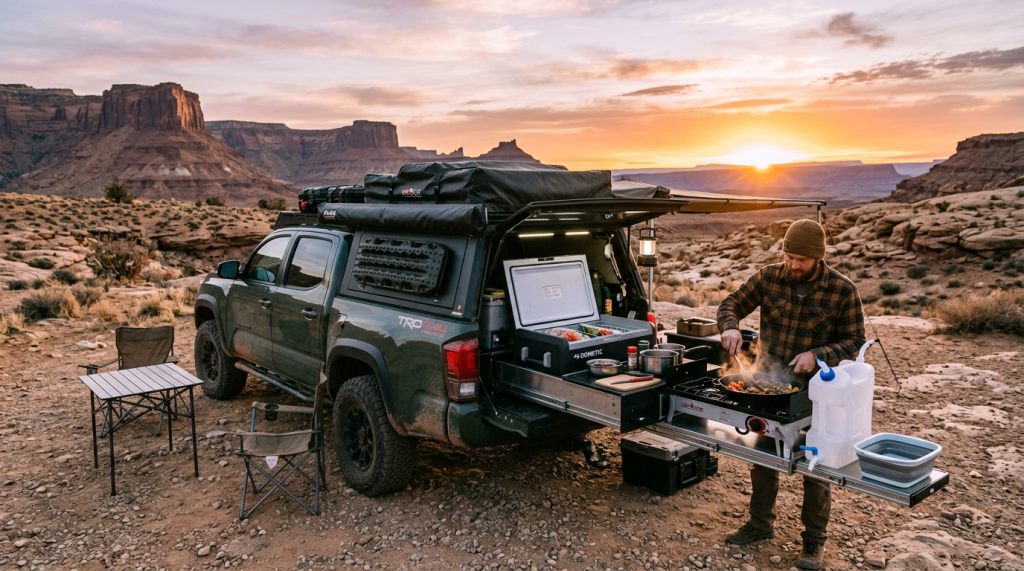
Once you’ve secured your food through fishing, hunting, trapping, or foraging, the next step is preparing and cooking it. This process not only makes the food more palatable but also kills any harmful bacteria or parasites, making it safe to eat. The tools you need for this process should be lightweight, durable, and easy to use.
Lightweight Camping Stove and Fuel
A lightweight camping stove is a crucial tool for cooking food in the wild. It provides a controlled heat source, making it easier to cook food evenly and thoroughly. The stove should be compact and lightweight for easy transportation. You’ll also need fuel for the stove. This could be propane, butane, or alcohol, depending on the type of stove. Some stoves are also designed to burn wood or other natural fuels.
Pot and Pan
A pot and a pan are basic necessities for cooking food. They can be used to boil water, cook meat, heat up canned food, or prepare foraged plants. Look for pots and pans that are lightweight yet durable, with a non-stick surface for easy cleaning. Some camping pots and pans are designed to nest together for compact storage.
Multi-tool
A multi-tool is a versatile piece of equipment that combines several tools in one compact device. This can include a knife for preparing food, a can opener for opening canned goods, a spoon and fork for eating, and other utensils like a corkscrew or bottle opener. Some multi-tools also include other useful features like a small saw, a pair of scissors, or a screwdriver.
Fire Starter
A reliable fire starter is another essential tool for cooking food in the wild. This could be a lighter, matches, or a fire steel that produces sparks when struck against a piece of metal. A fire starter is not only useful for starting a fire to cook food but also for warmth and signaling in an emergency.
Preparing and cooking food in the wild requires a range of tools, from a camping stove and fuel to a pot, pan, multi-tool, and fire starter. These tools should be lightweight, durable, and easy to use, supporting you in maintaining your nutrition and energy levels while dispersed camping.
Water Purification
While securing food is a vital aspect of survival when dispersed camping, maintaining hydration is equally, if not more, important. The human body can survive longer without food than without water. Dehydration can lead to a range of health issues, from headaches and fatigue to more severe conditions like heatstroke and hypovolemia. It can also affect your physical and cognitive abilities, hindering your ability to search for food or make critical decisions.
Check out my in-depth analysis of the various methods for water ‘purification’ in my previous essay, “Comprehensive Wilderness Water Treatments: Filtration, Purification, and Disinfection”
Conclusion
Securing food while dispersed camping can be a challenging yet rewarding experience. The tools you choose to bring can greatly influence your success. By packing smart and learning essential hunting, fishing, and foraging skills, you can ensure a steady supply of protein and other nutrients during your adventure. Always remember to respect nature and follow local laws and regulations while hunting or fishing. Happy camping!

 UTAZCO Overland
Leave a Reply