
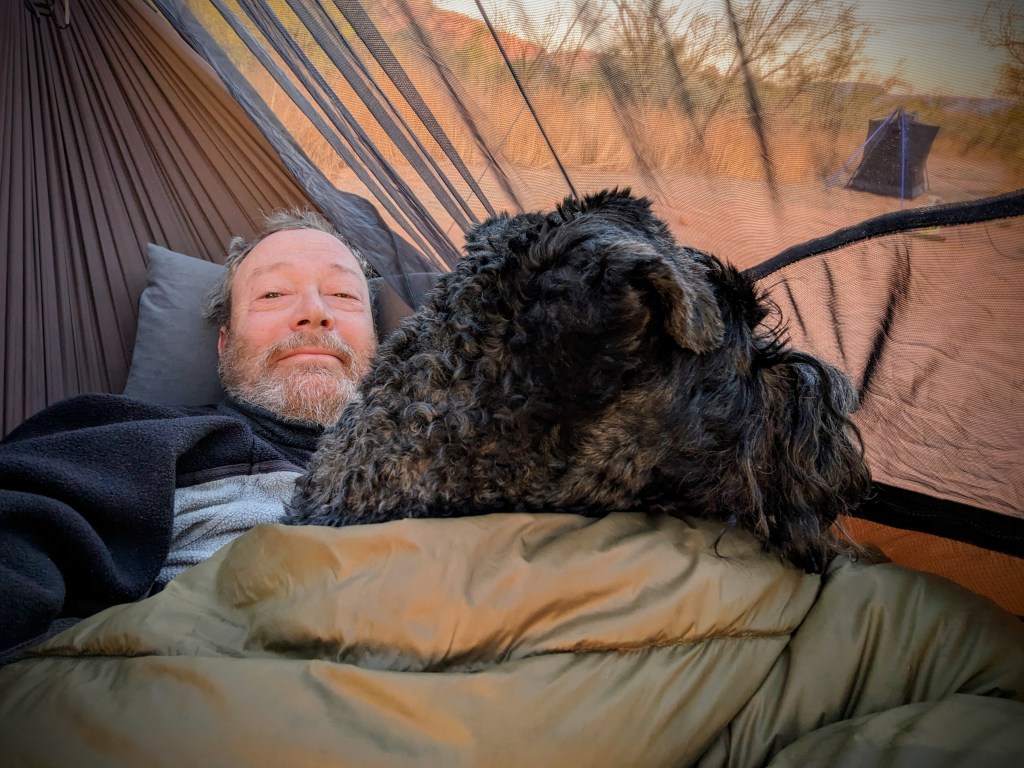
Hammocking with dogs can be a delightful and bonding experience for both the pet and the owner. It provides a unique opportunity to relax, enjoy nature, and spend quality time together. However, it is essential to be aware of certain dos and don’ts to ensure the safety and comfort of your furry friend. This essay will explore the best practices and precautions to consider when hammocking with dogs.
Summary: This essay provides a comprehensive guide on the dos and don’ts of hammocking with dogs. It emphasizes the importance of training your dog, choosing the right hammock, bringing a blanket or pad, keeping your dog leashed, and monitoring the temperature for a safe and enjoyable hammocking experience. It also warns against forcing your dog to hammock, leaving your dog unattended, ignoring bugs, neglecting your dog’s weight, and forgetting about hygiene. The essay concludes by highlighting the importance of respecting your dog’s comfort levels, prioritizing their safety, and being prepared for any situation.
Dos of Hammocking with Dogs
Do Train Your Dog
Training your dog is a fundamental step before embarking on any activity together, and hammocking is no exception. The process of training your dog for hammocking involves teaching them basic commands, familiarizing them with the hammock, and helping them stay calm in various environments.
Basic Commands: The importance of basic obedience in dogs cannot be overstated. Commands like “sit,” “stay,” “come,” and “leave it” are essential for maintaining control over your dog in any situation. For hammocking, these commands can help ensure your dog doesn’t jump out of the hammock unexpectedly or become overly excited, which could lead to accidents or injuries. Training your dog to follow these commands consistently requires patience, consistency, and positive reinforcement.
Familiarization with the Hammock: Dogs can be wary of new and unfamiliar objects, and a hammock might initially seem strange to them. Therefore, it’s important to gradually introduce your dog to the hammock in a familiar environment, like your home or backyard. Let them sniff and explore it at their own pace. You can encourage them to get into the hammock by using treats or their favorite toys. Over time, they will associate the hammock with positive experiences and feel more comfortable in it.
Staying Calm in Different Environments: Dogs can be sensitive to changes in their environment, which can cause them to become anxious or agitated. Before taking your hammocking adventures into the great outdoors, practice in a controlled environment. Start by setting up the hammock in a quiet, familiar place. Once your dog is comfortable with this, gradually introduce new elements, like different locations, varying noise levels, and other animals or people. This will help your dog learn to stay calm and composed in a variety of situations.
Training your dog for hammocking is a process that requires time and patience. However, the effort is well worth it, as it will ensure a safer and more enjoyable hammocking experience for both you and your furry friend.
Do Choose the Right Hammock
Choosing the right hammock is a critical factor when planning to hammock with your dog. The hammock needs to be comfortable for both you and your pet, but it also needs to be strong and durable enough to withstand the additional wear and tear that a dog can cause. Here are some factors to consider when choosing a hammock for you and your dog:
Material: The material of the hammock is crucial when considering its durability. Nylon hammocks are often a good choice as they are known for their strength and durability. They are also lightweight, making them easy to carry on your outdoor adventures. However, ensure the material is thick enough to withstand your dog’s claws.
Double-Layered Hammocks: Double-layered hammocks are an excellent choice for hammocking with dogs. These hammocks have two layers of fabric, providing an extra level of protection against your dog’s claws. The double layer can also offer additional comfort, as it can help distribute your dog’s weight more evenly.
Weight Capacity: It’s essential to consider the weight capacity of the hammock – and, if you are using a stand, the weight capacity of it with the hammock, gear, you, and your dog! Remember, they will need to support both your weight and your dog’s. Always check the manufacturer’s weight limit before purchasing a hammock and stand. Exceeding the weight limit can lead to tearing or collapsing, which could result in injuries.
Size: The size of the hammock is another important factor. It needs to be large enough to comfortably accommodate both you and your dog. A hammock that is too small will be uncomfortable and could potentially be unsafe.
Choosing the right hammock for you and your dog involves considering several factors, including the material, design, weight capacity, and size. By carefully selecting a hammock that meets these criteria, you can ensure a safe and enjoyable hammocking experience for both you and your furry friend.
Do Bring a Blanket or Pad
Using a blanket or pad while hammocking with your dog serves multiple purposes, enhancing the overall experience for both you and your pet.
Extra Comfort: Dogs, like humans, appreciate comfort. A blanket or pad can provide a soft and cozy surface for your dog to lie on, making the hammock more inviting. This is especially beneficial for older dogs or dogs with joint issues, as the extra padding can help alleviate pressure on their joints.
Protection for the Hammock: Dogs can inadvertently bring dirt, mud, or other outdoor elements into the hammock. A blanket or pad acts as a barrier, protecting the hammock from these elements. It also catches dog hair, which can be particularly beneficial if your dog sheds a lot. This makes the clean-up process easier and helps prolong the life of your hammock.
Preventing Damage from Dog’s Nails: Even if your dog’s nails are well-trimmed, they can still cause damage to the hammock material. A blanket or pad provides an additional layer of protection against potential tears or punctures from your dog’s nails.
Temperature Control: In colder weather, a blanket can provide extra warmth for your dog, making the hammocking experience more comfortable. Conversely, in hot weather, a breathable pad can help keep your dog cool.
Using a blanket or pad while hammocking with your dog is a simple step that can greatly enhance the experience. It provides comfort for your dog, protects your hammock, and can help regulate your dog’s temperature, making it a worthwhile addition to your hammocking setup.
Do Keep Your Dog Leashed
Keeping your dog leashed while in the hammock is a safety measure that can prevent potential accidents and injuries. Even the most well-behaved and obedient dogs can become excited or startled, leading them to jump out of the hammock unexpectedly. This sudden movement can not only cause damage to the hammock but also result in injuries to your pet.
Preventing Unexpected Jumps: Dogs can be unpredictable. They may see a squirrel, hear a strange noise, or simply become restless, prompting them to jump out of the hammock. A leash provides a level of control that can prevent these sudden jumps. If your dog attempts to leap out, a gentle tug on the leash can redirect them and keep them safely in the hammock.
Preventing Injuries: Jumping from a hammock can be dangerous for dogs. Depending on the height of the hammock and the surface below, a jump can result in sprains, fractures, or other injuries. Keeping your dog leashed gives you the ability to prevent these jumps and the associated risks.
Protecting the Hammock: Sudden jumps can also damage the hammock. The force of your dog jumping out can tear the fabric, break the suspension system, or tip the hammock over entirely. A leash allows you to prevent these jumps, protecting your investment in the hammock.
Maintaining Control: A leash also ensures that you maintain control over your dog once they are out of the hammock. This can be particularly important in outdoor settings where there may be other animals, people, or potential hazards.
Keeping your dog leashed while in the hammock is a simple precaution that can prevent accidents, protect your hammock, and ensure you maintain control over your pet. It’s a small step that can significantly enhance the safety and enjoyment of hammocking with your dog.
Do Monitor the Temperature
Dogs, unlike humans, don’t sweat to regulate their body temperature. Instead, they pant to cool down, and their fur acts as an insulator against both cold and heat. However, in a confined space like a hammock, especially under direct sunlight, dogs can overheat quickly, leading to heatstroke, a potentially fatal condition. Therefore, it’s crucial to take measures to prevent overheating when hammocking with your dog.
Provide Plenty of Water: Hydration is key in preventing overheating. Always bring enough water for both you and your dog when planning to spend time in a hammock. Encourage your dog to drink frequently, especially if they are panting or seem restless. Portable dog water bottles with attached drinking bowls can be a convenient option for such outings.
Provide Shade: Direct exposure to the sun can quickly raise your dog’s body temperature. Therefore, it’s crucial to set up your hammock in a shaded area, preferably under trees. If natural shade isn’t available, consider using a tarp or portable sunshade.
Avoid Hammocking During the Hottest Parts of the Day: The sun’s rays are most intense between 10 a.m. and 4 p.m., so it’s best to avoid hammocking during this period. Early morning or late afternoon would be more suitable times as the temperatures are generally cooler.
Monitor Your Dog: Keep a close eye on your dog for signs of overheating, which can include excessive panting, drooling, lethargy, and increased heart rate. If you notice any of these signs, get your dog out of the hammock, offer them water, and cool them down gradually.
While hammocking with your dog can be a fun and relaxing activity, it’s essential to be aware of the risk of overheating. By providing plenty of water and shade, avoiding the hottest parts of the day, and closely monitoring your dog, you can ensure a safe and enjoyable hammocking experience for your furry friend.
Don’ts of Hammocking with Dogs
Don’t Force Your Dog
Just like humans, dogs have their own unique personalities, preferences, and comfort zones. While some dogs might love the gentle sway of a hammock, others might find it unsettling or even scary. It’s crucial to understand and respect these individual differences when introducing your dog to a hammock.
Observing Your Dog’s Reactions: Pay close attention to your dog’s behavior when they first encounter the hammock. Signs of discomfort or anxiety might include whimpering, shaking, excessive panting, or trying to escape from the hammock. If your dog exhibits any of these behaviors, it’s a clear indication that they’re not enjoying the experience.
Not Forcing Your Dog: If your dog seems uncomfortable or anxious in the hammock, don’t force them to stay. Doing so can increase their fear and anxiety, potentially leading to a negative association with the hammock or even causing behavioral issues.
Respecting Their Boundaries: It’s important to respect your dog’s boundaries. If they don’t enjoy being in the hammock, it’s crucial to accept this and not push them beyond their comfort zone. Dogs, like humans, have a right to their personal space and comfort.
Finding Other Ways to Enjoy the Outdoors: If your dog doesn’t enjoy hammocking, there are plenty of other ways to enjoy the outdoors together. You could go for a hike, play fetch, set up a picnic, or simply relax together on a blanket. The goal is to spend quality time together, regardless of the activity.
While hammocking can be a great way to relax and bond with your dog, it’s not for every dog. Always prioritize your dog’s comfort and well-being, and remember that there are many other ways to enjoy the outdoors together. Your dog’s happiness and comfort should always be the top priority.
Don’t Leave Your Dog Unattended
Leaving a dog unattended in a hammock can pose several risks, even if the dog is well-trained and comfortable in the hammock. The primary concerns are the potential for the dog to become tangled in the hammock’s ropes or to fall out and injure themselves.
Tangling Risks: Hammocks are typically suspended using ropes or straps, which a dog could easily become entangled in, especially if they move around or try to get out of the hammock. This could lead to injuries or, in severe cases, even suffocation. It’s also possible for a dog’s collar or leash to become caught in the hammock’s ropes, posing an additional risk.
Risk of Falling: Even a dog that’s normally steady in a hammock could slip or fall out, especially if something startles them or they try to jump out to chase after a bird or squirrel. Depending on the height of the hammock and the surface below, a fall could result in injuries ranging from minor scrapes to more serious issues like sprains or fractures.
Anxiety and Stress: Aside from the physical risks, leaving a dog alone in a hammock could also cause them stress or anxiety. Dogs are social animals and can become distressed when left alone in unfamiliar or uncomfortable situations.
Supervision is Key: The best way to mitigate these risks is to never leave your dog unattended in a hammock. Always be within sight and reach of the hammock, so you can intervene quickly if your dog becomes tangled or starts to slip.
While hammocking with your dog can be a fun and relaxing activity, it’s crucial to always prioritize your pet’s safety. Never leaving your dog alone in the hammock is a simple but important rule to follow to ensure your hammocking adventures are safe and enjoyable for both of you.
Don’t Forget About Bugs
Just like humans, dogs can be bitten by a variety of insects such as mosquitoes, ticks, and fleas when outdoors. These bites can cause discomfort, allergic reactions, and in some cases, transmit diseases like Lyme disease or heartworm. Therefore, it’s crucial to take steps to protect your dog from bugs when hammocking.
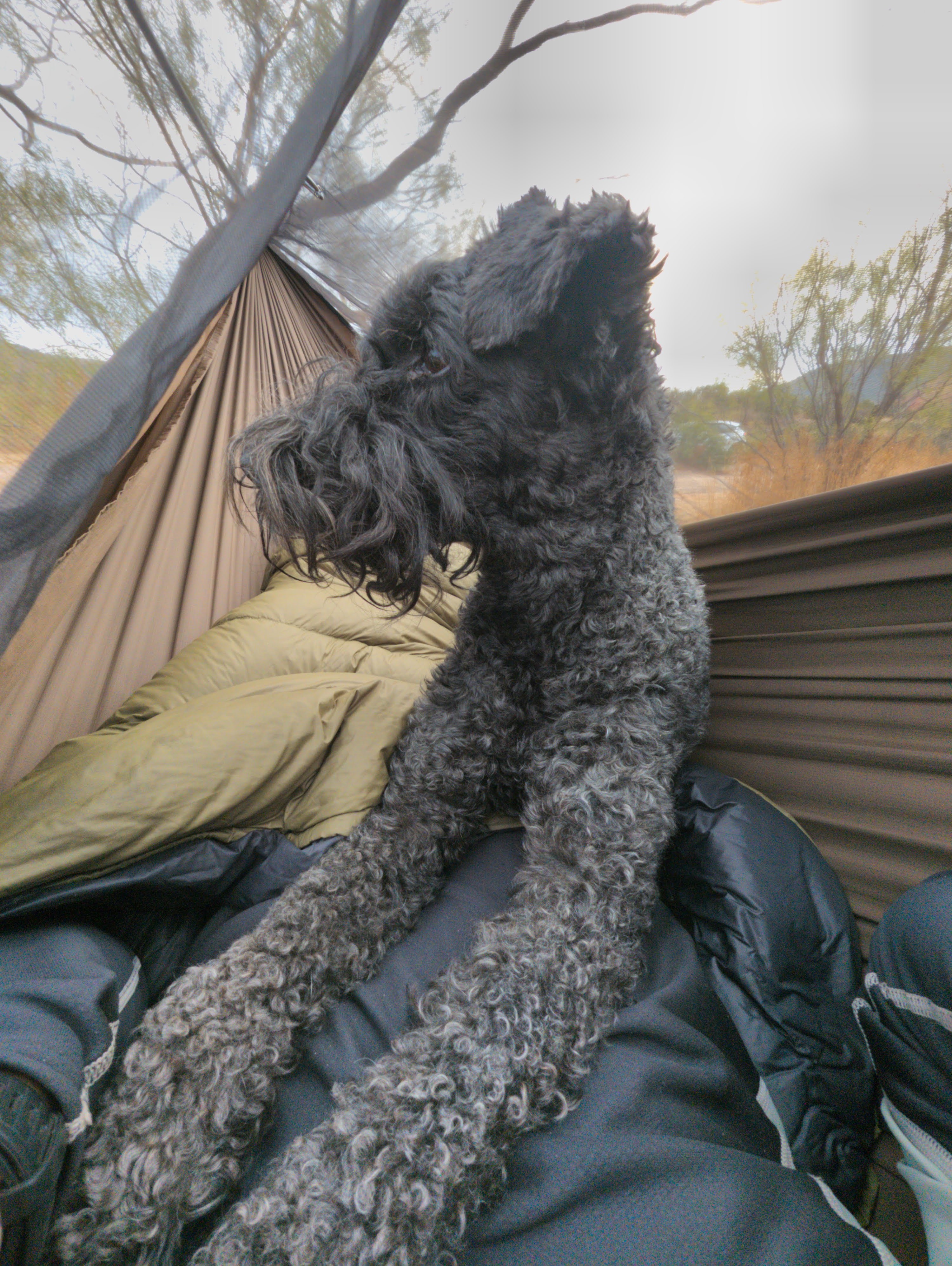
Bug Net: A bug net is a simple and effective way to protect both you and your dog from insects. These nets are designed to encase the hammock, providing a physical barrier against bugs. When choosing a bug net, ensure it has a fine mesh to prevent even the smallest insects from getting through. Besides protection from bugs, especially for hammocks with integrated bug nets, the net can be a mitigating barrier for your dog to discourage jumping out of the hammock – I know it is for Ihana, the Adventure Dog.
Pet-Safe Insect Repellent: Insect repellents can also be a useful tool in protecting your dog from bug bites. However, it’s important to note that not all insect repellents are safe for dogs. Some common ingredients in human insect repellents, like DEET, can be toxic to dogs. Always choose a repellent that is specifically designed for pets. These can be found in pet stores or from your vet.
Electronic repellents like Thermacell or Flextail Repellent are innovative tools designed to keep insects at bay, making them useful for outdoor activities like hammocking. These devices work by creating a protective zone against insects, allowing you and your dog to enjoy the outdoors without the annoyance or danger of insect bites.
Thermacell Repellents: Thermacell repellents work by heating a chemically treated mat that releases a synthetic copy of a natural insecticide found in chrysanthemum flowers, known as allethrin. This creates a zone of protection that repels mosquitoes and other biting insects. Thermacell devices are portable and can cover a protection zone of up to 15 feet, making them ideal for hammocking. However, while the allethrin is generally safe around humans and pets, it’s recommended to use the device in well-ventilated areas and keep it out of reach of pets and children.
Flextail Tiny Repel: The new Flextail Timy Repel 3-in-one device uses mats impregnated with Prallethrin and Meperfluthrin. These chemicals belong to the pyrethroid family, which are synthetic versions of naturally occurring insecticides known as pyrethrins. When heated, these mats release the chemicals into the air, repelling mosquitoes and other insects. While these chemicals are effective at repelling insects, they can be harmful to pets if ingested or inhaled in large amounts. Symptoms of pyrethroid poisoning in pets can include drooling, vomiting, tremors, seizures, and in severe cases, even death. If you choose to use Prallethrin or Meperfluthrin-based mosquito repellent mats, it’s crucial to ensure they are used in a well-ventilated area and kept out of reach of pets. Never leave your pet unattended in an area where these mats are being used. If you suspect your pet has been exposed to these chemicals and is showing signs of illness, seek veterinary attention immediately.
Electronic repellents like Thermacell or Flextail Repellent can be effective tools for keeping bugs away when hammocking with your dog. However, it’s important to use these devices as directed by the manufacturer and consider your specific needs and circumstances when choosing a bug repellent method.
Regular Checks: In addition to using a bug net and insect repellent, it’s a good idea to regularly check your dog for bugs, especially in areas where they like to hide, like under the collar, around the ears, and between the toes. If you find a tick, it’s important to remove it promptly and correctly to reduce the risk of disease transmission.
Preventative Medication: If you frequently take your dog outdoors, consider talking to your vet about preventative medication. There are many products available that can protect your dog from fleas and ticks, and some also offer protection against mosquitoes and other insects.
Protecting your dog from bugs is an important part of ensuring their comfort and safety when hammocking. By using a bug net, applying pet-safe insect repellent, regularly checking for bugs, and considering preventative medication, you can help keep your furry friend bug-free.
Don’t Ignore Your Dog’s Weight
Hammocks (and hammock stands,) like any other piece of outdoor equipment, are designed to support a specific maximum weight. This weight limit is determined by several factors, including the material of the hammock, the strength of the stitching, and the type of suspension system used. Exceeding the weight limit of a hammock can lead to a sudden and potentially dangerous failure of the hammock.
Understanding Weight Limits: The weight limit of a hammock is typically provided by the manufacturer and can usually be found on the product packaging or the manufacturer’s website. This limit is the maximum amount of weight the hammock can safely support. It’s important to remember that this limit includes both the weight of the person and any additional weight, such as that of a dog or any gear.
Calculating Combined Weight: When hammocking with a dog, you need to consider both your weight and your dog’s weight. This combined weight should not exceed the weight limit of the hammock. If you’re unsure of your dog’s weight, your vet can provide this information.
Potential Consequences of Exceeding Weight Limits: If the weight limit of a hammock is exceeded, it can cause the material to tear or the suspension system to fail. This could result in a fall, which could cause injury to both you and your dog. Additionally, repeatedly exceeding the weight limit can weaken the hammock over time, even if it doesn’t cause an immediate failure.
Choosing the Right Hammock: If you plan to hammock with your dog regularly, it may be worth investing in a hammock designed to support a higher weight limit. These hammocks are typically made from more durable materials and have stronger suspension systems.
Respecting the weight limit of your hammock is a crucial aspect of hammocking safely with your dog. Always check the weight limit before use and ensure that the combined weight of you and your dog does not exceed this limit.
Don’t Neglect Hygiene
After spending time outdoors, especially in areas with tall grass or dense vegetation, it’s crucial to check your dog for ticks and other pests. Ticks can transmit diseases like Lyme disease and Rocky Mountain spotted fever, which can have serious health implications for your dog.
Checking for Ticks: To check your dog for ticks, run your hands over their body, feeling for small bumps. Pay special attention to the ears, neck, skin folds, and other areas where ticks like to hide. If you find a tick, it’s important to remove it promptly and correctly to reduce the risk of disease transmission. Using a pair of tweezers, grasp the tick as close to the skin as possible and pull straight out. Avoid twisting or crushing the tick. After removal, clean the area with soap and water.
Other Pests: In addition to ticks, check for fleas and other pests that might have hitched a ride on your dog. Fleas are smaller and faster than ticks, and they can cause itching, irritation, and potentially lead to an infestation in your home. If you suspect your dog has fleas, consult with a veterinarian about appropriate treatment.
Cleaning the Hammock: After hammocking with your dog, it’s also important to clean the hammock. Dogs can bring dirt, leaves, and other outdoor debris into the hammock, and they can also leave behind hair. Most hammocks can be cleaned with mild soap and water and left to air dry. Cleaning the hammock not only keeps it looking good but can also prolong its life by removing substances that might degrade the material.
Post-hammocking care is an important part of hammocking with your dog. By checking for ticks and other pests and cleaning your hammock, you can help ensure the health and well-being of your dog and the longevity of your hammock.
Conclusion
Hammocking with dogs can be a fun and rewarding experience if done correctly. By following these dos and don’ts, you can ensure that both you and your furry friend have a safe, comfortable, and enjoyable time. Remember, the key is to respect your dog’s comfort levels, keep their safety in mind, and always be prepared for any situation. Happy hammocking!




 UTAZCO Overland
Leave a Reply