
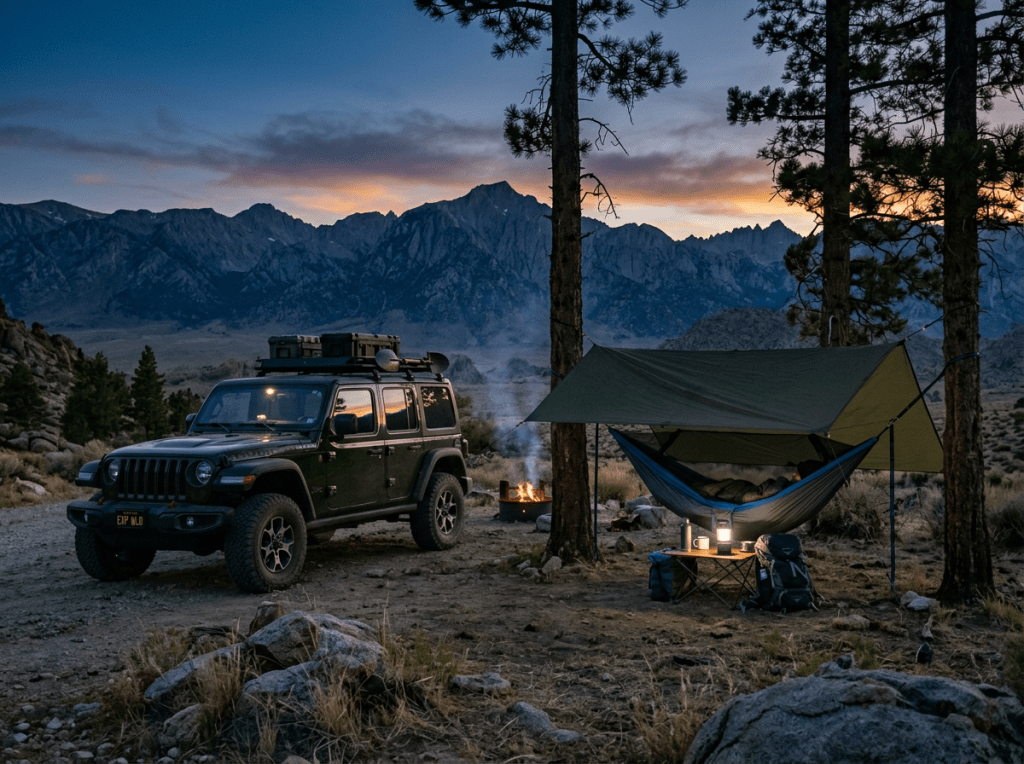
Overlanding and dispersed camping have exploded in popularity, and with them, a tidal wave of gadgets and gear promising to make your adventures easier, safer, and more enjoyable. But do you really need a trunk full of the latest tech and gizmos? The truth is, successful overlanding is about self-reliance, simplicity, and smart preparation—not about having the newest shiny object. Let’s cut through the marketing noise and focus on the essential tools you actually need.
Navigation: Map, Compass, and GPS
Navigation is the backbone of any successful overlanding or dispersed camping adventure, and while technology has made finding your way easier than ever, relying solely on gadgets can be a risky proposition—especially when venturing far from civilization. The most effective approach combines traditional tools and modern technology, each with its own strengths and limitations.
Paper maps remain an irreplaceable resource for serious travelers. Unlike digital devices, they are immune to battery drain, software glitches, or the lack of a signal. A well-chosen topographic or road map provides a broad overview of the terrain, showing not just roads and trails but also elevation changes, water sources, and land boundaries. This big-picture perspective is invaluable for route planning, identifying alternative paths, and understanding the lay of the land. In remote areas where cell service is nonexistent and GPS signals can be unreliable—such as deep canyons or dense forests—a paper map is often the only way to orient yourself and make informed decisions.
The compass, though simple, is a powerful tool when paired with a map. Mastering basic compass skills—such as taking a bearing, triangulating your position, and orienting your map—can mean the difference between confidently navigating unfamiliar terrain and wandering in circles. A compass never needs charging, is unaffected by weather, and can be used in any environment. Even if you primarily use electronic navigation, knowing how to use a compass ensures you’re never completely dependent on technology. In an emergency, when devices fail or batteries die, a compass and map can guide you back to safety.
Modern GPS devices and smartphone apps have revolutionized navigation, offering real-time location tracking, route recording, and access to vast databases of trails and waypoints. They are incredibly convenient, allowing you to pinpoint your position with remarkable accuracy and follow pre-planned routes with ease. Many apps also allow you to download maps for offline use, which is essential in areas without cell coverage. However, these devices are not infallible. Batteries can drain quickly in cold weather, screens can break, and software can crash. Relying exclusively on GPS can lead to complacency, and if the device fails, you may find yourself unprepared.
The most reliable navigation strategy is to use GPS and smartphone apps as your primary tool, but always carry paper maps and a compass as a backup. Familiarize yourself with all three before your trip, and practice using them together. This layered approach ensures that, no matter what happens, you’ll have the skills and resources to find your way—making your overlanding or dispersed camping experience safer, less stressful, and ultimately more rewarding.
Navigation is crucial for overlanding and dispersed camping, but relying only on technology is risky, especially in remote areas. The best approach combines modern GPS devices or smartphone apps with traditional tools like paper maps and a compass. Paper maps provide a reliable, big-picture view and work without batteries or signal, while a compass ensures you can navigate even if electronics fail. GPS and apps offer convenience and accuracy but are vulnerable to battery loss and technical issues. By learning and carrying all three tools, you ensure safe and confident navigation no matter the circumstances.
Vehicle Recovery Essentials
When it comes to overlanding and dispersed camping, being prepared for vehicle recovery is not just a matter of convenience—it’s essential for safety and self-sufficiency. The unpredictability of off-road travel means that even the most experienced drivers can find themselves stuck in mud, sand, or snow, or facing a flat tire miles from help. Having the right recovery tools, and knowing how to use them, can turn a potentially trip-ending situation into a manageable challenge.
Recovery straps are a cornerstone of any recovery kit. These heavy-duty nylon straps are designed to stretch and recoil, allowing you to use another vehicle’s momentum to gently pull your own out of a sticky situation. Unlike chains or rigid tow ropes, recovery straps absorb shock and reduce the risk of damaging your vehicle’s frame or the recovery points. They’re simple to use, pack down small, and can be a literal lifeline when traction is lost.
A shovel is another indispensable tool, often underestimated until you need it. Compact and sturdy, a good shovel can be used to dig out tires that have sunk into mud or sand, clear snow from around your wheels, or even build ramps and level ground for your vehicle. Its versatility extends beyond recovery—shovels are also useful for camp chores, such as digging fire pits or latrines. The key is to choose a model that balances durability with portability, so it’s always within easy reach.
Traction boards have become increasingly popular among overlanders for good reason. These rugged, textured boards are placed under your tires to provide immediate grip when you’re bogged down and spinning in place. Unlike winches, which require anchor points and more setup, traction boards are quick to deploy and don’t require another vehicle or complicated rigging. They’re especially effective in sand and snow, and can often get you moving again with minimal effort. While they take up some space, their effectiveness makes them well worth the room they occupy.
Flat tires are one of the most common issues encountered off-road, making a tire repair kit and portable air compressor essential. Sharp rocks, sticks, or even just rough terrain can puncture a tire far from the nearest service station. A quality repair kit allows you to patch small punctures on the spot, while an air compressor lets you reinflate tires after repairs or adjust tire pressure for changing terrain. Lowering tire pressure can improve traction in sand or snow, while reinflating is necessary for highway travel. Together, these tools ensure you’re not stranded by something as simple as a flat.
Ultimately, these recovery essentials are about more than just getting unstuck—they’re about confidence and independence. With the right gear and a bit of know-how, you can tackle challenging terrain, knowing that you have the means to recover from most setbacks. This self-reliance is at the heart of overlanding, turning obstacles into opportunities for problem-solving and adventure.
Being prepared for vehicle recovery is crucial for safe and self-sufficient overlanding or dispersed camping. Off-road travel can leave even experienced drivers stuck or with a flat tire far from help, but having the right tools—like recovery straps, a sturdy shovel, traction boards, and a tire repair kit with an air compressor—can turn a major problem into a manageable task. These essentials not only help you get unstuck from mud, sand, or snow, but also give you the confidence and independence to handle challenges on your own, making your adventures safer and more rewarding.
Basic Tool Kit
A well-chosen basic tool kit is the unsung hero of any overlanding or dispersed camping journey. While it may not be as glamorous as high-tech gadgets or recovery gear, a thoughtfully assembled set of hand tools can mean the difference between a minor inconvenience and a trip-ending breakdown. The unpredictable nature of remote travel means that small mechanical issues are almost inevitable—loose bolts, rattling parts, or a malfunctioning component can crop up at any time, often far from the nearest mechanic.
At the heart of your kit should be a socket set and a selection of wrenches. These tools are indispensable for tightening or loosening bolts and nuts on your vehicle, roof rack, or camping gear. Whether you need to reattach a skid plate, adjust a battery terminal, or fix a loose seat, having the right size socket or wrench on hand allows you to make quick, effective repairs. A compact set that covers the most common sizes for your vehicle is usually sufficient and won’t take up much space.
Screwdrivers and pliers are equally essential, as they address a wide range of small fixes. A set of flathead and Phillips screwdrivers will let you tackle everything from electrical connections to interior panels. Pliers, especially needle-nose and slip-joint varieties, are invaluable for gripping, bending, or cutting wire, pulling out stubborn fuses, or holding small parts in place. Many overlanders also carry a multitool, which combines several functions—knife, screwdriver, pliers, file—into a single, portable package. This versatility is especially useful when you need to travel light or make a quick fix on the trail.
No tool kit is complete without duct tape and zip ties, the ultimate problem-solvers in the field. Duct tape can temporarily patch hoses, secure loose parts, or even mend torn gear until a permanent repair is possible. Zip ties are perfect for bundling wires, holding broken components together, or improvising a fix for anything that needs to be held in place. Their lightweight, compact nature means you can carry plenty without adding bulk.
Ultimately, a basic tool kit is about preparedness and peace of mind. It empowers you to handle the unexpected, keep your vehicle and gear in working order, and avoid being sidelined by minor issues. With a little knowledge and the right tools, you can keep your adventure on track, no matter what challenges arise along the way.
A basic tool kit is essential for overlanding and dispersed camping, allowing you to handle inevitable small mechanical issues far from help. With key tools like socket sets, wrenches, screwdrivers, pliers, a multitool, duct tape, and zip ties, you can quickly fix loose parts, patch up gear, and keep your vehicle running smoothly. This preparedness ensures minor problems don’t become major setbacks, giving you confidence and peace of mind to keep your adventure going.
Shelter and Sleeping Gear
Shelter and sleeping gear are at the heart of a comfortable and restorative overlanding or dispersed camping experience. The choices you make here directly affect your safety, warmth, and overall enjoyment, especially when you’re far from established campgrounds or amenities.
The first major decision is whether to sleep in a tent or set up a vehicle-based sleeping arrangement. Tents remain a classic choice, offering flexibility in where you camp and a sense of separation from your vehicle. Modern tents come in a range of sizes and designs, from lightweight backpacking models to spacious, multi-room options. They can be pitched almost anywhere, giving you the freedom to choose the perfect spot for privacy, views, or protection from the elements. On the other hand, vehicle sleeping setups—such as rooftop tents, truck bed campers, or simply folding down the seats inside your SUV—provide added security, insulation, and convenience. Sleeping in or on your vehicle can keep you off wet or uneven ground, away from insects, and better protected in bad weather. The best choice depends on your vehicle, your comfort preferences, and the type of terrain you expect to encounter.
No matter where you sleep, your sleeping bag and pad are critical for a good night’s rest. The sleeping bag should be rated for the lowest temperatures you expect to encounter, with insulation appropriate for the season—down for lightweight warmth, or synthetic for damp conditions. A sleeping pad is just as important, providing both cushioning and insulation from the cold ground or the hard surface of your vehicle. Skimping on these items can lead to cold, uncomfortable nights and leave you tired and less able to enjoy your days.
A tarp is one of the most versatile pieces of shelter gear you can carry. It can serve as an extra layer of protection over your tent during heavy rain, as a groundsheet to keep your sleeping area dry and clean, or as a makeshift shelter for cooking, relaxing, or storing gear. In hot weather, a tarp strung between trees or attached to your vehicle can create much-needed shade. In wet or muddy conditions, it can provide a clean, dry surface for setting up camp or packing up in the morning.
Ultimately, your shelter and sleeping gear should be tailored to your style of travel, the environments you’ll encounter, and your personal comfort needs. Investing in quality, season-appropriate gear and learning how to set it up efficiently will ensure you stay dry, warm, and well-rested—ready to tackle whatever adventures the next day brings.
Shelter and sleeping gear are crucial for comfort, safety, and rest during overlanding or dispersed camping. Choosing between a tent and a vehicle-based setup depends on your preferences, vehicle, and expected conditions, with each offering unique benefits. A well-chosen sleeping bag and pad, suited to the climate, are essential for warmth and comfort. A tarp adds versatility, providing extra protection, shade, or a clean surface as needed. Ultimately, selecting quality, season-appropriate gear and knowing how to use it ensures you stay dry, warm, and ready for adventure.
Cooking and Water
Cooking and water management are fundamental aspects of overlanding and dispersed camping, directly impacting your health, comfort, and enjoyment in the wild. The key is to strike a balance between simplicity, reliability, and practicality, ensuring you can prepare nourishing meals and stay hydrated no matter how far you roam from civilization.
A portable stove is often the centerpiece of a camp kitchen. Modern camp stoves are compact, fuel-efficient, and easy to operate, making them ideal for everything from boiling water to simmering a hearty stew. They offer consistent heat and are unaffected by fire bans or wet weather, which can make building a campfire impossible or unsafe. For those who prefer a more traditional approach, a well-managed campfire can serve as both a heat source and a cooking platform, but it requires more skill, patience, and attention to safety and local regulations. Whether you choose a stove or a campfire, the goal is to have a reliable way to cook that suits your style and the conditions you expect to encounter.
When it comes to cookware and utensils, less is often more. Multipurpose pots and pans, such as a single lidded pot or a skillet, can handle most camp meals, from boiling pasta to frying eggs. Collapsible or nesting cookware sets save space and reduce clutter, while a sturdy spatula, spoon, and knife cover the basics for meal prep and eating. Many overlanders find that a minimalist approach not only lightens their load but also streamlines camp chores, making setup and cleanup faster and easier. Choosing durable, easy-to-clean materials like stainless steel or hard-anodized aluminum ensures your gear will last for many trips.
Water is perhaps the most critical resource in the backcountry, and managing it wisely is essential. Carrying enough water for drinking, cooking, and cleaning is non-negotiable, especially in arid regions or on longer journeys. Large jugs or flexible water bladders are popular for their capacity and ease of storage, allowing you to transport several days’ worth of water if necessary. However, even the largest containers have limits, so having a reliable method of water filtration or purification is vital. Portable filters, pump systems, or purification tablets can turn water from streams, lakes, or even puddles into safe drinking water, greatly extending your range and flexibility. This redundancy means you’re never entirely dependent on your initial supply and can adapt to changing conditions or unexpected delays.
Ultimately, a thoughtful approach to cooking and water ensures you remain well-fed, hydrated, and comfortable, no matter how remote your campsite. By choosing simple, reliable gear and mastering a few basic skills, you can enjoy delicious meals and peace of mind, freeing you to focus on the adventure itself.
Cooking and water management are essential for health and comfort while overlanding or dispersed camping. A reliable cooking setup—whether a portable stove or campfire—ensures you can prepare meals in any conditions, while minimalist, durable cookware keeps things simple and efficient. Managing water wisely by carrying enough and having filtration or purification options is critical for staying hydrated and flexible in remote areas. Ultimately, prioritizing simplicity and reliability in your cooking and water systems allows you to enjoy nourishing meals and peace of mind, letting you focus on the adventure.
Lighting
Lighting is a fundamental aspect of overlanding and dispersed camping that often gets overlooked until the sun sets and darkness envelops your campsite. The right lighting setup not only enhances comfort and convenience but also plays a crucial role in safety, navigation, and the overall enjoyment of your outdoor experience.
A headlamp is arguably the most versatile and indispensable lighting tool you can bring. Its hands-free design allows you to tackle camp chores, cook, read, or make repairs without juggling a flashlight or lantern. Modern headlamps are lightweight, compact, and offer adjustable brightness settings, making them suitable for everything from close-up tasks to nighttime hikes. Many models also feature red light modes, which preserve night vision and are less likely to disturb wildlife or fellow campers. The ability to direct light exactly where you need it, while keeping your hands free, makes a headlamp invaluable for both routine activities and unexpected situations.
While a headlamp excels at personal tasks, a lantern or flashlight is essential for illuminating larger areas. A lantern can transform a dark campsite into a welcoming, functional space, casting a soft, ambient glow that makes cooking, eating, and socializing much more pleasant. Lanterns come in a variety of styles, from compact LED models to larger, rechargeable units, and can be hung from a tree, set on a table, or suspended inside a tent. Flashlights, on the other hand, provide focused, powerful beams that are ideal for navigating trails, searching for gear, or signaling in emergencies. Having both a lantern and a flashlight ensures you’re prepared for a range of lighting needs, from broad area illumination to targeted, high-intensity light.
No lighting system is complete without a plan for keeping your devices powered. Spare batteries are a must, especially for longer trips or in cold weather, when battery life can be significantly reduced. Rechargeable headlamps, lanterns, and flashlights are increasingly popular, offering the convenience of USB charging via a portable power bank or solar panel. Bringing a reliable power source ensures your lights stay functional throughout your journey, preventing you from being caught off guard by a dead battery at an inopportune moment.
Ultimately, thoughtful lighting choices can transform your camping experience, making it safer, more comfortable, and more enjoyable. By equipping yourself with a versatile headlamp, a reliable lantern or flashlight, and a dependable way to recharge or replace batteries, you ensure that darkness never limits your adventure.
Lighting is essential for safety, comfort, and enjoyment during overlanding or dispersed camping, yet it’s often overlooked until night falls. A headlamp provides hands-free, versatile illumination for personal tasks, while lanterns and flashlights are key for lighting up larger areas and navigating in the dark. Ensuring you have spare batteries or a way to recharge your lights is crucial to avoid being left in the dark. With the right lighting setup, your campsite becomes safer and more functional, allowing you to fully enjoy your adventure after sunset.
First Aid and Safety
First aid and safety are foundational to any overlanding or dispersed camping adventure, providing the security and preparedness needed to handle both minor mishaps and true emergencies far from immediate help. The unpredictable nature of remote travel means that even the most careful adventurers can encounter injuries, medical issues, or dangerous situations, making it essential to be equipped and ready to respond.
A comprehensive first aid kit is the cornerstone of your safety setup. It should go beyond the basic adhesive bandages and antiseptic wipes found in standard kits, instead being thoughtfully assembled to address the specific risks of your journey and the needs of your group. This means including supplies for treating cuts, burns, sprains, and insect bites, as well as medications for pain, allergies, and digestive issues. If you or your companions have known medical conditions, your kit should be tailored to include any necessary prescription medications or specialized equipment, such as an epinephrine injector for severe allergies. Just as important as the contents is your familiarity with them—knowing how to use each item, and having basic first aid training, can make a critical difference in an emergency.
In truly remote areas, where cell service is unreliable or nonexistent, a personal locator beacon (PLB) or satellite messenger becomes a lifeline. These compact devices allow you to send a distress signal with your exact location to emergency responders, ensuring that help can be summoned even when you’re far beyond the reach of traditional communication. Some satellite messengers also allow for two-way messaging, enabling you to update loved ones or receive instructions from rescue personnel. Carrying one of these devices provides peace of mind, knowing that you have a way to call for help if a situation escalates beyond what your first aid kit can handle.
Fire safety is another critical consideration, especially when camping in dry or forested areas. A small, vehicle-rated fire extinguisher should always be within easy reach, ready to tackle fires that might start in your engine bay, cooking area, or campfire ring. Vehicle extinguishers are designed to handle a range of fire types, including those involving flammable liquids and electrical components, making them especially suitable for overlanding. Regularly checking that your extinguisher is charged and accessible ensures you’re prepared to act quickly, potentially preventing a minor incident from becoming a disaster.
Ultimately, first aid and safety gear are about more than just checking boxes—they’re about empowering you to handle the unexpected with confidence. By assembling a thorough first aid kit, carrying reliable emergency communication, and being prepared for fire hazards, you create a safety net that allows you to explore with greater freedom and peace of mind, knowing you’re ready for whatever the wilderness may bring.
First aid and safety are essential for overlanding and dispersed camping, ensuring you’re prepared for both minor injuries and serious emergencies far from help. A well-stocked, customized first aid kit and the knowledge to use it are crucial. In remote areas, a personal locator beacon or satellite messenger provides a vital way to call for help when cell service is unavailable. Keeping a vehicle-rated fire extinguisher accessible adds another layer of protection. Altogether, these measures give you the confidence and security to handle unexpected situations and enjoy your adventure with peace of mind.
Clothing and Personal Items
Clothing and personal items are often underestimated in their importance, yet they play a pivotal role in your comfort, safety, and overall well-being during overlanding and dispersed camping. The right clothing choices can mean the difference between an enjoyable adventure and a miserable, even dangerous, experience.
Selecting weather-appropriate clothing starts with understanding the conditions you’ll face and preparing for variability. Layering is the cornerstone of outdoor apparel, allowing you to adapt to changing temperatures and activity levels throughout the day. A good layering system typically includes a moisture-wicking base layer to keep sweat off your skin, an insulating mid-layer such as fleece or down to retain body heat, and a durable outer layer to protect against wind, abrasion, and precipitation. Quick-drying fabrics are essential, as they help you stay comfortable and reduce the risk of hypothermia if you get wet. Durability is equally important, since your clothes will be exposed to rough terrain, camp chores, and repeated wear.
Rain gear is a non-negotiable part of your kit, regardless of the forecast. Weather in the backcountry can change rapidly, and being caught unprepared in a downpour can quickly sap your warmth and morale. A high-quality, waterproof jacket and pants will keep you dry and comfortable, allowing you to continue hiking, setting up camp, or cooking even in wet conditions. Breathable materials are ideal, as they prevent you from overheating and sweating inside your rain gear. Packing rain gear also means you’re ready for unexpected river crossings, morning dew, or simply sitting on damp ground.
Personal hygiene items, though sometimes overlooked, are vital for both comfort and health. Biodegradable soap allows you to wash yourself, your dishes, and even your clothes without harming the environment. A toothbrush and toothpaste help maintain oral health, which is easy to neglect on the road but can quickly become a source of discomfort or even infection. Other essentials might include a small towel, hand sanitizer, and a compact trowel for responsible waste disposal. Keeping up with basic hygiene not only makes you feel better but also helps prevent illness and maintains your sense of normalcy, even in the wild.
Ultimately, thoughtful choices in clothing and personal items ensure you remain comfortable, protected, and healthy throughout your journey. By preparing for the elements and maintaining good hygiene, you set yourself up for a more enjoyable and resilient overlanding or camping experience, no matter what nature throws your way.
Clothing and personal items are crucial for comfort, safety, and health during overlanding or dispersed camping. Choosing layered, durable, and quick-drying clothing helps you adapt to changing weather and stay protected, while quality rain gear is essential for staying dry and comfortable in unpredictable conditions. Maintaining personal hygiene with items like biodegradable soap and a toothbrush supports well-being and prevents illness. Thoughtful preparation in these areas ensures you remain comfortable, resilient, and ready for whatever your adventure brings.
Optional but Useful
While not strictly necessary for survival or safety, certain optional items can significantly enhance the comfort, convenience, and enjoyment of your overlanding or dispersed camping experience. These extras, though not essential, often become favorite pieces of gear for those who spend extended time outdoors.
A folding table and chairs, for example, can transform a rugged campsite into a more inviting and functional living space. After a long day of driving or hiking, having a comfortable place to sit and a stable surface for preparing meals, eating, or playing cards can make camp life feel more civilized and relaxing. These items are especially appreciated in muddy, rocky, or uneven terrain where sitting on the ground is uncomfortable or impractical. Modern camp furniture is designed to be lightweight and compact, making it easy to stow in your vehicle without taking up much space.
An axe or saw, while not always necessary, becomes invaluable if you’re camping in areas where collecting firewood is permitted and campfires are allowed. These tools enable you to process downed wood efficiently, whether you’re splitting logs for a fire or clearing branches from your campsite. A well-chosen axe or folding saw is compact enough to carry but robust enough to handle the demands of camp chores. Beyond firewood, these tools can also be useful for emergency repairs or improvising shelter in a pinch.
A notebook and pen may seem old-fashioned in the age of smartphones, but they offer unique advantages in the backcountry. Journaling your experiences, sketching the landscape, or jotting down observations can deepen your connection to the places you visit and create lasting memories. In practical terms, a notebook is also useful for recording important information such as coordinates, weather conditions, or emergency contacts. If technology fails, having a written backup can be invaluable for navigation or communication.
Ultimately, while these items are not required for a successful trip, they add layers of comfort, utility, and personal expression that can make your time outdoors more enjoyable and meaningful. By thoughtfully selecting a few optional extras that suit your style and needs, you can elevate your camping experience from basic survival to true outdoor living.
Optional items like folding tables and chairs, an axe or saw, and a notebook with pen aren’t essential for survival, but they can greatly enhance comfort, convenience, and enjoyment while overlanding or camping. Camp furniture makes your site more comfortable and functional, tools like an axe or saw are invaluable for processing firewood or handling camp chores, and a notebook allows for journaling, recording important information, or serving as a backup if technology fails. Thoughtfully chosen extras like these can elevate your outdoor experience, making it more enjoyable and personally meaningful.
Conclusion
At its core, overlanding and dispersed camping are pursuits that celebrate the spirit of adventure, resilience, and a genuine connection to the natural world. The allure lies not in amassing the latest gadgets or filling your vehicle with every conceivable piece of gear, but in embracing simplicity and self-reliance. When you strip away the non-essentials, you discover that the most rewarding experiences come from your ability to adapt, solve problems, and make do with what you have.
Focusing on the essentials means carefully selecting gear that is truly necessary for safety, comfort, and basic needs—navigation, shelter, food, water, and a few tools for repairs and emergencies. Mastering the use of these core items not only lightens your physical load but also sharpens your skills and confidence. Each trip becomes an opportunity to refine your setup, learn from challenges, and deepen your understanding of both your equipment and the environment around you.
By resisting the urge to accumulate unnecessary gadgets, you also free yourself from the distractions of constant setup, maintenance, and worry over lost or broken items. Your attention shifts from managing gear to savoring the journey itself: the quiet of a remote forest, the satisfaction of a meal cooked over a simple stove, the camaraderie of sharing stories around a campfire, and the sense of accomplishment that comes from overcoming obstacles with your own resourcefulness.
Ultimately, the most valuable asset you bring to any adventure is your own knowledge and experience. These are the tools that enable you to improvise, stay calm in the face of the unexpected, and truly enjoy the freedom that overlanding and dispersed camping offer. Everything else—every gadget, every extra piece of gear—is just a bonus. By embracing simplicity, you not only make your travels easier and more enjoyable, but you also reconnect with the very reasons you set out on the trail in the first place.



 UTAZCO Overland
Leave a Reply