
The kitchen is a stage where culture, philosophy, and craftsmanship converge. Nowhere is this more evident than in the hands of the chef and the knives they wield. The Japanese and Western culinary traditions, though both rooted in centuries of refinement, diverge dramatically in their approach to tools—especially knives. These differences are not merely technical but reflect deep-seated cultural values and philosophies about food, craft, and the role of the chef.
The Japanese Approach: Reverence, Specialization, and Mastery
The Knife as an Extension of the Self
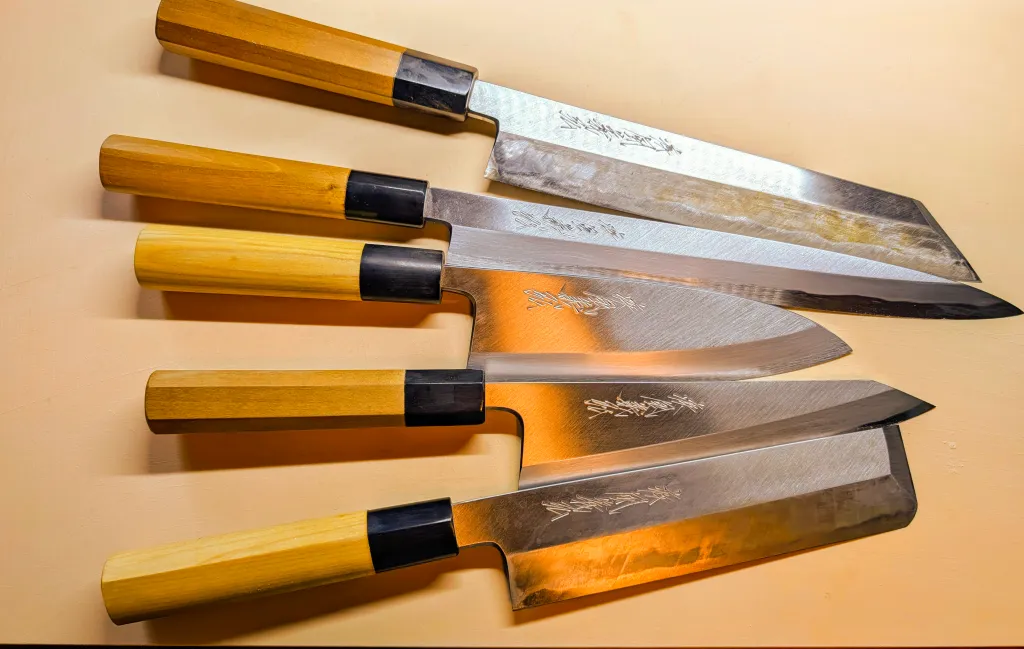
In the Japanese culinary tradition, the relationship between chef and knife transcends mere utility, entering a realm that borders on the spiritual. The knife is not simply an object to be wielded; it becomes an intimate extension of the chef’s own body and mind. This profound connection is cultivated from the earliest days of a chef’s training, where apprentices may spend months or even years learning to care for and handle knives before they are permitted to use them in food preparation. The act of sharpening a Japanese knife, for example, is not a perfunctory maintenance task but a meditative ritual. Chefs often use natural whetstones, carefully maintaining the precise angle of the blade, feeling the subtle feedback through their fingertips, and listening to the sound of steel against stone. This process is repeated frequently, sometimes daily, not only to maintain the razor-sharp edge required for delicate work but also as a form of respect—both for the tool and for the ingredients it will touch.
The reverence for knives in Japan is also evident in the way they are treated and stored. Knives are often given their own dedicated space, wrapped in cloth or kept in wooden boxes, and are never carelessly tossed into drawers. When a chef receives a new knife, it is common to perform a small ceremony, acknowledging the beginning of a new partnership. Over time, as the blade wears and is reshaped through repeated sharpening, it takes on the unique imprint of its owner’s hand and technique, becoming a deeply personal artifact. In many cases, a chef’s knives are considered so integral to their identity that they are passed down as heirlooms, carrying with them the accumulated spirit and skill of previous generations.
This intimate relationship is rooted in a broader Japanese philosophy that values harmony, respect, and the pursuit of mastery. The chef’s intent is believed to flow through the knife, influencing the quality of each cut and, by extension, the final dish. Every movement is deliberate, every slice a reflection of years of discipline and mindfulness. The knife, in this context, is not just a means to an end but a partner in the creative process—a silent witness to the chef’s dedication and a vessel for their artistry. Through this lens, the Japanese approach to the knife becomes a metaphor for the entire culinary philosophy: a harmonious blend of tradition, respect, and the relentless pursuit of perfection.Specialization and Precision
Japanese knives are highly specialized. Each blade is designed for a specific task: the yanagiba (柳刃) for slicing sashimi, the deba (出刃) for breaking down fish, the usuba (薄刃) for vegetables, and so on. This specialization is a reflection of the Japanese pursuit of perfection in every detail. The single-bevel edge, unique to many Japanese knives, allows for unparalleled precision but demands skill and discipline to master.
In Japanese culinary tradition, the chef’s relationship with their knife is deeply spiritual and personal, far beyond mere functionality. From the start of their training, chefs learn to treat the knife with reverence, engaging in careful, ritualistic sharpening and maintenance that reflects respect for both the tool and the ingredients. Knives are cherished, often ceremonially introduced, and stored with great care, sometimes becoming heirlooms passed down through generations. This intimate bond embodies the broader Japanese values of harmony, respect, and mastery, with the knife serving as both a partner in creation and a symbol of the chef’s dedication and artistry.
The Philosophy of Respect
At the heart of Japanese culinary practice lies a profound philosophy of respect, which permeates every aspect of the chef’s work. This respect is not limited to the finished dish, but extends to the ingredients themselves, the process of preparation, and the tools—especially the knife—that make the transformation possible. In the Japanese kitchen, the chef approaches each ingredient with a sense of humility and gratitude, recognizing the natural beauty and potential within even the simplest vegetable or piece of fish. The goal is not to impose one’s will upon the food, but to understand and enhance what is already present.
This philosophy is vividly expressed in the way Japanese chefs use their knives. Each cut is made with intention and care, designed to preserve the integrity, texture, and appearance of the ingredient. For example, when slicing sashimi with a yanagiba (柳刃), the chef employs a single, smooth pull-cut, minimizing cellular damage and ensuring that the fish retains its delicate structure and sheen. Similarly, when working with vegetables using an usuba (薄刃), the chef’s precise technique allows for paper-thin slices or intricate garnishes that highlight the ingredient’s natural qualities. The knife, in this context, becomes a tool of respect—a way to honor the ingredient by treating it gently and thoughtfully.
This attitude extends to the entire process of preparation. The chef’s movements are deliberate and mindful, reflecting years of disciplined practice. There is an awareness that every action, from washing and peeling to slicing and plating, contributes to the final experience of the dish. The process itself becomes a form of meditation, a quiet dialogue between chef, tool, and ingredient. Even the act of cleaning and maintaining the knife is imbued with respect, as the chef acknowledges the essential role the tool plays in their craft.
Ultimately, the Japanese philosophy of respect is about harmony—between chef and ingredient, between tradition and innovation, and between the natural world and human creativity. By striving to reveal rather than overpower the inherent qualities of the food, the chef not only creates dishes of remarkable beauty and flavor but also participates in a tradition that values mindfulness, gratitude, and the pursuit of perfection.
The Japanese culinary philosophy centers on deep respect for every element of cooking: the ingredients, the process, and the tools, especially the knife. Chefs approach their work with humility and gratitude, aiming to enhance the natural qualities of each ingredient rather than dominate them. This respect is evident in the careful, intentional way knives like the yanagiba (柳刃) and usuba (薄刃) are used to preserve texture and appearance. Every step, from preparation to plating, is performed mindfully, turning the process into a meditative practice. Ultimately, this philosophy seeks harmony and perfection, honoring both tradition and the natural world through thoughtful, respectful craftsmanship.
Itadakimasu: Ritualizing Respect and Gratitude
The Japanese philosophy of respect and gratitude toward food, so central to the chef’s relationship with their tools and ingredients, is beautifully encapsulated in the everyday practice of saying itadakimasu (いただきます) before a meal. This phrase, which literally means “I humbly receive,” is far more than a simple expression of thanks; it is a ritual acknowledgment of the lives and efforts that have contributed to the meal—from the plants and animals that provided sustenance to the farmers, fishers, and cooks who made the food possible. In the context of Japanese culinary tradition, itadakimasu mirrors the chef’s own approach to preparation: a mindful, respectful act that honors the interconnectedness of all involved. Just as the chef uses their knife with care and intention to preserve the integrity of each ingredient, the act of saying itadakimasu serves as a daily reminder to approach food with humility, gratitude, and a sense of stewardship. This shared cultural value reinforces the idea that eating is not merely a physical act, but a moment of appreciation and connection—one that unites chef, diner, and nature in a cycle of respect.
The Western Approach: Versatility, Utility, and Efficiency
The Knife as a Workhorse
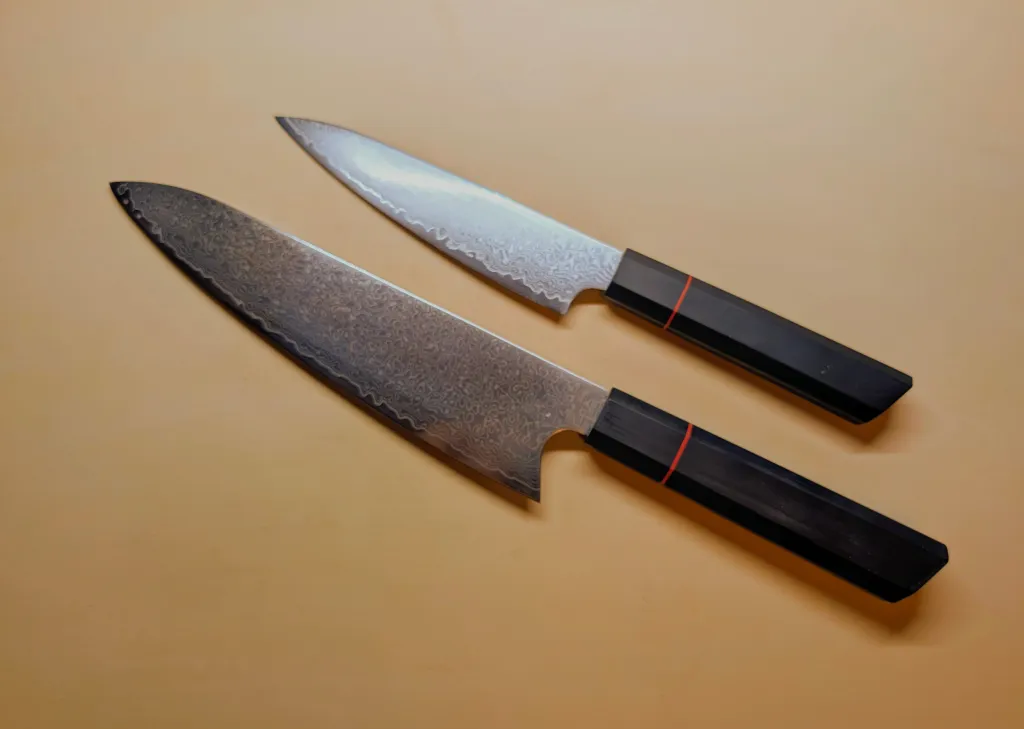
In Western culinary tradition, the knife is valued above all for its versatility and reliability. The chef’s knife, often called the “French knife,” stands as the quintessential example of this philosophy. Unlike the highly specialized Japanese blades, the Western chef’s knife is designed to be a true all-rounder in the kitchen. Its broad, gently curved blade and double-beveled edge allow it to perform a multitude of tasks with ease, from finely mincing herbs to slicing through dense root vegetables, and even tackling tougher jobs like breaking down poultry or separating joints. This adaptability is essential in Western kitchens, where efficiency and speed are often paramount, and where a single cook may be responsible for preparing a wide variety of ingredients in rapid succession.
The robust construction of the Western chef’s knife reflects its intended use as a workhorse. The blade is typically thicker and heavier than its Japanese counterparts, providing the heft needed for forceful chopping and the durability to withstand repeated contact with hard surfaces like cutting boards and bones. The handle is ergonomically shaped for comfort during long hours of prep work, and the balance of the knife is carefully engineered to reduce fatigue and maximize control. This focus on practicality extends to the maintenance of the knife as well; while sharpness is important, Western knives are generally easier to sharpen and maintain, with less emphasis on ritual and more on straightforward functionality.
Culturally, the Western approach to the knife mirrors broader attitudes toward cooking and craftsmanship. The chef is seen as a problem-solver and innovator, expected to adapt quickly to changing circumstances and to make the most of whatever ingredients are available. The knife, as the chef’s primary tool, must be equally adaptable, ready to switch from delicate slicing to heavy-duty chopping at a moment’s notice. This utilitarian mindset encourages experimentation and efficiency, with the knife serving as a reliable partner in the creative process rather than a sacred object of reverence.
Ultimately, the Western chef’s knife embodies a philosophy that prizes utility, speed, and adaptability. It is a tool designed to empower the chef to tackle any challenge the kitchen presents, reflecting a tradition that values resourcefulness and practicality as much as skill and artistry.
In Western culinary tradition, the chef’s knife is prized for its versatility and durability, serving as a dependable all-purpose tool capable of handling a wide range of kitchen tasks. Its sturdy, double-beveled design allows chefs to work efficiently and adapt to various ingredients and techniques, reflecting a culture that values practicality, speed, and resourcefulness. Unlike the ritualized reverence seen in Japanese knife culture, the Western approach treats the knife as a robust, functional partner—one that empowers chefs to innovate and solve problems in the fast-paced, ever-changing environment of the kitchen.
Generalization and Adaptability
In Western culinary practice, the emphasis on generalization and adaptability is evident in the design and use of knives. Rather than relying on a vast array of highly specialized blades, Western chefs typically work with a compact set of multipurpose knives. The chef’s knife, with its broad, curved blade, is the centerpiece of this toolkit, capable of handling everything from chopping vegetables and slicing meats to mincing herbs and crushing garlic. Alongside it, the paring knife offers precision for smaller, more delicate tasks, while the bread knife, with its serrated edge, is indispensable for slicing through crusty loaves or soft cakes without crushing them.
This streamlined approach is not merely a matter of convenience; it is a direct response to the demands of Western kitchens, which are often fast-paced and require chefs to move quickly between different types of preparation. In such environments, the ability to switch seamlessly from one task to another without changing tools is invaluable. The chef’s knife, for example, might be used to break down a chicken, dice onions, and chiffonade herbs in rapid succession, all within the same service. This adaptability is further supported by the robust construction of Western knives, which are designed to withstand a variety of cutting techniques and ingredients, from hard squash to tender fish.
The culture of generalization also shapes the way Western chefs are trained. Rather than mastering a single knife or technique, chefs are taught to be proficient with a few essential blades, learning to adapt their grip, angle, and motion to suit the task at hand. This fosters a sense of resourcefulness and encourages experimentation, as chefs become comfortable improvising and finding creative solutions with the tools available. The result is a culinary tradition that prizes efficiency and versatility, where the knife is not just a specialized instrument but a flexible extension of the chef’s skill and ingenuity, ready to meet the unpredictable challenges of a busy kitchen.
Western culinary practice prioritizes generalization and adaptability, favoring a small set of multipurpose knives—primarily the chef’s knife, paring knife, and bread knife—over a large collection of specialized blades. This approach suits the fast-paced, varied demands of Western kitchens, allowing chefs to move efficiently between tasks without constantly switching tools. Training emphasizes proficiency and flexibility with these core knives, encouraging resourcefulness and creative problem-solving. Ultimately, the Western knife tradition values efficiency and versatility, making the knife a flexible extension of the chef’s skill, ready for any challenge in a dynamic kitchen environment.
The Philosophy of Control
In Western culinary tradition, the kitchen is often viewed as a place of transformation, where the chef assumes the role of orchestrator, directing every aspect of the cooking process with intention and authority. The philosophy of control is central to this worldview. Rather than simply revealing the natural qualities of an ingredient, the Western chef seeks to shape, refine, and sometimes even reinvent it, using technique and creativity to bring about a specific vision for the final dish. This approach is evident in the way ingredients are prepared—vegetables are diced to uniform sizes for even cooking, proteins are trimmed and portioned with precision, and flavors are layered and balanced through deliberate intervention.
The knife, in this context, becomes an essential instrument of control. Its design and construction are tailored to provide the chef with maximum versatility and reliability, enabling swift transitions between tasks and consistent results. Whether it’s the decisive chop of a chef’s knife through a dense squash or the delicate slicing of a ripe tomato, the tool is expected to respond predictably and efficiently to the chef’s commands. This reliability empowers the chef to maintain order and pace in the often hectic environment of a Western kitchen, where timing and coordination are crucial.
Moreover, the philosophy of control extends beyond the physical act of cutting. It shapes the entire culinary process, from mise en place to plating. Chefs meticulously plan and organize their work, breaking down complex recipes into manageable steps and using their knives to execute each one with precision. The ultimate goal is to transform raw, disparate ingredients into a harmonious, well-composed dish that reflects the chef’s intent and expertise. In this way, the knife is not just a tool, but a symbol of the chef’s mastery over their craft, embodying the Western ideal of culinary creativity as an act of purposeful transformation and control.
In Western culinary tradition, the kitchen is seen as a place of transformation, where the chef actively shapes and refines ingredients to realize a specific vision for each dish. The knife serves as a crucial instrument of control, designed for versatility and reliability, allowing the chef to execute tasks with precision and efficiency. This philosophy extends to every stage of cooking, from preparation to plating, with the chef orchestrating each step to achieve a harmonious and intentional result. Ultimately, the knife symbolizes the chef’s mastery and creative authority, reflecting the Western ideal of purposeful transformation in the culinary arts.
Underlying Cultural and Philosophical Differences
Craft vs. Utility
The contrast between Japanese and Western approaches to the kitchen is rooted in fundamentally different attitudes toward craft and utility, shaping not only the tools themselves but the entire culinary experience. In Japan, the act of cutting is imbued with a sense of artistry and ritual. The knife is not merely a means to an end, but a vessel for the chef’s spirit and a testament to years—often decades—of disciplined practice. Each movement is deliberate, each cut a reflection of accumulated skill and respect for tradition. The Japanese chef’s relationship with the knife is deeply personal, and the process of preparing food is seen as an opportunity to express harmony, mindfulness, and reverence for the ingredient. The pursuit of mastery is central; perfection is sought not just in the finished dish, but in every step along the way, from the sharpening of the blade to the precise angle of a slice. This devotion to craft transforms the kitchen into a space of quiet focus, where the boundaries between tool, chef, and ingredient blur in the service of beauty and balance.
In contrast, the Western culinary tradition, while certainly capable of artistry, is more firmly grounded in utility and adaptability. The Western chef is often celebrated for resourcefulness and the ability to improvise, responding to the dynamic, sometimes chaotic environment of a busy kitchen. Here, the knife is valued for its practicality—its capacity to perform a wide range of tasks efficiently and reliably. The focus is on getting the job done, often under time pressure and with a need to switch rapidly between different ingredients and techniques. The Western kitchen is a place of transformation, where the chef exerts control over raw materials, shaping them into complex, innovative dishes. The artistry lies in the orchestration of flavors and textures, the creative problem-solving, and the ability to adapt to whatever challenges arise.
These divergent philosophies are reflected in the very design of the knives themselves. Japanese blades are often single-purpose, meticulously crafted for specific tasks, and demand a high level of skill to wield effectively. Western knives, by contrast, are designed for versatility and durability, able to handle a variety of jobs with less specialized training. Ultimately, the Japanese tradition elevates the act of cutting to a meditative art, while the Western tradition prizes the knife as a tool of empowerment and adaptability. Both approaches have produced extraordinary cuisine, but they reveal distinct cultural values: one rooted in the pursuit of perfection through craft, the other in the celebration of utility and creative flexibility.
Japanese and Western culinary traditions differ fundamentally in their attitudes toward craft and utility. In Japan, cutting is treated as an art form and ritual, with the knife serving as a symbol of the chef’s dedication, mastery, and respect for tradition and ingredients. Every movement is deliberate, reflecting a pursuit of perfection and harmony. In contrast, the Western approach values practicality and adaptability, celebrating the chef’s resourcefulness and ability to improvise in a fast-paced kitchen. Western knives are designed for versatility and efficiency, supporting a focus on transformation and creative problem-solving. Ultimately, Japanese cuisine elevates cutting to a meditative craft, while Western cuisine emphasizes utility and flexibility, each reflecting distinct cultural values.
Relationship to Ingredients
The relationship between chef and ingredient in Japanese and Western culinary traditions reveals a profound divergence in philosophy and practice. In the Japanese kitchen, the chef approaches each ingredient with a sense of stewardship and reverence, almost as if entering into a silent dialogue with the food itself. The goal is not to impose one’s will, but to understand the inherent qualities of the ingredient—its flavor, texture, aroma, and appearance—and to bring these qualities to the forefront. The knife, in this context, becomes an instrument of respect. Its sharpness and precision are not merely technical attributes, but expressions of the chef’s desire to minimize cellular damage, preserve the ingredient’s structure, and maintain its natural beauty. Whether slicing translucent sashimi or shaving delicate sheets of daikon, the Japanese chef’s touch is gentle and deliberate, always mindful of honoring what nature has provided.
This philosophy is rooted in a broader cultural appreciation for seasonality and purity. Japanese cuisine often celebrates the ingredient in its most unadorned form, allowing subtle flavors and textures to shine. The chef’s role is to act as a steward, guiding the ingredient through careful preparation and presentation, but never overshadowing its essence. The knife, therefore, is not just a tool for cutting, but a means of revealing the ingredient’s true character, with each slice or cut made in service of clarity and respect.
In contrast, the Western culinary tradition tends to view ingredients as raw materials awaiting transformation. The chef is an active creator, using technique, heat, and seasoning to shape and redefine the food. The knife, in this setting, is a tool of agency and control, enabling the chef to break down, portion, and manipulate ingredients according to the demands of the recipe or the chef’s creative vision. The focus is often on achieving uniformity, efficiency, and the desired texture or appearance, sometimes at the expense of the ingredient’s original form. Vegetables are diced into precise cubes, meats are trimmed and portioned, and flavors are layered and built through a series of deliberate interventions.
This approach reflects a belief in the chef’s power to orchestrate and innovate, transforming humble ingredients into complex, harmonious dishes. The knife is valued for its versatility and reliability, supporting the chef’s role as both craftsman and artist. While there is certainly respect for quality ingredients in Western kitchens, the relationship is more dynamic and interventionist, with the chef taking an active hand in shaping the final outcome.
Ultimately, these differing relationships to ingredients highlight the contrasting values at the heart of Japanese and Western cuisine. The Japanese chef seeks to reveal and honor the natural qualities of the ingredient, using the knife as a tool of respect and preservation. The Western chef, meanwhile, embraces transformation and creativity, wielding the knife as an instrument of control and invention. Both approaches produce remarkable food, but they reflect fundamentally different ways of seeing and engaging with the raw materials of the kitchen.
Japanese chefs approach ingredients with stewardship and reverence, using the knife to gently reveal and preserve the ingredient’s natural qualities, flavor, and beauty. Their philosophy centers on enhancing what nature provides, treating the knife as a tool of respect and clarity. In contrast, Western chefs see ingredients as raw materials to be actively transformed, using the knife as an instrument of control and creativity to shape, portion, and redefine food according to their vision. While both traditions produce exceptional cuisine, Japanese cooking emphasizes preservation and respect, whereas Western cooking values transformation and innovation.
Training and Tradition
The contrast in training and tradition between Japanese and Western chefs is striking, revealing much about the underlying philosophies of each culinary culture. In Japan, the path to becoming a chef is marked by patience, discipline, and a deep commitment to mastery. Apprentices may spend years—sometimes a decade or more—dedicated to perfecting a single knife or technique. For example, a young chef in a traditional sushi restaurant might begin their career by observing, cleaning, and sharpening knives, gradually progressing to basic tasks like preparing rice or slicing vegetables. Only after demonstrating unwavering dedication and precision are they entrusted with more complex responsibilities, such as handling fish with a yanagiba (柳刃) or executing intricate vegetable cuts with an usuba (薄刃). This slow, methodical progression is not seen as a limitation, but as a vital process of internalizing the values of respect, humility, and attention to detail that define Japanese cuisine. The repetition and focus on a single skill allow the chef to develop an almost intuitive understanding of their tools and ingredients, elevating their craft to an art form.
In contrast, Western culinary training is characterized by breadth and adaptability. Aspiring chefs are typically exposed to a wide range of techniques, ingredients, and tools early in their education. Culinary schools and professional kitchens emphasize versatility, expecting students to become proficient with various knives—such as the chef’s knife, paring knife, and boning knife—as well as a multitude of cooking methods, from roasting and sautéing to baking and butchery. The curriculum is designed to prepare chefs for the fast-paced, unpredictable environment of a Western kitchen, where the ability to switch between tasks and adapt to new challenges is highly valued. Rather than spending years on a single technique, Western chefs are encouraged to experiment, innovate, and develop a broad skill set that can be applied across different cuisines and contexts.
These differing approaches to training reflect the broader cultural values of each tradition. Japanese culinary education prizes depth, patience, and the pursuit of perfection through repetition and refinement. The chef’s identity is closely tied to their mastery of specific tools and techniques, and the journey itself is as important as the destination. In the West, the emphasis is on flexibility, creativity, and the ability to thrive in a dynamic, ever-changing environment. Chefs are celebrated for their resourcefulness and willingness to push boundaries, drawing on a diverse toolkit to meet the demands of modern gastronomy. Both systems produce exceptional chefs, but they do so by cultivating fundamentally different relationships to tradition, skill, and the very nature of expertise.
Japanese culinary training emphasizes patience, discipline, and mastery, often requiring years of focused practice on a single knife or technique to internalize values like respect and precision. This deep, methodical approach contrasts with Western training, which prioritizes versatility and adaptability, exposing chefs early to a wide range of tools, techniques, and cuisines. While Japanese chefs develop expertise through repetition and refinement, Western chefs are encouraged to be flexible, creative, and resourceful. These differing paths reflect each culture’s broader values and shape fundamentally different relationships to tradition, skill, and the meaning of expertise in the kitchen.
Summary Table: Japanese vs. Western Chef and Knife Philosophy
| Aspect | Japanese Chef | Western Chef |
|---|---|---|
| Knife Philosophy | For the Japanese chef, the knife is far more than a mere implement; it is regarded as an extension of the chef’s own hand and spirit. This relationship is cultivated through years of disciplined practice and ritual, imbuing the knife with a sense of personal identity and almost spiritual significance. The chef’s intent and respect for the craft are believed to flow through the blade, making every cut a reflection of their dedication and mindfulness. | In the Western kitchen, the knife is primarily valued for its practicality and reliability. It is seen as a robust, versatile workhorse—an essential tool that enables the chef to accomplish a wide range of tasks efficiently. The focus is on the knife’s ability to get the job done, supporting the chef’s need to adapt quickly and maintain control in a dynamic, often high-pressure environment. The relationship is functional rather than spiritual, emphasizing utility over ritual. |
| Knife Design | Japanese knives are meticulously crafted for specific tasks, often featuring a single-bevel edge that allows for extraordinary precision but requires specialized skill to use and maintain. Each blade—such as the yanagiba (柳刃), deba (出刃), or usuba (薄刃)—is designed to excel at a particular aspect of preparation, reflecting a philosophy that values specialization and perfection in every detail. The design is typically lighter, thinner, and sharper, demanding careful handling and deep familiarity. | Western knives are designed for versatility and durability, with the chef’s knife (double-beveled) serving as the all-purpose centerpiece. These blades are generally thicker and heavier, capable of handling a variety of ingredients and techniques, from chopping and slicing to breaking down poultry. The emphasis is on adaptability, allowing chefs to move seamlessly between tasks without switching tools. This generalist approach supports the fast pace and varied demands of Western kitchens, where efficiency and flexibility are paramount. |
| Approach to Ingredients | The Japanese chef approaches ingredients with reverence, seeking to preserve and enhance their natural qualities. The knife is used with great care to minimize damage, maintain texture, and highlight the inherent beauty of each component. Preparation is seen as a way to honor the ingredient, with the chef acting as a steward who reveals rather than transforms. This philosophy is rooted in cultural values of harmony, seasonality, and respect for nature, often resulting in dishes that celebrate purity and subtlety. | Western chefs tend to view ingredients as raw materials to be shaped, refined, and transformed. The knife is a tool of agency and control, enabling the chef to break down, portion, and manipulate food according to the demands of the recipe or creative vision. The focus is on achieving uniformity, efficiency, and the desired texture or appearance, often through deliberate intervention. This approach reflects a belief in the chef’s power to orchestrate and innovate, turning simple ingredients into complex, harmonious dishes through skillful manipulation and layering of flavors. |
| Training | Training in the Japanese tradition is marked by deep specialization and patience. Apprentices may spend years mastering a single knife or technique, internalizing values of humility, discipline, and attention to detail. Progression is slow and methodical, with each stage of learning building toward an almost intuitive mastery of both tool and ingredient. This process is as much about personal growth and respect for tradition as it is about technical skill, resulting in chefs who are deeply connected to their craft. | Western culinary training emphasizes breadth and adaptability. Chefs are expected to become proficient with a variety of knives and techniques early in their education, preparing them for the unpredictable and fast-paced nature of Western kitchens. The curriculum encourages experimentation, innovation, and the development of a broad skill set that can be applied across different cuisines and contexts. Flexibility and resourcefulness are prized, with chefs celebrated for their ability to adapt and thrive in dynamic environments. |
| Maintenance | The care of Japanese knives is a ritual in itself, involving frequent sharpening on whetstones, careful cleaning, and respectful storage. Maintenance is seen as an extension of the chef’s relationship with the tool, reinforcing the values of mindfulness and respect. The process is often meditative, with each action performed deliberately to preserve the blade’s integrity and performance. This ritualistic approach underscores the knife’s significance as both a practical and symbolic object in the kitchen. | Maintenance of Western knives is generally more utilitarian, focused on keeping the blade sharp and functional with less emphasis on ritual. Sharpening is often done as needed, sometimes with mechanical tools or honing rods, and storage is practical rather than ceremonial. The goal is to ensure the knife remains a reliable tool for the chef, supporting efficiency and minimizing downtime. While care is certainly taken, the process is streamlined to fit the demands of a busy, high-volume kitchen. |
| Cultural Value | The Japanese approach places a premium on mastery, tradition, and reverence for both the craft and the tools involved. The journey toward perfection is seen as a lifelong pursuit, with each chef contributing to a lineage of knowledge and skill. The knife is a symbol of this dedication, embodying the values of patience, respect, and harmony that define Japanese culinary culture. | In Western culinary culture, utility, innovation, and speed are highly valued. Chefs are encouraged to be creative, resourceful, and efficient, pushing boundaries and adapting to new challenges. The knife is emblematic of this spirit, serving as a tool of empowerment that enables chefs to express their artistry through transformation and control. The focus is on results and adaptability, reflecting a culture that prizes progress and the ability to meet the evolving demands of modern gastronomy. |
Conclusion
The contrast between Japanese and Western chefs, and the knives they wield, ultimately reveals much more than divergent culinary techniques; it exposes the very heart of two cultural philosophies. In the Japanese tradition, the kitchen is a place of quiet reverence, where every movement is deliberate and every tool is treated with respect. The knife becomes a symbol of the chef’s lifelong pursuit of mastery, a vessel for transmitting tradition, and a means of honoring the natural gifts of each ingredient. This approach is rooted in a worldview that values harmony, patience, and the subtle beauty found in restraint and precision. The Japanese chef’s relationship with their knife and ingredients is almost meditative, reflecting a belief that true excellence comes from deep specialization and an unwavering commitment to craft.
In contrast, the Western kitchen is a dynamic arena of transformation and innovation. Here, the chef is celebrated for adaptability and resourcefulness, using versatile tools to shape and redefine ingredients according to their creative vision. The knife is a practical extension of the chef’s will, designed for efficiency and control in a fast-paced environment. This philosophy prizes the ability to improvise, to solve problems on the fly, and to orchestrate complex flavors and textures with confidence. The Western approach reflects a worldview that values progress, versatility, and the power of human ingenuity to transform the ordinary into the extraordinary.
By examining these differences, we gain more than just technical knowledge about knives or cooking styles; we come to appreciate the deeper cultural values that shape the way food is prepared and enjoyed. The Japanese and Western traditions each offer their own wisdom—one in the pursuit of perfection through focused mastery, the other in the celebration of adaptability and creative problem-solving. In understanding these philosophies, we not only enrich our appreciation for the tools and techniques themselves, but also for the craftspeople, histories, and cultural identities that bring them to life in kitchens around the world.





 UTAZCO Overland
Leave a Reply