
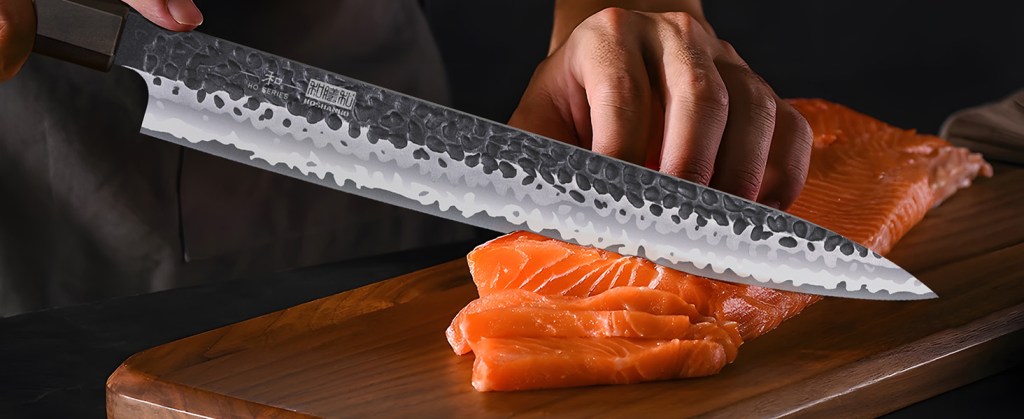
In the world of culinary tools, few items are as revered as the high-carbon steel knife. Whether it’s a Kiritsuke or a Yanagiba, these blades are prized for their sharpness, edge retention, and the tactile pleasure they bring to food preparation. However, their very nature—high carbon content—makes them susceptible to rust and dulling, especially in humid, off-grid wilderness settings. This essay explores the philosophy and practicalities of maintaining carbon steel knives in remote locations, where resources are limited and the environment is unforgiving.
Understanding Carbon Steel: Beauty and Vulnerability
The Allure of High-Carbon Blades
High-carbon steel knives occupy a special place in the hearts of chefs, craftspeople, and outdoor enthusiasts. Their reputation is built on a unique combination of performance, tradition, and sensory experience.
Superior Sharpness and Edge Retention
One of the most celebrated qualities of high-carbon steel is its ability to take an exceptionally sharp edge. The fine grain structure of carbon steel allows for a keener, more acute bevel than most stainless steels. This means that, with proper sharpening, a high-carbon Kiritsuke or Yanagiba can achieve a level of sharpness that makes precise, effortless cuts possible—whether slicing sashimi, prepping vegetables, or performing delicate camp tasks.
Moreover, high-carbon steel tends to retain its edge longer under typical use. The hardness of the steel, often measured on the Rockwell scale, allows the edge to resist deformation and dulling, so long as the blade is not abused. This edge retention is especially valued in remote settings, where sharpening resources may be limited and every cut counts.
Ease of Sharpening
Unlike many modern stainless steels, which can be tough and resistant to abrasion, high-carbon steel is relatively easy to sharpen. Even with basic sharpening stones or improvised tools, a carbon steel blade can be restored to razor sharpness. This is a crucial advantage in wilderness or off-grid environments, where specialized equipment may not be available.
Tactile Feedback and Cutting Feel
High-carbon knives are renowned for the feedback they provide during use. The steel’s structure transmits subtle vibrations and resistance through the handle, allowing the user to “feel” the cut. This tactile sensation is prized by professionals and enthusiasts alike, as it fosters a sense of control and connection with the food or material being worked.
Patina: The Beauty of Use
Over time, high-carbon steel develops a patina—a thin, dark layer formed by controlled oxidation. This patina is not only beautiful, giving each knife a unique character and history, but also serves as a protective barrier against more aggressive rust. The evolving appearance of a carbon steel blade tells the story of its use and care, making each knife a personal artifact.
Tradition and Craftsmanship
Many high-carbon knives are made using traditional forging techniques, often by skilled artisans. This heritage imbues each blade with a sense of history and authenticity. For many users, owning and maintaining a carbon steel knife is a way to participate in a lineage of craftsmanship that stretches back centuries.
The Emotional Connection
The combination of performance, aesthetics, and tradition creates a strong emotional bond between user and tool. Caring for a high-carbon knife becomes a ritual, and the blade itself becomes a trusted companion—especially in remote or challenging environments.
The allure of high-carbon blades lies not only in their technical superiority but also in the sensory, aesthetic, and emotional experiences they offer. Their beauty is matched by their vulnerability, demanding attentive care but rewarding the user with unmatched performance and a deep sense of connection.
The Challenge: Rust and Dulling
High-carbon steel knives, while celebrated for their sharpness and performance, are inherently vulnerable to the elements—especially rust and dulling. This vulnerability is magnified in humid, off-grid, or wilderness environments, where both the climate and the lack of modern conveniences conspire against the longevity of your blade.
Why Carbon Steel Rusts
Unlike stainless steel, carbon steel contains little or no chromium, the element that gives stainless alloys their resistance to corrosion. When exposed to oxygen and moisture, the iron in carbon steel reacts to form iron oxide—rust. This process is accelerated by:
- Humidity: High moisture content in the air means that even knives left out overnight can begin to show signs of rust.
- Rain and Dew: Direct contact with water, whether from rain, dew, or washing, rapidly increases the risk.
- Acidic Foods: Cutting acidic ingredients (like citrus, tomatoes, or onions) can strip away protective oils and speed up oxidation.
The Wilderness Factor
In remote locations, the challenges multiply:
- Limited Access to Cleaning Supplies: You may not have soap, clean water, or soft cloths readily available.
- No Controlled Storage: Unlike a kitchen, you can’t always store your knife in a dry, climate-controlled drawer. Tents, backpacks, and makeshift shelters often trap humidity.
- Constant Exposure: Outdoor cooking and camp chores mean your knife is frequently exposed to the elements, soil, and organic matter.
Dulling: The Other Threat
While rust attacks the blade’s surface, dulling is a gradual loss of the keen edge that makes carbon steel knives so prized. In the wilderness, dulling can be caused by:
- Improvised Cutting Surfaces: Rocks, logs, or even the ground can quickly wear down an edge.
- Hard Materials: Processing wood, bone, or tough-skinned plants can roll or chip the fine edge.
- Lack of Sharpening Tools: Without access to proper stones or rods, it’s easy to let a blade become too dull, making it harder to restore later.
The Compounding Effect
Rust and dulling are not isolated problems—they feed into each other. A rusty blade is harder to sharpen, and a dull blade is more likely to slip, increasing the risk of accidents. In remote settings, where every tool is precious and replacements are unavailable, neglecting maintenance can quickly turn a prized knife into a liability.
The Psychological Challenge
There’s also a mental aspect: in the wilderness, fatigue, distraction, or urgency can make it tempting to skip maintenance. Yet, the consequences of neglect are swift and severe. A rusty, dull knife is not just less effective—it can compromise your safety and efficiency in critical moments.
The challenge of rust and dulling in carbon steel knives is a constant battle against nature and circumstance. Humidity, exposure, and limited resources demand vigilance and adaptability. Understanding these threats is the first step toward developing the habits and improvisational skills needed to keep your blade—and yourself—prepared for whatever the wilderness brings.
The Philosophy of Maintenance
Respecting the Tool
Caring for a carbon steel knife transcends the realm of routine upkeep; it is a deliberate, almost meditative practice that reflects a deep respect for both the tool and its maker. This philosophy is rooted in the understanding that a well-maintained knife is not merely a possession, but a trusted companion—especially in remote or wilderness settings where your blade may be your most valuable asset.
Maintenance as Ritual
For many, the act of cleaning, drying, oiling, and sharpening a carbon steel knife is akin to a ritual. Each step—wiping away moisture, applying a thin coat of oil, honing the edge—becomes a mindful process. This ritual is not just about preserving the blade’s function; it is about acknowledging the knife’s role in your daily survival and well-being.
- Intentionality: Every action, from the way you hold the blade to the care you take in storing it, is performed with purpose. This intentionality fosters a sense of connection and responsibility.
- Presence: Maintenance requires you to slow down and pay attention, cultivating presence in an environment where distractions and dangers abound.
Honoring Craftsmanship
High-carbon knives are often the product of skilled artisans, forged through time-honored techniques. By maintaining your knife, you honor the craftsmanship and tradition embedded in the steel. Each time you care for your blade, you participate in a lineage of users who have valued their tools not just for utility, but for their artistry and history.
- Gratitude: Recognizing the effort and expertise that went into creating your knife can inspire gratitude and pride in ownership.
- Stewardship: You become a steward of the tool, responsible for preserving its integrity for future use—or even for the next generation.
The Knife as a Lifeline
In remote locations, the philosophy of maintenance takes on heightened significance. Here, your knife is not just a kitchen implement or a piece of gear—it is a lifeline. It may be essential for preparing food, building shelter, making fire, or defending yourself. Its reliability can directly impact your safety and survival.
- Trust: A well-maintained knife is a tool you can trust. Neglect, on the other hand, can lead to failure at critical moments.
- Self-Reliance: The act of maintenance reinforces your self-reliance. You are not dependent on outside help or replacements; you have the skills and discipline to keep your tools in peak condition.
The Emotional and Psychological Dimension
There is a quiet satisfaction in caring for your knife. The gleam of a well-oiled blade, the smoothness of a freshly honed edge, and the knowledge that you are prepared—these all contribute to a sense of confidence and calm. In the solitude of the wilderness, such rituals can be grounding, providing structure and meaning to your daily routine.
- Mindfulness: Maintenance becomes a form of meditation, a way to center yourself amidst the unpredictability of nature.
- Respect for the Environment: By caring for your tools, you also demonstrate respect for the environment, minimizing waste and maximizing the utility of what you carry.
Respecting your carbon steel knife through regular maintenance is an act of reverence—for the tool, its maker, and your own survival. In remote settings, this philosophy is not just idealistic; it is practical wisdom. The ritual of care transforms a simple blade into a steadfast ally, embodying the values of mindfulness, gratitude, and resilience.
Mindfulness and Routine
Developing a maintenance routine for your carbon steel knife is not merely a matter of habit—it is a practice that cultivates mindfulness and deepens your relationship with both your tool and your environment. In the wilderness, where distractions are few and the stakes are high, these routines become anchors of presence and intention.
The Power of Routine
A routine is a sequence of actions performed regularly. When it comes to knife maintenance, this might include:
- Wiping the blade clean after each use
- Thoroughly drying the knife, especially after exposure to moisture or acidic foods
- Applying a thin layer of oil to prevent rust
- Inspecting the edge for nicks or dullness
- Sharpening or honing as needed
- Storing the knife in a dry, safe place
By repeating these steps, you create a rhythm that brings order and predictability to your day, even in the unpredictable wilderness. This rhythm can be comforting, providing a sense of control and stability.
Mindfulness in Action
Mindfulness is the practice of paying full attention to the present moment, without judgment. Maintenance routines naturally foster mindfulness because they require focus and care:
- Sensory Engagement: As you clean and sharpen your knife, you engage your senses—feeling the smoothness of the blade, hearing the sound of stone on steel, smelling the oil. These sensory details ground you in the here and now.
- Attention to Detail: Maintenance demands that you notice small changes: a spot of rust, a tiny chip, a subtle change in sharpness. This attention to detail sharpens your observational skills, which are invaluable in the wild.
- Intentional Movement: Each action—wiping, oiling, honing—is performed deliberately. There is no rush, only the steady, purposeful movement that comes from caring for something important.
Connecting with Your Equipment
Regular maintenance is a conversation between you and your knife. Through touch and observation, you learn the blade’s quirks and needs. Over time, you develop an intuitive sense of when it needs attention, how it responds to different tasks, and how best to care for it.
- Personalization: Your routine may evolve to suit your specific knife, environment, and style of use. This personalization deepens your bond with the tool.
- Trust: As you care for your knife, you build trust in its reliability—and in your own ability to maintain it.
Connecting with Your Environment
In remote settings, maintenance routines also connect you to your surroundings:
- Resourcefulness: You become attuned to what the environment offers—clean water for washing, natural oils for protection, stones for sharpening.
- Awareness: You notice changes in humidity, temperature, and weather that might affect your knife. This heightened environmental awareness can enhance your overall safety and preparedness.
The Psychological Benefits
- Calm and Focus: The act of maintenance can be meditative, calming the mind and reducing stress.
- Sense of Accomplishment: Completing your routine brings a sense of satisfaction and readiness, reinforcing your confidence and self-reliance.
Mindfulness and routine in knife maintenance are not just about preserving a blade—they are about cultivating presence, awareness, and connection. Each session is an opportunity to slow down, observe, and care, reinforcing the bond between you, your tool, and the world around you. In the wilderness, this mindful routine becomes a quiet but powerful foundation for resilience and well-being.
Practical Maintenance in the Wilderness
Cleaning: Immediate and Thorough
Proper cleaning is the cornerstone of carbon steel knife maintenance, especially in the unpredictable and resource-limited conditions of the wilderness. The goal is to prevent rust and corrosion before they start, as even a brief lapse in care can lead to rapid deterioration of your blade.
Wipe After Use
The most important habit you can develop is to wipe your knife dry immediately after each use. This is especially critical after:
- Cutting Acidic Foods: Ingredients like citrus, tomatoes, onions, and even some wild edibles contain acids that accelerate oxidation. Acidic residues can strip away protective oils and create localized rust spots within minutes.
- Working in Damp Conditions: Rain, dew, or high humidity can leave invisible moisture on the blade. Even if the knife doesn’t look wet, it may still be vulnerable.
By making it second nature to reach for a cloth or your shirt sleeve after every use, you dramatically reduce the risk of rust. This simple act, repeated consistently, is your first line of defense.
Minimal Water
In the wilderness, clean water is precious and sometimes scarce. You may not have the luxury of rinsing your knife under a tap. Instead:
- Use a Cloth: Carry a dedicated cleaning cloth or bandana in your kit. This can be used to wipe away food particles, sap, or blood.
- Natural Materials: In a pinch, broad leaves, dry grass, or even moss can be used to clean the blade. While not as effective as a cloth, they can remove most debris and moisture.
- Avoid Dirty Water: If you must use water, ensure it’s as clean as possible. Muddy or gritty water can scratch the blade and introduce contaminants.
The key is to remove both visible debris and invisible moisture. Even a thin film of water can start the rusting process, especially in humid environments.
Avoid Prolonged Exposure
Leaving your knife wet or dirty for any length of time is a recipe for trouble. In the wild, distractions are common—setting up camp, tending a fire, or dealing with weather can all pull your attention away. However, it’s crucial to:
- Clean Immediately: Don’t wait until later to clean your knife. Make it a habit to do so as soon as you finish using it.
- Store Properly: After cleaning, store the knife in a dry sheath or wrap it in an oiled cloth. Avoid leaving it exposed to the elements, on the ground, or inside a damp pack.
- Check Regularly: Even if you haven’t used your knife, inspect it daily for signs of moisture or residue, especially after rain or heavy dew.
The Consequences of Neglect
Failing to clean your knife promptly can lead to:
- Rapid Rust Formation: In humid or wet conditions, rust can begin to form in as little as an hour.
- Pitting and Staining: Prolonged exposure to moisture or acids can cause deep pitting, which weakens the blade and makes future cleaning more difficult.
- Loss of Edge: Food particles and moisture can dull the edge, making the knife less effective and more dangerous to use.
Making Cleaning a Habit
Incorporate cleaning into your wilderness routines:
- After every meal, clean your knife before packing up.
- Before bed, check your knife as part of your evening camp chores.
- If you’re moving camp, inspect and clean your knife before stowing it.
Immediate and thorough cleaning is the most effective way to protect your carbon steel knife in the wilderness. By wiping the blade after every use, using minimal water wisely, and never leaving your knife wet or dirty, you ensure that your most vital tool remains sharp, safe, and reliable—no matter how challenging the environment.
Oiling: Creating a Protective Barrier
Oiling is a critical step in the maintenance of carbon steel knives, especially in the wilderness where humidity, rain, and dew are constant threats. The purpose of oiling is to create a thin, invisible barrier between the steel and the environment, preventing moisture from coming into direct contact with the blade and thus inhibiting the formation of rust.
Why Oil Matters
Carbon steel, unlike stainless steel, lacks the chromium content that naturally resists oxidation. When exposed to air and water, it quickly begins to rust. Oil acts as a hydrophobic (water-repelling) layer, making it much harder for moisture to settle on the blade’s surface. This is especially important in humid, off-grid settings where even the air itself can be a source of corrosion.
Choosing the Right Oil
- Commercial Knife Oils: In ideal circumstances, you might use specialized products like camellia oil or mineral oil, which are food-safe and designed for blade protection.
- Natural Oils: In the wilderness, you may not have access to commercial oils. Fortunately, many natural oils can serve as effective substitutes:
- Animal Fat: Rendered animal fat (such as lard or tallow) can be used in a pinch. It’s readily available if you’re hunting or trapping, and provides a decent moisture barrier.
- Plant-Based Oils: Olive oil, coconut oil, or even sunflower oil can be used to coat the blade. These are often found in camp kitchens or can be foraged or pressed in some environments.
- Considerations: While natural oils are effective, they can go rancid over time, especially in warm conditions. This isn’t usually a problem for short-term wilderness trips, but for longer expeditions, reapply frequently and clean the blade thoroughly if you notice any off smells or sticky residue.
How to Apply Oil
- After Cleaning: Always apply oil to a clean, dry blade. Any moisture or debris left on the knife can become trapped under the oil, leading to corrosion or staining.
- Application Method: Pour a small amount of oil onto a clean cloth, your finger, or directly onto the blade. Spread it evenly over the entire surface, including the spine and any exposed tang. Wipe away any excess—only a thin, even layer is needed.
- Don’t Forget the Handle: If your knife has a wooden handle, a light application of oil can also help protect it from swelling, cracking, or absorbing moisture.
Frequency: How Often to Oil
- After Each Cleaning: In humid or wet environments, reapply oil every time you clean the blade. This ensures that the protective barrier is always intact.
- After Exposure: If your knife has been exposed to rain, dew, or acidic foods, clean and re-oil it immediately.
- Daily in Extreme Conditions: In tropical or coastal environments, or during periods of heavy rain, it’s wise to inspect and oil your knife at least once a day, even if you haven’t used it.
Improvisation in the Wilderness
- Foraged Oils: If you run out of kitchen oils, consider foraging for oily seeds or nuts (such as acorns or pine nuts) and crushing them to extract oil.
- Animal Sources: If you’re hunting or fishing, use rendered fat from your catch.
- Minimalist Approach: Even a thin layer of grease from cooked meat can provide temporary protection if nothing else is available.
The Consequences of Skipping Oil
Neglecting to oil your blade can lead to:
- Rapid Rust Formation: Even a few hours of exposure in humid conditions can result in visible rust.
- Pitting and Staining: Once rust forms, it can quickly eat into the steel, causing permanent damage.
- Loss of Edge and Function: Rust can dull the edge and, if left unchecked, weaken the blade’s structure.
Oiling is a simple yet vital act of maintenance that dramatically extends the life and reliability of your carbon steel knife in the wilderness. By using whatever oils are available, applying them regularly, and making oiling a habit after every cleaning, you ensure that your blade remains a trustworthy companion—ready for any challenge the wild may present.Oiling: Creating a Protective Barrier
Sharpening: Keeping the Edge Alive
Sharpening is the art and science of maintaining a knife’s most essential quality: its edge. In the wilderness, a sharp blade is not just a matter of convenience—it’s a matter of safety, efficiency, and survival. Carbon steel knives, prized for their ability to take a keen edge, also demand regular attention to keep that edge alive. Let’s explore the practicalities and philosophy of sharpening in remote settings.
Portable Sharpeners: Tools for the Wild
- Compact Whetstones: A small, double-sided whetstone (with coarse and fine grits) is ideal for field sharpening. These stones are lightweight, durable, and effective for restoring and refining an edge.
- Ceramic Rods: Ceramic sharpening rods are another excellent option. They are lightweight, don’t require water or oil, and are perfect for quick touch-ups.
- Diamond Plates: Ultra-portable diamond sharpening plates are highly effective, cut quickly, and are resistant to wear.
- Improvised Sharpeners: In true wilderness situations, you may not have a dedicated sharpener. A smooth, flat river stone can serve as a makeshift whetstone. Even the unglazed bottom of a ceramic mug or plate can be used in emergencies.
Key Principle: Always carry at least one reliable sharpening tool in your kit. The best knife in the world is useless if it’s dull.
Regular Touch-Ups: The Little-and-Often Approach
- Sharpen Before It’s Dull: The most common mistake is waiting until the knife is noticeably dull before sharpening. Instead, adopt a “little and often” approach. Light, frequent touch-ups keep the edge keen and make sharpening easier and faster.
- Honing vs. Sharpening: Honing realigns the edge, while sharpening removes metal to create a new edge. In the field, regular honing (using a ceramic rod or fine stone) can delay the need for full sharpening.
- Routine: Make it a habit to check your edge daily, or after any heavy use (such as processing wood or game). A few passes on a fine stone or rod can restore sharpness before problems arise.
Benefits:
- Saves time and effort in the long run
- Reduces metal loss, preserving the life of your blade
- Ensures your knife is always ready for critical tasks
Technique: Consistency and Control
- Angle Matters: Maintaining a consistent sharpening angle (typically 15–20 degrees for most carbon steel knives) is crucial. An inconsistent angle can create a rounded, ineffective edge.
- If you’re new to sharpening, practice with a marker: color the edge with a permanent marker and observe where the stone removes it.
- Gentle, Controlled Strokes: Use smooth, even strokes, applying light pressure. Let the abrasive do the work—pressing too hard can damage the edge or remove too much metal.
- Sharpen Both Sides Evenly: Alternate sides to maintain a symmetrical edge. Count your strokes or use visual cues to ensure balance.
- Finish with a Strop: If you have leather or even a piece of denim, stropping the edge after sharpening can remove burrs and further refine sharpness.
Adapting to the Environment
- Water for Stones: If using a whetstone, clean water is ideal, but in a pinch, use stream water or even spit to lubricate the stone.
- Improvised Tools: If you must use a river stone, choose one that is as flat and fine-grained as possible. Test on a small section of the blade first.
- Environmental Awareness: Avoid sharpening in sandy or gritty areas where debris can scratch the blade or contaminate your stone.
The Consequences of Neglect
- Dull Blades Are Dangerous: A dull knife requires more force, increasing the risk of slips and injuries.
- Reduced Efficiency: Tasks take longer and require more effort, which can be critical in survival situations.
- Permanent Damage: Letting a blade get too dull can lead to chipping or rolling, requiring more aggressive sharpening and shortening the knife’s lifespan.
Sharpening in the wilderness is both a skill and a discipline. By carrying a portable sharpener, performing regular touch-ups, and using careful technique, you keep your carbon steel knife at peak performance. This not only preserves the tool but also reinforces your self-reliance and preparedness—qualities that are invaluable in any remote or challenging environment.
Storage: Minimizing Exposure
Proper storage is the final, crucial step in maintaining your carbon steel knife in the wilderness. Even the most meticulous cleaning, oiling, and sharpening can be undone if the blade is left exposed to moisture, dirt, or the elements. In remote environments, where conditions are unpredictable and resources are limited, thoughtful storage practices can mean the difference between a reliable tool and a rusted liability.
Sheaths and Wraps: Creating a Safe Haven
- Dry Sheaths: The primary function of a sheath is to protect the blade from physical damage and accidental contact. For carbon steel knives, it’s equally important that the sheath keeps moisture out. Synthetic sheaths (such as those made from Kydex or plastic) are generally water-resistant and do not absorb moisture, making them a good choice for wet environments.
- Oiled Cloth Wraps: If a synthetic sheath isn’t available, wrapping your knife in a cloth lightly coated with oil is an excellent alternative. The cloth acts as a physical barrier, while the oil provides ongoing protection against humidity and oxidation. This method is especially useful for long-term storage or when you expect to encounter heavy rain or dew.
- Avoid Leather for Long-Term Storage: While leather sheaths are traditional and aesthetically pleasing, they are not ideal for carbon steel in humid or wet conditions. Leather is porous and can absorb and retain moisture, creating a microclimate that accelerates rust. If you must use a leather sheath, ensure the knife is thoroughly dried and oiled before storage, and remove it from the sheath as soon as possible when you reach camp.
Elevated Storage: Keeping the Knife Dry
- Off the Ground: The ground is often the dampest place in any wilderness setting, especially after rain or during early morning dew. Storing your knife directly on the ground exposes it to moisture, mud, and insects—all of which can damage the blade or handle.
- Suspended or Elevated: Whenever possible, store your knife on a dry surface, such as a rock, a log, or a makeshift shelf in your shelter. Hanging the knife from a branch or a hook using a lanyard or cord is another effective way to keep it dry and accessible.
- Inside Your Pack: If you store your knife in your backpack, make sure it’s in a compartment that stays dry and is not in contact with wet gear, food, or clothing. Consider using a waterproof pouch or bag for added protection.
Additional Storage Tips
- Ventilation: Avoid airtight containers for long-term storage, as trapped moisture can still cause rust. A breathable wrap or sheath allows any residual moisture to evaporate.
- Routine Checks: Even with careful storage, check your knife regularly for signs of condensation, rust, or mold, especially after heavy rain or drastic temperature changes.
- Handle Care: If your knife has a wooden handle, keep it oiled and avoid prolonged contact with wet surfaces to prevent swelling, cracking, or rot.
Improvisation in the Wilderness
- Natural Materials: In the absence of manufactured sheaths, use large leaves, bark, or woven grass as temporary wraps. Combine these with a layer of oil for added protection.
- Camp Organization: Designate a specific, dry spot in your camp for tool storage. This not only protects your knife but also helps prevent loss or accidents.
The Consequences of Poor Storage
- Rapid Rusting: Even a well-oiled blade can rust if left in a damp sheath or on wet ground overnight.
- Physical Damage: Unprotected knives are more likely to be chipped, dulled, or lost.
- Handle Degradation: Moisture can damage wooden or composite handles, compromising grip and safety.
Thoughtful storage is essential for preserving the integrity and performance of your carbon steel knife in the wilderness. By using dry sheaths or oiled wraps, keeping your knife elevated and away from damp surfaces, and regularly inspecting your storage setup, you ensure that your blade remains sharp, safe, and ready for whatever challenges the wild may present.
Adapting to the Environment
Improvisation and Resourcefulness
In the controlled environment of a home or professional kitchen, knife maintenance is straightforward: you have access to clean water, specialized oils, sharpening stones, and storage solutions. In the wilderness, however, these luxuries are often absent. Here, the philosophy of maintenance shifts from routine to resourcefulness, demanding creativity, adaptability, and a willingness to make do with what nature and your kit provide.
Making Do with Available Materials
- Cloth Substitutes: If you lack a dedicated cleaning cloth, look to your surroundings. A bandana, shirt sleeve, or even a piece of tent fabric can serve to wipe your blade. In a pinch, broad leaves, dry moss, or soft grass can remove debris and moisture. The key is to avoid abrasive materials that might scratch the blade.
- Improvised Oils: When commercial or kitchen oils run out, resourcefulness comes into play. Rendered animal fat from game, fish oil, or plant-based oils (such as those from nuts, seeds, or wild olives) can be used to coat the blade. Even the grease left in a pan after cooking can provide temporary protection. While these may not be ideal for long-term storage, they are effective for short-term rust prevention.
- Sharpening Solutions: Without a whetstone or ceramic rod, look for smooth, flat river stones or pebbles. Test the stone on a small section of the blade to ensure it’s not too coarse. In emergencies, the unglazed bottom of a ceramic mug or plate can also serve as a sharpening surface. The important thing is to maintain a consistent angle and use gentle strokes, just as you would with a proper tool.
Turning Maintenance into a Creative Act
- Problem-Solving Mindset: Wilderness maintenance is an exercise in problem-solving. Each challenge—lack of oil, absence of a cloth, no sharpening stone—becomes an opportunity to innovate. This mindset not only keeps your knife in working order but also builds confidence and self-reliance.
- Adapting to Conditions: Environmental factors such as humidity, rain, or temperature swings may require you to adjust your routine. For example, in a rainforest, you might oil your blade more frequently and store it in a waterproof pouch. In arid regions, dust and sand may be the primary threats, so you’ll focus on keeping the blade clean and free of grit.
- Using Local Knowledge: Indigenous practices and local traditions often offer valuable insights. For example, some cultures use specific plant oils or resins for tool maintenance, or have developed unique storage methods suited to their climate. Observing and learning from these practices can enhance your own resourcefulness.
The Benefits of Improvisation
- Resilience: The ability to maintain your knife with improvised materials ensures that you’re not dependent on specialized gear. This resilience is invaluable in survival situations or on extended expeditions.
- Deeper Connection: Improvising maintenance solutions fosters a deeper connection with both your tool and your environment. You become more attuned to the resources around you and more appreciative of the knife’s role in your daily life.
- Sustainability: Using what’s available reduces waste and reliance on consumables. It encourages a sustainable approach to wilderness living, where every resource is valued and nothing is taken for granted.
Examples of Improvisation in Action
- Using animal fat from a freshly cooked meal to oil your blade before nightfall.
- Sharpening your knife on a river stone found near camp, then stropping it on your leather belt.
- Wrapping your knife in a large, waxy leaf when your sheath becomes soaked.
- Drying your knife over a campfire (with care) when humidity is high and cloth is scarce.
Improvisation and resourcefulness are at the heart of wilderness knife maintenance. By adapting to your environment and creatively using available materials, you transform maintenance from a rigid routine into a dynamic, empowering practice. This not only keeps your carbon steel blade sharp and rust-free but also strengthens your skills, confidence, and connection to the wild.
Community and Knowledge Sharing
In the wilderness, survival and well-being often depend not just on individual skill, but on the strength and cohesion of the group. When it comes to maintaining carbon steel knives, community and knowledge sharing become powerful tools in themselves—multiplying resources, spreading expertise, and fostering a culture of mutual support and learning.
Sharing Maintenance Duties
- Division of Labor: In a group, maintenance tasks can be divided to ensure that no single person is overburdened. One person might be responsible for sharpening, another for oiling, and another for cleaning. This division allows for specialization, efficiency, and ensures that maintenance is not neglected due to fatigue or distraction.
- Pooling Resources: Group members can pool their supplies—oils, cloths, sharpening stones—so that everyone benefits from shared resources. If one person runs out of oil, another might have extra. This collective approach reduces waste and ensures that everyone’s tools are cared for.
- Routine Checks: Establishing group routines, such as a nightly “tool check,” helps reinforce good habits. Everyone inspects their knives together, shares tips, and helps each other spot issues before they become problems.
Teaching and Learning
- Passing on Skills: Not everyone in a group may be familiar with the nuances of carbon steel maintenance. Those with more experience can teach others how to properly clean, oil, and sharpen a blade. Demonstrating techniques—such as maintaining a consistent sharpening angle or improvising with local materials—empowers less experienced members and raises the overall skill level of the group.
- Building Confidence: Teaching maintenance skills builds confidence and self-reliance. When everyone knows how to care for their tools, the group is less vulnerable to setbacks caused by neglect or ignorance.
Learning from Local Practices and Indigenous Wisdom
- Adapting to the Environment: Local communities and indigenous peoples often have generations of experience maintaining tools in specific environments. They may use unique oils, resins, or storage methods adapted to local conditions—such as using certain plant leaves for wrapping, or animal fats that resist rancidity in tropical climates.
- Respecting Tradition: Learning from these practices is not just practical—it’s a way of respecting and honoring the knowledge embedded in the land and its people. It can also foster positive relationships with local communities, opening doors to further learning and cooperation.
- Innovative Techniques: Indigenous wisdom may include techniques for sharpening with local stones, protecting blades with natural waxes, or even crafting makeshift sheaths from available materials. These methods can be invaluable when modern supplies run out or are unavailable.
Fostering a Culture of Care
- Shared Responsibility: When maintenance is seen as a communal responsibility, it becomes part of the group’s culture. This shared ethic encourages everyone to look out for each other’s tools, offer help, and take pride in collective preparedness.
- Storytelling and Tradition: Maintenance sessions can become times for storytelling, sharing experiences, and passing down traditions. This strengthens group bonds and transforms routine care into a meaningful, shared ritual.
The Benefits of Community and Knowledge Sharing
- Reduces Mistakes: Group oversight helps catch errors or oversights before they become serious problems.
- Increases Resilience: A group with shared knowledge and resources is better equipped to handle emergencies or unexpected challenges.
- Builds Camaraderie: Working together on maintenance tasks fosters trust, cooperation, and a sense of belonging.
Community and knowledge sharing elevate knife maintenance from an individual chore to a collective strength. By teaching, learning, and pooling resources, groups in remote settings can ensure that every member’s tools are reliable and well cared for. Drawing on local wisdom further enriches this process, blending tradition with innovation and reinforcing the bonds that make wilderness living not just possible, but rewarding.
Conclusion: Maintenance as Mindset
Caring for a carbon steel knife in the wilderness is far more than a checklist of chores—it is a holistic mindset that shapes your relationship with your tools, your environment, and even yourself. This mindset is forged from equal parts practicality and philosophy, blending the demands of survival with the deeper values of respect, adaptability, and presence.
Vigilance: The Discipline of Attention
In the wild, neglect is costly. A moment’s inattention can lead to rust, dullness, or even the loss of your most vital tool. Maintenance as a mindset means cultivating vigilance: the habit of regularly inspecting your knife, anticipating threats from moisture or grit, and responding promptly to any signs of wear. This discipline extends beyond the blade, fostering a general awareness that enhances your safety and effectiveness in all aspects of wilderness living.
Adaptability: The Art of Improvisation
No two environments are the same, and no two days in the wilderness are identical. Maintenance as a mindset embraces adaptability—using whatever resources are at hand, whether that’s animal fat for oil, a river stone for sharpening, or a leaf for wrapping. This flexibility is not just about survival; it’s about thriving, turning challenges into opportunities for creativity and learning. It’s the confidence that comes from knowing you can care for your tools, no matter what the wilderness throws at you.
Respect: Honoring the Tool and Its Heritage
A carbon steel knife is more than a piece of metal; it is the product of skilled hands, tradition, and purpose. Maintenance becomes an act of respect—honoring the craftsmanship that went into forging the blade, the history of those who have relied on such tools, and the role the knife plays in your own journey. This respect is expressed in every careful wipe, every drop of oil, every stroke on the stone. It transforms maintenance from a burden into a meaningful ritual.
The Knife as Companion
Through this ongoing care, your knife ceases to be a mere object. It becomes a companion—reliable, familiar, and uniquely yours. Its patina tells the story of your travels; its edge reflects your skill and attention. In moments of need, it is there for you, ready and trustworthy. This bond is especially profound in remote settings, where the line between comfort and hardship can be razor-thin.
A Testament to Enduring Relationships
Ultimately, the philosophy of maintenance is about relationships: between human and tool, between person and environment, between tradition and innovation. It is a testament to the enduring value of care, mindfulness, and adaptability. In the most remote corners of the world, these values are not luxuries—they are necessities, woven into the fabric of survival and self-reliance.
Maintenance as mindset elevates the care of a carbon steel knife from a simple task to a way of being. It is a daily practice of vigilance, adaptability, and respect that rewards you with reliability, confidence, and a deeper connection to both your tools and the wild places you explore. In this way, your knife becomes more than a blade—it becomes a symbol of your journey and your enduring partnership with the world around



Leave a Reply