
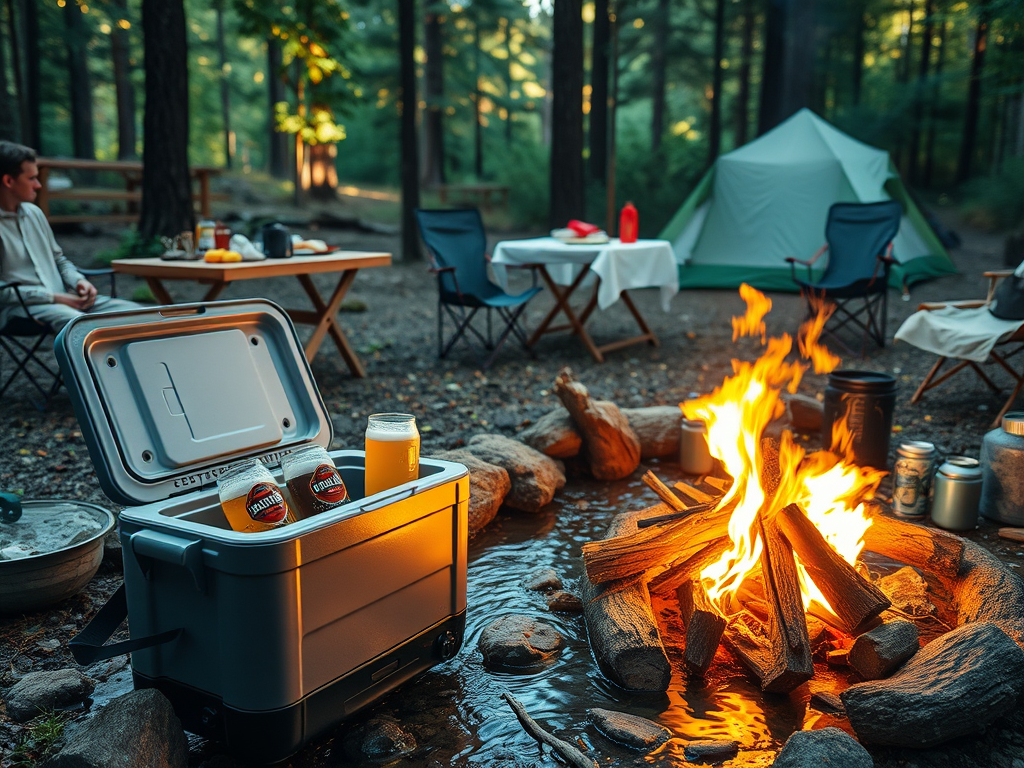
Camping in remote areas offers adventure, tranquility, and a unique connection with nature. However, these benefits come with challenges, especially when it comes to maintaining food safety and hygiene. Without the conveniences of modern kitchens and running water, campers must be vigilant to prevent foodborne illnesses and maintain personal cleanliness. This essay explores practical strategies for managing food safety and hygiene in remote campsites.
Understanding the Risks
Remote campsites present a unique set of challenges when it comes to food safety and hygiene. Unlike urban or developed camping areas, remote sites typically lack essential infrastructure such as refrigeration, potable water, and organized waste disposal. These limitations significantly increase the risk of foodborne illnesses and environmental contamination. Understanding these risks is crucial for developing effective strategies to protect both campers and the natural environment.
Lack of Refrigeration
One of the most significant risks in remote campsites is the absence of refrigeration. Without the ability to keep perishable foods at safe temperatures (below 4°C/40°F), bacteria such as Salmonella, E. coli, and Listeria can multiply rapidly. Foods like meat, dairy, eggs, and cooked leftovers are particularly vulnerable. Even a few hours in the “danger zone” (between 4°C and 60°C/40°F and 140°F) can make food unsafe to eat. Spoiled food may not always look or smell bad, making it difficult to detect potential hazards.
Limited Access to Potable Water
Safe, clean water is essential for drinking, cooking, and cleaning. In remote areas, water sources such as streams, lakes, or rivers may be contaminated with pathogens, parasites, or chemicals. Using untreated water for washing hands, cleaning utensils, or preparing food can introduce harmful microorganisms, leading to illnesses such as giardiasis or cryptosporidiosis. The lack of potable water also makes it harder to maintain personal hygiene, increasing the risk of spreading germs.
Inadequate Waste Disposal
Proper waste management is often overlooked but is critical in remote settings. Food scraps, packaging, and human waste can attract wildlife, contaminate water sources, and create breeding grounds for bacteria and insects. Improper disposal of waste not only endangers campers but also disrupts local ecosystems and can have long-term environmental impacts.
Increased Risk of Cross-Contamination
With limited surfaces and utensils, the risk of cross-contamination between raw and cooked foods is higher. For example, using the same knife or cutting board for raw meat and vegetables without proper cleaning can transfer harmful bacteria. Inadequate handwashing facilities further compound this risk, as dirty hands can easily spread pathogens from one surface or food item to another.
Environmental Factors
Remote campsites are exposed to environmental factors such as fluctuating temperatures, humidity, and the presence of insects and animals. Warm weather accelerates food spoilage, while rain or humidity can make it difficult to keep food dry and safe. Insects and animals, attracted by food odors, can contaminate supplies or directly introduce pathogens.
Consequences of Foodborne Illness
The consequences of foodborne illness in a remote setting can be severe. Medical help may be hours or days away, and symptoms such as vomiting, diarrhea, or dehydration can quickly become life-threatening without proper care. Preventing illness is therefore not just a matter of comfort, but of safety and survival.
By recognizing these risks, campers can take proactive steps to mitigate them—such as careful meal planning, bringing water purification methods, practicing strict hygiene, and following proper waste disposal protocols. Understanding the unique challenges of remote campsites is the foundation for safe and enjoyable outdoor experiences.
Planning and Preparation
Choosing the Right Foods
Selecting appropriate foods is a foundational step in ensuring food safety and convenience at remote campsites. The absence of refrigeration and limited resources means that your food choices can directly impact your health, energy, and overall camping experience. Here’s a deeper look at how to make smart food selections for remote camping:
Non-Perishable, Shelf-Stable Foods
- Canned Goods: Canned beans, vegetables, fish, and meats are excellent options because they are sealed and preserved, making them safe from bacterial growth for long periods. They require no refrigeration and can be eaten cold or heated over a campfire.
- Dried and Dehydrated Foods: Items like dried fruits, jerky, powdered milk, and instant soups are lightweight, compact, and have a long shelf life. Dehydrated meals, often used by backpackers, only require the addition of hot water, making them ideal for remote settings.
- Nuts and Seeds: These are nutrient-dense, high in healthy fats and protein, and do not spoil easily. They make for great snacks or meal additions.
- Grains and Starches: Rice, pasta, oats, and instant noodles are easy to transport and cook. They provide essential carbohydrates for energy and can be paired with canned or dried foods for complete meals.
- Energy Bars and Trail Mix: Pre-packaged bars and mixes are designed for portability and nutrition, making them perfect for quick meals or snacks on the go.
Bringing Perishable Items
While it’s safest to rely on non-perishable foods, some campers may wish to bring fresh items for variety and nutrition. In these cases, extra precautions are necessary:
- Insulated Coolers and Ice Packs: Use high-quality coolers with plenty of ice packs to keep perishable foods like cheese, eggs, or fresh meat cold. Remember that even the best coolers will only keep food safe for a limited time, especially in warm weather.
- Consume Early: Plan to eat perishable foods within the first day or two of your trip, before the ice melts and temperatures rise into the danger zone for bacterial growth.
- Pre-Cooked and Vacuum-Sealed Foods: Consider bringing pre-cooked, vacuum-sealed meals that require only reheating. These are safer than raw meats and can last longer if kept cool.
Additional Considerations
- Portion Control: Pack only what you need to minimize leftovers, which can be difficult to store safely.
- Allergies and Dietary Needs: Account for any allergies or special diets within your group, as options for substitutions may be limited in remote areas.
- Wildlife Safety: Choose foods with minimal odors and packaging to reduce the risk of attracting animals. Avoid bringing foods with strong smells, like fish or bacon, unless you have secure storage.
Summary Table: Food Choices for Remote Camping
| Food Type | Advantages | Considerations |
|---|---|---|
| Canned Goods | Long shelf life, safe, easy to heat | Heavy, requires can opener |
| Dried/Dehydrated | Lightweight, compact, easy to prepare | Needs water for rehydration |
| Nuts/Seeds | High energy, no spoilage, portable | Can be allergenic for some |
| Grains/Starches | Filling, versatile, easy to cook | Needs water and heat to prepare |
| Energy Bars/Mixes | Convenient, nutritious, ready to eat | Can be high in sugar |
| Perishables | Freshness, variety, nutrition | Must be consumed early, needs cooling |
By carefully planning your food choices with these principles in mind, you can ensure safe, nutritious, and enjoyable meals throughout your remote camping adventure.
Packing Essentials
Proper packing is a cornerstone of food safety and hygiene in remote campsites. The right supplies not only help prevent illness but also make camp life more organized and efficient. Here’s a detailed exploration of what to pack and why each item matters:
Biodegradable Soap, Hand Sanitizer, and Clean Water
- Biodegradable Soap:
- Essential for washing hands, dishes, and utensils without harming the environment.
- Choose soaps specifically labeled as biodegradable and use them at least 200 feet away from natural water sources to prevent pollution.
- Hand Sanitizer:
- A critical backup when water is scarce or unavailable.
- Opt for a sanitizer with at least 60% alcohol content for effective germ-killing action.
- Use after handling raw foods, using the toilet, or before eating.
- Clean Water:
- Bring enough potable water for drinking, cooking, and cleaning.
- If you must use natural sources, always treat the water (boiling, filtering, or chemical purification) before use.
- Designate separate containers for drinking water and for cleaning to avoid accidental contamination.
Separate Cutting Boards and Utensils
- Preventing Cross-Contamination:
- Raw meats, poultry, and fish can harbor dangerous bacteria. Using the same cutting board or knife for both raw and cooked foods can transfer these pathogens to ready-to-eat items.
- Practical Tips:
- Pack color-coded or clearly labeled cutting boards—one for raw proteins, one for vegetables, and one for cooked foods.
- Bring extra knives, tongs, and spatulas, or thoroughly wash them between uses with hot, soapy water.
- If space is limited, use lightweight, flexible cutting mats that can be rolled or stacked.
Sealable Containers and Bags
- Storing Leftovers:
- Airtight containers help keep leftovers fresh, prevent spills, and reduce the risk of attracting insects or animals.
- Rigid containers are best for delicate foods, while heavy-duty resealable bags work well for snacks, marinated items, or pre-portioned meals.
- Protecting Food from Wildlife:
- Store all food in sealable containers to mask odors and deter animals such as raccoons, squirrels, or bears.
- Use bear-proof canisters or hang food bags from a tree branch at least 10 feet off the ground and 4 feet from the trunk if in bear country.
- Organizing Supplies:
- Use containers to separate raw and cooked foods, snacks, and meal ingredients.
- Label containers for easy identification and to minimize unnecessary handling.
Additional Packing Essentials
- Dishwashing Kit:
- Include a small basin, scrub brush, and quick-drying towel.
- Bring a mesh bag for drying utensils and dishes in the sun.
- Trash Bags:
- Heavy-duty, sealable bags for packing out all waste, including food scraps and used hygiene products.
- Gloves:
- Disposable gloves can be useful for handling raw meat or cleaning up messes.
Summary Table: Packing Essentials for Food Safety
| Item | Purpose | Tips for Use |
|---|---|---|
| Biodegradable Soap | Safe cleaning of hands and dishes | Use away from water sources |
| Hand Sanitizer | Quick hand hygiene | Use after toilet, before eating, after raw food |
| Clean Water | Drinking, cooking, cleaning | Treat natural sources before use |
| Separate Cutting Boards | Prevent cross-contamination | Color-code or label for different foods |
| Extra Utensils | Safe food handling | Wash or swap between raw/cooked foods |
| Sealable Containers/Bags | Store leftovers, deter wildlife | Use airtight, label contents |
| Trash Bags | Waste management | Pack out all trash, double-bag if needed |
| Dishwashing Kit | Clean utensils and cookware | Quick-dry towel, mesh bag for air drying |
Thoughtfully packing these essentials, campers can maintain high standards of food safety and hygiene, even in the most remote and rugged environments. This preparation not only protects health but also helps preserve the natural beauty and integrity of the wilderness.
Hand Hygiene
Hand hygiene is the single most important practice for preventing foodborne illness and the spread of pathogens in any setting, but it becomes absolutely critical in remote campsites where medical help is far away and environmental exposure is high. Here’s a detailed look at why and how to maintain proper hand hygiene in the wilderness:
Why Hand Hygiene Matters
- Pathogen Transmission: Hands are the primary vehicle for transferring bacteria, viruses, and parasites from contaminated surfaces, soil, or waste to food and mouths. In the outdoors, you’re constantly in contact with dirt, plants, animals, and shared equipment—all potential sources of harmful microbes.
- Limited Medical Resources: Even minor lapses in hygiene can lead to gastrointestinal illnesses like diarrhea, vomiting, or worse. In remote areas, these can quickly become dangerous due to dehydration and the lack of immediate medical care.
When to Wash Your Hands
- Before:
- Preparing or eating any food
- Handling clean utensils, dishes, or water containers
- After:
- Using the toilet or latrine
- Handling raw meat, fish, or eggs
- Touching animals, animal waste, or contaminated surfaces
- Cleaning up trash or washing dishes
- Blowing your nose, coughing, or sneezing
How to Wash Hands Properly
- Soap and Water:
- Use biodegradable soap and clean water.
- Wet hands, lather thoroughly (including backs of hands, between fingers, and under nails) for at least 20 seconds.
- Rinse well and air dry or use a clean towel.
- Always wash hands at least 200 feet away from natural water sources to protect the environment.
- Hand Sanitizer:
- If water is limited or unavailable, use a hand sanitizer with at least 60% alcohol.
- Apply enough to cover all surfaces of your hands and rub together until dry (about 20 seconds).
- Note: Sanitizer is less effective if hands are visibly dirty or greasy, so try to remove visible dirt first.
Practical Tips for Campsites
- Set Up a Handwashing Station:
- Use a collapsible water container with a spigot, a small basin, and a bottle of biodegradable soap.
- Place it near your cooking area but away from natural water sources.
- Carry Extra Supplies:
- Bring more soap, sanitizer, and clean towels than you think you’ll need—running out can compromise your entire trip.
- Educate Your Group:
- Make sure everyone in your party understands when and how to wash their hands.
- Supervise children and remind forgetful adults.
Summary Table: Hand Hygiene in Remote Campsites
| Situation | Preferred Method | Alternative (if water is scarce) |
|---|---|---|
| Before food prep/eating | Soap & water | Hand sanitizer (≥60% alcohol) |
| After toilet use | Soap & water | Hand sanitizer (≥60% alcohol) |
| After handling animals/waste | Soap & water | Hand sanitizer (≥60% alcohol) |
| After handling raw foods | Soap & water | Hand sanitizer (≥60% alcohol) |
| If hands are visibly dirty | Soap & water | Wipe off dirt, then use sanitizer |
Making hand hygiene a non-negotiable routine, you dramatically reduce the risk of illness and help ensure a safe, enjoyable camping experience for everyone.
Cooking and Storing Food
Proper cooking and storage of food are essential pillars of food safety in remote campsites. Without the safeguards of a modern kitchen, campers must be extra vigilant to prevent foodborne illness and avoid attracting wildlife. Here’s a detailed exploration of best practices:
Cooking Foods to Safe Internal Temperatures
- Why It Matters: Cooking food to the correct internal temperature kills harmful bacteria, parasites, and viruses that may be present in raw meat, poultry, fish, or eggs. Undercooked foods are a leading cause of foodborne illness.
- Safe Temperature Guidelines:
- Poultry (chicken, turkey): 74^\circC (165°F)
- Ground meats (beef, pork, lamb): 71^\circC (160°F)
- Whole cuts of beef, pork, lamb, veal: 63^\circC (145°F) with a 3-minute rest
- Fish: 63^\circC (145°F)
- Eggs: Cook until yolk and white are firm
- How to Achieve This:
- Use a portable, battery-powered food thermometer for accuracy. Insert the probe into the thickest part of the food, avoiding bone or gristle.
- If you don’t have a thermometer, ensure meats are not pink in the center and juices run clear, but remember this is less reliable than measuring temperature.
- Stir stews and soups well to distribute heat evenly.
Keeping Raw and Cooked Foods Separate
- Why It Matters: Raw foods, especially meats, can harbor pathogens that are destroyed by cooking. If cooked foods come into contact with raw foods or their juices, they can become re-contaminated—a process known as cross-contamination.
- Best Practices:
- Use separate cutting boards, knives, and utensils for raw and cooked foods. Color-coding or labeling helps prevent mix-ups.
- Never place cooked food back on a plate or surface that held raw meat, poultry, or fish.
- Wash hands, utensils, and surfaces thoroughly with soap and water after handling raw foods and before touching cooked foods.
Storing Food in Airtight Containers and Keeping It Off the Ground
- Why It Matters: Proper storage prevents spoilage, keeps food safe from insects and animals, and reduces the risk of contamination from dirt, moisture, or bacteria.
- Airtight Containers:
- Use rigid, sealable containers or heavy-duty resealable bags to store all food items, including snacks and leftovers.
- Airtight containers help keep out moisture, insects, and odors that attract wildlife.
- Off the Ground and Away from Tents:
- Store food on a table, in a bear canister, or hang it from a tree branch at least 10 feet off the ground and 4 feet from the trunk if in bear country.
- Never store food inside your tent, as this can attract animals and create dangerous situations.
- Keep food storage areas at least 100 feet from your sleeping area.
- Wildlife Deterrence:
- Use bear-proof containers or odor-resistant bags where required.
- Clean up all crumbs and spills immediately, and never leave food unattended.
Summary Table: Cooking and Storing Food Safely
| Practice | Why It’s Important | How to Implement |
|---|---|---|
| Cook to safe temperatures | Kills pathogens, prevents illness | Use thermometer, follow guidelines |
| Separate raw/cooked foods | Prevents cross-contamination | Use different utensils, wash hands |
| Airtight storage | Prevents spoilage, deters wildlife | Use sealable containers/bags |
| Off-ground storage | Keeps food clean, safe from animals | Use tables, hang bags, bear canisters |
| Away from tents | Reduces risk of animal encounters | Store food 100+ feet from sleeping area |
Following these practices, campers can significantly reduce the risk of foodborne illness and unwanted wildlife encounters, ensuring a safer and more enjoyable outdoor experience.
Water Safety
Water safety is a critical aspect of food hygiene and overall health in remote campsites. Natural water sources—no matter how clear or pristine they appear—can harbor invisible threats such as bacteria, viruses, parasites, and chemical contaminants. Ensuring that all water used for drinking, cooking, and cleaning is safe is essential for preventing illness and protecting the environment.
Treating Water from Natural Sources
- Why Treatment Is Necessary: Even the cleanest-looking streams, rivers, or lakes can contain harmful microorganisms like Giardia, Cryptosporidium, E. coli, and norovirus, as well as chemical pollutants from upstream sources. Drinking untreated water can lead to severe gastrointestinal illnesses, dehydration, and other health problems.
- Methods of Water Treatment:
- Boiling:
- The most reliable method. Bring water to a rolling boil for at least 1 minute (or 3 minutes at elevations above 2,000 meters/6,500 feet).
- Kills bacteria, viruses, and most parasites.
- Filtering:
- Use portable water filters designed to remove bacteria and protozoa. Some advanced filters also remove viruses.
- Always check the filter’s specifications and replace cartridges as recommended.
- Purification Tablets/Drops:
- Chemical treatments (iodine, chlorine dioxide) can kill bacteria, viruses, and some parasites.
- Follow manufacturer instructions for dosage and wait times.
- Note: Some parasites (like Cryptosporidium) are resistant to certain chemicals, so combining filtration and chemical treatment is best for high-risk water.
- UV Purifiers:
- Handheld UV light devices can neutralize bacteria, viruses, and protozoa in clear water.
- Not effective in cloudy or sediment-laden water unless pre-filtered.
- Boiling:
- Best Practices:
- Always treat water before using it for drinking, brushing teeth, washing produce, or cooking.
- Carry extra fuel or batteries for boiling or running purification devices.
- Store treated water in clean, dedicated containers to avoid recontamination.
Avoid Washing Dishes or Bathing Directly in Streams or Lakes
- Environmental Protection: Soaps—even biodegradable ones—can harm aquatic life and disrupt fragile ecosystems. Food particles and grease can pollute water, attract wildlife, and spread disease.
- Best Practices for Cleaning:
- Dishwashing:
- Collect water in a container and carry it at least 200 feet (about 70 adult paces) away from any water source before washing dishes.
- Use a small amount of biodegradable soap and scrub dishes thoroughly.
- Strain food particles from dishwater and pack them out with your trash.
- Scatter the used water over a wide area to aid decomposition and minimize environmental impact.
- Personal Hygiene:
- For bathing, use a washcloth or sponge bath with water carried away from the source.
- Avoid using soap directly in lakes or streams.
- Dispose of wastewater as you would dishwater—at least 200 feet from water sources.
- Dishwashing:
Summary Table: Water Safety in Remote Campsites
| Task | Unsafe Practice | Safe Practice |
|---|---|---|
| Drinking/Cooking | Using untreated water | Boil, filter, or chemically treat all water |
| Dishwashing | Washing directly in streams | Wash 200 feet away, use minimal biodegradable soap |
| Bathing | Bathing in lakes/streams | Sponge bath 200 feet away, scatter wastewater |
| Storing Water | Mixing treated/untreated water | Use dedicated, clean containers for treated water |
Key Takeaways
- Never assume natural water is safe—always treat it.
- Protect the environment by keeping soaps and waste out of water sources.
- Plan ahead with the right equipment for water treatment and waste management.
Following these water safety practices, campers can prevent illness, preserve the natural beauty of wild places, and ensure a safe and enjoyable outdoor experience.
Food Waste
Proper management of food waste is essential for both health and environmental reasons in remote campsites. Mishandling food scraps and packaging can attract wildlife, contaminate water sources, and leave lasting negative impacts on the natural environment. Here’s a detailed exploration of best practices for food waste management:
Collecting Food Scraps and Packaging
- Why It Matters: Food scraps, even in small amounts, emit odors that can attract animals such as raccoons, rodents, foxes, and bears. These animals may become habituated to human food, leading to dangerous encounters and disrupting their natural behaviors. Packaging, especially plastics and foils, can pollute the environment and harm wildlife if left behind.
- Best Practices:
- Designate a specific container or bag for all food waste and packaging. Use heavy-duty, sealable bags or rigid containers to contain odors and prevent leaks.
- After each meal, immediately collect all scraps, peels, coffee grounds, and packaging—don’t leave them on the ground or in the fire ring.
- Avoid burning food waste or packaging in campfires, as this can release toxins and leave behind non-biodegradable residue.
Storing Waste to Deter Animals
- Animal-Proof Containers:
- In areas with bears or other large wildlife, use certified bear-proof canisters or lockers. These are designed to prevent animals from accessing the contents, even if they are persistent.
- In less risky areas, hang waste bags from a sturdy tree branch at least 10 feet off the ground and 4 feet away from the trunk. This makes it difficult for animals to reach.
- Location:
- Store waste containers or hanging bags at least 100 feet (30 meters) from your tent and cooking area to minimize the risk of animals wandering into camp.
- Never store waste inside your tent or sleeping area.
Leave No Trace Principles
- Pack It In, Pack It Out:
- The core principle of Leave No Trace is to leave the environment as you found it—or better. This means carrying out all food waste and packaging, regardless of how small or “natural” it seems.
- Bring extra bags or containers specifically for packing out trash, and double-bag if necessary to prevent leaks.
- Designated Disposal:
- If your campsite provides designated trash or compost bins, use them. Never leave waste in unapproved locations.
- In the absence of facilities, all waste must be packed out to the nearest proper disposal site.
- Minimize Waste:
- Plan meals carefully to reduce leftovers and excess packaging.
- Repackage foods at home into reusable containers to minimize single-use wrappers and bulky packaging.
Environmental and Social Impact
- Protecting Wildlife:
- Preventing animals from accessing human food waste helps keep them wild and healthy, and reduces the risk of dangerous encounters for future campers.
- Preserving Water Quality:
- Proper waste management prevents contamination of streams, lakes, and soil, protecting both the ecosystem and the health of other campers.
- Respect for Others:
- Leaving a clean campsite ensures a pleasant experience for the next visitors and upholds the reputation of responsible outdoor recreation.
Summary Table: Food Waste Management
| Practice | Why It’s Important | How to Implement |
|---|---|---|
| Collect all food scraps/packaging | Prevents wildlife attraction, pollution | Use sealable bags/containers, collect after each meal |
| Store waste away from camp | Reduces risk of animal encounters | Use bear canisters or hang bags 10 ft up, 4 ft out |
| Pack out all waste | Protects environment, follows LNT | Bring extra bags, double-bag if needed |
| Use designated disposal areas | Ensures proper waste processing | Only use official bins or pack out |
| Minimize waste | Reduces environmental impact | Plan meals, repackage at home |
Rigorously managing food waste, campers help preserve the wilderness, protect wildlife, and ensure that remote campsites remain safe and beautiful for everyone.
Personal Hygiene Waste
Managing personal hygiene waste responsibly is crucial for protecting both the environment and the health of campers and wildlife in remote areas. Improper disposal can contaminate water sources, spread disease, and leave unsightly traces that diminish the wilderness experience for others. Here’s a detailed exploration of best practices:
Human Waste Disposal
- Portable Toilets:
- Many modern campers use portable toilet systems, which are self-contained and designed to be packed out. These systems are especially important in fragile or high-use environments where traditional methods are not sustainable.
- Portable toilets should be emptied at designated dump stations after the trip, never in the wild.
- Advantages include minimal environmental impact, convenience, and compliance with regulations in many protected areas.
- Catholes:
- When portable toilets are not available, the recommended method is to dig a cathole.
- How to Dig a Cathole:
- Choose a site at least 200 feet (about 70 adult paces) from any water source, trail, or campsite.
- Use a small trowel to dig a hole 6–8 inches (15–20 cm) deep and 4–6 inches (10–15 cm) wide.
- After use, cover the waste with the original soil and disguise the spot with natural materials.
- This method promotes decomposition and minimizes the risk of contaminating water or attracting animals.
- Why 200 Feet?
- This distance ensures that rainwater runoff will not carry pathogens into streams, lakes, or groundwater, protecting both the ecosystem and other campers.
Used Hygiene Products
- Wipes, Sanitary Items, and Toilet Paper:
- Even “biodegradable” wipes and toilet paper decompose very slowly in the wild and can be scattered by animals.
- All used wipes, tampons, pads, and condoms must be packed out in a sealable, odor-proof bag or container.
- Bring extra zip-top bags or specialized “wag bags” for this purpose. Double-bagging is recommended for odor control and leak prevention.
- Never bury or burn these items, as they can pollute the environment and pose hazards to wildlife.
Menstrual Hygiene in the Backcountry
- Preparation:
- Bring enough supplies for the duration of your trip, including extra bags for packing out used items.
- Consider reusable menstrual products (like menstrual cups), which generate less waste and are easier to manage in the field (just be sure to clean them with treated water away from water sources).
- Disposal:
- Used products should be stored in a dedicated, sealable bag and packed out with other trash.
Handwashing After Waste Disposal
- Always wash hands thoroughly with soap and water (or use hand sanitizer if water is scarce) after handling human waste or hygiene products to prevent the spread of pathogens.
Summary Table: Personal Hygiene Waste Management
| Waste Type | Disposal Method | Environmental Reasoning |
|---|---|---|
| Human waste | Portable toilet or cathole (200 ft away) | Prevents water contamination, disease |
| Toilet paper/wipes | Pack out in sealable bags | Prevents litter, protects wildlife |
| Sanitary products | Pack out in sealable bags | Prevents pollution, slow to decompose |
| Hand hygiene | Wash hands after disposal | Reduces disease transmission |
Key Takeaways
- Always dispose of human waste and hygiene products far from water sources and campsites.
- Pack out all non-biodegradable items, including wipes and sanitary products.
- Prioritize Leave No Trace principles to protect the wilderness for everyone.
Following these practices, campers help maintain the cleanliness, safety, and natural beauty of remote campsites, ensuring a positive experience for all who visit.
Dealing with Wildlife
Wildlife encounters are a natural part of camping in remote areas, but they can quickly become dangerous or disruptive if food safety and hygiene are neglected. Animals are highly motivated by food smells and can be surprisingly persistent and clever in their attempts to access human food. Proper food management not only protects campers but also preserves the health and natural behaviors of wildlife. Here’s a detailed exploration of best practices:
Never Leave Food Unattended or Inside Tents
- Why It Matters: Animals such as bears, raccoons, squirrels, and even birds have an acute sense of smell and are attracted to food, trash, and scented items (like toothpaste or sunscreen). If food is left out or stored in tents, animals may enter campsites or tents, leading to property damage, loss of food, or even dangerous encounters.
- Best Practices:
- Always supervise food during meal preparation and eating.
- Store all food, snacks, and scented items in secure containers when not in use.
- Never bring food, wrappers, or scented toiletries into your tent, even at night. This reduces the risk of animals associating tents with food and protects you while you sleep.
Use Bear-Proof Canisters or Hang Food Bags
- Bear-Proof Canisters:
- In areas where bears are present, use certified bear-proof canisters. These are designed to be impossible for bears to open, even with their strength and dexterity.
- Store all food, trash, and scented items in the canister, and place it at least 100 feet from your tent and cooking area.
- Hanging Food Bags:
- If canisters are not available, hang food bags from a sturdy tree branch.
- The bag should be at least 10 feet (3 meters) off the ground and 4 feet (1.2 meters) away from the trunk or any vertical support, so animals cannot reach or jump to it.
- Use a rope and pulley system or a stick to help hoist the bag and keep it secure.
- In some areas, designated bear poles or cables are provided—use them if available.
- Other Wildlife:
- Even in areas without bears, smaller animals like raccoons and mice can chew through bags or containers. Use hard-sided containers or hang bags to deter them.
Clean Up All Food Spills Immediately
- Why It Matters: Food crumbs, spills, and even cooking odors can attract animals from a considerable distance. Once animals find food at a campsite, they are likely to return, increasing risks for future campers and potentially leading to animals being relocated or euthanized.
- Best Practices:
- Wipe down tables, cooking surfaces, and eating areas after every meal.
- Pick up all crumbs and dispose of them in your food waste container.
- Wash dishes and utensils promptly, and scatter dishwater at least 200 feet from camp and water sources.
- Avoid pouring grease or food scraps on the ground or in fire pits.
Additional Tips for Wildlife Safety
- Scented Items:
- Store all scented items (toothpaste, deodorant, sunscreen, soap) with your food, not in your tent.
- Cooking Location:
- Cook and eat at least 100 feet away from your sleeping area to minimize the risk of animals being attracted to your tent.
- Noise and Light:
- Make noise when approaching your food storage area, especially at night, to avoid surprising animals.
- Respect Wildlife:
- Never feed wild animals, intentionally or unintentionally. Human food is unhealthy for them and can alter their natural behaviors.
Summary Table: Wildlife-Safe Food Practices
| Practice | Why It’s Important | How to Implement |
|---|---|---|
| Never leave food unattended | Prevents animal attraction and theft | Store food in canisters or hang bags |
| No food in tents | Reduces risk of animal entry | Keep tents food- and scent-free |
| Bear-proof canisters/hanging | Protects food, deters wildlife | Use certified canisters or hang bags |
| Clean up spills immediately | Removes attractants, keeps camp safe | Wipe surfaces, pick up crumbs, wash dishes promptly |
| Store scented items with food | Prevents animals from seeking out tents | Keep all scented items in secure storage |
Following these practices, campers can enjoy the beauty of wildlife from a safe distance, protect their food supplies, and help ensure that animals remain wild and healthy for generations to come.
Conclusion
Maintaining food safety and hygiene in remote campsites is not a matter of convenience—it is a necessity for health, safety, and environmental stewardship. The challenges posed by the absence of modern amenities, the presence of wildlife, and the fragility of natural ecosystems demand a proactive and thoughtful approach from every camper.
The Importance of Careful Planning
Success in remote camping begins long before you arrive at your site. Careful planning means:
- Selecting foods that are safe, nutritious, and suitable for the conditions.
- Packing essential hygiene and food safety supplies, such as biodegradable soap, hand sanitizer, water treatment equipment, and animal-proof storage.
- Preparing for waste management by bringing bags and containers for all types of refuse, including food scraps and personal hygiene products.
Vigilance in Daily Practices
Once at camp, vigilance is key. This includes:
- Consistently washing hands and cleaning surfaces to prevent the spread of germs.
- Cooking foods to safe temperatures and keeping raw and cooked items separate.
- Treating all water before use and never assuming a natural source is safe.
- Storing food and waste properly to deter wildlife and prevent contamination.
- Cleaning up immediately after meals and never leaving food or trash unattended.
Respect for the Environment
Every action taken at a campsite has an impact. Responsible campers:
- Follow Leave No Trace principles, ensuring that all waste—food, packaging, and personal hygiene items—is packed out or disposed of in designated facilities.
- Avoid contaminating water sources by washing and bathing away from streams and lakes.
- Protect wildlife by keeping food and scented items secure and never feeding animals, intentionally or unintentionally.
The Broader Impact
Responsible food safety and hygiene practices do more than protect individual campers from illness or inconvenience. They:
- Preserve the natural beauty and ecological integrity of wild places.
- Prevent wildlife from becoming habituated to humans, which can lead to dangerous encounters and the loss of animal life.
- Ensure that campsites remain clean, safe, and welcoming for future visitors.
A Shared Responsibility
Ultimately, maintaining food safety and hygiene in remote campsites is a shared responsibility. Each camper’s actions contribute to the collective well-being of the group, the health of the environment, and the legacy left for those who come after. By understanding the risks and embracing best practices, campers can fully enjoy the adventure and serenity of the wilderness—confident that they are protecting both themselves and the wild places they cherish.
The rewards of remote camping are greatest when paired with respect, preparation, and care. Safe, hygienic, and environmentally conscious practices ensure that the wilderness remains a source of inspiration and renewal for all.


 UTAZCO Overland
Leave a Reply