
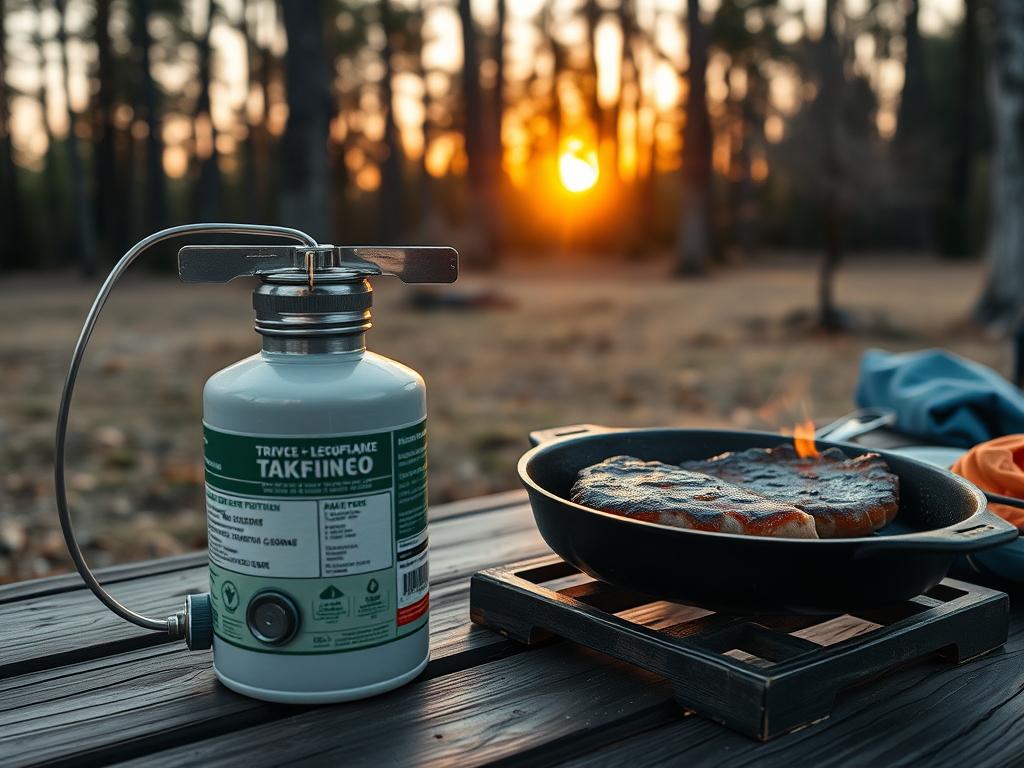
Outdoor cooking is a cherished part of camping, offering both practical nourishment and a sense of adventure. Two primary methods dominate the scene: traditional campfire cooking and the use of portable stoves. Each approach has its unique advantages, drawbacks, and best practices. Understanding these can help campers choose the right method for their needs and environment.
Certainly! Here’s a more detailed exploration of the pros of campfire cooking:
Campfire Cooking
Pros
Authentic Experience
Cooking over an open fire is a tradition as old as humanity itself. Long before the invention of modern stoves or kitchen appliances, people relied on fire to prepare their meals, gather warmth, and create a sense of security. When you cook over a campfire, you’re participating in this ancient ritual, tapping into a primal connection with nature and with those who came before us.
The sensory experience of campfire cooking is unmatched. The crackle of burning wood provides a soothing, rhythmic soundtrack to the evening, while the glow of embers casts a warm, flickering light that transforms the campsite into a cozy haven. The aroma of wood smoke infuses food with a unique flavor and lingers in the air, creating a powerful association between scent and memory. These sensory details combine to create an atmosphere that is both grounding and enchanting, making each meal feel special and significant.
For many, campfire cooking is deeply nostalgic. It can bring back memories of childhood adventures, family camping trips, or even stories told by grandparents about their own experiences in the wild. The act of gathering wood, building a fire, and tending to the flames is often a shared activity, passed down through generations and rich with tradition.
Perhaps most importantly, the campfire acts as a social anchor. People are naturally drawn to its warmth and light, gathering in a circle to share stories, laughter, and companionship. The process of preparing and eating food together around the fire fosters a sense of community and togetherness. Conversations flow more easily, distractions fade away, and the simple act of sharing a meal becomes a memorable event. In this way, campfire cooking does more than feed the body—it nourishes relationships and creates lasting bonds among friends and family.
In a world where much of daily life is fast-paced and technology-driven, the authentic experience of campfire cooking offers a rare opportunity to slow down, be present, and savor both food and company in a natural setting. It’s this immersive, communal, and sensory-rich quality that makes campfire cooking so beloved by outdoor enthusiasts around the world.
Versatility
Campfire cooking stands out for its remarkable adaptability, transforming a simple fire into a multi-purpose outdoor kitchen. Unlike most portable stoves, which are often limited to a single burner or cooking style, a campfire can be shaped and managed to suit a wide range of culinary techniques and group sizes.
- Grilling By placing a grill grate over the flames or glowing embers, campers can grill a variety of foods—steaks, burgers, fish, vegetables, or even slices of bread. The direct heat from the fire sears food beautifully, creating a smoky flavor and satisfying char that’s hard to replicate with gas or electric grills. Grilling over a campfire also allows for flexibility in heat zones: you can move food closer to or farther from the hottest part of the fire to control cooking speed and doneness.
- Roasting Roasting is perhaps the most iconic campfire cooking method. Skewering marshmallows, hot dogs, sausages, or vegetables and holding them over the fire is a classic camping ritual. This method is not only fun and interactive—especially for children—but also requires minimal equipment. Roasting can be done directly over the flames for a quick char or over the embers for slower, more even cooking.
- Baking With a Dutch oven or other fire-safe cookware, the campfire becomes a surprisingly effective oven. By burying a Dutch oven in hot coals or placing coals on its lid, you can bake bread, biscuits, cakes, cobblers, or even lasagna. This opens up a world of possibilities for campers who want more than just grilled or roasted fare. Baking over a campfire encourages creativity and can turn a simple meal into a gourmet experience.
- Boiling and Simmering Hanging a pot or kettle over the fire allows you to boil water for coffee, tea, or instant meals, as well as simmer stews, soups, or pasta. This method is essential for both hydration and nutrition, especially on longer trips. The ability to boil water also adds a layer of safety, as it enables campers to purify water from natural sources.
- Smoking and Slow Cooking By controlling the fire and using indirect heat, campers can smoke meats or slow-cook tougher cuts, beans, or root vegetables. This technique requires patience and some skill in fire management, but it rewards you with deeply flavored, tender dishes.
This versatility means that a campfire can accommodate a wide range of dietary preferences and meal plans, from the simplest hot dog to elaborate multi-course feasts. The fire’s size and intensity can be adjusted to suit the number of people and the type of food being prepared, making it ideal for both solo adventurers and large groups. Whether you’re preparing a quick breakfast, a hearty stew, or a celebratory dessert, the campfire adapts to your needs, making it the heart of the campsite and a true symbol of outdoor living.
No Need for Extra Equipment
One of the most appealing aspects of campfire cooking is its inherent simplicity. Unlike portable stoves, which often require a collection of gear—fuel canisters, burners, windshields, and sometimes proprietary pots or pans—a campfire can be used to prepare a wide variety of meals with just a handful of basic tools, or even none at all.
- Grill Grate A simple grill grate is perhaps the most versatile piece of campfire cooking equipment. It can be placed over the flames or embers to support pots, pans, or food directly. With a grate, you can grill meats and vegetables, toast bread, or even cook pancakes in a skillet. Many campsites provide permanent grates, but portable versions are lightweight and easy to pack.
- Skewers or Sticks Roasting food on sticks is a timeless camping tradition. Marshmallows, hot dogs, sausages, and even vegetables can be skewered and held over the fire. You don’t need to bring metal skewers—sturdy, green sticks found at the campsite can be whittled to a point and used just as effectively. This method is not only practical but also adds to the fun and communal spirit of campfire cooking.
- Foil Aluminum foil is a minimalist camper’s best friend. It allows you to wrap potatoes, corn, fish, or other ingredients and bury them in the hot coals for even, gentle cooking. Foil packets can be customized for each camper’s taste and require no pots or pans at all. Cleanup is easy, and there’s no need to carry heavy cookware.
This minimalistic approach is especially attractive to backpackers, solo adventurers, or anyone who wants to keep their load light and their setup simple. The campfire itself acts as both the heat source and the cooking appliance, eliminating the need for extra fuel or complex gear. For many, this simplicity is part of the charm—cooking with what you have, improvising as needed, and focusing on the essentials.
In some cases, even cookware can be improvised from natural materials found at the campsite. Flat stones can serve as griddles, and forked sticks can be fashioned into pot holders or roasting supports. This resourcefulness not only reduces what you need to pack but also deepens your connection to the environment and the experience of outdoor living.
Ultimately, the lack of required equipment makes campfire cooking accessible, flexible, and deeply satisfying for those who appreciate a minimalist, back-to-basics approach to outdoor meals.
Campfire cooking offers an authentic, versatile, and equipment-light way to prepare meals outdoors. It’s an experience that engages all the senses, encourages creativity, and brings people together in a way that few other cooking methods can match.
Cons
Environmental Impact
While campfire cooking is a cherished part of outdoor tradition, it can have lasting and sometimes severe consequences for natural environments if not practiced with care.
- Depletion of Deadwood and Habitat Loss Collecting firewood from the forest floor may seem harmless, but deadwood plays a crucial ecological role. Fallen branches and logs provide habitat and food for insects, fungi, and small animals. As these organisms break down the wood, they return nutrients to the soil, supporting plant growth and maintaining the health of the ecosystem. When campers remove too much deadwood, they disrupt this natural cycle, reducing biodiversity and weakening the resilience of the forest.
- Landscape Scarring and Soil Erosion Repeated fire-building in popular campsites can leave visible scars on the landscape. Blackened rocks, patches of bare earth, and permanent fire rings are common sights in overused areas. The removal of vegetation and the exposure of soil around fire pits can lead to erosion, especially on slopes or in areas with heavy rainfall. Eroded soil washes into streams and lakes, harming aquatic life and degrading water quality.
- Loss of Vegetation The heat from campfires can kill roots and seeds in the soil, making it difficult for plants to regrow. In fragile environments—such as alpine meadows, deserts, or tundra—recovery from fire damage can take decades or longer. Trampling around fire sites further compacts the soil and destroys delicate ground cover, compounding the problem.
- Permanent Fire Rings and Visual Impact In many busy camping areas, makeshift fire rings multiply as each group builds its own. These rings, often made of rocks, become permanent fixtures that mar the natural beauty of the site. Over time, the proliferation of fire scars can make once-pristine areas look barren and uninviting, diminishing the wilderness experience for everyone.
- Special Risks in Sensitive Ecosystems Some environments are especially vulnerable to the impacts of campfires. In deserts, wood is extremely scarce and decomposes very slowly, so removing even small amounts can have outsized effects. In alpine or subalpine zones, the growing season is short and recovery from disturbance is slow. In these places, the environmental cost of a single campfire can be much higher than in a temperate forest.
Best Practices for Minimizing Impact:
- Use only established fire rings or designated fire pits.
- Bring your own firewood from outside the area, as transporting wood locally can spread pests and diseases.
- Avoid building fires in sensitive environments or during dry, high-risk periods.
- Consider alternative cooking methods, such as portable stoves, which leave no trace.
- Always follow Leave No Trace principles and local regulations.
While campfire cooking can be a rewarding part of the outdoor experience, it comes with real responsibilities. By understanding and respecting the environmental impacts, campers can help preserve wild places for future generations to enjoy.
Fire Restrictions
The tradition of campfire cooking is increasingly challenged by the growing prevalence of fire restrictions across parks, forests, and wilderness areas. These restrictions are not arbitrary—they are a direct response to the escalating risk of wildfires, which can devastate landscapes, destroy property, and threaten both wildlife and human lives.
- Why Fire Restrictions Exist Wildfires are a natural part of many ecosystems, but in recent years, their frequency and intensity have surged due to factors such as prolonged droughts, higher temperatures, and increased fuel loads—all linked to climate change. Human-caused fires, often sparked by unattended or poorly managed campfires, are a leading cause of these destructive events. To mitigate this risk, land management agencies implement fire bans during periods of high danger, such as dry seasons or windy weather, when even a small spark can ignite a catastrophic blaze.
- Legal and Financial Consequences When fire bans are in effect, building a campfire is not just discouraged—it is illegal. Violating these bans can result in severe penalties, including hefty fines and, in some cases, criminal charges. These consequences reflect the seriousness of the threat: a single illegal campfire can lead to millions of dollars in damage and put countless lives at risk.
- Ecological and Social Responsibility Ignoring fire restrictions is not only a legal issue but also an ethical one. A wildfire can destroy entire habitats, displace or kill wildlife, and leave scars on the landscape that last for decades. It can also endanger nearby communities, force evacuations, and put firefighters in harm’s way. Responsible campers recognize that their actions have far-reaching impacts and that respecting fire bans is a fundamental part of outdoor stewardship.
- Planning and Alternatives Because fire restrictions can be enacted or lifted with little notice, it is essential for campers to check the latest regulations before heading out. Most parks and forests post current fire status online or at trailheads and ranger stations. When campfires are not allowed, campers should be prepared with alternative cooking methods, such as portable stoves, which are often permitted even during fire bans due to their controlled flame and reduced risk.
- Adapting to a Changing Reality As climate change continues to alter weather patterns and increase wildfire risk, fire restrictions are likely to become more common and more stringent. Outdoor enthusiasts must adapt by embracing low-impact cooking practices and by fostering a culture of safety and respect for the land.
Fire restrictions are a necessary and increasingly common part of outdoor recreation. They protect not only the environment but also the safety of people and wildlife. Campers who stay informed and flexible—ready to switch to portable stoves or cold meals when needed—demonstrate true respect for nature and help ensure that wild places remain safe and accessible for all.
Time and Effort
Campfire cooking is often romanticized as a simple, rustic way to prepare meals in the wild, but the reality is that it requires a significant investment of both time and physical effort—much more than simply turning a knob on a portable stove.
- Gathering Firewood The process begins with sourcing suitable firewood. This can involve searching for dry, dead wood that is the right size for both starting and sustaining a fire. In some areas, wood may be scarce, wet, or collecting it may be prohibited, requiring campers to bring their own. Gathering, chopping, and carrying wood can be physically demanding, especially after a long day of hiking or other outdoor activities.
- Building the Fire Constructing a safe and effective campfire is a skill in itself. Campers must clear a safe area, often using an established fire ring, and carefully arrange tinder, kindling, and larger logs to ensure the fire catches and burns efficiently. Wind, rain, or damp wood can make this process frustrating and time-consuming.
- Waiting for Cooking Embers Unlike a stove, which provides instant heat, a campfire must burn for a while before it produces the steady, glowing embers ideal for cooking. This waiting period can take 30 minutes to an hour or more, depending on the size of the fire and the type of wood used. Impatience can lead to trying to cook over open flames, which often results in burnt exteriors and raw interiors.
- Active Fire Management Cooking over a campfire is not a “set it and forget it” process. The fire must be constantly monitored and adjusted. Campers need to add wood as needed, rearrange logs to maintain the right heat, and move food around to avoid hot spots or flare-ups. Wind can suddenly fan the flames, requiring quick action to prevent accidents or uneven cooking.
- Extinguishing the Fire After the meal, the responsibility continues. A campfire must be fully extinguished to prevent wildfires. This means dousing the fire with water, stirring the ashes, and repeating the process until everything is cool to the touch. In dry conditions, this can require several liters of water and considerable time to ensure no embers remain.
- Impact on the Camping Experience For campers with limited time—such as those arriving late, leaving early, or wanting to maximize time for hiking, fishing, or relaxing—the time and effort required for campfire cooking can be a drawback. Inexperienced campers may find the process overwhelming or stressful, leading to frustration or even unsafe practices.
While campfire cooking can be rewarding and memorable, it is far from effortless. It demands planning, patience, and ongoing attention, making it best suited for those who enjoy the process as much as the meal itself. For others, the time and energy required may detract from the overall enjoyment of their outdoor adventure.
Temperature Control
Unlike modern kitchen stoves or portable camping stoves, which offer precise and instant control over heat levels, a campfire is a living, dynamic heat source. This makes temperature control one of the most difficult—and sometimes frustrating—aspects of campfire cooking.
- Unpredictable Heat Source The temperature of a campfire is affected by many variables: the type and dryness of the wood, the size and shape of the fire, the arrangement of logs and coals, and even the weather. Hardwoods like oak or maple burn hotter and longer than softwoods like pine, but may be harder to ignite. Wet or green wood produces less heat and more smoke. Wind can fan flames and create sudden bursts of heat, while rain or humidity can dampen the fire’s intensity.
- Lack of Adjustable Settings On a stove, you can simply turn a knob to go from a gentle simmer to a rolling boil. With a campfire, achieving the right temperature for different cooking methods requires careful fire management. For simmering a stew, you need a bed of glowing coals and indirect heat; for searing a steak, you want intense, direct heat from fresh flames or hot embers. Adjusting the heat means moving pots and pans closer to or farther from the fire, adding or removing wood, or rearranging the coals—often by hand or with improvised tools.
- Hot Spots and Cool Zones Campfires rarely provide even heat. Some areas will be much hotter than others, especially if the fire is not well-established or the coals are unevenly distributed. This can result in food that is burnt on one side and undercooked on the other. Cooking multiple items at once, or preparing complex meals, requires constant attention and frequent repositioning of food to avoid these pitfalls.
- Learning Curve and Skill For beginners, the lack of precise control can be intimidating. It’s easy to burn bread, char vegetables, or serve meat that’s raw in the middle. Even experienced campers must remain vigilant, using their senses—sight, smell, and touch—to judge when the fire is ready and when food needs to be moved. Mastery comes with practice, patience, and sometimes a willingness to accept less-than-perfect results.
- Adaptability and Attention Successful campfire cooks are always adapting: shifting pots, rotating skewers, raising or lowering grill grates, and adding or spreading coals as needed. This hands-on approach can be rewarding, but it also demands focus and flexibility. Unlike a stove, you can’t walk away from a campfire and expect consistent results.
Temperature control is a core challenge of campfire cooking. It requires knowledge, experience, and a willingness to engage directly with the fire. While this can be part of the fun and adventure for some, it can also lead to frustration and uneven meals for those unprepared for the unpredictability of cooking over open flames.
While campfire cooking offers a unique and rewarding experience, it comes with real drawbacks that require careful consideration and responsible action. Environmental stewardship, adherence to regulations, time management, and fire-handling skills are all essential for minimizing the cons and ensuring a safe, enjoyable, and sustainable outdoor cooking experience.
Best Practices
Campfire cooking can be a safe, enjoyable, and environmentally responsible activity when approached with care and respect for nature. Following best practices not only protects the landscape but also ensures a positive experience for you and future campers.
Use Established Fire Rings or Pits
Whenever possible, build your fire in an existing fire ring or designated fire pit. These areas are specifically designed to contain fires and minimize their impact on the environment. Using established sites prevents the creation of new scars on the landscape, protects surrounding vegetation, and reduces the risk of accidental wildfires. If no fire ring is available and fires are permitted, choose a durable surface like gravel or sand, well away from overhanging branches, dry grass, or tents.
Gather Only Dead and Downed Wood, or Bring Your Own Firewood
Collecting firewood responsibly is crucial. Only gather wood that is already dead and lying on the ground—never cut live trees or branches, as this damages the ecosystem and is often illegal. In heavily used or sensitive areas, even deadwood may be scarce or protected, so it’s best to bring your own firewood from home. However, avoid transporting firewood over long distances, as this can spread invasive pests and diseases. Many parks offer local firewood for sale to help prevent this problem.
Keep Fires Small and Manageable
A small fire is easier to control, requires less wood, and produces less smoke and fewer embers. Large bonfires may seem appealing but are unnecessary for cooking and increase the risk of the fire spreading. Build a fire just big enough for your needs—typically no larger than necessary to fit your grill grate or cookware. This also makes it easier to extinguish the fire completely when you’re done.
Fully Extinguish Fires Before Leaving the Site
Never leave a campfire unattended, and always make sure it is completely out before you leave the site or go to sleep. To extinguish a fire, pour water on the embers, stir the ashes, and repeat until everything is cool to the touch. If water is scarce, use dirt or sand, but water is always preferred. Even a small, smoldering ember can reignite and cause a wildfire hours or days later.
Follow All Local Regulations and Fire Bans
Before your trip, check the latest fire regulations for your destination. Fire bans and restrictions are common during dry or windy conditions and are strictly enforced to prevent wildfires. Ignoring these rules can result in fines, legal action, and catastrophic environmental damage. If fires are not allowed, use a portable stove or prepare cold meals instead.
By following these best practices, campers can enjoy the tradition and pleasure of campfire cooking while minimizing their impact on the environment and ensuring the safety of themselves and others. Responsible fire use is a key part of outdoor ethics and helps preserve wild places for everyone to enjoy.
Certainly! Here’s a detailed exploration of the pros of portable stoves for outdoor cooking:
Portable Stoves
Convenience and Speed
One of the most compelling reasons campers choose portable stoves is the sheer convenience they offer. Unlike campfire cooking, which can require significant time and effort to gather wood, build a fire, and wait for it to burn down to usable embers, a portable stove is ready to use almost instantly. With modern designs, you simply attach a fuel canister, turn a knob, and ignite the burner—often with a built-in piezo igniter or a single match. Within seconds, you have a reliable, steady flame.
This speed is invaluable in many outdoor scenarios:
- Quick Meals After a Long Day: After hours of hiking, paddling, or climbing, most campers want to eat as soon as possible. A portable stove lets you start cooking right away, reducing wait times and helping you refuel and recover faster.
- Efficient Mornings: For early risers or those with a packed itinerary, the ability to boil water for coffee or oatmeal in just a few minutes can make mornings smoother and more enjoyable.
- On-the-Go Flexibility: Portable stoves are lightweight and compact, making them easy to pack and set up anywhere—on a picnic table, a flat rock, or even inside a tent vestibule (with proper ventilation and safety precautions).
Another major benefit is precise temperature control. Most stoves allow you to adjust the flame from a gentle simmer to a rapid boil with a simple twist of the dial. This makes it easy to cook a wide variety of foods without burning or undercooking, and it’s especially helpful for recipes that require careful heat management, such as rice, pasta, or delicate sauces.
Cleanup is also far simpler with a stove. There are no ashes, soot, or charred wood to deal with—just turn off the burner, let it cool, and pack it away. This not only saves time but also helps keep campsites clean and minimizes your environmental impact.
In summary, the convenience and speed of portable stoves free campers from the labor and unpredictability of fire-based cooking, allowing them to focus on enjoying their outdoor experience and nourishing themselves efficiently and safely.
Minimal Environmental Impact
Portable stoves are a low-impact cooking solution. They do not require the collection of firewood, which helps preserve deadwood habitats and prevents the depletion of natural resources. Stoves do not scar the ground, blacken rocks, or leave behind fire rings and ash. This “leave no trace” approach is especially important in fragile or overused environments, such as alpine meadows, deserts, or heavily trafficked campsites. By using a stove, campers help protect the landscape and ensure that wild places remain pristine for future visitors.
Reliability
One of the greatest strengths of portable stoves is their reliability in a wide range of conditions. Unlike campfires, which can be difficult or impossible to start in wet, windy, or snowy weather, most stoves are engineered to function in adverse environments. Windshields and pressure-regulated burners help maintain a consistent flame, and liquid fuel stoves can even operate at high altitudes or in freezing temperatures. This reliability means you can count on a hot meal or a warm drink no matter what the weather brings.
Legal in More Places
As wildfire risks increase and fire bans become more common, the ability to cook legally and safely is a major advantage of portable stoves. Most land management agencies allow the use of gas or liquid fuel stoves even during fire restrictions, as they are considered a controlled, low-risk heat source. This flexibility ensures that you can still prepare hot food and drinks when campfires are prohibited, making stoves an essential tool for responsible and adaptable outdoor cooking.
Portable stoves offer unmatched convenience, minimal environmental impact, reliable performance in challenging conditions, and legal flexibility. These advantages make them the preferred choice for many modern campers, backpackers, and outdoor enthusiasts who value efficiency, safety, and stewardship of the natural world.
Cons
Fuel Dependency
Portable stoves offer many conveniences, but their reliance on manufactured fuels introduces a set of unique challenges that every camper must consider.
- Logistics Unlike a campfire, which can be fueled by wood found on-site (where permitted), portable stoves require you to bring all the fuel you’ll need. This means careful planning: you must estimate how much fuel each meal will require, accounting for the number of people, the types of meals (boiling water for pasta uses more fuel than simply reheating soup), and the duration of your trip. Environmental factors also play a role—cold temperatures, high altitudes, and windy conditions all increase fuel consumption. Miscalculating can leave you without the means to cook or boil water, which can be more than an inconvenience in remote or cold environments.
- Weight and Bulk Fuel canisters and liquid fuel bottles add both weight and bulk to your pack. For short trips, this may not be significant, but for multi-day or group expeditions, carrying enough fuel can become a major consideration. Unlike wood, which can sometimes be gathered as you go, you must carry all your fuel from the start, and empty canisters or bottles must be packed out, adding to your load until you return home.
- Waste and Disposal Most canister stoves use single-use isobutane or propane canisters. Once empty, these canisters must be packed out and disposed of properly. Unfortunately, they are not always accepted in regular recycling programs and may require special facilities for safe disposal. Liquid fuel bottles are reusable, but they must be refilled, cleaned, and checked for leaks. Improper disposal or maintenance can lead to environmental contamination or safety hazards.
- Availability In remote wilderness areas, small towns, or international destinations, finding the right type of fuel can be a real challenge. Not all regions stock every kind of canister or liquid fuel, and some countries have restrictions on transporting fuels. This can limit your stove’s usefulness or force you to carry extra fuel, just in case. In contrast, wood for a campfire is often more readily available (though not always legal or sustainable to use).
While portable stoves are efficient and reliable, their dependency on fuel introduces logistical, environmental, and practical challenges. Careful planning, responsible disposal, and awareness of local fuel availability are essential for any camper relying on a stove in the backcountry.
Limited Cooking Space
Portable stoves are engineered for backpackers and campers who prioritize weight, size, and efficiency. While these qualities make them easy to carry and quick to set up, they also introduce several practical limitations when it comes to preparing meals in the outdoors.
- Small Groups Only Most portable stoves feature a single burner, and even the larger models rarely have more than two. This design is ideal for solo adventurers or pairs, but it becomes a bottleneck when cooking for a group. If you’re camping with more than two or three people, you’ll likely have to cook in shifts or batches, which means some people may be eating while others are still waiting for their food. This can make group meals less communal and more time-consuming, especially if you’re preparing dishes that require different cooking times or methods.
- Limited Meal Complexity The single-burner setup restricts your ability to prepare multi-pot or multi-step meals. For example, if you want to boil pasta while simultaneously sautéing vegetables or simmering a sauce, you’ll have to do one after the other, not at the same time. This limitation often leads campers to choose simpler, one-pot recipes—like stews, soups, or freeze-dried meals—over more elaborate or gourmet options. While this can streamline meal planning, it can also make the menu repetitive and less satisfying for those who enjoy variety or more complex cooking.
- Stability Issues Compact stoves are designed to be lightweight and portable, but this often comes at the expense of stability. The small base and narrow pot supports can make it tricky to use larger pots or pans, especially if the ground is uneven or if the stove is set up on a rock or picnic table. A heavy or unbalanced pot can tip over, leading to spills, wasted food, or even burns and injuries. Some stoves offer optional stabilizing accessories, but these add weight and bulk, partially negating the stove’s portability advantage.
While portable stoves are excellent for quick, simple meals and small groups, their limited cooking space can be a significant drawback for larger parties, ambitious cooks, or those seeking a more social or gourmet outdoor dining experience. Campers should consider their group size, meal preferences, and cooking ambitions when deciding whether a portable stove will meet their needs.
Less Atmosphere
While portable stoves are champions of efficiency and minimalism, they simply cannot replicate the intangible magic and communal spirit that a campfire brings to the outdoors.
- No Campfire Glow The visual and emotional appeal of a campfire is hard to overstate. The warm, flickering light of flames and embers creates a cozy, inviting space that draws people in, especially as dusk falls and temperatures drop. The glow of a campfire not only provides light and warmth but also sets the mood for relaxation and reflection. In contrast, a portable stove’s small, blue flame is purely functional—bright enough to cook by, but not enough to illuminate a campsite or create a sense of place. Once the meal is done, the stove is turned off, and the darkness returns.
- Reduced Social Experience Campfires have a unique ability to bring people together. They become the natural center of the campsite, a place where everyone gathers to share stories, laugh, and unwind after a day of adventure. The act of sitting in a circle, watching the flames, and passing food or drinks around fosters a sense of community and belonging. Portable stoves, on the other hand, are typically used by one or two people at a time, often off to the side or on a picnic table. Once cooking is finished, there’s no reason to linger, and the group may scatter to their tents or other activities, missing out on the bonding that happens around a fire.
- Missing Rituals Many of the most cherished camping traditions revolve around the campfire. Roasting marshmallows, making s’mores, toasting bread on a stick, or simply tending the fire are rituals that create lasting memories, especially for children and families. The fire becomes a stage for storytelling, singing, and quiet contemplation. These rituals are not just about food—they’re about shared experience, creativity, and connection to nature. A portable stove, by design, is not meant for these activities. It’s a tool for cooking, not for gathering or celebrating, and so these meaningful moments are lost.
While portable stoves are practical and reliable, they lack the atmosphere, social magnetism, and ritualistic qualities that make campfires so beloved. For many campers, these intangible elements are an essential part of the outdoor experience—reminders that camping is not just about survival or efficiency, but about connection, tradition, and the simple joys of gathering around a fire.
While portable stoves offer speed, efficiency, and minimal environmental impact, they come with trade-offs: reliance on fuel, limited cooking capacity, and a lack of the communal, atmospheric qualities that make campfire cooking so special. For many campers, these are minor inconveniences, but for others, they represent a significant loss in the overall outdoor experience.
Best Practices
Choose a Stove Suited to Your Group Size and Cooking Needs
Not all stoves are created equal. Solo backpackers may prefer ultralight, single-burner models designed for boiling water quickly, while families or groups might benefit from larger, double-burner stoves that can accommodate multiple pots or pans. Consider the types of meals you plan to prepare—simple dehydrated meals, gourmet multi-pot dishes, or just hot drinks—and select a stove that matches your ambitions. Also, factor in the environment: some stoves perform better in cold or high-altitude conditions, while others are optimized for mild weather.
Carry Extra Fuel and Know How to Check Fuel Levels
Running out of fuel in the backcountry can mean no hot meals or drinks, which can be uncomfortable or even dangerous in cold conditions. Always bring more fuel than you think you’ll need, especially for longer trips or when cooking for a group. Learn how to estimate fuel consumption based on your stove, the number of meals, and the weather. For canister stoves, you can weigh canisters before and after trips to gauge usage; for liquid fuel, use bottles with clear volume markings. Always check fuel levels before heading out and monitor them throughout your trip.
Set Up Stoves on Stable, Non-Flammable Surfaces
Safety is paramount when using any stove. Always place your stove on a flat, stable surface to prevent tipping and spills. Avoid setting up on dry grass, leaves, or wooden picnic tables, as these can catch fire if a stove tips or leaks. Use a heat-resistant mat or a flat rock if necessary. Shield your stove from the wind with a windscreen (if safe and recommended by the manufacturer), but ensure there’s adequate ventilation to prevent dangerous gas buildup.
Maintain and Clean Stoves Regularly for Safety and Efficiency
A well-maintained stove is safer, more reliable, and more fuel-efficient. Before each trip, inspect your stove for leaks, clogs, or worn parts. Clean burners, jets, and fuel lines as recommended by the manufacturer. For liquid fuel stoves, check seals and lubricate pump cups. After each use, wipe down the stove to remove food spills and debris. Regular maintenance not only extends the life of your stove but also reduces the risk of malfunctions or accidents in the field.
Pack Out Empty Fuel Canisters and Follow Leave No Trace Principles
Empty fuel canisters and bottles are considered “pack it in, pack it out” items. Never leave them behind at campsites or in the wilderness. Dispose of canisters according to local regulations—some areas have special recycling programs, while others require them to go in the trash. For liquid fuel bottles, rinse and store them safely for reuse. Always follow Leave No Trace principles: minimize your impact, avoid contaminating water sources, and leave your campsite cleaner than you found it.
By following these best practices, campers can enjoy the convenience and efficiency of portable stoves while minimizing risks and environmental impact. Responsible stove use ensures that outdoor cooking remains safe, enjoyable, and sustainable for everyone.
Conclusion
Both campfire cooking and portable stoves are valuable tools in the outdoor enthusiast’s repertoire, each offering distinct advantages and presenting unique challenges. The choice between them is not simply a matter of preference, but often a reflection of the environment, group size, trip goals, and personal values.
The Enduring Appeal of Campfires
Campfire cooking is steeped in tradition and nostalgia. The act of gathering around a fire, sharing stories, and preparing food over open flames is woven into the fabric of outdoor culture. Campfires create a sense of place and community, transforming a simple meal into a memorable event. However, this experience comes with responsibilities. Campfires require time, skill, and vigilance to manage safely. They also demand a deep respect for the environment—misuse can lead to lasting ecological damage or even catastrophic wildfires. In many areas, fire bans or sensitive ecosystems make campfires impractical or illegal, requiring campers to adapt.
The Practicality of Portable Stoves
Portable stoves, on the other hand, embody the spirit of modern, low-impact camping. They offer unmatched convenience, speed, and reliability, allowing campers to prepare hot meals in almost any weather or location. Stoves minimize environmental impact, leaving no scars on the landscape and reducing the risk of accidental fires. They are especially valuable in regions where wood is scarce, fire bans are in effect, or time is limited. Yet, they lack the ambiance and communal rituals of a campfire, and their reliance on manufactured fuel introduces logistical and environmental considerations of its own.
Making Informed Choices
The best outdoor cooks are those who understand the strengths and limitations of both methods. By weighing the pros and cons—atmosphere versus efficiency, tradition versus practicality, environmental impact versus convenience—campers can select the approach that best fits their trip and values. Sometimes, the right answer is a blend: using a stove for daily meals and enjoying a small, responsible campfire for evening relaxation when conditions allow.
Stewardship and Enjoyment
Ultimately, the goal is to enhance the outdoor experience while safeguarding the wild places that make these adventures possible. By following best practices—respecting fire bans, minimizing impact, and planning ahead—campers can enjoy delicious meals, meaningful connections, and the beauty of nature without leaving a trace. In doing so, they help ensure that both campfire cooking and portable stoves remain part of the outdoor tradition for generations to come.

 UTAZCO Overland
Leave a Reply