
Why Outdoorsmen Prefer High Carbon Steel Knives
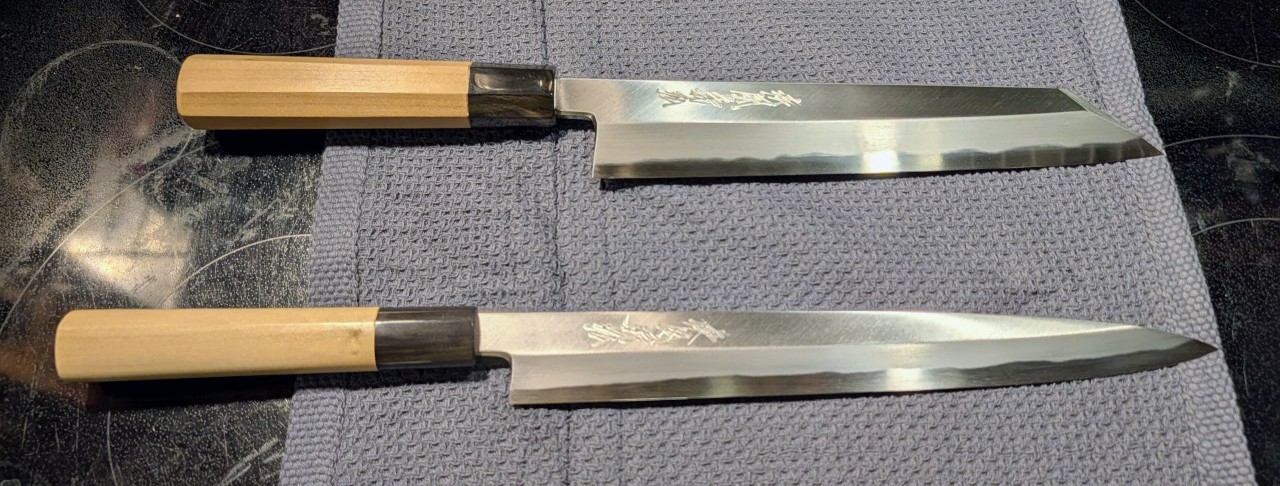
Superior Sharpness
High carbon steel can be hardened to a greater degree than most stainless steels. This allows the blade to be ground to a much finer, keener edge. For outdoorsmen, this translates to:
- Effortless slicing: Whether preparing food, carving wood, or processing game, a sharper edge makes tasks easier and more precise.
- Cleaner cuts: A keen edge is less likely to crush or tear fibers, which is especially important for food prep and bushcraft tasks like feather-sticking or skinning.
Excellent Edge Retention
The hardness of high carbon steel means it holds its edge longer under repeated use. Outdoorsmen value this because:
- Less frequent sharpening: In the field, sharpening tools and time may be limited. A knife that stays sharp longer is a major advantage.
- Consistent performance: Tasks like batoning wood, making fire sticks, or filleting fish require a reliable edge that won’t dull quickly.
Ease of Sharpening
Despite their hardness, high carbon steel knives are generally easier to sharpen than many stainless steels, especially those with very high chromium content. This is because:
- Responsive to simple tools: High carbon steel responds well to basic sharpening stones or even improvised field sharpeners.
- Quick touch-ups: A few passes on a stone or strop can restore a razor edge, which is invaluable when far from home.
Feedback and Control
High carbon steel often provides better tactile feedback during use and sharpening. Outdoorsmen appreciate this “feel” because it allows for:
- Greater control: When carving or performing delicate tasks, the feedback from the blade helps prevent mistakes.
- Confidence in the tool: Many users develop a strong bond with their high carbon steel knives, trusting them for critical tasks.
The Trade-Off: Susceptibility to Rust and Corrosion
Lack of Chromium
Unlike stainless steel, high carbon steel contains little or no chromium, the element responsible for forming a protective, rust-resistant oxide layer. As a result:
- Vulnerability to moisture: Exposure to rain, humidity, or even sweat can quickly lead to rust spots.
- Reactivity with food: Acidic foods (like tomatoes or citrus) can discolor or pit the blade if not cleaned promptly.
Maintenance Demands
To keep a high carbon steel knife in top condition, outdoorsmen must:
- Clean and dry the blade after each use
- Apply a thin coat of oil regularly
- Store the knife properly, avoiding damp environments
This extra care is a trade-off for the superior performance characteristics.
Why Outdoorsmen Accept the Trade-Off
Despite the maintenance demands, many outdoorsmen willingly choose high carbon steel knives because:
- Performance is paramount: In the wilderness, a knife is a critical tool. The ability to cut, carve, and process materials efficiently can be a matter of safety and survival.
- Tradition and trust: High carbon steel has a long history in bushcraft and survival communities. Many classic knife designs (like the Scandinavian puukko or the American Kephart) use high carbon steel.
- Personal connection: The need for regular maintenance fosters a sense of responsibility and connection to the tool, which many outdoorsmen value.
High carbon steel knives are favored by many outdoorsmen for their unmatched sharpness, edge retention, and ease of sharpening—qualities that are crucial for cooking and utility tasks in the wilderness. While they require more diligent care to prevent rust and corrosion, the performance benefits often outweigh the drawbacks for those who rely on their knives as essential tools. Proper maintenance is not just a chore, but part of the ritual and satisfaction of using a high carbon steel blade in the great outdoors.
Understanding High Carbon Steel
High carbon steel is a category of steel that contains a higher proportion of carbon compared to other types, such as stainless steel or low-carbon steel. This increased carbon content fundamentally changes the properties of the steel, making it especially valued for knife blades and cutting tools. To fully appreciate how to care for high carbon steel knives, it’s important to understand what sets this material apart.
Composition and Properties
High carbon steel typically contains between 0.6% and 1.5% carbon by weight. This is significantly higher than the carbon content in stainless steel, which usually ranges from 0.08% to 0.15%. The increased carbon content leads to several key characteristics:
- Hardness: High carbon steel is harder than most stainless steels. This means it can be ground to a finer, sharper edge and will retain that edge longer under normal use.
- Edge Retention: The hardness of high carbon steel allows it to maintain a sharp edge through repeated use, making it ideal for tasks that require precision and durability.
- Ease of Sharpening: Despite its hardness, high carbon steel is generally easier to sharpen than stainless steel. This is because it responds well to sharpening stones and can be honed to a razor edge with minimal effort.
The Role of Chromium and Rust Resistance
Stainless steel is defined by its chromium content—typically at least 10.5%. Chromium forms a passive oxide layer on the surface of the steel, which protects it from rust and corrosion. High carbon steel, by contrast, contains little to no chromium. As a result:
- No Protective Layer: Without chromium, high carbon steel lacks the self-healing oxide layer that resists rust. Any exposure to moisture, humidity, or acidic substances can quickly lead to oxidation (rust).
- Reactivity: High carbon steel is more reactive to acidic foods (like tomatoes, citrus, or vinegar), which can cause discoloration or pitting if not cleaned promptly.
Patina Formation
Over time, high carbon steel develops a patina—a dark, protective layer that forms as the steel reacts with various substances. While not as effective as chromium oxide in stainless steel, a patina can help slow down further corrosion. Many knife enthusiasts intentionally encourage patina formation as both a protective measure and a mark of character.
Practical Implications for Outdoor Use
When dispersed camping, the environment is often humid, and knives are exposed to water, food acids, and organic matter. High carbon steel’s vulnerability to these elements means:
- Constant Vigilance: Users must be diligent about cleaning and drying their knives after each use.
- Regular Maintenance: Applying oil and monitoring for rust becomes a routine part of using high carbon steel in the wild.
- Performance Trade-Off: The superior sharpness and edge retention come at the cost of increased maintenance compared to stainless steel knives.
High carbon steel knives offer exceptional performance but require a deeper understanding of their material properties and vulnerabilities. Their lack of chromium makes them prone to rust, especially in the challenging conditions of wilderness camping. Proper care and maintenance are essential to harness their advantages while minimizing their weaknesses.
Pre-Trip Preparation
Clean and Sharpen
Proper pre-trip preparation is crucial for ensuring your high carbon steel knife performs reliably and safely during your dispersed camping adventure. Cleaning and sharpening your knife before you leave home sets the foundation for effective use and easier maintenance in the field.
Thoroughly Clean Your Knife
Why Clean Before the Trip? Even if your knife appears clean, residues from previous use—such as food particles, oils, or moisture—can linger on the blade and handle. These residues can accelerate corrosion, attract dirt, or harbor bacteria, especially when exposed to the elements during camping.
How to Clean:
- Disassemble if Possible: If your knife is a folding model or has removable handles, carefully disassemble it according to the manufacturer’s instructions.
- Wash with Warm, Soapy Water: Use a mild dish soap and a soft sponge or cloth to clean the blade and handle. Avoid abrasive pads that could scratch the steel.
- Pay Attention to Joints and Crevices: Dirt and moisture can hide in pivot points or between handle scales. Use a soft brush or toothpick to clean these areas.
- Rinse and Dry Thoroughly: Rinse off all soap residue and dry the knife completely with a lint-free cloth. Moisture left on the blade can cause rust, even before you hit the trail.
Optional:
- Sanitize: For food-prep knives, you may wish to sanitize the blade with a diluted vinegar solution or food-safe sanitizer, then rinse and dry again.
Sharpen the Blade
Why Sharpen Before the Trip? A sharp knife is safer and more effective. Dull blades require more force to cut, increasing the risk of slips and accidents. In the wilderness, you may not have the time, tools, or ideal conditions to perform a full sharpening, so starting with a keen edge is essential.
How to Sharpen:
- Choose Your Sharpening Tool: Use a whetstone, diamond stone, or guided sharpening system for the best results. Honing rods can be used for touch-ups but won’t restore a truly dull edge.
- Set the Angle: Maintain the correct sharpening angle for your knife (typically 15–20 degrees per side for most kitchen and utility knives).
- Sharpen Evenly: Alternate sides and use consistent strokes to ensure an even, symmetrical edge.
- Finish with Honing: After sharpening, use a honing rod or fine stone to refine the edge and remove any burrs.
- Test the Edge: Carefully test the sharpness by slicing through paper or gently shaving a small patch of hair on your arm (if comfortable doing so).
Optional:
- Strop the Blade: For an extra-fine edge, use a leather strop with a bit of polishing compound to remove micro-burrs and polish the edge.
Final Inspection
- Check for Damage: Inspect the blade for chips, cracks, or other damage that could worsen in the field.
- Tighten Screws: If your knife has screws or pivot points, ensure they are snug but not overtightened.
- Lubricate Moving Parts: For folding knives, apply a drop of lubricant to the pivot and work it in.
By thoroughly cleaning and sharpening your high carbon steel knife before your trip, you reduce the risk of corrosion, ensure food safety, and guarantee that your knife will perform at its best when you need it most. This proactive care also makes ongoing maintenance in the wilderness much easier, allowing you to focus on your camping experience.
Apply Protective Coating
- Lightly coat the blade with food-safe mineral oil or a specialized knife oil to create a moisture barrier.
- Avoid vegetable oils, as they can become rancid over time.
Pack Proper Storage
- Bring a dry, protective sheath or blade guard.
- Consider packing a small microfiber cloth and a travel-sized bottle of oil.
Certainly! Here’s a detailed exploration of daily knife care in the wilderness, focusing on the importance and methods of cleaning your high carbon steel knife after each use:
Daily Knife Care in the Wilderness
Clean After Each Use
Why Immediate Cleaning Matters
High carbon steel is highly reactive to moisture and acids, making it especially vulnerable to rust, staining, and pitting. In the wilderness, your knife is exposed to a variety of substances—food juices, plant sap, animal fats, and even soil—all of which can accelerate corrosion if left on the blade. Immediate cleaning is essential to:
- Prevent Rust: Even a small amount of moisture or organic residue can cause rust spots to form within hours.
- Avoid Staining and Pitting: Acids from foods like citrus, tomatoes, or vinegar can etch the blade, leaving permanent marks or tiny pits.
- Maintain Food Safety: Cleaning removes bacteria and food particles, reducing the risk of cross-contamination when preparing meals.
Step-by-Step Cleaning Process
1. Wipe the Blade Immediately
- Use a Cloth or Paper Towel: As soon as you finish using your knife, wipe the blade with a clean, dry cloth or paper towel. This removes most residues before they can react with the steel.
- Pay Attention to the Edge and Spine: Food and debris can cling to the edge and spine, so be thorough.
- For Folding Knives: Open the knife fully and wipe inside the handle and pivot area, where moisture can hide.
2. Rinse if Water is Available
- Use Clean Water: If you have access to a stream, lake, or your own water supply, rinse the blade to remove any remaining residue.
- Avoid Prolonged Soaking: Do not leave the knife submerged, as this increases the risk of water seeping into handle materials or pivot points.
- No Water? If water is scarce, use a damp cloth or baby wipe, then dry thoroughly.
3. Dry the Blade Thoroughly
- Immediate Drying: After rinsing, dry the blade completely with a clean cloth. Pay special attention to the area near the handle and any crevices.
- Air Drying: If you have no cloth, wave the knife in the air or let it sit in a dry, sunny spot for a few minutes.
4. Special Considerations for Acidic Foods
- Extra Vigilance: After cutting acidic foods (citrus, tomatoes, onions, etc.), clean the blade as soon as possible. Acids can cause rapid discoloration and pitting.
- Neutralize Acids: If possible, wipe the blade with a damp cloth, then dry and oil it to neutralize any lingering acids.
5. Utility Tasks
- After Non-Food Use: If you use your knife for tasks like carving wood, cutting rope, or processing game, clean the blade to remove sap, dirt, or animal residues, which can also promote corrosion.
Practical Tips for the Wilderness
- Carry a Dedicated Cloth: Keep a small microfiber or cotton cloth in your kit for wiping and drying your knife.
- Pack Baby Wipes: Unscented baby wipes are handy for cleaning when water is limited, but always dry the blade afterward.
- Be Mindful of Handle Materials: If your knife has a wooden or leather handle, avoid getting it excessively wet, as these materials can absorb moisture and degrade over time.
Cleaning your high carbon steel knife after each use is a simple but vital habit in the wilderness. It preserves the blade’s sharpness, prevents rust and staining, and ensures your knife remains a safe and reliable tool for all your camping needs. By making immediate cleaning part of your routine, you’ll extend the life of your knife and maintain its performance, no matter how challenging the environment.
Keep Dry
Why Moisture Is the Enemy
High carbon steel’s greatest vulnerability is its lack of corrosion resistance. Unlike stainless steel, it contains little or no chromium, so it cannot form a protective oxide layer. This means that even brief exposure to moisture—whether from water, humidity, food juices, or even sweat—can quickly lead to:
- Rust: Orange or brown spots that form on the surface, weakening the steel and dulling the edge.
- Pitting: Small, deep holes that can develop if moisture is left on the blade, permanently damaging the steel.
- Staining: Discoloration that, while sometimes harmless, can be unsightly and may indicate the start of corrosion.
The Importance of Thorough Drying
1. After Cleaning
- Immediate Drying: As soon as you finish cleaning or rinsing your knife, dry it completely. Even a few minutes of dampness can start the corrosion process, especially in humid or rainy conditions.
- Use a Soft, Absorbent Cloth: Microfiber or cotton cloths are ideal for soaking up water. Paper towels can work in a pinch, but may leave lint.
- Pay Attention to Details: Dry not just the blade, but also the handle, tang, and any crevices or joints—especially on folding knives or knives with guards.
2. After Use in Wet Conditions
- Rain, Dew, or Snow: If your knife gets wet from the environment, dry it as soon as possible. Don’t wait until you’re back at camp.
- Sweat: Even handling your knife with sweaty hands can leave enough moisture to cause rust, so wipe it down after heavy use.
Storing the Knife: Sheath Considerations
1. Only Store When Dry
- Never Sheath a Wet Knife: Placing a damp blade in its sheath traps moisture against the steel, creating a perfect environment for rust to develop—sometimes overnight.
- Let It Air Out: If you must put your knife away before it’s fully dry, leave the sheath open or store the knife outside the sheath until you can dry it properly.
2. Sheath Material Matters
- Leather Sheaths: Leather absorbs and retains moisture, which can transfer to the blade. While traditional and attractive, leather sheaths are notorious for causing rust if the knife is stored wet.
- Synthetic Sheaths: Kydex, plastic, or nylon sheaths are less absorbent and often have drainage holes, but they can still trap water if the knife is inserted wet.
- Ventilation: If possible, choose or modify a sheath to allow airflow and drainage.
3. Temporary Storage Solutions
- Wrap in a Dry Cloth: If you can’t dry your knife immediately, wrap it in a dry cloth or paper towel until you have the chance.
- Hang or Lay Flat: At camp, hang your knife or lay it flat in a dry, shaded spot to air dry before sheathing.
Additional Tips for Keeping Dry
- Oil as a Moisture Barrier: Regularly applying a thin coat of oil to the blade helps repel water and slows down corrosion.
- Avoid Prolonged Exposure: Don’t leave your knife out in the rain, on damp ground, or in a humid tent.
- Check Frequently: Inspect your knife throughout the day, especially after exposure to water, and dry as needed.
Keeping your high carbon steel knife dry is one of the most important steps in wilderness knife care. Moisture can quickly lead to rust, pitting, and permanent damage. By drying your knife thoroughly after each use and before storage, and by being mindful of sheath materials and environmental conditions, you’ll protect your blade and ensure it remains a reliable tool throughout your camping adventure.
Reapply Oil
Why Oil Matters for High Carbon Steel
High carbon steel lacks the chromium content that gives stainless steel its rust resistance. This makes it highly susceptible to oxidation (rust) when exposed to moisture, humidity, or acidic substances. Oil acts as a physical barrier between the steel and the environment, helping to:
- Repel Moisture: Oil prevents water from coming into direct contact with the steel, reducing the risk of rust.
- Block Oxygen: By limiting the steel’s exposure to air, oil slows down the oxidation process.
- Ease Cleaning: Oiled blades are less likely to have food or sap stick to them, making cleaning easier.
When and How Often to Oil
1. After Each Cleaning
- Why: Cleaning your knife removes not only dirt and food residue but also any protective oil that was previously applied.
- Action: Always reapply a thin layer of oil after cleaning and drying your blade, especially if you’ve used water or wiped the blade thoroughly.
2. At Least Once a Day
- Why: Even if you haven’t used your knife much, environmental humidity, dew, or condensation can gradually wear away the oil layer.
- Action: Make it a habit to inspect and oil your knife at least once daily, preferably in the evening when you’re done using it for the day.
3. After Exposure to Wet or Humid Conditions
- Why: Rain, river crossings, or even high humidity can strip away oil or introduce moisture.
- Action: If your knife gets wet, dry it thoroughly and reapply oil as soon as possible.
How to Apply Oil
1. Choose the Right Oil
- Food-Safe Options: If you use your knife for food prep, select a food-safe oil such as mineral oil (often sold as “butcher block oil” or “cutting board oil”). Avoid vegetable oils, as they can become sticky or rancid.
- Specialty Knife Oils: There are oils specifically formulated for knives and tools, such as Camellia oil or Tuf-Glide, which are also suitable.
- Emergency Alternatives: In a pinch, even a small amount of cooking oil can provide temporary protection, but clean it off and switch to a proper oil as soon as possible.
2. Application Method
- Use a Clean Cloth or Paper Towel: Put a few drops of oil on a soft cloth or paper towel and wipe it evenly over the entire blade, including the spine and any exposed tang.
- Thin, Even Layer: The goal is a barely visible sheen, not a dripping blade. Excess oil can attract dirt and debris.
- Don’t Forget the Handle: If your knife has a carbon steel tang or metal fittings, oil these as well—especially if they’re exposed.
3. For Folding Knives
- Pivot Points: Apply a drop of oil to the pivot and moving parts to prevent rust and ensure smooth operation.
- Wipe Away Excess: Too much oil can attract grit, which may cause wear or jamming.
Practical Tips for the Wilderness
- Pack a Small Bottle: Bring a travel-sized bottle of your chosen oil in your kit. Even a few milliliters will last for a week or more.
- Dedicated Cloth: Keep a small, clean cloth or cotton swab just for oiling your knife.
- Routine: Incorporate oiling into your daily camp routine—perhaps after dinner or before bed.
Reapplying a thin layer of oil to your high carbon steel knife is a simple but crucial step in wilderness care. It creates a protective barrier against moisture and oxygen, dramatically reducing the risk of rust and corrosion. By making oiling a regular habit—after each cleaning, at least once a day, and after exposure to wet conditions—you’ll preserve your knife’s sharpness, appearance, and reliability for years to come.
Preventing and Managing Rust
Inspect Regularly
Why Regular Inspection Is Essential
High carbon steel’s vulnerability to rust means that corrosion can begin quickly—sometimes within hours—if the blade is exposed to moisture, humidity, or acidic substances. Regular inspection is your first line of defense against rust and other forms of corrosion. By catching problems early, you can:
- Prevent Minor Issues from Becoming Major: Small rust spots are much easier to remove than widespread corrosion or deep pitting.
- Maintain Performance: Rust can dull the edge, roughen the blade, and compromise cutting ability.
- Preserve Longevity: Early intervention helps prevent permanent damage, ensuring your knife lasts for years.
What to Look For
1. Rust Spots
- Appearance: Rust usually appears as orange, brown, or reddish spots on the blade’s surface.
- Common Locations: Pay special attention to the edge, spine, near the handle, and any crevices or joints—these areas are most prone to moisture accumulation.
2. Discoloration
- Gray or Black Patina: Over time, high carbon steel develops a patina—a dark, often bluish or grayish layer. This is generally protective and not harmful.
- Bright Orange or Red: These colors indicate active rust, which should be addressed immediately.
- Pitting: Tiny holes or rough spots are signs of more advanced corrosion.
3. Handle and Hardware
- Metal Fittings: If your knife has a carbon steel tang, bolsters, or pins, inspect these as well.
- Folding Knives: Check the pivot area and inside the handle for hidden rust.
How to Inspect Effectively
1. Make It Routine
- Daily Habit: Incorporate inspection into your daily camp routine—perhaps after dinner or before bed.
- After Exposure: Always inspect your knife after using it in wet, humid, or dirty conditions.
2. Good Lighting
- Natural Light: Inspect your knife in daylight if possible, as rust and discoloration are easier to spot.
- Headlamp or Flashlight: At night, use a headlamp or flashlight to examine the blade closely.
3. Use Your Senses
- Sight: Look for color changes, spots, or dull areas.
- Touch: Run your finger gently along the blade to feel for roughness or raised spots, which may indicate rust.
- Smell: Sometimes, rust has a metallic or musty odor.
What to Do If You Find Rust or Discoloration
1. Address Immediately
- Early Removal: The sooner you remove rust, the less likely it is to cause permanent damage.
- Tools: Use a small piece of fine steel wool, a soft abrasive pad, or even a pencil eraser to gently rub away surface rust.
- Clean and Oil: After removing rust, clean the blade thoroughly and reapply a thin layer of oil.
2. For Stubborn Rust
- Vinegar or Lemon Juice: For persistent spots, a dab of vinegar or lemon juice can help dissolve rust, but rinse and dry the blade immediately afterward to prevent further corrosion.
- Avoid Harsh Abrasives: Don’t use sandpaper or coarse pads, as these can scratch and damage the blade.
Preventive Benefits of Regular Inspection
- Peace of Mind: Knowing your knife is in good condition lets you focus on your outdoor activities.
- Skill Development: Regular inspection helps you become more familiar with your knife, making it easier to spot and address issues quickly.
- Long-Term Savings: Preventing rust and corrosion reduces the need for costly repairs or replacements.
Regular inspection is a cornerstone of high carbon steel knife care in the wilderness. By checking your blade daily for rust and discoloration, you can catch problems early, remove them easily, and prevent lasting damage. This simple habit ensures your knife remains sharp, safe, and reliable—ready for whatever your adventure demands.
Remove Rust Promptly
Why Immediate Rust Removal Is Critical
High carbon steel is highly susceptible to rust, and even small spots can quickly spread or deepen if left untreated. Prompt removal is essential because:
- Prevents Further Corrosion: Rust is a form of active corrosion that can eat into the steel, leading to pitting and weakening the blade.
- Maintains Edge Integrity: Rust near the cutting edge can dull the blade and make it more difficult to sharpen later.
- Preserves Appearance and Value: Early removal keeps your knife looking good and functioning well, preserving both its utility and sentimental value.
Step-by-Step Rust Removal Process
1. Gather Your Materials
- Fine Steel Wool (0000 grade): Gentle enough to remove rust without scratching the blade.
- Soft Abrasive Pad: Such as a Scotch-Brite pad, for a less aggressive option.
- Cloth or Paper Towel: For cleaning and drying.
- Mild Soap and Water: For cleaning after rust removal.
- Knife Oil or Food-Safe Mineral Oil: For re-oiling the blade.
2. Scrub the Affected Area
- Gentle Pressure: Use light, circular motions with the steel wool or abrasive pad. Avoid pressing too hard, as excessive force can scratch or remove the blade’s patina.
- Focus on Rust Spots: Target only the rusty areas, especially if your blade has developed a protective patina you want to preserve.
- Check Progress Frequently: Wipe away debris and inspect the blade as you work to avoid over-scrubbing.
3. Clean the Blade
- Wash with Soap and Water: After rust removal, clean the blade with mild soap and water to remove any remaining particles or abrasive residue.
- Rinse Thoroughly: Ensure all soap and debris are washed away.
- Dry Completely: Use a clean, dry cloth to remove all moisture from the blade and handle.
4. Re-Oil the Blade
- Apply a Thin Layer: Use a few drops of knife oil or food-safe mineral oil on a cloth or paper towel, and wipe the entire blade.
- Cover All Surfaces: Don’t forget the spine, tang, and any exposed metal parts.
- Buff Off Excess: The blade should have a light sheen, not be dripping with oil.
Additional Tips and Considerations
- Avoid Harsh Abrasives: Never use sandpaper, coarse steel wool, or metal files, as these can scratch and damage the blade.
- For Stubborn Rust: If rust persists, a drop of vinegar or lemon juice can help loosen it. Apply sparingly, scrub gently, and rinse thoroughly to prevent further corrosion.
- Handle Materials: Be cautious if your knife has a wooden or leather handle—avoid getting these materials wet or oily.
- Field Expedients: In a pinch, a pencil eraser or even a smooth river stone can help remove light rust, but always clean and oil the blade afterward.
Why Re-Oiling Is Essential After Rust Removal
- Restores Protection: Scrubbing and cleaning remove not only rust but also any protective oil layer. Re-oiling immediately restores this barrier, preventing new rust from forming.
- Prepares for Next Use: A well-oiled blade is ready for action and less likely to corrode, even if exposed to moisture again.
Promptly removing rust from your high carbon steel knife is a vital part of wilderness maintenance. By using gentle abrasives, cleaning thoroughly, and reapplying oil, you stop corrosion in its tracks and preserve your knife’s performance and longevity. This quick, attentive care ensures your blade remains a reliable tool throughout your outdoor adventures.
Safe Storage and Transport
Avoid Prolonged Sheath Storage
The Problem with Leather Sheaths
Leather sheaths are a classic and popular choice for carrying knives, especially among outdoorsmen who appreciate their traditional look, feel, and durability. However, leather has several characteristics that make it less than ideal for long-term storage of high carbon steel knives:
- Moisture Retention: Leather is a natural, porous material. It can absorb and hold moisture from rain, humidity, sweat, or even the air. This moisture can be transferred directly to the blade, creating a micro-environment that accelerates rust and corrosion.
- Chemical Residues: Leather is often tanned and treated with chemicals, some of which can be mildly acidic or reactive with steel. Over time, these chemicals can contribute to staining or corrosion, especially if the blade is left in contact with the sheath for days or weeks.
- Limited Airflow: Leather sheaths typically fit snugly around the blade, restricting airflow. Without ventilation, any trapped moisture has little chance to evaporate, further increasing the risk of rust.
Practical Example:
If you put your high carbon steel knife away wet or even slightly damp in a leather sheath, you may find rust spots or discoloration the next time you draw it—even after just a few hours in humid conditions.
Synthetic and Plastic Sheaths: A Better Alternative
Modern synthetic sheaths (such as those made from Kydex, injection-molded plastic, or nylon) offer several advantages for the safe storage and transport of high carbon steel knives:
- Moisture Resistance: Synthetic materials do not absorb water, so they are less likely to trap moisture against the blade.
- Easy to Clean: Plastic and Kydex sheaths can be rinsed and dried quickly if they get dirty or wet.
- Ventilation and Drainage: Many synthetic sheaths are designed with drainage holes or slots, allowing water to escape and air to circulate, which helps keep the blade dry.
- Chemical Inertness: Synthetic materials are generally non-reactive and won’t contribute to corrosion or staining.
Practical Example:
If you must sheath your knife while it’s still slightly damp (for example, during a sudden rainstorm), a synthetic sheath will not absorb or hold that moisture, and any water is more likely to drain away or evaporate quickly.
Best Practices for Sheath Use and Storage
- Dry Before Sheathing: Always dry your knife thoroughly before placing it in any sheath, regardless of material.
- Short-Term vs. Long-Term: Leather sheaths are fine for carrying your knife during daily activities, but avoid storing your knife in leather for extended periods (overnight, between trips, or during off-season storage).
- Periodic Inspection: If you must use a leather sheath, periodically remove the knife to inspect for moisture and rust, and allow both the sheath and blade to air out.
- Store Separately: For long-term storage, keep your knife outside the sheath in a dry, ventilated environment, perhaps wrapped in a lightly oiled cloth or placed in a plastic sleeve with a desiccant packet.
While leather sheaths are attractive and functional for carrying knives, they pose a significant risk for high carbon steel blades if used for prolonged storage due to their tendency to retain moisture and restrict airflow. Synthetic or plastic sheaths offer better moisture resistance and are safer for both daily transport and short-term storage. For long-term storage, always keep your knife dry and out of any sheath to maximize its lifespan and performance in the wilderness.
Store Separately from Wet Gear
Why This Matters
High carbon steel is highly susceptible to rust and corrosion, especially when exposed to moisture for even short periods. In the wilderness, your backpack or gear bag often contains a mix of dry and wet items—rain-soaked clothing, damp tarps, wet tents, or even water bottles that have leaked. If your knife comes into contact with these damp items, it can quickly develop rust, even if you’ve taken care to dry and oil the blade.
Key Risks:
- Condensation: Even if your knife is not directly touching wet gear, moisture can build up inside a closed pack, creating a humid environment that accelerates corrosion.
- Cross-Contamination: Water, mud, or plant sap from wet gear can transfer to your knife, introducing not just moisture but also acids or salts that further promote rust.
- Unnoticed Exposure: In the chaos of packing or moving camp, it’s easy for a knife to end up wedged between damp clothes or under a wet tarp, leading to hours of unnoticed exposure.
Best Practices for Storing Your Knife
1. Dedicated Dry Pocket or Pouch
- Use a Separate Compartment: Many backpacks have small, zippered pockets or pouches. Reserve one exclusively for your knife and other moisture-sensitive items.
- Waterproof Bags: Consider storing your knife in a small dry bag, ziplock, or waterproof pouch within your pack. This adds an extra layer of protection against accidental leaks or spills.
2. Physical Separation
- Top or Side Storage: Place your knife at the top or in a side pocket of your pack, away from the main compartment where wet gear is likely to be stored.
- Avoid Bottom of Pack: The bottom of your pack is where water tends to collect if your bag gets wet.
3. Use of Sheaths and Wraps
- Synthetic Sheath: As previously discussed, a synthetic or plastic sheath offers better moisture resistance than leather.
- Oiled Cloth Wrap: For extra protection, wrap your knife in a lightly oiled cloth before placing it in your pack. This not only shields it from moisture but also maintains the protective oil layer.
4. Camp Organization
- Gear Layout: When setting up or breaking down camp, keep your knife and other sensitive gear on a dry surface or hang them from a tree branch or line, away from wet tarps or clothing.
- Routine Checks: Periodically check your pack to ensure your knife hasn’t shifted into contact with damp items.
Additional Tips
- Desiccant Packs: Place a small silica gel or desiccant packet in your knife storage pouch to absorb any incidental moisture.
- Quick Access: Keeping your knife in a dry, easily accessible spot also ensures you can reach it quickly in an emergency, without digging through wet gear.
Storing your high carbon steel knife separately from wet gear is a simple but crucial step in preventing rust and corrosion during wilderness camping. By using dedicated dry compartments, waterproof pouches, and careful camp organization, you protect your knife from accidental moisture exposure and ensure it remains sharp, safe, and reliable throughout your adventure.
Sharpening in the Field
Bring a Portable Sharpener
Why Field Sharpening Is Important
Even though high carbon steel knives are known for their excellent edge retention, the rigors of wilderness use—such as food prep, wood carving, rope cutting, or even accidental contact with rocks—can dull the blade over time. A dull knife is not only less effective but also more dangerous, as it requires more force to cut and is more likely to slip. Field sharpening ensures:
- Consistent Performance: A sharp knife makes every task easier, from slicing vegetables to making feather sticks for fire.
- Safety: A keen edge allows for controlled, precise cuts, reducing the risk of accidents.
- Preparedness: In survival situations, a sharp knife can be critical for shelter building, food processing, and first aid.
Types of Portable Sharpeners
1. Small Whetstones
- Description: Compact versions of traditional sharpening stones, often double-sided with coarse and fine grits.
- Advantages: Versatile and effective for restoring a keen edge or repairing minor chips.
- How to Use: Wet the stone (if required), hold it steady, and draw the blade across the surface at the correct angle (typically 15–20° per side for most knives).
2. Ceramic Rods
- Description: Lightweight rods made of hard ceramic, ideal for honing and light sharpening.
- Advantages: Excellent for quick touch-ups and maintaining an already sharp edge.
- How to Use: Hold the rod vertically or at an angle, and swipe the blade down the rod, alternating sides.
3. Pocket Sharpeners
- Description: Compact, all-in-one tools that may include carbide slots, ceramic rods, or diamond plates.
- Advantages: Extremely portable, easy to use, and often designed for quick field maintenance.
- How to Use: Follow the manufacturer’s instructions—usually, you pull the blade through the slots or run it along the plate.
4. Field Expedients
- Description: In a pinch, smooth river stones or the unglazed bottom of a ceramic mug can serve as makeshift sharpeners.
- Advantages: Readily available in the wild or at camp.
- How to Use: Use as you would a whetstone, but be gentle to avoid damaging the blade.
Field Sharpening Techniques
1. Maintain the Correct Angle
- Consistency Is Key: Maintaining a consistent sharpening angle (usually 15–20° per side) is crucial for an even, sharp edge.
- Guided Sharpeners: Some pocket sharpeners have built-in angle guides to help beginners.
2. Use Light Pressure
- Gentle Strokes: Let the abrasive do the work. Excessive pressure can remove too much metal or create an uneven edge.
3. Alternate Sides
- Even Edge: Alternate strokes on each side of the blade to maintain symmetry and prevent a lopsided edge.
4. Finish with Honing
- Refine the Edge: After sharpening, use a fine ceramic rod or leather strop (if available) to polish the edge and remove any burrs.
5. Clean and Oil After Sharpening
- Remove Metal Particles: Wipe the blade clean to remove any metal filings or abrasive residue.
- Reapply Oil: Always re-oil the blade after sharpening to restore its protective barrier.
Practical Tips for the Wilderness
- Pack Light: Choose a sharpener that balances effectiveness with portability. Many outdoorsmen favor small double-sided stones or compact ceramic rods.
- Practice at Home: Familiarize yourself with your sharpener and technique before heading into the field.
- Routine Touch-Ups: Rather than waiting for the blade to become very dull, touch up the edge regularly—after heavy use or at the end of each day.
Bringing a portable sharpener and knowing how to use it are essential parts of high carbon steel knife care in the wilderness. Regular field sharpening keeps your knife performing at its best, ensures safety, and prepares you for any task the outdoors may demand. By choosing the right sharpener and practicing good technique, you’ll keep your blade razor-sharp and ready for adventure.
After the Trip
Deep Clean and Dry
Why Post-Trip Maintenance Matters
After days or weeks in the wilderness, your high carbon steel knife has likely been exposed to moisture, food acids, sap, dirt, and possibly even blood or animal fats. Even with diligent field care, residues can build up in hard-to-reach places, and minor rust or corrosion may have started. A thorough cleaning and inspection at home ensures:
- Longevity: Removes corrosive agents and prevents long-term damage.
- Performance: Keeps the blade sharp, smooth, and ready for your next adventure.
- Hygiene: Eliminates bacteria and organic residues, especially important for knives used in food prep or game processing.
Step-by-Step Deep Cleaning Process
1. Disassemble If Possible
- Folding Knives: If your knife is a folder and the design allows, carefully disassemble it to access all internal parts.
- Fixed Blades: Remove handle scales if possible, or at least ensure you clean around the tang and guard.
2. Wash Thoroughly
- Warm, Soapy Water: Use mild dish soap and warm water to clean the blade, handle, and any hardware. A soft brush (like an old toothbrush) helps reach crevices and pivot points.
- Remove Stubborn Residues: For sap, fat, or sticky residues, use a bit of rubbing alcohol or a specialized degreaser, but rinse thoroughly afterward.
- Avoid Prolonged Soaking: Don’t leave your knife submerged, especially if it has wooden or natural handle materials.
3. Inspect for Rust and Damage
- Visual Check: Look for rust spots, discoloration, pitting, or chips along the edge.
- Tactile Check: Run your fingers along the blade to feel for roughness or burrs.
- Check Hardware: Inspect screws, pins, and pivot points for corrosion or looseness.
4. Remove Any Rust
- Gentle Abrasives: Use fine steel wool (0000 grade) or a soft abrasive pad to gently remove any rust spots.
- Clean Again: Wipe away any abrasive residue and rewash if necessary.
5. Dry Completely
- Towel Dry: Use a clean, absorbent cloth to dry all parts of the knife.
- Air Dry: Allow the knife to air dry for several hours in a warm, dry place, especially if you’ve disassembled it.
- Compressed Air: For folding knives or hard-to-reach areas, use compressed air to blow out moisture.
Apply a Fresh Coat of Oil
1. Choose the Right Oil
- Food-Safe Mineral Oil: Ideal for knives used in food prep.
- Specialty Knife Oils: Such as Camellia oil or Tuf-Glide for general use.
- Avoid Vegetable Oils: They can become sticky or rancid over time.
2. Application
- Thin, Even Layer: Apply a few drops to a soft cloth and wipe the entire blade, tang, and any exposed metal parts.
- Don’t Forget Hardware: Lightly oil screws, pivots, and other metal fittings.
- Buff Off Excess: The blade should have a light sheen, not be greasy.
Proper Storage After Cleaning
- Store Out of Sheath: For long-term storage, keep your knife out of its sheath (especially leather) to prevent trapped moisture.
- Dry Environment: Store in a cool, dry place—consider using a silica gel packet or desiccant nearby.
- Protective Wrap: Wrap the knife in a lightly oiled cloth or place it in a plastic sleeve for extra protection.
A deep clean and thorough drying after your trip are essential for preserving the performance and lifespan of your high carbon steel knife. By removing all residues, inspecting for damage, eliminating any rust, and applying a fresh coat of oil, you ensure your knife is safe, sharp, and ready for your next adventure. Proper post-trip care is the final, crucial step in responsible knife ownership.
Store in a Dry Environment
Why Dry Storage Is Essential
High carbon steel is highly vulnerable to rust and corrosion, especially during periods of storage when you may not be checking the blade regularly. Even trace amounts of moisture in the air, or trapped against the blade, can cause oxidation over time. Proper storage is your best defense against:
- Rust Formation: Even a well-oiled blade can develop rust if stored in a humid or damp environment.
- Pitting and Staining: Long-term exposure to moisture can cause deep, permanent damage to the steel.
- Degradation of Handle Materials: Moisture can also affect wooden, bone, or leather handle materials, causing swelling, cracking, or mold growth.
Best Practices for Dry Storage
1. Choose the Right Location
- Cool and Dry: Select a storage spot away from sources of heat, humidity, or temperature fluctuations. Basements, bathrooms, or garages are often too damp.
- Climate Control: If possible, store your knife in a room with stable temperature and low humidity, such as a bedroom closet or a dedicated gear cabinet.
2. Store Outside the Sheath
- Avoid Leather Sheaths: Leather, while traditional and attractive, absorbs and retains moisture. Storing your knife in a leather sheath can trap humidity against the blade, accelerating rust.
- Synthetic Sheaths: Even plastic or Kydex sheaths can trap condensation. For long-term storage, it’s best to keep the knife out of any sheath.
- Alternative Protection: Wrap the blade in a lightly oiled cloth or place it in a plastic sleeve designed for knife storage.
3. Use Desiccants
- Silica Gel Packs: Place a silica gel packet or other desiccant near your knife to absorb ambient moisture. These are inexpensive and highly effective.
- Renew Regularly: Replace or recharge desiccants as needed to maintain their effectiveness.
4. Maintain an Oil Barrier
- Reapply Oil: Before storing, ensure the blade has a thin, even coat of oil to repel moisture and oxygen.
- Check Periodically: Every few months, inspect the knife, wipe off old oil, and reapply a fresh coat.
5. Avoid Storing with Wet or Damp Items
- Separate Storage: Don’t store your knife with camping gear, clothing, or other items that may retain moisture from your trip.
- Dedicated Space: Use a separate drawer, box, or display case for your knives.
Additional Storage Tips
- Knife Rolls or Cases: Consider using a knife roll or padded case with individual slots, made from synthetic, non-absorbent materials.
- Display Racks: If you display your knives, ensure the area is not exposed to direct sunlight, kitchen steam, or bathroom humidity.
- Label and Organize: If you have multiple knives, label storage containers and keep an inventory to make regular inspections easier.
Storing your high carbon steel knife in a cool, dry environment—outside of its sheath—is crucial for preventing rust and prolonging the life of both blade and handle. By choosing the right location, using desiccants, maintaining an oil barrier, and avoiding moisture-trapping sheaths, you ensure your knife remains sharp, safe, and ready for your next adventure. Proper storage is the final, often overlooked, step in responsible knife care.
Conclusion
Caring for high carbon steel knives during dispersed camping is not just a matter of routine maintenance—it’s a commitment to preserving the performance, safety, and longevity of one of your most essential outdoor tools. The unique properties of high carbon steel, while offering exceptional sharpness and edge retention, also demand a higher level of attention and respect from the user, especially in the unpredictable and often harsh conditions of the wilderness.
The Value of Diligence
- Proactive Maintenance: Unlike stainless steel, high carbon steel does not forgive neglect. A lapse in care can quickly lead to rust, pitting, or even permanent damage. Diligence means making knife care a regular part of your camping routine, not an afterthought.
- Skill and Awareness: The process of cleaning, drying, oiling, and inspecting your knife fosters a deeper connection with your gear. You become more attuned to the condition of your blade, developing the skills and habits that set experienced outdoorsmen apart.
The Rewards of Proper Care
- Consistent Sharpness: A well-maintained high carbon steel knife stays razor-sharp, making every task—from food prep to wood carving—easier, safer, and more enjoyable.
- Reliability in the Field: In the wilderness, your knife is more than a tool; it’s a lifeline. Proper care ensures it will perform when you need it most, whether you’re building shelter, preparing food, or handling emergencies.
- Longevity and Value: With attentive care, a high carbon steel knife can last a lifetime, developing a unique patina and character that reflect your adventures. This longevity also makes it a sustainable and cost-effective choice.
Minimizing Wilderness Risks
- Combatting the Elements: The wilderness is full of challenges—rain, humidity, acidic foods, and dirty conditions all threaten your blade. By following the steps of cleaning, drying, oiling, and proper storage, you create a robust defense against these risks.
- Preventing Accidents: A sharp, well-cared-for knife is safer to use. Dull or corroded blades require more force and are more likely to slip, increasing the risk of injury.
Integrating Care into Your Camping Experience
- Routine and Ritual: Making knife care part of your daily camp routine—perhaps after dinner or before bed—ensures it never gets overlooked. This ritual can be a moment of reflection and mindfulness, connecting you to the traditions of outdoorsmen who have relied on high carbon steel for generations.
- Preparedness: By maintaining your knife, you’re always ready for the unexpected, whether it’s an impromptu meal, a sudden need for firewood, or an emergency situation.
Final Thoughts
High carbon steel knives reward those who respect their strengths and acknowledge their vulnerabilities. The extra effort required for their care is more than compensated by their superior performance and the satisfaction of using a tool that you’ve personally maintained and protected. By embracing the cycle of cleaning, drying, oiling, and proper storage, you ensure that your knife remains a trustworthy companion—sharp, safe, and rust-free—through every wilderness adventure.
In the end, the care you invest in your high carbon steel knife is a reflection of your respect for the outdoors, your preparedness as a camper, and your appreciation for quality tools that stand the test of time.



 UTAZCO Overland
Leave a Reply