
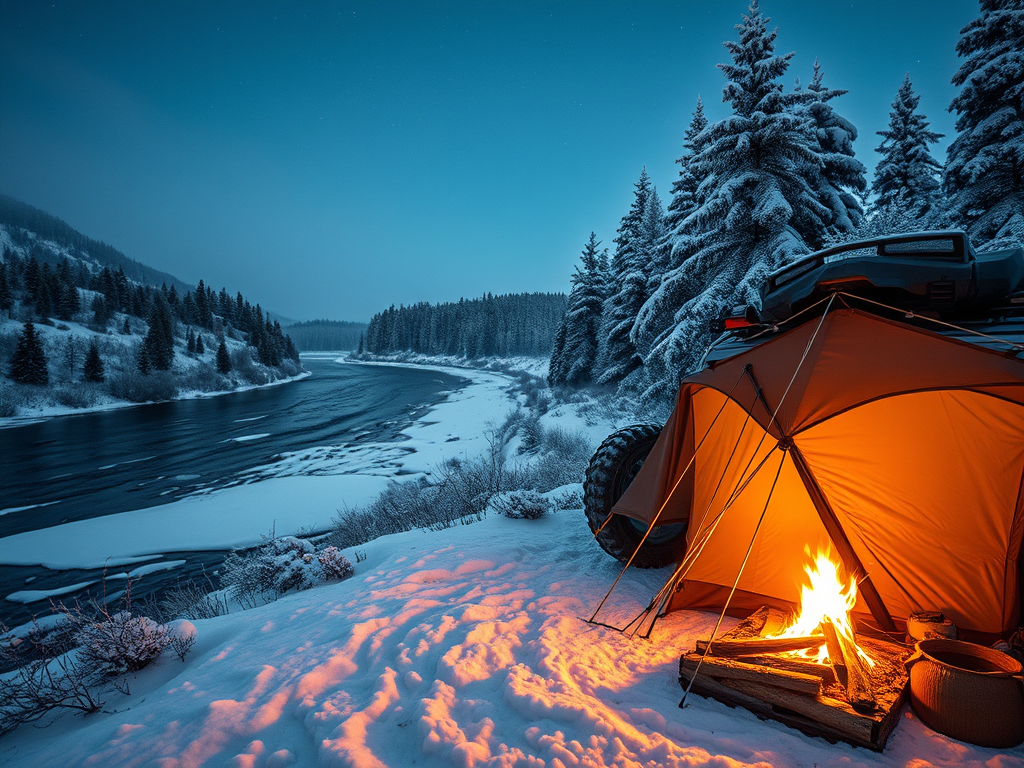
Winter overlanding offers breathtaking landscapes and unique challenges. Preparation and awareness are key to a safe and enjoyable journey.
Do: Prepare Your Vehicle
Inspect and Winterize Your Vehicle
Proper vehicle preparation is the foundation of safe and successful winter overlanding. Cold temperatures, snow, and ice put extra stress on every part of your vehicle, so a thorough inspection and winterization process is essential.
Check Your Battery, Brakes, and Fluids
- Battery: Cold weather significantly reduces battery efficiency. Test your battery’s charge and replace it if it’s more than a few years old or shows signs of weakness. Clean the terminals and ensure all connections are tight.
- Brakes: Icy and snowy conditions demand optimal braking performance. Inspect brake pads, rotors, and fluid levels. Replace worn components and top up brake fluid as needed.
- Fluids: Use winter-grade oil if recommended by your vehicle’s manufacturer, as it flows better in low temperatures. Check and top up all fluids, especially antifreeze/coolant, to prevent freezing and overheating. Don’t forget windshield washer fluid rated for subzero temperatures.
Install Winter Tires or All-Terrain Tires with Good Tread
- Winter Tires: These are specifically designed for cold, icy, and snowy conditions. Their rubber compounds remain flexible in low temperatures, and their tread patterns provide superior grip.
- All-Terrain Tires: If you use all-terrain tires, ensure they have deep, aggressive tread and are in excellent condition. Worn tires lose traction quickly on snow and ice.
- Tire Pressure: Cold air reduces tire pressure, so check and adjust it regularly. Underinflated tires can reduce handling and increase the risk of getting stuck.
Carry Snow Chains and Know How to Use Them
- Snow Chains: Essential for traction on icy or deep snow-covered roads. Practice installing them at home before your trip, so you’re not learning in freezing conditions.
- Legal Requirements: Some regions require snow chains in winter, especially in mountainous areas. Know the laws for your route.
- Storage: Keep chains easily accessible, not buried under other gear.
Ensure Your Heater and Defroster Are Working Properly
- Heater: A functioning heater is critical for comfort and safety. Test it before departure to ensure it heats the cabin efficiently.
- Defroster: Clear visibility is vital. Make sure both front and rear defrosters work well to prevent fogging and ice buildup on windows.
- Ventilation: Check that all vents are unobstructed and the blower fan operates at all speeds.
Taking the time to thoroughly inspect and winterize your vehicle can prevent breakdowns, improve safety, and make your winter overlanding experience much more enjoyable. Don’t cut corners—your preparation could be the difference between a minor inconvenience and a serious emergency.
Pack Emergency Supplies
Winter overlanding means you must be prepared for the unexpected—delays, breakdowns, or sudden weather changes. Packing the right emergency supplies can make the difference between a manageable inconvenience and a life-threatening situation.
Bring Extra Blankets, Sleeping Bags Rated for Low Temperatures, and Warm Clothing
- Extra Blankets: Wool or synthetic blankets provide essential insulation if your vehicle’s heater fails or you’re forced to spend the night outdoors. They can also be used to wrap around water containers to prevent freezing.
- Sleeping Bags: Choose sleeping bags rated for temperatures lower than you expect to encounter. Down or high-quality synthetic bags are best, and a sleeping bag liner can add extra warmth.
- Warm Clothing: Dress in layers—base (moisture-wicking), insulating (fleece or wool), and outer (windproof/waterproof). Avoid cotton, which retains moisture and loses insulating properties when wet. Pack extra socks, gloves, hats, and a balaclava or scarf to protect extremities.
Stock Up on Food and Water for at Least 2–3 Days Beyond Your Planned Trip
- Food: Bring high-calorie, non-perishable foods that require minimal preparation, such as energy bars, nuts, jerky, dried fruit, and instant meals. In cold weather, your body burns more calories to stay warm.
- Water: Store water in insulated containers to prevent freezing. Consider carrying a small stove or means to melt snow if necessary, but remember that melting snow is time-consuming and requires fuel. Hydration is just as important in winter as in summer—dehydration can increase your risk of hypothermia.
Include a First Aid Kit, Flashlight, Batteries, and a Portable Phone Charger
- First Aid Kit: Your kit should include supplies for treating cuts, burns, sprains, and frostbite, as well as any personal medications. Add hand warmers and a thermal blanket for cold emergencies.
- Flashlight and Batteries: Darkness comes early in winter, and visibility can be poor in storms. Headlamps are especially useful for hands-free work. Bring extra batteries and store them in a warm pocket to prolong their life.
- Portable Phone Charger: Cold drains battery life quickly. Carry a fully charged power bank or solar charger to keep your phone operational for navigation and emergency calls. Consider a backup communication device, such as a satellite messenger, if you’ll be out of cell range.
Packing comprehensive emergency supplies is a non-negotiable aspect of winter overlanding. These items ensure you can stay warm, nourished, hydrated, and connected, even if your trip doesn’t go as planned. Preparation is your best defense against the unpredictability of winter travel.
Don’t: Underestimate the Weather
Ignore Weather Forecasts
Winter weather is notoriously unpredictable and can change rapidly, especially in remote or mountainous areas. Underestimating the weather is one of the most common—and dangerous—mistakes overlanders make in winter. Here’s why vigilance is essential:
Always Check the Forecast Before and During Your Trip
- Pre-Trip Planning: Before you set out, consult multiple reliable weather sources (such as national meteorological services, local weather stations, and mountain forecasts). Look for information on temperature, precipitation, wind speed, and potential storms along your planned route.
- During the Trip: Weather can shift quickly. Use a weather app, radio, or satellite device to get updates while you’re on the trail. If you’re out of cell range, consider a satellite communicator that can receive weather reports.
- Microclimates: Be aware that weather can vary dramatically over short distances, especially in mountainous or forested regions. A clear forecast for one area doesn’t guarantee safe conditions everywhere along your route.
Be Prepared to Change Your Route or Turn Back if Conditions Worsen
- Flexibility: Build flexibility into your itinerary. Have alternate routes or safe stopping points planned in advance in case you need to avoid a storm or impassable section.
- Recognize Warning Signs: Pay attention to dropping temperatures, increasing wind, or darkening skies. If you notice these signs, seek shelter or turn back before conditions become hazardous.
- Safety First: Never let a fixed schedule or destination override your judgment. The willingness to turn back or wait out a storm can be the difference between a safe adventure and a dangerous situation.
- Communication: Let someone know if you change your plans due to weather. This ensures that if you’re delayed or need assistance, rescuers have up-to-date information.
Why This Matters
- Visibility: Snow, fog, and blowing wind can quickly reduce visibility, making navigation difficult and increasing the risk of accidents.
- Road and Trail Conditions: Rain, sleet, or snow can turn roads into ice rinks or make trails impassable. Even a small amount of freezing rain can create hazardous black ice.
- Temperature Drops: Sudden cold snaps can put you at risk for hypothermia or frostbite, especially if you’re unprepared or stranded.
Respecting the power and unpredictability of winter weather is crucial for safe overlanding. By checking forecasts regularly and being ready to adapt your plans, you protect yourself, your passengers, and your vehicle from unnecessary risk. In winter, caution and flexibility are your best allies.
Take Risks with River Crossings or Ice
Winter landscapes often tempt overlanders with shortcuts across frozen lakes or rivers, but these routes can be deceptively dangerous. Understanding the risks and best practices is essential for your safety.
Never Drive Over Frozen Lakes or Rivers Unless You Are Absolutely Certain of the Ice Thickness and Safety
- Ice Thickness: Safe ice for vehicles is generally considered to be at least 8–12 inches (20–30 cm) thick for small cars and much more for heavier vehicles. However, thickness can vary dramatically even over short distances due to currents, springs, or submerged objects.
- Assessing Safety: Visual inspection is not enough. Use an auger or ice chisel to check thickness at multiple points. Be aware that snow cover can insulate and weaken ice, and ice near the shore or over moving water is often thinner.
- Local Knowledge: Consult with locals, park rangers, or authorities who know the area and current conditions. Never rely solely on previous years’ experiences—ice conditions change every season.
- Warning Signs: Cracks, slush, or water on the ice surface are red flags. Listen for unusual sounds—creaking or cracking can indicate instability.
- Emergency Preparedness: If you must cross, keep windows open, seatbelts off, and have an escape plan. Carry ice picks and a rope, and never cross alone.
Avoid Water Crossings in Winter, as Water Levels and Currents Can Be Unpredictable
- Unstable Ice: Even if a river or stream appears frozen, moving water underneath can erode ice from below, creating thin spots that are invisible from above.
- Changing Conditions: Sudden thaws, rain, or upstream activity can rapidly alter water levels and current strength, making crossings that were safe earlier in the day hazardous later on.
- Hidden Hazards: Snow can conceal open water, thin ice, or obstacles like rocks and logs. Vehicles can become stuck or swept away if the ice breaks or if they encounter deep, fast-moving water.
- Vehicle Damage: Cold water can damage engines, electronics, and brakes. Recovery in freezing conditions is extremely difficult and dangerous.
Safer Alternatives and Best Practices
- Plan Routes Carefully: Whenever possible, use bridges or established winter roads. Avoid shortcuts across ice unless absolutely necessary and proven safe.
- Scout on Foot: If you must cross, check the area on foot first, using a pole to probe for weak spots. Never send your vehicle across without a thorough check.
- Travel with Others: Always have another vehicle or companions nearby for assistance in case of emergency.
- Know When to Turn Back: No destination is worth risking your life. If you have any doubts about the safety of a crossing, find another route or wait for better conditions.
Crossing frozen lakes, rivers, or streams in winter is one of the most dangerous aspects of overlanding. Ice and water conditions are unpredictable and can change rapidly. Always err on the side of caution—avoid risky crossings, seek local advice, and never let convenience override safety.
Do: Plan Your Route Carefully
Inform Others of Your Plans
Winter overlanding often takes you into remote areas where help may be far away and communication unreliable. Careful planning and communication are essential for your safety and peace of mind.
Share Your Itinerary with a Friend or Family Member
- Detailed Itinerary: Before you leave, provide a trusted friend or family member with a detailed itinerary. Include your planned route, expected stops, overnight locations, and estimated arrival and return times.
- Check-In Schedule: Arrange regular check-ins (by phone, text, or satellite message) at predetermined times. If you miss a check-in, your contact will know to alert authorities.
- Emergency Contacts: Give your emergency contact information about local authorities, park rangers, or rescue services in the area you’ll be traveling.
- Update on Changes: If your plans change due to weather or trail conditions, update your contact as soon as possible. This ensures rescuers have the most accurate information if you need help.
Use GPS Devices and Offline Maps, as Cell Service May Be Unreliable
- GPS Navigation: Bring a dedicated GPS device or a smartphone with a reliable GPS app. These devices can help you stay on course even in whiteout conditions or unfamiliar terrain.
- Offline Maps: Download offline maps for your entire route before you leave. Many navigation apps allow you to store detailed maps on your device, so you’re not dependent on cell service.
- Paper Maps: Always carry paper maps as a backup. Batteries can die quickly in cold weather, and electronics can fail.
- Waypoints and Landmarks: Mark key waypoints, such as fuel stops, shelters, and exit points, on your maps. This helps you navigate and make decisions if you need to reroute.
- Navigation Skills: Brush up on basic navigation skills, such as using a compass and reading topographic maps. In winter, trails and roads can be obscured by snow, making navigation more challenging.
Careful route planning and communication are vital for winter overlanding. By informing others of your plans and equipping yourself with reliable navigation tools, you greatly increase your safety and your ability to handle unexpected situations. In winter’s unpredictable conditions, redundancy and preparation are your best allies.
Know Your Exit Points
Winter overlanding requires a higher level of caution and flexibility than travel in milder seasons. Knowing your exit points and planning for contingencies can be the difference between a safe adventure and a dangerous ordeal.
Identify Safe Places to Shelter or Exit the Trail if Needed
- Pre-Trip Research: Before your journey, study maps and local resources to identify all possible exit routes, shelters, ranger stations, and towns along your planned path. Mark these on your GPS and paper maps.
- Shelter Locations: Note the locations of cabins, huts, emergency shelters, or even public buildings that may be accessible in an emergency. In some regions, forest service cabins or warming huts are available for stranded travelers.
- Trailheads and Road Junctions: Know where trailheads, road junctions, or intersections connect to main roads or highways. These can serve as critical exit points if you need to leave the trail quickly.
- Natural Shelters: In the absence of man-made shelters, identify areas that offer natural protection from wind and snow, such as dense forests, rock outcrops, or valleys. These can provide temporary refuge if you’re caught in a storm.
Plan for Shorter Travel Distances, as Winter Conditions Slow Progress
- Reduced Speed: Snow, ice, and limited daylight mean you’ll travel much slower than in summer. Plan your daily distances conservatively, allowing extra time for unexpected delays.
- Frequent Stops: Build in time for more frequent stops to check on your vehicle, warm up, and reassess conditions. This also gives you more opportunities to turn back or seek shelter if needed.
- Flexible Itinerary: Avoid rigid schedules. Instead, set flexible goals for each day, with multiple options for stopping points and overnight locations.
- Daylight Awareness: Winter days are short. Always plan to reach your destination or a safe stopping point well before dark, as navigation and recovery become much more difficult at night.
- Monitor Conditions: Continuously assess the weather, trail, and your own energy levels. Be ready to cut your day short or change your route if conditions deteriorate.
Knowing your exit points and planning for shorter, more manageable travel segments are essential strategies for winter overlanding. By identifying shelters and escape routes in advance, and by pacing your journey to match the realities of winter travel, you maximize your safety and adaptability—ensuring you’re never caught off guard by the season’s challenges.
Don’t: Neglect Recovery Gear
Leave Without Proper Tools
Winter overlanding means facing unpredictable and often harsh conditions. Getting stuck in snow, mud, or ice is a real possibility, and self-recovery may be your only option—especially in remote areas where help could be hours or days away. Having the right recovery gear is not just a convenience; it’s a necessity for safety and self-sufficiency.
Bring a Shovel, Traction Boards, Tow Straps, and a Winch if Possible
- Shovel: A sturdy, compact shovel is essential for digging out tires buried in snow or clearing a path. Collapsible shovels are space-efficient, but make sure they’re strong enough for heavy use.
- Traction Boards: These provide instant grip under your tires when you’re stuck in snow, ice, or mud. Place them in front of (or behind) your drive wheels to help your vehicle climb out of ruts or slippery spots. In deep snow, they can also be used as makeshift shovels.
- Tow Straps: Heavy-duty tow straps allow another vehicle to pull you out if you’re stuck. Make sure your straps are rated for your vehicle’s weight and check them for wear before each trip. Learn how to attach them safely to recovery points on your vehicle.
- Winch: If your vehicle is equipped with a winch, it can be a lifesaver for solo recovery. Practice using it before your trip, and always carry gloves and a tree-saver strap for safe anchoring. Remember, winching can be dangerous if done improperly—know the basics of winch safety.
Carry a Jump Starter and Tire Repair Kit
- Jump Starter: Cold weather drains batteries quickly, and a dead battery in the wilderness can be a serious problem. A portable jump starter allows you to restart your engine without another vehicle. Choose one with enough capacity for your engine size, and keep it charged.
- Tire Repair Kit: Sharp rocks hidden under snow or ice can puncture tires. A repair kit with plugs, patches, and a portable air compressor lets you fix minor punctures and reinflate your tires on the trail. Know how to use your kit before you need it.
Why This Matters
- Self-Reliance: In winter, waiting for rescue can be dangerous due to exposure and rapidly changing weather. The right tools let you solve problems on your own.
- Speed of Recovery: The faster you can get unstuck, the less risk you face from hypothermia, frostbite, or worsening conditions.
- Protecting Your Vehicle: Using proper recovery gear reduces the risk of damaging your vehicle during extraction.
Never underestimate the importance of recovery gear in winter overlanding. Equip yourself with the right tools, know how to use them, and check their condition before every trip. Being prepared for self-recovery is a key part of safe, responsible, and enjoyable winter adventures.
Travel Alone if Possible
Winter overlanding is inherently riskier than travel in milder seasons, and isolation can turn minor setbacks into life-threatening emergencies. Whenever possible, avoid traveling alone—having at least one other vehicle in your group greatly increases your safety and resilience.
Why Traveling with Others Matters
- Mutual Assistance: If one vehicle gets stuck, breaks down, or is involved in an accident, the other can provide immediate help—whether that’s towing, winching, or simply offering shelter and warmth.
- Shared Resources: Groups can pool resources such as food, water, tools, and recovery gear. If someone forgets or loses an essential item, another member may have a spare.
- Emergency Communication: If a vehicle becomes immobilized or someone is injured, a companion can go for help or relay messages, especially in areas without cell service.
- Problem Solving: Two (or more) heads are better than one. Groups can brainstorm solutions to unexpected challenges, from navigation errors to mechanical failures.
- Morale and Safety: Traveling with others provides emotional support and helps prevent panic or poor decision-making in stressful situations. It also reduces the risk of hypothermia or frostbite if someone becomes incapacitated.
Best Practices for Group Travel
- Pre-Trip Coordination: Agree on routes, check-in intervals, and emergency procedures before departure. Make sure everyone understands the plan and has compatible communication devices (e.g., radios, satellite messengers).
- Vehicle Spacing: Maintain enough distance between vehicles to avoid both getting stuck in the same hazard, but stay close enough for quick assistance.
- Role Assignment: Assign roles such as lead navigator, tail vehicle, or designated first responder to streamline group decision-making.
- Recovery Drills: Practice using recovery gear together before the trip. Knowing how to safely use tow straps, winches, and traction boards as a team can save time and prevent injuries.
If You Must Travel Alone
- Extra Precautions: If solo travel is unavoidable, take additional precautions: carry extra supplies, invest in a satellite communicator, and be even more conservative with your route and risk assessment.
- Check-Ins: Arrange frequent check-ins with someone at home and provide them with your detailed itinerary and expected check-in times.
- Self-Rescue Skills: Be proficient with all your recovery gear and know how to handle common winter emergencies by yourself.
Traveling with at least one other vehicle is one of the most effective ways to mitigate the risks of winter overlanding. Mutual assistance, shared resources, and emotional support can make the difference between a minor inconvenience and a serious emergency. If you must go alone, double down on preparation and caution.
Do: Respect the Environment
Practice Leave No Trace
Winter overlanding takes you into pristine, often fragile environments that are especially vulnerable during the colder months. Practicing Leave No Trace principles is essential to preserve these landscapes for future adventurers and to protect delicate winter ecosystems.
Pack Out All Trash and Minimize Your Impact on Fragile Winter Ecosystems
- Pack Out Everything: Always carry out everything you bring in, including food wrappers, cans, bottles, and even biodegradable waste like fruit peels. In winter, decomposition is extremely slow, so even small bits of trash can linger for months or years.
- Human Waste: Use portable toilets or pack-out systems for human waste, especially in areas where the ground is frozen and digging a cathole isn’t possible. Never leave toilet paper or wipes behind—pack them out in a sealed bag.
- Minimize Campfire Impact: If you must have a fire, use established fire rings or bring a portable fire pit. Avoid building new fire rings or burning wood from the environment, as dead wood is crucial habitat and decomposes slowly in cold climates. Better yet, use a camp stove for cooking and warmth.
- Avoid Spills: Be careful when refueling or handling oils and chemicals. Even small spills can contaminate snow and eventually enter waterways during the spring melt.
Stick to Established Trails to Avoid Damaging Vegetation Under the Snow
- Stay on Trails: Snow can hide fragile plants, mosses, and soil. Driving or walking off established trails can crush vegetation and disrupt animal habitats, even if it looks like a blank, safe surface.
- Avoid Creating New Tracks: Repeated travel over the same area can create ruts that persist into spring, causing erosion and damaging the landscape as the snow melts.
- Respect Seasonal Closures: Some trails and roads are closed in winter to protect wildlife or prevent damage. Always respect these closures and check with local authorities before your trip.
- Wildlife Considerations: Winter is a stressful time for animals. Avoid disturbing wildlife, keep a respectful distance, and never feed animals, as this can disrupt their natural behaviors and survival strategies.
Leave No Trace is more than just a slogan—it’s a responsibility for every winter overlander. By packing out all waste, minimizing your footprint, and sticking to established routes, you help preserve the beauty and health of winter landscapes. Responsible travel ensures that these wild places remain unspoiled for future generations and for the wildlife that depend on them.
Don’t: Forget About Yourself
Ignore Signs of Hypothermia or Frostbite
Winter overlanding isn’t just about your vehicle and gear—it’s also about taking care of your own body. Cold exposure can quickly become dangerous if you ignore early warning signs of hypothermia or frostbite. Self-awareness and proactive habits are essential for your safety.
Dress in Layers and Avoid Cotton, Which Retains Moisture
- Layering System: Use a three-layer system for optimal warmth and moisture management:
- Base Layer: Wicks sweat away from your skin. Choose synthetic or merino wool materials.
- Insulating Layer: Traps body heat. Fleece, down, or synthetic insulated jackets work well.
- Outer Layer: Shields you from wind, snow, and rain. Look for waterproof and windproof shells.
- Avoid Cotton: Cotton absorbs moisture and dries slowly, which can chill your body and increase your risk of hypothermia. Always opt for technical fabrics designed for cold and wet conditions.
- Protect Extremities: Wear insulated gloves, warm socks, a hat, and a scarf or balaclava. Most body heat is lost through the head and extremities.
Take Regular Breaks to Warm Up and Check for Cold-Related Symptoms
- Frequent Warm-Ups: Stop regularly to get out of the wind, move around, and warm up your hands and feet. Use your vehicle’s heater or a portable stove to create a warm environment if needed.
- Monitor Each Other: If you’re traveling with others, check in on each other’s condition. Sometimes, people don’t notice their own symptoms until it’s too late.
- Hydration and Nutrition: Eat high-calorie snacks and drink warm fluids. Dehydration and lack of energy can make you more susceptible to cold injuries.
- Change Wet Clothing: If your clothes become wet from sweat, snow, or water crossings, change into dry layers as soon as possible.
Recognize Early Signs of Hypothermia and Frostbite
- Hypothermia: Early symptoms include shivering, slurred speech, clumsiness, confusion, and fatigue. As it worsens, shivering may stop, and the person may become unresponsive—a medical emergency.
- Frostbite: Watch for numbness, tingling, or a “pins and needles” feeling in fingers, toes, nose, or ears. Skin may turn white, gray, or waxy. Severe frostbite can cause permanent tissue damage.
What to Do If You Notice Symptoms
- Hypothermia: Get to a warm, dry place immediately. Remove wet clothing, wrap up in blankets or a sleeping bag, and use body heat or warm (not hot) drinks to rewarm. Seek medical help if symptoms are severe.
- Frostbite: Move to a warm area and gently rewarm the affected area using body heat or warm water (not hot). Do not rub or massage frostbitten skin. Avoid walking on frostbitten feet if possible.
Your health is your most important asset in winter overlanding. By dressing properly, taking regular breaks, and staying alert to the signs of hypothermia and frostbite, you can prevent minor discomfort from turning into a life-threatening emergency. Listen to your body and act quickly if you notice any symptoms—prevention and early intervention are key.
Push Beyond Your Limits
Winter overlanding can be physically and mentally demanding. The temptation to keep going—whether to reach a destination, stick to a schedule, or simply out of stubbornness—can lead to dangerous situations. Knowing when to stop and listening to your body and instincts are critical for safety and well-being.
Know When to Stop and Set Up Camp
- Recognize Fatigue: Cold weather, challenging terrain, and short daylight hours can quickly sap your energy. Fatigue impairs judgment, slows reaction times, and increases the risk of accidents. If you feel tired, don’t push on—stop and rest.
- Monitor Daylight: Winter days are short, and darkness falls quickly. Always plan to set up camp well before sunset. Navigating or setting up camp in the dark increases the risk of injury, getting lost, or making poor decisions.
- Weather Changes: If you notice worsening weather—falling temperatures, increasing wind, or approaching storms—find a safe place to stop and set up camp. Waiting out bad weather in a secure, sheltered spot is far safer than pressing on into deteriorating conditions.
- Vehicle and Gear Checks: If your vehicle is showing signs of trouble (overheating, battery issues, traction loss), or if your gear is wet or malfunctioning, stop and address the problem before it escalates.
Listen to Your Body and Your Instincts
- Physical Symptoms: Pay attention to warning signs like shivering, numbness, confusion, or extreme fatigue. These can be early indicators of hypothermia or frostbite. Don’t ignore them—take immediate action to warm up and recover.
- Mental State: Stress, anxiety, and frustration can cloud your judgment. If you feel overwhelmed or unsure, pause and reassess your situation. Sometimes, your instincts will sense danger before your conscious mind does.
- Group Dynamics: If you’re traveling with others, check in regularly. Group members may hesitate to speak up about discomfort or concerns. Foster open communication and make decisions collectively, prioritizing safety over pride or schedule.
- Err on the Side of Caution: It’s better to stop early and be safe than to risk an emergency by pushing too far. There’s no shame in turning back, taking a rest day, or altering your plans to match the realities of winter travel.
Winter overlanding rewards those who respect their limits. By knowing when to stop, setting up camp before exhaustion or darkness sets in, and listening to your body and instincts, you greatly reduce the risk of accidents and cold-related injuries. In winter, caution, self-awareness, and adaptability are your best tools for a safe and enjoyable journey.
Conclusion
Winter overlanding is both rewarding and demanding, offering a unique blend of adventure, solitude, and natural beauty that’s hard to find in any other season. The snow-blanketed landscapes, crisp air, and quiet wilderness can create unforgettable memories and a deep sense of accomplishment. However, these rewards come with significant challenges—harsh weather, unpredictable conditions, and increased risks to both safety and the environment.
The Importance of Preparation
Preparation is the cornerstone of a successful winter overlanding trip. This means more than just packing extra gear—it’s about understanding the unique demands of winter travel. From winterizing your vehicle and packing comprehensive emergency supplies to planning your route with exit points and shelters in mind, every detail matters. Thorough preparation reduces the likelihood of emergencies and ensures you have the resources and knowledge to handle unexpected situations.
Practicing Caution
Caution is not about being timid; it’s about making smart, informed decisions. Winter conditions can change rapidly, and the consequences of mistakes are magnified by cold, isolation, and limited daylight. Checking weather forecasts, knowing when to turn back, and never taking unnecessary risks with river crossings or ice are all acts of wisdom, not weakness. Caution also means listening to your body, recognizing signs of fatigue or cold injury, and never pushing beyond your limits.
Respect for Nature
Winter environments are fragile and easily damaged. Practicing Leave No Trace principles—packing out all waste, sticking to established trails, and minimizing your impact—ensures that these wild places remain pristine for future adventurers and for the wildlife that depend on them. Respect also extends to local regulations, seasonal closures, and the needs of other travelers and residents.
The Rewards
When you combine preparation, caution, and respect for nature, winter overlanding becomes not just safer, but more enjoyable. You gain the confidence to explore further, the resilience to handle adversity, and the satisfaction of traveling responsibly. The challenges you overcome make the rewards—stunning vistas, peaceful campsites, and the camaraderie of shared adventure—even sweeter.
Winter overlanding is a test of skill, judgment, and character. By following the dos and don’ts outlined in this guide, you maximize your safety, comfort, and enjoyment on the winter trail. Let preparation, caution, and respect for nature be your constant companions, and you’ll discover that the coldest journeys can lead to the warmest memories.




Leave a Reply