
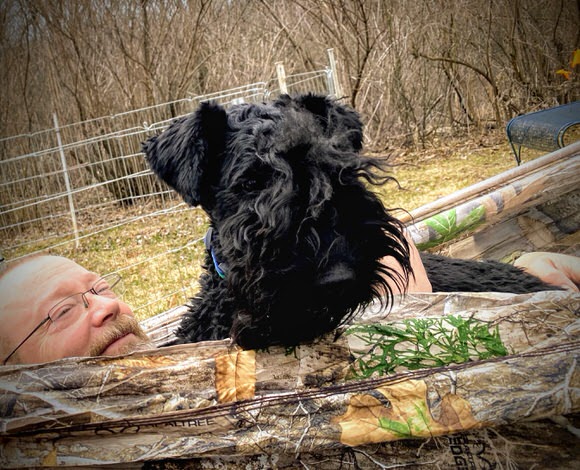
Camping in winter offers a unique and serene experience, but bringing your dog along requires special preparation. Cold temperatures, snow, and shorter days present challenges that can be managed with the right knowledge and gear. This guide covers the essentials for a safe and enjoyable winter camping trip with your canine companion.
Preparing for the Trip
Research and Planning
Proper research and planning are the foundation of a safe and enjoyable winter camping experience with your dog. Taking the time to address key considerations before you leave home will help ensure both you and your pet are prepared for the unique challenges of cold-weather camping.
Check Campsite Regulations and Pet Policies
Not all campsites are pet-friendly, and those that are may have specific rules regarding dogs. Before booking your trip:
- Confirm Pet Policies: Visit the campsite’s website or call ahead to verify that dogs are allowed. Some parks restrict pets during certain seasons or in specific areas.
- Review Leash Laws: Many public lands require dogs to be leashed at all times. Know the leash length requirements and whether off-leash areas are available.
- Understand Waste Disposal Rules: Some campsites require you to pack out all pet waste, while others provide disposal stations. Bring plenty of waste bags and be prepared to follow Leave No Trace principles.
Assess Your Dog’s Suitability for Winter Camping
Every dog is different, and not all are equally suited for winter adventures. Consider the following:
- Breed Characteristics: Breeds with thick, double-layered coats (like Huskies or Malamutes) are naturally more tolerant of cold, while short-haired or small breeds may need extra protection.
- Age and Health: Puppies, senior dogs, and those with health issues (such as arthritis or respiratory problems) may struggle in cold conditions. Consult your veterinarian to determine if winter camping is appropriate for your dog.
- Temperament and Training: Dogs that are anxious, prone to running off, or not well-socialized may find the unfamiliar sights and sounds of winter camping stressful. Basic obedience training and reliable recall are essential for safety.
Plan Activities and Prepare for Weather Changes
Winter conditions can be unpredictable, so flexibility is key:
- Shorter Hikes: Cold weather and deep snow can be exhausting for both you and your dog. Plan shorter, manageable hikes and allow for frequent breaks to warm up and hydrate.
- Backup Plans: Monitor weather forecasts closely and have alternative activities or routes in mind in case of storms, extreme cold, or trail closures.
- Emergency Contacts: Identify the nearest veterinary clinic and keep their contact information handy. Know the location of the closest shelter or ranger station in case you need to leave the campsite quickly.
Packing and Preparation
- Test Gear at Home: Before your trip, let your dog try on any new gear (coats, booties, harnesses) and practice sleeping in their travel bed or sleeping bag.
- Acclimate Your Dog: If your dog isn’t used to cold weather, gradually expose them to lower temperatures during walks to help them adjust.
- Prepare for the Unexpected: Pack extra food, water, and emergency supplies for both you and your dog in case you’re delayed by weather or other unforeseen circumstances.
By thoroughly researching your destination, honestly assessing your dog’s abilities, and planning for a range of scenarios, you’ll set the stage for a safe, comfortable, and memorable winter camping adventure together.
Health and Safety Precautions
Ensuring your dog’s health and safety is paramount before embarking on a winter camping trip. Cold weather, unfamiliar environments, and the physical demands of camping can pose unique risks. Taking proactive steps will help protect your pet and give you peace of mind.
Visit Your Vet for a Winter Health Check-Up
- Comprehensive Examination: Schedule a visit to your veterinarian before your trip. A thorough check-up can identify any underlying health issues that might be exacerbated by cold weather, such as arthritis, heart conditions, or respiratory problems.
- Discuss Cold Tolerance: Ask your vet about your dog’s ability to handle low temperatures, especially if your dog is very young, old, or has a short coat.
- Medication and Supplements: If your dog takes regular medication, ensure you have enough for the duration of your trip, plus extra in case of delays. Discuss with your vet whether supplements (like joint support) might be beneficial for winter activity.
Ensure Your Dog is Up-to-Date on Vaccinations and Flea/Tick Prevention
- Vaccinations: Make sure your dog’s core vaccinations (rabies, distemper, parvovirus, etc.) are current. If you’re camping in areas with wildlife, ask your vet about additional vaccines, such as leptospirosis or Lyme disease.
- Flea and Tick Prevention: Even in winter, some parasites remain active, especially in wooded or sheltered areas. Use a veterinarian-recommended flea and tick preventative, and check your dog regularly for ticks after hikes.
- Preventative Care: Bring a copy of your dog’s vaccination records in case of emergencies or if required by the campsite.
Microchip Your Dog and Use a Collar with ID Tags
- Microchipping: A microchip provides a permanent form of identification if your dog becomes lost. Ensure your contact information is up-to-date in the microchip registry.
- Collar and ID Tags: Always have your dog wear a sturdy collar with clearly legible ID tags that include your name, phone number, and any relevant medical information.
- GPS Tracker: For added security, consider a GPS tracking device attached to your dog’s collar, especially in remote or heavily wooded areas.
- Leash and Harness: Use a reliable leash and harness to prevent your dog from wandering off, particularly in unfamiliar or potentially hazardous winter environments.
Additional Safety Tips
- First-Aid Kit: Pack a canine-specific first-aid kit with items like bandages, antiseptic wipes, tweezers, and any medications your dog may need.
- Emergency Contacts: Know the location and contact information of the nearest veterinary clinic and animal emergency services.
- Travel Insurance: Consider pet travel insurance that covers emergencies, especially if you’re camping far from home.
By addressing these health and safety precautions before your trip, you’ll help ensure your dog is well-protected and ready for the adventure, allowing you both to enjoy the winter wilderness with confidence.
Essential Gear for Winter Camping with Dogs
Shelter and Sleeping Arrangements
Proper shelter and sleeping arrangements are crucial for keeping your dog safe, warm, and comfortable during winter camping. The right setup will protect both you and your pet from harsh weather, cold ground, and potential dangers in the environment.
Four-Season Tent: Your First Line of Defense
- Why Four-Season? Four-season tents are designed to withstand snow, wind, and low temperatures. They offer better insulation and structural integrity compared to three-season tents, making them essential for winter camping.
- Space Considerations: Choose a tent with enough room for both you and your dog to move comfortably. Dogs may need extra space to stretch out, especially if they’re wearing bulky coats or using their own sleeping gear.
- Ventilation: Good airflow is important to prevent condensation inside the tent, which can make the interior damp and colder. Look for tents with adjustable vents and use them as needed.
Insulated Sleeping Pad: Barrier from the Cold Ground
- Why Insulation Matters: The ground can sap body heat quickly, especially in snowy or icy conditions. An insulated sleeping pad provides a barrier between your dog and the cold earth, helping to retain warmth.
- Dog-Specific Pads: Some companies make sleeping pads specifically for dogs, which are durable, water-resistant, and easy to clean. Alternatively, a closed-cell foam pad or an extra-thick human sleeping pad can work well.
- Layering: For added warmth, layer a blanket or towel on top of the pad. This also gives your dog a familiar scent, which can help them settle in an unfamiliar environment.
Dog Sleeping Bag or Blanket: Cozy Comfort
- Dog Sleeping Bags: These are designed to wrap around your dog, providing insulation and comfort. They’re especially useful for short-haired breeds or dogs that are sensitive to cold.
- Blankets: A thick, washable blanket can be a good alternative. Wool or synthetic materials are best, as they retain heat even if damp.
- Acclimation: Before your trip, let your dog get used to their sleeping bag or blanket at home. This helps reduce anxiety and ensures they’ll use it at camp.
Keeping Your Dog Inside the Tent at Night
- Protection from the Elements: Keeping your dog inside the tent shields them from wind, snow, and freezing temperatures. Even hardy breeds can suffer from exposure if left outside overnight.
- Wildlife Safety: The tent acts as a barrier against curious or dangerous wildlife, such as coyotes or raccoons, which may be attracted by food smells or the presence of your dog.
- Bonding and Reassurance: Sharing a tent with your dog provides comfort and security for both of you. Your presence helps your dog feel safe, and their body heat can add extra warmth to the tent.
Additional Tips
- Drying Off: Always dry your dog thoroughly before bedtime to prevent them from getting chilled inside the tent.
- Nighttime Routine: Establish a consistent bedtime routine to help your dog settle down. Bring a favorite toy or treat to make the tent feel like home.
- Check for Hazards: Before letting your dog into the tent, check their paws for ice, snow, or debris that could damage the tent floor or cause discomfort.
By investing in the right shelter and sleeping gear, and by keeping your dog close at night, you’ll ensure they stay warm, safe, and happy throughout your winter camping adventure.
Clothing and Protection
Proper clothing and protective gear are essential for keeping your dog comfortable and safe during winter camping. Cold temperatures, snow, and ice can quickly become hazardous, especially for dogs not naturally adapted to harsh winter conditions. Here’s how to ensure your dog is well-protected:
Dog Coats and Sweaters
- Why They Matter: Not all dogs have the thick, insulating fur needed to stay warm in freezing temperatures. Short-haired, small, or elderly dogs are particularly vulnerable to the cold.
- Choosing the Right Coat: Select a coat or sweater that fits snugly but allows for full movement. Look for materials that are water-resistant and windproof on the outside, with a warm, insulating layer inside.
- Features to Consider:
- Adjustable straps or Velcro for a secure fit
- Coverage of the chest and belly, as these areas lose heat quickly
- Reflective strips for visibility in low light
- Acclimation: Let your dog wear the coat at home before your trip to ensure comfort and reduce anxiety.
Booties for Paw Protection
- Why Booties Are Important: Snow, ice, and road salt can cause painful cracks, cuts, or chemical burns on your dog’s paws. Booties provide a barrier against these hazards and help retain warmth.
- Selecting Booties: Choose booties that are waterproof, have non-slip soles, and fit securely without being too tight. Some dogs may need time to get used to wearing them, so practice before your trip.
- When to Use: Always put booties on before walks in icy or salted areas, and check them regularly for fit and wear.
- Paw Checks: After each outing, inspect your dog’s paws for signs of irritation, ice buildup, or trapped debris.
Towel for Drying Off
- Why Drying Matters: Wet fur loses its insulating properties and can lead to hypothermia. Snow and ice clinging to your dog’s coat or paws can also cause discomfort and cold stress.
- How to Use: Keep a dedicated towel in your tent or car to thoroughly dry your dog after walks, play sessions, or before bedtime.
- Extra Tips:
- Focus on drying the paws, belly, and between the toes, where snow and ice tend to accumulate.
- Consider bringing a microfiber towel, which dries quickly and packs small.
Additional Protection Tips
- Check for Frostbite: Monitor your dog’s ears, tail, and paws for signs of frostbite (pale, hard, or cold skin).
- Layering: In extremely cold conditions, layering a thin sweater under a heavier coat can provide extra warmth.
- Visibility: Use reflective gear or LED lights on your dog’s collar or coat for added safety during early morning or evening walks.
By investing in proper clothing and protection, you’ll help your dog stay warm, comfortable, and safe, allowing both of you to fully enjoy the winter camping experience.
Food and Hydration
Proper nutrition and hydration are vital for your dog’s health and energy during winter camping. Cold weather increases your dog’s caloric needs and presents unique challenges for keeping food and water accessible and safe.
Bring Extra Food
- Increased Caloric Needs: Dogs expend more energy in cold weather to maintain their body temperature and to move through snow or rough terrain. Plan to bring at least 25–50% more food than usual, depending on your dog’s size, activity level, and the severity of the cold.
- High-Energy Foods: Choose calorie-dense foods or add healthy fats (like salmon oil or coconut oil) to your dog’s meals for extra energy. Some owners bring high-protein treats or freeze-dried meat snacks for quick energy boosts on the trail.
- Meal Frequency: Offer smaller, more frequent meals to help your dog maintain steady energy and warmth throughout the day.
- Storage: Store food in airtight, waterproof containers to prevent it from freezing or attracting wildlife. Keep food inside your tent or a bear-proof canister overnight.
Carry Insulated Water Bowls
- Prevent Freezing: Water can freeze quickly in winter conditions. Use insulated or heated water bowls to keep water liquid and accessible. Some bowls are designed with double walls or thermal sleeves for added insulation.
- Frequent Refills: Check your dog’s water bowl often and refill with warm water when possible. Carry a thermos of warm water for convenience.
- Portable Bowls: Collapsible silicone or fabric bowls are lightweight and easy to pack, but be sure to empty and dry them after each use to prevent freezing.
Never Let Your Dog Eat Snow as a Water Source
- Risks of Eating Snow: While it may seem natural, eating snow can lower your dog’s core body temperature and increase the risk of hypothermia. Snow may also contain harmful substances like antifreeze, road salt, or bacteria.
- Encourage Drinking: Offer fresh water regularly, especially after exercise. Some dogs may be reluctant to drink cold water, so warming it slightly can help.
- Monitor Hydration: Signs of dehydration in dogs include dry gums, lethargy, and reduced skin elasticity. Encourage your dog to drink even if they don’t seem thirsty, as cold weather can suppress the sensation of thirst.
Additional Tips
- Avoid Metal Bowls: Metal bowls can cause your dog’s tongue to stick in freezing temperatures. Stick to plastic, silicone, or insulated options.
- Hydration on the Go: Bring a portable water bottle with an attached bowl for hikes and outings away from camp.
- Cleanliness: Keep bowls clean and free of ice, dirt, or debris to encourage your dog to drink and eat.
By planning ahead for your dog’s increased food and water needs, and by taking steps to prevent freezing and dehydration, you’ll help ensure your pet stays healthy, energetic, and happy throughout your winter camping adventure.
On the Trail and at Camp
Keeping Your Dog Warm
Keeping your dog warm is one of the most important aspects of winter camping. Dogs, like humans, are susceptible to cold stress, frostbite, and hypothermia, especially when exposed to harsh winter conditions for extended periods. Here’s how to ensure your dog stays comfortable and safe:
Limit Time Outside During Extreme Cold
- Monitor Weather Conditions: Pay close attention to the temperature, wind chill, and weather forecasts. If conditions are dangerously cold, limit your dog’s time outdoors to short bathroom breaks and brief walks.
- Activity Scheduling: Plan the bulk of your outdoor activities during the warmest part of the day, typically late morning to early afternoon. Avoid early mornings and late evenings when temperatures are lowest.
- Rest Breaks: Take frequent breaks in sheltered areas to allow your dog to warm up. If you notice your dog shivering or lifting their paws off the ground, it’s time to head back to camp.
Watch for Signs of Hypothermia
- Recognize Early Symptoms: Hypothermia can set in quickly in cold, wet, or windy conditions. Early signs include shivering, whining, anxiety, and seeking warmth. As hypothermia progresses, your dog may become lethargic, weak, or unresponsive.
- Check Extremities: Regularly check your dog’s ears, tail, and paws for coldness or discoloration, which can indicate frostbite.
- Immediate Action: If you suspect hypothermia, bring your dog into a warm, dry environment immediately. Wrap them in blankets or your own jacket, and offer warm (not hot) water to drink. If symptoms persist, seek veterinary care as soon as possible.
Create a Cozy Spot in the Tent
- Insulated Sleeping Area: Set up a dedicated sleeping area for your dog inside the tent, using an insulated sleeping pad, a dog sleeping bag, or thick blankets. This keeps your dog off the cold ground and helps retain body heat.
- Familiar Items: Bring your dog’s favorite bed, blanket, or toy from home. Familiar scents and textures can help your dog relax and feel secure in an unfamiliar environment.
- Layering: Add extra layers, such as a fleece blanket or a sweater, for additional warmth on especially cold nights.
- Drying Off: Always dry your dog thoroughly after outdoor activities, especially if their fur is wet from snow or rain. Wet fur loses its insulating properties and increases the risk of hypothermia.
Additional Tips for Warmth
- Snuggle Together: Sharing body heat is an effective way to stay warm. Allow your dog to sleep close to you in the tent, or even share your sleeping bag if space allows.
- Nighttime Checks: Check on your dog periodically during the night to ensure they are warm and comfortable. Adjust blankets or their position as needed.
- Avoid Overheating: While keeping your dog warm is crucial, be mindful not to over-bundle them, especially if they are a thick-coated breed. Overheating can also cause discomfort and health issues.
By proactively managing your dog’s exposure to the cold, recognizing signs of distress, and creating a warm, inviting space at camp, you’ll help your canine companion enjoy winter camping safely and comfortably.
Safety and Supervision
Winter camping introduces a range of environmental hazards and unpredictable conditions, making vigilant supervision and safety practices essential for your dog’s well-being. Here’s how to keep your canine companion safe and secure throughout your adventure:
Keep Your Dog Leashed or Within Sight at All Times
- Prevent Wandering: Snow can mask familiar scents and landmarks, making it easy for dogs to become disoriented and lost. Always keep your dog on a leash or within close visual range, especially in unfamiliar or densely wooded areas.
- Wildlife Encounters: Winter is a time when wildlife may be more active or searching for food. A leashed dog is less likely to chase or be chased by wild animals such as deer, coyotes, or even porcupines.
- Recall Training: If you allow your dog off-leash in designated areas, ensure their recall is reliable. Practice commands in advance and use a long lead for extra security if needed.
- Nighttime Safety: Use reflective collars, harnesses, or attachable LED lights to your dog’s gear for visibility during low-light conditions or nighttime walks.
Be Cautious of Frozen Lakes, Rivers, and Hidden Hazards Under the Snow
- Unstable Ice: Frozen bodies of water may look solid but can be dangerously thin in places. Never allow your dog to walk or play on ice-covered lakes or rivers, as they could fall through and become trapped.
- Hidden Obstacles: Snow can conceal hazards such as sharp rocks, holes, fallen branches, or even animal burrows. Stick to marked trails when possible and watch your dog’s footing.
- Deep Snow: Deep drifts can exhaust your dog quickly or cause them to become stuck. Monitor their energy and avoid areas where snow is too deep for safe movement.
- Road Salt and Chemicals: In areas near roads or parking lots, be aware of salt and de-icing chemicals that can irritate your dog’s paws or be toxic if ingested. Use booties for protection and wipe paws after walks.
Clean Up After Your Dog to Protect the Environment and Wildlife
- Leave No Trace: Always pick up your dog’s waste, even in winter. Dog feces can contaminate water sources and disrupt local ecosystems.
- Proper Disposal: Bring plenty of waste bags and pack out all waste if no disposal stations are available. Never leave bags on the trail or buried in the snow.
- Respect Wildlife: Keeping your dog under control minimizes stress on local wildlife and prevents the spread of disease.
- Minimize Disturbance: Avoid letting your dog bark excessively or chase animals, as this can disturb both wildlife and other campers.
By maintaining close supervision, being aware of environmental hazards, and practicing responsible pet stewardship, you’ll ensure a safer, more enjoyable winter camping experience for both your dog and the natural world around you.
Nighttime Considerations
Nighttime in winter camping brings unique challenges for both you and your dog. As temperatures drop and visibility decreases, it’s essential to take extra precautions to ensure your pet’s safety, comfort, and well-being.
Use a Reflective Collar or LED Light for Visibility
- Enhanced Safety: Darkness falls early in winter, and even a quick trip outside the tent can become risky if your dog isn’t easily visible. A reflective collar or harness, or an attachable LED light, makes it much easier to spot your dog in low-light conditions.
- Preventing Loss: If your dog slips away from the campsite at night, reflective or illuminated gear increases the chances of quickly locating them, reducing the risk of them becoming lost in the dark or snow.
- Choosing the Right Gear: Look for waterproof, durable LED lights designed for pet collars, or reflective materials that are visible from multiple angles. Test the gear before your trip to ensure it’s comfortable and secure.
Check Your Dog’s Paws for Ice Buildup or Injuries Before Bed
- Ice and Snow Accumulation: Snow and ice can accumulate between your dog’s toes, causing discomfort, cuts, or even frostbite. Before settling in for the night, carefully inspect and clean your dog’s paws.
- Injury Prevention: Look for signs of cracks, redness, or abrasions, especially if your dog has been walking on ice, rough terrain, or salted paths. Apply a paw balm or moisturizer if needed to protect against dryness and cracking.
- Routine Care: Make paw checks part of your nightly routine. Gently dry your dog’s feet and remove any debris, ice, or snow to keep them healthy and comfortable.
Snuggle Together for Warmth and Comfort
- Shared Body Heat: Sharing warmth is one of the most effective ways to keep both you and your dog comfortable through cold nights. Allow your dog to sleep close to you, either in your sleeping bag (if space allows) or right next to you with their own bedding.
- Emotional Reassurance: The unfamiliar sights and sounds of a winter campsite can be unsettling for dogs. Snuggling together provides reassurance and helps your dog feel secure, reducing anxiety and restlessness.
- Creating a Cozy Sleeping Area: Use insulated pads, thick blankets, or a dog sleeping bag to create a warm, inviting spot for your dog inside the tent. Bring a favorite toy or blanket from home to add a sense of familiarity.
Additional Nighttime Tips
- Monitor Tent Temperature: Be aware of condensation and ventilation in your tent. Too much moisture can make the interior damp and chilly, so use vents as needed.
- Nighttime Bathroom Breaks: If your dog needs to go out during the night, keep them leashed and use your reflective or LED gear. Limit time outside to prevent chilling.
- Quiet Environment: Keep the tent environment calm and quiet to help your dog settle and sleep soundly.
By taking these nighttime precautions, you’ll help your dog stay safe, warm, and comfortable, ensuring restful nights and a positive winter camping experience for both of you.
Emergency Preparedness
Being prepared for emergencies is crucial when winter camping with your dog. Cold weather, remote locations, and unpredictable conditions can quickly turn minor issues into serious problems. Taking proactive steps ensures you can respond effectively to any situation and keep your pet safe.
Pack a Canine First-Aid Kit
A well-stocked first-aid kit tailored for dogs is essential. Include:
- Bandages and Gauze: For wrapping wounds or injuries.
- Antiseptic Wipes or Solution: To clean cuts, scrapes, or bites and prevent infection.
- Tweezers: Useful for removing splinters, thorns, or ticks.
- Scissors: For cutting bandages or fur around wounds.
- Paw Balm or Wax: To soothe and protect cracked or irritated paw pads.
- Styptic Powder: To stop minor bleeding from nails or small cuts.
- Thermometer: To check for hypothermia or fever.
- Medications: Any prescriptions your dog needs, plus extras in case of delays.
- Emergency Blanket: Lightweight and heat-reflective, useful for both you and your dog.
- Muzzle: Even the gentlest dog may bite when in pain.
- Contact Information: List of emergency contacts, including your vet and poison control.
Regularly check your kit before each trip to ensure nothing is expired or missing.
Know the Location of the Nearest Veterinary Clinic
- Research Before You Go: Identify the closest veterinary clinics or animal hospitals to your campsite. Note their addresses, phone numbers, and hours of operation.
- Save Contacts: Program these numbers into your phone and keep a written copy in your first-aid kit.
- Route Planning: Familiarize yourself with the quickest route to the clinic from your campsite, considering possible winter road closures or delays.
- Local Emergency Services: Know how to contact local animal control or park rangers in case of wildlife encounters or lost pets.
Have a Plan for Quick Evacuation
Winter weather can change rapidly, and emergencies may require you to leave the campsite quickly.
- Monitor Weather Forecasts: Stay updated on weather conditions using a weather radio or app. Be alert for incoming storms, extreme cold, or blizzard warnings.
- Keep Essentials Ready: Store your dog’s gear (leash, harness, coat, booties, food, water, and first-aid kit) in an easily accessible spot for fast packing.
- Vehicle Preparedness: Ensure your car is winter-ready—full tank of gas, snow chains, shovel, and blankets. Keep your dog’s travel crate or seatbelt harness handy.
- Evacuation Routes: Know alternative routes out of the area in case your primary path is blocked by snow or fallen trees.
- Buddy System: If camping with others, establish a meeting point and communication plan in case you get separated.
Additional Emergency Tips
- Pet Identification: Make sure your dog’s microchip and ID tags are up-to-date with your current contact information.
- Travel Insurance: Consider pet travel insurance that covers emergencies, especially if you’re far from home.
- Practice Emergency Drills: Rehearse how you would quickly pack up and leave with your dog, so you’re not caught off guard.
By preparing for emergencies before your trip, you’ll be ready to handle unexpected situations calmly and efficiently, ensuring the safety and well-being of both you and your dog during your winter camping adventure.
Conclusion
Winter camping with your dog is more than just an outdoor excursion—it’s an opportunity to deepen your bond, experience nature’s quiet beauty, and create lasting memories together. However, the rewards of this adventure are only possible when you prioritize your pet’s comfort, safety, and well-being at every stage.
The Importance of Preparation
Preparation is the cornerstone of a successful winter camping trip with your dog. From researching pet-friendly campsites and understanding your dog’s unique needs, to packing the right gear and planning for emergencies, every detail matters. Taking the time to acclimate your dog to cold weather, test new equipment, and consult your veterinarian ensures that both you and your canine companion are ready for the challenges of winter.
Comfort and Safety Above All
Your dog relies on you to keep them warm, nourished, and protected from the elements. Investing in quality shelter, clothing, and sleeping arrangements shields your pet from harsh weather and potential dangers. Vigilant supervision—especially around frozen lakes, wildlife, and hidden hazards—prevents accidents and keeps your dog safe. Regular checks for signs of cold stress, injuries, or dehydration allow you to address issues before they become serious.
The Joy of Shared Adventure
When you prioritize your dog’s needs, you create an environment where both of you can relax and enjoy the magic of winter. Whether it’s snuggling together in a cozy tent, exploring snow-covered trails, or simply watching the stars in the crisp night air, these moments foster trust and companionship. Your dog’s enthusiasm and curiosity can make even the coldest days feel warm and joyful.
Lasting Memories and Responsible Stewardship
Winter camping with your dog is also an opportunity to practice responsible outdoor ethics. Cleaning up after your pet, respecting wildlife, and following Leave No Trace principles help preserve the wilderness for others and protect the delicate winter ecosystem.
Final Thoughts
With thoughtful planning, patience, and a focus on your dog’s well-being, winter camping can be a safe, comfortable, and deeply rewarding experience. Embrace the adventure, cherish the quiet moments, and let your dog’s companionship enrich every snowy night under the stars. The memories you create together will last long after the snow has melted.




Leave a Reply