
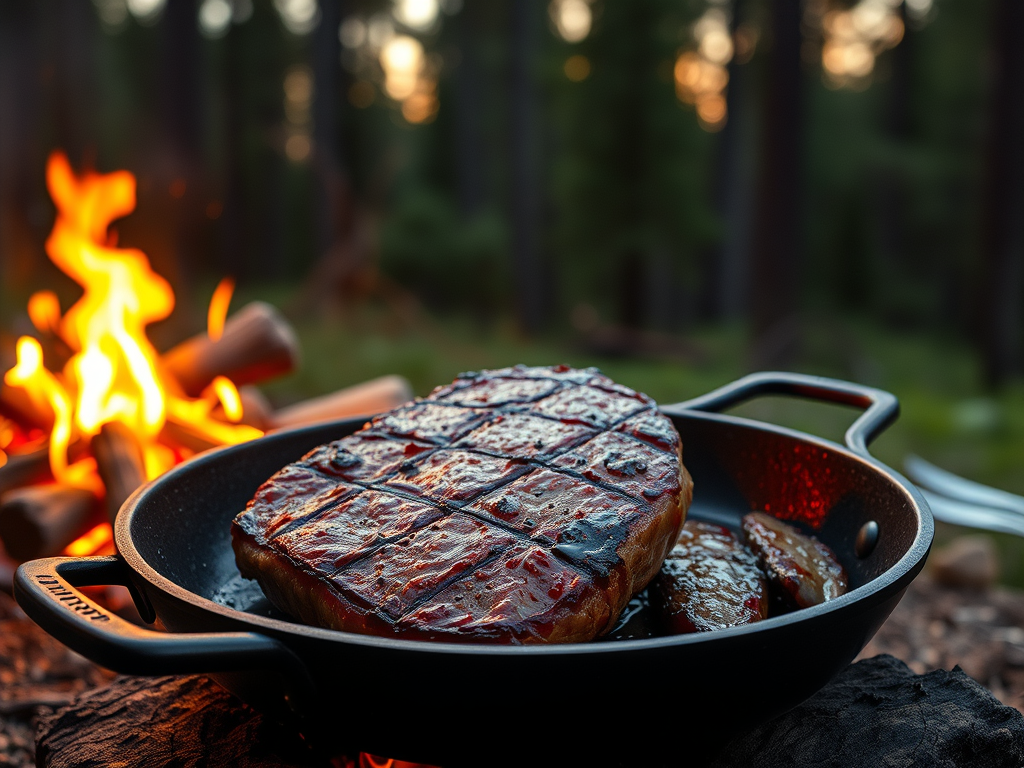
Camping is an adventure that brings us closer to nature, but it also challenges us to be resourceful—especially when it comes to cooking. Among the myriad of cookware options, three stand out for their versatility and reliability: the Dutch oven, the carbon steel skillet, and the cast iron skillet. This essay explores why these three instruments are indispensable for any camping trip.
The Dutch Oven: The Ultimate All-in-One Pot
Multi-Functional Cooking
The Dutch oven’s reputation as the “ultimate all-in-one pot” is well-earned, especially in the context of camping, where versatility and reliability are paramount. Let’s explore in detail how this single piece of cookware can replace an entire kitchen’s worth of pots and pans, and why it’s so beloved by outdoor cooks.
Baking in the Wild
One of the most remarkable features of the Dutch oven is its ability to function as an oven, even in the wilderness. By placing hot coals both underneath and on top of the lid, the Dutch oven creates an even, enclosed heat environment. This allows campers to bake fresh bread, biscuits, cobblers, and even cakes—luxuries that are otherwise difficult to achieve outdoors. The thick cast iron walls radiate heat slowly and evenly, ensuring that baked goods cook through without burning.
Simmering and Stewing
The Dutch oven excels at slow-cooked meals. Its heavy construction and tight-fitting lid trap moisture and flavors, making it ideal for simmering stews, soups, and chili. Ingredients can be added in the morning and left to cook gently over a low fire throughout the day, resulting in rich, hearty meals with minimal effort. The ability to maintain a consistent temperature is crucial for these dishes, and the Dutch oven’s design makes this possible even with the variable heat of a campfire.
Roasting Meats and Vegetables
Roasting is another area where the Dutch oven shines. By arranging coals around the pot and on the lid, you can create a roasting environment similar to a conventional oven. Whole chickens, pork shoulders, or root vegetables can be roasted to perfection, with the cast iron ensuring even browning and the lid keeping everything moist and tender. The Dutch oven’s capacity allows for roasting larger cuts of meat or enough food to feed a group, making it ideal for communal camp meals.
Frying and Sautéing
The Dutch oven’s deep sides and excellent heat retention also make it suitable for frying and sautéing. Whether you’re frying up bacon and eggs for breakfast, making fritters, or sautéing onions and peppers for a stew, the Dutch oven can handle it. Its depth helps contain splatters, and the heavy bottom prevents hot spots, reducing the risk of burning food.
Braising and Poaching
Braising—cooking food slowly in a small amount of liquid—is another technique that the Dutch oven handles beautifully. The pot’s ability to maintain a low, steady temperature and its tight lid make it perfect for braising tougher cuts of meat until they’re fork-tender. Similarly, poaching delicate foods like fish or eggs is easy, as the Dutch oven’s heat control ensures gentle, even cooking.
One-Pot Meals and Convenience
Perhaps the greatest advantage of the Dutch oven is its ability to create complete one-pot meals. From jambalaya to risotto, curries to casseroles, you can layer flavors and ingredients, cook everything together, and serve directly from the pot. This not only simplifies cooking and cleanup but also maximizes the use of limited campfire space and fuel.
Adaptability to Different Heat Sources
The Dutch oven is uniquely adaptable to various heat sources. It can be used over an open flame, nestled in hot coals, suspended from a tripod, or even placed on a camp stove. This flexibility means you can cook effectively in almost any outdoor situation, regardless of the available equipment.
The Dutch oven’s multi-functional capabilities make it an indispensable tool for campers. Its ability to bake, simmer, roast, fry, braise, and poach—combined with its durability and adaptability—means that with a Dutch oven, you’re never limited in what you can cook, no matter how far you are from a modern kitchen.
Durability and Longevity
The Dutch oven’s reputation for durability and longevity is legendary, and this is a key reason why it’s so highly valued by campers and outdoor cooks. Let’s explore what makes the Dutch oven so tough, how it stands up to the challenges of outdoor use, and why it’s often considered a family heirloom.
Heavy-Duty Cast Iron Construction
At the heart of the Dutch oven’s durability is its material: cast iron. Cast iron is renowned for its strength and resilience. Unlike thinner metals, cast iron doesn’t warp or dent easily, even when exposed to the intense and uneven heat of a campfire. This makes the Dutch oven uniquely suited to the unpredictable conditions of outdoor cooking, where cookware is often subjected to rough handling and extreme temperatures.
Withstanding Direct Heat
Dutch ovens are designed to be placed directly on hot coals, nestled in embers, or even suspended over open flames. The thick walls and heavy lid can absorb and distribute heat evenly, protecting the food inside from burning while also withstanding the harshest heat without damage. Unlike many modern pots and pans, there are no plastic handles or delicate coatings to melt or degrade.
Resistance to the Elements
Outdoor cooking exposes cookware to moisture, dirt, ash, and sudden temperature changes. Cast iron Dutch ovens, when properly seasoned, develop a natural protective layer that resists rust and corrosion. This seasoning not only enhances the pot’s non-stick properties but also acts as a barrier against the elements. Even if a Dutch oven develops a bit of rust from neglect, it can usually be restored with some scrubbing and re-seasoning, making it nearly indestructible.
Simple, Repairable Design
Dutch ovens are typically made from a single piece of cast iron, sometimes with a separate lid. There are no moving parts, hinges, or complex mechanisms that can break or wear out. If a Dutch oven is dropped or chipped, it rarely affects its functionality. In the rare event of a crack, the pot can sometimes be repaired or repurposed, but such damage is uncommon due to the thickness of the material.
Generational Longevity
With basic care—regular cleaning, drying, and seasoning—a Dutch oven can last for decades or even centuries. Many families pass down their Dutch ovens from one generation to the next, and it’s not uncommon to find antique Dutch ovens still in use today. This longevity not only makes them a wise investment but also imbues them with sentimental value, as they become part of family traditions and memories.
Low Maintenance, High Reward
While cast iron does require some maintenance (mainly seasoning and avoiding prolonged exposure to moisture), the effort is minimal compared to the rewards. The more a Dutch oven is used and seasoned, the better it performs. Unlike non-stick pans that degrade over time, a well-cared-for Dutch oven actually improves with age.
The Dutch oven’s durability and longevity are unmatched in the world of outdoor cookware. Its heavy-duty cast iron construction, resistance to direct heat and the elements, simple design, and potential for generational use make it a cornerstone of camp cooking. With just a little care, a Dutch oven will not only survive the rigors of the wild but will also become a cherished companion on countless adventures.
Large Capacity
One of the defining features that sets the Dutch oven apart from other camp cookware is its generous capacity. This attribute is especially valuable in a camping context, where feeding multiple people efficiently and with minimal equipment is a top priority. Let’s explore how the Dutch oven’s size and shape contribute to its versatility and why it’s so well-suited for group and family camping.
Range of Sizes for Every Need
Dutch ovens are available in a wide range of sizes, typically measured in quarts or liters. Common sizes include:
- Small (2–4 quarts): Suitable for solo campers or couples, perfect for side dishes, sauces, or small meals.
- Medium (5–7 quarts): The most popular size for camping, capable of preparing main courses for 4–8 people.
- Large (8 quarts and above): Ideal for large groups, communal meals, or when cooking multiple components at once.
This variety allows campers to choose the size that best fits their group, ensuring that everyone is well-fed without the need for multiple pots and pans.
Cooking for a Crowd
A medium or large Dutch oven can easily accommodate hearty stews, soups, chilis, or casseroles that feed an entire group. Its deep, wide shape is perfect for layering ingredients, making one-pot meals, or preparing large cuts of meat and whole poultry. This is especially useful for family or group camping trips, where efficiency and simplicity are key.
Efficient Meal Preparation
The Dutch oven’s capacity means you can cook everything in one go, rather than in batches. This saves time and fuel—both precious commodities when camping. For example, you can prepare a big pot of chili, a large roast with vegetables, or a generous helping of pasta, all in a single vessel. This not only streamlines the cooking process but also reduces the number of dishes to clean afterward.
Versatility in Meal Types
The large capacity isn’t just for stews and soups. Dutch ovens can be used to bake multiple loaves of bread, make enough rice or grains for a group, or even prepare desserts like cobblers and crisps in quantities that satisfy everyone. The ability to cook large meals opens up a world of culinary possibilities, even in the wilderness.
Serving and Sharing
The Dutch oven’s size and sturdy construction make it ideal for serving directly at the campsite. The pot can be placed in the center of the table or picnic blanket, and everyone can help themselves. This communal style of eating fosters a sense of togetherness and makes mealtime a shared experience—one of the joys of camping.
Space Efficiency
While the Dutch oven is large, its design is space-efficient. The deep, straight sides maximize usable volume, and the lid can often double as a skillet or serving tray. Some models are designed to nest with other cookware, making them easier to pack and transport.
The large capacity of the Dutch oven is a major reason for its popularity among campers. Whether you’re cooking for a family or a group of friends, its ability to prepare generous, hearty meals in a single pot makes it an indispensable tool for outdoor adventures. The Dutch oven’s size not only enhances its versatility but also helps create memorable, communal dining experiences in the great outdoors.
The Carbon Steel Skillet: Lightweight and Responsive
Quick Heating and Cooling
One of the standout qualities of the carbon steel skillet is its remarkable thermal responsiveness. This characteristic sets it apart from other types of camp cookware and makes it a favorite among both professional chefs and outdoor enthusiasts. Let’s delve deeper into what quick heating and cooling mean in practice, and why these properties are so valuable when cooking outdoors.
Thin Construction, Fast Results
Carbon steel skillets are made from sheets of steel that are thinner than cast iron. This thinness allows the skillet to absorb heat rapidly when placed over a flame or on a camp stove. Unlike thicker cookware, which can take several minutes to reach cooking temperature, a carbon steel skillet is ready to use in a matter of moments. This is especially advantageous when you want to get breakfast started quickly or need to prepare multiple dishes in succession.
Responsive Temperature Control
The same thinness that allows for quick heating also enables the skillet to cool down rapidly when removed from the heat source. This responsiveness gives the cook a high degree of control over the cooking process. For example, if you notice food is browning too quickly, simply moving the skillet off the flame will immediately reduce the temperature, helping to prevent burning or overcooking.
Precision for Sautéing and Searing
Certain cooking techniques, such as sautéing and searing, require precise temperature management. Sautéing vegetables or proteins demands high heat at the start to achieve caramelization, followed by a quick reduction in temperature to avoid overcooking. Similarly, searing a steak or fish fillet benefits from a hot pan to create a flavorful crust, then a lower temperature to finish cooking gently. The carbon steel skillet’s quick response to heat adjustments makes it ideal for these tasks, even over the variable heat of a campfire or portable stove.
Efficient Fuel Use
Because carbon steel skillets heat up so quickly, they require less fuel to reach cooking temperature. This efficiency is a significant advantage when camping, where fuel (whether wood, charcoal, or gas) is often limited. You can start cooking sooner and use less energy overall, making your camp kitchen more sustainable and convenient.
Adaptability to Different Heat Sources
Carbon steel skillets perform well over a variety of heat sources, including open flames, camp stoves, and even portable induction burners. Their ability to quickly adapt to changes in heat makes them versatile tools for any outdoor cooking setup, from a roaring campfire to a gentle simmer on a gas stove.
Practical Examples
- Sautéing onions and peppers: The skillet heats up in seconds, allowing you to quickly soften and caramelize vegetables for omelets, tacos, or stews.
- Frying eggs or pancakes: The rapid heat-up means you can cook breakfast efficiently, and the quick cool-down prevents sticking or burning between batches.
- Searing meats: Achieve a perfect crust on steaks, burgers, or fish fillets, then finish cooking at a lower temperature—all with a simple adjustment of the skillet’s position.
The quick heating and cooling properties of the carbon steel skillet make it an exceptionally responsive and precise tool for camp cooking. Its ability to adapt instantly to changes in temperature allows for greater control over a wide range of dishes, from delicate sautés to high-heat searing. For campers who value efficiency, versatility, and culinary finesse, the carbon steel skillet is an indispensable addition to the outdoor kitchen.
Lightweight and Portable
One of the most compelling advantages of the carbon steel skillet for campers is its lightweight and portable nature. This feature addresses a common challenge in outdoor cooking: balancing the need for durable, high-performance cookware with the practicalities of carrying gear into the wild. Let’s explore why carbon steel skillets excel in this regard and how their portability enhances the camping experience.
Significantly Lighter Than Cast Iron
Cast iron is famous for its heft, which, while beneficial for heat retention, can be a burden when packing for a camping trip—especially if you’re hiking to your campsite or have limited space in your vehicle. In contrast, carbon steel skillets are made from thinner sheets of steel, making them much lighter without sacrificing cooking surface area. For example, a 10-inch carbon steel skillet typically weighs about half as much as its cast iron counterpart.
Easier to Pack and Carry
The reduced weight of carbon steel skillets makes them far easier to transport. Whether you’re backpacking, canoeing, or simply trying to minimize the load in your car, every ounce counts. A carbon steel skillet can be easily slipped into a backpack or camping tote, and its slim profile means it takes up less space than bulkier cookware. This portability is especially valuable for solo campers, families with lots of gear, or anyone who values a streamlined packing process.
No Compromise on Durability
Despite being lighter, carbon steel is impressively tough. It can withstand the rigors of outdoor cooking, including direct flames, high heat, and the occasional bump or drop. Unlike aluminum pans, which can warp or dent easily, carbon steel maintains its shape and performance over time. With proper seasoning and care, it also resists rust and develops a naturally non-stick surface, making it both durable and low-maintenance.
Versatility in Use
The portability of carbon steel skillets means you can bring them along on a wide range of adventures—from car camping and RV trips to backcountry treks and picnics. Their manageable weight encourages you to use them more often, whether you’re cooking over a campfire, a portable stove, or even at home. This versatility ensures you get maximum value and enjoyment from a single piece of cookware.
Practical Benefits for Campers
- Easier to maneuver: The lighter weight makes it simpler to handle the skillet over a fire or stove, especially when flipping food or pouring out contents.
- Safer for all ages: Campers of all ages and strengths can safely use and carry a carbon steel skillet, reducing the risk of accidents.
- Less fatigue: Carrying lighter cookware means less fatigue on hikes or portages, allowing you to focus on enjoying your outdoor adventure.
The lightweight and portable nature of the carbon steel skillet makes it a standout choice for campers who want high-quality cookware without the burden of extra weight. Its ease of transport, combined with robust durability and versatile performance, ensures that you can enjoy delicious, well-cooked meals wherever your adventures take you. For those who value both practicality and culinary capability, the carbon steel skillet is an essential piece of camping gear.
Versatility in Cooking Styles
The carbon steel skillet’s adaptability is one of its greatest strengths, especially for campers who need to prepare a variety of meals with minimal equipment. Let’s explore how this skillet excels across different cooking styles and why its seasoned surface is such a valuable asset in the outdoors.
Wide Range of Cooking Techniques
1. Frying and Sautéing The carbon steel skillet is ideal for frying eggs, bacon, sausages, or hash browns—classic camp breakfasts that require a responsive, even-heating pan. Its quick heat-up time and ability to maintain high temperatures also make it perfect for sautéing vegetables, mushrooms, or aromatics for stews and stir-fries.
2. Pancakes and Flatbreads Thanks to its smooth, seasoned surface, the skillet is excellent for making pancakes, crepes, or even flatbreads. The even heat distribution ensures that batters cook through without burning, and the naturally non-stick surface allows for easy flipping and removal.
3. Stir-Frying The high heat tolerance and quick responsiveness of carbon steel make it suitable for stir-frying—a technique that benefits from rapid cooking at high temperatures. Whether you’re tossing together a quick vegetable medley or a protein-rich stir-fry, the skillet’s sloped sides and light weight make it easy to keep food moving and evenly cooked.
4. Searing and Browning For meats, fish, or tofu, the carbon steel skillet delivers an excellent sear, locking in juices and flavor. Its ability to reach and maintain high temperatures rivals that of cast iron, but with the added benefit of being easier to maneuver.
5. Simmering and Deglazing While not as deep as a Dutch oven, a carbon steel skillet can still be used for shallow simmering—think sauces, reductions, or even poaching eggs. After searing or sautéing, you can deglaze the pan with a splash of liquid to create flavorful sauces, making the most of every bit of caramelized goodness.
Naturally Non-Stick Surface
A well-seasoned carbon steel skillet develops a patina—a smooth, naturally non-stick layer that improves with use. This is especially valuable when camping, where cleaning supplies and water may be limited. Foods release easily from the surface, and cleanup often requires little more than a quick wipe or rinse.
Easy Cleanup in the Wild
The seasoned surface not only prevents sticking but also resists rust and corrosion. This means you can clean the skillet with minimal water and effort, simply wiping it out or using a small amount of hot water and a cloth. Avoiding harsh soaps preserves the seasoning, ensuring the skillet remains non-stick and rust-resistant for future meals.
Adaptable to Any Meal
Whether you’re preparing breakfast, lunch, dinner, or even dessert, the carbon steel skillet can handle it all. Its versatility means you can cook a full day’s worth of meals with a single piece of cookware, reducing the need to pack multiple pots and pans.
The carbon steel skillet’s versatility in cooking styles makes it an indispensable tool for campers. Its ability to fry, sauté, sear, stir-fry, and even bake simple breads or pancakes—combined with a naturally non-stick, easy-to-clean surface—ensures that you can prepare a wide variety of delicious meals with minimal fuss, no matter where your adventures take you.
The Cast Iron Skillet: The Classic Workhorse
Superior Heat Retention
One of the defining characteristics of the cast iron skillet is its exceptional heat retention. This property is not just a technical detail—it’s the foundation of why cast iron is so beloved by campers and cooks alike. Let’s explore what superior heat retention means in practice, how it benefits various cooking techniques, and why it’s especially valuable in the unpredictable environment of outdoor cooking.
What Is Heat Retention?
Heat retention refers to a material’s ability to absorb, hold, and radiate heat over time. Cast iron, due to its density and thickness, excels at this. Once heated, a cast iron skillet maintains its temperature far longer than thinner pans made from aluminum or stainless steel. This means that even when the heat source fluctuates—as it often does over a campfire—the skillet continues to cook food evenly.
Even Heat Distribution
In addition to holding heat, cast iron distributes it evenly across its surface. This minimizes hot spots and ensures that food cooks uniformly, whether you’re frying eggs or baking cornbread. The evenness is particularly important when cooking over a campfire, where flames and coals can create uneven heat zones.
Benefits for Different Cooking Techniques
1. Frying When frying foods like bacon, potatoes, or chicken, consistent heat is crucial for achieving a golden, crispy exterior without burning. The cast iron skillet’s ability to hold heat ensures that the temperature doesn’t drop dramatically when food is added, resulting in better browning and texture.
2. Baking Cast iron skillets can be used to bake a variety of dishes, from cornbread and biscuits to cobblers and even pizza. The retained heat creates a stable baking environment, similar to an oven, and the heavy lid (if used) can trap steam for moist, tender results.
3. Shallow Roasting For shallow roasting—such as cooking vegetables, small cuts of meat, or fish—the skillet’s heat retention ensures that food cooks through evenly, developing a flavorful crust while remaining juicy inside. You can place the skillet directly over coals or suspend it above the fire, and it will continue to radiate heat even if the flames die down.
4. Searing Searing requires a pan that can reach and maintain high temperatures. Cast iron excels here, allowing you to develop a deep, flavorful crust on steaks, burgers, or fish fillets. The skillet’s mass means it won’t cool down quickly when cold food is added, ensuring a proper sear every time.
Stability in Outdoor Conditions
Campfires and portable stoves often provide inconsistent heat. Cast iron’s superior heat retention acts as a buffer, smoothing out temperature swings and making it easier to achieve consistent results. This reliability is invaluable when you don’t have the precise controls of a home kitchen.
Serving and Holding Food
After cooking, a cast iron skillet continues to radiate heat, keeping food warm for longer. This is especially useful when serving meals outdoors, where food can cool quickly in the open air.
Practical Example
Imagine making a skillet breakfast hash over a campfire. With a cast iron skillet, you can brown potatoes and sausage evenly, add eggs, and finish the dish without worrying about hot spots or rapid cooling. The result is a perfectly cooked, hearty meal that stays warm until everyone is ready to eat.
The superior heat retention of the cast iron skillet is a game-changer for camp cooking. It ensures even, reliable results across a range of techniques—frying, baking, roasting, and searing—despite the challenges of outdoor heat sources. This classic workhorse’s ability to hold and distribute heat makes it an essential tool for anyone seeking delicious, consistent meals in the great outdoors.
Non-Stick Surface with Seasoning
One of the most celebrated features of the cast iron skillet is its ability to develop a natural, non-stick surface through the process of seasoning. This characteristic is not only a testament to the skillet’s versatility but also a practical advantage, especially in the context of camping where resources like water and soap may be limited. Let’s explore how seasoning works, why it’s so effective, and how it enhances the camping cooking experience.
What Is Seasoning?
Seasoning is the process of coating the cast iron skillet with a thin layer of oil and heating it until the oil polymerizes, forming a hard, slick surface. This layer bonds to the iron, creating a barrier that prevents food from sticking and protects the skillet from rust.
How Seasoning Creates a Non-Stick Surface
Unlike synthetic non-stick coatings, the non-stick surface on cast iron is entirely natural and improves with use. Each time you cook with oil or fat, the seasoning layer builds up, becoming smoother and more effective. Over time, a well-seasoned skillet can rival the performance of commercial non-stick pans, allowing you to cook delicate foods like eggs, pancakes, or fish with minimal sticking.
Advantages for Camp Cooking
1. Easy Food Release A properly seasoned cast iron skillet allows food to release easily, reducing frustration and ensuring that meals come out as intended. This is especially important when cooking over a campfire, where temperature control can be tricky and sticking food can quickly lead to burning.
2. Simple Cleanup Because food doesn’t stick, cleaning a seasoned cast iron skillet is straightforward. Most of the time, all that’s needed is a quick wipe with a cloth or a gentle scrub with a brush and a small amount of water. There’s no need for harsh soaps or vigorous scrubbing, which is a huge benefit when water is scarce at a campsite.
3. Water Conservation With limited access to water in the outdoors, minimizing the amount needed for cleaning is crucial. The non-stick surface of a seasoned skillet means you can often clean up with just a damp cloth or a small splash of water, conserving your precious supply for drinking and other needs.
4. Durability and Renewability Unlike synthetic coatings that can wear out or flake off, the seasoning on cast iron can always be renewed. If the surface becomes dull or food starts to stick, simply apply another thin layer of oil and heat the skillet to restore its non-stick properties. This makes cast iron uniquely suited for the rigors of outdoor use.
Practical Tips for Maintaining Seasoning While Camping
- Avoid harsh detergents: These can strip away the seasoning. Stick to water and a gentle brush or cloth.
- Dry thoroughly: After cleaning, dry the skillet completely to prevent rust.
- Apply a thin layer of oil: After each use, rub a small amount of oil onto the surface to maintain the seasoning and protect the iron.
- Re-season over the fire: If needed, you can re-season your skillet right at the campsite by heating it over the fire with a bit of oil.
Versatility Across Meals
The non-stick surface makes the cast iron skillet suitable for a wide range of dishes, from breakfast eggs and pancakes to sautéed vegetables, seared meats, and even baked desserts. This versatility means you can rely on a single piece of cookware for nearly all your camp meals.
The natural non-stick surface created by seasoning is one of the cast iron skillet’s greatest assets, especially for campers. It simplifies cooking and cleaning, conserves water, and can be easily maintained or restored in the field. This self-renewing, eco-friendly non-stick solution is a key reason why cast iron skillets remain a staple for outdoor cooks seeking reliability and ease in the wild.
Indestructible Build
The cast iron skillet’s reputation for being “virtually indestructible” is not an exaggeration. This legendary toughness is a cornerstone of its appeal, especially for campers and outdoor cooks who need equipment that can withstand harsh conditions and rough handling. Let’s explore what makes cast iron skillets so durable, how they handle the rigors of outdoor cooking, and why this resilience is so valuable in the wild.
Robust Material and Construction
Cast iron is an exceptionally strong and dense material. Skillets are typically made from a single, solid piece of iron, with no seams, joints, or coatings that can fail. This monolithic construction means there are no weak points—no handles to break off, no non-stick layers to peel, and no rivets to loosen.
Withstanding Extreme Heat
One of the greatest advantages of cast iron is its ability to handle extreme temperatures. Cast iron skillets can be placed directly over open flames, set on hot coals, or even buried in embers for baking or roasting. Unlike many modern pans, there are no plastic or synthetic parts to melt or degrade. The skillet’s thick walls and base can absorb and radiate intense heat without warping, cracking, or suffering damage.
Tolerance for Rough Handling
Camping environments can be tough on gear. Cast iron skillets can be dropped, knocked around, or packed alongside other heavy equipment without fear of breaking. While they may develop cosmetic scratches or a bit of surface rust if neglected, these issues do not compromise their structural integrity or cooking performance. In fact, even a rusty skillet can be restored to full function with a little cleaning and re-seasoning.
Versatility Across Cooking Methods
The indestructible nature of cast iron means it can be used in virtually any outdoor cooking scenario:
- Directly on campfire grates or rocks
- Suspended over a fire with a tripod
- Placed in or under hot coals for baking or roasting
- Used on portable stoves or grills
This adaptability allows you to prepare a wide range of meals without worrying about damaging your cookware.
Longevity and Heirloom Quality
Because cast iron skillets are so tough, they often last for generations. Many families have skillets that have been passed down for decades, still performing as well as the day they were made. This longevity makes cast iron not just a practical investment, but also a piece of family history and tradition.
Easy Restoration
Even if a cast iron skillet is neglected—left to rust, covered in soot, or caked with old food—it can almost always be restored. A thorough cleaning, some scrubbing, and a few rounds of seasoning will bring it back to life. This resilience means you never have to worry about “ruining” your skillet, no matter what happens in the wild.
The indestructible build of the cast iron skillet is a defining feature that makes it one of the most reliable tools for outdoor cooking. Its ability to withstand extreme heat, rough handling, and years of use—combined with its easy restoration—ensures that it will remain a trusted companion on countless camping adventures. For those who value durability, dependability, and tradition, the cast iron skillet is truly unmatched.
Why These Three Stand Out
Adaptability to Any Cooking Method
The combined presence of a Dutch oven, carbon steel skillet, and cast iron skillet in your camping kit creates a powerhouse of culinary versatility. Each piece excels in certain areas, but together, they allow you to master virtually every cooking method you might need in the outdoors. Let’s explore how these three tools complement each other and why their adaptability is unmatched for camp cooking.
Baking
- Dutch Oven: The Dutch oven is the undisputed champion of campfire baking. Its thick walls and tight-fitting lid create an oven-like environment, allowing you to bake bread, biscuits, cakes, and cobblers right in the coals. By placing hot coals on the lid and underneath, you achieve even, all-around heat—something no other camp cookware can replicate as effectively.
- Cast Iron Skillet: While not as deep as a Dutch oven, a cast iron skillet can also be used for baking items like cornbread, skillet cookies, or even pizza, especially when covered with foil or another skillet to trap heat.
Frying
- Carbon Steel Skillet: The carbon steel skillet’s quick heating and responsive temperature control make it ideal for frying eggs, bacon, pancakes, or fritters. Its lightweight design makes it easy to maneuver over a camp stove or fire.
- Cast Iron Skillet: With its superior heat retention, the cast iron skillet excels at frying foods that benefit from steady, even heat—think crispy potatoes, chicken, or fish.
Sautéing
- Carbon Steel Skillet: The carbon steel skillet shines when it comes to sautéing vegetables, aromatics, or proteins. Its responsiveness allows you to quickly adjust the heat, preventing burning and ensuring perfect caramelization.
- Cast Iron Skillet: Also capable of sautéing, especially when you want to develop deep flavors in a dish that will later be simmered or baked.
Roasting
- Dutch Oven: Perfect for roasting meats and vegetables, the Dutch oven can be nestled in coals or hung over a fire, creating a moist, even roasting environment.
- Cast Iron Skillet: Great for shallow roasting, especially for smaller cuts of meat or vegetables that benefit from a flavorful sear and gentle finish.
Simmering and Stewing
- Dutch Oven: The Dutch oven’s ability to maintain a low, steady temperature makes it ideal for simmering stews, soups, and chili. Its large capacity means you can cook enough for a group in one go.
- Cast Iron Skillet: Suitable for shallow simmering or reducing sauces after searing meat or vegetables.
Searing
- Cast Iron Skillet: The go-to tool for high-heat searing, thanks to its ability to reach and maintain high temperatures. Perfect for steaks, burgers, or fish fillets.
- Carbon Steel Skillet: Also excellent for searing, especially when you want a quick, hard sear and the ability to rapidly adjust the heat afterward.
Stir-Frying
- Carbon Steel Skillet: Its sloped sides and lightweight build make it ideal for stir-frying, allowing you to toss ingredients quickly over high heat.
One-Pot Meals
- Dutch Oven: The ultimate vessel for one-pot meals—casseroles, risottos, jambalaya, and more—where you can layer ingredients and flavors, then cook everything together with minimal fuss.
Adaptability to Any Heat Source
All three pieces are designed to work over a variety of heat sources: open flames, hot coals, camp stoves, and even portable grills. This flexibility means you’re never limited by your cooking environment.
The Dutch oven, carbon steel skillet, and cast iron skillet form a trio that covers the full spectrum of camp cooking methods. Their combined adaptability means you can bake, fry, sauté, roast, simmer, sear, and stir-fry with confidence, no matter where your adventures take you. This versatility is what makes them the most valuable and reliable tools for any camping kitchen.
Minimal Equipment, Maximum Output
One of the greatest advantages of relying on a Dutch oven, carbon steel skillet, and cast iron skillet while camping is the ability to achieve “minimal equipment, maximum output.” This philosophy is especially important in the outdoors, where space, weight, and convenience are at a premium. Let’s explore how these three pieces enable campers to prepare a diverse array of meals with minimal gear, and why this efficiency is so valuable.
Streamlined Packing and Setup
Bringing only three versatile pieces of cookware drastically reduces the amount of equipment you need to pack, carry, and organize at your campsite. This not only lightens your load—making hiking or transporting gear easier—but also simplifies camp setup and breakdown. With fewer items to keep track of, you can spend more time enjoying nature and less time managing your kitchen.
Wide Range of Meal Possibilities
Despite the minimal gear, the combination of these three tools opens up a world of culinary options:
- Breakfast: Fry eggs, bacon, or pancakes in the carbon steel or cast iron skillet; bake biscuits or cinnamon rolls in the Dutch oven.
- Lunch: Sauté vegetables, grill sandwiches, or make quesadillas in the skillets; simmer a hearty soup or stew in the Dutch oven.
- Dinner: Sear steaks or fish in the cast iron skillet; roast chicken and vegetables in the Dutch oven; stir-fry noodles or rice in the carbon steel skillet.
- Dessert: Bake cobblers, brownies, or even bread in the Dutch oven; make skillet cookies or caramelized fruit in the cast iron skillet.
No Need for Specialized Equipment
Many camp recipes call for specialized tools—griddles, saucepans, baking sheets, or even portable ovens. With these three pieces, you can replicate the functions of all those tools:
- Dutch oven: Acts as a pot, oven, slow cooker, and even a deep fryer.
- Cast iron skillet: Functions as a frying pan, shallow roaster, and baking dish.
- Carbon steel skillet: Excels at sautéing, stir-frying, and quick frying.
This versatility means you don’t need to bring extra pots, pans, or gadgets, saving space and reducing clutter.
Efficient Use of Fuel and Fire
With fewer pieces of cookware, you can better manage your heat sources. For example, you can have the Dutch oven simmering a stew over coals while using the skillet to fry up a side dish over the fire. This efficient use of space and fuel is especially important when resources are limited.
Easy Cleanup and Maintenance
Fewer dishes mean less time spent cleaning up, which is a major benefit when water is scarce or you want to minimize your impact on the environment. The seasoned surfaces of cast iron and carbon steel also make cleaning easier, requiring little more than a wipe or rinse.
Encourages Creativity
Having just three pieces of cookware encourages you to get creative with your meals. You’ll discover new ways to layer flavors, combine ingredients, and adapt recipes to the tools at hand. This resourcefulness is part of the fun and satisfaction of camp cooking.
The Dutch oven, carbon steel skillet, and cast iron skillet embody the principle of “minimal equipment, maximum output.” With just these three pieces, you can prepare everything from the simplest breakfasts to the most elaborate dinners, all without the need for specialized or bulky equipment. This efficiency not only makes camping more enjoyable and less stressful but also allows you to focus on what matters most: good food, great company, and the beauty of the outdoors.
Tradition and Community
The Dutch oven, carbon steel skillet, and cast iron skillet are more than just practical tools—they are vessels of tradition and community, deeply woven into the fabric of outdoor cooking culture. Their use around the campfire connects campers not only to the food they prepare but also to the generations who have cooked before them. Let’s explore how these classic instruments foster tradition and community, and why this enriches the camping experience.
A Long History in Outdoor Cooking
Dutch ovens and cast iron skillets have been staples of camp kitchens for centuries. Pioneers, cowboys, and explorers relied on these durable tools to prepare meals on the trail. The Dutch oven, in particular, is iconic in American frontier history, used by settlers crossing the continent and by chuckwagon cooks feeding cattle drives. Similarly, cast iron skillets have been passed down through families, their blackened surfaces bearing the marks of countless meals and memories.
Carbon steel skillets have a rich heritage in European and Asian cooking, prized by chefs and home cooks alike for their responsiveness and versatility. Their adoption into camp kitchens is a testament to their enduring utility.
Rituals and Shared Experiences
Cooking over a campfire is a communal act. Gathering around the fire to prepare and share a meal is a ritual that brings people together, fostering conversation, laughter, and connection. The act of tending coals, stirring a pot, or flipping food in a skillet becomes a shared experience, one that is both practical and symbolic.
- Passing down skills: Using these classic tools often involves learning and teaching—how to season a skillet, how to judge the heat of coals, or how to bake bread in a Dutch oven. These skills are passed from one generation to the next, creating a living tradition.
- Storytelling: Meals cooked in these vessels often come with stories—of past trips, family recipes, or memorable campfire mishaps. The cookware itself becomes a repository of these tales.
Enhancing the Camping Experience
There is something deeply satisfying about preparing food in the same way as those who came before us. The weight and feel of a cast iron skillet, the aroma of stew simmering in a Dutch oven, or the sizzle of vegetables in a carbon steel pan evoke a sense of continuity and belonging.
- Creating memories: Shared meals cooked in these classic vessels become highlights of the camping trip, remembered long after the tents are packed away.
- Building community: Whether you’re camping with family, friends, or new acquaintances, cooking and eating together breaks down barriers and builds bonds.
Symbolism and Sentiment
These pieces of cookware often become cherished heirlooms, imbued with sentimental value. A Dutch oven or skillet that has traveled on many adventures carries with it the spirit of those journeys and the people who shared them.
- Heirloom quality: Many campers use Dutch ovens and skillets inherited from parents or grandparents, adding another layer of meaning to each meal.
- Tradition in action: The act of using these tools is itself a way of honoring and continuing a tradition that spans cultures and generations.
The Dutch oven, carbon steel skillet, and cast iron skillet are not just versatile cooking instruments—they are symbols of tradition and community. Their use around the campfire fosters shared experiences, connects us to the past, and enhances the joy of outdoor living. By cooking and sharing meals in these classic vessels, campers become part of a timeless tradition that celebrates both food and fellowship.
Conclusion
The Dutch oven, carbon steel skillet, and cast iron skillet stand out as the most versatile cooking instruments for camping, thanks to their remarkable adaptability, enduring durability, and proven ability to produce delicious meals in the great outdoors. Each piece brings unique strengths: the Dutch oven’s all-in-one functionality and capacity for baking and slow-cooking; the carbon steel skillet’s lightweight responsiveness and versatility for quick, precise cooking; and the cast iron skillet’s legendary heat retention and indestructible build.
Together, they empower campers to tackle any recipe or cooking method—whether it’s baking fresh bread, searing steaks, simmering stews, or frying up a hearty breakfast—without the need for specialized or excessive equipment. Their ease of use, minimal maintenance, and suitability for communal, tradition-rich campfire meals further enhance the camping experience, turning ordinary meals into memorable moments shared with friends and family.
Investing in these three classic pieces ensures that any camper is well-equipped to meet the culinary challenges of the wild. More than just tools, they become companions on every adventure, helping to create lasting memories and a deeper connection to the timeless rituals of outdoor cooking.


 UTAZCO Overland
Leave a Reply