
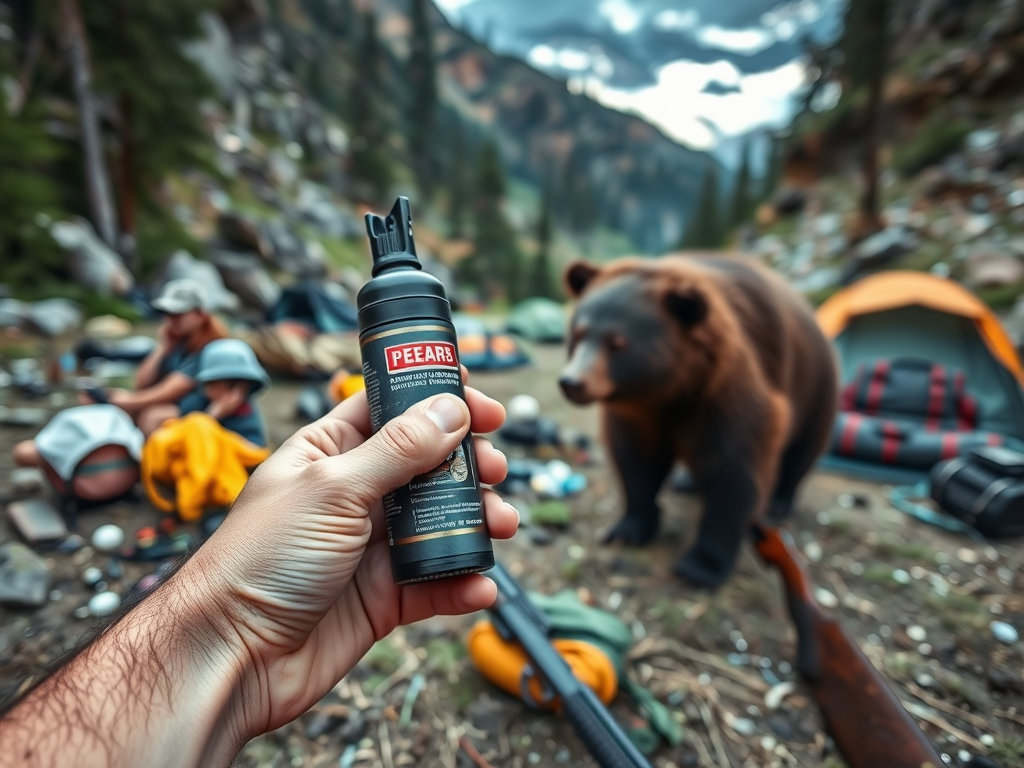
Encounters with bears are a real concern for outdoor enthusiasts, hunters, and those living in bear country. While bear spray is widely recommended as the primary deterrent, some individuals consider carrying firearms as an additional layer of defense. This essay explores the rationale, effectiveness, and considerations of using firearms alongside bear spray for bear defense.
The Case for Bear Spray as Primary Defense
Effectiveness of Bear Spray
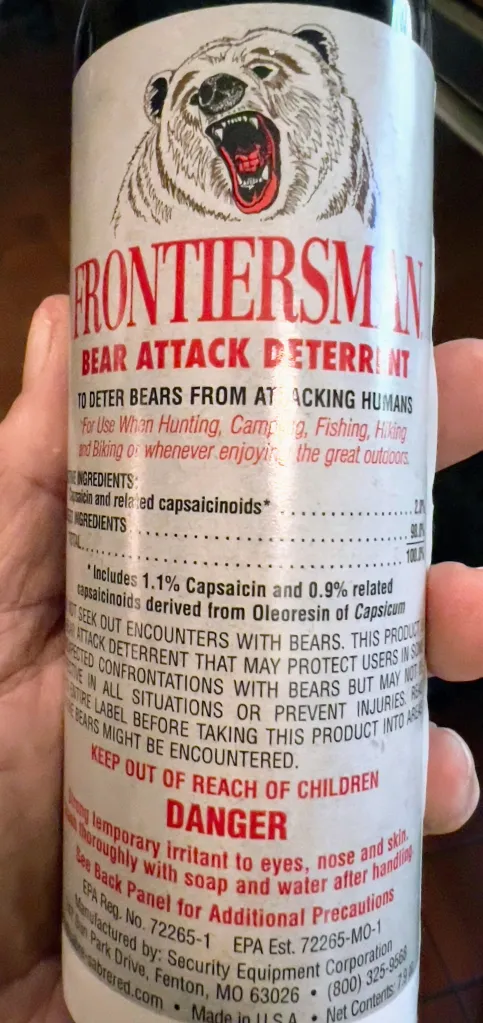
What is Bear Spray?
Bear spray is a specialized form of pepper spray (oleoresin capsicum) designed specifically to deter aggressive bears. It is typically dispensed in a powerful, wide-reaching cloud that can reach 25–35 feet, creating a barrier between the bear and the person. The active ingredient causes intense irritation to the bear’s eyes, nose, throat, and lungs, temporarily disabling its senses and overwhelming its drive to attack.
Scientific Evidence and Success Rates
Multiple field studies and analyses have evaluated the effectiveness of bear spray in real-world encounters:
- Alaska Field Study (Smith et al., 2008): This often-cited study reviewed 83 bear spray incidents involving brown, black, and polar bears. Bear spray stopped aggressive bear behavior in 92% of cases. In the remaining cases, the bear’s aggression was reduced, and no fatalities occurred.
- Human Injury Rates: In the same study, only 2% of people using bear spray sustained minor injuries, compared to much higher injury rates in firearm encounters.
- Bear Injury Rates: Bear spray rarely causes lasting harm to bears. Most recover quickly after exposure, which supports conservation and ethical wildlife management.
Why is Bear Spray So Effective?
- Wide Area of Effect: Unlike firearms, bear spray does not require pinpoint accuracy. The spray creates a cloud that can envelop a charging bear, increasing the chance of contact even under stress.
- Immediate Sensory Overload: The intense burning sensation and temporary blindness or breathing difficulty force most bears to retreat immediately.
- Non-lethal Deterrence: Bears are not killed or permanently injured, reducing negative impacts on bear populations and ecosystems.
Limitations and Considerations
- Wind and Weather: Strong winds or heavy rain can reduce the spray’s range and effectiveness. Users must be aware of wind direction to avoid self-contamination.
- Distance: Bear spray is most effective at close to moderate range (10–30 feet). At very close quarters, there may be little time to deploy it.
- Proper Use: Effectiveness depends on quick access and correct deployment. Practice and familiarity with the canister are essential.
Real-World Examples
- Hiking and Camping: Many hikers in Yellowstone and Glacier National Parks have successfully deterred charging grizzly bears with bear spray, often with no injuries to themselves or the animals.
- Professional Use: Wildlife biologists and park rangers routinely carry and rely on bear spray as their primary defense tool.
Bear spray’s high success rate, low risk of fatality, and ease of use make it the most effective and humane tool for deterring bear attacks. While not infallible, it offers a proven, practical solution for most bear encounters, especially when used correctly and as part of a broader bear safety strategy.
Advantages of Bear Spray
Non-lethal: Reduces Risk of Fatality for Both Human and Bear
One of the most significant advantages of bear spray is its non-lethal nature. Unlike firearms, which can cause fatal injuries to both bears and humans, bear spray is designed to incapacitate temporarily without causing permanent harm. The active ingredient, capsaicin, causes intense but short-lived irritation to the bear’s eyes, nose, and respiratory system, overwhelming its senses and compelling it to retreat.
- Conservation-Friendly: Non-lethal deterrence aligns with wildlife conservation goals. Bears that survive encounters with humans can continue to play their ecological roles, and there is less risk of orphaned cubs or disrupted populations.
- Reduced Human Injury: Because bear spray is less likely to escalate an encounter into a life-or-death struggle, it also reduces the risk of serious injury or death to people. Studies show that people using bear spray are less likely to be injured than those relying on firearms.
Ease of Use: Requires Less Precision Than a Firearm; Creates a Cloud Barrier
Bear spray is specifically engineered for high-stress, close-quarters situations where precision and calm decision-making are difficult to achieve.
- Wide Dispersal: The spray projects a broad, expanding cloud that can cover the bear’s face even if the user’s aim is imperfect. This is crucial during a fast-moving, adrenaline-charged encounter.
- Simple Operation: Most bear spray canisters are designed for quick, one-handed use. Removing the safety tab and pressing the trigger is intuitive, even for those with little training.
- No Need for Lethal Force: Unlike firearms, which require accurate shot placement to be effective (and safe), bear spray works by creating a sensory barrier, not by inflicting physical damage.
Legal and Accessible: Generally Legal in Most Bear Habitats and Easy to Carry
Bear spray is widely accepted and recommended by wildlife agencies, national parks, and outdoor organizations.
- Fewer Legal Restrictions: In many regions, especially national parks and protected areas, firearms are restricted or prohibited, but bear spray is allowed and even encouraged. This makes it accessible to a broader range of people, including international visitors and those without firearm permits.
- No Special Training or Licensing: Bear spray can be purchased over the counter in most areas where bears are present. There are no background checks, waiting periods, or special licenses required.
- Lightweight and Portable: Bear spray canisters are compact and designed to be carried on a belt, backpack strap, or in a holster, ensuring they are always within easy reach.
Summary Table
| Advantage | Description |
|---|---|
| Non-lethal | Temporarily incapacitates bears without causing death or permanent injury |
| Ease of Use | Wide spray pattern, intuitive operation, effective even under stress |
| Legal & Accessible | Widely legal, no special permits needed, easy to purchase and carry in bear country |
Bear spray’s non-lethal, user-friendly, and widely accessible nature makes it the preferred choice for most people venturing into bear country. It provides effective protection while supporting conservation efforts and minimizing legal complications, making it an essential tool for safe and responsible outdoor recreation.
Firearms as a Secondary Defense
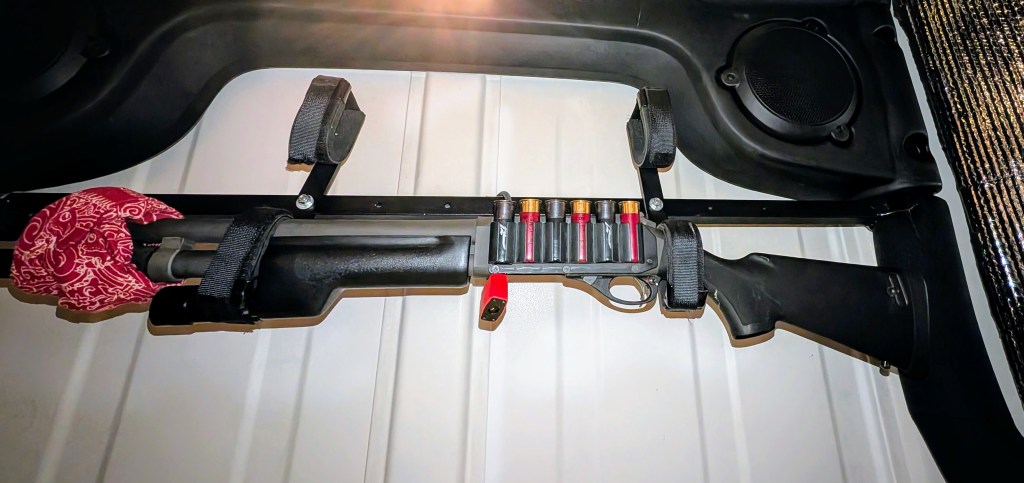
Why Consider Firearms?
While bear spray is highly effective and recommended as the primary defense against bear encounters, there are specific scenarios where carrying a firearm as a backup may be justified. Understanding these situations helps clarify the role firearms can play in a comprehensive bear defense strategy.
Wind or Rain: Bear Spray Can Be Less Effective in Adverse Weather
Bear spray relies on a directed aerosol cloud to deter bears. However, environmental conditions can significantly affect its performance:
- Strong Winds: Wind can disperse the spray cloud, reducing its concentration and range. In some cases, wind may even blow the spray back toward the user, causing self-contamination and leaving both the person and the bear unprotected.
- Heavy Rain: Rain can dilute the spray as it travels through the air or washes it off the bear’s face more quickly, lessening its deterrent effect.
- Unpredictable Conditions: In mountainous or forested terrain, wind direction can shift suddenly, making it difficult to deploy spray effectively.
In these situations, a firearm may serve as a critical last-resort option if the bear spray fails to create an effective barrier.
Close Quarters: If a Bear Charges from Very Close Range, There May Not Be Time to Deploy Spray
Bear encounters can happen suddenly and at extremely close distances:
- Surprise Encounters: Bears may be startled at close range, such as around a blind corner, dense brush, or near a food source. In these cases, the bear may charge before the person has time to unholster and deploy bear spray.
- Limited Reaction Time: At distances of just a few feet, there may be only a second or two to react. Bear spray requires the user to aim, remove the safety, and press the trigger, which may not be feasible in a split-second encounter.
- Physical Contact: If a bear makes contact before the spray can be used, a firearm may be the only remaining tool to attempt to stop the attack and protect human life.
Malfunction or Empty Canister: A Firearm Provides a Backup if the Spray Fails
No tool is infallible, and bear spray is no exception:
- Mechanical Failure: Like any pressurized canister, bear spray can malfunction. The nozzle may clog, the trigger may jam, or the canister may lose pressure over time.
- Empty Canister: After one or two uses, a bear spray canister may be depleted. If a second encounter occurs, the user could be left defenseless.
- User Error: In high-stress situations, it’s possible to fumble the canister, drop it, or fail to deploy it correctly.
A firearm, when carried as a backup and used responsibly, can provide an additional layer of security in these rare but potentially life-threatening scenarios.
Summary Table
| Situation | Bear Spray Limitation | Firearm Role as Backup |
|---|---|---|
| Wind or Rain | Reduced range/effectiveness | Not affected by weather |
| Close Quarters | Insufficient time to deploy | Can be used in physical contact |
| Malfunction/Empty Canister | Spray fails or is depleted | Provides last-resort defense |
While bear spray should remain the first line of defense due to its proven effectiveness and non-lethal nature, firearms can play a vital backup role in specific, high-risk situations. Their presence may offer peace of mind and a final option when all else fails, but they require significant training, responsibility, and adherence to legal and ethical standards. Ultimately, the decision to carry a firearm should be based on a realistic assessment of risk, personal skill, and the unique challenges of the environment.
Types of Firearms Used for Bear Defense
When considering firearms as a backup to bear spray, the choice of weapon is critical. The ideal firearm for bear defense must deliver sufficient stopping power to deter or neutralize a charging bear, be reliable under stress, and be practical to carry in the field. Here’s a detailed exploration of the main types of firearms used for bear defense:
Handguns: Large-Caliber Revolvers for Portability
Overview: Handguns, especially large-caliber revolvers, are the most popular choice for those seeking a balance between portability and stopping power.
- Common Calibers:
- .44 Magnum
- .454 Casull
- .460 S&W Magnum
- .500 S&W Magnum
- 10mm Auto (in semi-automatic pistols, though less common than revolvers)
- Advantages:
- Portability: Handguns are compact and can be carried in a holster on the hip, chest, or thigh, making them accessible even when wearing a backpack.
- Quick Access: Drawing a handgun is generally faster than unslinging a long gun, which is crucial in sudden encounters.
- One-Handed Operation: Can be used with one hand if the other is occupied or injured.
- Limitations:
- Recoil: Large-caliber handguns produce significant recoil, making them difficult to control, especially for inexperienced shooters.
- Accuracy: Effective use requires practice, as accuracy under stress is challenging.
- Limited Capacity: Revolvers typically hold 5–6 rounds.
Shotguns: Stopping Power with Slugs
Overview: Shotguns, particularly pump-action or semi-automatic models loaded with slugs, are renowned for their immense stopping power.
- Ammunition:
- Slugs: Solid, heavy projectiles designed for maximum penetration and energy transfer.
- Buckshot: Sometimes used, but slugs are preferred for bear defense due to deeper penetration.
- Advantages:
- Stopping Power: A 12-gauge slug delivers massive energy, capable of stopping even the largest bears at close range.
- Versatility: Shotguns can be used for other purposes (e.g., bird hunting) when not loaded with slugs.
- Limitations:
- Weight and Bulk: Shotguns are heavier and more cumbersome to carry, especially on long hikes or in dense brush.
- Accessibility: May be slung over the shoulder or carried in hand, which can slow response time.
- Recoil: 12-gauge slugs produce heavy recoil, requiring strength and practice to manage.
Rifles: Powerful but Less Common Due to Size
Overview: Rifles, especially those chambered in large, powerful calibers, are highly effective but less commonly carried for bear defense due to their size and weight.
- Common Calibers:
- .30-06 Springfield
- .338 Winchester Magnum
- .375 H&H Magnum
- .45-70 Government
- Advantages:
- Accuracy and Range: Rifles offer superior accuracy and effective range compared to handguns and shotguns.
- Stopping Power: Large-caliber rifles can deliver deep penetration and massive energy, suitable for the largest bears.
- Limitations:
- Impractical for Hiking: Rifles are long, heavy, and difficult to carry while hiking, backpacking, or performing other tasks.
- Slower Deployment: Unslinging and aiming a rifle takes more time, which can be critical in a sudden encounter.
- Overpenetration: High-powered rifle rounds may overpenetrate, posing risks in areas with other people or property.
Summary Table
| Firearm Type | Common Calibers | Pros | Cons |
|---|---|---|---|
| Handgun | .44 Mag, .454 Casull | Portable, quick access, one-handed | High recoil, limited capacity |
| Shotgun | 12-gauge (slugs) | Massive stopping power, versatile | Heavy, bulky, strong recoil |
| Rifle | .30-06, .45-70, .375 H&H | Accurate, long range, high power | Impractical to carry, slow to deploy |
The choice of firearm for bear defense depends on the user’s experience, physical ability, and the specific environment. Large-caliber handguns are favored for their portability, while shotguns and rifles offer greater stopping power but are less practical for everyday carry in the backcountry. Regardless of the firearm chosen, regular training and practice are essential to ensure effective and responsible use in high-stress situations.
Comparing Bear Spray and Firearms
Bear spray and firearms are both used for bear defense, but they differ significantly in their operation, effectiveness, legal status, and user requirements. Here’s a detailed comparison of these two tools across key aspects:
Lethality
- Bear Spray: Non-lethal Bear spray is designed to incapacitate a bear temporarily by causing intense irritation to the eyes, nose, and respiratory system. It does not cause permanent injury or death, making it a humane option that aligns with wildlife conservation and ethical outdoor practices. The goal is to stop the bear’s aggression and allow both the human and the bear to walk away unharmed.
- Firearm: Potentially Lethal Firearms, by their nature, are lethal weapons. Using a firearm on a bear can result in serious injury or death to the animal. This not only raises ethical concerns but can also have ecological consequences, such as leaving orphaned cubs or disrupting local bear populations. Additionally, the risk of accidental injury or death to humans (including bystanders) is higher when firearms are used under stress.
Accuracy
- Bear Spray: Less Precision Required Bear spray disperses a wide cloud, covering a broad area in front of the user. This means that even if the user is panicked or unable to aim precisely, the spray is likely to reach the bear’s face and be effective. This is a significant advantage in high-stress, fast-moving situations where fine motor skills and precise aiming are compromised.
- Firearm: High Precision Required To stop a charging bear with a firearm, the user must hit vital areas (such as the brain or spine) with a large-caliber bullet, often while under extreme stress and in a matter of seconds. This level of accuracy is difficult to achieve, even for experienced shooters, and missed shots can have dangerous consequences.
Legal Issues
- Bear Spray: Widely Legal Bear spray is legal and encouraged in most bear habitats, including national parks and protected areas where firearms may be restricted or prohibited. It can be purchased over the counter without special permits or background checks, making it accessible to most people.
- Firearm: Restricted in Some Areas Firearm possession and use are subject to a complex web of local, state, and federal laws. In many parks and wilderness areas, carrying or discharging a firearm is restricted or outright banned. International travelers may face additional legal hurdles. Violating these laws can result in fines, confiscation, or criminal charges.
Ease of Use
- Bear Spray: Simple, Intuitive Bear spray is designed for quick, one-handed operation. Removing the safety tab and pressing the trigger is straightforward, and most people can learn to use it effectively with minimal instruction. The wide spray pattern compensates for user error.
- Firearm: Requires Training and Practice Effective use of a firearm for bear defense requires significant training and regular practice. Users must be able to draw, aim, and fire accurately under extreme pressure. Safe handling, maintenance, and storage are also critical to prevent accidents.
Effectiveness
- Bear Spray: High (Deterrence) Studies consistently show that bear spray is highly effective at deterring aggressive bears, with success rates above 90%. It works quickly, often stopping a charge before contact is made, and reduces the risk of serious injury to both humans and bears.
- Firearm: Variable, Depends on User The effectiveness of a firearm in a bear encounter depends on the user’s skill, the type of firearm, and the circumstances of the encounter. While a well-placed shot from a powerful firearm can stop a bear, missed or poorly placed shots may have little effect or even escalate the bear’s aggression. Inexperienced or panicked users are less likely to use a firearm effectively.
Summary Table
| Aspect | Bear Spray | Firearm |
|---|---|---|
| Lethality | Non-lethal | Potentially lethal |
| Accuracy | Less precision required | High precision required |
| Legal Issues | Widely legal | Restricted in some areas |
| Ease of Use | Simple, intuitive | Requires training, practice |
| Effectiveness | High (deterrence) | Variable, depends on user |
Bear spray and firearms each have their place in bear defense, but their differences are significant. Bear spray offers a humane, effective, and accessible solution that requires minimal training and is legal in most areas. Firearms, while potentially life-saving in rare, extreme situations, demand a high level of skill, carry legal and ethical risks, and are not as consistently effective in the hands of the average person. For most people in bear country, bear spray should be the primary tool, with firearms considered only as a carefully evaluated backup.
Training and Responsibility
Importance of Training
Carrying a firearm for bear defense is a serious responsibility that goes far beyond simply owning or carrying a gun. The effectiveness of a firearm in a bear encounter depends almost entirely on the user’s ability to deploy it quickly, safely, and accurately under extreme stress. Here’s a deeper exploration of why training is so crucial:
The Challenge of Shooting Under Stress
- Adrenaline and Panic: Bear encounters are sudden, high-stress events. The human body’s natural “fight or flight” response can cause shaking hands, tunnel vision, and impaired fine motor skills. These physiological effects make it much harder to draw, aim, and fire a weapon accurately.
- Split-Second Decisions: Bears can charge at speeds up to 35 mph. This leaves only seconds to recognize the threat, draw the firearm, aim, and shoot. Without training, most people freeze or fumble in these moments.
The Risks of Poor Aim
- Escalating the Situation: A poorly placed shot may not stop the bear and can actually make it more aggressive, increasing the danger to the person and others nearby.
- Injury to Bystanders: Missed shots can strike companions, other hikers, or ricochet unpredictably, creating additional hazards.
- Wounding Instead of Stopping: Non-lethal wounds may cause the bear to suffer and become more dangerous, or escape only to die later, which is both unethical and potentially illegal.
What Effective Training Involves
- Firearm Safety: Understanding and practicing the four basic rules of firearm safety (treat every gun as loaded, never point at anything you don’t intend to shoot, keep your finger off the trigger until ready, and be sure of your target and what’s beyond it).
- Drawing and Firing: Practicing drawing the firearm from its holster or carry position quickly and smoothly, then firing accurately at close-range targets.
- Shooting Under Pressure: Simulating stressful conditions—such as timed drills, shooting after physical exertion, or using realistic bear targets—helps prepare for real encounters.
- Malfunction Drills: Learning to clear jams or misfires quickly, as malfunctions can occur at the worst possible moment.
- Maintenance and Familiarity: Regular cleaning and inspection of the firearm ensure it will function when needed. Familiarity with the weapon’s controls, recoil, and trigger pull is essential.
The Need for Ongoing Practice
- Skill Degradation: Shooting skills deteriorate without regular practice. Even experienced shooters need to refresh their abilities periodically.
- Changing Conditions: Practicing in different weather, lighting, and terrain conditions helps prepare for the unpredictable nature of bear encounters in the wild.
Legal and Ethical Training
- Understanding Laws: Training should include knowledge of local firearm laws, regulations regarding use in self-defense, and reporting requirements after a defensive shooting.
- Ethical Considerations: Training should emphasize that lethal force is a last resort, and the goal is always to avoid harm whenever possible.
Carrying a firearm for bear defense is not a substitute for preparation, awareness, or non-lethal deterrents like bear spray. It is a tool of last resort that demands a high level of competence and responsibility. Regular, realistic training is essential—not only for effective defense but also for the safety of the user, bystanders, and the bears themselves. Without such training, a firearm may offer a false sense of security and could make a dangerous situation even worse.
Legal and Ethical Considerations
When considering the use of firearms for bear defense, it is essential to understand both the legal framework governing firearm possession and use, as well as the ethical responsibilities that come with carrying a potentially lethal tool in the wilderness.
Regulations: Firearm Laws Vary by Region
- Jurisdictional Differences: Firearm laws are not uniform. They can vary significantly between countries, states, provinces, and even specific parks or protected areas. For example, some U.S. national parks allow firearms to be carried according to state law, but discharging a firearm may still be prohibited except in cases of self-defense. In Canada, carrying handguns for bear defense is generally illegal, and even long guns may be tightly regulated.
- Permits and Licensing: Many regions require permits to carry or transport firearms. These may include concealed carry permits, hunting licenses, or special permissions for wilderness protection. International travelers face additional hurdles, such as import/export restrictions and mandatory declarations at borders.
- Ammunition Restrictions: Certain types of ammunition (e.g., hollow points, slugs) may be restricted or prohibited in some areas. Always verify what is legal before entering bear country.
- Reporting and Aftermath: If a firearm is discharged in self-defense against a bear, there are often legal requirements to report the incident to authorities. Failure to do so can result in fines or criminal charges, even if the shooting was justified.
Key Takeaway: Always research and comply with all relevant laws before carrying a firearm for bear defense. Ignorance of the law is not a defense and can lead to serious legal consequences.
Ethics: Lethal Force as a Last Resort
- Respect for Wildlife: Bears are an important part of the ecosystem and, in many cases, are protected species. Ethical outdoor behavior prioritizes coexistence and minimizing harm to wildlife. Lethal force should only be considered when all other options have failed and human life is in immediate danger.
- Non-lethal Alternatives: The ethical approach is to rely first on non-lethal deterrents, such as bear spray, noise-making, and proper food storage. Firearms should be a backup, not the primary means of defense.
- Consequences of Lethal Force: Killing a bear can have ecological impacts, such as leaving cubs orphaned or disrupting local populations. It can also affect public perception of outdoor recreation and lead to stricter regulations or loss of access for others.
- Personal Responsibility: Carrying a firearm means accepting responsibility for every potential outcome, including accidental discharge, injury to bystanders, or wounding an animal without killing it. Ethical users train regularly, understand their limitations, and are prepared to justify their actions if questioned by authorities or the public.
Balancing Legal and Ethical Duties
- Preparation and Prevention: The best way to avoid legal and ethical dilemmas is through prevention: making noise, traveling in groups, storing food properly, and being alert in bear country.
- Documentation and Transparency: If lethal force is used, document the incident thoroughly and report it promptly to the appropriate authorities. Transparency helps demonstrate that the action was justified and taken as a last resort.
- Community Standards: Adhering to the ethical standards promoted by outdoor organizations, wildlife agencies, and local communities helps ensure that bear encounters are managed responsibly and sustainably.
Legal and ethical considerations are inseparable from the decision to carry and potentially use a firearm for bear defense. Understanding and respecting the law, prioritizing non-lethal options, and accepting the moral weight of lethal force are all essential components of responsible bear country travel. Ultimately, the goal is to protect human life while minimizing harm to bears and preserving the integrity of wild places for future generations.
Best Practices for Bear Defense
Effective bear defense is about preparation, awareness, and responsible use of deterrents. The following best practices combine proven strategies and tools to maximize safety for both people and bears.
1. Carry Bear Spray as Primary Defense
Why Bear Spray First? Bear spray is widely recognized by wildlife experts, park rangers, and researchers as the most effective and humane first line of defense against aggressive bears. Its non-lethal nature, ease of use, and high success rate make it the preferred option in almost all situations.
How to Carry and Use Bear Spray:
- Accessibility: Carry bear spray in a holster on your belt, chest, or backpack strap—never inside your pack. Quick access is crucial.
- Practice Deployment: Familiarize yourself with removing the safety tab and aiming the canister. Practice with an inert (training) canister if possible.
- Effective Range: Know your spray’s range (usually 20–35 feet) and how long it lasts (typically 6–9 seconds of continuous spray).
- When to Use: Deploy bear spray when a bear approaches within range and shows signs of aggression (charging, huffing, jaw-popping).
2. Firearm as Backup
When to Use a Firearm: A firearm should only be considered if bear spray is unavailable, fails, or the situation escalates to immediate physical danger (e.g., the bear is already on top of you).
Guidelines for Firearm Use:
- Legal Compliance: Ensure you are legally allowed to carry and use a firearm in the area.
- Training: Regularly practice drawing, aiming, and firing under stress.
- Last Resort: Remember, the goal is to stop the attack, not to kill the bear unless absolutely necessary for survival.
3. Stay Alert
Situational Awareness: Most bear encounters can be avoided with vigilance and proactive behavior.
Key Practices:
- Make Noise: Talk, sing, or clap, especially in dense vegetation or near running water where bears may not hear you coming.
- Travel in Groups: Groups are noisier and more intimidating to bears. Statistically, attacks are less likely in groups.
- Avoid Surprising Bears: Be extra cautious near berry patches, carcasses, or dense brush—places where bears may be feeding or resting.
- Watch for Signs: Look for tracks, scat, overturned logs, or claw marks on trees as indicators of recent bear activity.
4. Know How to Use Both Tools
Bear Spray Proficiency:
- Practice: Use inert training canisters to simulate real deployment.
- Understand Limitations: Know how wind, rain, and cold temperatures can affect spray performance.
Firearm Proficiency:
- Regular Training: Practice shooting at close-range targets under time pressure.
- Simulate Stress: Incorporate physical activity or stress drills to mimic real-life adrenaline.
- Safe Handling: Always follow firearm safety rules—keep the muzzle pointed in a safe direction, finger off the trigger until ready to shoot, and be sure of your target and what’s beyond it.
Additional Best Practices
- Proper Food Storage: Use bear-resistant containers or hang food at least 10 feet off the ground and 4 feet from tree trunks.
- Camp Hygiene: Cook and store food away from sleeping areas. Dispose of waste properly.
- Bear Encounter Protocols: Learn the difference between defensive and predatory bear behavior and how to respond (e.g., playing dead vs. fighting back).
The best defense against bears is a combination of prevention, preparedness, and responsible use of deterrents. Bear spray should always be your primary tool, with a firearm as a carefully considered backup. Staying alert and practicing with both tools ensures you are ready to respond effectively, maximizing safety for yourself, your group, and the bears you encounter.
Conclusion
Bear encounters, while rare, can be life-threatening, and the stakes are high for both human safety and wildlife conservation. The tools and strategies chosen for bear defense must reflect a balance between effectiveness, ethics, legality, and practicality.
Bear Spray: The Gold Standard
Bear spray stands out as the most effective and humane first line of defense against bear attacks. Its advantages are clear:
- High Success Rate: Studies consistently show that bear spray deters aggressive bears in over 90% of encounters, often without injury to either party.
- Non-lethal: It incapacitates the bear temporarily, allowing both human and animal to escape unharmed, which supports conservation and reduces negative impacts on bear populations.
- Ease of Use: Bear spray requires less precision and training than firearms, making it accessible and effective for most people, even under stress.
- Legal and Accessible: It is widely legal in bear country, including in many parks and protected areas where firearms may be restricted.
Firearms: A Backup for Extreme Situations
While bear spray should always be the primary tool, firearms can serve as a valuable backup in rare, extreme situations where:
- Bear spray cannot be deployed effectively due to wind, rain, or malfunction.
- A bear charges at extremely close range and there is no time to use spray.
- The encounter escalates to a life-or-death struggle and all non-lethal options have failed.
However, the use of firearms comes with significant caveats:
- Skill Requirement: Effective use demands regular, realistic training and the ability to perform under intense stress.
- Legal Restrictions: Firearm laws vary widely; carrying or using a firearm without proper permits can lead to serious legal consequences.
- Ethical Responsibility: Lethal force should always be a last resort, used only when human life is in imminent danger.
The Importance of Prevention and Preparedness
Ultimately, the best defense in bear country is not a tool, but a mindset:
- Prevention: Most bear encounters can be avoided through vigilance, making noise, traveling in groups, and proper food storage.
- Preparedness: Knowing how to use bear spray and, if chosen, a firearm, is essential. Regular practice, understanding bear behavior, and having a plan for encounters are critical components of safety.
Making an Informed Decision
The decision to carry both bear spray and a firearm should be based on:
- Personal Skill and Comfort: Only carry a firearm if you are trained and confident in its use.
- Legal Considerations: Always research and comply with local laws and regulations.
- Commitment to Responsible Use: Prioritize non-lethal deterrents and ethical wildlife practices.
Final Thoughts
Bear spray and firearms are tools—effective only when paired with knowledge, preparation, and respect for both wildlife and the law. By prioritizing prevention, carrying bear spray as your primary defense, and considering a firearm only as a carefully evaluated backup, you maximize your safety and contribute to the responsible stewardship of bear country for future generations.


 UTAZCO Overland
Leave a Reply