
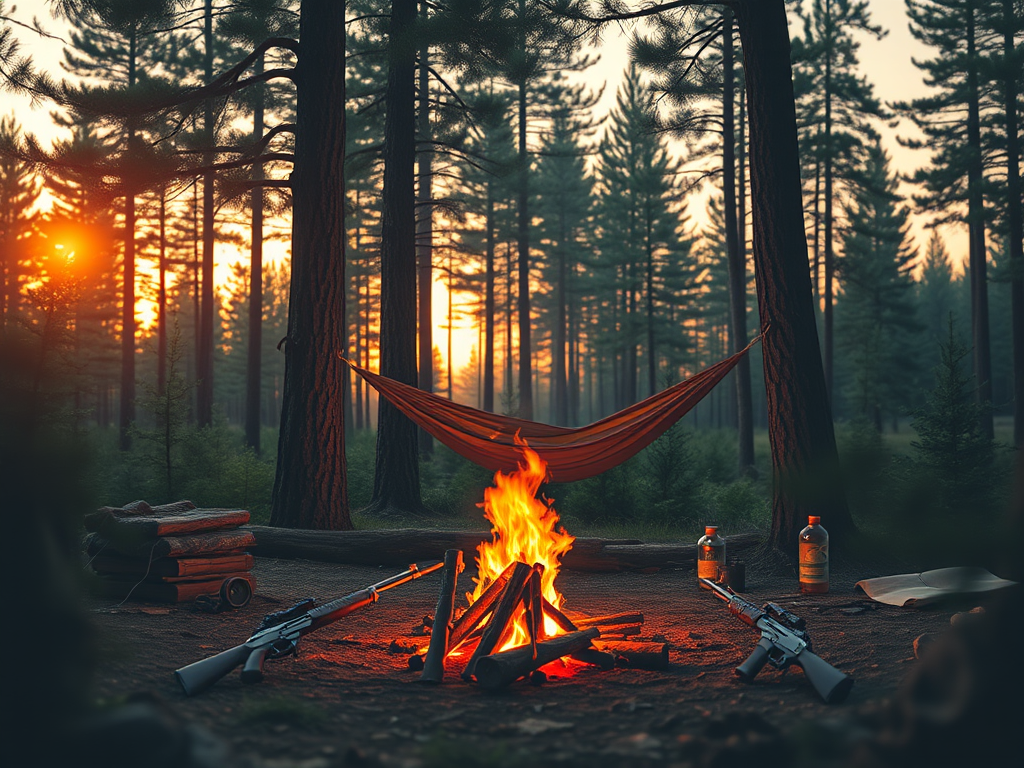
Dispersed camping offers solitude and adventure, but it also comes with unique responsibilities—especially when it comes to firearms. Whether for personal protection or recreation, carrying a firearm in the wilderness requires knowledge, caution, and respect for the law and environment. Here are the top 10 dos and don’ts to ensure a safe and responsible experience.
The Dos
1. Do Know the Laws
Why Knowing the Laws Matters
Carrying a firearm while dispersed camping is not just a matter of personal choice—it’s a legal responsibility. Firearm laws are complex and can change dramatically depending on where you are. Ignorance of the law is not a defense, and violations can result in hefty fines, confiscation of firearms, or even criminal charges. Understanding the legal landscape ensures you stay safe, avoid legal trouble, and respect the rights and safety of others.
Layers of Regulation
Federal Laws
Federal law sets the baseline for firearm possession and transportation across the United States. For example, the Gun Control Act regulates who can possess firearms and under what circumstances. However, federal law often defers to state and local regulations, especially on public lands.
State Laws
Each state has its own set of firearm laws, which may include requirements for permits, restrictions on certain types of firearms or ammunition, and rules about open or concealed carry. For example, some states require a concealed carry permit, while others allow open carry without a permit.
Local Laws
Counties and municipalities may have additional restrictions, such as prohibiting firearms in certain parks or within city limits. These local ordinances can be more restrictive than state law.
Public Lands: National Forests, BLM, and National Parks
- National Forests and BLM Land: Generally, state firearm laws apply, but there may be additional rules about where you can discharge a firearm (e.g., not near campsites, roads, or water sources).
- National Parks: Since 2010, federal law allows firearms in national parks if you comply with the laws of the state where the park is located. However, discharging a firearm is almost always prohibited except in designated hunting areas.
Key Steps to Stay Compliant
- Research Before You Go:
- Visit official websites for the area you plan to camp (e.g., National Forest Service, BLM, state parks).
- Check for any temporary restrictions, such as fire bans that may also restrict certain ammunition.
- Understand Permit Requirements:
- Know whether you need a concealed carry permit or if open carry is allowed.
- If traveling across state lines, check reciprocity agreements for your permits.
- Know Where You Can and Cannot Carry or Discharge:
- Some areas may allow possession but not discharge of firearms.
- Shooting is often prohibited within a certain distance of roads, trails, or water sources.
- Stay Updated:
- Laws can change frequently. Check for updates before each trip.
- Ask When in Doubt:
- Contact local ranger stations or law enforcement for clarification.
Examples of Legal Variations
- California: Strict regulations on magazine capacity, types of firearms, and where you can carry or discharge.
- Arizona: Generally permissive, but still prohibits shooting within a certain distance of occupied buildings or roads.
- Colorado: State law allows open carry, but some counties and cities (like Denver) have additional restrictions.
Consequences of Non-Compliance
- Fines and Confiscation: Even a minor infraction can result in the loss of your firearm and significant fines.
- Criminal Charges: Carrying or discharging a firearm illegally can lead to misdemeanor or felony charges.
- Endangering Others: Unintentional violations can put other campers and wildlife at risk.
Knowing and following the laws is the foundation of responsible firearm ownership, especially in the backcountry. Take the time to research and understand all applicable regulations before you head out. This not only protects you legally but also ensures a safer and more enjoyable experience for everyone in the outdoors.
2. Do Practice Safe Handling
The Importance of Safe Handling
Safe firearm handling is the cornerstone of responsible gun ownership, especially in the unpredictable and often isolated environment of dispersed camping. Accidents can happen in an instant, and the consequences in the wilderness—where medical help may be hours away—can be dire. Practicing safe handling at all times protects you, your companions, other campers, and wildlife.
The Four Fundamental Rules of Firearm Safety
- Treat Every Firearm as if It’s Loaded
- Never assume a gun is unloaded. Always check for yourself, and even then, continue to handle it with care.
- This mindset prevents complacency and reduces the risk of negligent discharges.
- Keep Your Finger Off the Trigger Until Ready to Shoot
- Rest your finger alongside the frame or receiver, not on the trigger.
- Only place your finger on the trigger when you have made the conscious decision to fire.
- This rule is crucial in high-stress or unexpected situations, such as encountering wildlife.
- Never Point the Muzzle at Anything You Don’t Intend to Destroy
- Always be aware of where your firearm’s muzzle is directed.
- Even when you believe the gun is unloaded, never point it at people, pets, or anything you do not wish to harm.
- In camp, this means careful handling when unpacking, cleaning, or passing a firearm to someone else.
- Be Sure of Your Target and What’s Beyond It
- In the wilderness, bullets can travel long distances and ricochet unpredictably.
- Always identify your target and ensure there is a safe backstop.
- Never shoot at movement or sounds without positive identification.
Safe Handling in the Camping Environment
- Unloading and Loading:
- Only load your firearm when you are ready to use it. Unload it before entering camp, vehicles, or tents.
- Double-check the chamber and magazine before cleaning or storing.
- Transporting Firearms:
- Use a case or holster when moving firearms around camp.
- Keep the action open and the firearm pointed in a safe direction.
- Passing Firearms:
- When handing a firearm to someone else, ensure it is unloaded and the action is open.
- Verbally confirm the status of the firearm with the recipient.
- Storage:
- Store firearms in a secure, designated area, away from children and inexperienced individuals.
- Use trigger locks or lockboxes if available.
Special Considerations for Dispersed Camping
- Fatigue and Distraction:
- Camping often involves physical exertion and multitasking. Stay vigilant and avoid handling firearms when tired or distracted.
- Environmental Hazards:
- Mud, rain, and debris can affect firearm function. Regularly check and maintain your firearm to prevent malfunctions.
- Group Dynamics:
- Not everyone in your group may be familiar with firearms. Communicate safety rules clearly and enforce them consistently.
The Consequences of Unsafe Handling
- Accidental Discharge:
- Can result in injury, death, or starting a wildfire.
- Loss of Trust:
- Unsafe behavior can make others in your group uncomfortable or fearful.
- Legal Liability:
- Negligent handling that results in harm can lead to criminal charges or civil lawsuits.
Safe firearm handling is not optional—it is a continuous, conscious practice that must be maintained at all times, especially in the backcountry. By following the fundamental rules and adapting them to the camping environment, you ensure the safety of yourself, your companions, and the natural world around you.
3. Do Store Firearms Securely
Why Secure Storage Matters
Proper firearm storage is essential for preventing accidents, theft, and unauthorized access—especially in the unpredictable environment of dispersed camping. Unlike at home, where you may have access to safes and secure rooms, camping requires creative and diligent solutions to keep firearms out of the wrong hands and ensure everyone’s safety.
Key Principles of Secure Storage
1. Unload Firearms When Not in Use
- Always remove ammunition from the chamber and magazine before storing your firearm.
- Store ammunition separately from the firearm to reduce the risk of accidental discharge.
2. Use Locks and Secure Containers
- Employ trigger locks, cable locks, or portable lockboxes designed for firearms.
- Hard-sided cases with locking mechanisms are ideal for both transport and storage at camp.
- If possible, secure the case to a fixed object (like a vehicle frame) to deter theft.
3. Keep Firearms Out of Sight
- Conceal firearms in vehicles, tents, or gear to avoid attracting attention from passersby or other campers.
- Avoid leaving firearms unattended in visible or easily accessible locations.
4. Designate a Storage Area
- Establish a specific, consistent spot in your camp for firearm storage.
- Make sure everyone in your group knows where firearms are kept and understands the rules for accessing them.
5. Prioritize Child and Inexperienced Camper Safety
- Never leave firearms where children or inexperienced individuals can access them.
- Educate all campers about the dangers of firearms and the importance of not handling them without supervision.
Practical Storage Solutions for Dispersed Camping
- Portable Lockboxes: Compact, lightweight, and often equipped with steel cables for securing to fixed objects. Ideal for handguns and small firearms.
- Hard Cases: Rugged, lockable cases protect firearms from the elements and unauthorized access.
- Vehicle Storage: Many vehicles have lockable compartments or can be fitted with aftermarket safes. Always lock your vehicle when leaving camp.
- Trigger and Cable Locks: Inexpensive and effective for rendering firearms inoperable, even if someone gains access to them.
Special Considerations
- Weather Protection: Store firearms in waterproof or weather-resistant containers to prevent rust and damage.
- Wildlife: Secure storage also helps prevent curious animals from disturbing or damaging firearms and ammunition.
- Emergency Access: While security is paramount, ensure that you can access your firearm quickly in a genuine emergency. Practice unlocking and retrieving your firearm safely.
Consequences of Poor Storage
- Accidental Discharge: Unsecured firearms can be mishandled, leading to accidental injury or death.
- Theft: Firearms are valuable and can be a target for theft, especially in remote areas where law enforcement response is slow.
- Legal Liability: Many states have laws requiring secure storage, especially around children. Failure to comply can result in criminal charges or civil lawsuits.
- Loss of Trust: Unsafe storage can make others in your group uncomfortable or unwilling to camp with you in the future.
Secure storage of firearms is a non-negotiable aspect of responsible gun ownership, particularly in the backcountry. By unloading firearms, using locks and secure containers, and keeping them out of sight and reach, you protect yourself, your companions, and the broader community. Make secure storage a habit—every time, everywhere.
4. Do Use Appropriate Ammunition
The Importance of Using the Right Ammunition
Selecting and using the correct ammunition is a fundamental aspect of firearm safety and effectiveness, especially when dispersed camping. The wrong ammunition can cause catastrophic malfunctions, damage your firearm, result in injury, or even break the law. Responsible ammunition choices also reflect respect for wildlife, the environment, and other campers.
Matching Ammunition to Your Firearm
- Caliber and Gauge: Every firearm is designed for a specific caliber (for rifles and handguns) or gauge (for shotguns). This information is stamped on the barrel or receiver and listed in the owner’s manual.
- Example: A .308 Winchester rifle must only be loaded with .308 Winchester cartridges, not similar-looking but incompatible rounds like .30-06 Springfield.
- Chamber Pressure: Some firearms are rated for higher-pressure rounds (e.g., +P or Magnum loads). Using high-pressure ammunition in a firearm not rated for it can cause dangerous failures.
- Ammunition Type:
- Rimfire vs. Centerfire: Never attempt to use rimfire ammunition in a centerfire firearm or vice versa.
- Shotgun Shell Length: Shotguns are chambered for specific shell lengths (e.g., 2¾”, 3″, or 3½”). Using longer shells than your shotgun is rated for is hazardous.
Intended Use: Self-Defense, Hunting, or Target Shooting
- Self-Defense: Hollow-point or defensive rounds are designed to stop threats effectively while minimizing over-penetration. These are often preferred for personal protection.
- Hunting: Select ammunition appropriate for the game you intend to hunt. Many jurisdictions require non-lead (e.g., copper) bullets for hunting to protect wildlife and the environment.
- Target Shooting: Full metal jacket (FMJ) or practice rounds are typically used for target shooting. Ensure you’re not using armor-piercing or tracer rounds in areas where they are prohibited.
Legal and Environmental Considerations
- Legal Restrictions:
- Some states and federal lands prohibit certain types of ammunition, such as armor-piercing, tracer, or incendiary rounds.
- National and state parks may require non-toxic shot (e.g., steel or bismuth) for hunting waterfowl to prevent lead contamination.
- Fire Risk: Tracer and incendiary rounds can ignite dry vegetation, posing a wildfire risk. These are often banned during fire season or in dry climates.
- Wildlife Protection: Using non-lead ammunition helps prevent lead poisoning in scavenging animals and birds of prey.
Safe Storage and Handling of Ammunition
- Keep Ammunition Dry: Store ammunition in waterproof containers to prevent corrosion and misfires.
- Separate from Firearms: When not in use, keep ammunition stored separately from firearms, especially around children or inexperienced campers.
- Inspect Before Use: Check for signs of damage, corrosion, or manufacturing defects before loading.
Consequences of Using the Wrong Ammunition
- Firearm Damage: Using incorrect or overpowered ammunition can cause catastrophic failure, damaging your firearm beyond repair.
- Personal Injury: Malfunctions can result in serious injury or death to the shooter or bystanders.
- Legal Penalties: Violating ammunition laws can result in fines, confiscation, or criminal charges.
- Environmental Harm: Using prohibited or toxic ammunition can harm wildlife and lead to environmental penalties.
Bringing and using only the correct, legal, and appropriate ammunition for your firearm and intended purpose is a critical part of responsible camping with firearms. Always double-check your ammunition, follow all legal and environmental guidelines, and store it safely to ensure a safe and enjoyable outdoor experience.
5. Do Respect Wildlife and Other Campers
The Principle of Respect in the Outdoors
When dispersed camping, you share the wilderness with a diverse community—other campers, hikers, hunters, and the wildlife that calls the area home. Carrying a firearm comes with the responsibility to act with consideration and restraint, ensuring your actions do not endanger or disturb others. Respect is not just a matter of courtesy; it is often a legal requirement and a key part of ethical outdoor recreation.
Lawful Use of Firearms
- Self-Defense: Firearms may be carried for protection against wildlife or human threats. However, use your firearm only as a last resort, when there is an immediate and unavoidable danger.
- Legal Hunting: If hunting is permitted in the area, ensure you have the proper licenses and are familiar with the specific regulations regarding seasons, species, and methods. Only hunt in designated areas and during legal hours.
Never Shoot Near Campsites, Trails, or Roads
- Safety First: Bullets can travel great distances and ricochet unpredictably. Shooting near campsites, trails, or roads puts others at serious risk of injury or death.
- Legal Boundaries: Most public lands have strict rules prohibiting the discharge of firearms within a certain distance (often 150 yards or more) of campsites, occupied areas, roads, and trails.
- Noise and Disturbance: Gunfire can be startling and disruptive to other campers, hikers, and wildlife. Excessive or unnecessary shooting can ruin the outdoor experience for others and may be considered harassment.
Ethical Considerations for Wildlife
- Avoid Harassment: Never use firearms to scare, chase, or harass wildlife. This is unethical and often illegal.
- Responsible Hunting: Take only ethical shots that ensure a quick, humane kill. Avoid shooting at animals you cannot positively identify or at distances beyond your skill level.
- Leave No Trace: Retrieve all spent casings and avoid leaving any ammunition or debris that could harm animals or pollute the environment.
Consideration for Other Campers
- Communication: If you plan to hunt or target shoot, inform nearby campers and ensure you are well away from their campsites.
- Noise Management: Limit shooting to necessary situations. Avoid recreational shooting early in the morning, late at night, or for extended periods.
- Visibility: Wear blaze orange or other high-visibility clothing during hunting seasons to prevent accidents and help others identify you as a responsible firearm user.
Legal and Social Consequences
- Fines and Penalties: Violating rules about where and when you can discharge a firearm can result in fines, confiscation of firearms, or loss of hunting privileges.
- Loss of Access: Irresponsible behavior can lead to stricter regulations or closures of public lands to firearms use.
- Community Reputation: The actions of one irresponsible camper can reflect poorly on all firearm owners and outdoor enthusiasts.
Respecting wildlife and other campers is a fundamental part of responsible firearm use while dispersed camping. Use your firearm only for lawful, necessary purposes, and always be mindful of your surroundings. By prioritizing safety, legality, and courtesy, you help preserve the freedom to enjoy the outdoors for everyone.
6. Do Maintain Situational Awareness
The Importance of Situational Awareness
Situational awareness is the continuous process of perceiving, understanding, and anticipating what is happening around you. When firearms are involved—especially in the unpredictable and often crowded environment of dispersed camping—maintaining situational awareness is essential for safety, legality, and ethical responsibility. It helps prevent accidents, ensures you make informed decisions, and protects both people and wildlife.
Key Elements of Situational Awareness
1. Know the Location of Other Campers and Groups
- Visual Scanning: Regularly scan your surroundings for other campsites, tents, vehicles, or signs of human activity. Campers may be hidden by trees or terrain.
- Sound Awareness: Listen for voices, music, or other noises that indicate people are nearby, even if you can’t see them.
- Communication: If you’re in a group, establish clear communication about who is where, especially before handling or discharging a firearm.
2. Identify Trails, Roads, and Common Pathways
- Map Familiarity: Study maps and note the locations of trails, roads, and popular routes near your campsite.
- Markings and Signs: Look for trail markers, signs, or worn paths that indicate frequent human or animal traffic.
- Safe Shooting Zones: Never shoot in the direction of or across trails, roads, or areas where people may unexpectedly appear.
3. Be Aware of Wildlife Activity
- Animal Habits: Learn about local wildlife and their movement patterns. Animals may be attracted to campsites by food or water sources.
- Avoid Attractants: Store food and trash securely to minimize wildlife encounters that could lead to dangerous situations.
- Positive Identification: Always positively identify your target before shooting to avoid harming protected or non-target species.
4. Know What’s Beyond Your Target
- Backstop Assessment: Ensure there is a solid, safe backstop (such as a hillside or berm) behind your target to stop bullets.
- Distance Awareness: Remember that bullets can travel far beyond your intended target, especially in open terrain.
- Ricochet Risks: Avoid shooting at hard surfaces like rocks or water, which can cause bullets to ricochet unpredictably.
Practical Tips for Maintaining Situational Awareness
- 360-Degree Checks: Before handling or firing a firearm, look in all directions to confirm the area is clear of people, pets, and property.
- Use Binoculars or Optics: Enhance your ability to spot distant campers, hikers, or wildlife.
- Set Boundaries: If camping with a group, establish clear boundaries for safe zones and shooting areas.
- Stay Alert: Fatigue, distraction, or alcohol can impair your awareness. Only handle firearms when you are fully alert and focused.
Consequences of Poor Situational Awareness
- Accidental Injury or Death: Firing without knowing what’s beyond your target can result in tragic accidents involving other campers or hikers.
- Legal Trouble: Shooting across trails, roads, or into occupied areas is illegal and can lead to criminal charges.
- Wildlife Harm: Lack of awareness can result in the unintentional shooting of protected or non-target species.
- Loss of Trust: Unsafe behavior erodes trust among your group and the broader outdoor community.
Maintaining situational awareness is a dynamic, ongoing responsibility that goes beyond simply looking around. It requires active engagement with your environment, clear communication, and a commitment to safety. By always knowing who and what is around you—and what lies beyond your target—you help ensure a safe, enjoyable, and responsible camping experience for everyone.
7. Do Carry Proper Documentation
Why Carrying Documentation Matters
When dispersed camping with firearms, carrying the proper documentation is not just a formality—it’s a legal requirement and a practical safeguard. Law enforcement officers, park rangers, or wildlife officials may approach you at any time to verify your compliance with firearm and hunting laws. Failing to produce the necessary permits or identification can result in fines, confiscation of firearms, or even arrest, regardless of your intent or knowledge of the law.
Types of Documentation You May Need
1. Firearm Permits and Licenses
- Concealed Carry Permit: Required in many states if you intend to carry a concealed handgun. Some states also require permits for open carry.
- Firearm Owner’s Identification Card: Certain states (e.g., Illinois) require a specific card to possess or transport firearms and ammunition.
- Transport Permits: Some jurisdictions require special permits to transport firearms across state lines or through certain areas.
2. Hunting Licenses and Tags
- General Hunting License: Needed to hunt any game animal. Must be valid for the state and year in which you are hunting.
- Species-Specific Tags: Additional tags or permits are often required for hunting specific animals (e.g., deer, elk, turkey).
- Special Permits: Some areas require special permits for hunting on public lands, during certain seasons, or with specific equipment.
3. Personal Identification
- Government-Issued ID: A driver’s license or state ID is usually required to verify your identity and match you to your permits and licenses.
- Proof of Residency: Some hunting licenses are only valid for residents; you may need to prove your residency status.
Practical Tips for Carrying Documentation
- Keep Documents Accessible: Store your permits, licenses, and ID in a waterproof pouch or case. Keep them in your pack or on your person, not left in your vehicle or tent.
- Digital Copies: Some states allow digital versions of licenses and permits. Check local regulations and, if allowed, keep clear photos or PDFs on your phone as a backup.
- Stay Organized: Group all relevant documents together so you can quickly produce them if asked by authorities.
- Check Expiration Dates: Make sure all permits and licenses are current and valid for the area and dates of your trip.
Legal and Practical Consequences of Not Carrying Documentation
- Fines and Confiscation: Failure to produce required documentation can result in immediate fines and the confiscation of your firearm or hunting equipment.
- Denial of Hunting Privileges: You may be barred from hunting or even from possessing firearms in certain areas if you cannot prove your legal status.
- Criminal Charges: In some cases, lack of documentation can lead to misdemeanor or felony charges, especially if combined with other violations.
- Trip Disruption: Being unable to show proper paperwork can cut your trip short and create unnecessary stress or legal trouble.
Special Considerations
- Traveling Across State Lines: Firearm and hunting laws vary by state. Ensure your permits are valid in every state you travel through, and check for reciprocity agreements.
- Group Camping: Each individual must carry their own documentation. One person’s permit does not cover the entire group.
- Youth Hunters: Minors often require additional permits or must be accompanied by a licensed adult. Check age-specific regulations.
Carrying proper documentation is a simple but crucial step in responsible firearm and hunting practices while dispersed camping. It demonstrates your commitment to legality and safety, protects you from legal trouble, and ensures that your outdoor experience remains enjoyable and stress-free. Always double-check your paperwork before heading out, and keep it accessible throughout your trip.
8. Do Practice Regular Maintenance
The Importance of Firearm Maintenance in the Field
Regular maintenance is a critical aspect of responsible firearm ownership, especially when dispersed camping. The outdoor environment exposes firearms to dust, moisture, dirt, and temperature fluctuations, all of which can cause malfunctions or accelerate wear. A well-maintained firearm is safer, more reliable, and more accurate—qualities that are essential when you may be far from help or repair facilities.
Why Maintenance Matters
- Reliability: A clean, properly lubricated firearm is less likely to jam, misfire, or fail when you need it most—whether for self-defense, hunting, or emergencies.
- Safety: Malfunctions caused by neglect (such as misfires, double feeds, or stuck cases) can be dangerous to the shooter and bystanders.
- Longevity: Regular cleaning and inspection prevent rust, corrosion, and excessive wear, extending the life of your firearm.
- Accuracy: Fouling in the barrel or action can degrade accuracy, making it harder to hit your target.
Key Maintenance Practices for Camping
1. Clean Before and After Your Trip
- Pre-Trip: Clean and inspect your firearm before heading out. Check for signs of wear, damage, or missing parts.
- Post-Trip: Clean your firearm thoroughly after returning, especially if exposed to rain, mud, or dust.
2. Field Cleaning
- Bring a Compact Cleaning Kit: Include bore brushes, cleaning rods or pull-throughs, patches, solvent, lubricant, and a small cloth.
- Wipe Down Regularly: After exposure to rain, sweat, or dirt, wipe down metal surfaces to prevent rust.
- Clear Debris: Check the barrel and action for obstructions (like twigs, mud, or unburned powder) before each use.
3. Lubrication
- Use Sparingly: Apply lubricant to moving parts, but avoid over-lubrication, which can attract dust and grit.
- Choose the Right Lubricant: Use products designed for your firearm and the expected temperature range.
4. Inspect for Damage
- Check for Cracks, Dents, or Loose Screws: Address any issues immediately to prevent further damage or unsafe operation.
- Examine Ammunition: Discard any rounds that show signs of corrosion, dents, or other defects.
Special Considerations for the Outdoors
- Weather Protection: Store your firearm in a weather-resistant case or bag when not in use.
- Condensation: Rapid temperature changes can cause condensation inside your firearm. Dry and clean it if you notice moisture.
- Dust and Sand: In dry, windy environments, dust and sand can quickly foul your firearm. Clean more frequently in these conditions.
Consequences of Neglecting Maintenance
- Malfunctions: Failure to clean and inspect your firearm can lead to jams, misfires, or catastrophic failures.
- Safety Hazards: A neglected firearm is more likely to discharge unintentionally or fail when needed for protection.
- Legal and Ethical Issues: An unreliable firearm can result in wounded (but not recovered) game, which is both unethical and often illegal.
Regular maintenance is not just a chore—it’s a vital part of safe, responsible firearm use, especially in the unpredictable conditions of dispersed camping. By keeping your firearm clean, lubricated, and in good working order, you ensure it will function reliably when you need it most, protect yourself and others, and extend the life of your equipment. Always make maintenance a priority before, during, and after your outdoor adventures.
9. Do Communicate with Your Group
The Importance of Group Communication
When dispersed camping with firearms, clear and open communication within your group is essential for safety, trust, and effective emergency response. Unlike at a shooting range or in a controlled environment, the wilderness introduces unpredictability—people may be unfamiliar with firearms, children may be present, and the group may be spread out over a large area. Ensuring everyone is informed and comfortable with firearm presence and protocols helps prevent accidents and misunderstandings.
Key Elements of Effective Communication
1. Disclose Firearm Presence
- Transparency: Let everyone in your group know who is carrying or storing firearms. This avoids surprises and allows others to make informed decisions about their own safety and comfort.
- Respect for Preferences: Some group members may be uncomfortable around firearms. Discussing this openly allows for adjustments in camp setup or activities.
2. Establish and Review Safety Protocols
- Basic Safety Rules: Go over the four fundamental rules of firearm safety:
- Treat every firearm as if it’s loaded.
- Keep your finger off the trigger until ready to shoot.
- Never point the muzzle at anything you don’t intend to destroy.
- Be sure of your target and what’s beyond it.
- Handling Procedures: Explain how firearms will be handled, stored, and transported within the camp. Clarify who is authorized to access or use them.
3. Designate Safe Zones and Storage Areas
- Safe Handling Areas: Identify specific locations for loading, unloading, and cleaning firearms, away from tents, cooking areas, and high-traffic spots.
- Storage Protocols: Make sure everyone knows where firearms are stored and that they are kept secure and inaccessible to unauthorized individuals, especially children.
4. Discuss Emergency Procedures
- Accident Response: Review what to do in case of an accidental discharge or injury, including first aid and how to contact emergency services.
- Wildlife Encounters: Agree on how to respond to wildlife threats and who is responsible for using a firearm if necessary.
5. Regular Check-Ins
- Ongoing Communication: As the trip progresses, check in with group members to address any concerns or changes in plans, such as moving camp or going on hikes.
Special Considerations
- Mixed Experience Levels: If your group includes people with little or no firearms experience, offer a basic safety briefing and answer any questions.
- Children and Teens: Set clear boundaries for younger campers. Teach them to never touch firearms and to alert an adult if they find one unattended.
- Visitors or New Arrivals: Inform any new group members or visitors about the presence of firearms and review safety protocols with them.
Consequences of Poor Communication
- Accidents and Injuries: Lack of communication can lead to unsafe handling, unintentional discharges, or people unknowingly entering a line of fire.
- Fear and Distrust: Surprising group members with the presence of firearms can create anxiety, erode trust, and spoil the camping experience.
- Legal and Ethical Issues: In some jurisdictions, failing to inform others about firearms—especially minors—can have legal consequences.
Open, honest, and ongoing communication about firearms is a cornerstone of safe and enjoyable dispersed camping. By ensuring everyone knows who has firearms, understands safety protocols, and feels comfortable voicing concerns, you foster a culture of responsibility and respect. This not only prevents accidents but also strengthens group cohesion and confidence in the backcountry.
10. Do Prepare for Emergencies
The Importance of Emergency Preparedness
When dispersed camping with firearms, the risk of accidental injury—though minimized by safe practices—can never be entirely eliminated. In remote areas, emergency medical services may be hours away or inaccessible. Being prepared to respond quickly and effectively to injuries, especially those involving firearms, can save lives and reduce the severity of trauma.
Essential Emergency Preparations
1. Carry a Comprehensive First Aid Kit
- Trauma Supplies: Standard first aid kits are often insufficient for gunshot wounds or severe bleeding. Supplement your kit with:
- Tourniquets (e.g., CAT or SOFTT)
- Hemostatic gauze (e.g., QuikClot)
- Pressure dressings
- Chest seals (for penetrating chest injuries)
- Large sterile pads and bandages
- Basic Supplies: Include adhesive bandages, antiseptic wipes, tweezers, medical tape, pain relievers, and gloves.
2. Learn Basic Trauma Care
- Stop the Bleed: Take a “Stop the Bleed” or similar trauma course to learn how to control severe bleeding using direct pressure, wound packing, and tourniquets.
- Airway Management: Know how to position an injured person to keep their airway open and recognize signs of compromised breathing.
- Treat for Shock: Learn how to recognize and manage shock by keeping the injured person warm, calm, and lying down.
3. Plan for Communication and Evacuation
- Emergency Contacts: Know the location and contact information for the nearest hospital or ranger station.
- Communication Devices: Carry a charged cell phone, satellite messenger, or emergency beacon, especially in areas with no cell service.
- Evacuation Plan: Have a plan for how to transport an injured person to help, including knowledge of the nearest roads and access points.
4. Practice and Review
- Drills: Practice emergency scenarios with your group so everyone knows their role and how to use the first aid supplies.
- Location Awareness: Make sure everyone knows the camp’s location (GPS coordinates or landmarks) to relay to emergency responders.
Special Considerations for Firearm-Related Injuries
- Gunshot Wounds: Immediate priorities are to stop bleeding, seal chest wounds, and prevent shock. Do not attempt to remove embedded objects.
- Accidental Discharges: Even minor wounds can become serious in the backcountry due to infection risk and delayed care.
- Emotional Response: Be prepared for panic or shock among group members. Assign roles—one person treats the injured, another calls for help, others manage the scene.
Consequences of Poor Preparation
- Increased Severity: Delays in bleeding control or improper care can turn survivable injuries into fatalities.
- Panic and Confusion: Lack of preparation can lead to chaos, making the situation worse for the injured and the group.
- Legal and Ethical Responsibility: As a firearm owner, you have a duty to be prepared for emergencies that may arise from their use.
Emergency preparedness is a vital part of responsible firearm use while dispersed camping. By carrying a trauma-capable first aid kit, learning basic lifesaving skills, and having a clear plan for emergencies, you protect yourself, your group, and others in the wilderness. Preparation not only saves lives but also provides peace of mind, allowing you to enjoy your outdoor adventure with confidence.
The Don’ts
1. Don’t Ignore Posted Signs or Regulations
The Critical Role of Signs and Regulations
When dispersed camping with firearms, it’s essential to recognize that not all public lands or camping areas have the same rules. Posted signs and official regulations are not mere suggestions—they are legal requirements designed to protect people, wildlife, and the environment. Ignoring them can lead to serious consequences, both for you and for the broader outdoor community.
Why You Must Pay Attention to Signs and Regulations
- Legal Compliance: Laws regarding firearms can vary dramatically between federal, state, and local jurisdictions, as well as between different types of public lands (e.g., National Forests, BLM land, state parks, wildlife refuges). Posted signs reflect these specific rules and are legally binding.
- Safety: Restrictions are often in place to prevent accidents in high-traffic or sensitive areas, such as near trailheads, campgrounds, or wildlife habitats.
- Conservation: Some areas prohibit firearms to protect endangered species, nesting grounds, or fragile ecosystems.
- Respect for Others: Many people use public lands for recreation, and some may be uncomfortable or fearful around firearms. Regulations help balance the interests and safety of all users.
Common Types of Restrictions
- No Firearms Allowed: Some parks, wildlife refuges, or recreation areas ban firearms entirely, regardless of permits or licenses.
- No Discharge Zones: Even if you can possess a firearm, you may not be allowed to fire it within certain distances of campsites, roads, trails, or water sources.
- Hunting-Only Areas: Firearms may only be permitted during hunting seasons and for licensed hunters.
- Ammunition Restrictions: Certain types of ammunition (e.g., lead, tracer, or armor-piercing rounds) may be prohibited due to fire risk or environmental concerns.
- Seasonal Closures: Some areas may temporarily restrict firearms during fire season, wildlife breeding periods, or special events.
How to Stay Informed and Compliant
- Read All Posted Signs: Upon arrival, carefully read all signs at trailheads, parking areas, and campgrounds. These will outline specific rules for that location.
- Check Official Sources: Before your trip, consult the websites or offices of the managing agency (e.g., National Park Service, Forest Service, state wildlife agency) for up-to-date regulations.
- Ask When Unsure: If you’re uncertain about the rules, contact a ranger station or local law enforcement for clarification.
- Stay Updated: Regulations can change due to new laws, fire danger, or wildlife management needs. Always check for updates before each trip.
Consequences of Ignoring Signs and Regulations
- Fines and Legal Action: Violating posted rules can result in hefty fines, confiscation of firearms, loss of hunting privileges, or even arrest.
- Eviction from Public Lands: Rangers or law enforcement may require you to leave the area immediately if you are found in violation.
- Endangering Others: Disregarding restrictions can put other campers, hikers, and wildlife at risk.
- Loss of Access: Repeated violations by individuals can lead to stricter regulations or closures for everyone.
Ethical and Community Responsibility
- Setting an Example: Responsible firearm owners help maintain access and positive relationships with land managers and the public.
- Protecting Outdoor Opportunities: Following the rules ensures that dispersed camping and responsible firearm use remain available for future generations.
Never assume that firearms are allowed everywhere you camp. Always read and follow posted signs and regulations—they are there for your safety, the safety of others, and the protection of the environment. By respecting these rules, you demonstrate responsible firearm ownership and help preserve the freedom to enjoy the outdoors.
2. Don’t Mix Alcohol or Drugs with Firearms
The Dangers of Impaired Judgment
Handling firearms requires clear thinking, sharp reflexes, and sound judgment—qualities that are severely compromised by alcohol or drugs. Whether you’re dispersed camping for relaxation or adventure, introducing intoxicants into the mix with firearms is a recipe for disaster. Even a small amount of alcohol or certain medications can impair your ability to make safe decisions, recognize hazards, and respond appropriately to emergencies.
How Alcohol and Drugs Affect Firearm Safety
- Impaired Coordination and Reflexes: Alcohol and drugs slow reaction times, reduce hand-eye coordination, and make it harder to control fine motor movements. This increases the risk of accidental discharges or mishandling.
- Reduced Inhibitions: Intoxicants can make people more likely to take risks, ignore safety protocols, or act recklessly with firearms.
- Poor Judgment: Decision-making is compromised, leading to dangerous choices such as unsafe target selection, improper storage, or unnecessary handling of firearms.
- Diminished Awareness: Alcohol and drugs dull situational awareness, making it harder to notice other campers, wildlife, or environmental hazards.
Legal and Ethical Considerations
- Legal Consequences: In many states and on federal lands, it is illegal to handle or discharge a firearm while under the influence of alcohol or drugs. Violations can result in fines, arrest, loss of firearm privileges, or even felony charges.
- Civil Liability: If an accident occurs while you are impaired, you may be held legally and financially responsible for injuries or damages.
- Ethical Responsibility: As a firearm owner, you have a duty to act responsibly and protect the safety of everyone in your group and the surrounding area.
Special Considerations for Camping
- Group Dynamics: Camping often involves socializing, and alcohol may be present. Make it clear to your group that firearms and intoxicants do not mix. Designate a sober person to be responsible for firearms if alcohol is being consumed.
- Prescription and Over-the-Counter Medications: Some medications can cause drowsiness, dizziness, or impaired judgment. Always read labels and consult your doctor or pharmacist about potential side effects before handling firearms.
- Securing Firearms: If you plan to drink or take medication that could impair you, securely store all firearms beforehand and ensure they are inaccessible until you are sober.
Real-World Consequences
- Accidental Discharges: Many firearm accidents in the outdoors are linked to alcohol or drug use, resulting in injuries, fatalities, or wildfires.
- Loss of Trust: Handling firearms while impaired can erode trust within your group and damage your reputation as a responsible gun owner.
- Increased Risk to Others: Impaired handling endangers not just you, but everyone in your vicinity, including other campers, hikers, and wildlife.
Best Practices
- Zero Tolerance: Adopt a strict policy: no handling, carrying, or using firearms after consuming alcohol or drugs.
- Plan Ahead: If you wish to enjoy a drink, do so only after all firearms are safely stored for the night.
- Educate Your Group: Make sure everyone understands the risks and agrees to the policy before your trip.
Mixing alcohol or drugs with firearms is never acceptable—at home or in the wilderness. The risks are simply too great, and the consequences can be tragic and irreversible. By committing to sober, responsible firearm handling, you protect yourself, your group, and everyone else enjoying the outdoors.
3. Don’t Leave Firearms Unattended
The Risks of Unattended Firearms
Leaving firearms unattended—whether for a few minutes or several hours—creates significant safety, security, and legal risks. In the dispersed camping environment, where you may be far from law enforcement and surrounded by unfamiliar people or wildlife, the consequences of an unattended firearm can be especially severe. Responsible firearm ownership means maintaining control and supervision of your weapons at all times.
Why You Should Never Leave Firearms Unattended
- Theft: Firearms left unattended in campsites, vehicles, or tents are prime targets for theft. Stolen firearms can be used in crimes, putting you at risk of legal liability and contributing to broader public safety issues.
- Unauthorized Access: Children, inexperienced campers, or curious strangers may find and handle an unattended firearm, leading to accidental discharges, injuries, or fatalities.
- Misuse: Someone with malicious intent could use your unattended firearm to threaten, harm, or intimidate others.
- Wildlife Hazards: Animals may disturb or damage unattended firearms, especially if they are left with food or scented items.
Real-World Scenarios
- Camp Setup and Breakdown: During busy times, it’s easy to set a firearm down “just for a moment.” In that moment, someone else could access it or it could be forgotten.
- Leaving Camp for Activities: If you go hiking, fishing, or exploring, never leave firearms unsecured in your tent or vehicle. Campsites are often targeted by opportunistic thieves.
- Social Gatherings: When socializing or cooking, distractions can lead to lapses in supervision. Firearms should be stored securely, not left on tables, chairs, or in open bags.
Best Practices for Preventing Unattended Firearms
- Always Keep Firearms Under Your Direct Control: If you are not actively carrying or using your firearm, it should be unloaded and locked away in a secure container or vehicle safe.
- Use Portable Lockboxes or Cable Locks: Secure firearms to fixed objects or inside lockable cases when not in use.
- Store Out of Sight: Conceal firearms from view to reduce temptation for theft and prevent accidental discovery.
- Designate a Responsible Person: If you must step away, assign a trusted, responsible adult to supervise firearms until you return.
- Educate Your Group: Make sure everyone understands the importance of never leaving firearms unattended and knows the proper storage procedures.
Legal and Ethical Consequences
- Criminal Liability: Many states have laws against leaving firearms unsecured or unattended, especially around children. Violations can result in fines, loss of firearm privileges, or criminal charges.
- Civil Liability: If your unattended firearm is used in an accident or crime, you may be held financially responsible for damages or injuries.
- Loss of Trust: Failing to secure firearms can erode trust within your group and damage your reputation as a responsible gun owner.
Special Considerations for Camping
- Remote Locations: The isolation of dispersed camping does not guarantee safety from theft or misuse. In fact, the lack of nearby help makes secure storage even more critical.
- Changing Group Dynamics: New people may join your group or visit your camp. Always reassess firearm security when group composition changes.
- Nighttime Security: Secure firearms before going to sleep. Do not leave them accessible in tents or common areas.
Never leave firearms unattended—no matter how safe you feel or how briefly you plan to step away. Secure storage and constant supervision are non-negotiable aspects of responsible firearm ownership, especially in the unpredictable environment of dispersed camping. By keeping your firearms under control at all times, you protect yourself, your group, and the broader community from preventable harm.
4. Don’t Shoot Recklessly
Understanding Reckless Shooting
Reckless shooting refers to discharging a firearm without full consideration of safety, surroundings, and consequences. In the context of dispersed camping, this behavior is especially hazardous because the wilderness is shared by other campers, hikers, and wildlife, and help may be far away. Every shot fired carries responsibility—not just for your own safety, but for everyone and everything around you.
Why a Proper Backstop Is Essential
- What Is a Backstop? A backstop is a solid, immovable object (like a hillside or berm) directly behind your target that will safely stop bullets.
- Why It Matters: Bullets can travel for miles if not stopped. Without a backstop, a missed shot or a bullet that passes through a target can hit unintended people, animals, or property far beyond your line of sight.
- Unsafe Backstops: Trees, thin brush, or open air are not reliable backstops. Bullets can pass through or ricochet unpredictably.
The Dangers of Shooting Into Water, Rocks, or Dense Brush
- Water: Bullets can skip or ricochet off the surface of water, traveling in unpredictable directions. This can endanger unseen people, animals, or even yourself.
- Rocks: Shooting at rocks is extremely dangerous. Bullets can fragment or bounce back, causing injury to the shooter or bystanders. Ricochets can travel long distances at high speed.
- Dense Brush: You cannot see what’s behind thick vegetation. Bullets may pass through or be deflected, potentially hitting other campers, hikers, or wildlife. Brush also does not reliably stop bullets.
Real-World Consequences of Reckless Shooting
- Injury or Death: Many accidental shootings in the outdoors are caused by bullets traveling beyond the intended target or ricocheting off hard surfaces.
- Wildfires: In dry conditions, a bullet striking a rock or metal can create sparks, igniting wildfires that threaten lives, property, and entire ecosystems.
- Environmental Damage: Shooting at trees, signs, or other natural features damages the environment and can lead to erosion, habitat loss, or pollution.
- Legal Trouble: Reckless discharge of a firearm is illegal in most places and can result in fines, arrest, loss of firearm privileges, or civil lawsuits.
Best Practices for Safe Shooting
- Scout the Area: Before shooting, thoroughly check for other campers, trails, roads, or wildlife in the area and beyond your target.
- Always Use a Reliable Backstop: Only shoot where there is a solid, natural barrier (like a hillside) directly behind your target.
- Never Shoot at Water, Rocks, or Brush: Choose clear, open areas with a safe backstop. Avoid unpredictable surfaces.
- Limit Shooting to Necessary Situations: Only shoot when it is safe, legal, and necessary. Avoid recreational shooting in areas where it cannot be done responsibly.
- Communicate With Your Group: Make sure everyone knows when and where shooting will occur, and that all are accounted for and in safe positions.
Ethical and Community Responsibility
- Respect for Others: Gunfire can disturb other campers and wildlife. Always consider the impact of your actions on others.
- Preserving Access: Irresponsible shooting can lead to stricter regulations or closures of public lands to firearms use, affecting all outdoor enthusiasts.
Reckless shooting is never acceptable, especially in the shared and unpredictable environment of dispersed camping. Always use a proper backstop, avoid shooting into water, rocks, or dense brush, and be constantly aware of your surroundings. Responsible firearm use protects lives, preserves the environment, and ensures that everyone can safely enjoy the outdoors.
5. Don’t Disturb the Peace
The Importance of Peace and Quiet in the Outdoors
One of the main reasons people seek out dispersed camping is to enjoy the tranquility and natural sounds of the wilderness. Excessive or unnecessary shooting disrupts this peace, negatively impacting both people and wildlife. Responsible firearm use means being mindful of when, where, and how often you shoot, and always considering the broader impact of your actions.
How Excessive Shooting Affects Others
- Disturbing Other Campers: Loud, frequent gunfire can ruin the outdoor experience for others who are seeking solitude, relaxation, or a connection with nature. It can cause anxiety, fear, or annoyance, especially for families with children or those unfamiliar with firearms.
- Safety Concerns: Repeated gunfire may make other campers feel unsafe or uncertain about your intentions, leading to tension or even complaints to authorities.
- Legal Ramifications: Many public lands have regulations against “disturbing the peace” or “disorderly conduct.” Excessive shooting, especially outside of legal hunting or self-defense, can be considered a violation and result in fines or eviction from the area.
Impact on Wildlife
- Stress and Displacement: Gunfire is a loud, unnatural noise that can startle and stress wildlife, causing them to flee their habitats. This can disrupt feeding, nesting, and migration patterns.
- Long-Term Effects: Repeated disturbance can drive animals away from critical habitats, reduce breeding success, and increase their vulnerability to predators or environmental stressors.
- Legal Protections: In some areas, disturbing wildlife with loud noises—including gunfire—is illegal, especially during sensitive periods like breeding or nesting seasons.
When Is Shooting Justified?
- Self-Defense: Discharging a firearm to protect yourself or others from an immediate threat is justified, but should be a last resort.
- Legal Hunting: Shooting during legal hunting seasons, with the proper licenses and in designated areas, is acceptable. Even then, minimize shots and avoid unnecessary noise.
- Target Practice: If allowed, keep target shooting brief, infrequent, and away from other campers. Always check local regulations first.
Best Practices to Avoid Disturbing the Peace
- Limit Shooting: Only shoot when necessary. Avoid recreational or celebratory gunfire, especially at night or early in the morning.
- Choose Remote Locations: If you must shoot, do so far from established campsites, trails, or popular recreation areas.
- Communicate: Inform nearby campers if you plan to shoot, and respect their wishes if they express discomfort.
- Observe Quiet Hours: Many public lands have designated quiet hours, typically from evening to morning. Never shoot during these times.
- Use Suppressors (Where Legal): In some jurisdictions, using a suppressor can reduce noise and minimize disturbance, but always check local laws.
Consequences of Disturbing the Peace
- Fines and Eviction: Authorities may issue citations, fines, or require you to leave the area for violating noise or disturbance regulations.
- Loss of Access: Persistent complaints about gunfire can lead to stricter rules or closures for all firearm users.
- Damaged Reputation: Irresponsible behavior reflects poorly on all gun owners and can erode public support for firearm rights.
Respect for the peace and quiet of the outdoors is a hallmark of responsible camping and firearm use. Excessive or unnecessary shooting not only disturbs other campers and wildlife but can also be illegal and lead to lasting consequences. Always consider the impact of your actions, shoot only when necessary, and help preserve the serenity that makes dispersed camping special for everyone.
6. Don’t Assume Everyone is Comfortable
Recognizing Diverse Comfort Levels with Firearms
When dispersed camping, you may encounter people from a wide range of backgrounds and experiences. Some campers are lifelong firearm enthusiasts, while others may have little to no exposure to guns, or may even have negative associations due to past experiences or personal beliefs. Assuming everyone is comfortable with firearms can lead to misunderstandings, anxiety, or even conflict. Responsible firearm ownership means being sensitive to these differences and acting with empathy and respect.
Why Comfort Levels Vary
- Personal Experience: Some people have never handled or been around firearms and may feel nervous or fearful simply seeing one.
- Cultural and Regional Differences: Attitudes toward firearms can vary greatly depending on where someone grew up or their cultural background.
- Past Trauma: Individuals who have experienced violence or accidents involving firearms may have strong emotional reactions to their presence.
- Beliefs and Values: Some people have ethical or philosophical objections to firearms, especially in recreational or family settings.
The Importance of Consideration and Communication
- Preventing Anxiety or Fear: Openly displaying or handling firearms without warning can make others feel unsafe or unwelcome, even if your intentions are benign.
- Building Trust: Honest communication about firearm presence and safety protocols helps build trust and ensures everyone feels included and respected.
- Avoiding Conflict: Proactively addressing concerns can prevent misunderstandings or confrontations that could escalate and ruin the camping experience.
Best Practices for Considerate Firearm Use
- Communicate Early: If you’re camping with others—especially people you don’t know well—let them know you have firearms and explain why (e.g., for self-defense, legal hunting).
- Explain Safety Measures: Reassure others by outlining your safety protocols: how firearms are stored, who has access, and when they will be handled.
- Invite Questions: Encourage group members to ask questions or express concerns. Be patient and nonjudgmental in your responses.
- Respect Boundaries: If someone is uncomfortable, discuss ways to minimize their exposure—such as keeping firearms out of sight or storing them in a locked case.
- Avoid Unnecessary Handling: Don’t clean, display, or handle firearms in common areas or around those who are uneasy.
- Be Mindful of Children: Parents may have strong feelings about firearms around their children. Always seek their input and follow their wishes regarding exposure.
Special Considerations for Mixed Groups and Strangers
- Group Camping: In mixed groups, establish clear ground rules about firearm handling and storage that everyone agrees to.
- Nearby Campers: If you’re camping near others, avoid openly displaying firearms or shooting unless you’re certain it’s allowed and won’t cause alarm.
- Public Perception: Remember that your actions reflect on all firearm owners. Courteous, responsible behavior helps maintain positive perceptions and access to public lands.
Consequences of Ignoring Others’ Comfort
- Damaged Relationships: Insensitivity can create tension or alienate friends, family, or fellow campers.
- Complaints or Legal Trouble: Uncomfortable campers may report you to authorities, leading to visits from law enforcement or even eviction from public lands.
- Negative Stereotypes: Irresponsible or inconsiderate behavior reinforces negative stereotypes about gun owners and can harm the broader community.
Never assume everyone is comfortable around firearms. By communicating openly, respecting boundaries, and being considerate of others’ feelings and experiences, you foster a safer, more inclusive, and enjoyable camping environment. Responsible firearm ownership is as much about empathy and respect as it is about safety and legality.
7. Don’t Use Firearms for Non-Essential Tasks
Understanding the Proper Role of Firearms
Firearms are powerful tools designed for specific purposes: self-defense, legal hunting, and, in some cases, target shooting. Using them for non-essential or improvised tasks—such as signaling for help, scaring off animals, or breaking objects—can be dangerous, illegal, and counterproductive. Responsible firearm ownership means reserving their use for situations where no safer or more appropriate alternative exists.
Why Not to Use Firearms for Non-Essential Tasks
- Safety Risks: Every time a firearm is discharged, there is a risk of accidental injury, property damage, or starting a wildfire. Non-essential use increases unnecessary exposure to these risks.
- Legal Consequences: Discharging a firearm for reasons other than self-defense or legal hunting may violate local, state, or federal laws, especially in public lands or during fire bans.
- Disturbance: Unnecessary gunfire can alarm other campers, hikers, or nearby residents, leading to complaints, law enforcement involvement, or even evacuation of the area.
- Wildlife Impact: Firing a gun to scare off animals can stress or injure wildlife, disrupt natural behaviors, and may be illegal in protected areas.
Common Non-Essential Uses to Avoid
- Signaling for Help: While firing three shots in quick succession is a traditional distress signal, it should only be used as a last resort when no other means (whistle, mirror, flare, phone, satellite device) is available. Gunfire may not be heard or recognized as a distress signal, and can be mistaken for recreational shooting.
- Scaring Off Animals: Most wildlife can be deterred by making noise, waving arms, or using bear spray. Firing a gun should only be considered if an animal poses an immediate threat and other deterrents have failed.
- Breaking Objects or Clearing Paths: Never use a firearm to break locks, open containers, or clear brush. This is unsafe, imprecise, and can cause ricochets or unintended damage.
- Celebratory or Recreational Shooting: Avoid firing guns for celebration, signaling, or entertainment, especially in areas where others may be present or where it is prohibited.
Safer Alternatives for Common Tasks
- Signaling: Carry a whistle, signal mirror, brightly colored cloth, or electronic signaling device. These are safer, more reliable, and universally recognized.
- Animal Deterrence: Use bear spray, air horns, or simply make loud noises. Store food properly and keep a clean camp to avoid attracting wildlife.
- Breaking or Opening Items: Use appropriate tools such as knives, hatchets, or multitools for camp tasks.
When Firearm Use May Be Justified
- Immediate Threats: If you or someone else is in immediate danger from an aggressive animal or person, using a firearm may be necessary for defense.
- Absolute Last Resort: If all other signaling methods have failed and you are in a life-threatening emergency, firing a gun as a distress signal may be justified—but be aware of the risks and legal implications.
Consequences of Improper Use
- Accidents and Injuries: Non-essential discharges increase the risk of accidental shootings, ricochets, or property damage.
- Legal Trouble: Authorities may issue fines, confiscate firearms, or press charges for improper or unnecessary discharges.
- Loss of Trust and Access: Irresponsible use can lead to stricter regulations or loss of access for all firearm owners.
Firearms should only be used for their intended, essential purposes. Using them for signaling, scaring animals, or other improvised tasks is dangerous, often illegal, and rarely effective. Always seek safer, more appropriate alternatives, and reserve firearm use for genuine emergencies or lawful activities. This approach protects you, others, and the natural environment, and upholds the standards of responsible firearm ownership.
8. Don’t Neglect Firearm Security at Night
The Unique Risks of Nighttime in the Wilderness
Nighttime in the backcountry brings new challenges for firearm security. Darkness, fatigue, and reduced awareness can make it easier for accidents, theft, or unauthorized access to occur. While you may feel more vulnerable at night, especially in remote areas, it’s crucial not to let this lead to careless storage or accessibility of firearms. Responsible firearm owners must balance readiness with safety, ensuring that weapons are both secure and inaccessible to those who shouldn’t have them—even while sleeping.
Why Nighttime Security Is Critical
- Unauthorized Access: Children, other campers, or even strangers passing through may inadvertently or intentionally access an unsecured firearm while you sleep.
- Theft: Campsites are more vulnerable to theft at night, especially if firearms are left in tents, vehicles, or common areas without proper security.
- Accidental Discharge: Groggy or startled reactions in the dark can lead to mishandling and accidental discharges if firearms are not properly stored.
- Wildlife: Animals attracted to campsites may disturb gear, potentially causing a firearm to discharge if it’s not safely stored.
Best Practices for Nighttime Firearm Security
- Use Lockable Storage: Store firearms in a locked case, portable safe, or with a trigger/cable lock. If in a vehicle, use a lockbox secured to the frame or a hidden compartment.
- Keep Out of Sight: Do not leave firearms visible in tents, vehicles, or around camp. Conceal them to deter theft and prevent accidental discovery.
- Separate Ammunition: Store ammunition separately from the firearm, especially if children or inexperienced campers are present.
- Designate a Secure Location: Choose a consistent, secure spot for firearm storage at night—one that is not easily accessible to others but can be reached quickly in a genuine emergency.
- Communicate with Your Group: Make sure everyone knows where firearms are stored and who is authorized to access them. Set clear rules about nighttime access.
Balancing Security and Readiness
- Assess Realistic Threats: While it’s natural to want a firearm accessible for self-defense, weigh this against the risks of unauthorized access or accidents.
- Quick-Access Safes: Consider using a quick-access lockbox that only you can open, allowing for both security and rapid response if truly needed.
- Routine Checks: Before going to sleep, double-check that all firearms are secured and that group members understand the nighttime protocol.
Consequences of Neglecting Nighttime Security
- Accidents: Unsecured firearms can lead to tragic accidents if someone stumbles upon them in the dark or if you react hastily to a nighttime disturbance.
- Theft and Misuse: Stolen firearms can be used in crimes, and you may be held legally responsible for failing to secure your weapon.
- Legal Liability: Many jurisdictions have laws requiring secure storage, especially around children. Violations can result in fines or criminal charges.
- Loss of Trust: Group members may feel unsafe or unwilling to camp with you if they know firearms are not properly secured at night.
Nighttime is no time to relax your standards for firearm security. Always lock up and conceal your firearms before sleeping, ensuring they are inaccessible to unauthorized persons but still available for legitimate emergencies. This approach protects everyone in your group, deters theft, and upholds your responsibility as a safe and conscientious firearm owner in the outdoors.
9. Don’t Forget to Check Local Fire Restrictions
The Critical Link Between Firearms and Fire Danger
When dispersed camping, especially in dry or fire-prone regions, it’s essential to recognize that firearms and certain types of ammunition can pose a significant wildfire risk. Many public lands and local jurisdictions implement fire restrictions during periods of high danger, and these often include specific rules about the use of firearms and ammunition. Ignoring these restrictions can have devastating consequences for the environment, public safety, and your legal standing.
Why Fire Restrictions Matter
- Wildfire Risk: Bullets, especially those made of steel or containing incendiary compounds, can create sparks when they strike rocks or hard surfaces. Tracer and incendiary rounds are designed to burn or glow, making them particularly hazardous in dry conditions.
- Environmental Impact: Wildfires destroy habitats, threaten wildlife, and can burn thousands of acres, sometimes resulting in loss of life and property.
- Legal Consequences: Violating fire restrictions can result in hefty fines, criminal charges, and civil liability for any damage caused by a fire you inadvertently start.
Types of Ammunition and Activities Often Restricted
- Tracer Rounds: These bullets leave a visible trail and are designed to ignite, making them easy to track but extremely dangerous in dry environments.
- Incendiary Rounds: Specifically designed to ignite targets, these are almost always banned during fire season or in fire-prone areas.
- Steel-Core or Armor-Piercing Rounds: Can create sparks when striking rocks or metal, increasing fire risk.
- Exploding Targets: Binary targets that explode on impact are often prohibited due to their high fire-starting potential.
- General Target Shooting: In extreme fire danger, all recreational shooting may be temporarily banned, regardless of ammunition type.
How to Stay Compliant and Safe
- Check Before You Go: Always check the latest fire restrictions for your destination. This information is available on the websites of the U.S. Forest Service, Bureau of Land Management, state parks, and local fire departments.
- Ask Local Authorities: If you’re unsure about current restrictions, contact a ranger station or local law enforcement for clarification.
- Read Posted Signs: Fire restrictions are often posted at trailheads, campgrounds, and entry points to public lands.
- Choose Safe Ammunition: Use only lead or copper-jacketed bullets for target shooting, and avoid any ammunition or targets that could create sparks or flames.
- Be Prepared to Adapt: If fire danger is high, be ready to forgo recreational shooting altogether and focus on other activities.
Consequences of Ignoring Fire Restrictions
- Starting a Wildfire: Even a small spark can ignite a massive blaze, especially in dry, windy conditions. You could be held financially and criminally responsible for the damage.
- Fines and Legal Action: Authorities take fire restrictions seriously. Violations can result in immediate fines, confiscation of firearms, or arrest.
- Loss of Access: Repeated violations by campers and shooters can lead to permanent closures or stricter regulations on public lands.
- Community Harm: Wildfires threaten not just the environment, but also nearby communities, emergency responders, and other campers.
Best Practices
- Stay Informed: Fire danger levels can change rapidly. Check for updates daily during your trip.
- Carry Fire Suppression Tools: Always have water, a shovel, and a fire extinguisher on hand, even if you’re not planning to shoot.
- Report Fires Immediately: If you see smoke or an unattended fire, report it to authorities right away.
Never overlook local fire restrictions when dispersed camping with firearms. The risk of starting a wildfire is real and the consequences can be catastrophic. Always check for current restrictions, use only safe ammunition, and be prepared to change your plans if conditions demand it. Responsible firearm use means protecting not just yourself, but the land and community you enjoy.
10. Don’t Assume Self-Defense Laws Are Universal
The Complexity of Self-Defense Laws
Self-defense laws in the United States—and in many other countries—are not uniform. They can vary dramatically from state to state, and even between different counties or municipalities within the same state. When dispersed camping, you may cross multiple jurisdictions, each with its own legal standards for when and how you can use a firearm in self-defense. Assuming that the laws you’re familiar with at home apply everywhere is a serious mistake that can lead to unintended legal consequences.
Key Differences in Self-Defense Laws
- Duty to Retreat vs. Stand Your Ground:
- Duty to Retreat: In some states, you must attempt to avoid confrontation and retreat (if safely possible) before using deadly force, even in self-defense.
- Stand Your Ground: Other states allow you to use force without retreating if you are lawfully present and reasonably believe it’s necessary to prevent harm.
- Castle Doctrine: Some states extend special protections for self-defense in your home, vehicle, or (in some cases) temporary dwellings like tents or campers. Others do not.
- Proportionality: Laws often require that the force used in self-defense be proportional to the threat faced. Using deadly force against a non-lethal threat can be illegal.
- Defense of Property: The right to use force to defend property (such as your campsite or gear) is much more limited than the right to defend yourself or others from imminent harm.
Why This Matters for Campers
- Crossing Jurisdictions: When dispersed camping, you may move between federal, state, and local lands, each with its own rules. For example, what’s legal in a National Forest in one state may not be legal in a state park in another.
- Law Enforcement Response: In remote areas, law enforcement may not arrive quickly. However, when they do, they will judge your actions based on the laws of that specific location—not your home state.
- Legal Aftermath: Even if you believe you acted in self-defense, you could face arrest, prosecution, or civil lawsuits if your actions don’t align with local laws.
How to Stay Informed and Compliant
- Research Before You Go: Look up the self-defense and firearm laws for every state and jurisdiction you plan to visit. Pay special attention to differences in use-of-force standards, duty to retreat, and where firearms can be legally carried or used.
- Consult Official Sources: Use government websites, state statutes, and reputable legal resources. Don’t rely solely on word-of-mouth or online forums.
- Ask Local Authorities: If in doubt, contact local law enforcement or park rangers for clarification on self-defense laws in the area.
- Carry Documentation: Have your permits, licenses, and identification with you, and know how to explain your legal right to possess and use a firearm if questioned.
Real-World Scenarios
- Defending Against Wildlife: Some areas may have restrictions on shooting protected species, even in self-defense. Know the rules for wildlife encounters.
- Defending Against People: The threshold for using deadly force against a human threat varies. What’s considered a “reasonable belief” of imminent danger in one state may not be in another.
- Temporary Dwellings: Whether your tent or camper is considered your “castle” under the law can affect your rights to defend yourself inside it.
Consequences of Misunderstanding the Law
- Criminal Charges: Using a firearm in self-defense outside the bounds of local law can result in charges ranging from unlawful discharge to manslaughter or murder.
- Civil Liability: Even if not criminally charged, you may be sued for damages by the person you shot or their family.
- Loss of Firearm Rights: Convictions can lead to the permanent loss of your right to own or carry firearms.
- Travel Restrictions: Legal trouble in one state can affect your ability to travel or camp in others.
Never assume that self-defense laws are the same everywhere you go. Before dispersed camping with a firearm, thoroughly research and understand the specific laws of each area you’ll visit. This knowledge not only protects you legally but also ensures you act responsibly and ethically in any situation that may arise. Responsible firearm ownership means being informed, prepared, and respectful of the law—wherever your adventures take you.
Conclusion
Carrying a firearm while dispersed camping is not just a matter of personal preference or preparedness—it is a profound responsibility that extends to yourself, your companions, other campers, wildlife, and the environment. The freedom to enjoy the outdoors with a firearm comes with the obligation to act with the highest standards of safety, respect, and legal compliance.
Ensuring Safety for All
Your first and most important duty is to ensure the safety of everyone in and around your campsite. This means:
- Practicing rigorous firearm safety at all times: Always treat firearms as loaded, keep them pointed in a safe direction, and never handle them under the influence of alcohol or drugs.
- Securing firearms when not in use: Prevent unauthorized access, especially by children or inexperienced individuals, and deter theft or misuse.
- Maintaining situational awareness: Know where your group members, other campers, and wildlife are at all times, and never shoot unless you are certain of your target and what lies beyond it.
Respecting Others and the Environment
The wilderness is a shared space. Your actions affect not only your group but also strangers and the natural world:
- Minimize disturbance: Avoid excessive or unnecessary shooting, and always be considerate of the peace and solitude others seek in nature.
- Communicate openly: Let your group know about the presence of firearms and establish clear safety protocols. Respect the comfort levels and concerns of others.
- Protect wildlife and habitats: Use firearms only for lawful purposes, such as legal hunting or genuine self-defense, and never harass or endanger animals unnecessarily.
Upholding Legal and Ethical Standards
Laws and regulations exist to protect people, wildlife, and public lands. Ignorance is not an excuse:
- Know and follow all applicable laws: Research federal, state, and local regulations before your trip, and pay attention to posted signs and temporary restrictions.
- Carry proper documentation: Always have your permits, licenses, and identification on hand.
- Understand self-defense laws: Recognize that legal standards for using a firearm in self-defense can vary widely by location.
Preserving Outdoor Opportunities
Irresponsible firearm use can have far-reaching consequences, including accidents, legal trouble, and the loss of access to public lands for everyone. By acting responsibly, you help preserve the privilege of dispersed camping with firearms for future generations.
Final Thoughts
The dos and don’ts outlined in this guide are not just rules—they are the foundation of ethical and responsible firearm ownership in the outdoors. By prioritizing respect, caution, and legality, you protect yourself, your group, and the broader community. You also contribute to the preservation of the natural environment and the continued enjoyment of wild places by all.
In every outdoor adventure, let safety, respect, and responsibility be your guides.

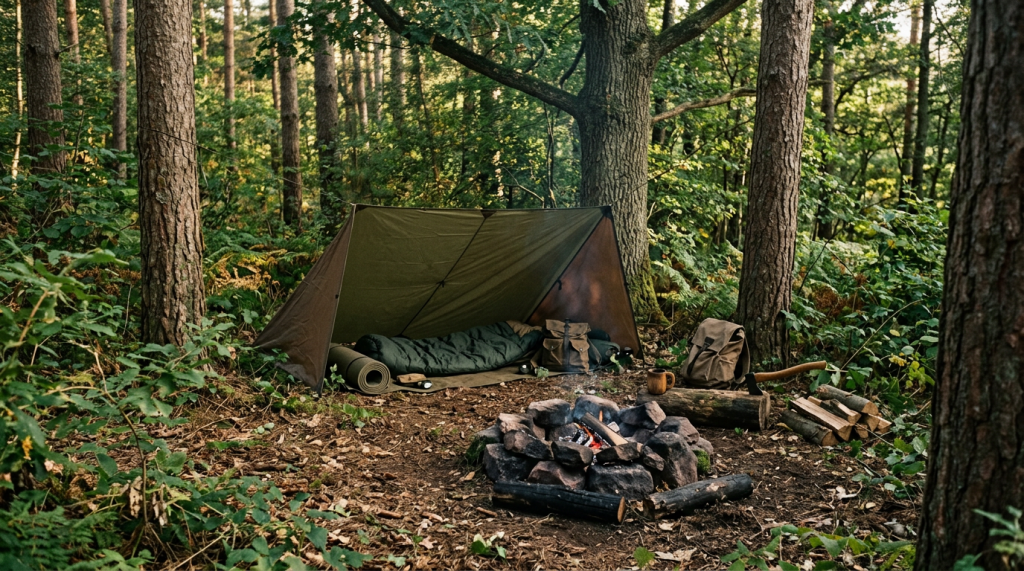

 UTAZCO Overland
Leave a Reply