
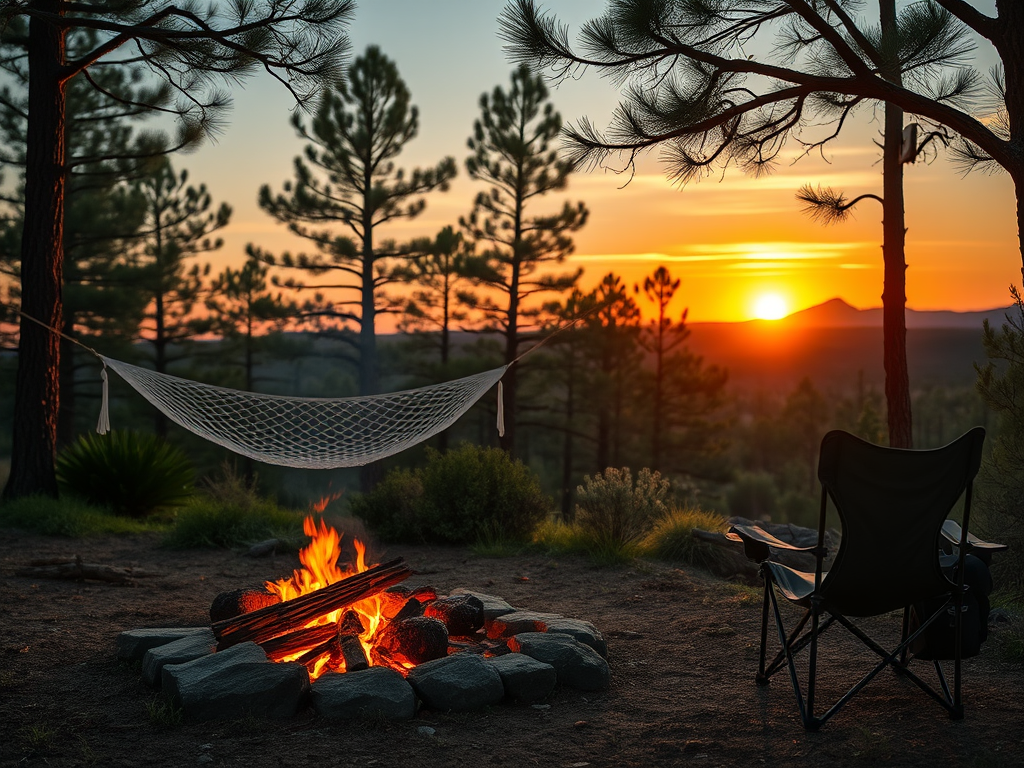
The Arizona Strip is a remote and rugged region in the northwestern part of Arizona, known for its stunning landscapes and challenging terrain. Navigating this area requires careful planning and awareness of the unique conditions. Here are some essential dos and don’ts to ensure a safe and enjoyable journey.
Understanding the Terrain
Do: Research the Area
Geography and Topography
The Arizona Strip is a remote and expansive region that lies north of the Grand Canyon, characterized by its rugged and varied landscape. This area includes significant geological features such as the Vermilion Cliffs, the Grand Canyon-Parashant National Monument, and the Kaibab Plateau. The terrain ranges from high plateaus and deep canyons to vast desert expanses. Understanding the geography is crucial for planning your route, as some areas are only accessible by high-clearance or four-wheel-drive vehicles due to the challenging terrain. Familiarize yourself with the major landmarks and the types of roads and trails available to ensure you can navigate effectively.
Climate and Weather Patterns
The climate of the Arizona Strip is diverse, influenced by its varying elevations. Lower elevations experience a desert climate with extremely hot summers, where temperatures can soar above 100°F (38°C). In contrast, higher elevations, such as the Kaibab Plateau, offer cooler and more temperate conditions. Winters can bring snow and freezing temperatures, particularly in elevated areas. The monsoon season, typically from July to September, can result in sudden thunderstorms and flash floods, posing significant risks to travelers. Researching the seasonal weather patterns will help you pack appropriate clothing and gear, and plan your travel schedule to avoid extreme conditions.
Potential Hazards
Traveling in the Arizona Strip presents several potential hazards due to its remote and rugged nature:
- Dehydration and Heat-Related Illnesses: The arid climate necessitates carrying ample water supplies. Be aware of the symptoms of dehydration and heat exhaustion, and take regular breaks to stay hydrated.
- Flash Floods: During the monsoon season, flash floods can occur rapidly, especially in canyons and washes. Avoid camping in low-lying areas and be cautious when crossing washes.
- Wildlife Encounters: The region is home to various wildlife, including rattlesnakes, mountain lions, and coyotes. Learn how to safely coexist with wildlife and what to do in case of an encounter.
- Rough Terrain: The challenging landscape can lead to vehicle breakdowns or accidents. Ensure your vehicle is well-maintained and equipped for off-road travel, and carry spare parts and tools for emergency repairs.
Historical and Cultural Significance
The Arizona Strip is rich in historical and cultural heritage. It has been inhabited by Native American tribes for thousands of years, and evidence of their presence can be found in petroglyphs, ancient dwellings, and cultural sites. The area also has a history of ranching and mining, contributing to its unique cultural landscape. Understanding the cultural significance of the region can enhance your appreciation of the landscape and guide respectful interactions with any historical sites you may encounter. Be mindful of preserving these sites for future generations.
Resources for Research
To thoroughly research the Arizona Strip, utilize a variety of resources:
- Maps and Guidebooks: Obtain detailed topographic maps and guidebooks specific to the region. These resources provide valuable information on trails, roads, and points of interest.
- Online Resources: Websites of the Bureau of Land Management (BLM) and National Park Service offer current information on road conditions, closures, and safety tips.
- Local Expertise: Contact local ranger stations or visitor centers for up-to-date advice and recommendations. Rangers can provide insights into current conditions and potential hazards.
- Travel Forums and Blogs: Read accounts from other travelers who have explored the area to gain insights into their experiences and challenges. These firsthand accounts can offer practical tips and highlight lesser-known attractions.
By investing time in researching the Arizona Strip, you can better prepare for the unique challenges and opportunities this remarkable region offers, ensuring a safer and more enriching adventure.
Don’t: Underestimate the Environment
Remoteness and Isolation
The Arizona Strip is one of the most isolated regions in the contiguous United States. Its remoteness means that towns and services are few and far between, with vast stretches of wilderness in between. This isolation can be both a draw for adventurers seeking solitude and a significant risk for those unprepared for the challenges it presents. Travelers should be aware that help may not be readily available in case of an emergency, and self-sufficiency is crucial.
Lack of Services
Due to its remote nature, the Arizona Strip has limited access to essential services such as gas stations, grocery stores, and medical facilities. Travelers must plan their trips carefully, ensuring they have enough fuel, food, and water for the entire journey. Running out of supplies in such a remote area can lead to dangerous situations. It’s advisable to carry extra provisions and to know the locations of the few available services along your route.
Extreme Weather Conditions
The weather in the Arizona Strip can be extreme and unpredictable. In the summer, temperatures can exceed 100°F (38°C), leading to a high risk of heat exhaustion and dehydration. Conversely, winter temperatures can drop below freezing, especially at higher elevations, and snow can make roads impassable. The monsoon season brings the threat of sudden thunderstorms and flash floods, which can quickly turn dry washes into raging torrents. Travelers should monitor weather forecasts closely and be prepared for rapid changes in conditions.
Challenging Terrain
The terrain of the Arizona Strip is rugged and varied, with high plateaus, deep canyons, and expansive deserts. Many roads are unpaved and can be difficult to navigate, especially after rain or snow. High-clearance or four-wheel-drive vehicles are often necessary to traverse these roads safely. Travelers should be prepared for the possibility of vehicle breakdowns and carry the necessary tools and spare parts for repairs.
Wildlife and Natural Hazards
The Arizona Strip is home to a variety of wildlife, including potentially dangerous animals such as rattlesnakes and mountain lions. While encounters are rare, it’s important to know how to react if you come across wildlife. Additionally, the region’s natural hazards, such as steep cliffs and loose rock, require caution and awareness when hiking or exploring.
Importance of Preparation
Given these challenges, thorough preparation is essential for anyone planning to explore the Arizona Strip. This includes:
- Route Planning: Carefully plan your route, taking into account the distance between services and the condition of roads.
- Emergency Supplies: Carry a well-stocked emergency kit, including first-aid supplies, extra food and water, and tools for vehicle repair.
- Communication: Consider carrying a satellite phone or personal locator beacon, as cell phone coverage is unreliable in many areas.
- Travel Companions: If possible, travel with others. Having a companion can provide additional safety and support in case of an emergency.
By respecting the harsh environment of the Arizona Strip and preparing accordingly, travelers can mitigate risks and enjoy the unique beauty and solitude this region offers.
Preparing for the Journey
Do: Plan Your Route
Route Selection and Mapping
Planning your route through the Arizona Strip is a critical step in ensuring a safe and successful journey. Given the region’s vastness and remoteness, selecting the right route involves considering several factors:
- Distance and Duration: Calculate the total distance of your trip and estimate the time required to complete it. Factor in the time needed for rest stops, exploration, and any potential delays due to road conditions or weather.
- Road Conditions: Many roads in the Arizona Strip are unpaved and can vary significantly in quality. Research the current conditions of the roads you plan to travel, as they can be affected by weather events such as rain or snow. High-clearance or four-wheel-drive vehicles may be necessary for certain routes.
- Points of Interest: Identify key landmarks and attractions you wish to visit, such as the Vermilion Cliffs or the Grand Canyon-Parashant National Monument. Incorporate these into your route planning to ensure you don’t miss any highlights.
Utilizing Maps and GPS
While GPS devices are invaluable tools for navigation, they should not be your sole source of guidance in the Arizona Strip:
- Detailed Maps: Obtain high-quality topographic maps of the region. These maps provide detailed information on terrain, elevation, and trails, which can be crucial for navigating remote areas.
- GPS Devices: Use GPS devices to track your location and guide you along your planned route. However, be aware that GPS signals can be unreliable in certain areas due to the rugged terrain.
- Offline Navigation Apps: Consider downloading offline maps and navigation apps that do not rely on cellular data. These can be a useful backup if GPS signals are lost.
Resource Availability
Given the limited services in the Arizona Strip, it’s essential to plan for resource availability:
- Fuel Stops: Identify the locations of gas stations along your route and plan refueling stops accordingly. Carry extra fuel if necessary, especially if traveling long distances between stations.
- Water and Food Supplies: Ensure you have enough water and food for the entire journey. Consider the possibility of delays and pack extra provisions.
- Emergency Services: Familiarize yourself with the locations of the nearest medical facilities and ranger stations. Knowing where to find help in an emergency can be lifesaving.
Communication and Safety
Informing someone about your travel plans is a crucial safety measure:
- Itinerary Sharing: Share your detailed itinerary with a trusted friend or family member. Include your planned route, expected stops, and estimated return time.
- Check-In Points: Establish regular check-in points where you will contact someone to confirm your safety. This can be done via satellite phone or other communication devices if cell service is unavailable.
- Contingency Plans: Develop contingency plans for potential issues, such as vehicle breakdowns or severe weather. Know what steps to take if you encounter unexpected challenges.
By carefully planning your route and considering all aspects of the journey, you can navigate the Arizona Strip with confidence, ensuring a safe and rewarding adventure in this remote and beautiful region.
Don’t: Rely Solely on Technology
Limitations of GPS and Digital Devices
While GPS devices and smartphones have revolutionized navigation, they have limitations, especially in remote areas like the Arizona Strip:
- Signal Coverage: The Arizona Strip’s rugged terrain and vast expanses can lead to poor or nonexistent GPS and cellular signals. Canyons, dense forests, and remote plateaus can obstruct satellite signals, making GPS devices unreliable at times.
- Battery Life: Prolonged use of GPS devices and smartphones can quickly drain batteries. In the absence of charging facilities, a dead battery can leave you without navigation tools.
- Technical Failures: Devices can malfunction due to software glitches, physical damage, or exposure to extreme temperatures. Relying solely on technology increases the risk of being stranded without navigation assistance.
Importance of Physical Maps
Carrying physical maps is an essential backup strategy for navigating the Arizona Strip:
- Topographic Maps: High-quality topographic maps provide detailed information about the terrain, including elevation changes, trails, and landmarks. These maps are invaluable for understanding the landscape and planning your route.
- Durability: Unlike digital devices, physical maps do not rely on batteries or signals and are not susceptible to technical failures. They are a reliable resource that can be used in any condition.
- Navigation Skills: Using physical maps requires basic navigation skills, such as reading contour lines and understanding map symbols. Familiarize yourself with these skills before your trip to ensure you can effectively use the maps.
Combining Technology and Traditional Navigation
While it’s important not to rely solely on technology, combining digital and traditional navigation methods can enhance your safety and confidence:
- Pre-Trip Planning: Use digital tools for initial route planning and to gather information about road conditions, weather forecasts, and points of interest. Print out relevant sections of maps and directions as a backup.
- Offline Maps: Download offline maps on your smartphone or GPS device before your trip. These maps can be accessed without a cellular signal and provide a digital backup to your physical maps.
- Compass Use: Carry a compass and know how to use it in conjunction with your maps. A compass can help you maintain your bearings and navigate effectively, even when visibility is low or landmarks are scarce.
Preparing for Emergencies
In the event of an emergency, having multiple navigation options can be crucial:
- Emergency Contacts: Keep a list of emergency contacts and important phone numbers written down in case your phone becomes unusable.
- Signal Flares or Whistles: Carry signal flares or whistles to attract attention if you become lost or need assistance. These tools can be vital in remote areas where help may not be readily available.
- Navigation Practice: Practice using both digital and traditional navigation tools before your trip. Familiarity with these tools will increase your confidence and ability to handle unexpected situations.
By not relying solely on technology and incorporating traditional navigation methods, you can ensure a safer and more reliable journey through the Arizona Strip, prepared for any challenges that may arise.
Safety Measures
Do: Pack Essential Supplies
Water and Hydration
The arid climate of the Arizona Strip makes water one of the most critical supplies for your journey:
- Water Quantity: It’s recommended to carry at least one gallon (about 3.8 liters) of water per person per day. This amount should cover drinking, cooking, and basic hygiene needs. In hot weather or during strenuous activities, you may need even more.
- Water Storage: Use durable, leak-proof containers to store your water. Consider carrying a combination of large containers for bulk storage and smaller bottles for easy access during hikes.
- Water Purification: While it’s best to carry all the water you’ll need, having a portable water filter or purification tablets can be a lifesaver if you need to source water from natural bodies like streams or springs.
Food and Nutrition
Proper nutrition is essential for maintaining energy levels during your trip:
- Non-Perishable Foods: Pack non-perishable, high-energy foods such as nuts, dried fruits, energy bars, and canned goods. These items are lightweight, easy to store, and provide essential nutrients.
- Meal Planning: Plan your meals in advance to ensure you have enough food for the entire trip. Consider the duration of your journey and any additional days in case of delays.
- Cooking Supplies: If you plan to cook, bring a portable stove, fuel, and cooking utensils. Ensure you have a safe and reliable way to prepare meals, especially in areas where open fires may be restricted.
Emergency Supplies
Being prepared for emergencies is crucial in the remote Arizona Strip:
- First-Aid Kit: Carry a comprehensive first-aid kit that includes bandages, antiseptics, pain relievers, and any personal medications. Familiarize yourself with basic first-aid procedures.
- Navigation Tools: In addition to maps and a compass, consider carrying a GPS device and a personal locator beacon (PLB) for emergencies. A PLB can send distress signals to search and rescue teams if needed.
- Communication Devices: A satellite phone or two-way radio can be invaluable for communication in areas without cell service. Ensure these devices are fully charged and in good working order.
Vehicle Supplies
Given the challenging terrain, your vehicle should be well-prepared for the journey:
- Extra Fuel: Carry extra fuel in approved containers, especially if traveling long distances between gas stations. This ensures you won’t run out of fuel in remote areas.
- Spare Tires and Tools: Bring at least one spare tire and the necessary tools for changing a tire. The rough roads can lead to punctures, so being prepared is essential.
- Vehicle Maintenance: Before your trip, ensure your vehicle is in good condition. Check fluid levels, brakes, and tire pressure. Carry basic tools and spare parts for minor repairs.
Additional Considerations
- Shelter and Clothing: Pack a tent or emergency shelter, along with appropriate clothing for the weather. Layers are essential for adapting to temperature changes between day and night.
- Lighting and Power: Bring flashlights or headlamps with extra batteries. A portable power bank can keep your electronic devices charged.
- Fire Safety: If campfires are permitted, carry fire-starting materials and know the regulations for fire use in the area.
By packing essential supplies and preparing for various scenarios, you can ensure a safer and more enjoyable experience in the Arizona Strip, ready to handle the challenges of this remote and beautiful region.
Don’t: Travel Alone
Traveling alone in the Arizona Strip can be risky due to its remote and challenging environment. Opting for group travel enhances safety, provides psychological benefits, and mitigates risks.
Safety in Numbers
Traveling with a group or at least one other person significantly enhances safety:
- Emergency Assistance: In case of an accident or medical emergency, having a companion means immediate assistance is available. They can administer first aid, help with navigation, or seek external help if necessary. This is crucial in remote areas where professional medical help may be hours away.
- Shared Resources: Traveling with others allows for the sharing of resources such as food, water, and equipment. This can be particularly beneficial if someone runs low on supplies or if gear fails. Sharing resources also means carrying less individually, reducing fatigue.
- Problem Solving: Groups can pool their knowledge and skills to solve problems more effectively. Whether it’s navigating difficult terrain or repairing a vehicle, multiple perspectives can lead to better solutions. Diverse skills within a group can address a wider range of challenges.
Psychological Benefits
The psychological benefits of traveling with others should not be underestimated:
- Moral Support: Companionship provides moral support, which can be crucial in maintaining a positive mindset during challenging situations. The presence of others can alleviate stress and anxiety, making the journey more enjoyable.
- Shared Experience: Exploring the Arizona Strip with others allows for shared experiences and memories. This can enhance the enjoyment of the journey and provide a sense of camaraderie. Shared experiences often lead to stronger bonds and lasting friendships.
- Motivation: Group dynamics can motivate individuals to push through difficult sections of the trip, encouraging perseverance and resilience. The encouragement from others can be a powerful motivator to overcome obstacles.
Risk Mitigation
Traveling alone increases the risks associated with the remote and rugged environment of the Arizona Strip:
- Isolation: In the event of an emergency, a solo traveler may face significant delays in receiving help, especially in areas with no cell service or nearby assistance. Isolation can also lead to increased stress and panic in difficult situations.
- Navigation Errors: Navigational errors are more likely to occur when traveling alone. A group can cross-check maps and GPS readings, reducing the likelihood of getting lost. Multiple people can also keep track of landmarks and ensure the group stays on course.
- Wildlife Encounters: Encounters with wildlife can be more safely managed in a group. The presence of multiple people can deter animals and provide a greater sense of security. Groups can also better manage food storage and campsite cleanliness to avoid attracting wildlife.
Planning for Group Travel
When planning to travel with others, consider the following:
- Group Size: While larger groups can offer more support, they also require more coordination. A small group of 2-4 people is often ideal for balancing safety and manageability. Larger groups may need to split into smaller teams for certain activities.
- Skill Diversity: Ensure the group includes individuals with diverse skills, such as first aid, navigation, and mechanical repair. This diversity can be invaluable in addressing various challenges. Assign roles based on each person’s strengths and expertise.
- Communication: Establish clear communication protocols within the group. Use radios or other devices to stay in contact if members become separated. Agree on signals or codes for different situations to ensure clear and effective communication.
- Roles and Responsibilities: Assign roles and responsibilities to each group member, such as navigation leader, safety officer, or supply manager. This organization can streamline decision-making and enhance efficiency. Regularly review and adjust roles as needed based on the group’s progress and challenges.
By avoiding solo travel and opting for group exploration, you can significantly reduce the risks associated with navigating the Arizona Strip, ensuring a safer and more enjoyable adventure for everyone involved.
Respecting the Environment
Do: Follow Leave No Trace Principles
The Arizona Strip is a pristine and ecologically sensitive area, and following Leave No Trace principles is essential to preserving its natural beauty for future generations. These principles guide responsible outdoor ethics and help minimize human impact on the environment.
Principle 1: Plan Ahead and Prepare
- Research Regulations: Before your trip, familiarize yourself with local regulations and guidelines specific to the Arizona Strip. This includes understanding any restrictions on camping, fires, and wildlife interactions. Knowing these rules helps prevent unintentional harm to the environment and ensures compliance with conservation efforts.
- Group Size and Impact: Plan your group size to minimize environmental impact. Smaller groups are less likely to cause damage to vegetation and wildlife habitats. Large groups can lead to overuse of trails and campsites, increasing the risk of erosion and habitat disruption.
- Weather and Terrain: Prepare for the region’s weather and terrain to avoid unnecessary environmental damage. For example, traveling during dry conditions can prevent trail erosion. Understanding the terrain helps in choosing appropriate gear and routes, reducing the likelihood of accidents that could harm the environment.
Principle 2: Travel and Camp on Durable Surfaces
- Established Trails and Campsites: Stick to established trails and campsites to prevent soil erosion and damage to vegetation. Avoid creating new paths or campsites, as this can lead to habitat destruction. Established areas are designed to handle human traffic without significant environmental impact.
- Durable Surfaces: When off-trail travel is necessary, walk on durable surfaces such as rock, gravel, or dry grass. This minimizes impact on fragile ecosystems. Avoid walking on soft or wet ground, which is more susceptible to damage.
Principle 3: Dispose of Waste Properly
- Pack It In, Pack It Out: Carry out all trash, leftover food, and litter. Use designated waste disposal facilities if available, or pack waste out with you. Leaving waste behind can harm wildlife and degrade the natural beauty of the area.
- Human Waste: Use established restroom facilities when available. If not, dig a cathole at least 6-8 inches deep and 200 feet away from water sources to bury human waste. Pack out toilet paper and hygiene products. Proper disposal prevents contamination of water sources and minimizes the impact on the environment.
Principle 4: Leave What You Find
- Natural and Cultural Artifacts: Leave rocks, plants, and historical artifacts as you find them. Removing these items can disrupt ecosystems and diminish the experience for future visitors. Preserving these elements maintains the area’s natural and cultural integrity.
- Avoid Altering Sites: Do not build structures, dig trenches, or alter natural features. Preserve the landscape in its natural state. Alterations can cause long-term damage to ecosystems and detract from the natural beauty of the area.
Principle 5: Minimize Campfire Impact
- Use a Stove: Opt for a portable stove for cooking instead of a campfire. This reduces the risk of wildfires and minimizes impact on the environment. Stoves are more efficient and leave no trace.
- Fire Restrictions: Adhere to local fire regulations and restrictions. If campfires are permitted, use established fire rings and keep fires small. Fire restrictions are often in place to prevent wildfires, especially during dry conditions.
- Firewood Collection: Use only dead and downed wood for fires. Avoid cutting live trees or branches, and ensure fires are completely extinguished before leaving. Collecting firewood responsibly prevents habitat destruction and maintains the natural landscape.
Principle 6: Respect Wildlife
- Observe from a Distance: Enjoy wildlife from a safe distance to avoid disturbing their natural behaviors. Use binoculars or a camera with a zoom lens for closer views. Disturbing wildlife can cause stress and alter their natural behaviors.
- Do Not Feed Wildlife: Feeding animals can alter their natural foraging habits and make them dependent on humans. Store food securely to prevent wildlife access. Human food can be harmful to wildlife and disrupts their natural diet.
- Pet Control: Keep pets under control and on a leash to prevent them from disturbing wildlife or damaging habitats. Uncontrolled pets can chase or harm wildlife and damage sensitive environments.
Principle 7: Be Considerate of Other Visitors
- Noise Levels: Keep noise to a minimum to maintain the tranquility of the natural environment. This enhances the experience for all visitors and reduces stress on wildlife. Loud noises can disturb both wildlife and other visitors seeking solitude.
- Yield to Others: Be courteous on trails by yielding to other hikers, bikers, and equestrians. Allow faster groups to pass and give way to those traveling uphill. Courteous behavior ensures a positive experience for everyone and reduces trail congestion.
By adhering to Leave No Trace principles, you contribute to the preservation of the Arizona Strip’s unique landscapes and ecosystems. This ensures that future visitors can enjoy the same natural beauty and solitude that you experience.
Don’t: Stray Off Designated Paths
Staying on designated roads and trails is crucial for preserving the fragile ecosystems of the Arizona Strip. This practice helps protect the environment, maintain the area’s natural beauty, and ensure the safety of both visitors and wildlife.
Environmental Impact
- Soil Erosion: Straying off designated paths can lead to soil erosion, especially in areas with loose or sandy soil. Erosion can degrade trails, making them difficult to navigate and increasing maintenance needs. It also affects plant life by exposing roots and reducing soil stability.
- Vegetation Damage: Off-trail travel can crush plants and disrupt root systems, leading to the loss of native vegetation. This damage can take years to recover, especially in arid environments where plant growth is slow.
- Water Quality: Erosion and vegetation loss can lead to increased sediment in nearby water bodies, affecting water quality and aquatic habitats. This can have downstream effects on ecosystems reliant on clean water.
Wildlife Disturbance
- Habitat Disruption: Off-road driving and hiking can disturb wildlife habitats, forcing animals to relocate and potentially leading to increased competition for resources. This disruption can affect breeding patterns and reduce biodiversity.
- Stress and Behavior Changes: Human presence off designated paths can cause stress to wildlife, altering their natural behaviors. Animals may expend extra energy avoiding humans, which can impact their health and survival.
- Nest and Den Destruction: Many species use the ground for nesting or denning. Straying off paths can inadvertently destroy these sites, impacting species’ reproductive success.
Safety Concerns
- Navigation Challenges: Designated paths are marked and maintained for safe travel. Straying off these paths increases the risk of getting lost, especially in vast and remote areas like the Arizona Strip.
- Injury Risks: Off-trail travel can expose hikers to uneven terrain, hidden obstacles, and unstable ground, increasing the risk of injury. Designated trails are designed to minimize these hazards.
- Vehicle Damage: Off-road driving can lead to vehicle damage from rocks, sharp vegetation, or getting stuck in soft ground. This can leave travelers stranded in remote areas without assistance.
Preservation of Natural Beauty
- Visual Impact: Trails and roads are designed to minimize visual impact on the landscape. Off-trail travel can create unsightly scars on the land, detracting from the natural beauty that visitors come to experience.
- Cultural and Historical Sites: The Arizona Strip is home to numerous cultural and historical sites. Straying off paths can lead to accidental damage to these irreplaceable resources, diminishing their value and significance.
Responsible Recreation
- Trail Etiquette: Respecting designated paths is part of responsible recreation. It ensures that everyone can enjoy the area safely and sustainably.
- Education and Awareness: Educating yourself and others about the importance of staying on trails can help preserve the environment. Encourage fellow travelers to follow these practices and report any trail damage to authorities.
By adhering to designated paths, you help protect the Arizona Strip’s delicate ecosystems, ensure the safety of its wildlife, and preserve the area’s natural and cultural heritage for future generations. This responsible approach to exploration ensures that the beauty and integrity of the landscape remain intact.
Weather Considerations
Do: Check Weather Forecasts
Checking the weather forecasts before embarking on a journey to the Arizona Strip is a crucial step in ensuring safety and preparedness. The region’s weather can be unpredictable, with conditions that can change rapidly, especially during certain times of the year.
Understanding the Climate
- Desert Climate: The Arizona Strip is characterized by a desert climate, with hot summers and cold winters. Daytime temperatures can soar above 100°F (38°C) in the summer, while winter nights can drop below freezing, particularly at higher elevations.
- Elevation Variations: The region’s varied elevation means that weather conditions can differ significantly within short distances. Higher elevations may experience cooler temperatures and more precipitation than the lower desert areas.
Importance of Weather Forecasts
- Safety Precautions: Checking the weather forecast helps you anticipate and prepare for potential hazards such as extreme heat, cold, or storms. This allows you to pack appropriate clothing and gear, reducing the risk of weather-related illnesses or injuries.
- Travel Planning: Weather forecasts can inform your travel plans, helping you choose the best times to travel and avoid adverse conditions. For example, planning hikes during cooler parts of the day can prevent heat exhaustion.
- Route Adjustments: If severe weather is predicted, you may need to adjust your route or itinerary. This could involve avoiding certain areas prone to flooding or selecting alternative campsites that offer better protection from the elements.
Monsoon Season and Flash Floods
- Monsoon Season: Typically occurring from July to September, the monsoon season brings sudden and intense thunderstorms to the Arizona Strip. These storms can produce heavy rainfall in a short period, leading to flash floods.
- Flash Flood Risks: Flash floods can occur with little warning, turning dry washes and canyons into dangerous torrents. It’s crucial to avoid camping or hiking in low-lying areas during this time and to be aware of escape routes to higher ground.
- Weather Alerts: Pay attention to weather alerts and warnings issued by local authorities. These alerts can provide critical information about impending storms and flood risks.
Preparing for Weather Changes
- Clothing and Gear: Pack clothing suitable for a range of temperatures and conditions. Layering is key, as it allows you to adjust to changing temperatures throughout the day. Waterproof gear is essential during the monsoon season.
- Shelter and Equipment: Ensure your tent and other camping equipment are suitable for the expected weather. A sturdy, weather-resistant tent can provide protection from rain and wind.
- Emergency Supplies: Carry extra food, water, and emergency supplies in case you are delayed by weather conditions. A portable weather radio can keep you informed of changing conditions when you’re out of cell service range.
Utilizing Weather Resources
- Reliable Sources: Use reliable sources for weather forecasts, such as the National Weather Service or local meteorological services. These sources provide detailed and up-to-date information specific to the region.
- Mobile Apps and Alerts: Consider using mobile apps that offer real-time weather updates and alerts. These can be invaluable for receiving timely information while on the move.
By checking weather forecasts and preparing for potential changes, you can enhance your safety and enjoyment while exploring the Arizona Strip. Being informed and ready for the region’s dynamic weather conditions ensures a more successful and stress-free adventure.
Don’t: Ignore Weather Warnings
Ignoring weather warnings in the Arizona Strip can lead to perilous situations due to the region’s unpredictable and often extreme weather conditions. Paying attention to these warnings is crucial for ensuring your safety and the safety of those traveling with you.
Understanding Weather Warnings
- Types of Warnings: Weather warnings can include alerts for severe thunderstorms, flash floods, high winds, extreme heat, and winter storms. Each type of warning indicates specific hazards that require different precautions.
- Sources of Warnings: Reliable sources for weather warnings include the National Weather Service, local meteorological services, and emergency management agencies. These organizations provide timely and accurate information about potential weather threats.
Risks of Ignoring Weather Warnings
- Flash Floods: During the monsoon season, flash floods can occur with little warning, turning dry washes and canyons into dangerous torrents. Ignoring flood warnings can result in being caught in rapidly rising waters, which can be life-threatening.
- Extreme Heat: High temperatures can lead to heat exhaustion or heat stroke, especially if you are unprepared or exerting yourself physically. Ignoring heat advisories can result in serious health risks.
- High Winds and Storms: Severe thunderstorms and high winds can cause damage to tents, vehicles, and other equipment. They can also lead to falling debris and reduced visibility, increasing the risk of accidents.
- Winter Storms: In higher elevations, winter storms can bring snow and ice, making roads impassable and increasing the risk of hypothermia. Ignoring winter weather warnings can leave you stranded in dangerous conditions.
Responding to Weather Warnings
- Postponing Your Trip: If severe weather is predicted, consider postponing your trip until conditions improve. This is often the safest option, especially if warnings indicate life-threatening conditions.
- Altering Your Route: If postponing is not possible, alter your route to avoid areas most affected by the predicted weather. For example, avoid low-lying areas during flood warnings or exposed ridges during high wind advisories.
- Seeking Shelter: If you are already in the area when a warning is issued, seek shelter immediately. Find a safe location away from flood-prone areas, and secure your equipment to prevent damage.
Preparing for Weather Changes
- Emergency Plans: Have an emergency plan in place for dealing with severe weather. This includes knowing the locations of safe shelters, having a communication plan with your group, and carrying emergency supplies.
- Monitoring Conditions: Continuously monitor weather conditions using a portable weather radio or mobile apps. Stay informed of any changes in the forecast or new warnings that may be issued.
- Communication: Inform someone outside of your travel group about your plans and any changes you make in response to weather warnings. This ensures that someone is aware of your whereabouts and can assist if needed.
Importance of Flexibility
- Adaptability: Being flexible and willing to change your plans based on weather warnings is key to staying safe. Prioritize safety over sticking to a rigid itinerary.
- Decision-Making: Make informed decisions based on the latest weather information and your assessment of the risks. Trust your instincts and err on the side of caution when in doubt.
By heeding weather warnings and taking appropriate action, you can avoid dangerous situations and ensure a safer experience in the Arizona Strip. Being proactive and prepared for weather-related challenges is essential for a successful and enjoyable adventure.
Conclusion
Navigating the Arizona Strip is an adventure that offers unparalleled beauty and solitude, but it also demands a high level of preparation and respect for the environment. This remote region, with its diverse landscapes and challenging conditions, requires travelers to be well-informed and vigilant. By adhering to a set of thoughtful dos and don’ts, you can ensure a safe and rewarding experience.
Careful Planning
- Route and Itinerary: Thorough planning of your route and itinerary is essential. This includes understanding the geography, climate, and potential hazards of the Arizona Strip. By mapping out your journey in advance, you can anticipate challenges and make informed decisions about your travel plans.
- Resource Management: Ensure you have adequate supplies, including water, food, and emergency gear. The remoteness of the area means that resources are scarce, and being self-sufficient is crucial for a successful trip.
- Weather Preparedness: Regularly check weather forecasts and be prepared to adjust your plans based on changing conditions. Understanding the seasonal weather patterns and potential for sudden changes, such as monsoon storms, is vital for safety.
Respect for the Environment
- Leave No Trace: Following Leave No Trace principles helps preserve the pristine beauty of the Arizona Strip. By minimizing your impact on the environment, you contribute to the conservation of its unique ecosystems and cultural heritage.
- Wildlife and Habitat Protection: Respecting wildlife and their habitats is essential. Observing animals from a distance and avoiding disruption of their natural behaviors ensures that the ecological balance is maintained.
- Trail Etiquette: Staying on designated paths and respecting trail etiquette helps protect the landscape from erosion and damage. It also ensures that future visitors can enjoy the same natural beauty.
Awareness of Safety Measures
- Travel Companions: Traveling with others enhances safety by providing immediate assistance in emergencies and allowing for shared resources and problem-solving.
- Emergency Preparedness: Being prepared for emergencies, including having a first-aid kit, communication devices, and a plan for seeking help, is crucial in this remote area.
- Risk Assessment: Continuously assess risks and make decisions based on current conditions and available information. This includes being willing to alter plans if necessary to avoid hazardous situations.
A Rewarding Adventure
By following these guidelines, you can navigate the Arizona Strip with confidence, ensuring a safe and enriching experience. The region’s breathtaking landscapes, from towering cliffs to expansive deserts, offer a unique opportunity for exploration and discovery. With careful planning, respect for the environment, and a focus on safety, your adventure in the Arizona Strip can be both memorable and transformative, leaving you with a deeper appreciation for one of Arizona’s most remarkable regions.


 UTAZCO Overland
Leave a Reply