
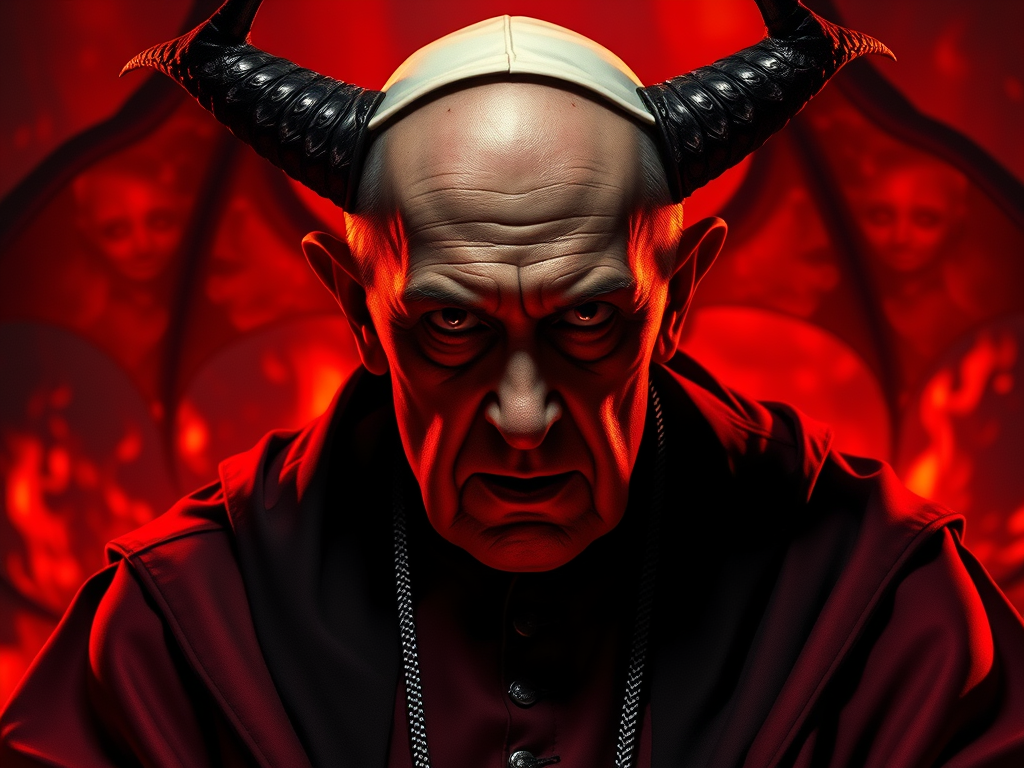
From a traditionalist Catholic perspective, the ‘papacy’ of Jorge Mario Bergoglio, known as ‘Pope’ Francis, has been marked by significant controversy. Concerns about deviations from established Church teachings and practices have led to calls for a return to orthodoxy. Pope Leo XIV has an opportunity to right these wrongs. Taditionalists, like the author, would like to see a series of actions aimed at restoring the integrity of the Catholic Church.
Reaffirmation of Doctrine
Clear Articulation of Teachings
Addressing Ambiguity in Doctrine
Under ‘Pope’ Francis, traditionalists have often expressed concern about what they perceive as ambiguity in Church teachings. This perceived lack of clarity has led to confusion among the faithful regarding the Church’s stance on critical moral and doctrinal issues. Pope Leo XIV could address these concerns by providing clear and unequivocal reaffirmations of traditional Catholic doctrines, thereby reinforcing the Church’s teachings and ensuring they are understood without ambiguity.
Emphasizing Core Teachings
- Marriage and Family: Traditionalists hold that marriage is a sacred covenant between a man and a woman, intended for procreation and the upbringing of children. Pope Leo XIV could emphasize the indissolubility of marriage and the importance of the family as the fundamental unit of society. By issuing statements or documents that clearly outline the Church’s teachings on marriage, he could counteract any perceived leniency or confusion regarding issues such as divorce, remarriage, and same-sex unions.
- Sanctity of Life: The Catholic Church has consistently upheld the sanctity of human life from conception to natural death. Pope Leo XIV could reaffirm the Church’s opposition to practices such as abortion, euthanasia, and embryonic stem cell research. By clearly articulating these positions, he would reinforce the Church’s commitment to protecting life at all stages and provide guidance to Catholics navigating these complex moral issues.
Utilizing Encyclicals and Apostolic Exhortations
To effectively communicate these reaffirmations, Pope Leo XIV could utilize encyclicals and apostolic exhortations. These authoritative documents would serve as a means to clarify the Church’s teachings and provide a definitive reference for clergy and laity alike. By addressing contemporary moral and social issues through these channels, Pope Leo XIV could ensure that the Church’s teachings are both relevant and rooted in tradition.
Engaging with the Faithful
In addition to issuing formal documents, Pope Leo XIV could engage with the faithful through pastoral letters, homilies, and public addresses. By directly addressing the concerns of traditionalists and providing clear guidance, he could foster a sense of unity and confidence among Catholics. This engagement would also serve to bridge any gaps between the hierarchy and the laity, ensuring that the Church’s teachings are accessible and understood by all.
By clearly articulating the Church’s teachings on marriage, family, and the sanctity of life, Pope Leo XIV could address the concerns of traditionalists and provide clarity to the faithful. Through the use of authoritative documents and direct engagement, he would reinforce the Church’s commitment to its core doctrines and ensure that these teachings are communicated without ambiguity. This approach would not only strengthen the Church’s moral authority but also foster a sense of unity and continuity within the Catholic community.
Encyclicals and Apostolic Exhortations
The Role of Encyclicals and Apostolic Exhortations
Encyclicals and apostolic exhortations are vital tools for a pope to communicate the Church’s teachings and guidance on various issues. Encyclicals are formal letters addressed to bishops and, by extension, to all the faithful, often dealing with significant doctrinal, moral, or social issues. Apostolic exhortations, while less formal than encyclicals, are used to encourage a particular virtue or practice within the Church. Both serve as authoritative sources of Catholic teaching and are instrumental in shaping the Church’s moral framework.
Reinforcing the Church’s Moral Framework
- Clarifying Doctrinal Positions: Pope Leo XIV could use encyclicals to clarify and reaffirm the Church’s positions on contentious issues. For example, an encyclical on the sanctity of life could address modern challenges such as abortion, euthanasia, and bioethical dilemmas, providing clear guidance rooted in traditional Catholic teaching.
- Addressing Social Issues: In a rapidly changing world, the Church’s voice on social issues is crucial. Pope Leo XIV could issue encyclicals that address topics like economic inequality, environmental stewardship, and the dignity of work. By doing so, he would articulate the Church’s vision for a just society, grounded in the principles of Catholic social teaching.
- Encouraging Spiritual Renewal: Apostolic exhortations could be used to inspire spiritual renewal within the Church. Pope Leo XIV might focus on themes such as evangelization, the importance of prayer, or the role of the laity in the Church’s mission. These exhortations would encourage Catholics to deepen their faith and actively participate in the life of the Church.
Strengthening the Church’s Witness
- Engaging with Contemporary Culture: By addressing contemporary issues through encyclicals and exhortations, Pope Leo XIV could engage with modern culture in a meaningful way. This engagement would demonstrate the relevance of Catholic teachings in addressing the moral and ethical challenges of today.
- Providing a Unified Voice: Encyclicals and exhortations offer a unified voice for the Church, helping to prevent fragmentation and confusion among the faithful. By clearly articulating the Church’s teachings, Pope Leo XIV would ensure that Catholics worldwide have a consistent understanding of the Church’s positions.
- Fostering Dialogue: These documents can also serve as a basis for dialogue with other Christian denominations, religious traditions, and secular institutions. By presenting the Church’s teachings in a clear and compelling manner, Pope Leo XIV could foster mutual understanding and cooperation on shared values and concerns.
Encyclicals and apostolic exhortations are powerful instruments for reinforcing the Church’s moral framework and strengthening its witness in the modern world. By issuing these documents, Pope Leo XIV could provide clarity on doctrinal and social issues, encourage spiritual renewal, and engage with contemporary culture. This approach would not only uphold the Church’s teachings but also enhance its role as a moral and spiritual leader in a complex and changing world.
Liturgical Restoration
Promotion of the Tridentine Mass
Understanding the Tridentine Mass
The Tridentine Mass, also known as the Traditional Latin Mass, is the form of the Roman Rite Mass that was codified by Pope Pius V following the Council of Trent in the 16th century. Celebrated in Latin, it is characterized by its solemnity, ritual precision, and the priest facing ad orientem (towards the altar). For many traditionalists, the Tridentine Mass represents a profound connection to the Church’s liturgical heritage and a sense of continuity with centuries of Catholic worship.
Lifting Restrictions and Encouraging Use
- Lifting Restrictions: In recent years, there have been varying degrees of restriction on the celebration of the Tridentine Mass. Pope Leo XIV could consider lifting these restrictions, allowing greater freedom for priests and parishes to celebrate the Latin Mass. This would address the desires of traditionalists who feel a deep spiritual connection to this form of worship.
- Encouraging Coexistence with the Novus Ordo Mass: Rather than replacing the Novus Ordo Mass, Pope Leo XIV could promote the coexistence of both forms. By encouraging the celebration of the Tridentine Mass alongside the Novus Ordo, he would provide Catholics with a choice in their liturgical experience, catering to diverse spiritual needs within the Church.
Honoring Liturgical Heritage
- Preserving Tradition: The Tridentine Mass is seen by traditionalists as a treasure of the Church’s liturgical tradition. By promoting its wider celebration, Pope Leo XIV would honor this heritage, ensuring that the richness of the Church’s past continues to inform its present and future.
- Fostering Reverence and Mystery: The solemnity and ritual of the Tridentine Mass are often cited as fostering a sense of reverence and mystery. By encouraging its celebration, Pope Leo XIV could help cultivate a deeper sense of the sacred in the liturgy, which many traditionalists feel is lacking in contemporary worship.
Providing Continuity with the Past
- Connecting with Historical Roots: The Tridentine Mass connects Catholics with the historical roots of their faith. By promoting its celebration, Pope Leo XIV would provide a tangible link to the Church’s past, reinforcing a sense of continuity and identity among the faithful.
- Educational Opportunities: Promoting the Tridentine Mass could also serve as an educational opportunity for Catholics to learn about the history and development of the Church’s liturgy. This understanding could enrich their appreciation of both the Tridentine and Novus Ordo forms.
The promotion of the Tridentine Mass by Pope Leo XIV would address the desires of traditionalists while honoring the Church’s liturgical heritage. By lifting restrictions and encouraging its celebration alongside the Novus Ordo Mass, he would provide continuity with the past and foster a deeper sense of reverence and mystery in the liturgy. This approach would not only preserve a vital aspect of Catholic tradition but also enrich the spiritual lives of the faithful.
Encouragement of Traditional Devotions
The Importance of Traditional Devotions
Traditional Catholic devotions have long been integral to the spiritual life of the Church, offering the faithful ways to deepen their relationship with God and the saints. These practices, which include the Rosary, Eucharistic adoration, and Marian consecrations, provide a framework for personal and communal prayer, fostering a sense of piety and devotion that transcends the liturgy.
Revival of the Rosary
- Historical Significance: The Rosary is a time-honored devotion that has been a cornerstone of Catholic spirituality for centuries. It involves meditative prayer on the mysteries of Christ’s life, death, and resurrection, with the intercession of the Blessed Virgin Mary.
- Promoting Daily Practice: Pope Leo XIV could encourage the daily recitation of the Rosary among Catholics, emphasizing its role in personal and family prayer life. By promoting initiatives such as Rosary rallies or parish-based Rosary groups, he could help reinvigorate this devotion.
- Spiritual Benefits: The Rosary is known for its spiritual benefits, including fostering contemplation, providing comfort in times of distress, and strengthening one’s faith. By encouraging its practice, Pope Leo XIV would help Catholics cultivate a deeper connection to their faith.
Eucharistic Adoration
- Focus on the Real Presence: Eucharistic adoration involves the worship of the Eucharist outside of Mass, emphasizing the belief in the Real Presence of Christ in the consecrated host. This devotion fosters a profound sense of reverence and awe for the sacrament.
- Establishing Adoration Chapels: Pope Leo XIV could promote the establishment of adoration chapels in parishes, encouraging the faithful to spend time in prayer before the Blessed Sacrament. This practice can lead to spiritual renewal and a deeper appreciation of the Eucharist.
- Community and Personal Growth: Eucharistic adoration provides opportunities for both communal and personal prayer, strengthening the bonds within parish communities and supporting individual spiritual growth.
Marian Consecrations
- Devotion to Mary: Marian consecrations involve dedicating oneself to the Blessed Virgin Mary, seeking her intercession and guidance in living a Christ-centered life. This devotion highlights Mary’s role as a model of faith and obedience.
- Promoting Consecration Programs: Pope Leo XIV could encourage programs that guide the faithful through the process of Marian consecration, such as those based on the teachings of St. Louis de Montfort. These programs can deepen one’s devotion to Mary and enhance one’s spiritual journey.
- Strengthening Marian Devotion: By promoting Marian consecrations, Pope Leo XIV would reinforce the importance of Mary in Catholic spirituality, encouraging the faithful to seek her intercession and emulate her virtues.
Encouraging the revival of traditional Catholic devotions such as the Rosary, Eucharistic adoration, and Marian consecrations would be a significant focus for Pope Leo XIV. These practices are vital to the spiritual life of the Church, fostering a deeper sense of piety and devotion among the faithful. By promoting these devotions, Pope Leo XIV would help Catholics cultivate a richer spiritual life, grounded in the traditions of the Church.
Reform of the Curia
Appointment of Traditionalist Leaders
Addressing Concerns of Modernist Influence
Traditionalists within the Catholic Church often voice concerns about the perceived influence of modernist or progressive elements within the Vatican bureaucracy. They argue that these influences can lead to ambiguity in Church teachings and practices, potentially diluting the Church’s traditional values. To address these concerns, Pope Leo XIV could focus on appointing leaders who are committed to upholding orthodox teachings and traditional Catholic values.
Reforming the Roman Curia
- Evaluating Current Leadership: Pope Leo XIV could begin by evaluating the current leadership within the Roman Curia, identifying areas where modernist influences may be impacting decision-making and policy. This evaluation would help in understanding the scope of reform needed.
- Appointing Traditionalist Cardinals and Bishops: By appointing cardinals and bishops who are aligned with traditionalist views, Pope Leo XIV would ensure that the leadership within the Church is committed to preserving and promoting orthodox teachings. These leaders would play a crucial role in guiding the Church’s direction and maintaining doctrinal consistency.
- Fostering a Culture of Orthodoxy: Appointing traditionalist leaders would help foster a culture of orthodoxy within the Vatican. This culture would prioritize adherence to established Church teachings and practices, ensuring that the Church remains rooted in its historical and theological foundations.
Ensuring Doctrinal Consistency
- Strengthening Theological Education: Traditionalist leaders could prioritize strengthening theological education within seminaries and Catholic institutions. By ensuring that clergy and lay leaders receive a robust education grounded in traditional Catholic doctrine, the Church can maintain doctrinal consistency across its global community.
- Promoting Clear Communication: Traditionalist leaders would likely emphasize the importance of clear and consistent communication of Church teachings. By articulating the Church’s positions on moral and doctrinal issues without ambiguity, these leaders would help prevent confusion among the faithful.
Enhancing Unity and Stability
- Building Trust Among the Faithful: By appointing leaders who are committed to traditional values, Pope Leo XIV could build trust among traditionalist Catholics who may feel alienated by recent developments within the Church. This trust would enhance unity and stability within the Catholic community.
- Encouraging Dialogue and Reconciliation: Traditionalist leaders could also play a role in encouraging dialogue and reconciliation with groups that have felt marginalized or disconnected from the Church. By fostering open communication and understanding, these leaders could work towards healing divisions and strengthening the Church’s unity.
The appointment of traditionalist leaders by Pope Leo XIV would address concerns about modernist influences within the Vatican bureaucracy. By reforming the Roman Curia and appointing cardinals and bishops aligned with traditionalist views, he would ensure that the Church remains committed to upholding orthodox teachings. This approach would enhance doctrinal consistency, build trust among the faithful, and foster unity within the Catholic community.
Strengthening Church Governance
Reinforcing the Hierarchical Structure
The Catholic Church’s hierarchical structure is a defining feature of its governance, providing a clear chain of authority and responsibility. This structure is rooted in the belief that the Church is divinely instituted, with the Pope as the successor of St. Peter and the bishops as successors of the apostles. Pope Leo XIV could focus on reinforcing this structure to ensure that Church governance aligns with traditional Catholic values.
- Clarifying Roles and Responsibilities: By clearly defining the roles and responsibilities of the Pope, bishops, priests, and laity, Pope Leo XIV could strengthen the Church’s governance. This clarity would help prevent misunderstandings and ensure that each level of the hierarchy functions effectively within its designated role.
- Emphasizing Apostolic Succession: Reinforcing the importance of apostolic succession would underscore the continuity and legitimacy of the Church’s authority. By highlighting this foundational principle, Pope Leo XIV could affirm the Church’s commitment to its historical and theological roots.
Addressing Concerns About Synodality
Synodality, a concept emphasized during ‘Pope’ Francis’s papacy, refers to the collaborative and consultative processes within the Church. While it aims to promote inclusivity and dialogue, some traditionalists express concern that it could undermine the Church’s hierarchical structure and unity.
- Balancing Synodality with Hierarchy: Pope Leo XIV could work to balance the principles of synodality with the Church’s hierarchical nature. By ensuring that synodal processes respect the authority of the Pope and bishops, he could maintain the integrity of the Church’s governance while fostering dialogue and participation.
- Clarifying the Limits of Synodality: To address concerns about synodality’s impact on Church unity, Pope Leo XIV could clarify its limits. By defining the scope and purpose of synodal processes, he would ensure that they serve to strengthen, rather than dilute, the Church’s hierarchical structure.
Ensuring Alignment with Traditional Values
- Promoting Doctrinal Fidelity: Strengthening Church governance involves ensuring that all levels of the hierarchy are committed to upholding traditional Catholic teachings. Pope Leo XIV could emphasize the importance of doctrinal fidelity in decision-making and governance processes.
- Encouraging Accountability: By promoting accountability within the Church’s governance, Pope Leo XIV could ensure that leaders at all levels adhere to traditional values. This accountability would help maintain the Church’s moral and ethical standards.
Enhancing Church Unity
- Fostering a Unified Vision: By reinforcing the hierarchical structure and addressing concerns about synodality, Pope Leo XIV could foster a unified vision for the Church. This vision would prioritize the Church’s mission and teachings, promoting cohesion among the faithful.
- Building Trust and Confidence: Strengthening Church governance would build trust and confidence among Catholics, reassuring them that the Church remains committed to its foundational principles. This trust would enhance unity and stability within the global Catholic community.
By reinforcing the Church’s hierarchical structure, Pope Leo XIV could ensure that Church governance aligns with traditional Catholic values. Addressing concerns about synodality and its impact on Church unity, he would maintain the integrity of the Church’s governance while fostering dialogue and participation. This approach would enhance doctrinal fidelity, accountability, and unity within the Catholic Church.
Dialogue and Reconciliation
Engagement with Traditionalist Groups
Understanding the Context
Traditionalist groups, such as the Society of St. Pius X (SSPX), have often found themselves at odds with the mainstream Catholic Church due to disagreements over liturgical reforms and doctrinal interpretations, particularly those stemming from the Second Vatican Council. These groups typically emphasize the preservation of traditional liturgical practices and teachings, which they feel have been compromised in recent decades. Pope Leo XIV could play a pivotal role in addressing these divisions and fostering reconciliation.
Initiating Dialogue
- Open Channels of Communication: Pope Leo XIV could initiate dialogue with traditionalist groups by establishing formal channels of communication. This would involve reaching out to leaders of these groups, expressing a genuine willingness to listen to their concerns and perspectives.
- Acknowledging Grievances: Acknowledging the grievances of traditionalist groups is a crucial step in building trust. Pope Leo XIV could demonstrate empathy and understanding by recognizing the historical and theological reasons behind their separation from the mainstream Church.
- Creating a Collaborative Environment: By fostering a collaborative environment, Pope Leo XIV could encourage traditionalist groups to participate in discussions about the future of the Church. This collaboration would help bridge gaps and promote mutual understanding.
Working Towards Reconciliation
- Addressing Liturgical Concerns: One of the primary concerns of traditionalist groups is the preservation of the Tridentine Mass and other traditional liturgical practices. Pope Leo XIV could address these concerns by promoting the wider celebration of the Latin Mass and ensuring that traditional liturgies are respected and valued within the Church.
- Clarifying Doctrinal Issues: Doctrinal disagreements, particularly those related to the Second Vatican Council, have been a source of division. Pope Leo XIV could work towards clarifying these issues, providing assurances that traditional teachings are upheld and respected.
- Offering Canonical Solutions: To facilitate reconciliation, Pope Leo XIV could explore canonical solutions that would allow traditionalist groups to maintain their distinct identity while being in full communion with the Church. This might involve creating personal prelatures or ordinariates that respect their liturgical and spiritual practices.
Fostering Unity
- Promoting a Spirit of Inclusivity: By engaging with traditionalist groups, Pope Leo XIV would promote a spirit of inclusivity within the Church. This inclusivity would demonstrate that the Church values diverse expressions of faith and is committed to unity in diversity.
- Building a Unified Church: Reconciliation with traditionalist groups would contribute to building a more unified Church. By healing divisions, Pope Leo XIV would strengthen the Church’s witness and mission in the world, presenting a cohesive and harmonious Catholic community.
- Encouraging Mutual Enrichment: Engagement with traditionalist groups could lead to mutual enrichment, where both the mainstream Church and traditionalists learn from each other’s strengths. This exchange would enhance the spiritual and liturgical life of the entire Church.
Engagement with traditionalist groups, such as the Society of St. Pius X, would be a significant focus for Pope Leo XIV in healing divisions within the Church. By initiating dialogue, addressing grievances, and working towards reconciliation, he could bring these groups into full communion with the Church. This approach would foster unity, inclusivity, and mutual enrichment, strengthening the Catholic Church’s mission and witness in the modern world.
Clarification on Synodality
Understanding Synodality
Synodality refers to the process of collective discernment, consultation, and decision-making within the Church. It emphasizes the involvement of bishops, clergy, and laity in discussions about the Church’s mission and governance. While synodality aims to foster inclusivity and dialogue, it has raised concerns among traditionalists who fear it might undermine the Church’s hierarchical structure and doctrinal consistency.
Clarifying the Role of Synodality
- Defining Synodality’s Purpose: Pope Leo XIV could begin by clearly defining the purpose of synodality within the Church. This would involve articulating how synodal processes can enhance the Church’s mission by promoting collaboration and listening while respecting the established hierarchy.
- Emphasizing Unity in Diversity: Synodality should be seen as a means to achieve unity in diversity, allowing for a range of voices to be heard while maintaining a unified vision for the Church. Pope Leo XIV could emphasize that synodality is not about altering core doctrines but about enriching the Church’s understanding and application of these teachings.
- Promoting Pastoral Sensitivity: Synodality can be a tool for addressing pastoral challenges by considering the diverse contexts in which Catholics live. Pope Leo XIV could highlight the importance of pastoral sensitivity, ensuring that synodal discussions lead to practical solutions that align with Church teachings.
Establishing Limits of Synodality
- Reaffirming Hierarchical Authority: To address concerns about synodality undermining the Church’s hierarchy, Pope Leo XIV could reaffirm the authority of the Pope and bishops as the primary custodians of Church doctrine. Synodal processes should complement, not replace, this authority.
- Ensuring Doctrinal Consistency: Pope Leo XIV could clarify that synodality must operate within the bounds of established Church teachings. Any outcomes from synodal discussions should be consistent with the Church’s doctrinal heritage, ensuring that synodality strengthens rather than dilutes doctrinal consistency.
- Guidelines for Synodal Processes: Establishing clear guidelines for synodal processes would help ensure that they are conducted in a manner that respects the Church’s hierarchical structure. Pope Leo XIV could provide directives on how synodal discussions should be organized and how their outcomes should be integrated into Church governance.
Strengthening the Church Through Synodality
- Fostering a Culture of Dialogue: By clarifying the role and limits of synodality, Pope Leo XIV could foster a culture of dialogue within the Church. This culture would encourage open communication and collaboration while maintaining respect for the Church’s teachings and authority.
- Enhancing Participation and Engagement: Properly understood and implemented, synodality can enhance participation and engagement among the faithful. Pope Leo XIV could encourage Catholics to actively contribute to the Church’s mission, knowing that their voices are valued and respected.
- Building Trust and Unity: Clarifying synodality’s role would build trust among traditionalists and other Catholics who may have concerns. By demonstrating that synodality serves to strengthen the Church’s unity and mission, Pope Leo XIV could foster a sense of cohesion and shared purpose.
Clarifying the role and limits of synodality would be an important task for Pope Leo XIV. By defining its purpose, establishing its limits, and emphasizing its potential to strengthen the Church, he could address concerns among traditionalists and ensure that synodality serves to enhance, rather than undermine, the Church’s hierarchical structure and doctrinal consistency. This approach would promote a culture of dialogue, participation, and unity within the Catholic Church.
Conclusion
Restoring Orthodoxy and Continuity
From a traditionalist Catholic perspective, the papacy of Pope Leo XIV would be seen as an opportunity to restore what is perceived as the lost orthodoxy and continuity of the Church. This restoration involves a return to the core teachings and practices that have defined Catholicism for centuries. Traditionalists often feel that recent developments have led to ambiguity and a departure from these foundational elements. Pope Leo XIV’s focus would be on reaffirming the Church’s commitment to its historical doctrines and liturgical traditions, ensuring that the faith remains consistent with its roots.
Reaffirming Doctrine
- Clear Articulation of Teachings: By issuing clear and unequivocal statements on key doctrinal issues, Pope Leo XIV could eliminate confusion and ambiguity. This would involve reaffirming the Church’s teachings on marriage, family, and the sanctity of life, providing a solid foundation for Catholics navigating contemporary moral challenges.
- Strengthening Theological Education: Ensuring that clergy and lay leaders are well-versed in traditional Catholic doctrine would be a priority. This focus on education would help maintain doctrinal consistency and equip Church leaders to effectively communicate the faith.
Promoting Traditional Liturgy and Devotions
- Reviving the Tridentine Mass: By promoting the wider celebration of the Tridentine Mass, Pope Leo XIV would honor the Church’s liturgical heritage and provide continuity with the past. This revival would cater to the spiritual needs of traditionalists and enrich the Church’s liturgical life.
- Encouraging Traditional Devotions: The promotion of traditional devotions such as the Rosary, Eucharistic adoration, and Marian consecrations would foster a deeper sense of piety among the faithful. These practices are vital to the spiritual life of the Church and help cultivate a rich devotional culture.
Addressing Internal Church Governance
- Appointing Traditionalist Leaders: By appointing cardinals and bishops aligned with traditionalist views, Pope Leo XIV could ensure that Church governance reflects orthodox teachings. This approach would address concerns about modernist influences and promote a culture of orthodoxy within the Vatican.
- Clarifying Synodality: By defining the role and limits of synodality, Pope Leo XIV could ensure that it strengthens, rather than undermines, the Church’s hierarchical structure. This clarification would address traditionalist concerns and promote unity within the Church.
Healing Divisions and Strengthening Witness
- Engaging with Traditionalist Groups: By engaging in dialogue with traditionalist groups and working towards reconciliation, Pope Leo XIV could heal divisions within the Church. This engagement would foster unity and demonstrate the Church’s commitment to inclusivity and diversity.
- Enhancing the Church’s Global Witness: By focusing on restoring orthodoxy and continuity, Pope Leo XIV would strengthen the Church’s witness in the modern world. A unified and consistent Church would be better equipped to address contemporary challenges and effectively communicate its message to a global audience.
From a traditionalist Catholic perspective, Pope Leo XIV’s papacy would ideally focus on restoring the lost orthodoxy and continuity of the Church. By reaffirming doctrine, promoting traditional liturgy and devotions, and addressing internal Church governance, he could work to heal divisions and strengthen the Church’s witness in the modern world. This approach would ensure that the Catholic Church remains true to its foundational teachings while effectively engaging with the complexities of contemporary society.
Introduction
From a traditionalist Catholic perspective, the ‘papacy’ of Jorge Mario Bergoglio, known as ‘Pope’ Francis, has been marked by significant controversy. Concerns about deviations from established Church teachings and practices have led to calls for a return to orthodoxy. Pope Leo XIV has an opportunity to right these wrongs. Taditionalists, like the author, would like to see a series of actions aimed at restoring the integrity of the Catholic Church.
Reaffirmation of Doctrine
Clear Articulation of Teachings
Addressing Ambiguity in Doctrine
Under ‘Pope’ Francis, traditionalists have often expressed concern about what they perceive as ambiguity in Church teachings. This perceived lack of clarity has led to confusion among the faithful regarding the Church’s stance on critical moral and doctrinal issues. Pope Leo XIV could address these concerns by providing clear and unequivocal reaffirmations of traditional Catholic doctrines, thereby reinforcing the Church’s teachings and ensuring they are understood without ambiguity.
Emphasizing Core Teachings
- Marriage and Family: Traditionalists hold that marriage is a sacred covenant between a man and a woman, intended for procreation and the upbringing of children. Pope Leo XIV could emphasize the indissolubility of marriage and the importance of the family as the fundamental unit of society. By issuing statements or documents that clearly outline the Church’s teachings on marriage, he could counteract any perceived leniency or confusion regarding issues such as divorce, remarriage, and same-sex unions.
- Sanctity of Life: The Catholic Church has consistently upheld the sanctity of human life from conception to natural death. Pope Leo XIV could reaffirm the Church’s opposition to practices such as abortion, euthanasia, and embryonic stem cell research. By clearly articulating these positions, he would reinforce the Church’s commitment to protecting life at all stages and provide guidance to Catholics navigating these complex moral issues.
Utilizing Encyclicals and Apostolic Exhortations
To effectively communicate these reaffirmations, Pope Leo XIV could utilize encyclicals and apostolic exhortations. These authoritative documents would serve as a means to clarify the Church’s teachings and provide a definitive reference for clergy and laity alike. By addressing contemporary moral and social issues through these channels, Pope Leo XIV could ensure that the Church’s teachings are both relevant and rooted in tradition.
Engaging with the Faithful
In addition to issuing formal documents, Pope Leo XIV could engage with the faithful through pastoral letters, homilies, and public addresses. By directly addressing the concerns of traditionalists and providing clear guidance, he could foster a sense of unity and confidence among Catholics. This engagement would also serve to bridge any gaps between the hierarchy and the laity, ensuring that the Church’s teachings are accessible and understood by all.
By clearly articulating the Church’s teachings on marriage, family, and the sanctity of life, Pope Leo XIV could address the concerns of traditionalists and provide clarity to the faithful. Through the use of authoritative documents and direct engagement, he would reinforce the Church’s commitment to its core doctrines and ensure that these teachings are communicated without ambiguity. This approach would not only strengthen the Church’s moral authority but also foster a sense of unity and continuity within the Catholic community.
Encyclicals and Apostolic Exhortations
The Role of Encyclicals and Apostolic Exhortations
Encyclicals and apostolic exhortations are vital tools for a pope to communicate the Church’s teachings and guidance on various issues. Encyclicals are formal letters addressed to bishops and, by extension, to all the faithful, often dealing with significant doctrinal, moral, or social issues. Apostolic exhortations, while less formal than encyclicals, are used to encourage a particular virtue or practice within the Church. Both serve as authoritative sources of Catholic teaching and are instrumental in shaping the Church’s moral framework.
Reinforcing the Church’s Moral Framework
- Clarifying Doctrinal Positions: Pope Leo XIV could use encyclicals to clarify and reaffirm the Church’s positions on contentious issues. For example, an encyclical on the sanctity of life could address modern challenges such as abortion, euthanasia, and bioethical dilemmas, providing clear guidance rooted in traditional Catholic teaching.
- Addressing Social Issues: In a rapidly changing world, the Church’s voice on social issues is crucial. Pope Leo XIV could issue encyclicals that address topics like economic inequality, environmental stewardship, and the dignity of work. By doing so, he would articulate the Church’s vision for a just society, grounded in the principles of Catholic social teaching.
- Encouraging Spiritual Renewal: Apostolic exhortations could be used to inspire spiritual renewal within the Church. Pope Leo XIV might focus on themes such as evangelization, the importance of prayer, or the role of the laity in the Church’s mission. These exhortations would encourage Catholics to deepen their faith and actively participate in the life of the Church.
Strengthening the Church’s Witness
- Engaging with Contemporary Culture: By addressing contemporary issues through encyclicals and exhortations, Pope Leo XIV could engage with modern culture in a meaningful way. This engagement would demonstrate the relevance of Catholic teachings in addressing the moral and ethical challenges of today.
- Providing a Unified Voice: Encyclicals and exhortations offer a unified voice for the Church, helping to prevent fragmentation and confusion among the faithful. By clearly articulating the Church’s teachings, Pope Leo XIV would ensure that Catholics worldwide have a consistent understanding of the Church’s positions.
- Fostering Dialogue: These documents can also serve as a basis for dialogue with other Christian denominations, religious traditions, and secular institutions. By presenting the Church’s teachings in a clear and compelling manner, Pope Leo XIV could foster mutual understanding and cooperation on shared values and concerns.
Encyclicals and apostolic exhortations are powerful instruments for reinforcing the Church’s moral framework and strengthening its witness in the modern world. By issuing these documents, Pope Leo XIV could provide clarity on doctrinal and social issues, encourage spiritual renewal, and engage with contemporary culture. This approach would not only uphold the Church’s teachings but also enhance its role as a moral and spiritual leader in a complex and changing world.
Liturgical Restoration
Promotion of the Tridentine Mass
Understanding the Tridentine Mass
The Tridentine Mass, also known as the Traditional Latin Mass, is the form of the Roman Rite Mass that was codified by Pope Pius V following the Council of Trent in the 16th century. Celebrated in Latin, it is characterized by its solemnity, ritual precision, and the priest facing ad orientem (towards the altar). For many traditionalists, the Tridentine Mass represents a profound connection to the Church’s liturgical heritage and a sense of continuity with centuries of Catholic worship.
Lifting Restrictions and Encouraging Use
- Lifting Restrictions: In recent years, there have been varying degrees of restriction on the celebration of the Tridentine Mass. Pope Leo XIV could consider lifting these restrictions, allowing greater freedom for priests and parishes to celebrate the Latin Mass. This would address the desires of traditionalists who feel a deep spiritual connection to this form of worship.
- Encouraging Coexistence with the Novus Ordo Mass: Rather than replacing the Novus Ordo Mass, Pope Leo XIV could promote the coexistence of both forms. By encouraging the celebration of the Tridentine Mass alongside the Novus Ordo, he would provide Catholics with a choice in their liturgical experience, catering to diverse spiritual needs within the Church.
Honoring Liturgical Heritage
- Preserving Tradition: The Tridentine Mass is seen by traditionalists as a treasure of the Church’s liturgical tradition. By promoting its wider celebration, Pope Leo XIV would honor this heritage, ensuring that the richness of the Church’s past continues to inform its present and future.
- Fostering Reverence and Mystery: The solemnity and ritual of the Tridentine Mass are often cited as fostering a sense of reverence and mystery. By encouraging its celebration, Pope Leo XIV could help cultivate a deeper sense of the sacred in the liturgy, which many traditionalists feel is lacking in contemporary worship.
Providing Continuity with the Past
- Connecting with Historical Roots: The Tridentine Mass connects Catholics with the historical roots of their faith. By promoting its celebration, Pope Leo XIV would provide a tangible link to the Church’s past, reinforcing a sense of continuity and identity among the faithful.
- Educational Opportunities: Promoting the Tridentine Mass could also serve as an educational opportunity for Catholics to learn about the history and development of the Church’s liturgy. This understanding could enrich their appreciation of both the Tridentine and Novus Ordo forms.
The promotion of the Tridentine Mass by Pope Leo XIV would address the desires of traditionalists while honoring the Church’s liturgical heritage. By lifting restrictions and encouraging its celebration alongside the Novus Ordo Mass, he would provide continuity with the past and foster a deeper sense of reverence and mystery in the liturgy. This approach would not only preserve a vital aspect of Catholic tradition but also enrich the spiritual lives of the faithful.
Encouragement of Traditional Devotions
The Importance of Traditional Devotions
Traditional Catholic devotions have long been integral to the spiritual life of the Church, offering the faithful ways to deepen their relationship with God and the saints. These practices, which include the Rosary, Eucharistic adoration, and Marian consecrations, provide a framework for personal and communal prayer, fostering a sense of piety and devotion that transcends the liturgy.
Revival of the Rosary
- Historical Significance: The Rosary is a time-honored devotion that has been a cornerstone of Catholic spirituality for centuries. It involves meditative prayer on the mysteries of Christ’s life, death, and resurrection, with the intercession of the Blessed Virgin Mary.
- Promoting Daily Practice: Pope Leo XIV could encourage the daily recitation of the Rosary among Catholics, emphasizing its role in personal and family prayer life. By promoting initiatives such as Rosary rallies or parish-based Rosary groups, he could help reinvigorate this devotion.
- Spiritual Benefits: The Rosary is known for its spiritual benefits, including fostering contemplation, providing comfort in times of distress, and strengthening one’s faith. By encouraging its practice, Pope Leo XIV would help Catholics cultivate a deeper connection to their faith.
Eucharistic Adoration
- Focus on the Real Presence: Eucharistic adoration involves the worship of the Eucharist outside of Mass, emphasizing the belief in the Real Presence of Christ in the consecrated host. This devotion fosters a profound sense of reverence and awe for the sacrament.
- Establishing Adoration Chapels: Pope Leo XIV could promote the establishment of adoration chapels in parishes, encouraging the faithful to spend time in prayer before the Blessed Sacrament. This practice can lead to spiritual renewal and a deeper appreciation of the Eucharist.
- Community and Personal Growth: Eucharistic adoration provides opportunities for both communal and personal prayer, strengthening the bonds within parish communities and supporting individual spiritual growth.
Marian Consecrations
- Devotion to Mary: Marian consecrations involve dedicating oneself to the Blessed Virgin Mary, seeking her intercession and guidance in living a Christ-centered life. This devotion highlights Mary’s role as a model of faith and obedience.
- Promoting Consecration Programs: Pope Leo XIV could encourage programs that guide the faithful through the process of Marian consecration, such as those based on the teachings of St. Louis de Montfort. These programs can deepen one’s devotion to Mary and enhance one’s spiritual journey.
- Strengthening Marian Devotion: By promoting Marian consecrations, Pope Leo XIV would reinforce the importance of Mary in Catholic spirituality, encouraging the faithful to seek her intercession and emulate her virtues.
Encouraging the revival of traditional Catholic devotions such as the Rosary, Eucharistic adoration, and Marian consecrations would be a significant focus for Pope Leo XIV. These practices are vital to the spiritual life of the Church, fostering a deeper sense of piety and devotion among the faithful. By promoting these devotions, Pope Leo XIV would help Catholics cultivate a richer spiritual life, grounded in the traditions of the Church.
Reform of the Curia
Appointment of Traditionalist Leaders
Addressing Concerns of Modernist Influence
Traditionalists within the Catholic Church often voice concerns about the perceived influence of modernist or progressive elements within the Vatican bureaucracy. They argue that these influences can lead to ambiguity in Church teachings and practices, potentially diluting the Church’s traditional values. To address these concerns, Pope Leo XIV could focus on appointing leaders who are committed to upholding orthodox teachings and traditional Catholic values.
Reforming the Roman Curia
- Evaluating Current Leadership: Pope Leo XIV could begin by evaluating the current leadership within the Roman Curia, identifying areas where modernist influences may be impacting decision-making and policy. This evaluation would help in understanding the scope of reform needed.
- Appointing Traditionalist Cardinals and Bishops: By appointing cardinals and bishops who are aligned with traditionalist views, Pope Leo XIV would ensure that the leadership within the Church is committed to preserving and promoting orthodox teachings. These leaders would play a crucial role in guiding the Church’s direction and maintaining doctrinal consistency.
- Fostering a Culture of Orthodoxy: Appointing traditionalist leaders would help foster a culture of orthodoxy within the Vatican. This culture would prioritize adherence to established Church teachings and practices, ensuring that the Church remains rooted in its historical and theological foundations.
Ensuring Doctrinal Consistency
- Strengthening Theological Education: Traditionalist leaders could prioritize strengthening theological education within seminaries and Catholic institutions. By ensuring that clergy and lay leaders receive a robust education grounded in traditional Catholic doctrine, the Church can maintain doctrinal consistency across its global community.
- Promoting Clear Communication: Traditionalist leaders would likely emphasize the importance of clear and consistent communication of Church teachings. By articulating the Church’s positions on moral and doctrinal issues without ambiguity, these leaders would help prevent confusion among the faithful.
Enhancing Unity and Stability
- Building Trust Among the Faithful: By appointing leaders who are committed to traditional values, Pope Leo XIV could build trust among traditionalist Catholics who may feel alienated by recent developments within the Church. This trust would enhance unity and stability within the Catholic community.
- Encouraging Dialogue and Reconciliation: Traditionalist leaders could also play a role in encouraging dialogue and reconciliation with groups that have felt marginalized or disconnected from the Church. By fostering open communication and understanding, these leaders could work towards healing divisions and strengthening the Church’s unity.
The appointment of traditionalist leaders by Pope Leo XIV would address concerns about modernist influences within the Vatican bureaucracy. By reforming the Roman Curia and appointing cardinals and bishops aligned with traditionalist views, he would ensure that the Church remains committed to upholding orthodox teachings. This approach would enhance doctrinal consistency, build trust among the faithful, and foster unity within the Catholic community.
Strengthening Church Governance
Reinforcing the Hierarchical Structure
The Catholic Church’s hierarchical structure is a defining feature of its governance, providing a clear chain of authority and responsibility. This structure is rooted in the belief that the Church is divinely instituted, with the Pope as the successor of St. Peter and the bishops as successors of the apostles. Pope Leo XIV could focus on reinforcing this structure to ensure that Church governance aligns with traditional Catholic values.
- Clarifying Roles and Responsibilities: By clearly defining the roles and responsibilities of the Pope, bishops, priests, and laity, Pope Leo XIV could strengthen the Church’s governance. This clarity would help prevent misunderstandings and ensure that each level of the hierarchy functions effectively within its designated role.
- Emphasizing Apostolic Succession: Reinforcing the importance of apostolic succession would underscore the continuity and legitimacy of the Church’s authority. By highlighting this foundational principle, Pope Leo XIV could affirm the Church’s commitment to its historical and theological roots.
Addressing Concerns About Synodality
Synodality, a concept emphasized during ‘Pope’ Francis’s papacy, refers to the collaborative and consultative processes within the Church. While it aims to promote inclusivity and dialogue, some traditionalists express concern that it could undermine the Church’s hierarchical structure and unity.
- Balancing Synodality with Hierarchy: Pope Leo XIV could work to balance the principles of synodality with the Church’s hierarchical nature. By ensuring that synodal processes respect the authority of the Pope and bishops, he could maintain the integrity of the Church’s governance while fostering dialogue and participation.
- Clarifying the Limits of Synodality: To address concerns about synodality’s impact on Church unity, Pope Leo XIV could clarify its limits. By defining the scope and purpose of synodal processes, he would ensure that they serve to strengthen, rather than dilute, the Church’s hierarchical structure.
Ensuring Alignment with Traditional Values
- Promoting Doctrinal Fidelity: Strengthening Church governance involves ensuring that all levels of the hierarchy are committed to upholding traditional Catholic teachings. Pope Leo XIV could emphasize the importance of doctrinal fidelity in decision-making and governance processes.
- Encouraging Accountability: By promoting accountability within the Church’s governance, Pope Leo XIV could ensure that leaders at all levels adhere to traditional values. This accountability would help maintain the Church’s moral and ethical standards.
Enhancing Church Unity
- Fostering a Unified Vision: By reinforcing the hierarchical structure and addressing concerns about synodality, Pope Leo XIV could foster a unified vision for the Church. This vision would prioritize the Church’s mission and teachings, promoting cohesion among the faithful.
- Building Trust and Confidence: Strengthening Church governance would build trust and confidence among Catholics, reassuring them that the Church remains committed to its foundational principles. This trust would enhance unity and stability within the global Catholic community.
By reinforcing the Church’s hierarchical structure, Pope Leo XIV could ensure that Church governance aligns with traditional Catholic values. Addressing concerns about synodality and its impact on Church unity, he would maintain the integrity of the Church’s governance while fostering dialogue and participation. This approach would enhance doctrinal fidelity, accountability, and unity within the Catholic Church.
Dialogue and Reconciliation
Engagement with Traditionalist Groups
Understanding the Context
Traditionalist groups, such as the Society of St. Pius X (SSPX), have often found themselves at odds with the mainstream Catholic Church due to disagreements over liturgical reforms and doctrinal interpretations, particularly those stemming from the Second Vatican Council. These groups typically emphasize the preservation of traditional liturgical practices and teachings, which they feel have been compromised in recent decades. Pope Leo XIV could play a pivotal role in addressing these divisions and fostering reconciliation.
Initiating Dialogue
- Open Channels of Communication: Pope Leo XIV could initiate dialogue with traditionalist groups by establishing formal channels of communication. This would involve reaching out to leaders of these groups, expressing a genuine willingness to listen to their concerns and perspectives.
- Acknowledging Grievances: Acknowledging the grievances of traditionalist groups is a crucial step in building trust. Pope Leo XIV could demonstrate empathy and understanding by recognizing the historical and theological reasons behind their separation from the mainstream Church.
- Creating a Collaborative Environment: By fostering a collaborative environment, Pope Leo XIV could encourage traditionalist groups to participate in discussions about the future of the Church. This collaboration would help bridge gaps and promote mutual understanding.
Working Towards Reconciliation
- Addressing Liturgical Concerns: One of the primary concerns of traditionalist groups is the preservation of the Tridentine Mass and other traditional liturgical practices. Pope Leo XIV could address these concerns by promoting the wider celebration of the Latin Mass and ensuring that traditional liturgies are respected and valued within the Church.
- Clarifying Doctrinal Issues: Doctrinal disagreements, particularly those related to the Second Vatican Council, have been a source of division. Pope Leo XIV could work towards clarifying these issues, providing assurances that traditional teachings are upheld and respected.
- Offering Canonical Solutions: To facilitate reconciliation, Pope Leo XIV could explore canonical solutions that would allow traditionalist groups to maintain their distinct identity while being in full communion with the Church. This might involve creating personal prelatures or ordinariates that respect their liturgical and spiritual practices.
Fostering Unity
- Promoting a Spirit of Inclusivity: By engaging with traditionalist groups, Pope Leo XIV would promote a spirit of inclusivity within the Church. This inclusivity would demonstrate that the Church values diverse expressions of faith and is committed to unity in diversity.
- Building a Unified Church: Reconciliation with traditionalist groups would contribute to building a more unified Church. By healing divisions, Pope Leo XIV would strengthen the Church’s witness and mission in the world, presenting a cohesive and harmonious Catholic community.
- Encouraging Mutual Enrichment: Engagement with traditionalist groups could lead to mutual enrichment, where both the mainstream Church and traditionalists learn from each other’s strengths. This exchange would enhance the spiritual and liturgical life of the entire Church.
Engagement with traditionalist groups, such as the Society of St. Pius X, would be a significant focus for Pope Leo XIV in healing divisions within the Church. By initiating dialogue, addressing grievances, and working towards reconciliation, he could bring these groups into full communion with the Church. This approach would foster unity, inclusivity, and mutual enrichment, strengthening the Catholic Church’s mission and witness in the modern world.
Clarification on Synodality
Understanding Synodality
Synodality refers to the process of collective discernment, consultation, and decision-making within the Church. It emphasizes the involvement of bishops, clergy, and laity in discussions about the Church’s mission and governance. While synodality aims to foster inclusivity and dialogue, it has raised concerns among traditionalists who fear it might undermine the Church’s hierarchical structure and doctrinal consistency.
Clarifying the Role of Synodality
- Defining Synodality’s Purpose: Pope Leo XIV could begin by clearly defining the purpose of synodality within the Church. This would involve articulating how synodal processes can enhance the Church’s mission by promoting collaboration and listening while respecting the established hierarchy.
- Emphasizing Unity in Diversity: Synodality should be seen as a means to achieve unity in diversity, allowing for a range of voices to be heard while maintaining a unified vision for the Church. Pope Leo XIV could emphasize that synodality is not about altering core doctrines but about enriching the Church’s understanding and application of these teachings.
- Promoting Pastoral Sensitivity: Synodality can be a tool for addressing pastoral challenges by considering the diverse contexts in which Catholics live. Pope Leo XIV could highlight the importance of pastoral sensitivity, ensuring that synodal discussions lead to practical solutions that align with Church teachings.
Establishing Limits of Synodality
- Reaffirming Hierarchical Authority: To address concerns about synodality undermining the Church’s hierarchy, Pope Leo XIV could reaffirm the authority of the Pope and bishops as the primary custodians of Church doctrine. Synodal processes should complement, not replace, this authority.
- Ensuring Doctrinal Consistency: Pope Leo XIV could clarify that synodality must operate within the bounds of established Church teachings. Any outcomes from synodal discussions should be consistent with the Church’s doctrinal heritage, ensuring that synodality strengthens rather than dilutes doctrinal consistency.
- Guidelines for Synodal Processes: Establishing clear guidelines for synodal processes would help ensure that they are conducted in a manner that respects the Church’s hierarchical structure. Pope Leo XIV could provide directives on how synodal discussions should be organized and how their outcomes should be integrated into Church governance.
Strengthening the Church Through Synodality
- Fostering a Culture of Dialogue: By clarifying the role and limits of synodality, Pope Leo XIV could foster a culture of dialogue within the Church. This culture would encourage open communication and collaboration while maintaining respect for the Church’s teachings and authority.
- Enhancing Participation and Engagement: Properly understood and implemented, synodality can enhance participation and engagement among the faithful. Pope Leo XIV could encourage Catholics to actively contribute to the Church’s mission, knowing that their voices are valued and respected.
- Building Trust and Unity: Clarifying synodality’s role would build trust among traditionalists and other Catholics who may have concerns. By demonstrating that synodality serves to strengthen the Church’s unity and mission, Pope Leo XIV could foster a sense of cohesion and shared purpose.
Clarifying the role and limits of synodality would be an important task for Pope Leo XIV. By defining its purpose, establishing its limits, and emphasizing its potential to strengthen the Church, he could address concerns among traditionalists and ensure that synodality serves to enhance, rather than undermine, the Church’s hierarchical structure and doctrinal consistency. This approach would promote a culture of dialogue, participation, and unity within the Catholic Church.
Conclusion
Restoring Orthodoxy and Continuity
From a traditionalist Catholic perspective, the papacy of Pope Leo XIV would be seen as an opportunity to restore what is perceived as the lost orthodoxy and continuity of the Church. This restoration involves a return to the core teachings and practices that have defined Catholicism for centuries. Traditionalists often feel that recent developments have led to ambiguity and a departure from these foundational elements. Pope Leo XIV’s focus would be on reaffirming the Church’s commitment to its historical doctrines and liturgical traditions, ensuring that the faith remains consistent with its roots.
Reaffirming Doctrine
- Clear Articulation of Teachings: By issuing clear and unequivocal statements on key doctrinal issues, Pope Leo XIV could eliminate confusion and ambiguity. This would involve reaffirming the Church’s teachings on marriage, family, and the sanctity of life, providing a solid foundation for Catholics navigating contemporary moral challenges.
- Strengthening Theological Education: Ensuring that clergy and lay leaders are well-versed in traditional Catholic doctrine would be a priority. This focus on education would help maintain doctrinal consistency and equip Church leaders to effectively communicate the faith.
Promoting Traditional Liturgy and Devotions
- Reviving the Tridentine Mass: By promoting the wider celebration of the Tridentine Mass, Pope Leo XIV would honor the Church’s liturgical heritage and provide continuity with the past. This revival would cater to the spiritual needs of traditionalists and enrich the Church’s liturgical life.
- Encouraging Traditional Devotions: The promotion of traditional devotions such as the Rosary, Eucharistic adoration, and Marian consecrations would foster a deeper sense of piety among the faithful. These practices are vital to the spiritual life of the Church and help cultivate a rich devotional culture.
Addressing Internal Church Governance
- Appointing Traditionalist Leaders: By appointing cardinals and bishops aligned with traditionalist views, Pope Leo XIV could ensure that Church governance reflects orthodox teachings. This approach would address concerns about modernist influences and promote a culture of orthodoxy within the Vatican.
- Clarifying Synodality: By defining the role and limits of synodality, Pope Leo XIV could ensure that it strengthens, rather than undermines, the Church’s hierarchical structure. This clarification would address traditionalist concerns and promote unity within the Church.
Healing Divisions and Strengthening Witness
- Engaging with Traditionalist Groups: By engaging in dialogue with traditionalist groups and working towards reconciliation, Pope Leo XIV could heal divisions within the Church. This engagement would foster unity and demonstrate the Church’s commitment to inclusivity and diversity.
- Enhancing the Church’s Global Witness: By focusing on restoring orthodoxy and continuity, Pope Leo XIV would strengthen the Church’s witness in the modern world. A unified and consistent Church would be better equipped to address contemporary challenges and effectively communicate its message to a global audience.
From a traditionalist Catholic perspective, Pope Leo XIV’s papacy would ideally focus on restoring the lost orthodoxy and continuity of the Church. By reaffirming doctrine, promoting traditional liturgy and devotions, and addressing internal Church governance, he could work to heal divisions and strengthen the Church’s witness in the modern world. This approach would ensure that the Catholic Church remains true to its foundational teachings while effectively engaging with the complexities of contemporary society.




 UTAZCO Overland
Leave a Reply