
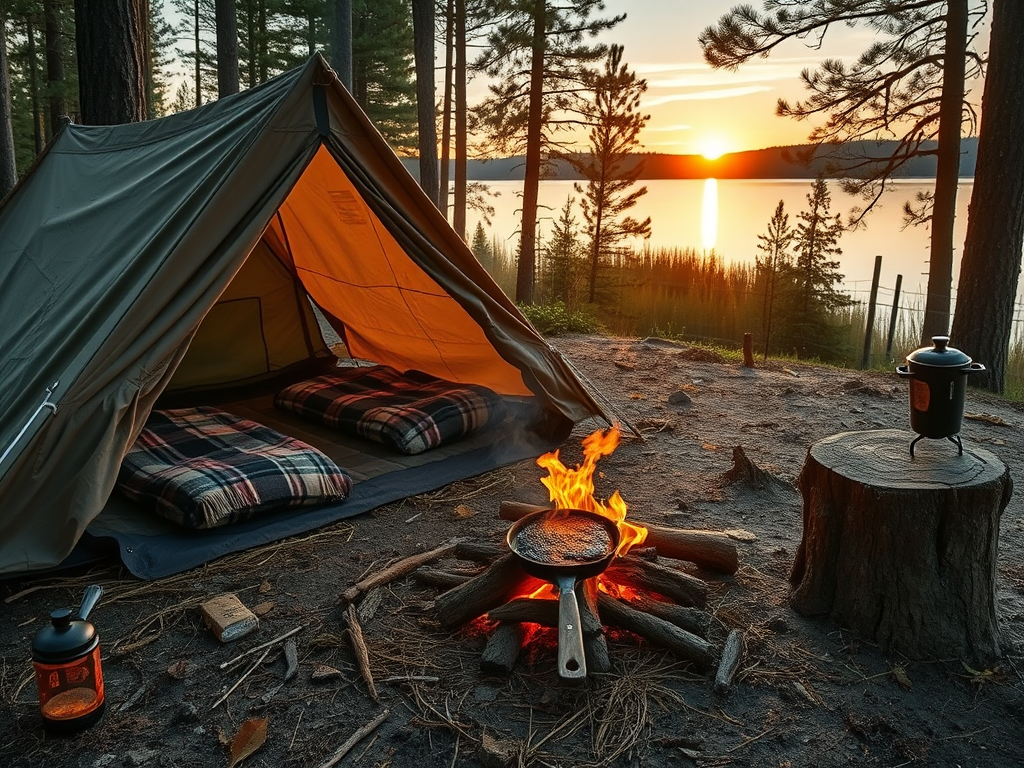
In an era where technology permeates every aspect of our lives, the allure of traditional camping gear remains strong. Despite the advent of high-tech gadgets and innovative camping solutions, traditional gear continues to hold its ground in 2025. This essay explores the reasons why traditional camping gear still has its place in the modern world.
Connection to Nature
Simplicity and Authenticity
The Essence of Simplicity
Traditional camping gear embodies a straightforwardness that is increasingly rare in today’s technology-driven world. This simplicity is not just about the absence of complex features but about the purity of the experience it offers. Canvas tents, for example, are easy to set up and maintain, requiring only basic skills and tools. Their design has remained largely unchanged for decades, a testament to their effectiveness and reliability. This simplicity allows campers to engage more directly with their surroundings, free from the distractions and potential frustrations of malfunctioning technology.
Authentic Materials and Craftsmanship
The materials used in traditional camping gear, such as canvas, wool, and cast iron, are not only durable but also evoke a sense of authenticity. Canvas tents provide a tactile connection to the past, reminiscent of the shelters used by explorers and pioneers. Wool blankets offer warmth and comfort, their natural fibers providing insulation even when wet. Cast-iron cookware, with its ability to evenly distribute heat, allows for cooking over an open flame, enhancing the rustic camping experience. These materials are not just functional; they are integral to the authentic feel of traditional camping.
Fostering a Deeper Connection to Nature
The simplicity of traditional gear encourages campers to immerse themselves in the natural environment. Without the constant notifications and screens of modern gadgets, campers can fully appreciate the sights, sounds, and smells of the wilderness. This immersion fosters mindfulness and a deeper appreciation for nature’s beauty and tranquility. The act of setting up a canvas tent, gathering wood for a fire, or cooking a meal over an open flame becomes a meditative process, connecting campers to the rhythms of the natural world.
Reducing Technological Distractions
In a world where technology often dominates our attention, traditional camping gear offers a respite. By choosing gear that does not rely on electricity or digital interfaces, campers can escape the constant barrage of information and notifications. This break from technology allows for genuine relaxation and reflection, providing a mental reset that is increasingly valuable in our fast-paced lives. The absence of screens encourages campers to engage with their surroundings and companions, fostering meaningful interactions and memories.
The simplicity and authenticity of traditional camping gear offer a unique and enriching experience that modern technology cannot replicate. By focusing on the essentials and embracing the natural environment, campers can enjoy a deeper connection to nature and a more fulfilling outdoor adventure. This simplicity is not just a nostalgic nod to the past but a deliberate choice to prioritize presence and mindfulness in the wilderness.
Skills and Self-Reliance
The Importance of Skill Development
Traditional camping gear necessitates the development of practical skills that are often overlooked in today’s technology-reliant society. These skills, such as starting a fire without matches or a lighter, require knowledge of natural materials and techniques. Learning to identify suitable tinder, kindling, and fuel, and mastering the use of flint and steel or a bow drill, are not only practical but also deeply satisfying. These skills connect campers to ancient practices, fostering a sense of continuity with human history.
Navigational Proficiency
Navigating with a map and compass is another essential skill that traditional camping gear encourages. Unlike GPS devices, which can fail due to battery depletion or signal loss, a map and compass are reliable tools that require understanding of topographical features and magnetic declination. Mastering these tools enhances spatial awareness and critical thinking, empowering campers to explore with confidence and independence. This proficiency is particularly valuable in remote areas where technology may not be dependable.
Resourcefulness and Problem-Solving
Traditional camping gear promotes resourcefulness by encouraging campers to make do with what they have and adapt to changing conditions. For instance, setting up a canvas tent requires understanding of knots and tensioning techniques to ensure stability and weather resistance. Cooking with cast-iron cookware over an open flame demands an understanding of heat management and improvisation with available ingredients. These challenges cultivate problem-solving skills and creativity, as campers learn to overcome obstacles using limited resources.
Fostering Independence and Confidence
The skills acquired through the use of traditional camping gear foster a sense of independence and self-reliance. Campers gain confidence in their ability to survive and thrive in the wilderness without relying on modern conveniences. This independence is empowering, providing a sense of accomplishment and resilience that extends beyond the camping experience. The knowledge that one can navigate, cook, and stay warm using basic tools and skills is a powerful affirmation of personal capability.
Building a Connection to the Environment
Engaging with traditional camping skills also deepens one’s connection to the environment. Understanding how to read natural signs, such as weather patterns or animal tracks, enhances situational awareness and appreciation for the ecosystem. This connection fosters a sense of stewardship and responsibility towards nature, encouraging sustainable practices and respect for the wilderness.
The use of traditional camping gear cultivates essential skills that promote self-reliance, resourcefulness, and independence. These skills not only enhance the camping experience but also provide valuable life lessons in problem-solving and resilience. By embracing the challenges and rewards of traditional camping, individuals can develop a deeper connection to nature and a greater sense of personal empowerment.
Durability and Reliability
Built to Last
The Durability of Traditional Materials
Traditional camping gear is renowned for its durability, primarily due to the robust materials used in its construction. Leather, canvas, and metal are staples in traditional gear, each offering unique properties that contribute to their longevity. Leather, for instance, is not only strong and flexible but also resistant to wear and tear, making it ideal for items like boots, belts, and backpacks. Canvas, used in tents and tarps, is known for its toughness and resistance to environmental elements, providing reliable shelter in various weather conditions. Metal, particularly cast iron and stainless steel, is used in cookware and tools, offering resilience against high temperatures and physical stress.
Reliability in the Wilderness
The reliability of traditional camping gear is a significant advantage in the wilderness, where conditions can be unpredictable and harsh. Unlike modern gadgets that may rely on batteries or electronic components, traditional gear functions independently of external power sources. This independence ensures that items like a well-crafted knife or a sturdy tent remain functional regardless of the circumstances. The confidence that comes with using gear that won’t fail unexpectedly is invaluable, especially in remote or challenging environments.
Minimal Maintenance Requirements
Traditional camping gear typically requires minimal maintenance compared to modern alternatives. For example, a canvas tent may need occasional waterproofing, and leather items might require conditioning to maintain their suppleness, but these tasks are straightforward and infrequent. This low maintenance aspect is particularly beneficial for long trips where access to repair facilities or replacement parts is limited. The simplicity of traditional gear means fewer points of failure and less time spent on upkeep, allowing campers to focus on their outdoor experience.
Longevity and Cost-Effectiveness
The longevity of traditional camping gear also translates to cost-effectiveness over time. While the initial investment in high-quality traditional gear may be higher, its durability means it can be used for many years, if not decades. This long-term use reduces the need for frequent replacements, ultimately saving money and reducing waste. The ability to pass down gear through generations also adds sentimental value, creating a legacy of outdoor adventure within families.
Environmental Benefits
The durability of traditional gear also has environmental benefits. By choosing long-lasting items, campers contribute to a reduction in the consumption of resources and the production of waste. The use of natural materials like leather and canvas, which are biodegradable and often sourced sustainably, further minimizes environmental impact. This aligns with the growing emphasis on sustainability and responsible consumption in outdoor activities.
Traditional camping gear’s reputation for being built to last is well-deserved, thanks to the durable materials and reliable construction methods used. This durability ensures that traditional gear remains a dependable choice for outdoor enthusiasts, offering reliability, minimal maintenance, and cost-effectiveness. By investing in gear that withstands the test of time, campers not only enhance their wilderness experience but also contribute to environmental sustainability and the preservation of outdoor traditions.
Low Maintenance
Simplicity in Design
Traditional camping gear is often characterized by its straightforward design, which inherently requires less maintenance. This simplicity means fewer moving parts and components that can break or malfunction. For example, a traditional canvas tent relies on basic structural elements like poles and ropes, which are easy to inspect and repair if needed. This contrasts with modern tents that may include complex mechanisms or integrated electronics, which can be more prone to failure and require specialized knowledge or tools to fix.
Independence from Technology
One of the key advantages of traditional gear is its independence from technology. Items like backpacks, tents, and cookware do not rely on batteries, software, or electronic components, eliminating the need for regular charging, updates, or troubleshooting. This independence ensures that traditional gear remains functional regardless of technological advancements or obsolescence, providing peace of mind for campers who prefer to focus on their outdoor experience rather than managing electronic devices.
Ease of Maintenance
The maintenance required for traditional gear is typically straightforward and can often be performed in the field. For instance, a canvas tent may need occasional waterproofing, which involves applying a sealant to maintain its resistance to rain. Leather items, such as boots or belts, might require conditioning to prevent cracking and maintain flexibility. These tasks are simple and can be done with minimal tools and supplies, making them manageable even during extended trips.
Durability and Resilience
The materials used in traditional gear, such as leather, canvas, and metal, are chosen for their durability and resilience. These materials are inherently resistant to wear and tear, reducing the frequency and extent of maintenance required. For example, a cast-iron skillet, when properly seasoned, can last a lifetime with minimal care, such as occasional re-seasoning and cleaning. This durability means that traditional gear can withstand the rigors of outdoor use without constant attention.
Ideal for Extended Trips
The low maintenance nature of traditional gear makes it particularly well-suited for extended trips where access to repair facilities or replacement parts is limited. Campers can rely on their gear to perform consistently without the need for frequent interventions. This reliability is crucial in remote areas where self-sufficiency is essential, allowing campers to focus on their journey and exploration rather than equipment upkeep.
Environmental and Economic Benefits
The low maintenance requirements of traditional gear also offer environmental and economic benefits. By reducing the need for frequent repairs or replacements, campers minimize their consumption of resources and production of waste. This aligns with sustainable practices and reduces the overall environmental footprint of outdoor activities. Economically, the longevity and reliability of traditional gear mean that campers can invest in quality items that provide long-term value, avoiding the costs associated with frequent upgrades or replacements.
The low maintenance demands of traditional camping gear make it an attractive choice for outdoor enthusiasts seeking reliability and simplicity. By eliminating the need for technological dependencies and minimizing upkeep, traditional gear allows campers to focus on their outdoor experiences and adventures. This ease of maintenance, combined with the durability and resilience of traditional materials, ensures that traditional gear remains a practical and sustainable option for those who value independence and self-sufficiency in the wilderness.
Environmental Considerations
Sustainability
Natural Materials and Their Benefits
Traditional camping gear often utilizes natural materials such as leather, canvas, wool, and wood. These materials are not only durable but also have a lower environmental impact compared to synthetic alternatives. Leather, for example, is a byproduct of the meat industry and is biodegradable, reducing its footprint at the end of its life cycle. Canvas, made from cotton or hemp, is also biodegradable and can be produced sustainably, especially when sourced from organic farms. Wool, used in blankets and clothing, is a renewable resource that provides excellent insulation and moisture-wicking properties.
Reduced Environmental Impact
The production of traditional materials generally involves fewer chemicals and less energy compared to synthetic materials like nylon or polyester. For instance, the process of tanning leather or weaving canvas is less resource-intensive than manufacturing synthetic fibers, which often rely on petroleum-based processes. This reduced environmental impact is significant in the context of global efforts to minimize carbon emissions and conserve natural resources.
Longevity and Waste Reduction
The durability of traditional camping gear contributes to sustainability by reducing waste. High-quality traditional items are designed to last for many years, if not decades, minimizing the need for frequent replacements. This longevity means fewer products end up in landfills, and the resources required for manufacturing new items are conserved. Additionally, traditional gear can often be repaired rather than replaced, further extending its lifespan and reducing waste.
Biodegradability and End-of-Life Considerations
When traditional gear does reach the end of its useful life, its natural materials are more likely to biodegrade without leaving harmful residues. Unlike synthetic materials that can take hundreds of years to decompose and may release microplastics into the environment, natural materials break down more quickly and safely. This biodegradability is a crucial factor in reducing the long-term environmental impact of camping gear.
Supporting Sustainable Practices
Choosing traditional gear often supports sustainable practices and ethical production methods. Many manufacturers of traditional gear prioritize environmentally friendly processes, such as using vegetable-tanned leather or sourcing organic cotton. By purchasing from these companies, campers can contribute to a market that values sustainability and ethical labor practices, encouraging more businesses to adopt similar standards.
Aligning with Conservation Efforts
The use of traditional camping gear aligns with broader conservation efforts and the principles of “leave no trace” camping. By selecting gear that is environmentally friendly and sustainable, campers demonstrate a commitment to preserving natural spaces and minimizing their ecological footprint. This alignment with conservation values is increasingly important as awareness of environmental issues grows among outdoor enthusiasts.
The sustainability of traditional camping gear is a compelling reason for its continued relevance in the modern world. By utilizing natural materials, reducing waste, and supporting ethical production practices, traditional gear offers an eco-friendly alternative to synthetic options. For conscientious campers who prioritize environmental conservation, traditional gear provides a way to enjoy the outdoors responsibly while contributing to the preservation of natural resources for future generations.
Minimal Impact
The “Leave No Trace” Philosophy
The “leave no trace” philosophy is a cornerstone of responsible outdoor recreation, emphasizing the importance of minimizing human impact on natural environments. This approach encourages campers to leave their surroundings as they found them, preserving the beauty and integrity of nature for future visitors. Traditional camping practices align closely with these principles, promoting behaviors and choices that reduce environmental disturbance.
Reusability and Longevity of Traditional Gear
Traditional camping gear is designed with reusability and longevity in mind, which inherently supports the “leave no trace” ethos. Items such as canvas tents, metal cookware, and leather boots are built to withstand repeated use over many years. This durability means that traditional gear does not need to be frequently replaced, reducing the amount of waste generated by discarded equipment. By investing in high-quality, long-lasting gear, campers can significantly decrease their environmental footprint.
Natural Materials and Environmental Harmony
The use of natural materials in traditional gear further supports minimal impact camping. Materials like canvas, wool, and leather are biodegradable and can be sourced sustainably, reducing the ecological footprint associated with their production and disposal. These materials also tend to blend more harmoniously with natural surroundings, minimizing visual pollution and maintaining the aesthetic integrity of the landscape.
Low-Tech Solutions and Reduced Resource Use
Traditional camping gear often relies on low-tech solutions that require fewer resources to produce and maintain. For example, a simple canvas tent does not require the energy-intensive manufacturing processes associated with synthetic tents. Similarly, cooking over an open fire with cast-iron cookware eliminates the need for fuel canisters or disposable cooking equipment. These low-tech solutions reduce resource consumption and align with sustainable camping practices.
Encouraging Mindful Practices
The use of traditional gear encourages campers to adopt mindful practices that further minimize their impact on the environment. For instance, cooking with a cast-iron skillet over a campfire requires careful management of firewood, promoting the use of dead and downed wood rather than cutting live trees. Navigating with a map and compass fosters an awareness of the terrain and encourages staying on established trails to prevent soil erosion and habitat disruption.
Education and Awareness
Traditional camping practices often include an educational component, teaching campers about the importance of environmental stewardship and the principles of “leave no trace.” By learning how to use traditional gear effectively, campers gain a deeper understanding of their relationship with the environment and the impact of their actions. This awareness fosters a sense of responsibility and encourages behaviors that protect and preserve natural spaces.
The minimal impact philosophy inherent in traditional camping practices and gear is crucial for preserving natural environments. By emphasizing reusability, sustainability, and mindful practices, traditional gear supports the “leave no trace” principles that are essential for responsible outdoor recreation. For campers committed to minimizing their environmental impact, traditional gear offers a practical and effective way to enjoy the wilderness while safeguarding it for future generations.
Cultural and Historical Significance
Heritage and Tradition
Connection to Ancestral Practices
Traditional camping gear serves as a tangible link to the past, connecting modern campers with the practices and experiences of their ancestors. Many of the tools and techniques used in traditional camping have been passed down through generations, preserving a rich history of outdoor exploration and survival. For example, the use of canvas tents and wool blankets echoes the gear used by early explorers and pioneers who ventured into the wilderness with limited resources. This connection to ancestral practices provides a sense of continuity and respect for the skills and knowledge of those who came before us.
Cultural Significance and Storytelling
The cultural significance of traditional camping gear is often intertwined with storytelling and shared experiences. Each piece of gear may carry stories of past adventures, lessons learned, and challenges overcome. For instance, a cast-iron skillet that has been in a family for generations might have been used to cook meals on countless camping trips, each with its own set of memories. These stories enrich the camping experience, fostering a sense of community and shared heritage among campers.
Preserving Outdoor Traditions
Using traditional gear helps preserve outdoor traditions that might otherwise be lost in the face of modern technology. Skills such as starting a fire with flint and steel, navigating with a map and compass, or setting up a canvas tent are integral to traditional camping and require practice and knowledge. By continuing to use and teach these skills, campers help ensure that these traditions remain alive and relevant, passing them on to future generations.
Aesthetic and Emotional Appeal
Traditional camping gear often has an aesthetic and emotional appeal that modern equipment lacks. The craftsmanship and materials used in traditional gear, such as the rich texture of leather or the sturdy feel of a wooden canoe paddle, evoke a sense of nostalgia and appreciation for the artistry involved. This aesthetic appeal enhances the overall camping experience, creating a deeper emotional connection to the gear and the environment.
Rituals and Routines
The use of traditional gear can also create rituals and routines that add depth to the camping experience. Setting up a canvas tent, preparing a meal over an open fire, or packing a leather backpack can become meaningful rituals that mark the transition from everyday life to the simplicity and tranquility of the outdoors. These routines provide a sense of structure and familiarity, enhancing the enjoyment and satisfaction of the camping trip.
Bridging Generations
Traditional camping gear has the unique ability to bridge generations, bringing together family members of different ages through shared experiences and knowledge. Grandparents can teach grandchildren how to use a compass or start a fire, passing on valuable skills and stories. This intergenerational exchange strengthens family bonds and fosters a sense of belonging and continuity within the family and the broader community of outdoor enthusiasts.
The heritage and tradition embodied in traditional camping gear add a rich layer of meaning to the outdoor experience. By connecting campers to their ancestors, preserving cultural practices, and fostering storytelling and rituals, traditional gear enhances the depth and significance of camping. For those who value history, craftsmanship, and the continuity of outdoor traditions, traditional camping gear offers a profound and rewarding way to engage with the natural world.
Storytelling and Community
The Role of Storytelling in Camping
Storytelling is an integral part of the camping experience, serving as a means to share knowledge, entertain, and connect with others. Traditional camping gear often carries with it a wealth of stories, from the history of its use to the adventures it has accompanied. These stories are passed down through generations, enriching the camping experience and providing a sense of continuity and connection to the past. Whether it’s recounting a challenging hike or a memorable campfire meal, storytelling brings campers together, creating a shared narrative that enhances the sense of community.
Building a Community of Enthusiasts
Campers who use traditional gear often find themselves part of a broader community of like-minded individuals who value heritage, craftsmanship, and the outdoors. This community is built on shared experiences and a common appreciation for the skills and knowledge associated with traditional camping. Members of this community often exchange tips, techniques, and stories, fostering a sense of camaraderie and mutual support. This network of enthusiasts provides a platform for learning and growth, as well as a sense of belonging and identity.
Knowledge Sharing and Skill Development
The use of traditional gear encourages the sharing of knowledge and skills, as many aspects of traditional camping require specific expertise. Campers often learn from one another, exchanging tips on how to properly set up a canvas tent, maintain leather goods, or cook with cast-iron cookware. This exchange of knowledge not only enhances individual skills but also strengthens the community as a whole. By teaching and learning from each other, campers contribute to the preservation and dissemination of traditional camping practices.
Creating Lasting Memories
The stories and experiences associated with traditional camping gear often become cherished memories that are shared and retold over time. These memories can include the first time a camper successfully started a fire using flint and steel, a family trip where a beloved cast-iron skillet was used to cook a memorable meal, or a challenging hike navigated with a map and compass. These shared experiences create bonds between campers, fostering friendships and connections that can last a lifetime.
Rituals and Traditions
Traditional camping gear often plays a central role in the rituals and traditions that develop within camping communities. These rituals, such as gathering around a campfire to share stories or participating in a group hike, create a sense of continuity and belonging. They provide structure and meaning to the camping experience, reinforcing the values and practices that define the community. These traditions are passed down through generations, ensuring that the community’s heritage and identity are preserved.
Fostering Inclusivity and Diversity
While traditional camping gear and practices are rooted in history, the community that embraces them is diverse and inclusive. People from various backgrounds and cultures bring their own stories and perspectives, enriching the collective narrative and broadening the community’s understanding of the outdoors. This diversity fosters an environment of inclusivity and respect, where different voices and experiences are valued and celebrated.
Storytelling and community are central to the appeal of traditional camping gear, providing a rich tapestry of shared experiences, knowledge, and connections. By fostering a sense of camaraderie and belonging, traditional gear enhances the camping experience, creating lasting memories and strengthening the bonds between outdoor enthusiasts. For those who value heritage, community, and the power of storytelling, traditional camping gear offers a meaningful and rewarding way to engage with the natural world and each other.
Conclusion
The Enduring Appeal of Traditional Camping Gear
As we find ourselves in 2025, the enduring appeal of traditional camping gear is evident in its continued relevance and popularity among outdoor enthusiasts. Despite the rapid advancements in technology and the convenience offered by modern camping solutions, traditional gear holds a unique place in the hearts of many campers. Its simplicity, durability, environmental benefits, and cultural significance contribute to an authentic and enriching outdoor experience that resonates with those who seek a deeper connection to nature and heritage.
Simplicity and Authenticity
The simplicity of traditional camping gear allows campers to engage with the natural environment in a more direct and meaningful way. Free from the distractions of technology, traditional gear fosters mindfulness and presence, enabling campers to fully appreciate the beauty and tranquility of the wilderness. This authenticity is a key factor in the enduring appeal of traditional gear, offering an experience that is both grounding and fulfilling.
Durability and Reliability
The durability of traditional camping gear ensures that it remains a reliable companion in the wilderness. Built to withstand the test of time, traditional gear offers a level of dependability that is often unmatched by modern alternatives. This reliability is particularly valuable in remote or challenging environments, where the assurance of functioning equipment is crucial. The longevity of traditional gear also translates to cost-effectiveness and reduced waste, aligning with sustainable practices.
Environmental Benefits
Traditional camping gear’s use of natural materials and low-tech solutions contributes to its environmental benefits. By minimizing resource consumption and waste, traditional gear supports the principles of sustainability and conservation. This eco-friendly approach is increasingly important as awareness of environmental issues grows, making traditional gear an attractive choice for conscientious campers who prioritize responsible outdoor practices.
Cultural Significance and Community
The cultural significance of traditional camping gear adds depth and meaning to the outdoor experience. By connecting campers to their ancestors and the history of outdoor exploration, traditional gear fosters a sense of heritage and continuity. The storytelling and community that accompany traditional camping practices create bonds between campers, enriching the experience and fostering a sense of belonging. This cultural dimension enhances the appeal of traditional gear, offering a rich tapestry of shared experiences and connections.
Balancing Innovation and Tradition
As we move forward, the challenge lies in balancing the benefits of modern innovation with the preservation of traditional practices. While technology offers convenience and new possibilities, the value of traditional gear lies in its ability to provide an authentic and enriching experience. By embracing both innovation and tradition, campers can enjoy the best of both worlds, ensuring that traditional camping gear retains its place in the world of outdoor adventure.
Traditional camping gear remains relevant in 2025 due to its simplicity, durability, environmental benefits, and cultural significance. Its ability to provide an authentic and enriching experience ensures that it continues to be cherished by campers who value connection, heritage, and sustainability. As we navigate the future of outdoor recreation, the balance between embracing innovation and preserving tradition will be key to maintaining the enduring appeal of traditional camping gear.



 UTAZCO Overland
Leave a Reply