
Winter camping can be a thrilling and rewarding experience, offering a unique opportunity to connect with nature in its most serene and pristine state. However, it also presents a distinct set of challenges that require careful preparation and knowledge. To ensure a safe and enjoyable winter camping adventure, it is essential to adhere to certain dos and don’ts. This essay will explore these guidelines, providing insights into how to make the most of your winter camping experience.
Do Plan Thoroughly
Planning thoroughly for a winter camping trip is the cornerstone of a safe and enjoyable experience. The unique challenges posed by cold weather, snow, and shorter daylight hours necessitate a comprehensive approach to preparation. Here, we delve deeper into the key aspects of planning that can make or break a winter camping adventure.
Research Your Destination
The first step in planning is to gather detailed information about your chosen destination. This includes understanding the typical weather patterns for the time of year you plan to visit. Winter weather can be unpredictable, with sudden snowstorms or temperature drops, so it’s crucial to have a clear picture of what to expect. Check weather forecasts regularly in the days leading up to your trip and be prepared to adjust your plans if severe weather is predicted.
In addition to weather, familiarize yourself with the terrain. Winter landscapes can obscure trails and landmarks, making navigation more challenging. Study maps and trail guides to understand the topography, elevation changes, and any natural features that could impact your route. Knowing the terrain helps in planning your daily travel distances and identifying potential campsites.
Identify Potential Hazards
Winter environments come with specific hazards that require careful consideration. These can include avalanches, thin ice on lakes or rivers, and the risk of hypothermia or frostbite. If your destination is in an avalanche-prone area, learn how to assess avalanche risks and consider taking an avalanche safety course. Equip yourself with the necessary safety gear, such as a beacon, probe, and shovel, and know how to use them.
Understanding the local wildlife is also important. Some animals may be hibernating, but others could be active and potentially dangerous if surprised or provoked. Research any wildlife advisories and learn how to store food safely to avoid attracting animals to your campsite.
Create a Detailed Itinerary
A detailed itinerary is a vital component of your planning. Outline your daily activities, including your planned route, estimated travel times, and designated campsites. Factor in extra time for setting up camp, as tasks like pitching a tent or gathering firewood can take longer in winter conditions. Include rest days or shorter travel days to account for unexpected delays or the need to conserve energy.
Inform Someone of Your Plans
Before you set out, share your itinerary with a trusted friend or family member. This should include your planned route, expected return time, and any contingency plans you have in place. In the event that you do not return as scheduled, this person can alert authorities and provide them with crucial information to aid in a search and rescue operation.
Prepare for Emergencies
Even with meticulous planning, emergencies can occur. Pack a well-stocked first aid kit and familiarize yourself with basic first aid procedures for cold-related injuries. Carry a reliable communication device, such as a satellite phone or personal locator beacon, especially if you will be in areas without cell service. Know the location of the nearest emergency services and how to contact them.
Plan for Flexibility
Finally, be prepared to adapt your plans as needed. Flexibility is key in winter camping, where conditions can change rapidly. Have alternative routes or campsites in mind, and be willing to turn back or alter your itinerary if safety becomes a concern. Prioritize safety over sticking rigidly to your original plan.
Thorough planning for a winter camping trip involves a comprehensive understanding of your destination, potential hazards, and the creation of a detailed and flexible itinerary. By informing someone of your plans and preparing for emergencies, you enhance your safety and increase the likelihood of a successful and enjoyable winter camping experience.
Do Dress in Layers
Dressing in layers is a fundamental strategy for maintaining warmth and comfort during winter camping. This approach allows you to regulate your body temperature effectively by adding or removing layers based on your activity level and the prevailing weather conditions. Each layer serves a specific purpose, working together to keep you dry, insulated, and protected from the elements. Let’s explore each layer in detail and understand how they contribute to your overall comfort and safety.
The Base Layer: Moisture Management
The base layer is the foundation of the layering system and plays a crucial role in moisture management. Its primary function is to wick sweat away from your skin, keeping you dry and preventing the chilling effect that moisture can cause in cold weather. Materials such as merino wool or synthetic fabrics like polyester are ideal for base layers because they are breathable and quick-drying.
When selecting a base layer, consider the level of activity you anticipate. For high-intensity activities like hiking or snowshoeing, opt for a lightweight base layer that offers excellent moisture-wicking properties. For less strenuous activities, a mid-weight base layer may provide additional warmth without sacrificing moisture control.
The Insulating Layer: Retaining Heat
The insulating layer is responsible for trapping body heat and providing warmth. This layer can be adjusted based on the temperature and your activity level. Common materials for insulating layers include fleece, down, and synthetic insulation.
- Fleece: Fleece is a popular choice for its breathability and ability to retain warmth even when damp. It is also lightweight and dries quickly, making it suitable for a range of activities.
- Down: Down insulation offers excellent warmth-to-weight ratio and compressibility, making it ideal for extremely cold conditions. However, down loses its insulating properties when wet, so it is best used in dry conditions or under a protective outer layer.
- Synthetic Insulation: Synthetic materials, such as PrimaLoft, provide warmth similar to down but retain their insulating properties when wet. This makes them a versatile choice for variable weather conditions.
The Outer Layer: Protection from the Elements
The outer layer, often referred to as the shell layer, serves as your primary defense against wind, rain, and snow. It should be both waterproof and windproof while allowing moisture from sweat to escape. This layer is crucial for preventing the elements from penetrating your clothing system and compromising your insulation.
- Hard Shells: Hard shells are made from durable, waterproof materials like Gore-Tex and are designed to withstand harsh weather conditions. They are ideal for activities where you may encounter heavy rain or snow.
- Soft Shells: Soft shells offer a balance between weather protection and breathability. They are water-resistant rather than fully waterproof, making them suitable for dry, windy conditions or high-output activities where breathability is a priority.
Adjusting Layers for Activity and Weather
The beauty of the layering system lies in its adaptability. As you engage in physical activities, your body generates heat, and you may need to remove layers to prevent overheating and sweating. Conversely, when you stop moving or the temperature drops, adding layers helps retain warmth.
Pay attention to your body’s signals and adjust your layers accordingly. For instance, if you start to feel cold, add an insulating layer or a hat and gloves to conserve body heat. If you begin to sweat, remove a layer to maintain dryness and prevent chilling.
Additional Considerations
- Accessories: Don’t forget about accessories like hats, gloves, and neck gaiters, which are essential for protecting extremities and preventing heat loss. A significant amount of body heat can be lost through the head, so wearing a hat is crucial in cold conditions.
- Footwear: Proper footwear is also a critical component of your layering system. Insulated, waterproof boots with moisture-wicking socks will keep your feet warm and dry.
Dressing in layers is a dynamic and effective approach to managing body temperature and staying comfortable during winter camping. By carefully selecting and adjusting each layer, you can tailor your clothing system to meet the demands of your environment and activities, ensuring a safe and enjoyable outdoor experience.
Do Invest in Quality Gear
Investing in quality gear is a critical aspect of preparing for a winter camping trip. The harsh conditions of winter require equipment that can withstand cold temperatures, snow, and wind, ensuring both safety and comfort. Here, we explore the essential pieces of gear needed for winter camping and why investing in high-quality options is crucial.
Four-Season Tent
A four-season tent is designed to handle the rigors of winter weather, providing shelter from snow, wind, and cold temperatures. Unlike three-season tents, which are suitable for spring, summer, and fall, four-season tents are built with sturdier materials and a more robust structure to withstand heavy snow loads and strong winds.
- Features: Look for a tent with a strong pole structure, reinforced seams, and a full-coverage rainfly. These features help the tent resist collapsing under snow and keep out wind and moisture.
- Ventilation: Proper ventilation is essential to prevent condensation buildup inside the tent, which can lead to dampness and discomfort. Choose a tent with adjustable vents that allow for airflow without compromising warmth.
- Space: Consider the size of the tent in relation to the number of occupants and gear. A slightly larger tent can provide extra space for storing gear and moving around comfortably, especially when you’re wearing bulky winter clothing.
Winter Tarp for Hammock Camping
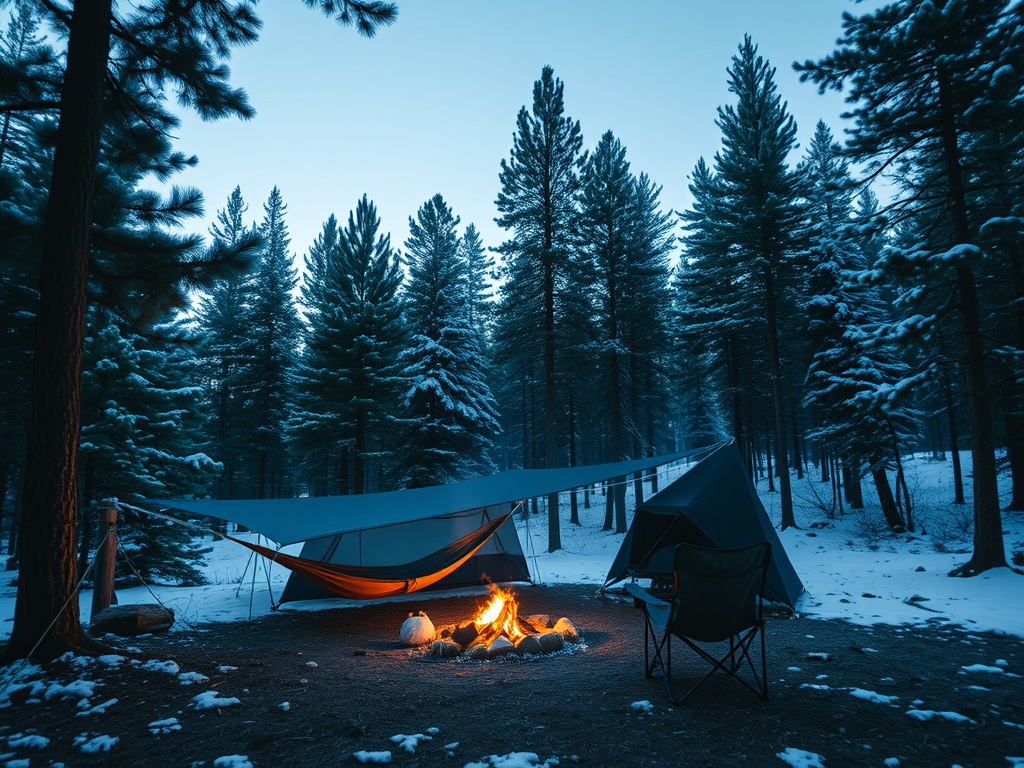
When it comes to hammock camping in winter, a high-quality winter tarp is an essential piece of gear that provides crucial protection from the elements. Unlike traditional tent camping, where the tent itself offers a degree of shelter, hammock camping relies heavily on a tarp to shield you from snow, wind, and rain. Winter tarps are typically larger and more robust than their summer counterparts, often featuring extended side panels or “doors” that can be closed to create a more enclosed and wind-resistant space. This design helps to trap warmth and block out cold drafts, creating a microclimate around your hammock. Additionally, winter tarps are made from durable, waterproof materials that can withstand heavy snow loads and persistent moisture. When setting up a winter tarp, it’s important to pitch it low and taut to maximize coverage and stability. By investing in a quality winter tarp, hammock campers can enjoy the unique experience of sleeping suspended in the winter wilderness while staying warm and dry.
Sleeping Bag or Top Quilt Rated for Low Temperatures
A sleeping bag is one of the most critical pieces of gear for ensuring a warm and restful night’s sleep. In winter conditions, a sleeping bag rated for low temperatures is essential.
- Temperature Rating: Choose a sleeping bag with a temperature rating that matches or exceeds the expected nighttime lows of your camping destination. Keep in mind that individual comfort levels vary, so it’s wise to select a bag rated slightly lower than the anticipated temperatures.
- Insulation Type: Sleeping bags are typically insulated with either down or synthetic materials. Down offers excellent warmth-to-weight ratio and compressibility, making it ideal for cold, dry conditions. However, it loses insulating properties when wet. Synthetic insulation retains warmth even when damp and is often more affordable, making it a versatile choice for variable conditions.
- Shape and Features: Mummy-shaped sleeping bags are popular for winter camping due to their snug fit, which minimizes heat loss. Look for features like draft collars, hoods, and zipper baffles that enhance warmth and comfort.
Sleeping Pad or Under Quilt with Good Insulation
A sleeping pad provides insulation from the cold ground and adds comfort to your sleeping setup. In winter, the right sleeping pad is crucial for preventing heat loss through conduction.
- R-Value: The R-value of a sleeping pad indicates its insulating ability. For winter camping, choose a pad with an R-value of at least 4.0 or higher. Some campers use a combination of pads, such as a closed-cell foam pad beneath an inflatable pad, to increase insulation.
- Types of Pads: There are three main types of sleeping pads: closed-cell foam, self-inflating, and air pads. Closed-cell foam pads are durable and provide reliable insulation, while self-inflating and air pads offer more comfort and packability. Consider the trade-offs between weight, comfort, and insulation when selecting a pad.
- Winter Under Quilts: Underquilts are typically filled with either down or synthetic insulation. Down insulation offers an excellent warmth-to-weight ratio and compressibility, making it ideal for cold weather camping. However, it can lose its insulating properties when wet, so it is best used in dry conditions or with a waterproof cover. Synthetic insulation, on the other hand, retains warmth even when damp and is often more affordable, making it a versatile choice for variable weather conditions.
Additional Gear Considerations
- Stove and Fuel: A reliable stove is essential for melting snow for water and cooking meals. Liquid fuel stoves perform well in cold temperatures, as they are less affected by altitude and temperature than canister stoves. Ensure you have enough fuel for your trip, accounting for the increased consumption needed to melt snow.
- Clothing and Footwear: High-quality clothing and footwear are vital for staying warm and dry. Invest in waterproof and insulated boots, moisture-wicking base layers, and durable outerwear. Accessories like gloves, hats, and gaiters should also be of good quality to protect against the elements.
- Backpack: A winter-specific backpack with sufficient capacity to carry extra gear, such as a larger sleeping bag and additional clothing layers, is important. Look for features like gear loops for attaching snowshoes or skis and a hydration system compatible with freezing temperatures.
Investing in quality gear for winter camping is not just about comfort—it’s about safety and survival in potentially harsh conditions. High-quality equipment is designed to perform reliably in cold, snowy environments, ensuring that you stay warm, dry, and protected. By prioritizing quality in your gear choices, you enhance your ability to enjoy the beauty and solitude of winter camping while minimizing risks.
Do Stay Hydrated and Well-Fed
Staying hydrated and well-fed is a fundamental aspect of winter camping that directly impacts your energy levels, body temperature regulation, and overall safety. Cold weather can often mask the body’s usual signals for thirst and hunger, making it easy to neglect these essential needs. However, maintaining proper hydration and nutrition is crucial for enduring the physical demands of winter camping and for keeping warm in frigid conditions. Let’s explore these aspects in more detail.
Hydration in Cold Weather
In cold environments, the body’s thirst response is diminished, leading many campers to underestimate their fluid needs. Despite the reduced sensation of thirst, the body continues to lose moisture through respiration, perspiration, and increased urine production in cold weather. Dehydration can lead to fatigue, impaired cognitive function, and increased susceptibility to hypothermia.
- Water Sources: Identifying reliable water sources is essential. In winter, streams and lakes may be frozen, so it’s important to have a plan for accessing water. Melting snow is a common method, but it requires significant fuel and time. Always melt snow before consuming it, as eating snow can lower your core body temperature.
- Water Purification: Even in winter, water from natural sources should be purified to eliminate pathogens. Bring a reliable water filter, purification tablets, or a UV purifier. Be aware that some filters can freeze, so keep them insulated and close to your body when not in use.
- Hydration Strategies: Set a schedule to remind yourself to drink regularly, even if you don’t feel thirsty. Warm beverages like tea or hot chocolate can be more appealing in cold weather and help maintain hydration. Consider using insulated water bottles or hydration bladders with insulated tubes to prevent freezing.
Nutrition and High-Calorie Foods
Winter camping demands more energy from your body, as it works harder to maintain warmth and perform physical activities. Consuming high-calorie foods is essential to meet these increased energy needs and to keep your metabolism active, which helps generate body heat.
- Caloric Needs: Your caloric intake should increase in cold weather to compensate for the additional energy expenditure. Foods rich in carbohydrates, fats, and proteins provide the necessary fuel. Fats are particularly important as they offer a dense source of energy and help sustain warmth over longer periods.
- Meal Planning: Plan meals that are easy to prepare and consume in cold conditions. Instant oatmeal, pasta, rice dishes, and freeze-dried meals are convenient options. Include a variety of snacks like nuts, energy bars, dried fruits, and chocolate to provide quick energy boosts throughout the day.
- Cooking Considerations: Cold temperatures can affect cooking times and fuel efficiency. Bring extra fuel to account for longer cooking times and the need to melt snow for water. A reliable stove that performs well in cold conditions is essential. Liquid fuel stoves are often preferred for winter camping due to their consistent performance in low temperatures.
- Food Storage: Proper food storage is important to prevent spoilage and to protect against wildlife. Use insulated containers to keep perishable items from freezing, and store food securely to avoid attracting animals to your campsite.
Staying hydrated and well-fed during winter camping is vital for maintaining energy, warmth, and overall well-being. By planning ahead and understanding the unique challenges posed by cold weather, campers can ensure they meet their hydration and nutritional needs, enhancing their ability to enjoy and endure the winter wilderness.
Do Practice Leave No Trace Principles
Practicing Leave No Trace (LNT) principles is essential for preserving the natural beauty and ecological integrity of winter landscapes. These environments, while seemingly robust under a blanket of snow, are actually quite fragile and can be easily damaged by human activity. By adhering to Leave No Trace principles, winter campers can minimize their impact on the environment, ensuring that these pristine areas remain unspoiled for future generations. Let’s explore these principles in more detail and understand their application in a winter camping context.
Plan Ahead and Prepare
Proper planning is the first step in minimizing your impact. Research the area you plan to visit, understand the regulations, and prepare for the specific challenges of winter camping. This includes knowing how to navigate snow-covered trails, understanding avalanche risks, and being equipped to handle emergencies. By being well-prepared, you reduce the likelihood of needing to rely on the environment for resources, such as cutting down trees for firewood.
Travel and Camp on Durable Surfaces
In winter, snow provides a natural buffer that protects the underlying vegetation and soil. However, it’s important to choose durable surfaces for travel and camping, such as established trails and campsites. When setting up camp, select a site on deep snow or a previously impacted area to avoid damaging vegetation. Avoid camping near water sources to protect riparian zones, which are particularly sensitive.
Dispose of Waste Properly
Pack out all trash, leftover food, and litter. In winter, decomposition is slowed, and waste can remain in the environment for extended periods. Use a portable toilet system or pack out human waste to prevent contamination of snow and water sources. If using toilet paper, pack it out as well, as it does not decompose quickly in cold conditions.
Leave What You Find
Winter landscapes often feature unique natural formations, such as ice crystals and snowdrifts. While these may be tempting to alter or collect, it’s important to leave them undisturbed. Avoid carving into trees or snow, and refrain from collecting natural objects. This helps preserve the natural beauty and ecological balance of the area.
Minimize Campfire Impact
Campfires can cause lasting damage to winter environments. In many cases, it’s best to avoid building a fire altogether and rely on a stove for cooking and warmth. If a fire is necessary, use a fire pan or mound fire technique to protect the snow and soil. Burn only small sticks and twigs, and ensure the fire is completely extinguished before leaving. Scatter the cool ashes to minimize visual impact.
Respect Wildlife
Winter is a challenging time for wildlife, as food is scarce and energy conservation is critical. Observe animals from a distance and avoid disturbing their natural behaviors. Do not feed wildlife, as this can disrupt their natural foraging habits and lead to dependency on human food. Store food securely to prevent attracting animals to your campsite.
Be Considerate of Other Visitors
Winter landscapes offer solitude and tranquility, which are often sought by other visitors. Keep noise levels low, respect the privacy of others, and yield the trail to those traveling uphill or faster. Leave the area as you found it, ensuring that your presence does not detract from the experience of future visitors.
Practicing Leave No Trace principles in winter camping is crucial for protecting the delicate ecosystems and maintaining the natural beauty of these environments. By minimizing our impact, we contribute to the preservation of these areas, allowing them to be enjoyed by future generations of outdoor enthusiasts. Through thoughtful preparation and conscientious behavior, we can ensure that our winter adventures leave no lasting trace on the landscape.
Conclusion
Winter camping offers a unique opportunity to experience the natural world in a way that is vastly different from other seasons. The serene beauty of snow-covered landscapes, the crispness of the air, and the quiet solitude of the wilderness create an environment that is both peaceful and invigorating. However, the challenges posed by cold weather and harsh conditions require campers to approach winter camping with a heightened level of preparation and awareness. By adhering to a set of well-considered dos and don’ts, campers can safely navigate these challenges and fully embrace the rewards of winter camping.
The Allure of Winter Camping
Winter camping provides a sense of solitude and tranquility that is often absent in the busier seasons of spring and summer. The landscapes are transformed by snow and ice, offering breathtaking vistas and a sense of untouched wilderness. For many, the appeal lies in the opportunity to disconnect from the hustle and bustle of daily life and reconnect with nature in its most pristine form. The quietude of a winter forest or the expansive silence of a snow-covered mountain can be profoundly calming and rejuvenating.
Mitigating Risks
The key to a successful winter camping experience lies in mitigating the inherent risks associated with cold weather and remote environments. Thorough preparation is essential, encompassing everything from researching the destination and understanding potential hazards to ensuring that you have the right gear for the conditions. By dressing in layers, investing in quality equipment, and staying hydrated and well-fed, campers can protect themselves against the elements and maintain their energy levels.
Moreover, practicing Leave No Trace principles ensures that the natural environment remains unspoiled, allowing future campers to enjoy the same pristine beauty. Respecting wildlife, minimizing campfire impact, and disposing of waste properly are all critical components of responsible winter camping.
Enhancing Enjoyment
By following the guidelines outlined in the dos and don’ts, campers can enhance their enjoyment of the winter wilderness. The right preparation and gear not only keep you safe but also allow you to focus on the experience itself—whether it’s the thrill of snowshoeing through a silent forest, the satisfaction of setting up a cozy camp in the snow, or the simple pleasure of watching the stars on a clear winter night.
Winter camping also offers opportunities for unique activities such as ice fishing, cross-country skiing, and building snow shelters. These activities can add an extra layer of adventure and enjoyment to your trip, providing new skills and experiences that enrich your connection to the winter landscape.
A Cherished Adventure
For those who embrace the challenges and rewards of winter camping, it can become a cherished adventure that beckons year after year. Each trip offers the chance to hone skills, deepen your appreciation for nature, and create lasting memories. The sense of accomplishment that comes from successfully navigating the winter wilderness is unparalleled, fostering a sense of resilience and self-reliance.
Winter camping is not just about enduring the cold—it’s about embracing the unique beauty and solitude that the season offers. With careful planning, the right equipment, and a respectful approach to nature, winter camping can be a deeply rewarding experience that enhances your appreciation for the natural world and your place within it. Whether you’re a seasoned winter camper or a newcomer to the experience, the winter wilderness awaits, offering adventures and insights that are truly one-of-a-kind.


 UTAZCO Overland
Leave a Reply