
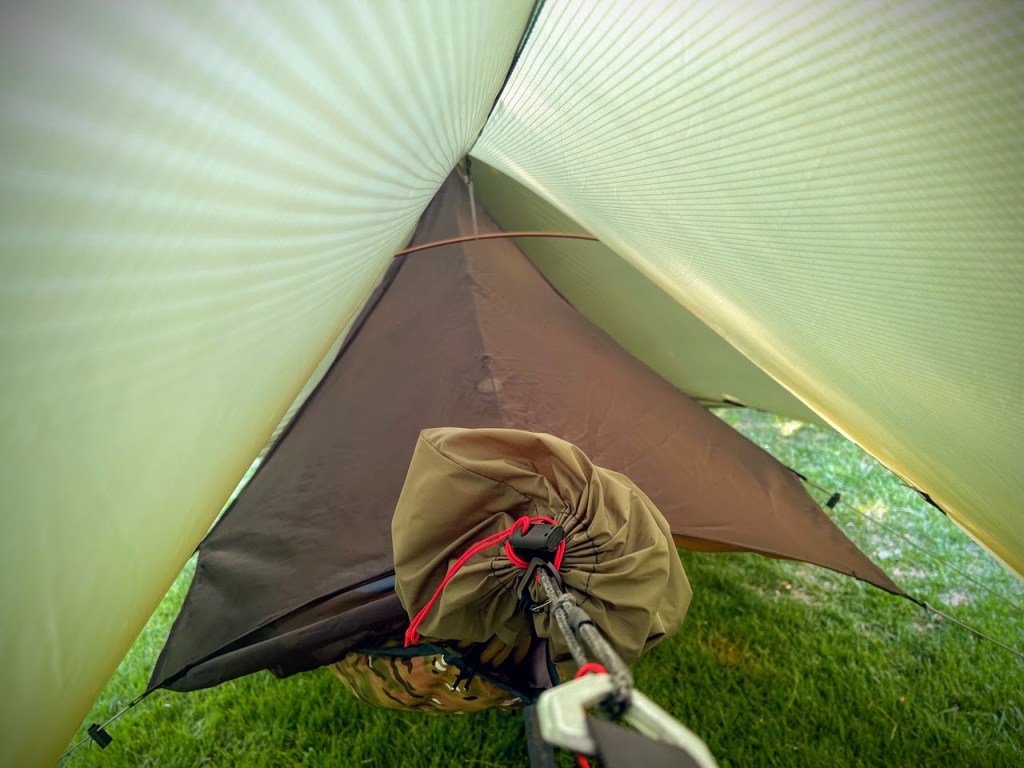
Hammock camping has gained popularity among outdoor enthusiasts for its unique blend of comfort, versatility, and connection with nature. Unlike traditional tent camping, hammock camping allows campers to sleep suspended between trees, offering a different perspective and experience of the natural world. However, one crucial component that ensures a successful and enjoyable hammock camping experience is the use of a rainfly or tarp. These protective coverings are indispensable for several reasons, including weather protection, temperature regulation, privacy, and gear storage.
Weather Protection
The primary function of a rainfly or tarp in hammock camping is to provide robust protection from the elements, which is crucial for maintaining comfort and safety in the wilderness. Weather conditions can change rapidly and unpredictably, especially in mountainous or forested areas where microclimates are common. A rainfly acts as a reliable shield against rain, wind, and even snow, ensuring that campers are prepared for whatever nature throws their way.
Protection from Rain
Rain is perhaps the most common weather challenge faced by campers. Hammocks, by their very design, are open and exposed, making them particularly susceptible to rain. Without a rainfly, even a light drizzle can quickly soak through the hammock fabric, leaving the camper wet and uncomfortable. A well-secured rainfly creates a waterproof barrier over the hammock, effectively channeling rainwater away from the sleeping area. This is achieved through careful setup, where the rainfly is pitched at an angle to allow water to run off efficiently. High-quality rainflies are made from durable, waterproof materials such as ripstop nylon or polyester, often treated with a water-repellent coating to enhance their effectiveness.
Wind Protection
In addition to rain, wind can pose significant challenges for hammock campers. Strong winds can strip away body heat, leading to discomfort and even hypothermia in extreme cases. A rainfly can be strategically positioned to act as a windbreak, reducing the chill factor and creating a more stable and secure environment. By blocking the wind, the rainfly helps maintain a warmer microclimate around the hammock, which is particularly important during cold nights or in exposed locations. The ability to adjust the rainfly’s setup allows campers to respond to changing wind directions and intensities, ensuring continuous protection.
Snow and Cold Weather
For those who venture into colder climates or winter camping, a rainfly also offers protection against snow. While snow may seem less intrusive than rain, it can accumulate quickly and add weight to the hammock setup. A properly pitched rainfly prevents snow from settling directly on the hammock, reducing the risk of collapse or damage. Moreover, the rainfly helps trap a layer of insulating air, which can be crucial for retaining warmth in freezing temperatures. This added insulation can make a significant difference in comfort levels, allowing campers to enjoy the serenity of winter landscapes without compromising on warmth.
Versatility in Setup
The versatility of a rainfly or tarp is another key aspect of its weather protection capabilities. Campers can adjust the height, angle, and tension of the rainfly to suit specific weather conditions. For instance, in heavy rain, the rainfly can be pitched low and taut to minimize exposure and maximize runoff. In milder conditions, it can be set higher to allow for better ventilation and airflow. This adaptability ensures that campers can optimize their shelter for both protection and comfort, regardless of the weather.
In summary, the weather protection offered by a rainfly or tarp is indispensable for hammock camping. It provides a crucial barrier against rain, wind, and snow, ensuring that campers remain dry, warm, and comfortable. By investing in a high-quality rainfly and mastering its setup, campers can confidently face the unpredictability of the wilderness, knowing they have a reliable shield against the elements. This not only enhances the overall camping experience but also contributes to the safety and well-being of those who choose to sleep suspended between the trees.
Temperature Regulation
Rainflies and tarps are not only essential for protection against precipitation but also play a crucial role in regulating temperature, which is vital for maintaining comfort during hammock camping. By creating a microclimate around the hammock, they help manage both heat retention and dissipation, adapting to varying environmental conditions.
Retaining Warmth in Cold Conditions
In cooler environments, especially during the night when temperatures can drop significantly, a rainfly or tarp acts as an insulating layer. By trapping a pocket of air between the rainfly and the hammock, it helps retain body heat, creating a warmer microclimate. This is particularly beneficial in forested or mountainous areas where temperature fluctuations are common. The trapped air acts as an insulating barrier, reducing heat loss through convection and radiation. This effect can be enhanced by setting up the rainfly closer to the hammock, minimizing the space through which heat can escape.
Additionally, the rainfly can block cold winds, further reducing heat loss. Wind can strip away the thin layer of warm air surrounding the body, leading to a rapid decrease in temperature. By acting as a windbreak, the rainfly helps maintain a stable and warmer environment, which is crucial for a comfortable night’s sleep. This is especially important for hammock campers who are more exposed to the elements compared to those in enclosed tents.
Cooling in Hot Weather
Conversely, during hot weather, a rainfly can be strategically set up to provide shade, reducing direct sunlight exposure and keeping the hammock area cooler. By blocking the sun’s rays, the rainfly prevents the hammock from becoming a heat trap, allowing campers to rest comfortably even in the heat of the day. The rainfly can be pitched higher and at a steeper angle to maximize airflow, promoting ventilation and cooling. This setup allows warm air to escape while drawing in cooler air, creating a more pleasant environment.
The material of the rainfly also plays a role in temperature regulation. Light-colored or reflective rainflies can deflect sunlight, further reducing heat absorption. This can be particularly advantageous in open areas where shade is limited, providing a respite from the sun’s intensity.
Adaptability to Changing Conditions
One of the key advantages of using a rainfly or tarp is its adaptability. Campers can adjust the setup to respond to changing weather conditions, effectively managing their comfort levels. For instance, in variable climates where temperatures can swing dramatically between day and night, the rainfly can be repositioned to optimize warmth retention at night and cooling during the day. This flexibility allows campers to tailor their shelter to their specific needs, enhancing their overall camping experience.
In conclusion, rainflies and tarps are indispensable tools for temperature regulation in hammock camping. By creating a microclimate, they help retain warmth in cold conditions and provide shade and cooling in hot weather. Their adaptability allows campers to manage their comfort levels effectively, ensuring a pleasant and enjoyable outdoor experience. Understanding how to utilize a rainfly or tarp for temperature regulation can significantly enhance the quality of hammock camping, making it a more versatile and comfortable option for outdoor enthusiasts.
Privacy
While the allure of camping often lies in the freedom and openness of the natural world, there are moments when privacy becomes a valuable commodity. In such instances, a rainfly or tarp serves as an essential tool for creating a personal sanctuary amidst the wilderness. This aspect of privacy is particularly beneficial in crowded campsites or when camping with a group, where the proximity of others can sometimes infringe on personal space.
Creating a Personal Space
A rainfly or tarp can transform an open hammock setup into a more secluded and intimate space. By acting as a visual barrier, it provides a sense of enclosure that can be comforting and reassuring. This is especially important for campers who value their privacy or who may feel vulnerable in open environments. The rainfly can be adjusted to cover the sides of the hammock, effectively shielding the camper from the view of others. This creates a personal bubble where one can relax, read, or simply enjoy the solitude without feeling exposed.
Practical Benefits in Crowded Campsites
In crowded campsites, where tents and hammocks are often pitched in close proximity, maintaining privacy can be challenging. A rainfly or tarp offers a practical solution by delineating personal space. It allows campers to change clothes, organize their gear, or engage in personal activities without the worry of being observed. This is particularly useful in family or group camping scenarios, where multiple people share a campsite. The rainfly provides a temporary partition, enabling individuals to enjoy moments of privacy even in a communal setting.
Enhancing Comfort and Relaxation
The psychological comfort provided by a rainfly or tarp cannot be underestimated. Knowing that one has a private space to retreat to can significantly enhance the camping experience. It allows campers to unwind and relax, free from the distractions and potential intrusions of others. This sense of seclusion can be particularly valuable after a long day of hiking or exploring, offering a peaceful environment to recharge and reflect.
Versatility in Setup
The versatility of a rainfly or tarp also contributes to its effectiveness in providing privacy. Campers can adjust the setup to suit their specific needs, whether they require full coverage for maximum privacy or partial coverage to maintain a connection with the surrounding environment. This adaptability ensures that the rainfly can be tailored to different situations, providing the right balance between openness and seclusion.
In conclusion, the privacy afforded by a rainfly or tarp is a significant advantage in hammock camping. It creates a personal space within the vastness of the outdoors, offering a sense of seclusion that enhances comfort and relaxation. Whether in crowded campsites or group settings, the rainfly acts as a visual barrier, allowing campers to enjoy their time in nature without feeling exposed. By providing this added layer of privacy, rainflies and tarps contribute to a more enjoyable and fulfilling camping experience, allowing individuals to fully embrace the tranquility and beauty of the natural world on their own terms.
Gear Storage
In the realm of hammock camping, efficient gear storage is crucial for maintaining an organized and functional campsite. A rainfly or tarp serves a dual purpose by not only protecting the camper but also providing a sheltered area for storing equipment. This aspect of gear storage is essential for keeping items dry, secure, and easily accessible, which is particularly important for maintaining the functionality and longevity of camping gear.
Protection from the Elements
One of the primary benefits of using a rainfly or tarp for gear storage is its ability to shield equipment from the elements. Backpacks, shoes, cooking supplies, and other gear are vulnerable to rain, dew, and ground moisture, which can lead to damage or reduced performance. A well-designed rainfly setup creates a protective barrier, ensuring that gear remains dry and in optimal condition. This is especially important for items like electronics, clothing, and food supplies, which can be adversely affected by moisture.
Creating a Vestibule-Like Space
A rainfly or tarp can be configured to create a vestibule-like space beneath the hammock, offering a convenient and accessible area for gear storage. By suspending the rainfly at an appropriate height and angle, campers can maximize the covered space, allowing gear to be stored off the ground. This setup not only protects equipment from moisture but also prevents it from coming into contact with dirt, insects, and other ground-level hazards. The elevated storage area keeps gear organized and within easy reach, enhancing the overall efficiency of the campsite.
Organization and Accessibility
Keeping a campsite organized is key to a successful camping experience, and a rainfly or tarp plays a vital role in achieving this. By providing a designated area for gear storage, it helps prevent clutter and ensures that essential items are readily accessible. This organization is particularly beneficial in situations where quick access to gear is necessary, such as during sudden weather changes or when preparing meals. An organized campsite also reduces the risk of losing or misplacing items, contributing to a smoother and more enjoyable camping experience.
Security and Peace of Mind
In addition to protecting gear from the elements, a rainfly or tarp offers a degree of security by concealing equipment from view. This can be particularly advantageous in busy campsites or areas with wildlife, where unattended gear might attract unwanted attention. By keeping gear out of sight, campers can enjoy greater peace of mind, knowing that their belongings are less likely to be disturbed or tampered with.
Versatility and Adaptability
The versatility of a rainfly or tarp allows campers to adapt their gear storage setup to suit different needs and environments. Whether creating a spacious storage area for a large group or a compact space for solo camping, the rainfly can be adjusted to accommodate varying amounts of gear. This adaptability ensures that campers can optimize their storage solutions, regardless of the specific challenges posed by the terrain or weather conditions.
In conclusion, the gear storage capabilities of a rainfly or tarp are an invaluable asset in hammock camping. By providing a sheltered, organized, and secure area for equipment, they help maintain the functionality and longevity of gear while enhancing the overall camping experience. The ability to protect gear from the elements, create a vestibule-like space, and keep the campsite organized and clutter-free makes rainflies and tarps essential components of any hammock camping setup. Through thoughtful setup and utilization, campers can ensure that their gear remains safe, accessible, and in top condition, allowing them to focus on enjoying the beauty and adventure of the great outdoors.
Versatility and Adaptability
Rainflies and tarps are among the most versatile and adaptable tools in a camper’s arsenal, offering a wide range of configurations to suit various needs and environments. Their flexibility makes them invaluable in diverse camping scenarios, allowing campers to tailor their shelter setup to the specific demands of the terrain, weather conditions, and personal preferences. This adaptability not only enhances comfort but also ensures safety and efficiency in the great outdoors.
Multiple Configurations
One of the key advantages of rainflies and tarps is their ability to be configured in multiple ways, each serving a distinct purpose:
- A-Frame Shelter: This classic setup involves suspending the tarp over a ridgeline, creating a triangular shape that resembles the letter “A.” The A-frame provides excellent protection from rain and wind, with water easily running off the sloped sides. This configuration is ideal for situations where precipitation is expected, offering a reliable and straightforward shelter.
- Lean-To: The lean-to setup involves anchoring one side of the tarp to the ground while the opposite side is elevated, creating an open-front shelter. This configuration is particularly useful for maximizing ventilation and visibility while still providing protection from wind and rain. It is well-suited for mild weather conditions and offers a great view of the surrounding landscape.
- Windbreak: In windy conditions, a tarp can be set up as a vertical barrier to block the wind. This setup can be used in conjunction with other shelter configurations to enhance protection and maintain warmth. By reducing wind exposure, the windbreak setup helps create a more stable and comfortable environment.
- Hammock Cover: When used specifically with a hammock, a tarp can be configured to provide full coverage, protecting the camper from rain, wind, and even snow. This setup often involves securing the tarp close to the hammock, ensuring comprehensive protection while maintaining airflow.
Adaptability to Terrain and Weather
The adaptability of rainflies and tarps extends beyond their configurations to their ability to respond to varying terrain and weather conditions. Campers can adjust the height, angle, and tension of the tarp to optimize its performance:
- Terrain Considerations: In uneven or challenging terrain, a tarp can be set up to accommodate the landscape. For example, in rocky or sloped areas, the tarp can be anchored using natural features like trees or boulders, ensuring a stable and secure shelter.
- Weather Response: As weather conditions change, the tarp setup can be modified to provide optimal protection. In heavy rain, the tarp can be pitched lower and tighter to minimize exposure, while in hot weather, it can be elevated to increase airflow and provide shade.
Enhancing Comfort and Safety
The versatility and adaptability of rainflies and tarps contribute significantly to enhancing comfort and safety in the outdoors. By allowing campers to customize their shelter, these tools ensure that individuals can respond effectively to the challenges posed by their environment. This flexibility not only improves the overall camping experience but also provides peace of mind, knowing that one is prepared for a range of scenarios.
Lightweight and Portable
Another aspect of their versatility is the lightweight and portable nature of rainflies and tarps. They can be easily packed and carried, making them ideal for backpacking and minimalist camping. Despite their lightweight design, they offer robust protection and adaptability, making them a practical choice for campers who prioritize mobility and efficiency.
In conclusion, the versatility and adaptability of rainflies and tarps make them indispensable components of any camping setup. Their ability to be configured in multiple ways, adapt to different terrains and weather conditions, and enhance comfort and safety underscores their value in the outdoors. By mastering the use of rainflies and tarps, campers can ensure a flexible and responsive approach to shelter, allowing them to fully enjoy the diverse and dynamic environments they explore.
Conclusion
Rainflies and tarps are not merely accessories in the realm of hammock camping; they are fundamental components that significantly enhance the overall camping experience. Their multifaceted functionality addresses a wide range of needs, making them indispensable for anyone venturing into the outdoors with a hammock. By understanding and utilizing their full potential, campers can transform their outdoor adventures into safe, comfortable, and enjoyable experiences, regardless of the challenges posed by nature.
Essential Protection from the Elements
The primary role of rainflies and tarps is to provide essential protection from the elements. In the unpredictable and often harsh conditions of the wilderness, these tools serve as a reliable shield against rain, wind, and even snow. By keeping campers dry and sheltered, they prevent the discomfort and potential health risks associated with exposure to the elements. This protection is crucial for maintaining morale and ensuring that campers can focus on enjoying their surroundings rather than worrying about the weather.
Temperature Regulation
Beyond mere protection, rainflies and tarps play a critical role in regulating temperature. They create a microclimate around the hammock, helping to retain warmth during cold nights and providing shade and ventilation during hot days. This ability to manage temperature enhances comfort and allows campers to adapt to varying environmental conditions, ensuring a restful and rejuvenating sleep in the great outdoors.
Privacy and Personal Space
In addition to physical protection, rainflies and tarps offer psychological comfort by providing privacy and personal space. In crowded campsites or group settings, they create a sense of seclusion, allowing campers to relax and unwind without feeling exposed. This added layer of privacy contributes to a more enjoyable camping experience, enabling individuals to fully immerse themselves in the tranquility of nature.
Organized Gear Storage
Rainflies and tarps also facilitate organized gear storage, keeping equipment dry, secure, and easily accessible. By creating a sheltered area for gear, they help maintain the functionality and longevity of camping equipment while keeping the campsite tidy and clutter-free. This organization is essential for efficiency and convenience, allowing campers to focus on their activities and adventures.
Versatility and Adaptability
The versatility and adaptability of rainflies and tarps further underscore their indispensability. Their ability to be configured in multiple ways to suit different needs and environments ensures that campers can customize their shelter to meet specific challenges. This flexibility enhances both comfort and safety, providing peace of mind and confidence in the face of changing conditions.
Investing in Quality and Skill
To fully reap the benefits of rainflies and tarps, it is important for campers to invest in quality products and develop the skills necessary for effective setup. High-quality materials and construction ensure durability and reliability, while knowledge of various configurations allows campers to optimize their shelter for any situation. This combination of quality and skill empowers campers to make the most of their outdoor experiences.
In conclusion, rainflies and tarps are essential components of hammock camping, offering a comprehensive solution to the challenges of outdoor living. Their ability to provide protection, regulate temperature, offer privacy, and facilitate gear storage makes them a must-have for any hammock camping adventure. By investing in a quality rainfly or tarp and mastering its setup, campers can ensure a safe, comfortable, and enjoyable outdoor experience, regardless of the weather conditions they may encounter. Embracing the versatility and adaptability of these tools allows campers to fully engage with the beauty and adventure of the natural world, confident in their preparedness and resilience.




 UTAZCO Overland
Leave a Reply