
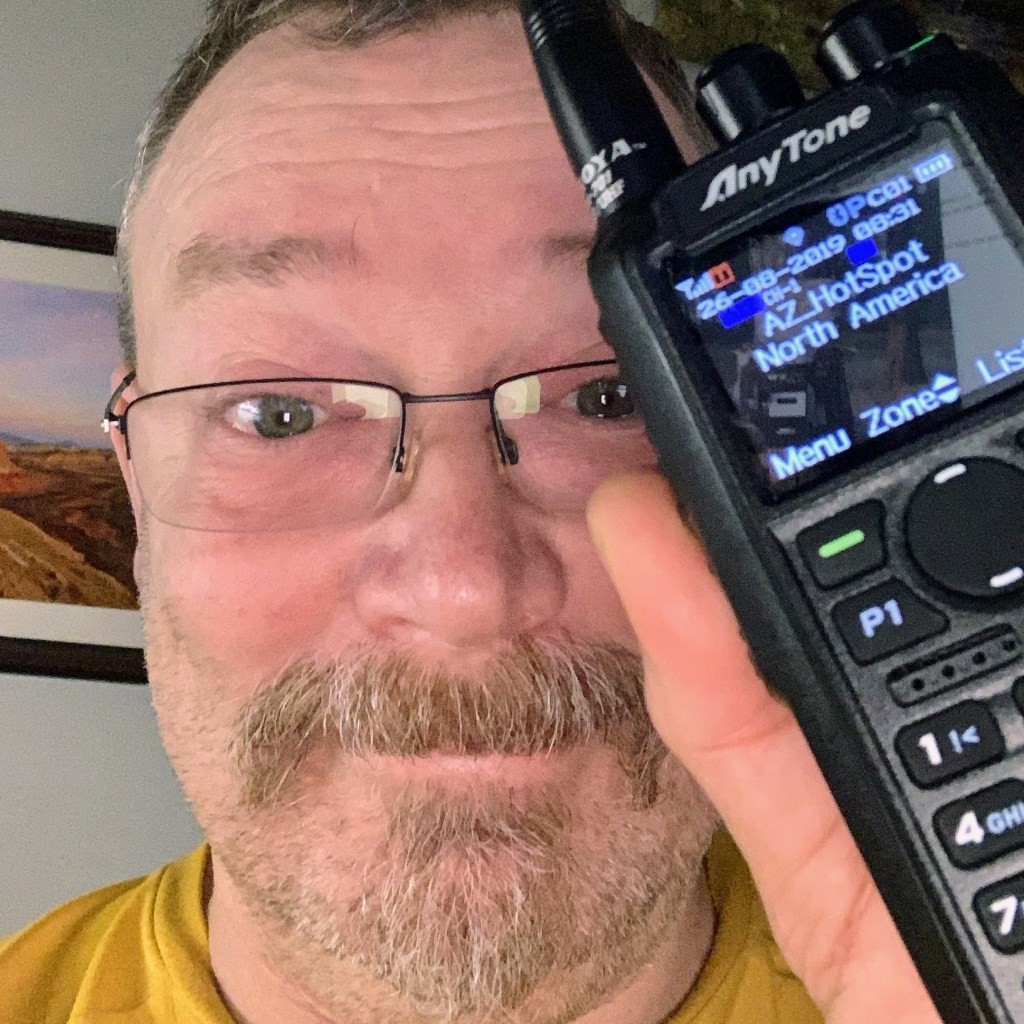
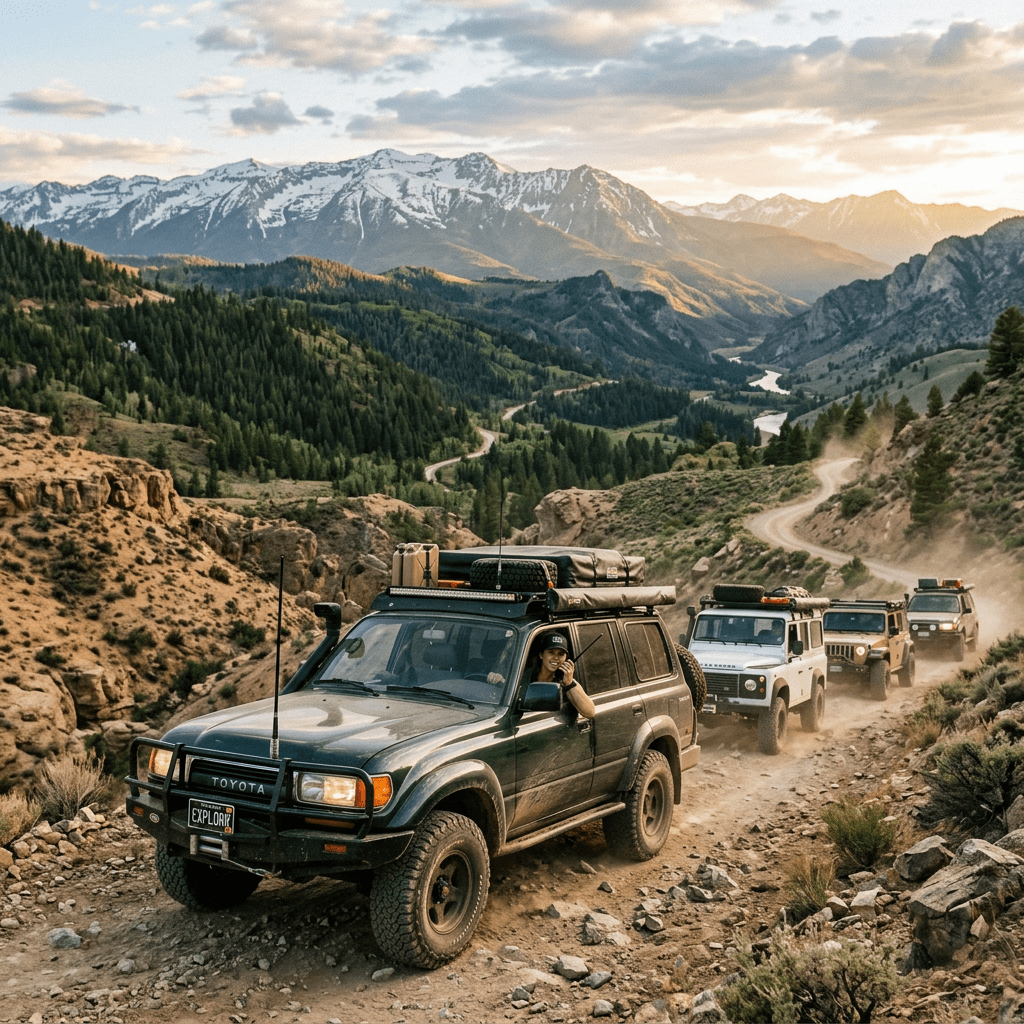
Overlanding, the practice of traveling to remote destinations where the journey is as significant as the destination, often takes enthusiasts into areas devoid of cellular service. In such scenarios, reliable communication becomes crucial for safety, coordination, and emergency situations. Various radio services, including Ham radio, General Mobile Radio Service (GMRS), Land Mobile Radio (LMR), and Citizens Band (CB) radio, offer viable alternatives for communication. Each of these services has its own set of advantages and disadvantages, which are important to consider when planning an overlanding adventure.
Ham Radio
Ham radio, also known as amateur radio, is a popular communication tool among overlanders, especially when venturing into areas without cellular coverage. Its unique features and capabilities make it a valuable asset, but it also comes with certain challenges. Let’s delve deeper into the advantages and disadvantages of using ham radio for overlanding.
Advantages
Range and Versatility
Ham radio is celebrated for its impressive range, particularly when utilizing high-frequency (HF) bands. These bands can facilitate communication over hundreds or even thousands of miles, depending on atmospheric conditions and equipment setup. This capability is particularly advantageous in remote areas where other communication methods might fail. The versatility of ham radio extends beyond just range; it can operate on various bands (HF, VHF, UHF), each suited for different types of communication. For instance, Very High Frequency (VHF) and Ultra High Frequency (UHF) bands are excellent for line-of-sight communication, which is useful in mountainous terrains or urban environments.
Community Support
The ham radio community is a global network of enthusiasts who are often eager to assist fellow operators. This community support is invaluable during emergencies, as operators can reach out for help or relay messages through a network of other hams. Many regions have established emergency communication networks, where ham operators volunteer to provide communication support during disasters. This sense of community and the willingness to help others is a hallmark of the ham radio culture, providing a safety net for overlanders in distress.
Variety of Frequencies and Modes
Ham radio offers a vast array of frequencies and modes, allowing users to tailor their communication to specific needs. Operators can choose from voice communication, digital modes (such as PSK31 or FT8), and even Morse code (CW). This flexibility is particularly useful in adapting to different communication scenarios, whether it’s a quick voice chat with a nearby traveler or a long-distance digital message. The ability to switch between modes and frequencies also helps in overcoming interference or poor propagation conditions, ensuring reliable communication.
Disadvantages
Licensing Requirement
One of the primary barriers to using ham radio is the licensing requirement. To legally operate a ham radio, individuals must pass an exam that tests their knowledge of radio theory, regulations, and operating practices. While this ensures that operators are knowledgeable and responsible, it can be a deterrent for those who are not inclined towards technical subjects. However, the licensing process also serves as an educational opportunity, equipping users with the skills needed to effectively use their equipment.
Complexity
Ham radio equipment and operation can be complex, especially for beginners. Setting up a radio station involves understanding antennas, power sources, and radio wave propagation. Additionally, operating the radio requires familiarity with various controls and settings. This complexity necessitates a learning curve, which can be daunting for some users. However, many resources, including online tutorials, local clubs, and experienced operators, are available to help newcomers navigate this complexity.
Equipment Size
Ham radio equipment can be bulky, which is a consideration for overlanders with limited space in their vehicles. While portable and compact options are available, achieving the best performance often requires larger antennas and additional accessories, such as amplifiers or tuners. This can be a challenge for those who need to balance space and weight constraints with communication needs. Despite this, many overlanders find creative solutions to integrate ham radio setups into their vehicles without compromising on space.
Ham radio offers significant advantages for overlanders, particularly in terms of range, community support, and communication flexibility. However, the need for licensing, the complexity of operation, and equipment size are factors that must be considered. For those willing to invest the time and effort to overcome these challenges, ham radio can be an invaluable tool, enhancing both safety and connectivity during remote adventures. As technology continues to evolve, ham radio remains a resilient and adaptable form of communication, bridging the gap where modern cellular networks fall short.
General Mobile Radio Service (GMRS)
General Mobile Radio Service (GMRS) is a popular choice for overlanders seeking reliable communication in areas without cellular coverage. It strikes a balance between ease of use and effective range, making it suitable for both casual users and more serious adventurers. However, like any communication tool, GMRS has its own set of advantages and disadvantages that are important to consider.
Advantages
Ease of Use
One of the most appealing aspects of GMRS radios is their simplicity. These radios are designed to be user-friendly, with straightforward controls and minimal setup requirements. This makes them accessible to users who may not have technical expertise or the time to learn complex systems. Most GMRS radios come with pre-programmed channels, allowing users to start communicating almost immediately. This ease of use is particularly beneficial for overlanders who need quick and reliable communication without the hassle of complicated equipment.
Good Range
GMRS radios offer a significant improvement in range over Citizens Band (CB) radios, thanks to their higher power output. GMRS radios can transmit at up to 50 watts, compared to the 4 watts typically allowed for CB radios. This increased power allows for a greater communication range, which can be further extended by using repeaters. Repeaters are stations that receive and retransmit signals, effectively increasing the coverage area. This capability is especially useful in open terrains or when coordinating with other vehicles over longer distances.
Family-Friendly
A unique advantage of GMRS is that a single license covers an entire family. This means that all family members can legally operate GMRS radios without needing individual licenses. This feature is particularly convenient for group travel, as it simplifies the licensing process and reduces costs. Families or groups traveling together can easily stay in touch, enhancing safety and coordination during their overlanding adventures.
Disadvantages
Licensing Requirement
While GMRS does not require users to pass an exam, it does require a license from the Federal Communications Commission (FCC). Obtaining this license involves a fee, which can be a deterrent for some users. The current license fee is relatively modest and covers a ten-year period, but it is an additional step that users must complete before legally operating GMRS radios. Despite this, the licensing process is straightforward and can be completed online.
Limited Channels
GMRS operates on a limited number of channels, which can lead to congestion, especially in popular or densely populated areas. With only 22 channels available, users may experience interference from other GMRS users, particularly during peak times or in areas with high radio traffic. This limitation can affect the clarity and reliability of communication, making it challenging to find a clear channel for uninterrupted conversation.
Range Limitations
Although GMRS offers better range than CB radios, it still falls short compared to ham radio, particularly in challenging terrains like mountains or dense forests. The line-of-sight nature of radio waves means that obstacles such as hills, trees, and buildings can significantly reduce the effective range of GMRS radios. While repeaters can help mitigate this issue, they are not always available in remote areas, limiting the usefulness of GMRS in certain situations.
GMRS provides a practical and user-friendly communication solution for overlanders, offering a good balance of range and simplicity. Its family-friendly licensing and ease of use make it an attractive option for group travel. However, potential users should be aware of the licensing requirement, channel limitations, and range constraints, particularly in challenging terrains. By understanding these factors, overlanders can make informed decisions about whether GMRS is the right choice for their communication needs during their adventures. As technology and infrastructure continue to evolve, GMRS remains a reliable and accessible option for those venturing into areas beyond the reach of cellular networks. is still limited compared to ham radio, especially in mountainous or heavily forested areas.
Land Mobile Radio (LMR)
Advantages:
- Professional Grade: LMR systems are designed for reliability and durability, often used by emergency services and businesses.
- Customizable: These systems can be tailored to specific needs, including private channels and enhanced security features.
- Robust Infrastructure: In some areas, LMR systems benefit from established infrastructure, such as repeaters, which can extend range.
Disadvantages:
- Cost: LMR systems can be expensive, both in terms of equipment and licensing.
- Complexity and Licensing: Similar to ham radio, LMR requires licensing and can be complex to set up and operate.
- Limited to Specific Areas: The infrastructure needed for LMR is not available everywhere, limiting its usefulness in very remote areas.
Citizens Band (CB) Radio
Citizens Band (CB) radio has been a staple of communication for decades, particularly among truckers, off-road enthusiasts, and overlanders. Its accessibility and simplicity make it a popular choice for those seeking a straightforward communication tool. However, CB radio also comes with limitations that users should consider when planning their overlanding adventures.
Advantages
No Licensing Required
One of the most significant advantages of CB radio is that it does not require a license to operate. This makes it immediately accessible to anyone who wishes to use it, without the need for paperwork or fees. This ease of access is particularly appealing for casual users or those who need a quick and simple communication solution. The lack of licensing requirements also means that users can easily share CB radios with friends or family members without legal concerns.
Simplicity
CB radios are designed with simplicity in mind, featuring straightforward controls and operation. Most units come with basic functions such as channel selection, volume control, and a push-to-talk button, making them easy to use even for those with no prior experience. This simplicity is advantageous for overlanders who need reliable communication without the complexity of more advanced systems. Additionally, CB radios are typically durable and built to withstand the rigors of off-road travel.
Community Presence
CB radio has a strong and established presence among certain communities, particularly truckers and off-road enthusiasts. This creates a network of users who can provide information, assistance, or companionship during long journeys. For overlanders, this community presence can be invaluable, offering real-time updates on road conditions, weather, or potential hazards. The shared channel environment fosters a sense of camaraderie and mutual support, which can enhance the overall travel experience.
Disadvantages
Limited Range
One of the primary limitations of CB radio is its short range, typically limited to a few miles under optimal conditions. This range can be further reduced by obstacles such as hills, buildings, or dense vegetation. In remote areas where overlanders often travel, this limited range can be insufficient for effective communication, particularly if vehicles become separated or if assistance is needed from a distance. While external antennas can improve range to some extent, CB radio remains less capable than other options like GMRS or ham radio.
Interference and Congestion
CB radio operates on a limited number of channels (40 in the United States), which can lead to interference and congestion, especially in popular or densely populated areas. Multiple users sharing the same channel can result in overlapping conversations, making it difficult to communicate clearly. This issue is exacerbated during peak travel times or in areas with high CB radio usage, such as truck stops or off-road events. Users may need to frequently change channels to find a clear frequency, which can be inconvenient.
Lower Power
CB radios are restricted to a maximum power output of 4 watts for AM and 12 watts for SSB (single sideband) in the United States. This lower power level affects both the clarity and reliability of the signal, particularly over longer distances or in challenging environments. Signal degradation can result in poor audio quality or dropped transmissions, which can be problematic in critical situations. While some users attempt to modify their radios for higher power output, this practice is illegal and can lead to fines or equipment confiscation.
Citizens Band radio offers a straightforward and accessible communication option for overlanders, with the advantages of no licensing requirements, simplicity, and a strong community presence. However, its limited range, potential for interference, and lower power output are important considerations for those venturing into remote areas. For overlanders who prioritize ease of use and community interaction, CB radio remains a viable choice. However, those requiring more robust communication capabilities may need to explore alternative options like GMRS or ham radio. Understanding the strengths and limitations of CB radio can help overlanders make informed decisions to ensure effective communication during their journeys.
Conclusion
Choosing the right radio service for overlanding in no-cellular areas depends on individual needs, preferences, and the specific conditions of the journey. Ham radio offers unparalleled range and versatility but requires a license and technical knowledge. GMRS provides a balance of ease of use and range, suitable for family groups, while LMR offers professional-grade reliability at a higher cost. CB radio remains a popular choice for its simplicity and community presence, despite its range limitations. Ultimately, understanding the advantages and disadvantages of each service can help overlanders make informed decisions to ensure safety and effective communication during their adventures.](<Conclusion: Choosing the Right Radio Service for Overlanding When embarking on an overlanding adventure, especially in areas without cellular coverage, selecting the appropriate radio communication service is crucial for ensuring safety, coordination, and connectivity. Each radio service—Ham radio, GMRS, Land Mobile Radio (LMR), and CB radio—offers distinct advantages and disadvantages that cater to different needs and preferences. Understanding these differences is key to making an informed decision that aligns with the specific conditions of your journey.
Ham Radio: Unparalleled Range and Versatility
Ham radio stands out for its exceptional range and versatility, making it an ideal choice for those who require long-distance communication capabilities. Its ability to operate on various frequencies and modes (voice, digital, Morse code) allows users to adapt to different communication scenarios. However, the requirement for a license and the technical knowledge needed to operate ham radio can be barriers for some users. For those willing to invest the time in obtaining a license and learning the intricacies of the equipment, ham radio offers a robust and flexible communication solution, particularly in remote or international overlanding expeditions.
GMRS: Balance of Ease of Use and Range
General Mobile Radio Service (GMRS) provides a practical balance between ease of use and effective range. Its higher power output compared to CB radios and the ability to use repeaters make it suitable for medium-range communication. The family-friendly licensing, which covers all family members under a single license, adds to its appeal for group travel. While GMRS requires a license, the process is straightforward and does not involve an exam. This makes GMRS an attractive option for families or groups seeking reliable communication without the complexity of ham radio.
LMR: Professional-Grade Reliability
Land Mobile Radio (LMR) systems offer professional-grade reliability and are often used by emergency services and businesses. They provide customizable features, such as private channels and enhanced security, which can be advantageous for organized group expeditions or commercial overlanding tours. However, the higher cost and complexity of LMR systems, along with the need for licensing, may not be suitable for casual overlanders. For those who prioritize reliability and have the resources to invest in LMR, it offers a dependable communication solution, particularly in areas with established infrastructure.
CB Radio: Simplicity and Community Presence
Citizens Band (CB) radio remains a popular choice for its simplicity and strong community presence. With no licensing requirements and easy-to-use controls, CB radio is accessible to anyone, making it a convenient option for spontaneous or short-term trips. The established network among truckers and off-road enthusiasts provides a sense of community and support. However, the limited range and potential for interference can be drawbacks in remote areas. For overlanders who value ease of use and community interaction, CB radio offers a straightforward communication tool, though it may be supplemented with other services for more extensive coverage.
Making an Informed Decision
Ultimately, the choice of radio service for overlanding depends on individual needs, preferences, and the specific conditions of the journey. Factors such as the expected range of communication, the level of technical expertise, budget constraints, and the size of the traveling group all play a role in determining the most suitable option. By carefully considering the advantages and disadvantages of each service, overlanders can select a communication tool that enhances their safety and connectivity, ensuring a successful and enjoyable adventure. As technology and infrastructure continue to evolve, staying informed about the latest developments in radio communication can further aid in making the best choice for future overlanding trips.



 UTAZCO Overland
Leave a Reply