
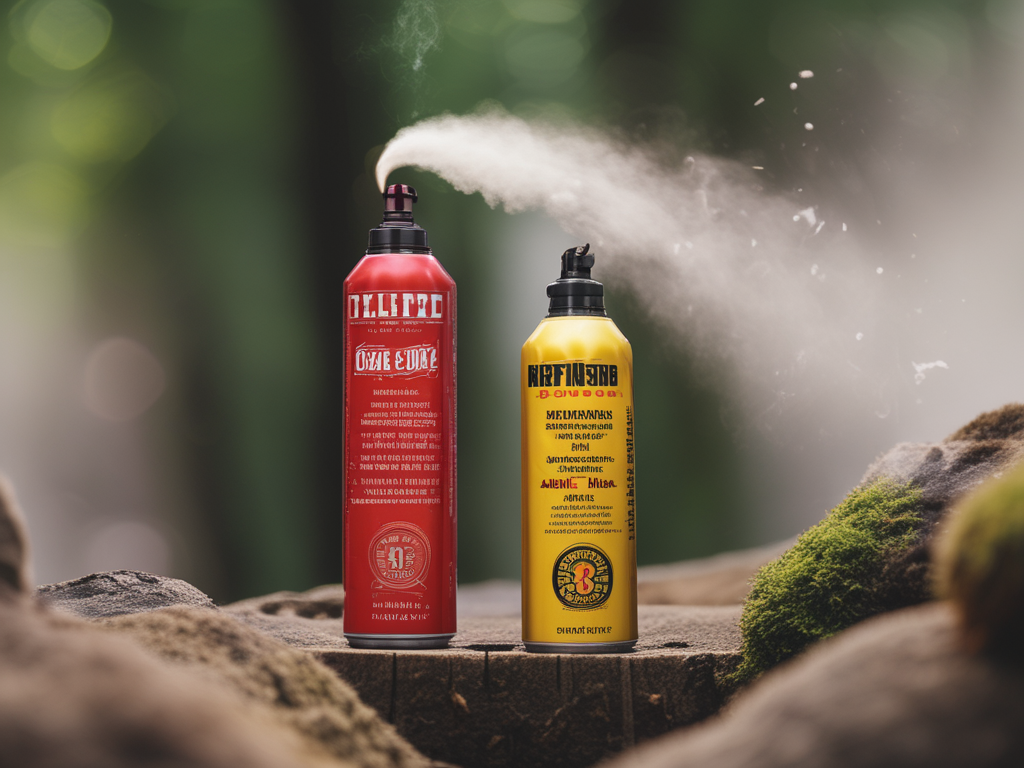
Camping is a delightful way to reconnect with nature, escape the hustle and bustle of city life, and experience the tranquility of the great outdoors. However, it also involves sharing space with wildlife, including predators. Encounters with predators can be dangerous, making predator control an essential aspect of camping safety. This essay will explore some of the best and most effective tools for predator control when camping.
Summary
Proper food storage is vital when camping or living in areas with prevalent wildlife. Storing food correctly can deter predators, such as bears, raccoons, and foxes, attracted by the scent of food. Bear spray is a non-lethal tool designed to deter aggressive bears. Firearms, while effective for predator control, should be considered a last resort. Noise makers, such as air horns, bells, or pots and pans, can startle and deter predators. Predator deterrent lights mimic the eye reflections of other animals, deterring potential threats. Ultrasonic repellers emit high-frequency sounds unpleasant to many predators, creating a predator-free zone around your campsite. Electric fencing delivers a non-lethal shock to any animal that comes into contact with it, deterring predators from entering the campsite.
Proper Food Storage
Proper food storage is an essential practice, especially when camping or living in areas where wildlife is prevalent. It is not a tool in the conventional sense, but it serves as a significant deterrent to predators. Many predators have a keen sense of smell and can be attracted to campsites or homes by the scent of food. Therefore, implementing effective food storage strategies can significantly reduce the chances of attracting predators.
Attracting Predators
Predators such as bears, raccoons, and foxes are often drawn to human settlements due to the smell of food. These animals have a highly developed sense of smell, which allows them to detect food from miles away. Once they associate a location with food, they may return repeatedly, posing a potential threat to humans and property.
Bear-Resistant Containers
Bear-resistant containers are specially designed to prevent bears and other wildlife from accessing stored food. These containers are made from hard, durable materials that can withstand the strength of a bear. They are also designed to be difficult to open without human hands, further deterring animals from attempting to access the food inside. Using bear-resistant containers can significantly reduce the likelihood of attracting bears to your campsite or property.
Hanging Food in Trees
Another effective method of food storage is hanging food in trees. This method involves placing food in a bag or container and suspending it from a tree branch. The food should be hung at least 10-15 feet off the ground and at least 4 feet away from the trunk or any large branches to prevent animals from reaching it. This method is particularly effective against bears, which are less likely to climb trees to access food.
Other Storage Tips
In addition to using bear-resistant containers and hanging food in trees, there are other steps you can take to ensure proper food storage. These include:
- Sealing Food: Food should be sealed in airtight containers or bags to minimize the smell, which can attract predators.
- Cleaning Up: Always clean up after meals, including washing dishes and disposing of food waste properly. Leftover food or food waste can attract predators.
- Storing Food Away from Sleeping Areas: When camping, store food away from your sleeping area. This can help reduce the chances of a predator approaching your tent or camper.
Proper food storage is a crucial practice for controlling predators. By implementing these strategies, you can significantly reduce the chances of attracting predators and ensure a safer outdoor experience.
Bear Spray
Bear spray is a highly effective tool for predator control, specifically designed to deter aggressive or charging bears. It is a type of pepper spray that, when used, creates a cloud of capsaicin mist. This mist irritates the bear’s eyes and respiratory system, causing them to retreat. Bear spray is non-lethal, easy to use, and highly effective, making it an essential item for campers in bear country.
Composition of Bear Spray
Bear spray contains capsaicin and related capsaicinoids, derived from chili peppers. These are the same compounds that make chili peppers hot, but in bear spray, they are present in much higher concentrations. When sprayed, these compounds form a fine mist that can irritate the eyes, nose, throat, and lungs, causing intense discomfort and temporary blindness.
How Bear Spray Works
Bear spray works by creating a barrier between the user and the bear. When sprayed, it releases a cloud of capsaicin mist that can reach up to 30 feet. This mist acts as a deterrent, causing the bear to experience intense discomfort and disorientation, which typically results in the bear retreating.
It’s important to note that bear spray is a deterrent, not a repellent. It does not prevent bears from approaching but rather deters them once they are close. It should be used as a last resort when a bear is approaching too closely or behaving aggressively.
Using Bear Spray
Bear spray is easy to use, but it’s essential to know how to use it correctly. Here are some steps:
- Carry it Accessibly: Bear spray should be carried in a place where it can be quickly accessed, not packed away in a backpack.
- Check the Wind Direction: Before spraying, check the wind direction to avoid getting the spray in your eyes.
- Aim and Spray: Aim slightly down and towards the approaching bear. Spray a brief shot when the bear is about 40-50 feet away to create a barrier of mist between you and the bear.
- Retreat Slowly: After spraying, retreat slowly. Do not run as this can trigger a chase response.
Effectiveness and Safety
Bear spray is highly effective. Studies have shown that it stops aggressive bear behavior in over 90% of cases. It is also a safer and more humane option than firearms, as it does not cause long-term harm to the bear.
Bear spray is a must-have tool for anyone venturing into bear country. It is a non-lethal, highly effective method of deterring aggressive bears, ensuring the safety of both humans and bears.
Firearms
While non-lethal methods are often the first choice for predator control, there are situations where firearms should be considered. However, the use of firearms should be a last resort and will likely result in lengthy – and expensive – legal interactions. Firearms can deter larger predators such as bears or mountain lions, but they require skill and knowledge to use safely and effectively.
Types of Firearms
The type of firearm used can significantly impact its effectiveness for predator control. Shotguns loaded with buckshot or slugs are often recommended for bear encounters due to their stopping power. However, the choice of firearm should also take into account the user’s comfort and proficiency with the weapon, as well as the specific predator species likely to be encountered.
Risks and Responsibilities
The use of firearms for predator control carries significant risks and responsibilities. Misuse can lead to injury or death, not only to the predator but also to the user or other innocent bystanders. Furthermore, in many places, it’s illegal to shoot certain species of wildlife unless it’s hunting season and you have the necessary permits.
Considerations Before Using Firearms
Before choosing to carry a firearm for predator control, campers should consider several factors:
- Knowledge and Skill: Firearms require skill to use safely and effectively. Users should have a thorough understanding of how to operate, store, and maintain their firearm.
- Legal Considerations: Laws regarding firearm use vary widely. It’s essential to understand the laws in the area where you will be camping, including whether it’s legal to carry a firearm and under what circumstances it’s legal to shoot a predator.
- Ethical Considerations: The decision to use a firearm for predator control should not be taken lightly. It is a personal choice and will depend on many factors, both internal (training, safety, willingness to kill to survive…) and external (solo vs. group camping, with family or without, region, etc.)
- Safety: Firearms can be dangerous if not stored and handled correctly. Users must be familiar with safe firearm handling practices to prevent accidents.
While firearms are an effective tool for predator control, they should only be used as a last resort and with a full understanding of the risks, responsibilities, and legal and ethical considerations involved. Non-lethal methods of predator control, such as bear spray or proper food storage, are often safer, more ethical, and just as effective.
Noise Makers
Noise makers are a simple yet effective tool for deterring predators. Predators such as bears, coyotes, and mountain lions are often startled and deterred by loud, unfamiliar noises. Noise makers like air horns, bells, or even pots and pans can be used to scare away potential threats. These tools are lightweight, easy to carry, and do not require any special skills to use, making them a practical choice for many outdoor enthusiasts.
Types of Noise Makers
- Air Horns: Air horns produce a loud, startling noise that can scare away many types of predators. They are compact and lightweight, making them easy to carry on hikes or camping trips.
- Bells: Bells, often attached to backpacks or clothing, can help deter predators by making constant noise as you move. The continuous noise can alert predators to your presence, encouraging them to keep their distance.
- Pots and Pans: In a pinch, banging pots and pans together can create a loud noise that can scare away predators. This method is particularly useful at campsites where such items are readily available.
How Noise Makers Work
The loud noise produced by these tools confuses and scares most predators, causing them to run away. Predators rely heavily on their sense of hearing to hunt and navigate their environment. Loud, unfamiliar noises can be disorienting and frightening to them, causing them to retreat.
Using Noise Makers
Using noise makers is straightforward. If you encounter a predator, make as much noise as possible. Blow the air horn, ring the bell, or bang the pots and pans together. Aim to be loud and persistent. However, it’s important to maintain a safe distance from the predator while doing this.
Advantages of Noise Makers
Noise makers have several advantages for predator control:
- Non-lethal: Noise makers scare away predators without causing them harm.
- Easy to Use: They do not require any special skills or training to use effectively.
- Portable: Noise makers are generally small and lightweight, making them easy to carry on outdoor adventures.
- Versatile: They can be effective against a variety of predator species.
Noise makers are a simple and effective tool for predator control. They are a non-lethal method that can be used by anyone, regardless of skill level, and are easy to carry and use when needed.
Predator Deterrent Lights
Predator deterrent lights are a unique and innovative tool designed to scare away predators. They work by mimicking the eye reflections of other animals, which can deter potential threats. These lights can be attached to tents, trees, or other structures around the campsite, providing a protective perimeter. They are especially effective against nocturnal predators like raccoons, coyotes, and mountain lions.
How Predator Deterrent Lights Work
Predator deterrent lights work by mimicking the eye reflections of other animals. Many predators are deterred by the sight of these reflections, perceiving them as a threat or another predator. The lights typically use a combination of flashing patterns and colors to mimic these reflections effectively.
The lights are usually motion-activated, turning on when an animal approaches. This sudden flash of light can startle and confuse predators, causing them to retreat.
Using Predator Deterrent Lights
Predator deterrent lights are easy to use. Simply attach them to a tent, tree, or other structure around your campsite. The lights should be positioned at the eye level of the predator you’re trying to deter.
For maximum effectiveness, the lights should be placed around the perimeter of your campsite, creating a protective barrier. This can help deter predators from entering your campsite.
Advantages of Predator Deterrent Lights
Predator deterrent lights offer several advantages:
- Non-lethal: Like noise makers, predator deterrent lights are a non-lethal method of predator control. They scare away predators without causing them harm.
- Easy to Use: These lights are easy to set up and do not require any special skills or training to use effectively.
- Effective Against Nocturnal Predators: Predator deterrent lights are particularly effective against nocturnal predators, which are more likely to be deterred by the flashing lights.
- Low Maintenance: Once set up, these lights require little maintenance. They are typically solar-powered, so they don’t require batteries or electricity.
Predator deterrent lights are a unique and effective tool for predator control. They provide a non-lethal, easy-to-use method of deterring predators, particularly those that are active at night. By creating a protective barrier of flashing lights around your campsite, you can significantly reduce the likelihood of a predator encounter.
Ultrasonic Repellers
Ultrasonic repellers are a modern and innovative tool for predator control. These devices emit high-frequency sounds that are unpleasant to many types of predators, deterring them from approaching. They are small, lightweight, and battery-powered, making them easy to carry on camping trips. Ultrasonic repellers are most effective when used in combination with other predator control tools.
How Ultrasonic Repellers Work
Ultrasonic repellers work by emitting high-frequency sounds, typically ranging from 20,000 Hz to 60,000 Hz. These frequencies are above the range of human hearing but can be heard by many animals, including common predators such as raccoons, coyotes, and bears.
The high-frequency sounds produced by ultrasonic repellers are unpleasant and disorienting to these animals, causing them to avoid the area. This makes ultrasonic repellers an effective tool for creating a predator-free zone around your campsite.
Using Ultrasonic Repellers
Using an ultrasonic repeller is straightforward. Simply turn on the device and place it in the area you want to protect. Some devices may have adjustable frequency settings, allowing you to target specific types of predators.
It’s important to note that ultrasonic repellers should be used as part of a comprehensive predator control strategy. While they can be effective on their own, they are most effective when used in combination with other methods, such as proper food storage and noise makers.
Advantages of Ultrasonic Repellers
Ultrasonic repellers offer several advantages for predator control:
- Non-lethal: Ultrasonic repellers are a non-lethal method of predator control. They deter predators without causing them harm.
- Easy to Use: These devices are easy to set up and do not require any special skills or training to use effectively.
- Portable: Ultrasonic repellers are small and lightweight, making them easy to carry on camping trips.
- Versatile: They can be effective against a variety of predator species.
Ultrasonic repellers are a modern and effective tool for predator control. They provide a non-lethal, easy-to-use method of deterring predators, making them a valuable addition to any camper’s predator control toolkit.
Electric Fencing
Electric fencing is a highly effective tool for predator control, particularly in areas with large predators like bears or wolves. Portable electric fences are lightweight, easy to set up, and can protect a large area. They deliver a non-lethal shock that deters predators from entering the campsite.
How Electric Fencing Works
Electric fencing works by delivering a short, sharp, non-lethal electric shock to any animal that comes into contact with it. This shock is unpleasant but not harmful, serving to deter the animal from trying to cross the fence again.
The fence consists of several strands of wire that are connected to an energizer, a device that produces high-voltage electrical pulses. When an animal touches the fence, it completes the circuit between the fence and the ground, causing an electric shock.
Using Electric Fencing
Setting up an electric fence is relatively straightforward, but it does require some planning and preparation. The fence should be set up around the perimeter of your campsite, with the energizer placed in a central and secure location.
The fence should be high enough to deter the specific predators in your area. For example, a fence for bear deterrence should be at least three feet high. The wires should be spaced closely enough together that the predator cannot easily pass through or under the fence.
Once the fence is set up, the energizer can be turned on. It’s important to check the fence regularly to ensure it’s working correctly and to make any necessary repairs.
Advantages of Electric Fencing
Electric fencing offers several advantages for predator control:
- Effective: Electric fencing is highly effective at deterring large predators. The unpleasant shock discourages predators from trying to enter the campsite.
- Non-lethal: The shock delivered by an electric fence is non-lethal, making this a humane method of predator control.
- Protects a Large Area: Electric fencing can protect a large area, making it a good choice for larger campsites.
- Portable and Easy to Set Up: Portable electric fences are lightweight and easy to set up and take down, making them a practical choice for camping trips.
Electric fencing is a powerful tool for predator control. It provides a non-lethal, effective method of deterring large predators, ensuring the safety of campers and their belongings.
Conclusion
Safety should always be a priority when camping. While encounters with predators are rare, being prepared can make a significant difference. Proper food storage, bear spray, firearms, noise makers, predator deterrent lights, ultrasonic repellers, and electric fencing are all effective tools for predator control. By using these tools and following safe camping practices, campers can enjoy their outdoor adventures with peace of mind.


 UTAZCO Overland
Leave a Reply