
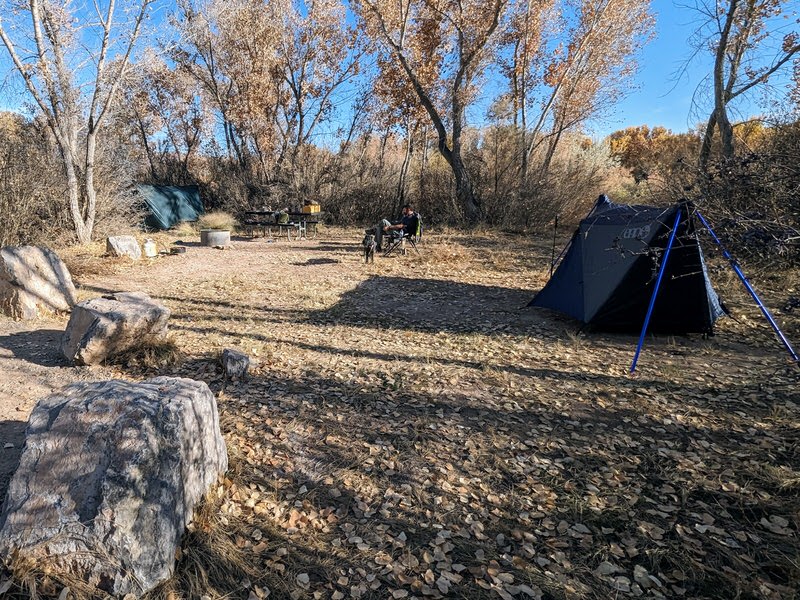
Hammocks, traditionally suspended between two trees, have been a symbol of relaxation and leisure for many years. They offer a unique way to enjoy the outdoors, providing comfort and a sense of tranquility. However, in areas where trees are difficult to find, too small, or even nonexistent, the use of hammocks can be challenging. This is where hammock stands come into play. Hammock stands are a practical solution that allows hammock enthusiasts to enjoy the benefits of a hammock, regardless of the surrounding environment.
The Necessity of Hammock Stands
Urban Environments
In urban environments, the scarcity of trees can pose a significant challenge for hammock enthusiasts. Cities and towns are often designed with buildings, roads, and other infrastructure as the primary focus, leaving little room for trees. Even in parks or green spaces, trees may not be appropriately spaced or sturdy enough to support a hammock. This is where hammock stands become an essential tool. They provide a reliable and secure structure that can be set up in any available space, be it a rooftop, balcony, or a small backyard. With a hammock stand, urban dwellers can enjoy the relaxation and comfort of a hammock without the need for trees.
Desert Landscapes and Beach Settings
Desert landscapes and beach settings present another scenario where hammock stands are indispensable. These environments are characterized by their lack of trees, making traditional hammock hanging impossible. However, the appeal of lounging in a hammock under the open sky or by the seaside is undeniable. Hammock stands offer a solution, allowing for the setup of a hammock in the middle of a desert or on a sandy beach. They are designed to be stable and secure, even on uneven or loose ground, ensuring a safe and comfortable hammock experience.
Forested Areas
Even in forested areas, where trees are abundant, there can be challenges to hanging a hammock. Trees may not be appropriately spaced, requiring a long reach that could strain the hammock fabric and compromise its integrity. Additionally, not all trees are sturdy enough to support the weight of a hammock and its occupant, posing a risk of injury. Some trees may also be protected due to their age or species, and hanging a hammock from them could cause damage or be against regulations. Hammock stands eliminate these issues, providing a reliable structure that can be set up in the optimal location, regardless of where trees are located.
The necessity of hammock stands extends beyond mere convenience. They provide a solution to the challenges of finding suitable trees in various environments, from urban settings to deserts and beaches, and even forested areas. By offering a secure and stable structure for hanging a hammock, they ensure safety and allow for the enjoyment of a hammock in any desired location.
Types of Hammock Stands
Steel Hammock Stands
Steel hammock stands are renowned for their durability and strength. They are typically made from heavy-duty steel, which offers a high weight capacity, often capable of supporting two or more people. This makes them an excellent choice for family use or for those who enjoy lounging with a partner or pet.
Additionally, steel hammock stands often come with a weather-resistant coating. This coating protects the stand from elements such as rain, snow, and sun, preventing rust and ensuring the stand’s longevity. Despite their robust construction, many steel hammock stands feature a simple, tool-free assembly, making them user-friendly.
Wooden Hammock Stands
Wooden hammock stands offer a different appeal, blending functionality with aesthetics. They are often made from weather-resistant woods like teak, cypress, or pine, which are not only sturdy but also beautiful. These stands can be a stylish addition to any backyard or patio, enhancing the outdoor decor with their natural, rustic charm.
While wooden stands may require more maintenance than their steel counterparts to keep the wood in good condition, their visual appeal and the warm, organic feel they bring to an outdoor space make them a popular choice.
Portable Hammock Stands
Portable hammock stands are designed with mobility and convenience in mind. They are typically lightweight and easy to assemble and disassemble, making them ideal for camping trips, beach outings, or any situation where you might want to bring your hammock along.
These stands are often made from lightweight materials like aluminum or thin steel. Despite their lightness, they are designed to be sturdy and secure, providing a safe and comfortable hammock experience on the go. Some portable stands even come with carrying cases for easy transport and storage.
The variety of hammock stands available caters to a wide range of needs and preferences. Whether you prioritize durability and weight capacity, aesthetic appeal, or portability, there is a hammock stand designed to meet your specific requirements. This diversity underscores the versatility of hammock stands and their ability to facilitate hammock use in a multitude of settings.
Benefits of Using Hammock Stand
Versatility
One of the most significant benefits of using a hammock stand is its versatility. Unlike traditional hammock setups that require two appropriately spaced and sturdy trees, hammock stands can be set up virtually anywhere. This flexibility allows for hammock use in a variety of settings, from backyards and patios to campsites and beaches.
For urban dwellers with limited green space, a hammock stand can transform a small patio or balcony into a relaxing retreat. For outdoor enthusiasts, a portable hammock stand can make camping or beach outings more comfortable and enjoyable. The versatility of hammock stands ensures that the pleasure of hammock use is not limited by the surrounding environment.
Safety and Stability
Hammock stands offer a level of safety and stability that may not be guaranteed when relying on trees. They are designed to support a specific weight capacity, reducing the risk of falls or damage to the hammock.
When using trees, there is always a risk that the tree may not be sturdy enough to support the weight, or that the rope or strap may damage the tree’s bark, causing it to fail. Hammock stands eliminate these risks, providing a secure and stable structure that can safely support the weight of one or more users.
Protection of Trees
Using a hammock stand also eliminates any potential harm to trees caused by hanging a hammock directly from their trunks or branches. While most hammock users take care not to damage trees, the pressure from ropes or straps can potentially harm the tree’s bark, leading to long-term damage.
In some cases, hanging a hammock from a tree may be against park regulations or homeowner association rules, particularly if the trees are old or protected. Using a hammock stand avoids any potential harm to trees and ensures compliance with any rules or regulations regarding tree protection.
The benefits of using hammock stands extend beyond mere convenience. They offer a versatile, safe, and environmentally friendly solution for hammock use in a variety of settings. Whether you’re in a tree-less urban environment, a sandy beach, or a protected forest, a hammock stand ensures that you can enjoy the comfort and relaxation of a hammock while respecting the surrounding environment.
Environmental Considerations of Hammock Stands
Tree Conservation
In many areas, particularly urban environments or protected natural areas, tree conservation is of utmost importance. Trees play a crucial role in our ecosystem, providing oxygen, improving air quality, conserving water, and supporting wildlife. However, they can be susceptible to damage from various sources, including the ropes or straps used to hang hammocks.
Hammock stands offer a tree-friendly alternative, eliminating the need to hang hammocks from trees. By using a hammock stand, you can enjoy the comfort of a hammock while ensuring that no harm comes to the trees in your environment. This is particularly beneficial in urban areas where trees are scarce and in protected natural areas where every tree plays a vital role in maintaining the ecosystem’s balance.
Preventing Damage to Trees
When a hammock is hung from a tree, the pressure from the ropes or straps can potentially damage the tree’s bark. This damage can expose the tree to disease and pests, and in severe cases, it can cause the tree to die. This is not only detrimental to the tree itself but can also have broader impacts on the local ecosystem, particularly in areas where trees are a critical habitat for wildlife.
Hammock stands prevent this potential damage, providing a safe and secure structure from which to hang a hammock without harming trees. This makes hammock stands an environmentally friendly choice for hammock use.
Preserving Ecosystem Integrity
In protected natural areas, preserving the integrity of the ecosystem is paramount. Every element of the ecosystem, from the largest tree to the smallest insect, plays a role in maintaining the area’s health and biodiversity. Disturbing or damaging any part of this system, such as by damaging trees to hang a hammock, can have far-reaching effects.
By using a hammock stand, you can ensure that your enjoyment of the outdoors does not come at the expense of the environment. Hammock stands allow you to relax in nature while minimizing your impact on the ecosystem, contributing to the preservation of these precious natural areas for future generations.
The environmental considerations of using hammock stands are significant. They offer a way to enjoy the comfort and relaxation of a hammock while minimizing impact on trees and contributing to the conservation of our natural environments. Whether you’re in an urban park, a backyard, or a protected natural area, choosing a hammock stand is a choice that benefits both you and the environment.
Comparing Hammock Stands: ENO Nomad, YOBOgear Cricket, YOBOgear Hive, and YOBOgear Turtlebug
Disclaimer: Please note that I am not affiliated with ENO or YOBOgear, nor do I receive any form of compensation from these companies. The recommendations and comparisons of the ENO Nomad, YOBOgear Cricket, Hive, and Turtlebug hammock stands are based solely on my personal experience and usage. I frequently use the YOBOgear Cricket stand in desert settings and have found it to be highly effective. However, individual needs and experiences may vary, and I encourage potential buyers to conduct their own research to determine the best hammock stand for their specific requirements.
Hammock stands have revolutionized the way we use hammocks, providing flexibility and convenience in various settings. Among the numerous options available, the ENO Nomad (Nomad Hammock Stand – Portable Hammock Camping Stand | ENO), YOBOgear Cricket (Cricket Hammock Stand – YOBOGear), and YOBOgear Hive (Hive Hammock Stand – YOBOGear) stand out for their unique features and benefits. In this section, I will compare these three hammock stands, highlighting their pros and cons.
ENO Nomad Hammock Stand
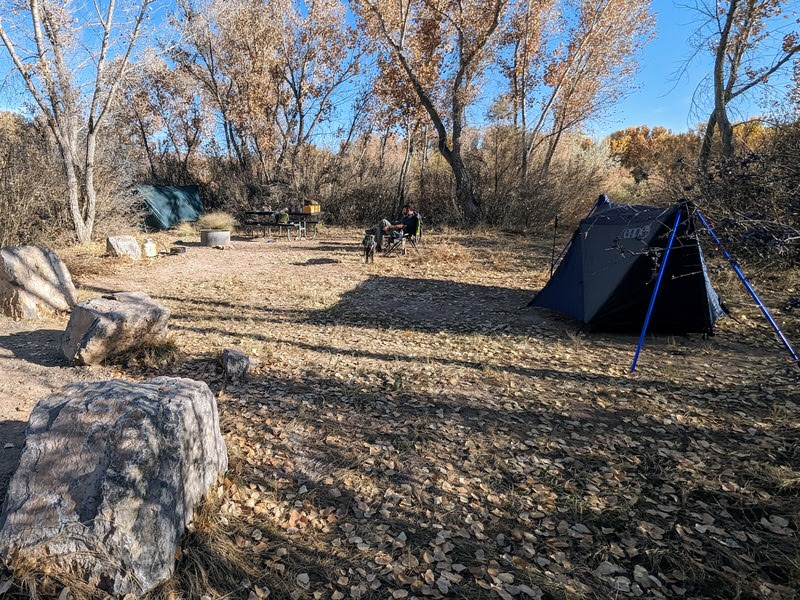
The ENO Nomad Hammock Stand is a lightweight, portable stand designed for easy setup and takedown. It’s made from durable aluminum alloy, ensuring it can withstand the elements while remaining light for transport.
Pros
- Lightweight and Portable: The ENO Nomad is easy to carry, making it ideal for camping trips or beach outings.
- Easy Setup: The stand’s shock-corded construction allows for quick and easy assembly and disassembly.
- Price: The ENO Nomad is inexpensive compared to the other reviewed hammock stands.
- Durable: Made from aluminum alloy, the stand is sturdy and resistant to weather.
Cons
- Size: The Nomad is manufactured to specifically fit ENO hammocks, which are on average shorter than typical hammocks (9ft 6″ vs 10ft – 12ft.) Longer hammocks do not fit the stand!
- Limited Weight Capacity: While sturdy, the stand has a lower weight capacity than some heavier, non-portable stands.
YOBOgear Cricket Hammock Stand
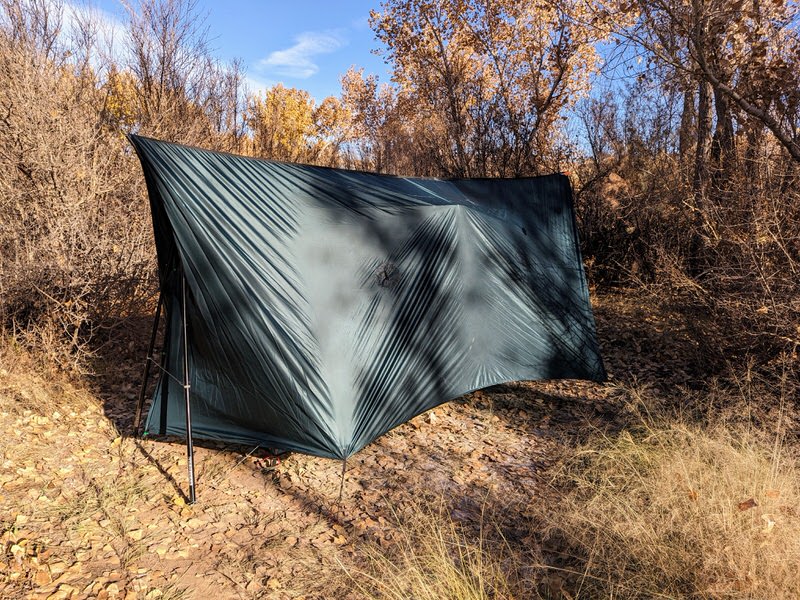
The YOBOgear Cricket is a minimalist hammock stand designed for backpacking and camping. It’s incredibly lightweight and compact, making it easy to carry on long hikes.
Pros
- Ultra-Lightweight: The Cricket is one of the lightest hammock stands on the market, making it ideal for backpacking.
- Compact: The stand packs down small, taking up minimal space in a backpack.
- Versatile: The Cricket can be used with any hammock, providing flexibility for users.
Cons
- Stability: Due to its lightweight design, the Cricket is not as stable as heavier stands, especially in windy conditions and requires a sturdy, well tied-down tarp for added stability.
- Setup: The Cricket requires a bit more effort to set up compared to some other stands.
YOBOgear Hive Hammock Stand
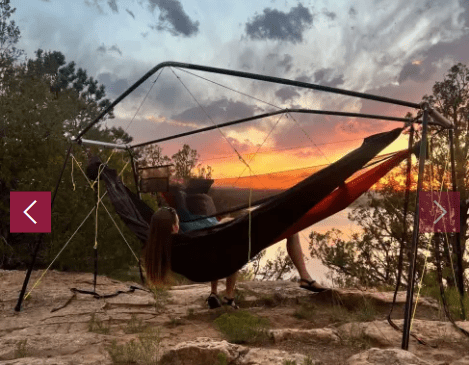
The YOBOgear Hive is a larger, more robust hammock stand designed for use in backyards, patios, or campsites. It’s made from steel, ensuring high durability and weight capacity.
Pros
- High Weight Capacity: The Hive can support more weight than the Nomad or Cricket, making it suitable for multiple users or heavier individuals.
- Durable: Made from steel, the Hive is designed to withstand harsh weather conditions.
- Stability: The Hive’s design provides excellent stability, reducing the risk of tipping or swaying.
Cons
- Portability: The Hive is heavier and bulkier than the Nomad or Cricket, making it less suitable for backpacking or hiking.
- Setup: The Hive requires more time and effort to assemble and disassemble compared to more portable stands.
- Price: The Hive is the most expensive of the reviewed stands, and requires a serious investment – and commitment – into hammock camping!
YOBOgear Turtlebug Hammock Stand (Coming Soon!)
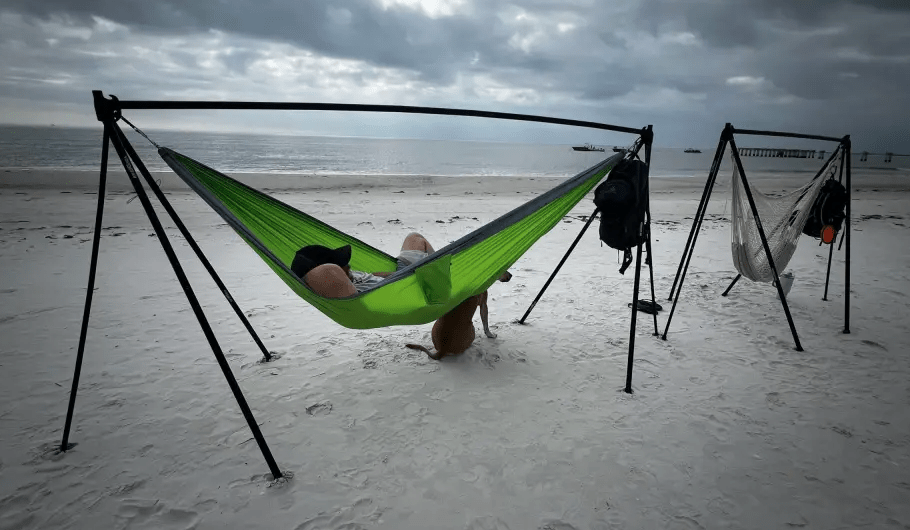
The YOBOgear Turtlebug is a versatile hammock stand designed for both indoor and outdoor use. It’s compact and easy to assemble, making it a great choice for camping trips, beach outings, or home use. It is essentially a larger, more versatile version, of the ENO Nomad, capable of accomodating larger hammocks.
Pros
- Versatility: The Turtlebug is suitable for both indoor and outdoor use, offering flexibility for users.
- Compact Design: The stand is compact and easy to transport, making it ideal for trips or small spaces.
- Easy Setup: The Turtlebug can be assembled quickly and easily, saving time and effort.
Cons
- Weight Capacity: The Turtlebug has a lower weight capacity compared to larger, more robust stands like the Hive.
- Stability: While generally stable, the Turtlebug may not be as secure as heavier stands, especially on uneven ground.
The ENO Nomad, YOBOgear Cricket, YOBOgear Hive, and YOBOgear Turtlebug each offer unique advantages and disadvantages. The Nomad offers a balance of portability and durability, the Cricket excels in lightweight, compact design for backpacking, the Hive provides high weight capacity and stability for stationary use, and the Turtlebug offers versatility for both indoor and outdoor use (note: some folks are using the other stands indoor as well!) The choice between these stands ultimately depends on the specific needs and preferences of the user.
My Recommendations
- If you have an ENO hammock, or any hammock shorter than 10ft (and you like it…,) just get the ENO Nomad.
- If you have a hammock longer than 10ft, but like the tripod design of the Nomad, get the YOBOgear Turtlebug.
- If you are a hiker and need a stand to take along your hikes, get the YOBOgear Cricket.
- Finally, if you are mainly car camping, or you typically pitch two hammocks, get the YOBOgear Hive.
Conclusion
Hammock stands are a practical and versatile solution for hammock use in areas where trees are scarce, too small, or nonexistent. They offer a level of convenience, safety, and environmental friendliness that traditional hammock hanging methods may not provide. Whether you’re in an urban setting, a desert landscape, or a beachfront, a hammock stand ensures that you can always enjoy the comfort and relaxation of a hammock.
Post Scriptum
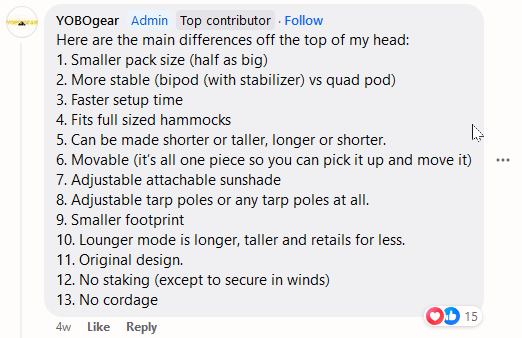
In the YOBOgear Facebook group, a user asked: “TURTLEBUG VS ENO NOMAD How is the TB better?” to which one of the owners responded:



 UTAZCO Overland
Leave a Reply