
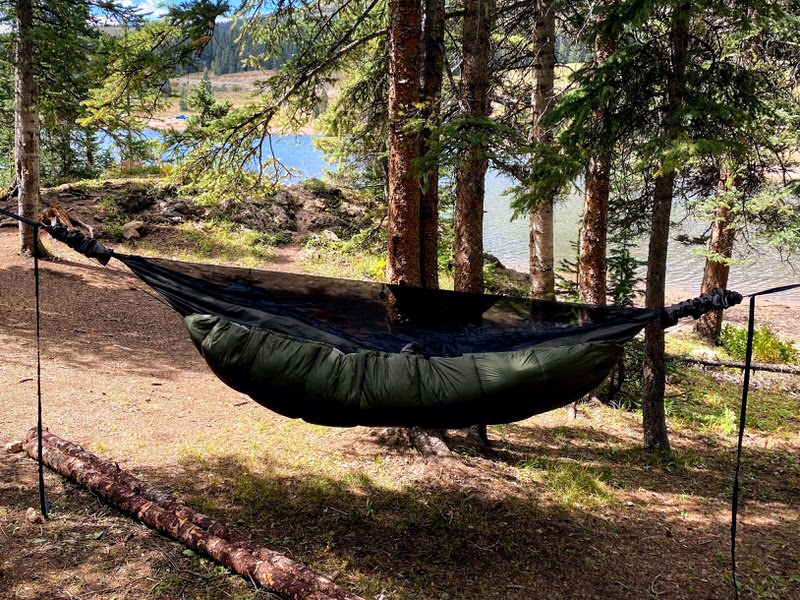
Disclaimer: The viewpoints and comparisons made in the following essay represent my personal opinions, formed through years of firsthand experience in the great outdoors. While I have endeavored to present a balanced and informed perspective, it’s important for readers to understand that these reflections are rooted in my individual journey and preferences as a camper who has extensively used both hammocks and tents.
Camping, by its very nature, is a deeply personal experience, and what works best can vary significantly from one individual to another, based on a multitude of factors including physical comfort, environmental considerations, and the specific context of each camping trip. Therefore, while I advocate for the benefits of hammock camping based on my positive experiences and the advantages I’ve perceived, I acknowledge that tents may be the preferred or more practical option for others.
I encourage readers to consider their unique needs, preferences, and camping environments when making a decision between hammock and tent camping. Experimentation with both methods can provide valuable insights and ultimately guide you to the choice that best enhances your outdoor adventures.
In the realm of outdoor adventures, camping stands out as a favorite activity for many, offering an escape into nature and a break from the hustle and bustle of daily life. While the traditional image of camping often involves pitching a tent in a scenic location, an increasing number of outdoor enthusiasts are turning to hammocks as their primary sleeping arrangement. This essay explores the reasons why using a hammock when camping can be a better choice than a conventional tent, focusing on aspects such as comfort, versatility, and environmental impact.
Unparalleled Comfort and Improved Sleep Quality
The allure of hammock camping is significantly rooted in the unparalleled level of comfort it offers, a stark contrast to the traditional tent camping experience. Here, we delve deeper into how hammocks provide an enhanced sleeping experience, focusing on the ergonomic benefits, reduction of pressure points, and the soothing effect of gentle rocking.
Ergonomic Benefits
The design of a hammock naturally conforms to the shape of the human body, providing support that is both evenly distributed and adaptive. Unlike the flat surface of a tent floor, a hammock envelops the sleeper, eliminating the common issue of finding a comfortable sleeping position on uneven or rough terrain. This ergonomic sleeping position aligns the spine, reducing the risk of back pain that can often result from sleeping on the hard ground. The slight curvature encouraged by a hammock can also facilitate better breathing for some people, potentially reducing snoring and improving overall sleep quality.
Reduction of Pressure Points
Traditional sleeping surfaces, including the ground one might sleep on in a tent, can create pressure points at the hips, shoulders, and other areas, leading to discomfort and restless nights. Hammocks mitigate this issue by distributing the sleeper’s weight more evenly across the body. This reduction in pressure points is not only more comfortable but can significantly enhance sleep quality. It allows for increased circulation and prevents the numbness or tingling sensations that can occur when limbs are under pressure for extended periods. For individuals with existing joint or muscle pain, this can be a particularly appealing advantage, offering a gentler alternative that can accommodate a more sensitive body.
The Soothing Effect of Gentle Rocking
The gentle rocking motion of a hammock is perhaps one of its most distinctive and therapeutic features. This movement can have a profound calming effect, reminiscent of being rocked to sleep. Research suggests that rocking can enhance the speed of falling asleep and promote deeper sleep cycles. The rhythmic swaying of a hammock taps into deep-rooted human comfort mechanisms, potentially even stimulating the brain’s wave patterns in a way that fosters more restorative sleep. This soothing effect not only helps campers fall asleep faster but also contributes to a more peaceful and uninterrupted night’s rest.
The comfort and sleep quality provided by hammock camping are not merely matters of personal preference but are grounded in the ergonomic design, reduction of pressure points, and the natural soothing effect of gentle rocking. These factors combine to create a sleeping environment that can rival even the most comfortable bed, let alone a sleeping pad on the uneven ground of a tent site. For those seeking a restful escape in the great outdoors, the hammock offers a compelling alternative, promising not just a place to sleep, but a uniquely serene experience that can rejuvenate the body and mind.
Versatility and Ease of Setup
The growing popularity of hammock camping can be significantly attributed to its versatility and the ease with which a hammock can be set up, making it a compelling choice for a wide range of camping scenarios. This section delves deeper into these aspects, highlighting how they contribute to the appeal of hammock camping.
Versatility Across Varied Terrains
One of the most significant advantages of hammocks is their ability to adapt to a variety of natural landscapes. Unlike tents, which require a relatively flat, clear area to be pitched properly, hammocks only need two sturdy points for attachment, typically trees, which are abundant in most camping environments. This flexibility is invaluable in terrains where flat, debris-free ground is a rarity rather than the norm. In hilly, uneven, or rocky areas, finding a suitable spot for a tent can be challenging and time-consuming. Hammocks, however, can be easily and securely suspended above such obstacles, providing a comfortable sleeping space without the need for extensive site preparation.
This adaptability extends to environments where the ground is not just uneven but also wet or covered in snow. By elevating the sleeper off the ground, hammocks keep them dry and away from ground-level cold, contributing to a more comfortable and enjoyable camping experience, regardless of the weather conditions.
Lightweight and Compact Design
Modern hammocks are designed with the outdoor enthusiast in mind, focusing on minimizing weight and maximizing compactness without sacrificing durability or comfort. Many hammocks are made from high-strength, lightweight materials that, when packed, occupy a fraction of the space required by a tent. This attribute makes hammocks particularly appealing to backpackers and hikers for whom every ounce and inch of backpack space is precious. The reduced weight and volume of a hammock, compared to a tent, can make a significant difference in the overall enjoyment and feasibility of backpacking trips, especially those covering long distances or involving challenging terrain.
Quick and Straightforward Setup
Another key advantage of hammocks is the simplicity and speed of their setup process. With a little practice, a hammock can be set up in a matter of minutes, a stark contrast to the often more complicated and time-consuming process of pitching a tent. This efficiency not only saves time during the setup and takedown but also reduces the barrier to enjoying spontaneous moments of rest throughout a hike or exploration. For campers eager to maximize their time immersed in nature rather than wrestling with camping gear, the quick and straightforward setup of a hammock is a significant benefit.
Moreover, the ease of setup and takedown means that campers can be more flexible with their plans, moving their sleeping location with minimal effort should the need or desire arise. Whether seeking a better view, more optimal weather conditions, or simply a change of scenery, the mobility afforded by a hammock enhances the overall camping experience1.
The versatility, lightweight and compact design, and ease of setup offered by hammocks make them an ideal choice for a wide range of camping situations. By allowing campers to easily adapt to varied terrains, reduce their carry weight, and spend more time enjoying their surroundings, hammocks have cemented their place as a valuable alternative to traditional tent camping. Whether navigating the rugged backcountry or seeking a serene retreat in the woods, the benefits of hammock camping are clear, offering a blend of comfort, convenience, and connection to nature that is hard to match.
Minimal Environmental Impact
In an age where ecological consciousness is more important than ever, the minimal environmental impact of hammock camping stands out as a significant advantage. Here, we explore how hammock camping aligns with the principles of leave-no-trace and contributes to the preservation of natural habitats, while also addressing the importance of responsible practices to mitigate potential harm to trees.
Preserving Ground Flora
The principle of leaving no trace is central to outdoor activities, emphasizing the importance of minimizing our impact on natural environments. Traditional tent camping, while a beloved and time-honored practice, inherently disturbs the ground where the tent is pitched. The compression of the earth and vegetation beneath a tent can have several adverse effects: it can damage or kill the plant life, disrupt the soil’s natural drainage and compaction, and leave visible scars on the landscape that may take a long time to recover.
Hammock camping, by elevating the sleeper off the ground, sidesteps these issues. The space beneath a hammock remains untouched, allowing plants to thrive and the soil to maintain its natural structure. This airborne approach to camping ensures that the delicate balance of ground flora and fauna is preserved, making hammocks an environmentally friendly alternative to tents.
Tree-Friendly Practices
While hammock camping inherently promotes a leave-no-trace ethic by preserving the ground environment, it’s crucial to extend this respect to the trees that support the hammock. Not all hammock setups are created equal in terms of their impact on trees. The use of narrow ropes or cords can cut into tree bark, potentially damaging or killing the tree by interrupting its vascular system. This concern underscores the importance of using tree-friendly straps—wide, flat straps designed to distribute weight evenly and minimize harm to the tree’s outer and inner bark layers.
Responsible hammock campers choose straps that are at least 0.75 to 1 inch wide, made from materials that won’t stretch or slip. These straps ensure that the pressure of the hammock’s weight is spread out, reducing the risk of girdling or otherwise harming the tree. Additionally, selecting healthy, mature trees with sturdy trunks and avoiding the use of young or thin trees further minimizes the environmental footprint of hammock camping.
The Broader Impact
By adhering to these practices, hammock campers contribute to the broader effort of preserving natural habitats for future generations. The minimal impact of hammock camping, when done responsibly, aligns with the growing movement towards sustainable outdoor recreation—a movement that recognizes the intrinsic value of nature and seeks to enjoy it in ways that ensure its longevity and health.
Hammock camping offers a unique opportunity to embrace the beauty of the natural world while minimizing our impact on it. By floating above the ground, campers can enjoy the wilderness without leaving a trace, preserving the integrity of the landscape and its inhabitants. However, this environmentally friendly approach hinges on the responsible use of tree-friendly straps and practices that protect the trees that make hammock camping possible. Embracing these principles, hammock campers can enjoy the great outdoors in an ethically and ecologically sound manner, contributing to the preservation of natural habitats for the enjoyment of future generations.
Enhanced Connection with Nature
Hammock camping is more than just an alternative to tent camping; it is an invitation to immerse oneself fully in the natural world. This section delves into the unique aspects of hammock camping that facilitate a deep connection with nature, highlighting how the lack of physical barriers and the open-air experience contribute to a more profound and enriching outdoor adventure.
Unobstructed Views and Sensory Engagement
One of the most immediate benefits of hammock camping is the unobstructed view it offers. Suspended between trees, the camper is positioned within the natural landscape rather than being separated from it by tent walls. This openness allows for panoramic views of the environment, from the intricate patterns of leaves and branches above to the sprawling vistas of the landscape beyond. At night, this experience is further enriched by a clear view of the starry sky, a sight that is often obscured or completely hidden from within the confines of a tent. The ability to gaze upon the cosmos while drifting off to sleep or upon waking is a truly magical aspect of hammock camping that underscores the sense of being part of something larger than oneself.
Beyond the visual, hammock camping engages all the senses in a way that tent camping often cannot. The gentle breeze that cools the skin, the rustle of leaves in the wind, the chirping of crickets, and the distant calls of nocturnal animals create a symphony of natural sounds that is both soothing and invigorating. The scents of the forest—pine, earth, and fresh air—further enhance the sensory experience, making each breath a reminder of the natural beauty that surrounds the camper.
A Deeper Connection with Nature
This immersive sensory experience fosters a deeper connection with nature. Without the physical barrier of tent walls, campers are more attuned to the subtle changes in their environment—the shift in temperature as night falls, the movement of animals through the underbrush, and the changing light as dawn approaches. This heightened awareness not only enhances the camping experience but also fosters a greater appreciation for the natural world and its intricate ecosystems.
Moreover, the vulnerability of being exposed to the elements, albeit safely, can lead to a profound sense of humility and respect for nature. It serves as a reminder of the strength and unpredictability of the natural world and our place within it. This realization can be both humbling and exhilarating, contributing to the personal growth and introspection that often accompany outdoor adventures.
The Reward of a Memorable Experience
The combination of sensory engagement, unobstructed views, and a deeper connection with nature makes hammock camping a uniquely rewarding experience. It allows campers to not just observe nature from a distance but to become part of it, even if only temporarily. This immersion in the natural environment can transform a simple camping trip into a memorable adventure, one that leaves a lasting impression and a deep-seated sense of fulfillment.
Hammock camping offers an unparalleled opportunity to engage with the natural world in a direct and intimate manner. By breaking down the barriers between the camper and the environment, it provides a unique platform for immersion in nature’s beauty, complexity, and grandeur. This closeness to nature not only enhances the camping experience but also enriches the camper’s relationship with the outdoors, making each trip more than just an escape from the everyday—it becomes a journey into the heart of the natural world.
Adaptability to Weather Conditions
The versatility of hammock camping extends into its capacity to provide robust protection against the elements, challenging the common perception that tents are inherently superior in this regard. With the right setup, a hammock can offer a comfortable and secure shelter, safeguarding the camper from rain, insects, and ground moisture. This section explores the adaptations and accessories that transform hammocks into all-weather shelters, highlighting their effectiveness and the advantages they offer over traditional tent camping in certain conditions.
Rainfly Integration for Weatherproofing
One of the key components in adapting a hammock for inclement weather is the rainfly. A rainfly is a waterproof cover designed to stretch over the hammock, providing a barrier against rain and wind. Unlike the fixed structure of a tent, the size and shape of a rainfly can be adjusted according to the weather conditions. For light rain, a smaller rainfly might suffice, offering adequate protection without compromising airflow. In more severe weather, a larger, more encompassing rainfly can be deployed to create a dry, sheltered space around the hammock.
The flexibility in the setup of a rainfly allows for a customized balance between protection and ventilation, ensuring that the camper remains dry without the condensation issues that can plague tents in humid conditions. Moreover, the elevated position of the hammock ensures that water runoff and pooling ground water are non-issues, a significant advantage during heavy rains or in damp environments.
Bug Net Solutions for Insect Protection
Insect protection is another critical aspect of adapting hammocks for comfortable camping, particularly in areas where mosquitoes and other pests are prevalent. Bug nets, specifically designed for hammocks, encase the sleeping area, providing a barrier against insects while still allowing for ventilation and visibility. These nets are typically lightweight and can be easily attached to the hammock setup, ensuring that campers can enjoy the fresh air and natural ambiance without the annoyance and risk of insect bites.
The integration of a bug net into the hammock setup exemplifies the system’s adaptability, allowing campers to tailor their shelter based on the specific challenges of their environment—whether that means deploying a bug net in a swampy area or enjoying an open hammock setup in a breezy, pest-free location.
The Elevated Advantage in Wet Conditions
The elevated nature of hammock camping offers inherent advantages in wet and damp conditions. By suspending the sleeping area above the ground, hammocks avoid the issues of water seepage and the cold, damp ground that can make tent camping uncomfortable or even untenable in rainy weather. This separation from the ground also means that campers are less likely to encounter ground-dwelling insects and wildlife during the night, adding an extra layer of comfort and security.
Furthermore, the airflow beneath the hammock can help in drying any moisture on the hammock’s underside, a contrast to the tent floor, which can remain wet and cold long after the rain has stopped. This feature not only enhances comfort but also aids in the quick packing and storage of camping gear, as there is less concern about packing away wet equipment.
While tents have traditionally been viewed as the go-to shelter for protection against the elements, hammocks, with the right setup, can offer comparable, if not superior, shelter capabilities. The adaptability of hammocks to incorporate rainflies and bug nets, combined with their inherent advantage in wet conditions, makes them a versatile and effective option for camping in a variety of environments. By understanding and utilizing these adaptations, campers can enjoy the unique benefits of hammock camping without compromising on comfort or protection, regardless of the weather conditions they face.
Conclusion
While tents have long been the go-to shelter for campers, hammocks present a compelling alternative that offers superior comfort, versatility, and a lighter environmental footprint. The unique experience of sleeping suspended above the ground, coupled with the practical benefits of ease of setup and adaptability to various terrains and conditions, makes hammock camping an attractive option for those looking to enhance their outdoor adventures. As more people discover the joys and advantages of hammock camping, it is poised to become an increasingly popular choice among nature enthusiasts seeking a closer connection with the great outdoors.
- I will explore in greater detail the options for hanging a hammock in environments where trees are sparse in a future essay! Please check back often so as to not miss that important caveat for hammock camping. ↩︎




 UTAZCO Overland
Leave a Reply