
As winter recedes and nature awakens, outdoor enthusiasts eagerly anticipate the arrival of camping season. However, transitioning from winter hibernation to spring and summer adventures requires thoughtful preparation. Both personal readiness and gear maintenance are crucial for a safe and enjoyable experience. This essay explores the essential steps to prepare oneself and camping equipment for the upcoming season.
Assessing Personal Readiness
Physical Conditioning
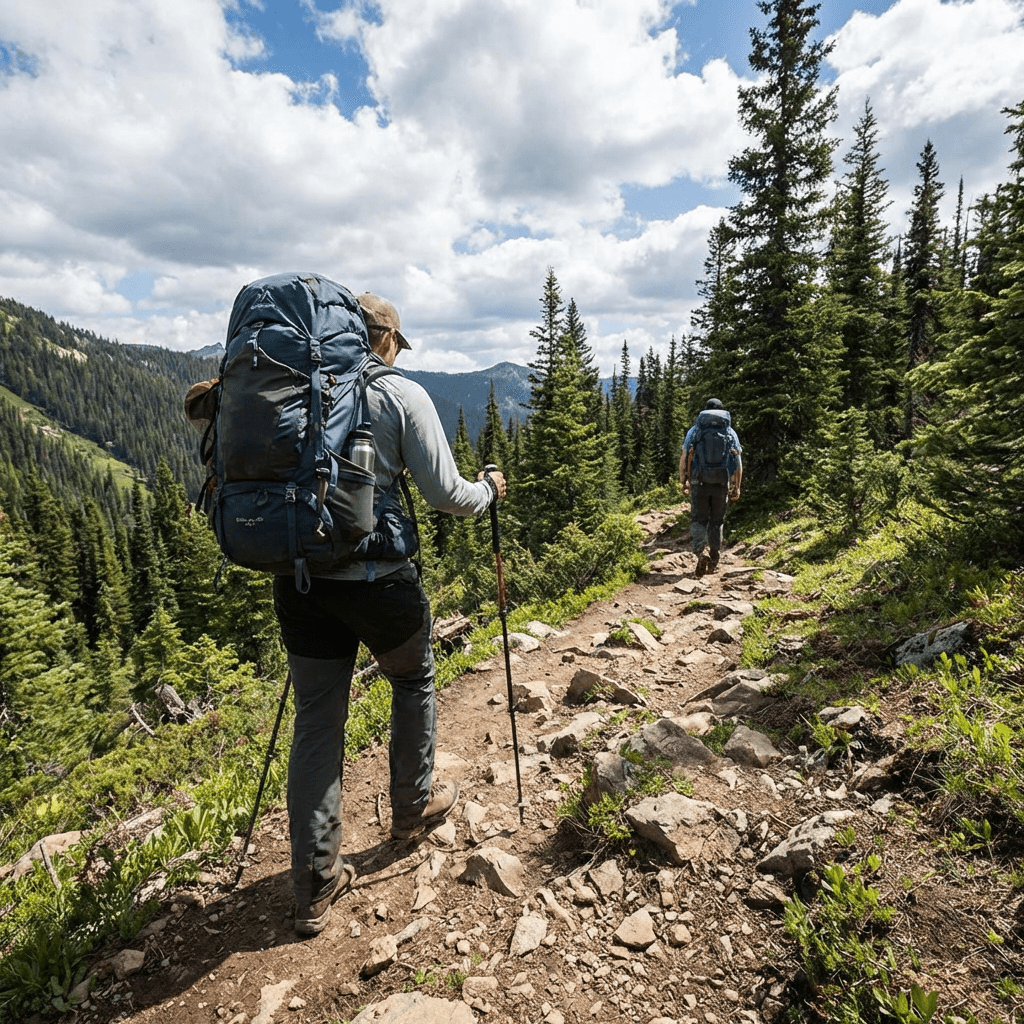
Camping, especially after a sedentary winter, can be surprisingly demanding on the body. Activities such as hiking, setting up camp, carrying gear, and navigating uneven terrain require a combination of endurance, strength, flexibility, and balance. Without adequate preparation, campers may experience fatigue, muscle soreness, or even injury, which can diminish the enjoyment and safety of the trip.
Rebuilding Stamina and Cardiovascular Fitness
Stamina is the foundation for most camping activities. After a winter break, cardiovascular fitness often declines, making it harder to handle long hikes or sustained activity. To rebuild stamina:
- Start with brisk walking or light jogging several times a week, gradually increasing duration and intensity.
- Incorporate hiking on local trails, ideally with a loaded backpack to simulate real camping conditions.
- Cycling and swimming are also excellent for improving cardiovascular health while being gentle on the joints.
Strength Training for Functional Movement
Carrying a backpack, pitching tents, and gathering firewood all require functional strength. Focus on:
- Core exercises (planks, bridges, rotational movements) to stabilize the body and protect the back during lifting and carrying.
- Lower body strength (squats, lunges, step-ups) to handle uphill climbs and uneven ground.
- Upper body strength (push-ups, rows, shoulder presses) for lifting gear and performing camp chores.
Aim for two to three strength sessions per week, using bodyweight or light weights, and progressively increase resistance as you get stronger.
Flexibility and Balance: Injury Prevention
Camping often involves stepping over roots, rocks, and streams, which challenges balance and flexibility. To reduce the risk of sprains and falls:
- Incorporate dynamic stretching before workouts and static stretching after, focusing on hamstrings, calves, hips, and shoulders.
- Practice yoga or Pilates, which improve both flexibility and proprioception (body awareness).
- Simple balance drills, such as standing on one leg or using a balance board, can enhance stability.
Simulating Camping Activities
To ensure readiness, mimic camping-specific movements:
- Practice squatting and standing while wearing a backpack.
- Set up and take down a tent in your backyard to build muscle memory.
- Try walking on uneven surfaces or trails to adapt your body to real-world conditions.
Monitoring Progress and Setting Goals
Track your workouts and gradually increase intensity. Set realistic goals, such as completing a certain trail distance or carrying a specific pack weight comfortably. This not only motivates but also ensures you’re physically prepared for the demands of camping.
Summary Table: Physical Conditioning Focus Areas
| Focus Area | Key Activities | Benefits for Camping |
|---|---|---|
| Cardiovascular | Hiking, jogging, cycling, swimming | Endurance for long days |
| Strength | Core, lower & upper body exercises | Lifting, carrying, setup |
| Flexibility | Stretching, yoga, Pilates | Reduced injury risk |
| Balance | Balance drills, trail walking | Stability on uneven ground |
| Simulation | Practice with gear, tent setup | Realistic preparation |
Physical conditioning is a crucial, often overlooked, aspect of preparing for camping season. By gradually rebuilding stamina, strength, flexibility, and balance, campers can ensure a safer, more enjoyable experience in the great outdoors. Starting early and progressing steadily will help you greet the new season with confidence and resilience.
Mental Preparation for Camping Season
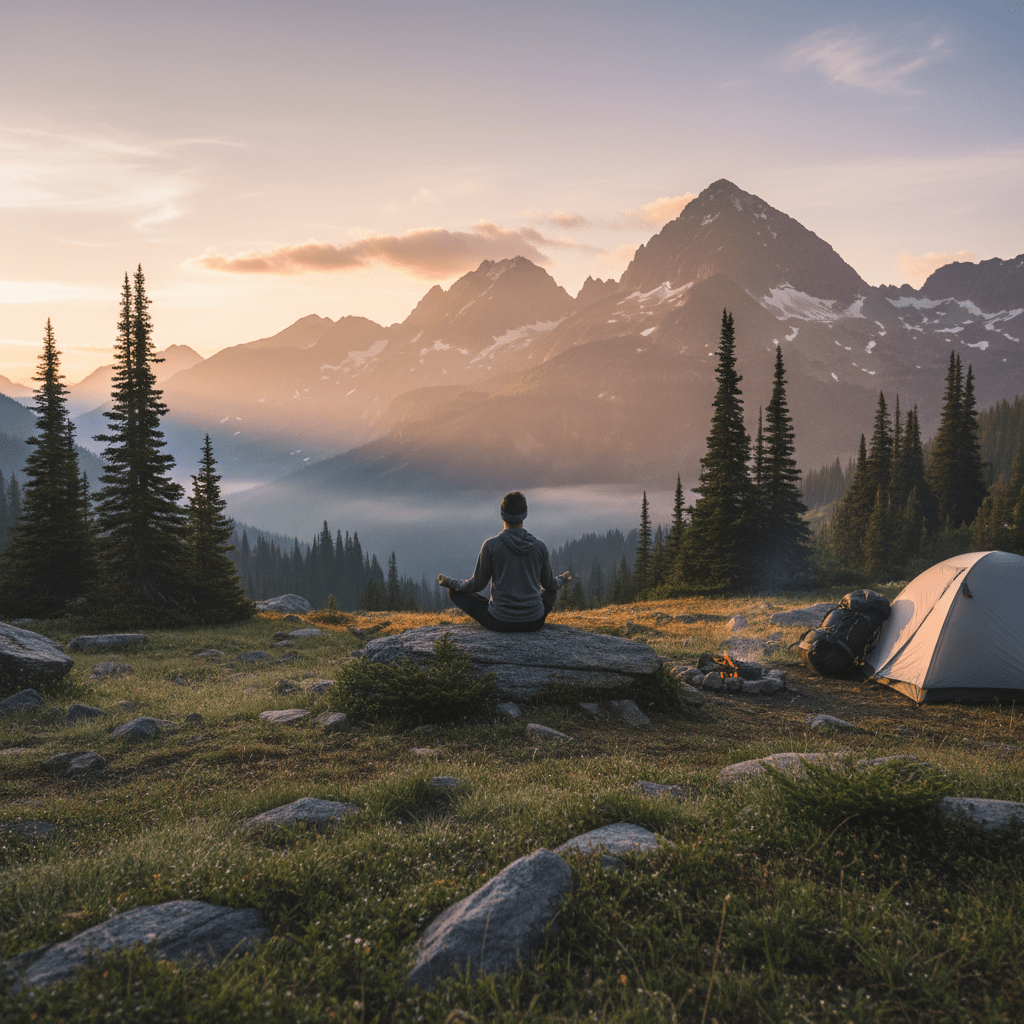
Camping is as much a mental endeavor as it is a physical one. The unpredictability of the outdoors—changing weather, unexpected obstacles, and the need for self-reliance—demands a calm, adaptable, and well-prepared mindset. Mental preparation not only enhances safety but also increases enjoyment and confidence during camping trips.
Embracing Unpredictability and Problem-Solving
Nature rarely follows a script. Sudden rainstorms, lost trails, or equipment malfunctions can quickly turn a relaxing trip into a test of resourcefulness. Mentally preparing for these scenarios involves:
- Cultivating a flexible attitude, accepting that plans may change, and being willing to adapt.
- Practicing mindfulness and stress management techniques, such as deep breathing or visualization, to stay calm under pressure.
- Reflecting on past camping experiences to identify challenges faced and lessons learned, which can inform better decision-making in the future.
Reviewing Essential Outdoor Skills
Confidence in the outdoors comes from competence. Before the season begins, it’s wise to refresh and practice key skills:
- Navigation: Revisit how to read topographic maps, use a compass, and operate GPS devices. Try plotting routes or navigating local parks to rebuild familiarity.
- First Aid: Review basic first aid procedures, such as treating cuts, sprains, and insect bites. Consider taking a refresher course or practicing with a first aid kit at home.
- Fire Safety: Practice building and extinguishing campfires safely, understanding fire bans, and using portable stoves. Knowing how to respond to fire emergencies is crucial for personal and environmental safety.
- Emergency Preparedness: Mentally rehearse what to do in case of getting lost, encountering wildlife, or facing severe weather. Having a mental checklist of steps to take can reduce panic and improve outcomes.
Refreshing Knowledge and Inspiring New Ideas
The off-season is an excellent time to expand your camping knowledge and get inspired:
- Reading Camping Guides: Books and articles can provide new tips, gear recommendations, and destination ideas. They often include stories of real-life challenges and solutions, which can be both educational and motivating.
- Instructional Videos: Watching videos on tent setup, outdoor cooking, knot tying, or survival skills can make complex tasks easier to understand and remember.
- Online Communities: Engaging with camping forums or social media groups allows you to learn from others’ experiences, ask questions, and share your own insights.
Setting Goals and Building Confidence
Setting mental goals for the season—such as mastering a new skill, visiting a new type of environment, or leading a group trip—can provide motivation and a sense of purpose. Visualization techniques, where you mentally rehearse successful camping scenarios, can also build confidence and reduce anxiety.
Summary Table: Mental Preparation Focus Areas
| Focus Area | Activities/Resources | Benefits for Camping |
|---|---|---|
| Adaptability | Mindfulness, reflection, stress management | Calm response to challenges |
| Outdoor Skills | Practice navigation, first aid, fire safety | Increased competence |
| Knowledge Refresh | Read guides, watch videos, join forums | New ideas, updated skills |
| Emergency Planning | Mental rehearsal, scenario planning | Faster, better decisions |
| Goal Setting | Define objectives, visualize success | Motivation, confidence |
Mental preparation is a vital, sometimes overlooked, aspect of getting ready for camping season. By embracing unpredictability, reviewing essential skills, refreshing knowledge, and setting clear goals, campers can approach the outdoors with confidence, resilience, and a readiness to enjoy whatever nature has in store.
Inspecting and Maintaining Gear
Cleaning and Repairing Equipment
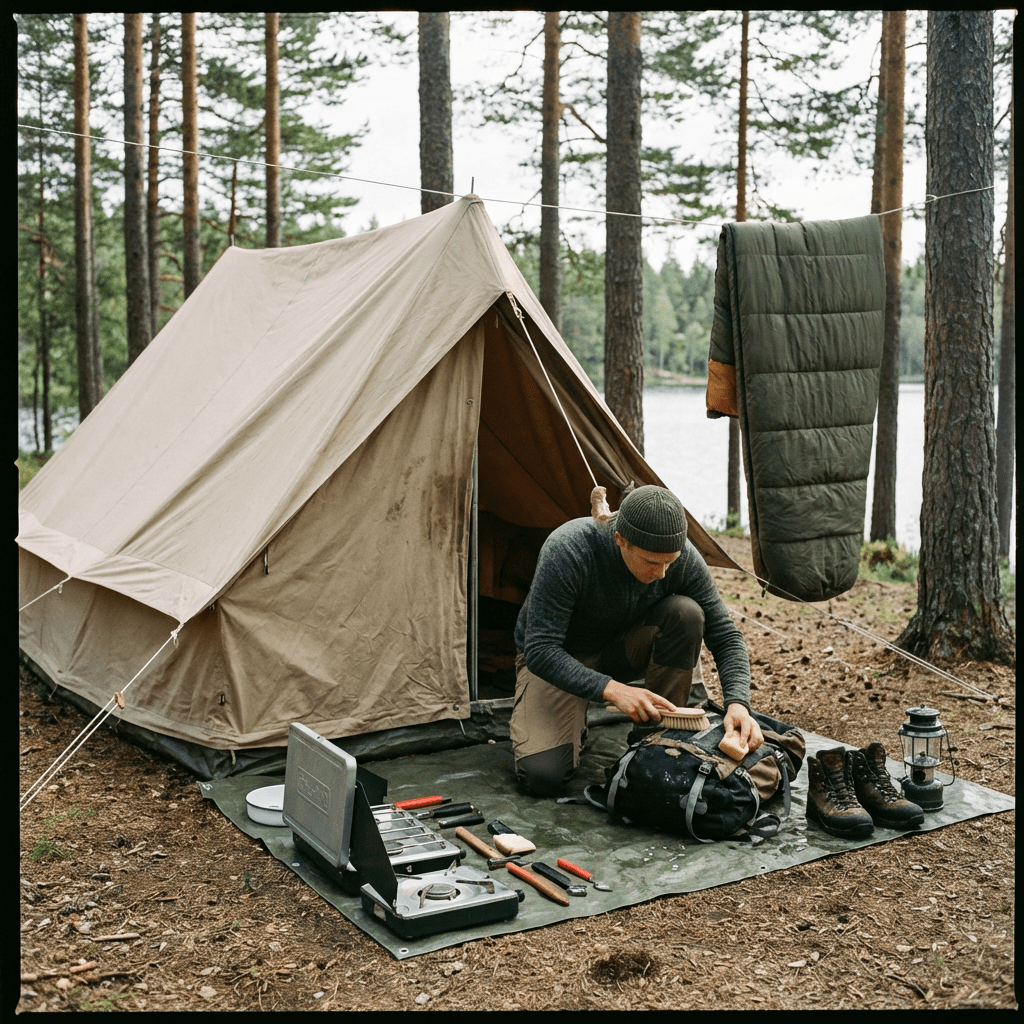
After a long winter in storage, camping gear often emerges in less-than-ideal condition. Dust, moisture, and time can all take their toll, leading to issues that, if left unaddressed, may compromise comfort, safety, or even the success of your first trip of the season. Thorough inspection, cleaning, and repair are essential steps in preparing your equipment for reliable use.
Unpacking and Airing Out
The first step is to remove all gear from storage and lay it out in a clean, dry space. This allows you to visually inspect each item and identify any obvious issues. Tents, sleeping bags, and backpacks, in particular, benefit from being aired out—this helps eliminate musty odors and prevents the growth of mold or mildew that may have developed in damp conditions.
Inspecting for Damage
Careful inspection is crucial. For tents, check the fabric for tears, holes, or signs of abrasion. Pay special attention to seams, zippers, and mesh panels, as these are common failure points. Set up the tent fully to ensure poles are intact and all components are present.
Sleeping bags should be checked for dampness, clumped insulation, or broken zippers. Unzip and fluff them to restore loft and check for any lingering odors, which may indicate mold or mildew.
Backpacks require examination of straps, buckles, and zippers. Look for fraying, loose stitching, or broken hardware. Test all adjustments and closures to ensure they function smoothly.
Cleaning Procedures
Proper cleaning not only improves hygiene but also extends the life of your gear. Tents and backpacks can be gently cleaned with mild soap and water, using a soft brush to remove dirt and debris. Avoid harsh detergents, which can damage waterproof coatings.
Sleeping bags should be cleaned according to manufacturer instructions—often with a gentle, front-loading washing machine or by hand. Use specialized down or synthetic insulation cleaners if necessary, and dry thoroughly to prevent mildew.
Cooking equipment, such as stoves, pots, and utensils, should be washed with hot, soapy water. Check for rust, food residue, or fuel leaks. Test stoves and fuel canisters to ensure they ignite and burn properly.
Repairing and Replacing
Any damage discovered during inspection should be addressed before your first outing. Small tent tears can be patched with repair tape or sewn, while broken poles may require replacement segments or splints. Sleeping bag zippers can often be lubricated or repaired with zipper kits.
For more significant damage—such as large rips, failed waterproofing, or broken structural components—consider professional repair services or replacement. Investing in quality repairs now can prevent gear failure in the field, where solutions are limited.
Testing Functionality
Before packing away, test all gear as you would use it on a trip. Set up your tent, inflate sleeping pads, assemble stoves, and check headlamps and lanterns with fresh batteries. This ensures that everything works as expected and gives you time to address any last-minute issues.
Summary Table: Gear Inspection and Maintenance
| Gear Item | Inspection Points | Cleaning Method | Common Repairs |
|---|---|---|---|
| Tent | Fabric, seams, zippers, poles | Mild soap, air dry | Patch holes, replace poles |
| Sleeping Bag | Insulation, zippers, odors | Gentle wash, air dry | Zipper repair, re-lofting |
| Backpack | Straps, buckles, stitching | Mild soap, spot clean | Sew straps, replace buckles |
| Cooking Gear | Rust, residue, fuel leaks | Hot soapy water | Replace gaskets, clean jets |
| Lighting | Battery contacts, bulbs, casing | Wipe clean, test power | Replace batteries/bulbs |
Diligent cleaning and repair of camping gear after winter storage is a vital part of pre-season preparation. By systematically unpacking, inspecting, cleaning, and repairing your equipment, you ensure that every item is ready to perform when you need it most. This not only protects your investment but also contributes to a safer, more enjoyable camping experience.
Updating and Organizing Supplies
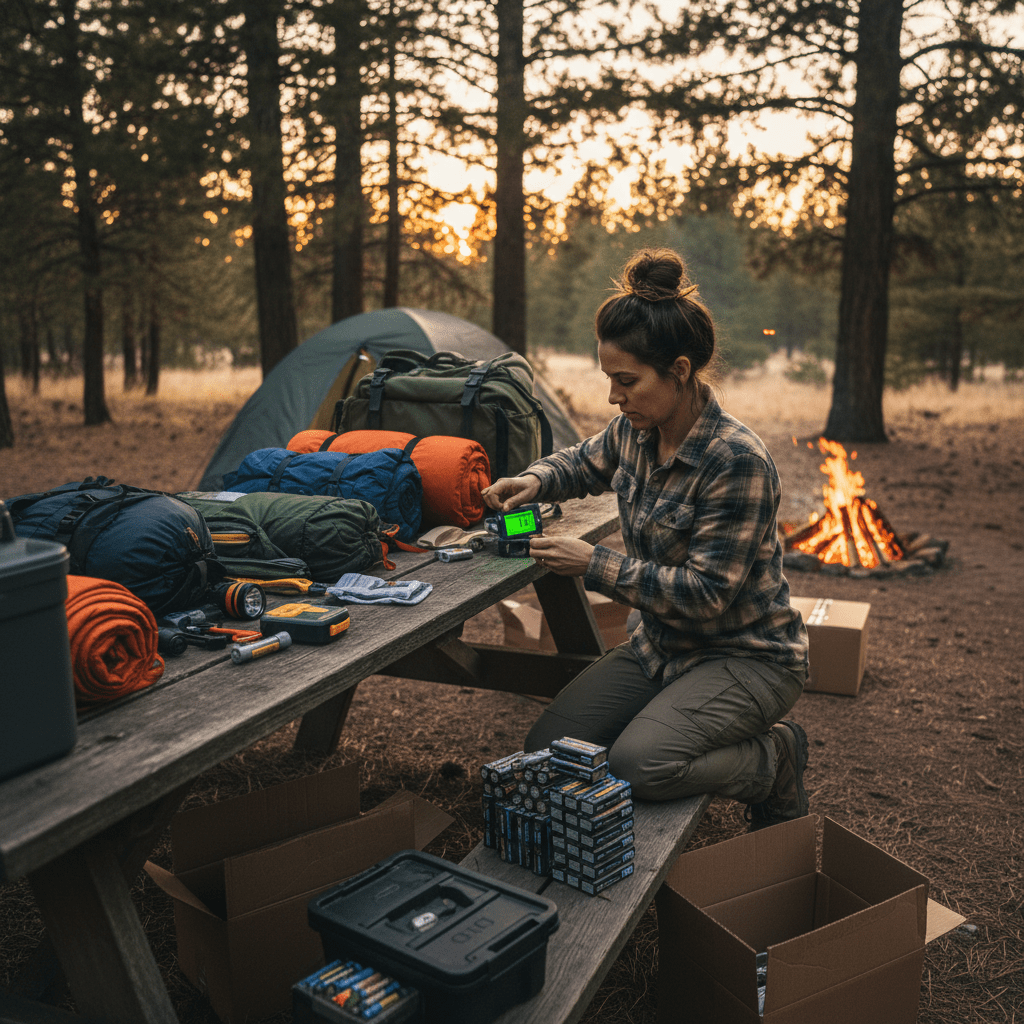
As the camping season approaches, attention must turn to the consumable supplies and the overall organization of your gear. Unlike durable equipment, consumables—such as fuel, batteries, and first aid items—have a limited shelf life and can degrade or expire during months of storage. Ensuring these items are up-to-date and efficiently organized is crucial for both convenience and safety.
Checking and Replenishing Consumables
Over the winter, many consumable supplies can become unusable or unsafe. Fuel canisters may leak or lose pressure, batteries can corrode or lose charge, and first aid supplies can expire or dry out. Food items, water purification tablets, and sunscreen are also prone to expiration.
To prepare for the season:
- Fuel: Inspect all fuel canisters and liquid fuel bottles for leaks, rust, or damage. Shake canisters to check for remaining fuel and ensure valves are functioning. Replace any that are empty, expired, or questionable.
- Batteries: Remove batteries from devices before long-term storage to prevent corrosion. Test all headlamps, lanterns, and GPS units with fresh batteries. Replace any batteries that are weak, expired, or leaking.
- First Aid Supplies: Open your first aid kit and check each item for expiration dates, especially medications, ointments, and sterile dressings. Replace anything that is expired, used, or missing. Consider updating your kit with new items based on past experiences or new knowledge.
- Other Consumables: Inspect water purification tablets, insect repellent, sunscreen, and food supplies. Discard anything past its expiration date or showing signs of spoilage or damage.
Organizing Gear for Efficiency
Efficient organization of your camping supplies not only saves time but also reduces the risk of forgetting essential items. After a winter break, it’s easy to overlook small but critical pieces of gear. A systematic approach to organization ensures that everything is accounted for and easily accessible.
- Categorize Supplies: Group items by function—cooking, shelter, safety, hygiene, navigation, etc. This makes it easier to pack and locate items when needed.
- Use Containers and Packs: Store gear in clearly labeled bins, dry bags, or stuff sacks. Transparent containers or color-coded bags can help quickly identify contents.
- Create Checklists: Maintain a master packing list and update it as you add or remove gear. Check off items as you pack to ensure nothing is forgotten.
- Restock Regularly: After each trip, review what was used or depleted and restock immediately. This habit keeps your gear ready for spontaneous adventures.
Benefits of Proper Supply Management
Properly updating and organizing supplies offers several advantages:
- Safety: Ensures that critical items like first aid supplies and emergency gear are functional and up-to-date.
- Convenience: Streamlines packing and unpacking, saving time and reducing stress before trips.
- Preparedness: Reduces the risk of being caught without essential items in remote or challenging environments.
- Longevity: Protects gear from damage caused by improper storage or expired consumables.
Summary Table: Consumables and Organization
| Supply Type | What to Check | Action Needed | Storage Tips |
|---|---|---|---|
| Fuel | Leaks, pressure, expiry | Replace/refill | Store upright, ventilated |
| Batteries | Charge, corrosion, expiry | Replace/recharge | Remove from devices, dry bag |
| First Aid | Expiry, completeness | Restock/replace | Waterproof pouch, labeled kit |
| Food & Water | Expiry, spoilage, packaging | Replace/restock | Airtight containers, rotate |
| Misc. Consumables | Expiry, integrity | Replace as needed | Group by use, label clearly |
Updating and organizing your camping supplies is a vital step in post-winter preparation. By systematically checking consumables for expiration and damage, and by organizing gear into logical, labeled systems, you ensure that every trip begins with confidence and peace of mind. This attention to detail not only enhances safety and convenience but also allows you to focus on enjoying the adventure ahead.
Gear Checklist Overview
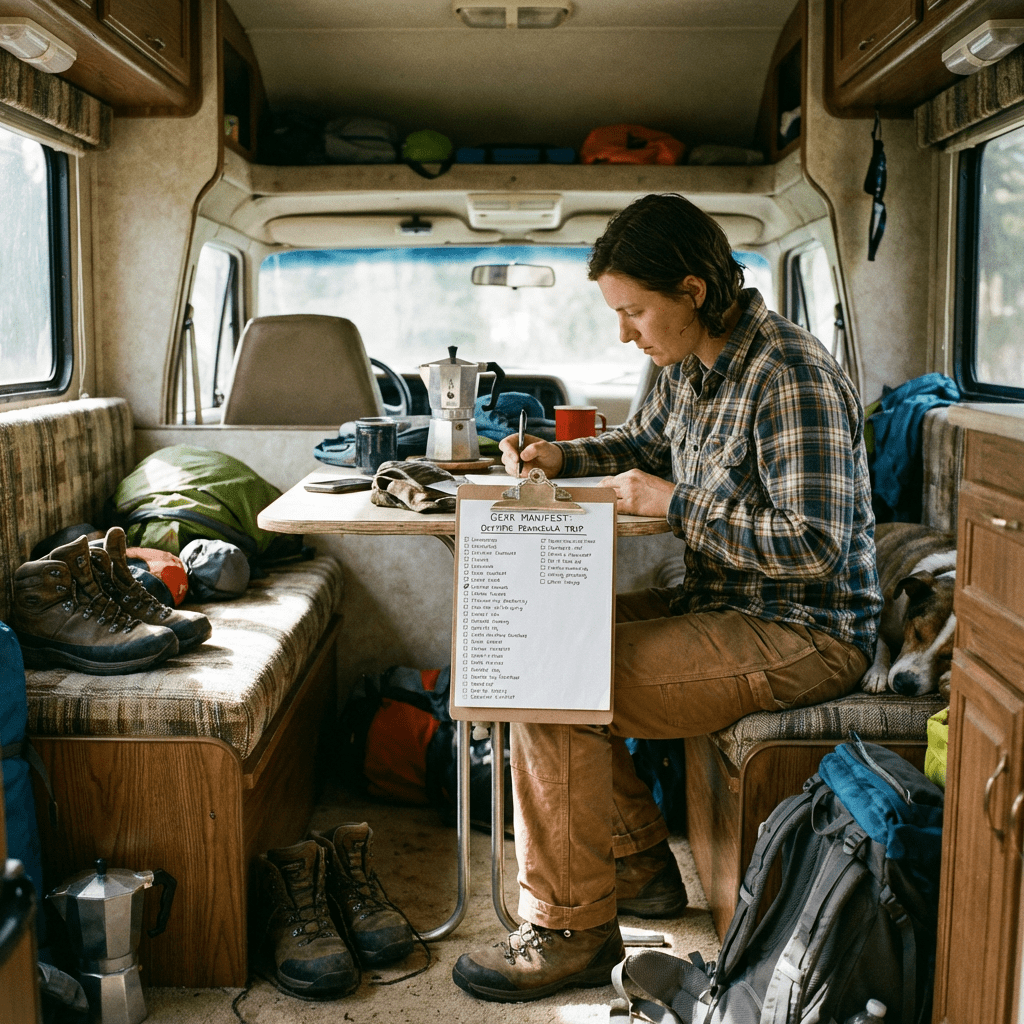
A comprehensive gear checklist is the backbone of effective camping preparation. Each category of gear serves a specific purpose and requires targeted attention to ensure it is ready for the demands of the season. Below, we explore each category in detail, highlighting the key actions and common issues to address before heading out.
| Gear Category | Key Actions | Common Issues to Check |
|---|---|---|
| Shelter | Inspect, clean, repair | Tears, mold, poles |
| Sleeping Gear | Air out, check insulation | Dampness, zippers |
| Cooking Equipment | Clean, test, restock fuel | Rust, leaks, fuel |
| Clothing | Wash, layer, waterproof | Holes, fit, dryness |
| Safety/First Aid | Restock, check expiry | Outdated items |
| Navigation | Update maps, test devices | Battery, accuracy |
Detailed Exploration
Shelter
Key Actions: Inspect your tent or shelter for any signs of damage accumulated during storage or previous use. Clean the fabric, poles, and stakes to remove dirt, dust, or mildew. Repair any minor tears or holes with patch kits, and replace broken poles or missing stakes.
Common Issues to Check:
- Tears and Holes: Even small punctures can let in water or insects.
- Mold and Mildew: Look for discoloration or musty odors, especially if the tent was stored damp.
- Poles and Stakes: Check for bent, broken, or missing components.
Sleeping Gear
Key Actions: Air out sleeping bags and pads to restore loft and freshness. Check insulation for clumping or cold spots, and ensure all zippers and fasteners work smoothly. Clean according to manufacturer instructions, and repair any minor damage.
Common Issues to Check:
- Dampness: Moisture can lead to mold, mildew, and loss of insulation.
- Zippers: Stuck or broken zippers can compromise warmth and comfort.
- Insulation: Clumped or compressed insulation reduces effectiveness.
Cooking Equipment
Key Actions: Thoroughly clean all cookware, utensils, and stoves. Test stoves and fuel canisters to ensure they ignite and burn properly. Restock fuel and check for any missing or damaged components.
Common Issues to Check:
- Rust: Especially on metal pots, pans, and utensils.
- Leaks: Fuel bottles and canisters should be checked for leaks or corrosion.
- Fuel Levels: Ensure you have enough fuel for your planned trip.
Clothing
Key Actions: Wash all clothing, paying special attention to base layers and waterproof outerwear. Organize clothing into layers for versatility in changing weather. Check for holes, worn areas, and ensure all items fit comfortably.
Common Issues to Check:
- Holes and Tears: Can reduce warmth and protection.
- Fit: Clothing that is too tight or loose can cause discomfort or chafing.
- Dryness: Ensure all items are completely dry before packing to prevent mildew.
Safety/First Aid
Key Actions: Open your first aid kit and check each item for expiration dates and completeness. Restock any used or missing supplies, and consider adding items based on previous experiences or new knowledge.
Common Issues to Check:
- Outdated Items: Medications, ointments, and sterile supplies can expire.
- Missing Supplies: Replace anything used on previous trips.
- Packaging Integrity: Damaged packaging can compromise sterility.
Navigation
Key Actions: Update maps and guidebooks to reflect any changes in trails or regulations. Test electronic devices such as GPS units, compasses, and watches. Replace or recharge batteries as needed.
Common Issues to Check:
- Battery Life: Dead batteries can leave you without navigation tools.
- Accuracy: Ensure devices are calibrated and functioning correctly.
- Map Updates: Trails and access points can change; use the latest information.
A detailed gear checklist, combined with careful inspection and maintenance, is essential for a safe and enjoyable camping experience. By systematically addressing each category—shelter, sleeping gear, cooking equipment, clothing, safety/first aid, and navigation—you minimize the risk of unpleasant surprises and maximize your readiness for adventure.
Planning the First Trip
Researching Destinations
The transition from winter to spring brings a unique set of challenges and opportunities for campers. Unlike the predictable conditions of mid-summer, spring is a season of change: snowmelt, rain, and fluctuating temperatures can dramatically affect trail and campsite accessibility. Thorough research is essential to ensure your first trip of the season is safe, enjoyable, and free from avoidable surprises.
Understanding Seasonal Variability
Spring conditions are often unpredictable. In some regions, snow may linger on higher-elevation trails well into late spring, while lower areas might be muddy or flooded from melting snow and seasonal rains. Rivers and streams can run higher and faster, making crossings more dangerous. Wildlife activity also increases, with animals emerging from hibernation or becoming more active as they search for food.
Checking Trail and Campsite Conditions
Before selecting a destination, consult up-to-date sources for trail and campsite status. Many national and state parks, forest services, and outdoor organizations provide real-time updates on their websites or social media channels. Look for information on:
- Trail closures or reroutes due to snow, mud, or maintenance
- Campsite availability and reservation requirements
- Road access, which may be limited by lingering snow or washouts
- Reports from recent visitors, which can offer valuable firsthand insights
Monitoring Weather Forecasts
Spring weather can change rapidly, with warm sunny days giving way to sudden storms or cold snaps. Check the forecast for your destination in the days leading up to your trip, and continue monitoring it until departure. Pay attention to:
- Temperature ranges (including nighttime lows)
- Precipitation chances (rain, snow, sleet)
- Wind speeds and directions
- Flood or severe weather advisories
Being prepared for a range of conditions will help you pack appropriate clothing and gear, such as waterproof layers, extra insulation, or traction devices for icy trails.
Reviewing Regulations and Permits
Spring is often a time when land management agencies update rules and regulations. These may include:
- Fire bans or restrictions due to dry conditions or wildfire risk
- Changes in camping zones or group size limits to protect sensitive habitats
- Permit requirements for popular trails or campsites, which may be in higher demand as the season opens
- Wildlife advisories, such as bear activity or nesting closures
Always check official sources for the latest information, and secure any necessary permits well in advance.
Adjusting Gear and Expectations
Based on your research, you may need to adjust your plans:
- Choose routes and campsites that match your current skill level and the conditions.
- Be flexible with your itinerary, allowing for slower travel on muddy or snow-covered trails.
- Consider alternative destinations if your first choice is inaccessible or unsafe.
Example Table: Researching Spring Destinations
| Research Area | What to Check | Where to Find Information |
|---|---|---|
| Trail Conditions | Snow, mud, closures, maintenance | Park/forest websites, trail reports |
| Campsite Status | Open/closed, reservations, amenities | Official reservation systems |
| Weather Forecast | Temperature, precipitation, wind | Weather apps, NOAA, local news |
| Regulations/Permits | Fire bans, group limits, permits | Agency websites, ranger stations |
| Wildlife Activity | Bear/wildlife advisories, closures | Park alerts, local news, forums |
Researching destinations is a critical step in planning your first camping trip after winter. By gathering current information on trail and campsite conditions, monitoring weather, and understanding regulations, you can make informed decisions that keep you safe and comfortable. This preparation not only helps you avoid disappointment but also allows you to fully enjoy the unique beauty and challenges of spring camping.
Packing for Variable Weather
Spring’s arrival brings the promise of new adventures, but also the challenge of unpredictable and rapidly changing weather. In many regions, a single day can bring sunshine, rain, wind, and even a late-season snow flurry. Proper packing is essential to ensure comfort, safety, and preparedness for whatever nature delivers.
The Principle of Layering
The foundation of spring camping attire is the layering system. Layering allows you to easily add or remove clothing to regulate body temperature and stay dry. The three main layers are:
- Base Layer: Worn next to the skin, this layer wicks moisture away to keep you dry. Synthetic fabrics or merino wool are ideal, as they dry quickly and don’t retain odors.
- Insulating Layer: This layer traps body heat to keep you warm. Fleece, down, or synthetic insulated jackets are common choices. In spring, a lightweight but effective insulating layer is best, as temperatures can fluctuate.
- Outer Layer (Shell): The shell protects against wind and precipitation. A waterproof, breathable jacket and pants are essential for spring, when sudden rain or wet snow is possible.
By combining these layers, you can adapt to a wide range of temperatures and conditions without carrying excessive clothing.
Waterproof and Windproof Gear
Spring showers and gusty winds are common, so reliable waterproof and windproof gear is a must. Look for:
- Rain Jacket and Pants: Choose items with sealed seams and adjustable hoods/cuffs for maximum protection.
- Waterproof Footwear: Boots or shoes with waterproof membranes (like Gore-Tex) keep feet dry in mud, puddles, or lingering snow.
- Pack Covers and Dry Bags: Protect your gear from getting soaked by using rain covers for backpacks and dry bags for sensitive items like electronics and clothing.
Extra Insulation and Accessories
Even if the forecast looks mild, spring nights can be unexpectedly cold. Pack:
- Extra Insulating Layers: A lightweight down or synthetic jacket, warm hat, and gloves can make a big difference in comfort.
- Warm Sleeping Gear: Consider a sleeping bag rated for lower temperatures than you expect, and bring an insulated sleeping pad to prevent heat loss to the ground.
Emergency Supplies for the Unexpected
Variable weather increases the risk of delays or emergencies. Always include:
- Space Blanket or Emergency Bivvy: These compact, lightweight items provide critical warmth and shelter if you’re caught out longer than planned.
- Extra Food and Water: Pack more than you think you’ll need in case you’re delayed by weather or trail conditions.
- Fire-Starting Materials: Waterproof matches, lighters, and fire starters can be lifesavers if you need to warm up or signal for help.
- Headlamp with Spare Batteries: Poor weather can make navigation slow, and you may find yourself hiking after dark.
Packing Strategy and Organization
Organize your pack so that essential weather-related items are easily accessible:
- Keep rain gear and insulating layers near the top or in external pockets.
- Store emergency supplies in a dedicated, clearly marked pouch.
- Use dry bags or zip-lock bags to keep clothing and electronics dry, even inside your pack.
Example Table: Packing for Variable Spring Weather
| Item Category | Examples/Details | Purpose/Benefit |
|---|---|---|
| Base Layer | Synthetic/merino shirt & leggings | Moisture wicking, comfort |
| Insulation | Fleece or down jacket, hat, gloves | Warmth in cold snaps |
| Shell/Outer Layer | Waterproof jacket & pants, pack cover | Protection from rain/wind |
| Footwear | Waterproof boots, extra socks | Dry, warm feet |
| Emergency Supplies | Space blanket, extra food, fire starter | Safety in unexpected situations |
| Organization | Dry bags, accessible packing | Quick access, gear protection |
Packing for variable spring weather is about expecting the unexpected. By using a flexible layering system, prioritizing waterproof and insulating gear, and including emergency supplies, you’ll be ready to handle whatever conditions arise. This thoughtful approach not only keeps you safe and comfortable but also allows you to fully enjoy the beauty and renewal that spring camping offers.
Conclusion: The Holistic Approach to Spring Camping Preparation
Emerging from the winter break and stepping back into the world of camping is an exciting prospect, but it is a process that demands more than simply retrieving gear from storage. True readiness for the camping season is achieved through a holistic approach—one that addresses the physical, mental, and logistical aspects of outdoor adventure.
Beyond the Basics: Why Preparation Matters
Camping is inherently unpredictable. Weather, terrain, and even your own body can present unexpected challenges. The difference between a trip that is memorable for the right reasons and one remembered for mishaps often comes down to preparation. Investing time and thought into getting ready not only prevents discomfort and danger but also enhances your enjoyment and confidence in the outdoors.
Personal Fitness: The Foundation of Enjoyment and Safety
Physical conditioning is often overlooked, yet it is fundamental to a successful camping experience. After a sedentary winter, rebuilding stamina, strength, flexibility, and balance ensures that you can hike, set up camp, and explore with energy and resilience. A fit body is less prone to injury and fatigue, allowing you to fully embrace the adventure.
Mental Readiness: Confidence Through Knowledge
Mental preparation is equally vital. The outdoors demands adaptability, problem-solving, and calm under pressure. Reviewing essential skills—navigation, first aid, fire safety—refreshes your knowledge and builds confidence. Engaging with camping literature, videos, or communities can inspire new ideas and help you anticipate and manage the unexpected.
Gear Inspection and Maintenance: Reliability in the Field
Thoroughly inspecting, cleaning, and repairing your gear is not just about comfort—it’s about safety and reliability. From tents and sleeping bags to stoves and first aid kits, every item should be checked for wear, damage, and functionality. Replacing or repairing gear before your first trip prevents unpleasant surprises and ensures you are equipped to handle the elements.
Careful Planning: Adapting to Spring’s Challenges
Spring camping requires extra vigilance in planning. Researching destinations, monitoring weather, and understanding current regulations help you avoid hazards like snowbound trails or fire bans. Packing for variable weather, with a focus on layering and emergency preparedness, ensures you are ready for anything the season brings.
The Reward: A Season of Safe and Memorable Adventures
By approaching camping preparation as a comprehensive process, you set yourself up for a season of safe, comfortable, and memorable experiences. The time and effort invested in fitness, skill-building, gear maintenance, and planning pay off in the form of confidence, resilience, and the freedom to fully enjoy the beauty and unpredictability of the natural world.
Preparing for camping season after winter is about more than gear—it’s about preparing yourself, your equipment, and your mindset for the adventures ahead. With a holistic approach, you can greet the new season not just as a camper, but as a capable, confident, and enthusiastic explorer.


 UTAZCO Overland
Leave a Reply