
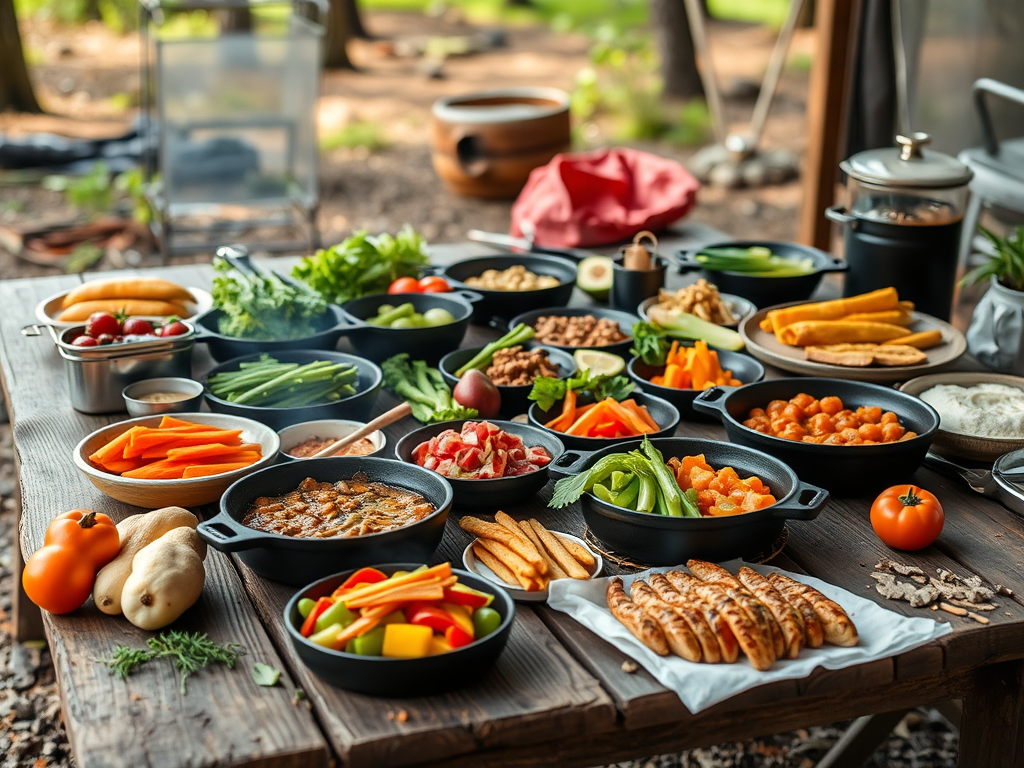
Camping offers a unique opportunity to connect with nature, but meal preparation in the wild can be challenging and time-consuming. By preparing camp meals ahead of time, campers can streamline their cooking process, reduce stress, and maximize their enjoyment of the outdoors.
Benefits of Preparing Camp Meals in Advance
Preparing camp meals ahead of time offers a range of practical and enjoyable benefits that can significantly enhance the camping experience. Each advantage contributes to a smoother, more efficient, and more enjoyable time in the outdoors.
Time Savings at the Campsite
One of the most immediate benefits of advance meal preparation is the substantial time saved at the campsite. When ingredients are already chopped, marinated, or even fully cooked, the process of assembling and heating meals becomes quick and straightforward. This efficiency allows campers to spend less time on meal prep and more time engaging in activities such as hiking, swimming, or simply relaxing by the fire. In situations where weather conditions are less than ideal—such as rain or cold—having meals that require minimal preparation can be especially valuable, ensuring that campers can eat quickly and comfortably.
Reduced Need for Equipment and Ingredients
By preparing meals in advance, campers can significantly lighten their load. There is less need to bring a wide array of pots, pans, knives, and cutting boards, as much of the work has already been done at home. Similarly, pre-measured and pre-mixed ingredients mean that campers do not have to pack full containers of spices, oils, or other cooking essentials. This reduction in gear and supplies not only makes packing easier but also frees up space for other important items, such as safety equipment or recreational gear.
Minimizing Food Waste and Ensuring Nutrition
Advance preparation allows for precise portioning of meals, which helps minimize food waste. By dividing meals into individual servings or family-sized portions, campers can avoid bringing excess food that might spoil or go unused. Additionally, planning and preparing meals ahead of time makes it easier to ensure that each meal is balanced and nutritious. Campers can include a variety of proteins, carbohydrates, and vegetables, rather than relying on convenience foods that may lack nutritional value. This attention to nutrition is especially important during physically demanding activities, where energy and recovery are key.
Accommodating Dietary Restrictions and Preferences
When meals are prepared in advance, it becomes much easier to accommodate dietary restrictions, allergies, or personal preferences. Campers can tailor recipes to exclude certain ingredients, use alternative options, or adjust seasoning levels to suit everyone in the group. This level of customization can be difficult to achieve in the field, where ingredient options are limited and cross-contamination is more likely. Advance preparation ensures that everyone can enjoy safe, satisfying meals without stress or compromise.
Enhanced Enjoyment and Peace of Mind
Finally, knowing that meals are already taken care of can provide peace of mind and allow campers to fully immerse themselves in the outdoor experience. There is less worry about forgetting key ingredients, running out of food, or struggling with complex recipes in a challenging environment. Instead, campers can look forward to delicious, home-prepared meals that require minimal effort, leaving more time and energy for making memories in nature.
Preparing camp meals ahead of time is a thoughtful strategy that brings efficiency, convenience, and enjoyment to any camping trip. By investing a little extra effort before departure, campers can reap significant rewards in the field.
Planning the Menu
Menu planning is the foundation of successful camp meal preparation. It requires thoughtful consideration of several factors to ensure that meals are not only convenient and quick to prepare in the field, but also satisfying and nutritious.
Assessing Trip Duration and Group Size
The first step in menu planning is to determine how many days the trip will last and how many people will be eating each meal. This information is essential for calculating the total number of meals and snacks required. For longer trips, it may be necessary to plan for meals that can be stored safely for several days, or to include some non-perishable options. For larger groups, recipes should be scalable and easy to portion, ensuring that everyone receives enough food without excessive leftovers or waste.
Considering Cooking Methods and Equipment
The available cooking methods at the campsite will heavily influence menu choices. Some campsites may have fire pits or grills, while others may require campers to bring portable stoves or rely on cold meals. It is important to match recipes to the equipment that will be available. For example, foil packet meals are ideal for campfires, while one-pot dishes work well with portable stoves. If refrigeration is limited, meals that can be safely stored in a cooler or that use shelf-stable ingredients become more attractive.
Selecting Simple, Efficient Recipes
Simplicity is key when cooking outdoors. Recipes that require minimal ingredients and steps are easier to prepare and clean up. Dishes that can be assembled or reheated quickly, such as pre-cooked stews, pasta salads, or wraps, are particularly useful. It is also helpful to choose recipes that use overlapping ingredients, which reduces the number of items that need to be packed and carried.
Balancing Nutrition
Maintaining energy and health during a camping trip depends on eating balanced meals. Each meal should ideally include a source of protein (such as beans, eggs, or pre-cooked meats), carbohydrates (like rice, pasta, or bread), and vegetables or fruits. This balance helps sustain energy for physical activities and supports overall well-being. Planning ahead allows campers to incorporate a variety of foods, rather than relying solely on processed or convenience items.
Accommodating Preferences and Restrictions
Menu planning is also the time to consider any dietary restrictions, allergies, or personal preferences within the group. By addressing these needs in advance, campers can avoid last-minute complications and ensure that everyone has enjoyable meal options. This might involve preparing gluten-free, vegetarian, or allergy-friendly meals, and clearly labeling them for easy identification.
Organizing and Scheduling Meals
Once the menu is set, organizing meals by day and time can streamline preparation in the field. Creating a meal schedule or checklist helps ensure that all ingredients are packed and nothing is forgotten. It also allows for efficient use of perishable items, with those that spoil more quickly being used earlier in the trip.
Thoughtful menu planning is essential for efficient and enjoyable camp cooking. By considering the trip’s duration, group size, available equipment, and nutritional needs, campers can create a menu that is practical, satisfying, and easy to execute in the outdoors. This preparation lays the groundwork for stress-free meals and a more rewarding camping experience.
Prepping Ingredients at Home
Prepping ingredients at home is a cornerstone of efficient camp cooking. By handling the most time-consuming and messy tasks in a controlled environment, campers can dramatically reduce the effort and cleanup required at the campsite. This approach not only speeds up meal preparation but also enhances food safety, organization, and overall enjoyment.
Chopping and Prepping Vegetables
Vegetable preparation is often one of the most labor-intensive aspects of cooking. At home, campers can wash, peel, and chop all necessary vegetables for each meal. For example, onions, peppers, carrots, and potatoes can be diced and stored in airtight containers or resealable bags. Leafy greens can be washed, dried, and packed in zip-top bags with a paper towel to absorb excess moisture. By doing this work ahead of time, campers avoid the hassle of using dull knives or unstable cutting surfaces in the field, and they can simply add prepped vegetables directly to their recipes.
Marinating and Pre-Cooking Proteins
Proteins such as chicken, beef, tofu, or fish benefit greatly from advance preparation. Marinating proteins at home not only infuses them with flavor but also tenderizes tougher cuts of meat. After marinating, proteins can be portioned and sealed in bags, ready to be cooked at the campsite. For even greater convenience, proteins can be fully cooked at home—grilled chicken, roasted beef, or baked tofu can be sliced and packed for quick reheating or cold meals. This reduces the risk of undercooking in the field and minimizes the need for handling raw meat, which can be challenging and unsanitary outdoors.
Pre-Cooking Grains and Pasta
Grains such as rice, quinoa, and barley, as well as pasta, can be cooked at home and stored in containers for easy use at camp. Pre-cooked grains and pasta reheat quickly and can be added to soups, stews, or salads with minimal effort. This not only saves fuel and time but also ensures that meals come together rapidly, especially after a long day of outdoor activities.
Portioning and Labeling
Organization is key to efficient camp cooking. Once ingredients are prepped, they should be portioned according to each meal and clearly labeled. Resealable bags or stackable containers work well for this purpose. Labels should include the meal name, date, and any special instructions (such as “add to soup on Day 2” or “serve cold”). This system allows campers to quickly identify what they need, reduces the risk of forgetting ingredients, and helps maintain a tidy and organized cooler or food bin.
Storage and Food Safety
Proper storage is essential to keep prepped ingredients fresh and safe. Perishable items should be kept in a cooler with plenty of ice or ice packs, and containers should be leak-proof to prevent cross-contamination. Non-perishable items, such as pre-mixed spice blends or trail mixes, can be stored in dry bags or bins. By packing ingredients in the order they will be used, campers can minimize rummaging and keep the cooler cold for longer.
Reducing Waste and Cleanup
Prepping ingredients at home also means that most food scraps—such as vegetable peels, bones, and packaging—are disposed of before leaving for the trip. This reduces the amount of waste generated at the campsite and simplifies cleanup. With fewer utensils and cutting boards needed in the field, campers can spend less time washing dishes and more time enjoying their surroundings.
Home preparation of ingredients transforms camp cooking from a chore into a streamlined, enjoyable process. By chopping, marinating, pre-cooking, portioning, and organizing ingredients before departure, campers can ensure that meals are quick, safe, and delicious, leaving more time for adventure and relaxation in the great outdoors.
Assembling Ready-to-Cook Meals
Assembling ready-to-cook or ready-to-eat meals before leaving for a camping trip is a highly effective way to streamline food preparation in the field. This approach goes beyond prepping individual ingredients by creating complete, portioned meals that require minimal effort to finish at the campsite. It offers convenience, variety, and the comfort of home-cooked food, even in remote locations.
Foil Packet Meals
Foil packet meals, also known as “hobo packs,” are a classic camping solution. At home, campers can combine seasoned meats, vegetables, and even starches like potatoes or rice in heavy-duty aluminum foil. These packets are then sealed tightly and can be frozen for transport. At the campsite, they are simply placed on hot coals or a grill and cooked through, with no need for pots or pans. The foil locks in moisture and flavor, resulting in tender, delicious meals with virtually no cleanup. Popular combinations include chicken with peppers and onions, salmon with lemon and asparagus, or sausage with potatoes and carrots.
Pre-Made Breakfasts
Breakfast is often the most rushed meal at camp, especially before a day of activities. Assembling breakfast burritos, sandwiches, or egg muffins at home can make mornings much easier. Burritos can be filled with scrambled eggs, cheese, cooked sausage or vegetables, then wrapped in foil and frozen. At camp, they can be reheated over a fire or stove. Similarly, breakfast sandwiches can be assembled with cooked eggs, ham, and cheese on English muffins, then wrapped and stored for quick reheating. These options provide a hearty, satisfying start to the day with minimal effort.
Ready-to-Eat Lunches
For lunches, assembling sandwiches, wraps, or salads ahead of time ensures that a nutritious meal is always within reach. Sandwiches can be made with sturdy breads and fillings that hold up well, such as cured meats, hard cheeses, and crisp vegetables. Wraps with hummus, grilled chicken, or roasted vegetables are also durable and easy to eat on the go. Grain salads—such as quinoa or pasta salad—can be portioned into containers and eaten cold or at room temperature, making them ideal for midday meals on the trail.
Pre-Cooked Soups and Stews
Soups, stews, and chili are excellent make-ahead options for camping. These dishes can be fully cooked at home, cooled, and then frozen in meal-sized portions. At the campsite, they can be reheated over a campfire or portable stove, providing a warm, comforting meal with little effort. Freezing these meals not only preserves freshness but also helps keep the cooler cold during transport. Examples include beef stew, lentil soup, or vegetarian chili, all of which reheat well and are filling after a day outdoors.
Meal Kits and Mixes
Another approach is to assemble meal kits or dry mixes at home. For example, pancake mix can be pre-measured and stored in a zip-top bag, requiring only the addition of water or milk at camp. Oatmeal packets with dried fruit, nuts, and spices can be portioned for individual breakfasts. For dinners, spice blends and pre-measured rice or pasta can be packed together, with instructions for quick assembly and cooking.
Storage and Organization
Proper storage is crucial for ready-to-cook meals. Meals should be labeled with their contents and the day or meal they are intended for. Freezing meals before departure helps keep them fresh and extends their shelf life, especially for longer trips. Using stackable containers or resealable bags maximizes cooler space and keeps meals organized and easy to access.
Advantages of Assembled Meals
Assembled meals offer several advantages:
- They minimize the need for on-site food handling and preparation, which is especially valuable in inclement weather or after a long day.
- They reduce the risk of cross-contamination and foodborne illness, as most cooking and handling is done in a clean home kitchen.
- They allow for greater menu variety and creativity, as more complex dishes can be prepared in advance than would be practical to cook from scratch at camp.
Assembling ready-to-cook or ready-to-eat meals before a camping trip is a smart strategy that saves time, reduces stress, and ensures delicious, satisfying food in the outdoors. Whether it’s foil packet dinners, pre-made breakfasts, or hearty stews, these meals bring the comforts of home to the campsite and allow campers to focus on adventure and relaxation.
Packing and Storage
Packing and storage are critical components of successful camp meal preparation. Even the most thoughtfully planned and prepped meals can be ruined by poor storage, leading to spoilage, cross-contamination, or unnecessary hassle at the campsite. Effective packing and storage not only preserve food safety and quality but also contribute to a smoother, more enjoyable camping experience.
Ensuring Food Safety
The foremost concern when packing camp meals is food safety. Perishable foods—such as meats, dairy, eggs, and cooked dishes—must be kept at safe temperatures (below 40°F/4°C) to prevent the growth of harmful bacteria. Using a high-quality cooler with plenty of ice packs or block ice is essential. For longer trips, consider freezing meals and ingredients before packing them; they will thaw gradually and help keep the cooler cold. Organize the cooler so that items to be used later in the trip are packed at the bottom, while foods for the first day are on top and easily accessible.
Choosing the Right Containers
Selecting appropriate containers is vital for both food safety and convenience. Leak-proof, airtight containers prevent spills and cross-contamination, keeping both the food and the cooler clean. Resealable plastic bags are lightweight and space-saving, ideal for marinated proteins, chopped vegetables, or pre-cooked grains. Rigid containers are best for delicate items like salads or baked goods that could be crushed. Glass containers are generally not recommended for camping due to their weight and risk of breakage.
Organizing Meals for Efficiency
Organization is key to minimizing stress and confusion at the campsite. Grouping meals by day or type—such as breakfast, lunch, dinner, and snacks—makes it easy to find what you need without rummaging through the cooler. Label each container or bag with the meal name, date, and any special instructions. Some campers use color-coded containers or bags for even quicker identification. Creating a simple meal plan or checklist can further streamline the process, ensuring that nothing is forgotten and that perishable items are used in the correct order.
Packing Utensils and Cooking Equipment
In addition to food, it’s important to pack all necessary utensils and cooking equipment. This includes knives, cutting boards, spatulas, tongs, pots, pans, and serving spoons. Consider bringing a few extra utensils in case something gets lost or dirty. Don’t forget items for eating, such as plates, bowls, cups, and cutlery. Collapsible or nesting sets are ideal for saving space. If you’ve prepped meals that require reheating, ensure you have the appropriate cookware and a reliable heat source, such as a camp stove or grill.
Cleaning Supplies and Waste Disposal
Maintaining cleanliness at the campsite is essential for both hygiene and environmental responsibility. Bring biodegradable soap, sponges, scrubbers, and a small basin or collapsible sink for washing dishes. Pack a dish towel or microfiber cloth for drying. For waste disposal, bring sturdy trash bags and, if required by local regulations, containers for packing out all waste, including food scraps. Consider separating recyclables and compostables if facilities are available. Always follow Leave No Trace principles to minimize your impact on the environment.
Maximizing Space and Minimizing Weight
Space is often at a premium when camping, especially for backpackers. Use stackable containers and pack items tightly to maximize cooler or food bin space. Remove excess packaging at home to reduce bulk and waste. For backpacking, opt for lightweight, dehydrated, or freeze-dried meals that require minimal storage and are easy to rehydrate in the field.
Proper packing and storage are the backbone of safe, efficient, and enjoyable camp cooking. By keeping food cold and organized, using the right containers, packing essential utensils, and planning for cleanup and waste disposal, campers can ensure that their meals remain fresh, delicious, and hassle-free. This attention to detail allows for more time spent enjoying the outdoors and less time worrying about food logistics.
Conclusion
Preparing camp meals ahead of time is more than just a convenience—it is a transformative strategy that elevates the entire camping experience. The process begins long before setting foot in the wilderness, with thoughtful menu planning that takes into account the duration of the trip, the preferences and needs of the group, and the available cooking methods. This careful planning ensures that every meal is not only satisfying and nutritious but also tailored to the unique demands of outdoor living.
By prepping ingredients at home—washing, chopping, marinating, and pre-cooking—campers eliminate much of the labor and mess that can make camp cooking daunting. This advance work means that, at the campsite, meals come together quickly and with minimal fuss, freeing up valuable time for relaxation, exploration, and enjoyment of nature. The campsite remains cleaner and more organized, as most of the waste and packaging are left behind at home.
Assembling ready-to-cook or ready-to-eat meals further streamlines the process. Whether it’s foil packet dinners, pre-made breakfast burritos, or hearty stews, these meals bring the comfort and flavor of home to the outdoors. They also reduce the risk of foodborne illness, as most of the handling and cooking is done in a controlled environment.
Efficient packing and storage are the final, crucial steps. By organizing meals, using leak-proof containers, and maintaining proper food safety, campers ensure that their food stays fresh and accessible. Bringing the right utensils, cleaning supplies, and waste disposal methods completes the system, supporting both convenience and environmental responsibility.
Ultimately, preparing camp meals ahead of time transforms what could be a source of stress into a source of pleasure. It allows campers to focus on what truly matters: connecting with companions, savoring the beauty of the outdoors, and creating lasting memories. This foresight and organization not only save time but also foster a sense of confidence and ease, making every camping adventure more enjoyable and memorable.



Leave a Reply