

In times of heightened global tension, such as the ongoing war in Iran, the risk of terrorist threats can increase both at home and abroad. While governments and security agencies work to prevent attacks, individuals also play a crucial role in their own safety and the safety of their communities.
Situational Awareness
Understanding the Threat Landscape
Situational awareness begins with a clear and accurate understanding of the broader threat environment. In the context of heightened tensions, such as those arising from the war in Iran, it is essential to remain vigilant and informed about how global events may influence local security conditions. This means actively seeking out reliable information about current events, not only through mainstream news outlets but also by monitoring updates from official government sources, such as national security advisories, local law enforcement bulletins, and emergency management agencies. These sources often provide timely alerts about credible threats, changes in threat levels, or specific warnings relevant to your area.
In addition to mainstream news and official government sources, specialized intelligence channels such as S2 Underground’s ‘Wire’ and ‘Intel Update’ (cf. S2 Underground Youtube channel) can provide valuable insights into the evolving threat environment. S2 Underground is known for its in-depth, real-time analysis of security developments, often focusing on emerging threats, patterns of activity, and geopolitical shifts that may not receive immediate coverage in traditional media. By regularly listening to their ‘Wire’ briefings and ‘Intel Update’ segments, individuals can gain a nuanced understanding of both global and domestic security trends, including potential indicators of terrorist activity. These updates often synthesize information from a variety of open-source and professional intelligence networks, offering context and actionable recommendations that can help listeners anticipate risks and make informed decisions about their personal safety. Integrating such specialized resources into your information routine enhances your situational awareness and ensures you are not solely reliant on mainstream or official narratives.
Understanding the threat landscape also involves recognizing that terrorist threats can evolve rapidly in response to international developments. For example, a significant escalation in the conflict or a high-profile incident abroad may trigger copycat attacks or inspire lone actors in other countries. By staying attuned to these dynamics, individuals can better anticipate periods of increased risk and adjust their routines or travel plans accordingly. It is important to distinguish between credible, evidence-based warnings and rumors or misinformation, which can spread quickly during times of crisis. Developing a habit of cross-referencing information and relying on trusted, official channels helps to filter out noise and focus on actionable intelligence.
Understanding the threat landscape is not a passive activity. It requires ongoing engagement and a willingness to adapt as new information emerges. This might mean subscribing to local alert systems, participating in community briefings, or even following international news to understand how events abroad could have local repercussions. Ultimately, a well-informed individual is better equipped to make prudent decisions, recognize early warning signs, and respond effectively should a threat materialize.
Recognizing Suspicious Activity
Recognizing suspicious activity is a cornerstone of effective situational awareness, especially during periods of heightened threat. This skill involves more than simply watching for obvious dangers; it requires a conscious effort to observe your surroundings and notice subtle anomalies that might otherwise go overlooked. For example, unattended bags or packages in public spaces—such as airports, train stations, or crowded events—should always prompt a heightened sense of caution, as these could potentially conceal dangerous devices. Similarly, individuals who appear to be loitering in areas where they do not belong, or who are behaving in ways that seem out of context for the environment, may warrant closer attention. This could include someone repeatedly surveying entrances and exits, avoiding eye contact, or appearing unusually nervous or agitated.
Vehicles can also be indicators of suspicious activity. A car parked in an unusual location, especially near sensitive buildings or crowded venues, or a vehicle left running without an obvious occupant, may be cause for concern. Such scenarios have been associated with past incidents, and being able to recognize these patterns can provide critical early warning. It is important to remember that context matters; what is suspicious in one setting may be perfectly normal in another, so developing a baseline understanding of what is typical in your environment is essential.
Perhaps most importantly, trusting your instincts plays a vital role in recognizing suspicious activity. Human intuition is often informed by subtle cues that are difficult to articulate but can signal that something is amiss. If you find yourself feeling uneasy or noticing something that simply does not fit, it is always better to err on the side of caution and report your observations to authorities. Prompt reporting can enable security personnel to investigate and, if necessary, intervene before a situation escalates. By remaining observant, attentive to context, and confident in your own judgment, you contribute not only to your own safety but also to the security of those around you.
Knowing Your Environment
Knowing your environment is a proactive aspect of situational awareness that can make a significant difference in your ability to respond effectively during a terrorist threat or any emergency. This process begins with taking the time to become thoroughly familiar with the physical layout of the places you visit regularly, such as your workplace, school, shopping centers, or places of worship. Understanding where all the exits are located—not just the main entrance—can be crucial if you ever need to evacuate quickly. It is equally important to note the locations of emergency equipment, such as fire extinguishers, first aid kits, and automated external defibrillators (AEDs), as these resources may be vital in the aftermath of an incident.
Beyond simply memorizing exits and equipment, it is wise to assess the flow of people and the design of the space to identify potential choke points or bottlenecks. These are areas where crowds might become trapped or movement could be restricted during a panic, such as narrow hallways, stairwells, or doors that open inward. Recognizing these vulnerable spots allows you to plan alternative routes and avoid getting caught in dangerous situations. Additionally, take note of areas that could serve as temporary safe havens—rooms that can be locked or barricaded, spaces with solid cover, or locations that are less visible from main thoroughfares.
This kind of environmental awareness should become a habit, not just a one-time exercise. Each time you enter a new building or attend a large event, take a moment to scan your surroundings and update your mental map. Over time, this practice becomes second nature, enabling you to react more quickly and confidently if an emergency arises. By knowing your environment intimately, you empower yourself to make informed decisions under stress, increasing your chances of staying safe and potentially assisting others in a crisis.
Knowing your environment means regularly familiarizing yourself with the layout, exits, emergency equipment, and potential choke points of places you frequent. This proactive habit helps you quickly identify safe routes and secure areas during emergencies, allowing you to respond confidently and make informed decisions under stress, ultimately improving your safety and ability to help others.
Behavioral Strategies
Practicing Vigilance Without Paranoia
Practicing vigilance without paranoia is about striking a healthy balance between being alert to potential threats and maintaining a sense of normalcy in your daily life. It begins with cultivating a calm, observant mindset—one that is attentive to your surroundings and the people within them, but not consumed by fear or suspicion. This means paying attention to details and changes in your environment, such as noticing when something or someone seems out of place, while also recognizing that most people and situations are benign. The goal is to be prepared, not panicked.
Remaining calm is essential, as anxiety can cloud judgment and lead to overreactions or false alarms. Instead of viewing everyone as a potential threat, focus on observing behaviors and situations objectively. This approach allows you to identify genuine risks without alienating those around you or creating unnecessary tension. It is also important to model this balanced vigilance for others. By encouraging friends, family, and colleagues to adopt similar habits, you help foster a community-wide culture of awareness and preparedness. Open conversations about situational awareness can demystify the topic and make it a routine part of daily life, rather than a source of anxiety.
Ultimately, vigilance should empower you to respond effectively if something is wrong, while still allowing you to enjoy public spaces and social interactions. When practiced thoughtfully, it becomes a quiet confidence—an ability to notice, assess, and act when necessary, all without letting fear dictate your actions or relationships. This mindset not only enhances your own safety but also contributes to the overall resilience and security of your community.
Practicing vigilance without paranoia means staying alert to potential threats while maintaining calm and normalcy in daily life. It involves observing your surroundings objectively, recognizing genuine risks without succumbing to fear or suspicion, and encouraging others to do the same. This balanced approach fosters a confident, prepared mindset that enhances both personal and community safety without creating unnecessary anxiety or tension.
Developing Emergency Plans
Developing emergency plans is a crucial step in ensuring you and your loved ones are prepared to respond effectively if a terrorist threat or other crisis arises. This process starts with creating a clear, actionable plan for yourself and your family that outlines what to do in various emergency scenarios. It’s important to establish designated meeting points both near your home and at a safe distance, so everyone knows where to regroup if you are separated during an incident. Equally vital is agreeing on reliable communication strategies, such as which methods or apps to use if phone lines are down, and ensuring everyone knows how to reach each other or a trusted out-of-area contact.
Familiarity with evacuation routes and emergency procedures is another key component of a robust emergency plan. Take the time to learn the specific evacuation protocols for your workplace, school, or any public venues you frequent. This includes knowing the locations of all exits, understanding the best paths to safety, and being aware of any designated assembly areas. Practice these routes with your family or colleagues so that, in a real emergency, everyone can act quickly and confidently without hesitation or confusion. By proactively developing and rehearsing these plans, you reduce uncertainty and increase your ability to make sound decisions under pressure, ultimately enhancing your safety and the safety of those around you.
Developing emergency plans is essential for effective response during terrorist threats or crises. This involves creating clear action steps for your family, setting meeting points, and establishing reliable communication methods. Knowing and practicing evacuation routes and procedures at home, work, or public places ensures everyone can act quickly and confidently in an emergency, reducing confusion and increasing overall safety.
Participating in Community Preparedness
Participating in community preparedness is a powerful way to enhance not only your own safety but also the resilience of your neighborhood or workplace in the face of terrorist threats or other emergencies. This involvement often begins with attending local safety briefings or training sessions, which are frequently offered by law enforcement agencies, emergency management offices, or civic organizations. Programs like “See Something, Say Something” provide practical guidance on recognizing and reporting suspicious activity, helping to create a shared sense of vigilance and responsibility among community members. These sessions also offer opportunities to ask questions, clarify procedures, and learn from the experiences of professionals and peers.
Beyond attending briefings, taking an active role by volunteering for neighborhood watch groups or community emergency response teams can deepen your preparedness and foster stronger connections with those around you. These organizations often conduct regular drills, share timely information about local risks, and coordinate efforts during actual emergencies. By participating, you gain hands-on experience in emergency protocols, communication strategies, and basic first aid, all of which are invaluable in a crisis. Moreover, your involvement helps build a network of trust and cooperation, making it more likely that your community will respond swiftly and effectively when faced with a threat.
Engaging in community preparedness is not just about personal benefit; it is about contributing to a collective culture of readiness. When individuals come together to share knowledge, resources, and support, the entire community becomes more resilient. This sense of solidarity can reduce fear, improve morale, and ensure that everyone—from the most vulnerable to the most capable—has a role to play in keeping each other safe.
Participating in community preparedness enhances both personal and collective safety by fostering vigilance, cooperation, and readiness for emergencies. Attending local safety briefings and volunteering for groups like neighborhood watch or emergency response teams builds practical skills, strengthens community bonds, and ensures a coordinated, effective response to threats. This shared commitment creates a resilient, supportive environment where everyone plays a part in keeping the community safe.
Tools and Resources to Carry
Everyday Carry (EDC) Essentials
Everyday Carry (EDC) essentials are the practical tools and resources you keep on your person to help you respond effectively in an emergency, including a terrorist threat. At the core of your EDC is your mobile phone, which serves as your primary means of communication and access to information. It is important to ensure your phone is always charged and contains up-to-date emergency contacts, including family members, close friends, and local authorities. Installing relevant apps, such as local alert systems or emergency notification services, can provide real-time updates about threats or incidents in your area, allowing you to make informed decisions quickly.
In addition to carrying a mobile phone, it is wise to consider radios—such as GMRS (General Mobile Radio Service), MURS (Multi-Use Radio Service), or even FRS (Family Radio Service)—as alternative communication tools in your emergency kit. These radios do not rely on cellular networks, making them invaluable if phone lines are overloaded or disabled during a crisis. By equipping yourself and training your friends and family in the proper use of these radios, you ensure that everyone can stay in contact, coordinate movements, and share vital information even when conventional communication channels fail. Practicing with radios ahead of time, establishing clear channels and call signs, and understanding their range and limitations will help your group communicate efficiently and confidently under pressure. This added layer of preparedness can make a significant difference in maintaining safety and coordination during emergencies.
Carrying personal identification is equally important, as it enables first responders to identify you and access critical medical information if you are unable to communicate. This can include a driver’s license, a medical ID card, or even a digital health profile stored on your phone. If you have specific medical conditions, allergies, or require certain medications, having this information readily available can be lifesaving in a crisis.
A small flashlight is another valuable EDC item, especially in situations where power outages or low visibility might occur. A compact, high-quality flashlight can help you navigate dark environments, signal for help, or simply provide reassurance in uncertain situations. Alongside this, a whistle is a simple yet effective tool for attracting attention if you are trapped, lost, or need to alert others to your presence. Its sound can carry much farther than your voice, making it an essential addition to your emergency kit.
Together, these EDC essentials form the foundation of your personal preparedness. By carrying them consistently and knowing how to use them, you increase your ability to respond calmly and effectively to unexpected situations, protect yourself, and assist others if needed.
Everyday Carry (EDC) essentials—such as a charged mobile phone with emergency contacts and alert apps, personal identification with medical information, a small flashlight, and a whistle—are vital for effective emergency response. Including radios like GMRS or MURS as backup communication tools, and training your group in their use, ensures you can stay connected even if cellular networks fail. Consistently carrying and knowing how to use these items strengthens your preparedness, enabling you to respond confidently and assist others during crises.
First Aid and Safety Kits
A well-prepared first aid and safety kit is an essential component of personal readiness, especially in the context of terrorist threats or other emergencies where professional medical help may be delayed. At the heart of your kit should be a compact but comprehensive selection of basic medical supplies. This includes various sizes of bandages and gauze for treating cuts, scrapes, or more serious wounds, as well as antiseptic wipes or solutions to prevent infection. Disposable gloves are important for protecting both yourself and others when administering first aid, reducing the risk of cross-contamination. A tourniquet is a critical addition, as it can be used to control severe bleeding—a potentially life-saving intervention in the aftermath of an attack or accident.
Beyond immediate wound care, your kit should also address the possibility of prolonged incidents where you may need to shelter in place or survive until help arrives. An emergency blanket, often made of lightweight, heat-reflective material, can help retain body heat and prevent hypothermia if you are exposed to the elements. Water purification tablets are another valuable inclusion, allowing you to make questionable water sources safe to drink in situations where clean water is unavailable. These items, though small and easy to carry, can make a significant difference in your ability to endure extended emergencies.
Regularly checking and maintaining your first aid and safety kit is just as important as assembling it in the first place. Supplies should be kept up to date, and everyone in your household or group should know where the kit is stored and how to use its contents. Familiarity with basic first aid procedures, such as wound dressing, CPR, and the application of a tourniquet, further enhances the effectiveness of your kit. By taking these steps, you ensure that you are not only prepared to care for yourself but also equipped to assist others in a crisis, potentially saving lives and providing comfort in chaotic situations.
A well-stocked first aid and safety kit is crucial for personal preparedness, especially when professional help may be delayed during emergencies. It should include basic medical supplies for treating injuries, as well as items like an emergency blanket and water purification tablets for longer incidents. Regular maintenance and familiarity with first aid procedures ensure you can effectively care for yourself and others, increasing safety and comfort in crisis situations.
Digital Tools
Digital tools have become indispensable in modern emergency preparedness, offering real-time information and connectivity that can be critical during a terrorist threat or other crisis. One of the most effective ways to leverage technology is by downloading and setting up emergency alert applications provided by local authorities or reputable organizations. These apps are designed to deliver timely notifications about developing threats, evacuation orders, shelter-in-place directives, and other urgent updates directly to your mobile device. By customizing the settings to your location and preferences, you ensure that you receive relevant alerts without unnecessary distractions, allowing you to respond quickly and appropriately as situations evolve.
In addition to receiving alerts, digital tools can enhance your personal safety through location sharing features. During periods of heightened risk, enabling location sharing with trusted contacts—such as family members or close friends—provides an added layer of security. This allows your loved ones to monitor your whereabouts in real time, making it easier to coordinate movements, check on each other’s safety, and respond rapidly if someone goes missing or is unable to communicate. Many smartphones and messaging apps offer built-in location sharing options that can be activated temporarily or for specific contacts, giving you control over your privacy while still benefiting from the feature’s protective value.
Integrating these digital tools into your preparedness routine not only keeps you informed but also strengthens your support network. By staying connected and aware, you can make better decisions, avoid danger zones, and ensure that help can reach you if needed. In a world where information moves quickly and situations can change in an instant, harnessing the power of digital technology is a smart and proactive step toward personal and community safety.
Digital tools are essential for emergency preparedness, providing real-time alerts and connectivity during crises. Setting up emergency alert apps and enabling location sharing with trusted contacts helps you stay informed, coordinate with loved ones, and respond quickly to changing situations. Using these technologies strengthens your safety and support network, making you better prepared for emergencies.
Carrying a Concealed Pistol
Legal and Ethical Considerations
Carrying a concealed pistol as part of your personal preparedness strategy is a decision that demands careful consideration of both legal and ethical responsibilities. Before you ever carry a firearm, it is essential to thoroughly research and understand all applicable laws in your jurisdiction, including requirements for concealed carry permits, regulations on firearm transportation, and the legal boundaries regarding the use of force. Laws can vary significantly from one place to another, and ignorance is never a valid defense. Equally important is the ethical dimension: carrying a pistol is not just a right, but a profound responsibility. You must be fully committed to using your firearm safely, lawfully, and only as a last resort, always prioritizing the preservation of life.
Training and Proficiency
Training and proficiency are non-negotiable aspects of responsible concealed carry. Regular participation in certified firearms safety and defensive shooting courses is crucial, as is consistent practice at a reputable range to maintain your skills. Beyond basic marksmanship, you should engage in situational drills that simulate real-world scenarios, such as drawing from concealment, identifying legitimate threats, and handling your firearm safely under stress. These exercises help ensure that, if you ever need to use your pistol, you can do so with confidence and control, minimizing the risk of accidents or tragic mistakes.
Safe Carry Practices
Safe carry practices are another cornerstone of responsible firearm ownership. Selecting a high-quality holster that fully covers the trigger guard and retains the firearm securely is vital for both safety and discretion. Your choice of clothing should facilitate effective concealment, preventing your pistol from drawing unwanted attention or causing alarm. When you are not carrying, your firearm should be stored in a locked, secure location that is inaccessible to unauthorized individuals, particularly children.
Mindset and Decision-Making
The mindset you adopt as a concealed carrier is just as important as your technical skills. Carrying a pistol should never be seen as a substitute for situational awareness or sound judgment. Your first priority should always be to avoid danger and de-escalate potential conflicts whenever possible. If you are ever forced to use your firearm in self-defense, you must be prepared for the legal and psychological aftermath, including interactions with law enforcement and the possibility of legal proceedings. Having a plan for contacting authorities and legal counsel is a prudent step.
Additional Equipment
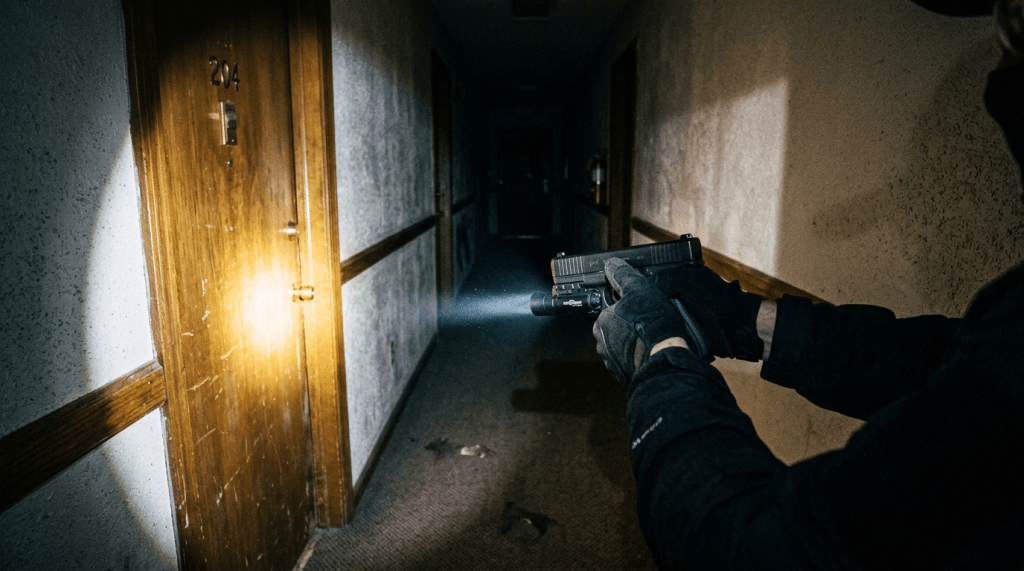
Finally, consider supplementing your concealed pistol with additional equipment, such as a spare magazine for increased reliability and non-lethal tools like pepper spray or a flashlight. These alternatives provide options for situations where lethal force is not justified, reinforcing your commitment to responsible and measured self-defense. By approaching concealed carry with this level of diligence and respect, you enhance not only your own safety but also the safety of those around you.
A concealed pistol can be a powerful tool for personal defense in extreme situations, but it requires rigorous training, legal awareness, and a commitment to responsible carry. It should always be part of a broader preparedness mindset that emphasizes awareness, avoidance, and de-escalation whenever possible.
Responding to an Incident
Immediate Actions
When faced with an active attack, your immediate actions can mean the difference between life and death. The “Run, Hide, Fight” protocol provides a clear, prioritized framework for responding to such incidents, helping you make quick decisions under extreme stress. The first and most important step is to run if you can do so safely. Escaping the area removes you from immediate danger and reduces the number of potential victims, so always look for the nearest exit or a safe route away from the threat. Do not hesitate or wait for others to act—decisive movement is critical. If you are with others, encourage them to follow, but do not let indecision or group hesitation slow your escape.
If escape is not possible, the next best option is to hide. Find a location that offers substantial cover and concealment, such as a locked room, behind heavy furniture, or in an area out of the attacker’s line of sight. Once hidden, silence your phone and any other devices that could reveal your location. Remain as quiet and still as possible, and if you can, barricade doors or create obstacles to slow down the attacker’s access. The goal is to make yourself as difficult to find or reach as possible, buying time until help arrives or the situation changes.
Fighting is always the last resort, reserved for moments when your life is in immediate danger and there are no other options. If you must defend yourself, commit fully to the action. Use any available objects as improvised weapons—chairs, fire extinguishers, or even pens—and aim to incapacitate the attacker long enough to escape or until help arrives. Remember, your objective is survival, not confrontation. The “Run, Hide, Fight” approach is designed to maximize your chances of staying alive in the chaos of an active attack, guiding you to act swiftly, decisively, and with purpose.
The “Run, Hide, Fight” protocol guides your immediate response during an active attack: first, try to escape if it’s safe; if not, hide in a secure place and stay quiet; and only fight as a last resort to defend yourself. This approach helps you act quickly and decisively, maximizing your chances of survival in a dangerous situation.
Assisting Others
Assisting others during a crisis is both a moral responsibility and a practical challenge, especially in the chaos of a terrorist attack or similar emergency. When you find yourself in such a situation, your instinct may be to help those around you, particularly individuals who are more vulnerable, such as people with mobility issues, young children, or the elderly. If you are able to do so without putting yourself in immediate danger, guiding or carrying these individuals to safety can make a critical difference in their survival. This might involve helping someone navigate stairs, pushing a wheelchair, or simply holding a child’s hand and reassuring them as you move toward an exit. It is important to remain calm and focused, as your composure can help prevent panic and encourage others to follow your lead.
Once you are in a safe location, your ability to provide first aid becomes invaluable, especially if emergency responders are delayed. If you have first aid training and the situation allows, assess those around you for injuries and offer assistance where you can. This could mean applying pressure to stop bleeding, using your first aid kit to dress wounds, or helping someone who is in shock. Always be mindful of your own safety and the overall security of the area before stopping to render aid. By assisting others thoughtfully and within your capabilities, you not only increase their chances of survival but also contribute to a sense of order and hope in an otherwise chaotic environment.
Assisting others in a crisis, especially vulnerable individuals, is both a moral duty and a practical challenge. If it’s safe, helping people to safety and providing first aid when possible can greatly improve survival chances. Staying calm and acting within your abilities not only aids those in need but also helps maintain order and hope during chaotic situations.
Communicating with Authorities
Communicating effectively with authorities during an emergency is a crucial step in ensuring a swift and coordinated response. As soon as you are in a safe position, it is important to contact emergency services without delay. When you make the call, remain as calm as possible so you can convey information clearly and efficiently. Start by stating your exact location, including any landmarks, building names, or cross streets that can help responders find you quickly. If you are indoors, mention the floor, room number, or any other details that will pinpoint your position.
Next, describe the nature of the threat in straightforward terms. Let the dispatcher know whether you are witnessing an active attack, have seen suspicious behavior, or are reporting injuries. Be specific about what you have observed, such as the number of attackers, their appearance, weapons involved, and the direction they were last seen heading. If there are injured individuals, provide a brief overview of the types and severity of injuries, as this information will help emergency personnel prioritize their response and bring the necessary resources.
Throughout the call, listen carefully to any instructions given by the dispatcher and follow them precisely. If your situation changes—such as if you move to a different location or the threat escalates—update the authorities as soon as it is safe to do so. Clear, concise, and accurate communication not only speeds up the arrival of help but also ensures that responders are fully informed and prepared to handle the situation effectively. Your ability to relay critical details can make a significant difference in the outcome for yourself and others involved in the emergency.
Effective communication with authorities during an emergency is vital for a quick and coordinated response. Once safe, contact emergency services promptly, provide your exact location, clearly describe the threat and any injuries, and follow the dispatcher’s instructions. Clear and concise information helps responders act efficiently and can significantly impact the outcome for everyone involved.
Conclusion
Preparing for terrorist threats is fundamentally an exercise in empowerment, not fear. The goal is to equip yourself and those around you with the knowledge, habits, and resources needed to respond confidently and effectively should a crisis occur. Throughout this essay, we have explored how situational awareness forms the foundation of readiness—by understanding the evolving threat landscape, recognizing suspicious activity, and knowing your environment, you become more attuned to potential dangers and better positioned to avoid or mitigate them.
Behavioral strategies, such as practicing vigilance without paranoia and developing clear emergency plans, further reinforce your ability to act decisively under pressure. These habits not only protect you but also foster a culture of preparedness within your family, workplace, and community. Participating in community preparedness initiatives, attending safety briefings, and volunteering for local response teams build networks of trust and cooperation, ensuring that no one faces a crisis alone.
Equipping yourself with essential tools—ranging from everyday carry items like a charged mobile phone, identification, and a flashlight, to more advanced resources such as radios and first aid kits—provides practical means to communicate, navigate, and care for yourself and others during emergencies. For those who choose to carry a concealed pistol, a commitment to legal compliance, rigorous training, and ethical responsibility is paramount, as is the understanding that de-escalation and avoidance are always preferable to confrontation.
When an incident occurs, knowing how to respond—whether by following the “Run, Hide, Fight” protocol, assisting others, providing first aid, or communicating clearly with authorities—can make a life-saving difference. Each of these elements, when practiced and integrated into daily life, transforms preparedness from a source of anxiety into a quiet confidence.
Ultimately, preparing for terrorist threats is about building resilience—within yourself and your community. It is about taking practical, thoughtful steps that allow you to live your life fully, knowing that you have the skills, plans, and mindset to face uncertainty with composure and resolve. In doing so, you not only safeguard your own well-being but also contribute to a stronger, more secure society.


 UTAZCO Overland
Leave a Reply