Securing a rural homestead presents unique challenges due to larger property sizes, isolation, and limited law enforcement response times. A layered approach to security is essential for effective protection. The three primary layers are: the Outer Perimeter, the Intermediate Zone, and the Home Core. Each layer serves a distinct purpose in deterring, detecting, and delaying potential threats.
1. Outer Perimeter: The First Barrier
Definition and Role
The outer perimeter is the initial line of defense for a rural homestead, marking the transition from public or neighboring land to your private property. In rural environments, this boundary is often much larger and more complex than in urban or suburban settings. It may encompass not just a simple fence line, but also open fields, wooded areas, long driveways, water features, and even remote corners that are difficult to monitor regularly.
The primary role of the outer perimeter is to clearly define your property limits, discourage unauthorized access, and provide the earliest possible warning of potential intruders—whether human, animal, or vehicle. Because rural properties are often isolated and law enforcement response times can be lengthy, a strong and well-maintained outer perimeter is crucial for both security and peace of mind.
Key Components of the Outer Perimeter
1. Fencing and Gates
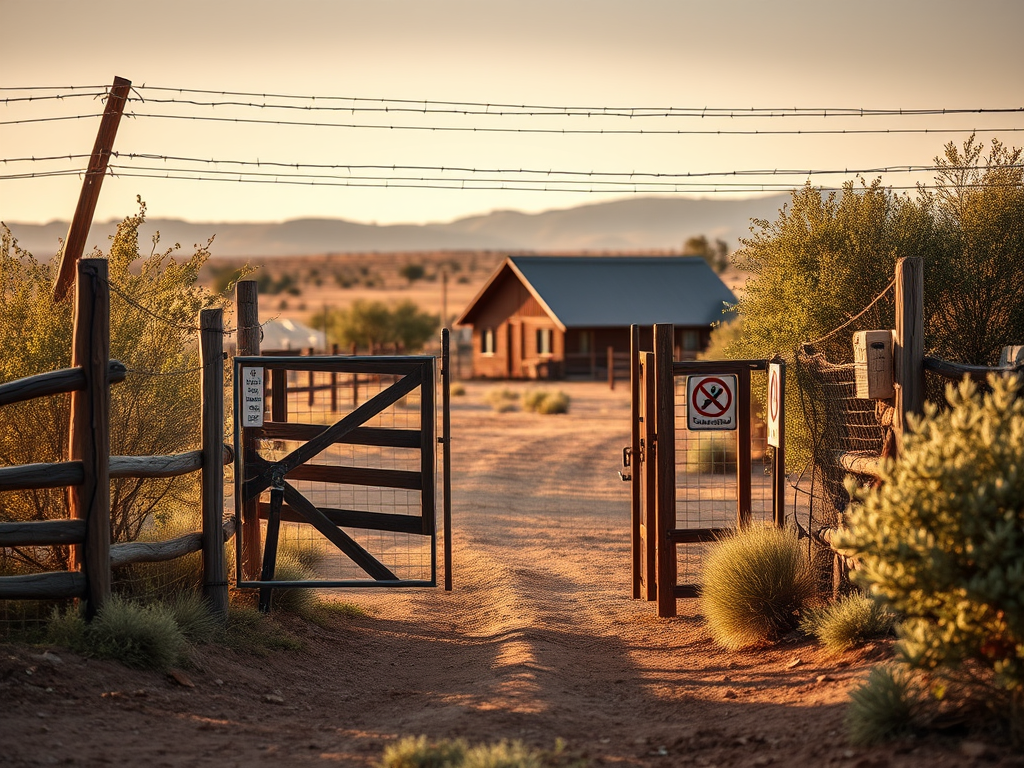
- Types of Fencing: Options include barbed wire (common for livestock), woven wire, electric fencing, or even high wooden or metal fences for areas requiring extra security.
- Gate Security: Gates should be sturdy, lockable, and ideally monitored. Consider using combination locks, padlocks, or even electronic access systems for main entry points.
- Maintenance: Regular inspection and repair are essential to prevent breaches due to weather, animals, or wear and tear.
2. Signage
- Warning Signs: Clearly visible signs such as “Private Property,” “No Trespassing,” or “Beware of Dog” serve as legal and psychological deterrents.
- Legal Protection: Proper signage can also strengthen your legal standing in the event of trespassing or disputes.
3. Natural Barriers
- Hedges and Bushes: Dense, thorny plants like hawthorn, blackberry, or holly can supplement fencing and make crossing the boundary more difficult.
- Water Features: Streams, ponds, or ditches can act as natural deterrents, especially when combined with other barriers.
4. Perimeter Lighting
- Solar-Powered Lights: These are ideal for remote areas without electricity, providing illumination at night to expose movement.
- Motion-Activated Lights: Placed at gates or along fence lines, these can startle intruders and alert you to activity.
5. Surveillance and Monitoring
- Trail Cameras: Battery-powered cameras with motion sensors can capture images or video of anyone approaching or crossing the perimeter.
- Remote Monitoring: Some systems allow you to view footage in real time via smartphone or computer, even when you’re away from the property.
6. Driveway Alarms
- Sensors: Magnetic or infrared sensors can alert you when a vehicle or person enters your driveway, often the most vulnerable access point on a rural property.
Challenges Unique to Rural Perimeters
- Size and Accessibility: Large properties are harder to monitor and maintain. Remote corners may be out of sight and difficult to access regularly.
- Wildlife: Fencing must be robust enough to withstand pressure from deer, coyotes, or livestock, not just human intruders.
- Multiple Entry Points: Fields, trails, and back roads may provide unintentional access points that need to be secured or monitored.
- Weather and Terrain: Harsh weather can damage barriers, and uneven terrain can make installation and maintenance more challenging.
Best Practices for Outer Perimeter Security
- Regular Patrols: Walk or drive the perimeter frequently to check for breaches, damage, or suspicious activity.
- Layered Barriers: Combine physical, natural, and technological barriers for maximum deterrence and detection.
- Community Cooperation: Coordinate with neighbors to watch for unusual activity along shared boundaries.
- Documentation: Keep records of maintenance, incidents, and upgrades for insurance and legal purposes.
The outer perimeter is the foundation of rural homestead security. By investing in robust barriers, clear signage, effective lighting, and modern surveillance, you create a strong first line of defense that can deter intruders, provide early warning, and buy valuable time to respond to any threat. Regular attention to this layer ensures that your homestead remains secure, no matter how remote or expansive your property may be.
Objectives of the Outer Perimeter
The outer perimeter of a rural homestead serves several critical objectives that form the foundation of an effective security strategy. Let’s explore each objective in detail:
1. Deter Unauthorized Entry
Purpose: The primary goal of the outer perimeter is to discourage would-be intruders—whether they are trespassers, thieves, vandals, or even stray animals—from attempting to enter your property.
How Deterrence Works:
- Physical Barriers: Fences, gates, and natural obstacles (like thorny hedges or ditches) create a physical challenge that makes unauthorized entry more difficult and time-consuming.
- Psychological Deterrents: Warning signs (“No Trespassing,” “Private Property,” “Beware of Dog”) and visible security measures (cameras, lights) send a clear message that the property is monitored and protected, making it less attractive to opportunistic intruders.
- Visibility: Well-maintained and clearly marked boundaries signal that the property is cared for and likely to be defended, further discouraging casual or opportunistic trespassers.
Benefits:
- Reduces the likelihood of break-ins or theft
- Minimizes the risk of property damage or loss
- Helps prevent wildlife from entering areas where they could cause harm or destruction
2. Provide Early Warning of Potential Threats
Purpose: The outer perimeter acts as an early alert system, giving you valuable time to assess and respond to potential threats before they reach your home or critical assets.
How Early Warning is Achieved:
- Surveillance Cameras and Trail Cams: These devices can capture images or video of anyone approaching or crossing the boundary, allowing you to monitor activity in real time or review footage later.
- Motion-Activated Lighting: Lights that turn on when movement is detected can alert you (and possibly scare off intruders) at night.
- Driveway Alarms and Sensors: These systems notify you immediately when someone enters your property via the main access points.
- Guard Animals: Dogs or other alert animals can bark or make noise when they detect unfamiliar people or animals near the perimeter.
Benefits:
- Provides time to contact authorities or neighbors if necessary
- Allows you to prepare defensive measures or retreat to safety
- Reduces the element of surprise for intruders, making your property a less appealing target
3. Establish Clear Property Boundaries
Purpose: Clearly defined boundaries are essential for both legal and practical reasons. They help prevent accidental trespassing, resolve disputes, and clarify ownership.
How Boundaries are Established:
- Fencing and Markers: Physical barriers and boundary markers (such as posts, stones, or painted trees) make it obvious where your property begins and ends.
- Signage: Legal notices and property signs reinforce the message and can be important in legal proceedings.
- Maps and Surveys: Keeping up-to-date property maps and survey records ensures you know exactly where your boundaries lie, which is especially important in rural areas where lines may be less obvious.
Benefits:
- Prevents accidental encroachment by neighbors, hunters, or hikers
- Strengthens your legal position in the event of disputes or trespassing incidents
- Helps you manage and protect your land, livestock, and resources more effectively
The objectives of the outer perimeter—deterring unauthorized entry, providing early warning, and establishing clear property boundaries—are interrelated and mutually reinforcing. Together, they create a proactive security environment that not only protects your rural homestead from threats but also fosters a sense of safety, control, and preparedness. By focusing on these objectives, you lay the groundwork for a comprehensive and resilient security strategy.
2. Intermediate Zone: Detection and Delay
Definition and Role
The intermediate zone is the buffer area between your property’s outer perimeter and your home or main living space. In rural homesteads, this zone often includes driveways, parking areas, outbuildings (such as barns, workshops, or garages), gardens, livestock pens, and open yards. Its primary function is to detect and delay any intruder who has breached the outer perimeter, buying you precious time to respond and further protecting your most valuable assets—your home and family.
Key Security Measures
1. Clear Visibility
Purpose: Maintaining open sightlines throughout the intermediate zone is crucial for both natural surveillance and the effectiveness of security devices.
How to Achieve:
- Trim Trees and Shrubs: Regularly prune vegetation to eliminate hiding spots near driveways, walkways, and outbuildings.
- Strategic Landscaping: Plant low-growing shrubs and keep taller plants away from windows, doors, and paths.
- Open Layout: Arrange gardens, animal pens, and equipment so that you can easily see across your property from key vantage points, such as your home or porch.
Benefits:
- Makes it harder for intruders to approach undetected
- Improves the effectiveness of cameras and motion sensors
- Allows you and your family to spot unusual activity quickly
2. Motion Sensors and Alarms
Purpose: To alert you immediately to movement within the intermediate zone, especially at night or when you’re not actively monitoring the area.
How to Implement:
- Motion-Activated Lights: Install these along driveways, near outbuildings, and around gardens. Sudden illumination can startle intruders and alert you to their presence.
- Alarm Systems: Use wireless motion detectors or door/window alarms on outbuildings and gates. Some systems can send alerts directly to your phone.
- Integration: Connect sensors and alarms to a central hub or smart home system for real-time monitoring.
Benefits:
- Provides instant notification of movement
- Deters intruders who fear being seen or caught
- Allows you to respond quickly, whether by investigating, alerting neighbors, or contacting authorities
3. Guard Animals
Purpose: Animals such as dogs or geese can serve as living alarms and deterrents, especially in rural settings where electronic monitoring may be limited.
How to Utilize:
- Dogs: Choose breeds known for alertness and protective instincts. Train them to bark at unfamiliar people or animals.
- Geese: Known for their loud honking and territorial nature, geese can be surprisingly effective at raising the alarm.
- Placement: Allow animals access to roam or patrol the intermediate zone, especially at night.
Benefits:
- Provides early warning through barking or honking
- Deters intruders who wish to avoid confrontation
- Offers companionship and additional protection for livestock
4. Obstacles
Purpose: To slow down or expose intruders as they move through the intermediate zone, increasing the likelihood of detection.
How to Implement:
- Gravel Driveways/Paths: The crunching sound of footsteps on gravel can alert you or your animals to movement.
- Physical Barriers: Use fences, gates, or even strategically placed equipment to force intruders to take longer, more visible routes.
- Lighting: Place lights so that anyone trying to avoid them must take a more difficult or exposed path.
Benefits:
- Increases the time it takes for an intruder to reach your home
- Makes stealthy movement difficult
- Enhances the effectiveness of other detection measures
5. Secondary Fencing
Purpose: To add another layer of protection around particularly valuable or vulnerable areas within the intermediate zone.
How to Implement:
- Garden Fencing: Protects crops from both human and animal intruders.
- Livestock Pens: Secure fencing keeps animals safe and prevents theft or harm.
- Outbuilding Security: Fencing around workshops, tool sheds, or garages adds another obstacle for would-be thieves.
Benefits:
- Protects high-value assets and resources
- Delays intruders, giving you more time to respond
- Helps manage and contain livestock or pets
Additional Considerations
- Routine Patrols: Regularly walk or drive through the intermediate zone to check for signs of tampering, damage, or unusual activity.
- Community Awareness: Coordinate with neighbors to watch for suspicious activity, especially if your properties are adjacent.
- Maintenance: Keep all security measures in good working order—replace batteries, repair fences, and test alarms regularly.
The intermediate zone is a critical layer in rural homestead security, designed to detect and delay threats before they reach your home. By combining clear visibility, technological alerts, natural deterrents, physical obstacles, and secondary fencing, you create a dynamic and responsive buffer that significantly enhances your overall safety and peace of mind.
Objectives of the Intermediate Zone
The intermediate zone of a rural homestead’s security system serves as a crucial buffer between the outer perimeter and the home itself. Its objectives are to detect, delay, and provide time for an effective response to any threat that has managed to breach the initial boundary. Let’s explore each objective in detail:
1. Detect Intruders Who Have Breached the Perimeter
Purpose: Once an intruder has crossed the outer perimeter, the intermediate zone’s foremost goal is to identify their presence as early as possible.
How Detection is Achieved:
- Motion Sensors and Alarms: Devices placed along driveways, near outbuildings, or in gardens can trigger lights or alarms when movement is detected, alerting you to activity.
- Guard Animals: Dogs, geese, or other alert animals can sense and react to unfamiliar presences, often before humans notice.
- Clear Visibility: Maintaining open sightlines by trimming vegetation and strategically placing lighting ensures that anyone moving through the area is more likely to be seen.
- Surveillance Cameras: Cameras positioned to cover driveways, yards, and outbuildings can capture and record movement, providing both real-time alerts and evidence.
Benefits:
- Early detection increases your awareness and preparedness.
- Reduces the element of surprise for the intruder.
- Allows you to verify whether the threat is human, animal, or environmental.
2. Delay Their Approach to the Home
Purpose: If an intruder is detected, the next objective is to slow their progress toward the home, making it more difficult for them to reach your most valuable assets and loved ones.
How Delay is Achieved:
- Obstacles: Gravel paths, fences, locked gates, and strategically placed equipment force intruders to take longer, noisier, or more exposed routes.
- Secondary Fencing: Additional barriers around gardens, livestock pens, or outbuildings require extra effort to bypass.
- Lighting: Well-placed lights can force intruders to move more cautiously or seek cover, slowing their advance.
- Guard Animals: Animals can physically block or harass intruders, further delaying their progress.
Benefits:
- Increases the time available for you to notice and react to the threat.
- Discourages intruders who may abandon their attempt if progress is too slow or risky.
- Gives the impression of a well-defended property, which can deter further attempts.
3. Provide Additional Time to Respond
Purpose: The ultimate goal of detection and delay is to maximize the time you have to respond appropriately to a threat, whether that means calling for help, preparing defenses, or retreating to safety.
How Time is Gained:
- Layered Security: Each obstacle or alert in the intermediate zone adds seconds or minutes to the intruder’s journey, which can be critical in an emergency.
- Immediate Alerts: Alarms, barking dogs, or triggered lights can wake you at night or notify you when you’re elsewhere on the property.
- Preparedness: Knowing about an intruder before they reach your home allows you to implement your emergency plan—locking doors, gathering family members, or contacting authorities.
Benefits:
- Enhances your ability to make informed decisions under stress.
- Increases the likelihood of a successful defense or escape.
- Improves the chances of law enforcement or neighbors arriving in time to assist.
The intermediate zone’s objectives—detecting intruders, delaying their approach, and providing additional response time—are vital for transforming your homestead from a vulnerable target into a resilient, layered defense system. By focusing on these goals, you create a proactive security buffer that not only protects your property but also ensures the safety and preparedness of everyone on your homestead.
3. Home Core: The Final Line of Defense
Definition and Role
The home core represents the innermost and most vital layer of your rural homestead’s security system. It includes the immediate area around your house—such as porches, patios, and entryways—as well as the house itself. This zone is your last stand: if an intruder has reached this point, all previous layers have been breached, and your focus shifts from deterrence and delay to direct protection of your family and property. The home core’s role is to prevent unauthorized entry, safeguard lives, and enable effective emergency response.
Key Security Measures
1. Reinforced Entry Points
Purpose: To physically prevent or significantly delay forced entry into your home.
How to Implement:
- Solid Doors: Use solid-core or metal doors for all exterior entrances. Avoid hollow-core doors, which are easily broken.
- Deadbolts and High-Quality Locks: Install heavy-duty deadbolts and consider additional locking mechanisms such as door chains or security bars.
- Window Security: Use locks on all windows, especially those on the ground floor. Reinforce glass with security film or install shatter-resistant windows.
- Strike Plates and Hinges: Reinforce door frames and use long screws for strike plates and hinges to resist kicking or prying.
Benefits:
- Makes forced entry much more difficult and time-consuming
- Deters opportunistic intruders
- Buys critical time for you to respond or for help to arrive
2. Alarm Systems
Purpose: To provide immediate notification of a breach and summon help as quickly as possible.
How to Implement:
- Monitored Alarm Systems: Connect your alarm system to a monitoring service that can alert authorities automatically.
- Panic Buttons: Install panic buttons in key locations (bedrooms, safe rooms) for instant activation of alarms.
- Audible Sirens: Loud alarms can scare off intruders and alert anyone nearby.
- Integration: Link alarms to lights or cameras for a coordinated response.
Benefits:
- Provides instant alerts to you and emergency services
- Can deter intruders who fear being caught
- Reduces response time in a crisis
3. Safe Rooms
Purpose: To provide a secure refuge for your family in the event of a home invasion or other emergency.
How to Implement:
- Reinforced Construction: Use solid doors, reinforced walls, and secure locks.
- Supplies: Stock with water, food, first aid, and defensive tools.
- Communication Devices: Install a landline phone, cell phone, or two-way radio.
- Discreet Location: Choose a room that is easily accessible but not obvious to intruders.
Benefits:
- Offers protection until help arrives or the threat passes
- Provides peace of mind, especially in remote areas
- Allows you to maintain communication with authorities
4. Defensive Tools
Purpose: To enable last-resort self-defense if all other measures fail and direct confrontation is unavoidable.
How to Implement:
- Firearms: Where legal and appropriate, keep firearms secured but accessible to responsible adults.
- Non-Lethal Options: Consider pepper spray, stun guns, or other non-lethal defensive tools.
- Training: Ensure all household members know how to use defensive tools safely and legally.
Benefits:
- Provides a means of protection when escape is not possible
- Can deter or incapacitate an intruder
- Increases your confidence and preparedness
5. Communication
Purpose: To ensure you can summon help or coordinate with others during an emergency.
How to Implement:
- Reliable Phones: Keep cell phones charged and landlines operational.
- Radios: Use two-way radios for communication if phone lines are down or unreliable.
- Emergency Contacts: Post a list of emergency numbers in accessible locations.
- Backup Power: Have battery backups or generators to keep communication devices running during power outages.
Benefits:
- Enables rapid contact with authorities or neighbors
- Allows you to provide critical information (location, situation)
- Supports coordination with family members or community during a crisis
Additional Considerations
- Routine Drills: Practice emergency procedures with your family so everyone knows what to do if the home core is threatened.
- Layered Approach: Remember that the effectiveness of the home core is maximized when combined with strong outer and intermediate security layers.
- Maintenance: Regularly check and maintain all security devices, locks, and communication tools.
The home core is the last and most crucial line of defense for your rural homestead. By reinforcing entry points, installing alarm systems, preparing safe rooms, maintaining defensive tools, and ensuring reliable communication, you create a secure environment that protects both people and property. In a rural setting, where help may be far away, these measures are not just prudent—they are essential for peace of mind and survival.
Objectives of the Home Core
The home core is the final and most critical layer of rural homestead security. Its objectives are focused on safeguarding human life, fortifying the home against intrusion, and ensuring that you can respond effectively to emergencies. Let’s explore each objective in detail:
1. Protect the Lives of Residents
Purpose: The ultimate goal of any security system is to keep the people inside safe. In rural areas, where law enforcement response may be delayed, the responsibility for immediate protection falls on the residents themselves.
How Protection is Achieved:
- Safe Rooms: Designating a secure, reinforced room provides a refuge where family members can shelter during a break-in or other threat. Stocking it with water, food, first aid, and communication devices ensures survival if you must remain inside for an extended period.
- Alarm Systems: Audible alarms and panic buttons can alert everyone in the house to danger, giving them time to move to safety.
- Defensive Tools: Where legal and appropriate, having access to firearms or non-lethal defensive tools (like pepper spray or stun guns) can provide a last line of defense if an intruder breaches the home.
- Emergency Drills: Practicing what to do in the event of a break-in ensures that everyone knows where to go and how to react, reducing panic and confusion.
Benefits:
- Maximizes the safety of all residents, especially children and vulnerable individuals
- Reduces the risk of injury or loss of life during a crisis
- Provides peace of mind, knowing there is a plan in place
2. Prevent or Delay Forced Entry
Purpose: The longer it takes for an intruder to gain access to your home, the more time you have to react, call for help, or escape. Delaying entry is a critical component of home defense.
How Delay is Achieved:
- Reinforced Entry Points: Solid doors, deadbolts, security bars, and reinforced window locks make it much harder for someone to break in quickly.
- Visible Security Measures: Cameras, alarm stickers, and visible locks can deter intruders from even attempting entry.
- Layered Barriers: Interior doors with locks, security gates, or even furniture can be used to create additional obstacles inside the home.
- Alarm Systems: The sound of an alarm can startle intruders, causing them to flee or hesitate, further delaying their progress.
Benefits:
- Buys critical time for residents to reach safety or call for help
- Increases the likelihood that law enforcement or neighbors can intervene
- Discourages opportunistic criminals who seek easy targets
3. Enable Effective Emergency Response
Purpose: In a crisis, the ability to communicate quickly and clearly with authorities or neighbors can mean the difference between a resolved incident and a tragedy.
How Effective Response is Enabled:
- Reliable Communication: Keeping phones charged, having backup power sources, and maintaining radios or other communication devices ensures you can call for help even during power outages or if phone lines are cut.
- Alarm Monitoring: Monitored alarm systems can automatically notify emergency services when triggered, reducing the time it takes for help to arrive.
- Clear Address Markings: Ensuring your home is easily identifiable by emergency responders (with visible house numbers and clear directions) speeds up their arrival.
- Emergency Plans: Having a written and practiced emergency plan ensures everyone knows their role—who calls for help, who gathers children or pets, and where to meet if evacuation is necessary.
Benefits:
- Increases the speed and effectiveness of emergency response
- Reduces confusion and panic during high-stress situations
- Improves the chances of a positive outcome for both people and property
The objectives of the home core—protecting lives, preventing or delaying forced entry, and enabling effective emergency response—are the foundation of a resilient rural homestead security strategy. By focusing on these goals, you ensure that your home remains a safe haven, even in the face of determined threats or emergencies. This final layer of defense is not just about physical barriers, but about preparation, awareness, and the ability to act decisively when it matters most.
Conclusion
A layered security approach is not just beneficial but essential for rural homesteads. The unique challenges of rural living—such as physical isolation, expansive property boundaries, and slower emergency response times—demand a comprehensive and proactive strategy. Let’s explore why this approach is so effective and how it can be maintained over time.
The Importance of Layered Security
Addressing Rural Vulnerabilities
Rural homesteads are inherently more vulnerable than urban homes for several reasons:
- Isolation: With neighbors often far away and law enforcement response times longer, homesteads can be attractive targets for intruders or thieves.
- Large Property Sizes: Expansive land makes it difficult to monitor every corner, increasing the risk of unnoticed breaches.
- Multiple Access Points: Fields, woods, and long driveways provide numerous potential entry routes for both people and animals.
A single security measure—such as a locked door or a fence—is rarely sufficient to address these vulnerabilities. Instead, a layered approach creates multiple obstacles and detection points, making it much harder for threats to go unnoticed or unchallenged.
The Power of Each Security Layer
1. Outer Perimeter: The First Line of Defense
By establishing clear boundaries with fencing, signage, and surveillance, you deter casual trespassers and provide early warning of potential threats. This layer is your property’s first shield, setting the tone for the rest of your security system.
2. Intermediate Zone: Detection and Delay
The intermediate zone acts as a buffer, using visibility, alarms, obstacles, and guard animals to detect and slow down any intruder who breaches the perimeter. This buys you valuable time to assess the situation and prepare a response, while also protecting valuable outbuildings, gardens, and livestock.
3. Home Core: The Final Line of Defense
The home core is where your most precious assets—your family and your home—are protected. Reinforced entry points, alarm systems, safe rooms, and communication tools ensure that even if all other layers are breached, you have the best possible chance to protect lives and summon help.
The Need for Ongoing Vigilance
Regular Review and Adaptation
Security is not a “set it and forget it” endeavor. Threats evolve, technology advances, and property layouts change. Regularly reviewing and updating each layer of your security system is crucial:
- Inspect fences, gates, and locks for wear or damage.
- Test alarms, cameras, and communication devices.
- Trim vegetation and maintain clear sightlines.
- Practice emergency drills with your family.
- Stay informed about new security technologies and local crime trends.
Community and Preparedness
Building relationships with neighbors and participating in local watch programs can further enhance your security. In rural areas, community cooperation is often the fastest and most effective form of emergency response.
Peace of Mind and Resilience
Ultimately, a layered security approach provides more than just physical protection—it offers peace of mind. Knowing that you have multiple defenses in place allows you to focus on the joys of rural living, confident that you are prepared for whatever challenges may arise. This resilience is the hallmark of a well-secured homestead.
By thoughtfully implementing and maintaining layered security—outer perimeter, intermediate zone, and home core—rural homesteaders can transform vulnerability into strength, ensuring the ongoing safety and well-being of their property, resources, and loved ones.




 UTAZCO Overland
Leave a Reply