
Introduction
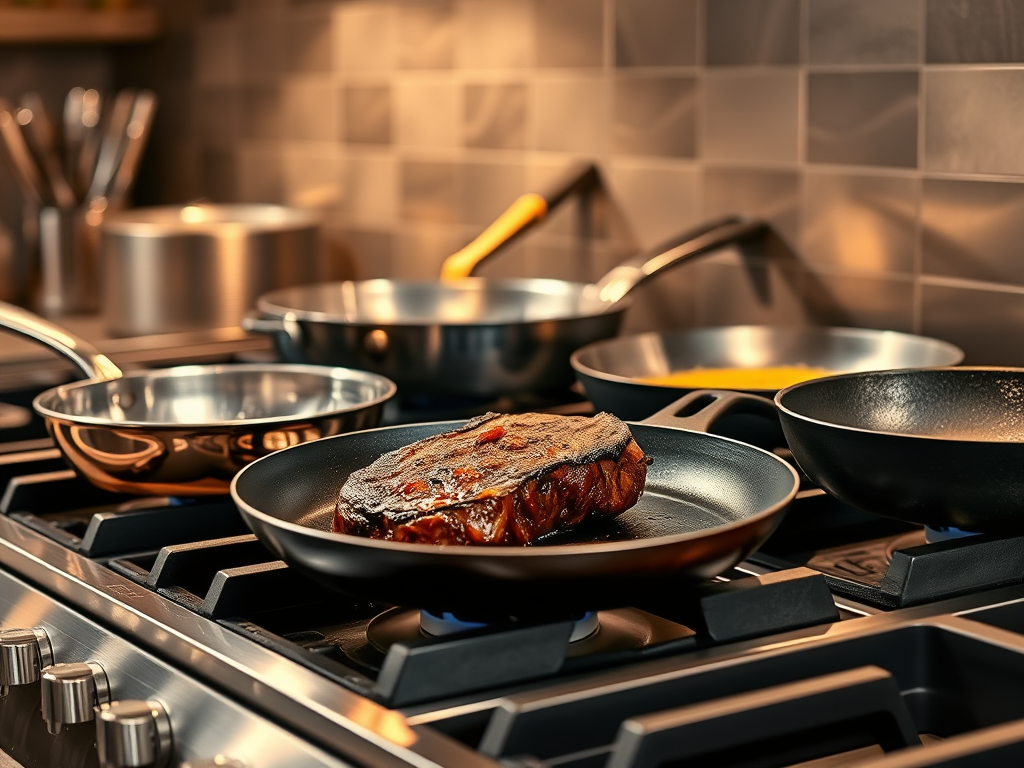
In the culinary world, the choice of cookware is more than just a matter of preference; it can significantly impact the quality and outcome of the dishes prepared. The material of the cookware plays a crucial role in determining how heat is conducted, distributed, and retained, which in turn affects cooking efficiency, flavor development, and texture of the food. Among the popular materials used in cookware are copper, stainless steel, carbon steel, and cast iron. Each of these materials brings its own set of unique properties, advantages, and price points to the table, catering to different cooking styles and needs.
Copper Cookware
Copper cookware has long been revered in the culinary world for its exceptional performance and timeless beauty. Its unique properties make it a preferred choice for professional chefs and serious home cooks who demand precision and quality in their cooking endeavors.
Advantages
- Superior Heat Conductivity Copper is unmatched in its ability to conduct heat quickly and evenly. This superior heat conductivity allows for rapid adjustments in temperature, which is crucial when preparing delicate dishes such as sauces, custards, and chocolates. The ability to control temperature with precision ensures that these dishes are cooked to perfection without the risk of burning or overcooking. This makes copper cookware particularly valuable in professional kitchens where timing and precision are paramount.
- Even Heat Distribution One of the standout features of copper cookware is its ability to distribute heat evenly across the cooking surface. This even heat distribution minimizes the occurrence of hot spots, which can lead to uneven cooking and inconsistent results. With copper, food is cooked uniformly, enhancing both the texture and flavor of the dish. This property is especially beneficial for tasks like sautéing and frying, where consistent heat is essential for achieving the desired outcome.
- Aesthetic Appeal Beyond its functional advantages, copper cookware is also prized for its aesthetic appeal. The warm, lustrous appearance of copper adds a touch of elegance and sophistication to any kitchen. Many cooks appreciate the visual beauty of copper pots and pans, which can also serve as decorative elements when displayed. The timeless appeal of copper makes it a favorite among those who value both form and function in their kitchen tools.
Price and Value
Copper cookware is generally more expensive than other types of cookware, and this higher cost is primarily due to its superior heat conductivity and aesthetic appeal. The manufacturing process for copper cookware is also more complex, contributing to its premium price. While the investment in copper cookware can be substantial, it is often justified by the enhanced cooking performance it offers.
However, the price may not be justifiable for all cooks, particularly those who do not require the precise temperature control that copper provides. For everyday cooking tasks that do not demand such precision, more affordable options like stainless steel or cast iron may suffice. Additionally, copper cookware requires regular maintenance to preserve its appearance and performance, which may not be ideal for those seeking low-maintenance kitchen tools.
Copper cookware offers unparalleled advantages in terms of heat conductivity, even heat distribution, and aesthetic appeal. While it represents a significant investment, the benefits it provides can greatly enhance the cooking experience for those who prioritize precision and quality. For others, the high cost and maintenance requirements may outweigh the advantages, making alternative materials more suitable for their needs.
Stainless Steel Cookware
Stainless steel cookware is a staple in many kitchens due to its robust construction and versatile performance. It is favored by both professional chefs and home cooks for its durability, ease of maintenance, and ability to handle a wide range of cooking tasks.
Advantages
- Durability Stainless steel is renowned for its strength and resilience. It is highly resistant to rust, corrosion, and staining, which makes it an ideal choice for cookware that is built to last. Unlike other materials that may warp or degrade over time, stainless steel maintains its structural integrity even with frequent use. This durability ensures that stainless steel cookware can withstand the rigors of daily cooking, making it a reliable investment for any kitchen.
- Non-Reactive Surface One of the key benefits of stainless steel is its non-reactive nature. Unlike materials such as aluminum or copper, stainless steel does not react with acidic or alkaline foods. This means that it will not alter the taste or color of dishes, preserving the natural flavors and integrity of the ingredients. This property is particularly important when cooking with acidic ingredients like tomatoes or citrus, where maintaining the intended flavor profile is crucial.
- Low Maintenance Stainless steel cookware is known for its ease of maintenance. It is generally dishwasher safe, making cleanup a breeze. Additionally, it does not require the seasoning or special care that materials like cast iron or carbon steel demand. Its smooth surface is resistant to scratches and dents, and with proper care, it retains its polished appearance over time. This low maintenance aspect makes stainless steel an attractive option for busy cooks who value convenience.
Price and Value
Stainless steel cookware is typically moderately priced, offering a balance between cost and performance. While it may not conduct heat as efficiently as copper, many stainless steel cookware pieces are designed with an aluminum or copper core to enhance heat distribution. This construction allows for more even cooking while maintaining the benefits of stainless steel’s durability and non-reactive surface.
The versatility of stainless steel cookware adds to its value. It can be used for a wide range of cooking techniques, from sautéing and frying to boiling and simmering. Its ability to transition from stovetop to oven further enhances its utility in the kitchen.
Stainless steel cookware provides excellent value for its durability, versatility, and ease of maintenance. While it may not offer the same level of heat conductivity as copper, its non-reactive nature and robust construction make it a popular choice for everyday cooking. For those seeking reliable and long-lasting cookware that requires minimal upkeep, stainless steel is an ideal option that balances performance with practicality.
Carbon Steel Cookware
Carbon steel cookware is a favorite among chefs and home cooks who appreciate its balance of performance and practicality. Known for its versatility and ability to develop a natural non-stick surface, carbon steel offers many of the benefits of cast iron without the associated weight.
Advantages
- Lightweight and Versatile One of the primary advantages of carbon steel cookware is its lightweight nature compared to cast iron. This makes it easier to handle, especially when flipping or tossing food, which is particularly beneficial for tasks like stir-frying or sautéing. Despite being lighter, carbon steel shares many of the same cooking properties as cast iron, such as excellent heat retention and distribution. This versatility allows it to be used for a wide range of cooking techniques, from frying and searing to baking and roasting.
- High Heat Tolerance Carbon steel can withstand very high temperatures, making it ideal for searing and browning meats. Its ability to reach and maintain high temperatures quickly is a key factor in achieving the perfect sear, which locks in juices and enhances flavor. This high heat tolerance also makes carbon steel suitable for use in ovens and on grills, adding to its versatility in the kitchen.
- Develops Natural Non-Stick Surface With proper seasoning, carbon steel cookware develops a natural non-stick surface over time. Seasoning involves applying a thin layer of oil to the cookware and heating it, which creates a polymerized layer that prevents food from sticking. This process not only enhances the cooking performance of carbon steel but also adds a layer of protection against rust. The non-stick surface improves with use, making carbon steel cookware more effective the longer it is used.
Price and Value
Carbon steel cookware is generally more affordable than copper, offering excellent value for its performance and versatility. It provides many of the benefits of cast iron, such as heat retention and the ability to develop a non-stick surface, without the added weight. This makes it an attractive option for those who want the cooking advantages of cast iron but prefer a lighter alternative.
The affordability of carbon steel, combined with its durability and adaptability, makes it a cost-effective choice for both professional kitchens and home cooks. Its ability to handle a variety of cooking tasks, from high-heat searing to gentle sautéing, ensures that it can be a staple in any kitchen.
Carbon steel cookware offers a compelling combination of lightweight design, high heat tolerance, and the ability to develop a natural non-stick surface. Its affordability and versatility make it an excellent choice for those seeking a practical and efficient alternative to heavier cookware options like cast iron. Whether used in a professional setting or at home, carbon steel provides reliable performance and value, making it a worthy addition to any culinary arsenal.
Cast Iron Cookware
Cast iron cookware is a beloved choice for many cooks due to its robust construction and exceptional cooking performance. Known for its ability to retain heat and develop a natural non-stick surface, cast iron is a versatile and durable option that has stood the test of time.
Advantages
- Excellent Heat Retention One of the standout features of cast iron cookware is its ability to retain heat exceptionally well. Once heated, cast iron maintains a consistent temperature, making it ideal for slow cooking and dishes that require even heat distribution over extended periods. This property is particularly beneficial for recipes like stews, braises, and casseroles, where maintaining a steady temperature is crucial for developing deep, rich flavors. The heat retention also makes cast iron perfect for serving dishes directly from the stove or oven to the table, as it keeps food warm for longer.
- Durability Cast iron is renowned for its durability and longevity. With proper care, cast iron cookware can last for generations, making it a cost-effective investment. Its robust construction can withstand high temperatures and is resistant to warping and damage. This durability means that cast iron can be used on various heat sources, including stovetops, ovens, grills, and even open fires, adding to its versatility in the kitchen.
- Natural Non-Stick Surface Like carbon steel, cast iron develops a natural non-stick surface through the process of seasoning. Seasoning involves applying a thin layer of oil to the cookware and heating it, which creates a protective layer that prevents food from sticking. This non-stick surface improves with use, enhancing the cooking performance of cast iron over time. The seasoning also provides a layer of protection against rust, ensuring the longevity of the cookware.
Price and Value
Cast iron is typically the most affordable option among the four materials discussed. Its low cost, combined with its durability and excellent heat retention properties, offers significant value to cooks who appreciate slow-cooked meals and versatile cookware. The ability to use cast iron for a wide range of cooking techniques, from frying and baking to roasting and grilling, makes it a valuable addition to any kitchen.
The affordability of cast iron, coupled with its long-lasting nature, makes it an attractive choice for both novice and experienced cooks. Its ability to enhance flavors through slow cooking and its capacity to develop a natural non-stick surface make it a practical and efficient option for everyday use.
Cast iron cookware provides a compelling combination of heat retention, durability, and affordability. Its ability to maintain consistent temperatures and develop a natural non-stick surface makes it ideal for a variety of cooking tasks. Whether used for slow-cooked meals or high-heat searing, cast iron offers reliable performance and exceptional value, making it a timeless choice for any kitchen.
Conclusion
In the diverse world of cookware, each material—copper, stainless steel, carbon steel, and cast iron—brings its own set of strengths and characteristics that cater to different cooking styles and preferences. Understanding these differences is crucial for making an informed decision that aligns with individual culinary needs and budget considerations.
Copper Cookware
Copper cookware stands out for its superior heat conductivity and aesthetic appeal. Its ability to provide precise temperature control makes it a top choice for professional chefs and serious home cooks who require meticulous heat management for delicate dishes. The visual elegance of copper also adds a touch of sophistication to any kitchen. However, the high cost of copper cookware may not be justified for everyone, particularly those who do not need such precision in their cooking. For many, the investment in copper is worthwhile only if the specific advantages it offers are essential to their cooking style.
Stainless Steel Cookware
Stainless steel offers a balance of durability and ease of maintenance at a moderate price. Its non-reactive surface and robust construction make it a versatile option for a wide range of cooking tasks. Stainless steel is particularly appealing to those who value convenience and longevity in their cookware. While it may not conduct heat as efficiently as copper, its overall performance and affordability make it a popular choice for everyday cooking.
Carbon Steel Cookware
Carbon steel provides versatility and a lighter weight compared to cast iron, making it easier to handle while still offering excellent cooking properties. Its ability to develop a natural non-stick surface and withstand high temperatures makes it suitable for a variety of cooking techniques. Carbon steel is an attractive option for those who want the benefits of cast iron without the associated weight, offering excellent value for its performance and adaptability.
Cast Iron Cookware
Cast iron remains a favorite for many home cooks due to its excellent heat retention and affordability. Its durability and ability to develop a natural non-stick surface make it a practical and cost-effective choice for slow-cooked meals and high-heat cooking. The timeless appeal of cast iron, combined with its robust performance, ensures its continued popularity in kitchens around the world.
Making the Right Choice
Ultimately, the choice of cookware depends on individual cooking needs, preferences, and budget. While copper may offer the best cooking results in certain scenarios, stainless steel, carbon steel, and cast iron each provide unique advantages that can meet the needs of different culinary styles and budgets. For those who prioritize precision and aesthetics, copper may be the ideal choice. For others who value durability, versatility, or affordability, stainless steel, carbon steel, or cast iron may be more suitable.
Selecting the right cookware involves weighing the specific benefits of each material against personal cooking requirements and financial considerations. By understanding the unique properties and advantages of each type of cookware, cooks can make informed decisions that enhance their culinary experiences and meet their individual needs.




 UTAZCO Overland
Leave a Reply