
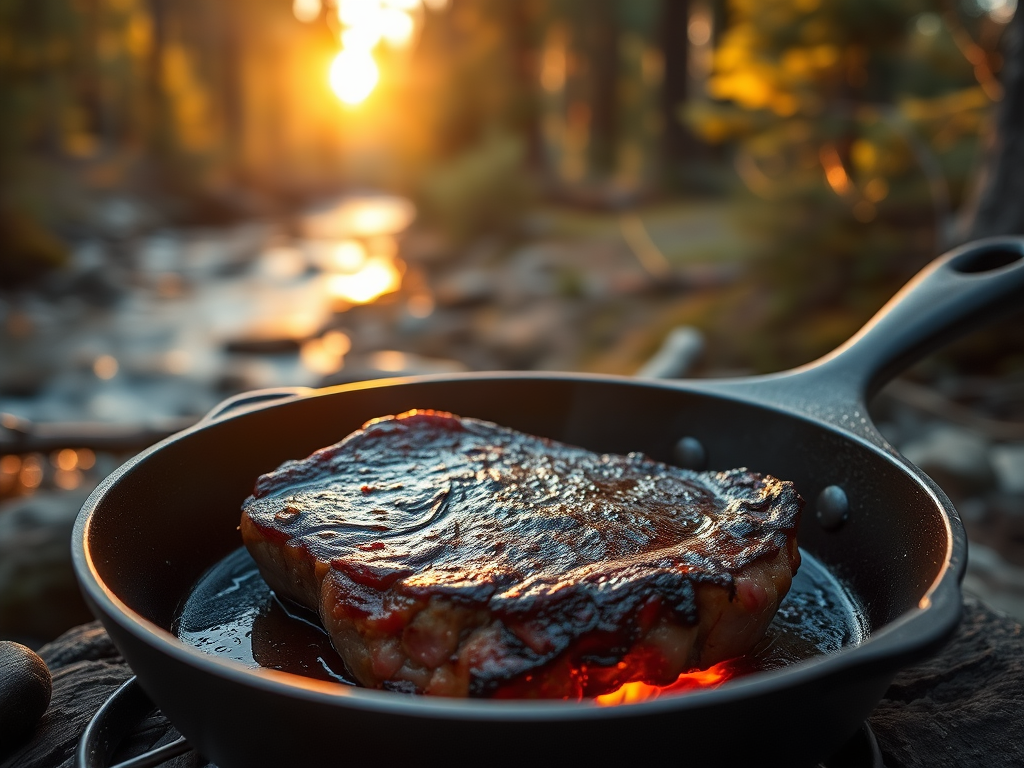
Cooking in the wilderness can be a rewarding experience, allowing you to connect with nature while enjoying a delicious meal. However, it requires careful planning and consideration to ensure safety and environmental responsibility. Here are some essential dos and don’ts to guide you through the process.
Dos
1. Plan Your Meals
Research and Prepare
Planning your meals for a wilderness trip is a crucial step that can significantly enhance your outdoor experience. It involves careful consideration of the types of meals that are not only nutritious and satisfying but also practical for the conditions you’ll encounter.
Research Recipes
Suitability for Outdoor Cooking: Start by researching recipes specifically designed for outdoor cooking. Look for meals that can be prepared with limited resources and equipment. One-pot meals, dehydrated foods, and meals that require minimal cooking time are ideal. Consider the availability of fresh ingredients and the need for refrigeration, as these factors will influence your choices.
Nutritional Needs: Ensure that the meals you choose meet your nutritional needs. Outdoor activities can be physically demanding, so it’s important to include a balance of carbohydrates, proteins, and fats to maintain energy levels. Snacks like nuts, dried fruits, and energy bars can provide quick boosts of energy.
Opt for Minimal Ingredients
Simplify Your Menu: Choose recipes that require a minimal number of ingredients. This not only makes packing easier but also reduces the weight of your backpack. Focus on versatile ingredients that can be used in multiple dishes, such as rice, pasta, canned beans, and spices.
Pre-Packaged Options: Consider pre-packaged meal options specifically designed for camping, such as freeze-dried meals. These are lightweight, easy to prepare, and often only require the addition of hot water.
Prepare and Pack Ingredients in Advance
Pre-Measure and Pre-Cut: To save time and reduce waste, pre-measure and pre-cut ingredients before your trip. Store them in labeled, resealable bags or containers. This not only streamlines the cooking process but also minimizes the amount of packaging waste you need to manage in the wilderness.
Organize by Meal: Pack ingredients according to each meal to make meal preparation more efficient. This organization helps you quickly locate what you need and ensures you don’t forget any components of your planned meals.
Consider Food Allergies and Preferences: If you’re traveling with a group, take into account any food allergies or dietary preferences. This ensures that everyone has a safe and enjoyable dining experience.
By thoroughly planning your meals, you can ensure that your wilderness cooking experience is both enjoyable and efficient. Researching suitable recipes, opting for minimal ingredients, and preparing and packing in advance are key strategies that contribute to a successful outdoor adventure. This preparation not only enhances your culinary experience but also allows you to focus more on enjoying the natural surroundings.
2. Choose the Right Equipment
Portable Stove or Campfire
When cooking in the wilderness, selecting the right equipment is essential for both safety and convenience. The choice between using a portable stove or a campfire depends on several factors, including location, regulations, and personal preference.
Portable Stove
Convenience and Safety: Portable stoves are a popular choice for wilderness cooking due to their convenience and safety. They are easy to set up and use, providing a reliable heat source regardless of weather conditions. Stoves are particularly advantageous in areas where open fires are prohibited due to fire risk.
Types of Portable Stoves:
- Canister Stoves: These are lightweight and easy to use, making them ideal for backpacking. They use pre-filled fuel canisters, which are simple to attach and ignite.
- Liquid Fuel Stoves: These stoves are versatile and perform well in cold temperatures. They require manual priming and are often used for longer trips where fuel efficiency is important.
- Alcohol Stoves: Lightweight and compact, alcohol stoves are a good option for minimalist campers. They use denatured alcohol as fuel and are easy to refill.
- Wood-Burning Stoves: These stoves use small twigs and wood as fuel, eliminating the need to carry fuel canisters. They are eco-friendly but require dry wood and careful monitoring.
Fuel Considerations: Ensure you have enough fuel for the duration of your trip. Check the compatibility of your stove with the fuel type and pack extra fuel canisters or bottles as needed.
Campfire
Traditional Experience: Cooking over a campfire offers a traditional and rustic experience. It allows for a variety of cooking methods, such as grilling, roasting, and baking with a Dutch oven.
Fire Safety and Regulations: Before opting for a campfire, check local regulations to ensure fires are permitted. Many areas have restrictions, especially during dry seasons, to prevent wildfires. Always use established fire rings or pits and keep fires small and manageable.
Building a Campfire:
- Gather Materials: Collect dry wood, kindling, and tinder. Avoid using green wood or materials that produce excessive smoke.
- Fire Structure: Build a fire structure that suits your cooking needs, such as a teepee or log cabin style. Ensure proper airflow for efficient burning.
- Extinguishing the Fire: Always have water and a shovel on hand to fully extinguish the fire. Douse the fire with water, stir the ashes, and repeat until the area is cool to the touch.
Equipment Checklist
Regardless of your choice, ensure you have the necessary equipment:
- Cooking Utensils: Lightweight pots, pans, and utensils suitable for your cooking method.
- Ignition Source: Matches, lighters, or a fire starter for igniting stoves or campfires.
- Wind Protection: A windscreen for stoves to improve efficiency and reduce fuel consumption.
- Cleaning Supplies: Biodegradable soap and a small sponge or cloth for cleaning cookware.
Choosing the right equipment for wilderness cooking involves weighing the pros and cons of portable stoves versus campfires. Consider factors such as convenience, safety, and local regulations when making your decision. By ensuring you have the appropriate equipment and supplies, you can enjoy a safe and enjoyable cooking experience in the great outdoors.
3. Follow Leave No Trace Principles
Minimize Impact
Adhering to Leave No Trace principles is crucial when cooking in the wilderness. These guidelines help preserve natural environments, ensuring that they remain pristine for future generations. By minimizing your impact, you contribute to the conservation of wildlife and natural habitats.
Pack Out All Trash
Leave No Waste Behind: One of the core tenets of Leave No Trace is to pack out all trash, including food wrappers, cans, and any other non-biodegradable materials. This prevents littering and protects wildlife from ingesting harmful substances.
Use Reusable Containers: To reduce waste, opt for reusable containers and packaging. This not only minimizes the amount of trash you generate but also helps keep your food organized and protected from the elements.
Manage Leftover Food and Biodegradable Waste
Avoid Attracting Wildlife: Leftover food can attract wildlife, leading to dangerous encounters and disrupting natural behaviors. Always pack out leftover food and biodegradable waste, such as fruit peels and coffee grounds.
Composting Considerations: While composting is beneficial in urban settings, it is not recommended in the wilderness. Decomposing food can still attract animals and alter the local ecosystem.
Avoid Using Soap Directly in Water Sources
Protect Water Quality: Soaps, even biodegradable ones, can harm aquatic ecosystems by introducing chemicals and altering pH levels. Avoid using soap directly in lakes, rivers, or streams.
Dispose of Wastewater Properly: When washing dishes or personal items, carry water at least 200 feet away from water sources. Use a small amount of biodegradable soap and scatter the wastewater over a wide area to facilitate natural filtration.
Dispose of Wastewater at a Safe Distance
200 Feet Rule: The 200 feet rule is a guideline to prevent contamination of water sources. By disposing of wastewater at this distance, you help protect aquatic life and maintain water quality for other campers and wildlife.
Strain Food Particles: Before disposing of wastewater, strain out any food particles and pack them out with your trash. This prevents attracting animals and reduces the impact on the environment.
Additional Leave No Trace Principles
Plan Ahead and Prepare: Proper planning helps you minimize waste and reduce your impact. Know the regulations and conditions of the area you are visiting to ensure compliance with local guidelines.
Respect Wildlife: Observe animals from a distance and never feed them. Feeding wildlife can alter their natural behaviors and make them dependent on human food.
Be Considerate of Other Visitors: Maintain a clean and organized campsite to enhance the experience for others. Keep noise levels low and respect the solitude of fellow campers.
Following Leave No Trace principles is essential for responsible wilderness cooking. By minimizing your impact, packing out all waste, and protecting water sources, you contribute to the preservation of natural environments. These practices ensure that the wilderness remains a beautiful and sustainable place for everyone to enjoy.
4. Store Food Properly
Bear-Proof Containers
Proper food storage is a critical aspect of wilderness camping, particularly in areas inhabited by bears and other wildlife. Using bear-proof containers or employing other secure storage methods helps prevent wildlife from accessing human food, which can be harmful to animals and dangerous for campers.
Importance of Bear-Proof Containers
Safety for Campers and Wildlife: Bear-proof containers are designed to be resistant to the attempts of bears and other wildlife to access food. By using these containers, you reduce the risk of attracting animals to your campsite, which can lead to dangerous encounters.
Preventing Food Conditioning: When wildlife gains access to human food, they can become food-conditioned, meaning they associate humans with easy food sources. This can lead to aggressive behavior and increased interactions with humans, often resulting in the need to relocate or euthanize the animal for safety reasons.
Types of Bear-Proof Containers
Bear Canisters: These are hard-sided containers made from durable materials like polycarbonate or aluminum. They are designed to be difficult for bears to open and are often required in many national parks and wilderness areas.
Bear Bags: Made from heavy-duty, bear-resistant fabric, these bags are a lightweight alternative to canisters. They are typically used in conjunction with a hanging system to keep them out of reach of wildlife.
Bear Lockers: In some established campsites, bear lockers are provided for campers to store their food securely. These metal boxes are bolted to the ground and offer a convenient and effective storage solution.
Hanging Food in a Tree
Proper Hanging Techniques: If bear-proof containers are not available, hanging food in a tree is an alternative method. The food bag should be hung at least 10-15 feet off the ground and 4-6 feet away from the trunk or any branches that a bear could climb.
Use a Counterbalance System: A counterbalance system involves hanging two bags of equal weight over a sturdy branch, making it difficult for bears to reach either bag. This method requires some skill and practice to execute effectively.
Additional Food Storage Tips
Store Away from Sleeping Area: Always store food, cooking equipment, and scented items (like toothpaste and deodorant) at least 200 feet away from your sleeping area. This reduces the likelihood of attracting wildlife to your tent.
Use Odor-Proof Bags: Consider using odor-proof bags to further minimize the scent of food. These bags can be used inside bear-proof containers or as an additional layer of protection when hanging food.
Regularly Check Local Regulations: Different areas have specific regulations regarding food storage to protect both campers and wildlife. Always check local guidelines before your trip to ensure compliance with the required practices.
Proper food storage is essential for a safe and responsible wilderness camping experience. By using bear-proof containers or employing effective hanging techniques, you protect both yourself and the wildlife from harmful interactions. These practices help maintain the natural balance of the ecosystem and ensure that future campers can enjoy the wilderness safely.
5. Practice Fire Safety
Safe Fire Practices
Fire safety is a crucial aspect of wilderness camping, as uncontrolled fires can lead to devastating wildfires, endangering both natural habitats and human lives. Practicing safe fire techniques ensures that you can enjoy the warmth and utility of a campfire without risking harm to the environment.
Ensure Fires Are Allowed
Check Local Regulations: Before starting a campfire, verify that fires are permitted in the area. Many regions impose fire bans during dry seasons to prevent wildfires. Check with local authorities or park rangers for the most current information on fire restrictions.
Use Designated Fire Rings or Pits: In areas where campfires are allowed, use established fire rings or pits. These are specifically designed to contain fires and minimize their impact on the surrounding environment. If no fire ring is available, consider using a portable fire pit.
Building a Safe Campfire
Choose a Safe Location: Select a site that is clear of overhanging branches, dry grass, and other flammable materials. Ensure the area is sheltered from strong winds that could spread embers.
Gather Appropriate Materials:
- Tinder: Use small, dry materials like leaves, grass, or bark to ignite the fire.
- Kindling: Collect small sticks and twigs to build the fire’s structure.
- Fuel Wood: Use larger logs to sustain the fire once it is established.
Keep Fires Small: A small, controlled fire is safer and easier to manage. It also requires less fuel, reducing your impact on the environment.
Extinguishing the Fire
Have Water and a Shovel Ready: Always have a water source and a shovel nearby to extinguish the fire. These tools are essential for ensuring the fire is completely out before you leave the site.
Proper Extinguishing Techniques:
- Douse with Water: Pour water over the fire, ensuring all embers and coals are soaked. Stir the ashes with a stick or shovel to expose any remaining hot spots.
- Stir and Repeat: Continue adding water and stirring until the fire is completely extinguished. The ashes should be cool to the touch.
- Check for Heat: Use the back of your hand to feel for any remaining heat above the ashes. If you detect warmth, continue the extinguishing process.
Additional Fire Safety Tips
Avoid Burning Trash: Never burn trash or food scraps in your campfire. These materials can release harmful chemicals and attract wildlife.
Respect Fire Bans: Adhere to fire bans and restrictions, even if they seem inconvenient. These measures are in place to protect the environment and ensure public safety.
Educate Your Group: If camping with others, ensure everyone understands fire safety practices. This collective responsibility helps prevent accidents and ensures a safe camping experience for all.
Practicing fire safety is essential for responsible wilderness camping. By ensuring fires are allowed, using designated fire rings, keeping fires small, and thoroughly extinguishing them, you protect the environment and contribute to the preservation of natural areas. These practices help maintain the beauty and safety of the wilderness for future generations to enjoy.
Don’ts
1. Don’t Cook Near Your Tent
Avoid Attracting Wildlife
Cooking near your tent is a common mistake that can lead to unwanted wildlife encounters. The smell of food can attract animals, posing a risk to both campers and their gear. By maintaining a safe distance between your cooking and sleeping areas, you can minimize these risks and enjoy a safer camping experience.
Risks of Cooking Near Your Tent
Attracting Wildlife: The aroma of cooking food can attract a variety of wildlife, from small rodents to larger animals like bears. These animals are often drawn by curiosity or hunger, and their presence can lead to dangerous situations.
Damage to Gear: Animals attracted to food smells may damage tents and other gear in their search for food. This can result in costly repairs or replacements and disrupt your camping trip.
Safety Concerns: Close proximity to cooking areas increases the risk of fire hazards. A stray ember or overturned stove can quickly ignite a tent, leading to potential injuries and property loss.
Setting Up a Safe Cooking Area
Distance from Sleeping Area: Establish your cooking area at least 200 feet away from your tent. This distance helps ensure that any food odors do not linger near your sleeping area, reducing the likelihood of attracting wildlife.
Choose a Safe Location: Select a flat, open area for cooking that is free from flammable materials like dry grass or leaves. Ensure the site is sheltered from strong winds that could spread embers or flames.
Organize Cooking Supplies: Keep your cooking supplies organized and within reach to minimize the time spent handling food. This reduces the spread of food odors and helps maintain a clean cooking area.
Additional Precautions
Store Food Properly: Use bear-proof containers or hang food in a tree to prevent wildlife from accessing it. This not only protects you but also prevents animals from becoming food-conditioned.
Clean Up Thoroughly: After cooking, clean all utensils, cookware, and surfaces to remove food residues. Dispose of wastewater at least 200 feet away from water sources and your tent.
Use Odor-Proof Bags: Consider using odor-proof bags to store food and cooking supplies. These bags help contain food smells, further reducing the risk of attracting wildlife.
Cooking away from your tent is a crucial practice for safe and responsible camping. By setting up a designated cooking area at a safe distance, you minimize the risk of attracting wildlife and protect both yourself and your gear. These precautions contribute to a safer and more enjoyable wilderness experience, allowing you to focus on the beauty and tranquility of the natural environment.
2. Don’t Leave Food Unattended
Prevent Wildlife Encounters
Leaving food unattended in the wilderness can lead to unwanted wildlife encounters, posing risks to both campers and animals. Proper food management is essential to ensure safety and preserve the natural behavior of wildlife.
Risks of Leaving Food Unattended
Attracting Wildlife: Unattended food can quickly attract animals, from small creatures like squirrels and raccoons to larger ones like bears. These animals are often drawn by the scent of food and may become bold in their attempts to access it.
Human-Wildlife Conflicts: When animals associate humans with food, it can lead to increased interactions and conflicts. This not only endangers campers but can also result in negative outcomes for the animals, such as relocation or euthanasia.
Damage to Campsite: Wildlife attracted to food may cause damage to tents, backpacks, and other gear in their search for a meal. This can lead to costly repairs and disrupt your camping experience.
Secure Food Storage
Bear-Proof Containers: Use bear-proof containers to store food and scented items. These containers are designed to be resistant to wildlife attempts to access their contents, providing a secure storage solution.
Hanging Food: In areas where bear-proof containers are not available, hang food in a tree using a proper technique. Ensure the food bag is at least 10-15 feet off the ground and 4-6 feet away from the trunk or branches.
Use Odor-Proof Bags: Store food in odor-proof bags to minimize the scent that can attract wildlife. These bags can be used inside bear-proof containers or as an additional layer of protection when hanging food.
Best Practices for Food Management
Keep Food Within Sight: When preparing or consuming food, keep it within sight to monitor for any approaching wildlife. This allows you to take quick action if necessary.
Clean Up Immediately: After meals, clean up all food scraps and spills promptly. Dispose of waste in designated areas or pack it out with your trash to prevent attracting animals.
Educate Your Group: Ensure that everyone in your camping group understands the importance of not leaving food unattended. Collective vigilance helps maintain a safe and wildlife-friendly campsite.
Never leaving food unattended is a fundamental practice for safe and responsible camping. By securing food properly and maintaining vigilance, you prevent wildlife encounters and protect both yourself and the animals. These measures help preserve the natural behavior of wildlife and ensure a harmonious coexistence with nature during your outdoor adventures.
3. Don’t Use Non-Biodegradable Products
Environmental Responsibility
Using non-biodegradable products in the wilderness can have long-lasting negative impacts on the environment. By choosing reusable or biodegradable alternatives, campers can significantly reduce their ecological footprint and contribute to the preservation of natural landscapes.
Impact of Non-Biodegradable Products
Pollution and Litter: Non-biodegradable products, such as plastic utensils, containers, and packaging, can persist in the environment for hundreds of years. When left behind, they contribute to pollution and litter, detracting from the natural beauty of wilderness areas.
Harm to Wildlife: Wildlife can mistake plastic waste for food, leading to ingestion that can cause injury or death. Animals can also become entangled in plastic debris, which can restrict movement and lead to starvation or predation.
Microplastic Contamination: As plastic breaks down, it forms microplastics that contaminate soil and water. These tiny particles can enter the food chain, affecting a wide range of organisms and potentially impacting human health.
Choosing Reusable or Biodegradable Alternatives
Reusable Products: Opt for durable, reusable items such as metal or bamboo utensils, silicone food containers, and cloth napkins. These products can be used repeatedly, reducing the need for single-use items and minimizing waste.
Biodegradable Options: When reusable products are not feasible, choose biodegradable alternatives. For example, compostable plates and cutlery made from materials like cornstarch or sugarcane break down naturally and have a lower environmental impact.
Eco-Friendly Packaging: Select products with minimal or eco-friendly packaging. Bulk buying and repackaging items in reusable containers before your trip can help reduce the amount of waste you generate.
Best Practices for Minimizing Environmental Impact
Plan Ahead: Before your trip, plan meals and supplies to minimize packaging and waste. This foresight helps reduce the amount of non-biodegradable materials you bring into the wilderness.
Pack It In, Pack It Out: Adhere to the principle of “pack it in, pack it out” by taking all waste, including biodegradable items, back with you. This ensures that no trace is left behind and helps maintain the natural environment.
Educate and Advocate: Share your knowledge of sustainable practices with fellow campers and encourage them to adopt environmentally responsible habits. Advocacy for eco-friendly camping can lead to broader positive changes in outdoor recreation.
Avoiding non-biodegradable products is a key aspect of environmental responsibility in the wilderness. By choosing reusable or biodegradable alternatives, campers can significantly reduce their impact on natural areas. These practices help preserve the beauty and integrity of the environment, ensuring that it remains a pristine and enjoyable space for future generations.
4. Don’t Forget to Check Regulations
Local Rules and Restrictions
Before embarking on a wilderness adventure, it’s essential to familiarize yourself with the specific regulations and restrictions of the area you plan to visit. These rules are designed to protect both the environment and visitors, ensuring a safe and sustainable outdoor experience.
Importance of Checking Regulations
Environmental Protection: Regulations are often in place to protect sensitive ecosystems and wildlife. By adhering to these rules, you help preserve the natural environment and contribute to conservation efforts.
Safety Considerations: Local rules are designed to ensure the safety of visitors. For example, fire restrictions may be implemented during dry seasons to prevent wildfires, while food storage regulations help minimize wildlife encounters.
Legal Compliance: Failing to comply with local regulations can result in fines or other penalties. Understanding and following the rules helps you avoid legal issues and demonstrates respect for the area and its governing authorities.
Key Areas to Check
Fire Regulations: Fire restrictions can vary widely depending on the season, weather conditions, and specific location. Check whether campfires are allowed, and if so, where and under what conditions. Some areas may permit only portable stoves or require the use of designated fire rings.
Food Storage Requirements: Different regions have specific guidelines for storing food to prevent wildlife encounters. This may include the use of bear-proof containers, hanging food in trees, or utilizing provided bear lockers. Ensure you understand and comply with these requirements to protect both yourself and the animals.
Camping Permits and Fees: Some areas require permits for camping, which may include fees or reservations. Check whether you need a permit for your intended campsite and obtain it in advance to secure your spot and avoid any issues upon arrival.
Trail and Area Closures: Certain trails or areas may be closed due to environmental concerns, maintenance, or wildlife activity. Stay informed about any closures or restrictions that may affect your plans.
How to Stay Informed
Consult Official Sources: Visit the official website of the park or wilderness area for the most up-to-date information on regulations and restrictions. Park rangers and visitor centers are also valuable resources for guidance and clarification.
Check Weather Conditions: Weather can influence regulations, particularly regarding fire safety. Monitor weather forecasts and be prepared for changes that may affect your plans.
Join Outdoor Communities: Online forums and local outdoor groups can provide insights and updates on current conditions and regulations. Engaging with these communities can enhance your knowledge and preparedness.
Checking local regulations is a crucial step in planning a responsible and enjoyable wilderness trip. By understanding and adhering to rules regarding fires, food storage, permits, and area access, you contribute to the protection of the environment and ensure a safe experience for yourself and others. These practices reflect a commitment to sustainable outdoor recreation and respect for the natural world.
5. Don’t Overpack
Pack Light
Packing light is an essential principle for wilderness adventures, ensuring that you can move efficiently and comfortably while minimizing your environmental impact. By carefully selecting your gear and supplies, you can reduce the weight of your backpack and enhance your overall outdoor experience.
Benefits of Packing Light
Increased Mobility: A lighter pack allows for greater mobility and agility on the trail. This is particularly important in rugged or uneven terrain, where balance and stability are crucial.
Reduced Physical Strain: Carrying a heavy load can lead to fatigue, muscle strain, and even injury. By packing light, you conserve energy and reduce the risk of physical discomfort, allowing you to enjoy your trip more fully.
Environmental Considerations: A lighter pack often means fewer items, which translates to less waste and a smaller environmental footprint. By choosing multipurpose gear and minimizing excess, you contribute to sustainable outdoor practices.
Strategies for Packing Light
Choose Lightweight Gear: Opt for gear made from lightweight materials, such as titanium or aluminum cookware, and compact sleeping bags and tents. These items are designed to provide functionality without adding unnecessary weight.
Select Multipurpose Items: Look for gear that serves multiple functions. For example, a pot that doubles as a mug or a sleeping pad that can be used as a seat cushion. This reduces the number of items you need to carry.
Plan Meals Efficiently: Plan simple, one-pot meals that require minimal cooking equipment. Dehydrated or freeze-dried meals are lightweight and easy to prepare, making them ideal for backpacking trips.
Minimize Clothing: Bring only essential clothing items, focusing on layers that can be adjusted for different weather conditions. Choose quick-drying, moisture-wicking fabrics that are versatile and easy to pack.
Limit Personal Items: Be selective about personal items and toiletries. Opt for travel-sized versions and consider sharing items like sunscreen or insect repellent with your group to reduce duplication.
Packing Techniques
Organize Your Pack: Distribute weight evenly in your backpack, placing heavier items closer to your back and lighter items toward the top. This helps maintain balance and comfort while hiking.
Use Compression Sacks: Compression sacks help reduce the volume of bulky items like sleeping bags and clothing, allowing you to maximize space in your pack.
Regularly Review Your Gear: After each trip, assess the items you used and those you didn’t. This helps you refine your packing list for future adventures, ensuring you only bring what is truly necessary.
Packing light is a key component of a successful and sustainable wilderness adventure. By choosing lightweight, multipurpose gear and carefully planning your supplies, you enhance your mobility, reduce physical strain, and minimize your environmental impact. These practices not only improve your outdoor experience but also reflect a commitment to responsible and eco-friendly camping.
Conclusion
Cooking in the wilderness is a rewarding experience that allows you to connect with nature while enjoying the satisfaction of preparing meals in a natural setting. However, it requires thoughtful planning and a commitment to safety and environmental stewardship. By adhering to a set of well-considered dos and don’ts, you can ensure that your outdoor cooking experience is both enjoyable and responsible.
Careful Planning
Preparation is Key: Successful wilderness cooking begins long before you set foot on the trail. Planning involves selecting appropriate recipes, gathering the right equipment, and understanding the specific conditions of your destination. By preparing in advance, you can anticipate challenges and ensure that you have everything you need for a smooth cooking experience.
Meal Planning: Thoughtful meal planning helps you pack efficiently and reduces waste. Opt for meals that are easy to prepare and require minimal ingredients. This not only lightens your load but also minimizes your impact on the environment.
Adherence to Safety Guidelines
Fire Safety: Whether using a portable stove or a campfire, fire safety is paramount. Understanding and following local regulations, using designated fire rings, and ensuring fires are completely extinguished are critical practices that protect both you and the environment.
Wildlife Safety: Proper food storage and cooking practices help prevent wildlife encounters, ensuring your safety and preserving the natural behavior of animals. By using bear-proof containers and cooking away from your tent, you minimize the risk of attracting wildlife to your campsite.
Environmental Stewardship
Leave No Trace: The principles of Leave No Trace guide responsible outdoor behavior, emphasizing the importance of minimizing human impact on natural areas. By packing out all waste, using biodegradable products, and respecting local regulations, you contribute to the preservation of wilderness areas.
Sustainable Practices: Choosing reusable and biodegradable products, packing light, and reducing waste are all part of a sustainable approach to wilderness cooking. These practices help maintain the integrity of natural environments, ensuring they remain pristine for future generations.
Enjoying the Experience
Connection with Nature: Cooking in the wilderness offers a unique opportunity to connect with the natural world. By embracing the simplicity and challenges of outdoor cooking, you can deepen your appreciation for nature and the resources it provides.
Shared Experiences: Whether cooking solo or with a group, the experience fosters camaraderie and shared memories. Preparing and enjoying meals together enhances the social aspect of camping and creates lasting bonds.
Final Thoughts
By following these dos and don’ts, you can enjoy a safe and responsible outdoor cooking experience that leaves nature as pristine as you found it. The principles of careful planning, safety, and environmental stewardship not only enhance your personal experience but also contribute to the broader goal of preserving wilderness areas for all to enjoy. Through mindful practices, you become a steward of the environment, ensuring that the beauty and tranquility of the wilderness endure for future adventurers.



 UTAZCO Overland
Leave a Reply